




Modern projectors offer two game-changing technologies: HDR and MEMC. HDR transforms contrast and color depth, while MEMC eliminates motion blur. Together, they redefine home entertainment quality. This guide explains how these features work and why they matter when choosing your next projector.
What Defines Great Projector Picture Quality?
The Core Pillars: Brightness, Contrast, and Color Accuracy
Projector picture quality relies on three fundamental elements. Brightness affects visibility in different lighting conditions. Contrast separates light from dark areas. Color accuracy ensures lifelike reproduction of every hue.
These factors work together to create compelling images. A projector needs all three working in harmony. This is where HDR technology makes its biggest impact by enhancing contrast and color simultaneously.
Why HDR and MEMC Have Become Essential Features
Traditional projectors display images within limited ranges. HDR breaks through these limitations by expanding what you can see. MEMC solves another problem: motion blur that plagues fast-moving content.
These technologies address the two most common complaints about projector performance. HDR fixes flat, washed-out images. MEMC eliminates the blur that makes action scenes hard to follow.
Unlocking Deeper Contrast and Color with HDR

What Is HDR on a Projector and Why Does It Matter?
What is HDR on a projector? HDR stands for High Dynamic Range. This technology expands the spectrum between the darkest blacks and brightest whites. Standard Dynamic Range (SDR) works within narrower limits.
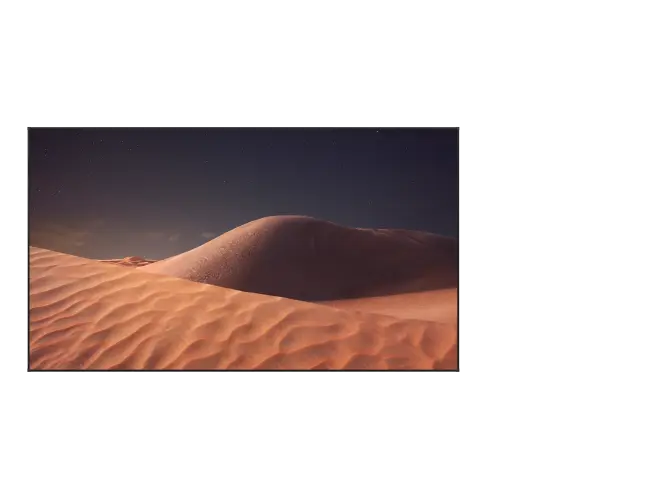
HDR reveals details hidden in shadows and bright areas. A moonlit scene shows texture on objects instead of black shapes. An explosion displays individual sparks rather than a white blob. The difference becomes immediately apparent when you compare content side by side.
Color volume increases dramatically with HDR. Colors stay saturated across all brightness levels. Reds remain rich in both dim and bright scenes. Blues maintain depth, whether showcasing a midnight sky or a tropical ocean.
A Visual Comparison of HDR vs SDR Content
| Feature | SDR Content | HDR Content |
|---|---|---|
| Brightness Range | Limited peaks | Extended highlights |
| Shadow Detail | Often crushed | Visible textures |
| Color Depth | Standard gamut | Wider color spectrum |
| Contrast Ratio | Basic separation | Dramatic depth |
The difference transforms your viewing experience. SDR appears adequate until you watch HDR. Then choosing between HDR and SDR feels like deciding between color and black and white.
How HDR Technology Reveals More Detail

Seeing Clearly in the Brightest and Darkest Scenes
HDR excels where SDR fails. Consider a character walking from a dark room into bright sunlight. SDR forces a compromise: expose for the interior and lose outdoor detail, or expose for sunshine and darken the indoor areas.
HDR displays both simultaneously. You see the character's face clearly while also catching a glimpse of details through the doorway. Space movies show stars glittering in the void while spaceship controls remain readable. This matches how your eyes perceive real-world scenes.
A home projector with proper HDR support brings cinema-grade imaging to your space. The technology adapts to each scene's demands automatically.
HDR Formats: HDR10 and Dolby Vision Explained
HDR10 serves as the universal standard. Every HDR projector supports this format. It applies consistent settings throughout entire movies or shows using static metadata.
Dolby Vision offers enhanced precision. This format adjusts HDR parameters scene by scene, even frame by frame. The optimization happens dynamically throughout your content. However, Dolby Vision requires licensing and increases projector costs.
Most viewers find that HDR10 delivers excellent results. Dolby Vision provides incremental improvements that enthusiasts notice. Both formats dramatically surpass SDR quality.
Why Smooth Motion Matters for Your Home Projector

The Problem with Motion Blur in Action Movies and Sports
Fast movement creates noticeable blur on standard projectors. Movies typically run at 24 frames per second. When cameras pan quickly or action erupts, those 24 frames leave visible gaps.
Sports suffer more severely. A basketball flying toward the hoop appears as a blurry streak. A racecar speeding past leaves a smeared trail. This reduces enjoyment and makes following action difficult. Your eyes struggle to track objects moving quickly across the screen.
MEMC technology solves this fundamental problem.
How Motion Smoothing Creates Fluid Images
A projector with MEMC generates intermediate frames between original ones. The system analyzes consecutive frames and creates new images showing objects in transitional positions. This increases the effective frame rate dramatically.
Motion-smoothing projector technology transforms sports viewing. Every player's movement becomes crisp and clear. Car races show vehicles with sharp edges instead of blurs. Nature documentaries display smooth panning across landscapes without judder.
The improvement feels substantial immediately. Actions that previously left blurry trails now appear clean and trackable.
A Simple Explanation of MEMC Technology
How MEMC (Motion Estimation, Motion Compensation) Works
MEMC stands for Motion Estimation, Motion Compensation. The process happens in two stages. First, the system estimates where objects are moving by comparing consecutive frames. It calculates motion vectors showing direction and speed.
Second, compensation generates new frames, placing objects in intermediate positions. The processor creates these frames in real time as you watch. Advanced algorithms ensure smooth transitions that look natural.
This processing requires significant computing power. Quality MEMC implementations work seamlessly without introducing artifacts or lag. The technology operates invisibly while you enjoy fluid motion.

When to Use MEMC for the Best Results
MEMC works brilliantly for specific content:
- Live sports broadcasts of any type
- Action movies with fast-paced sequences
- Nature documentaries featuring sweeping camera movements
- Video games requiring quick reflexes
Some viewers dislike MEMC in narrative films. It creates an overly smooth appearance, some call the "soap opera effect." Modern projectors let you adjust MEMC intensity or disable it selectively. Keep it active for sports, turn it off for dramas.
How HDR and MEMC Work Together
Complementary Technologies for Complete Image Quality
HDR and MEMC address different aspects of projector picture quality. HDR improves what you see in each frame through better contrast and color. MEMC improves how frames transition through smoother motion.
Together, they create a complete solution. HDR makes individual images stunning. MEMC makes those images flow together seamlessly. A portable projector or home theater unit with both features delivers the full modern viewing experience.
Real-World Scenarios Where Both Features Shine
Action movies benefit enormously from this combination. HDR shows explosive details with dramatic contrast. MEMC keeps those explosions smooth as they unfold. Car chases display rich colors through HDR, while MEMC eliminates vehicle blur.
Sports events become more immersive. HDR reveals uniform colors and grass textures accurately. MEMC tracks players and balls crisply across the field. The combination creates a viewing quality that rivals being at the stadium.
How to Improve Projector Image Quality with HDR and MEMC
Optimizing HDR Settings for Your Environment
HDR performs differently based on room conditions. Darker rooms allow HDR to show its full range. Some ambient light reduces the impact, but HDR still improves images compared to SDR.
Adjust your projector's HDR brightness setting to match your space. Too high washes out highlights. Too low crushes shadow detail. Find the balance where bright areas pop without blooming while dark scenes retain texture.
Some projectors offer multiple HDR picture modes. Cinema HDR prioritizes accuracy. Vivid HDR boosts saturation. Try each mode to find your preference.
Configuring MEMC for Different Content Types
How to improve projector image quality through MEMC settings? Start by identifying what you're watching. Enable maximum MEMC strength for sports and action content. The aggressive smoothing eliminates all judder and blur.
Reduce MEMC intensity or disable it for slower films. Dramas and documentaries often look better with minimal motion processing. You avoid the artificial smoothness while still getting some judder reduction.
Gaming requires special consideration. Lower MEMC intensity reduces input lag while maintaining some motion smoothness. Some projectors include dedicated game modes that balance these factors automatically.
HDR and MEMC on Portable Projectors
Does HDR Matter on Compact Devices?
A portable projector with HDR support delivers significant benefits despite its smaller size. HDR improves any screen dimension by enhancing contrast and color depth. A 60-inch portable projection gains the same relative improvement as a 120-inch home setup.
Portable units often operate in varied lighting conditions. HDR's expanded dynamic range helps maintain image quality whether you're projecting outdoors at dusk or in a dimly lit bedroom. The technology adapts to challenging environments better than SDR.
Why MEMC Enhances Portable Gaming
MEMC technology proves to be especially valuable on portable projectors used for gaming. Console and PC games display smoother motion with reduced blur. This matters enormously for competitive gaming, where tracking enemies quickly determines success.
Modern MEMC implementations minimize input lag while maintaining smooth visuals. You get fluid motion without sacrificing responsiveness. A motion-smoothing projector creates excellent portable gaming experiences that rival dedicated gaming monitors.

Upgrade Your Viewing Experience Today
HDR and MEMC represent the most significant advances in projector picture quality. HDR delivers depth and realism through expanded contrast and richer colors. MEMC eliminates motion blur for smooth, clear action. A home projector offering both technologies brings professional-grade imaging to your entertainment space. Prioritize these features when selecting your next projector for the best possible viewing experience.
Frequently Asked Questions
Does Every Projector Claiming HDR Support Deliver Good HDR Performance?
No. Many budget projectors are compatible with HDR signals but fail to display them and compress them to levels of SDR. To display HDR properly, you need at least 2,000 lumens of light. Check review sites where they test projectors' HDR quality.
Can I Adjust MEMC Strength or Must I Use It at Full Power?
You can always adjust the intensity for most projectors that have the MEMC technology. You get to select the level depending on the content you are projecting. You select high for sporting content, medium for action movies, and low for dramas. This is more flexible compared to the standard MEMC technology.
Will MEMC Make All My Content Look Like Soap Operas?
You can achieve this with MEMC by setting the options high for video footage. However, you can adjust its intensity. You need to set it lower or switch it off for footage recorded by movie cameras at 24fps. You should have it activated for sports footage, video games, and action scenes.
Should I Prioritize HDR or MEMC if I Can Only Afford One Feature?
It also depends on what you are watching. Movie lovers will enjoy more of the difference in contrast and color brought about by HDR. Sports enthusiasts will enjoy more of MEMC's smooth action. If you watch a variety of programs, then you will enjoy more of HDR's additional features. MEMC technology does help specific forms of content. The ideal home cinema projector should offer both.


