





The Complete Guide to Console and PC Gaming on a Projector in 2026
Gaming on a massive screen can deliver unmatched immersion for console and PC titles, but only when the projector delivers low enough input lag, proper refresh rate support, and reliable compatibility with devices like the PS5, Xbox Series X, and high-end PCs. In 2026, the key is matching your room conditions, gameplay style, and source device to the right projector features rather than chasing every headline specification.
Related Resources
- Is a Gaming Projector Worth It for PS5 and Xbox in 2026? A Deep Dive into Specs and Performance
- Best Short-Throw Gaming Projectors for Small Rooms
- Are 4K 120Hz Projectors Worth It for Console Gaming?
- The Best Couch Gaming Projector Setups for Split-Screen Multiplayer

The right choice depends heavily on whether your setup is in a controlled dark room, a mixed-light living room, or a compact bedroom. Casual players can often prioritize screen size and convenience, while competitive gamers must focus first on input lag under 20 ms and 120 Hz support to maintain responsiveness. This guide walks through the practical thresholds, setup steps, and decision rules that help you avoid common compatibility pitfalls with HDMI 2.1, VRR, and gaming modes.
Understanding Key Gaming Projector Specifications in 2026
Modern projectors marketed for gaming emphasize a handful of specifications that directly affect playability. Input lag measures the delay between pressing a button and seeing the result on screen. A common pattern we see is that most players find under 20 ms suitable for responsive gaming, with values around 20–30 ms still workable for casual or single-player titles. Competitive players or those using fast-paced shooters often prefer under 16 ms to minimize perceived delay.
Refresh rate determines how smoothly motion appears. Support for 120 Hz at 4K is increasingly important for next-gen consoles and PCs that can output high frame rates. A projector limited to 60 Hz may feel adequate for slower games but can introduce noticeable judder or blur in competitive play. Response time, while frequently listed, is less directly comparable across projectors than input lag and should be secondary to verified gaming mode performance. For more on this topic, see 120Hz Projectors: Do You Need High Refresh Rate for Gaming?.
HDMI 2.1 is the critical interface for full 4K 120 Hz, Variable Refresh Rate (VRR), and Auto Low Latency Mode (ALLM). Without it, many next-gen features from the PS5 or Xbox Series X may not activate properly, leading to compatibility issues or forced lower resolutions. VRR helps eliminate screen tearing when frame rates fluctuate, making it valuable for both console and PC gaming where frame pacing is inconsistent.
Brightness requirements vary significantly by environment. In dedicated dark rooms, moderate output suffices for strong contrast. In living rooms with ambient light, higher lumens—often from laser light sources—become essential to maintain visibility and color accuracy during daytime or evening sessions with lights on.

Thresholds That Matter for Responsive Gaming
To evaluate claims before purchasing, it helps to use these practical thresholds based on common usage patterns:
- Input lag: Under 20 ms is generally the target for responsive gaming; 20–30 ms works for casual play; above 30 ms often feels sluggish for action-heavy titles.
- Refresh rate: 120 Hz support is the meaningful upgrade for PS5, Xbox Series X, and PC gaming; 60 Hz remains acceptable for cinematic or slower single-player experiences.
- HDMI and VRR: HDMI 2.1 plus VRR support is the standard for full next-gen compatibility and smooth frame delivery.
- Brightness: Prioritize higher output (typically 2000+ ISO lumens for larger screens) in rooms that cannot be fully darkened.
For many gamers, the real test is whether the projector maintains these specs in its dedicated game mode without compromising image quality. A model that advertises 4K 120 Hz but only achieves it with reduced color or contrast may not deliver the expected experience.
Gaming Projector Priority Map by Room and Play Style
Illustrative priority scores based on the provided thresholds and guidance. Higher scores mean greater importance, not measured performance.
View chart data
| Series | Brightness | Low Input Lag | High Refresh / 120Hz | HDMI 2.1 / VRR | Resolution / 4K | Short-Throw Fit |
|---|---|---|---|---|---|---|
| Dark Room - Casual Console | 3.0 | 5.0 | 4.0 | 4.0 | 4.0 | 2.0 |
| Bright/Mixed Room - Casual Console | 5.0 | 4.0 | 4.0 | 4.0 | 4.0 | 2.0 |
| Dark Room - Competitive PC/Console | 2.0 | 5.0 | 5.0 | 5.0 | 4.0 | 2.0 |
| Bright/Mixed Room - Competitive PC/Console | 5.0 | 5.0 | 5.0 | 5.0 | 4.0 | 2.0 |
Heuristic/illustrative scoring derived from internal guidance: dark rooms can prioritize lag/refresh over brightness, bright or mixed rooms need higher lumens, competitive play prioritizes input lag below about 20ms and 120Hz/HDMI 2.1/VRR, and small rooms benefit from short-throw placement. No false precision intended.
This radar chart illustrates how priorities shift. In dark rooms with casual console gaming, low input lag and refresh rate can take precedence over brightness. In brighter living rooms or competitive scenarios, brightness and full next-gen feature support rise in importance. These are relative heuristic priorities, not absolute performance measurements.
Scenario-Based Buying Guidance
The best projector choice often depends on your specific environment and play style. Use this decision framework to narrow your options:
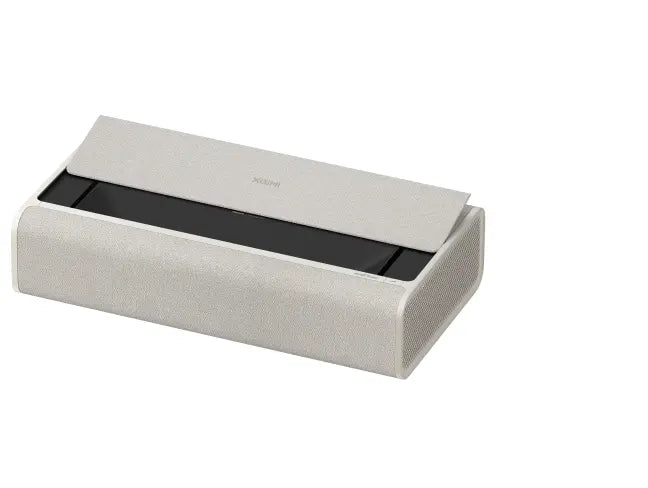
Small bedroom or apartment with limited space: Short-throw or ultra-short-throw models reduce placement friction and allow large images from closer distances. They are especially practical when the projector must fit between furniture or on a media console. Check that the chosen short-throw model still meets input lag and refresh requirements.
Living room with mixed daylight or family use: High-brightness laser projectors help maintain image quality when full light control is impossible. Prioritize models with strong gaming modes that preserve color and contrast even in elevated ambient light. Casual split-screen or couch multiplayer benefits from easy setup and reliable HDMI 2.1 compatibility.
Dedicated dark gaming room: Here you can focus more on low input lag, 120 Hz support, and VRR without compromising on brightness. Both long-throw and short-throw options can work depending on desired screen size and mounting preferences.
PC gaming with high-refresh output: Competitive PC users should screen strictly for verified low-latency gaming modes and 120 Hz (or higher) capability. Ensure the projector can accept the PC's native resolution and refresh rate without downscaling.
Casual console gaming on PS5 or Xbox Series X: Many players can succeed with a balanced projector that offers solid 4K performance, HDMI 2.1, and input lag under 20 ms. Image size and overall immersion often matter more than chasing the absolute lowest latency numbers. For more on this topic, see Projector vs Gaming Monitor: Size, Lag & Immersion.
A common mistake occurs when buyers select a projector that performs well for movies but struggles in game mode or requires frequent realignment. Test your room's light control and planned throw distance before committing.
How to Set Up a Projector for Low-Latency Gaming
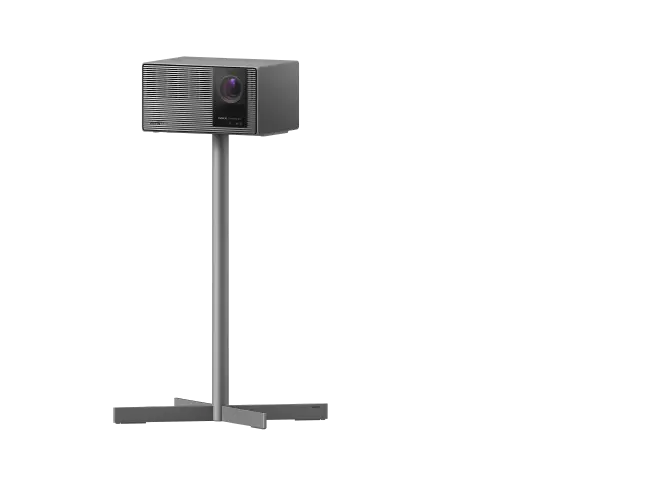
Proper setup is as important as the hardware specifications. Begin by placing the projector at the manufacturer's recommended distance for your desired screen size. Use a fixed screen or high-gain wall paint when possible to improve contrast and reduce light scatter.
Enable the projector's dedicated game mode immediately after connection. This typically disables image processing that adds latency. Connect your console or PC using a certified HDMI 2.1 cable to unlock full features. On the PS5 or Xbox, confirm that 4K 120 Hz and VRR are active in the system settings.
For PC users, match the projector's resolution and refresh rate in display settings and verify the game runs at the intended frame rate. Adjust keystone and focus carefully—digital keystone can slightly soften the image, so optical adjustments or proper alignment are preferable.
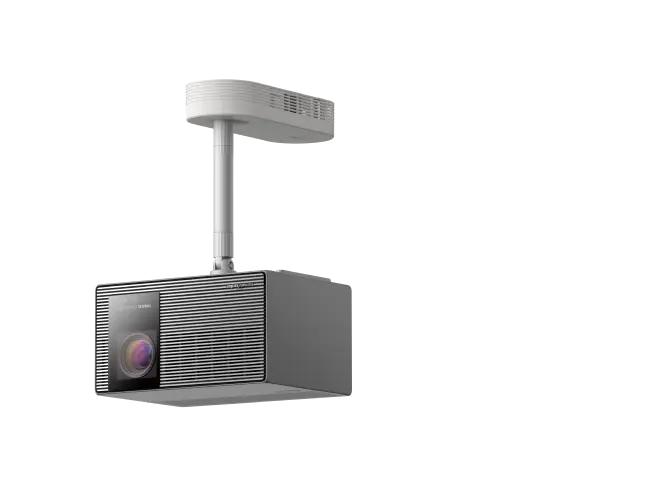
In shared rooms, consider a motorized screen or easy-mount solution that allows quick transitions between gaming and other viewing. Keep the room as dark as practical during play to maximize perceived contrast and reduce eye strain from competing light sources.
Avoiding Common Compatibility and Performance Problems
HDMI 2.1 compatibility remains a frequent pain point. Some projectors advertise the port but limit bandwidth in practice, preventing simultaneous 4K and 120 Hz. Always verify real-world performance with your specific console or graphics card rather than relying solely on marketing claims.
VRR support can be inconsistent across brands. When disabled or unsupported, you may notice tearing or stuttering in variable-frame-rate games. Test multiple titles after setup to confirm smooth behavior.
Brightness marketing often uses different measurement standards. Look for ISO or ANSI lumen ratings when comparing models, especially for mixed-light environments. A projector that looks bright in a showroom may disappoint in a typical living room.
Do not buy a gaming-focused projector if your room cannot be darkened reliably and you expect TV-like daytime performance, if you will frequently move the unit and dislike recalibrating, or if competitive responsiveness is your top priority and you remain highly sensitive to even minor delays. In those cases, a high-refresh gaming monitor may still be the more practical choice.
Choosing Between Console-Focused and PC-Focused Projectors
Console gamers typically benefit from projectors with straightforward HDMI 2.1 implementation, ALLM, and strong HDR support for PS5 and Xbox visuals. PC gamers often need additional flexibility in resolution and refresh rate handling plus low-latency modes that perform consistently at higher frame rates.
Many 2026 models now serve both audiences well when they include full HDMI 2.1 bandwidth and adjustable gaming presets. The deciding factor is often your primary device and the types of games you play most. A single high-quality projector with verified low lag and 120 Hz support can handle both console and PC gaming effectively in the right room.
For further reading on detailed specifications, see this gaming projector guide on input lag and refresh rates. Those evaluating next-gen console performance may also find value in finding the perfect projector for PS5 and Xbox.
Checklist for Buying and Setting Up Your Gaming Projector
Use this practical checklist to evaluate options and finalize your setup:
- Confirm input lag is under 20 ms in game mode with your intended resolution and refresh rate.
- Verify HDMI 2.1 ports with full bandwidth for 4K 120 Hz and VRR.
- Match brightness to your room's ambient light level and planned screen size.
- Test throw ratio and placement feasibility in your actual space.
- Check for reliable game mode that preserves color accuracy and contrast.
- Ensure easy alignment features or mounting options suit your room layout.
Following these steps helps translate specifications into real-world performance. The ideal gaming projector balances your room constraints, chosen devices, and play style without unnecessary over-spending on features you will not use.
This article discusses comfort and setup considerations for projector gaming. It does not constitute medical advice. If you experience persistent eye discomfort, headaches, or other symptoms during use, consult a qualified eye care professional.
Gaming projectors have matured significantly by 2026. With careful selection based on the thresholds and scenarios outlined here, you can enjoy immersive console and PC gaming on a large screen while maintaining the responsiveness modern titles demand.


