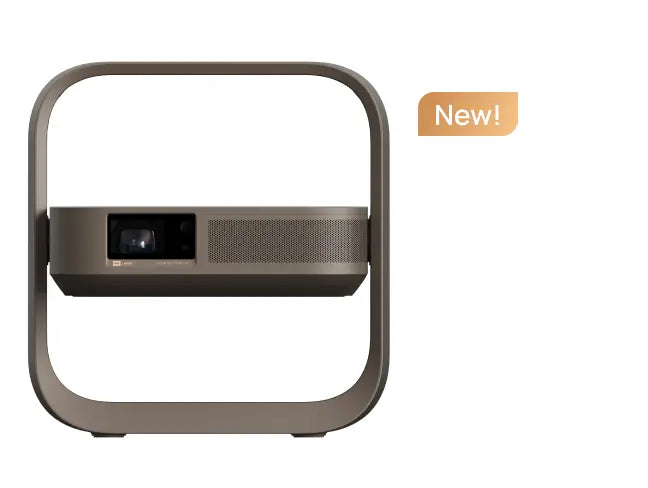
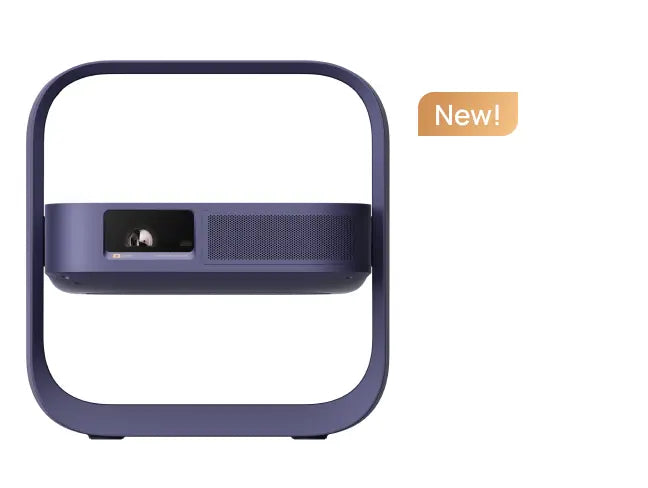
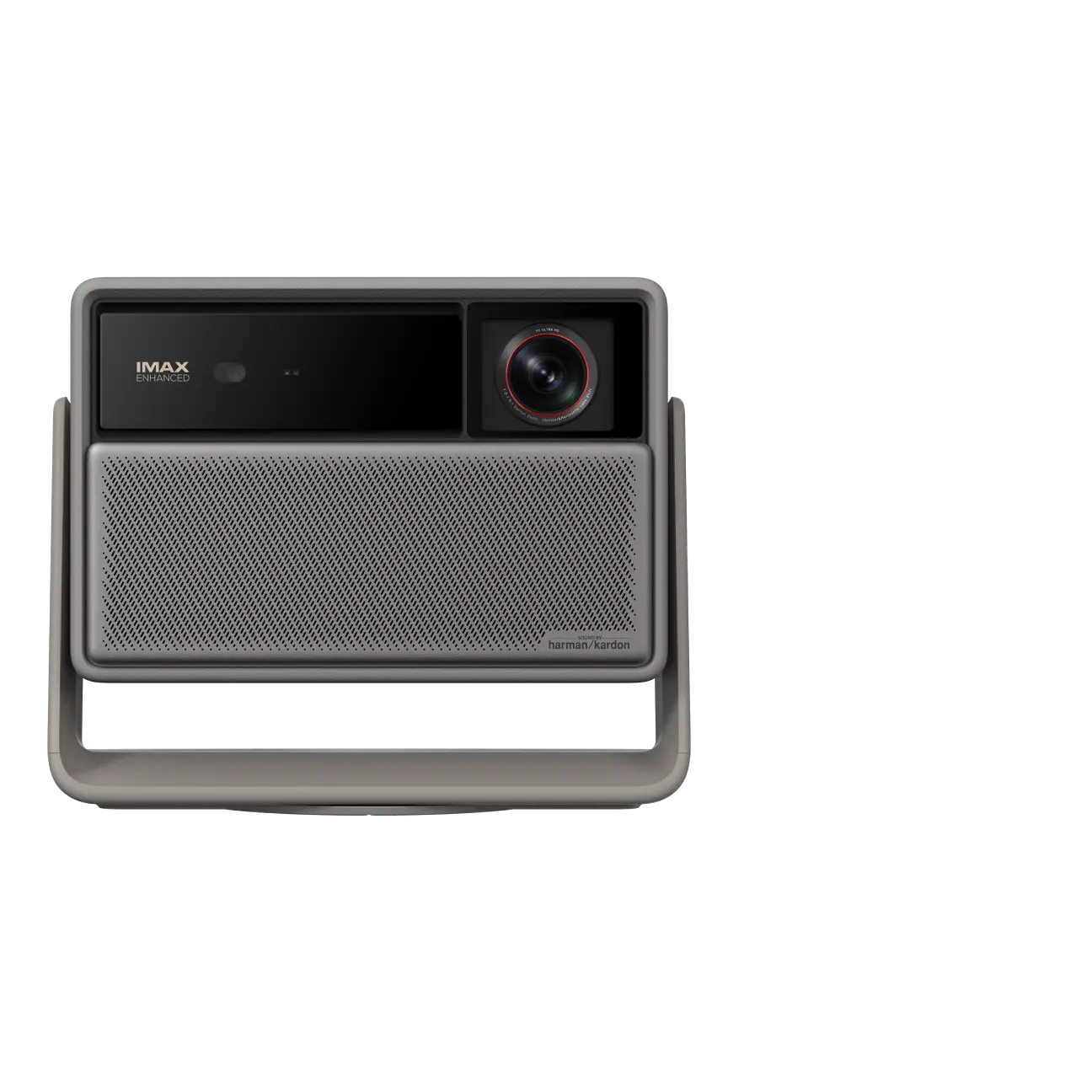
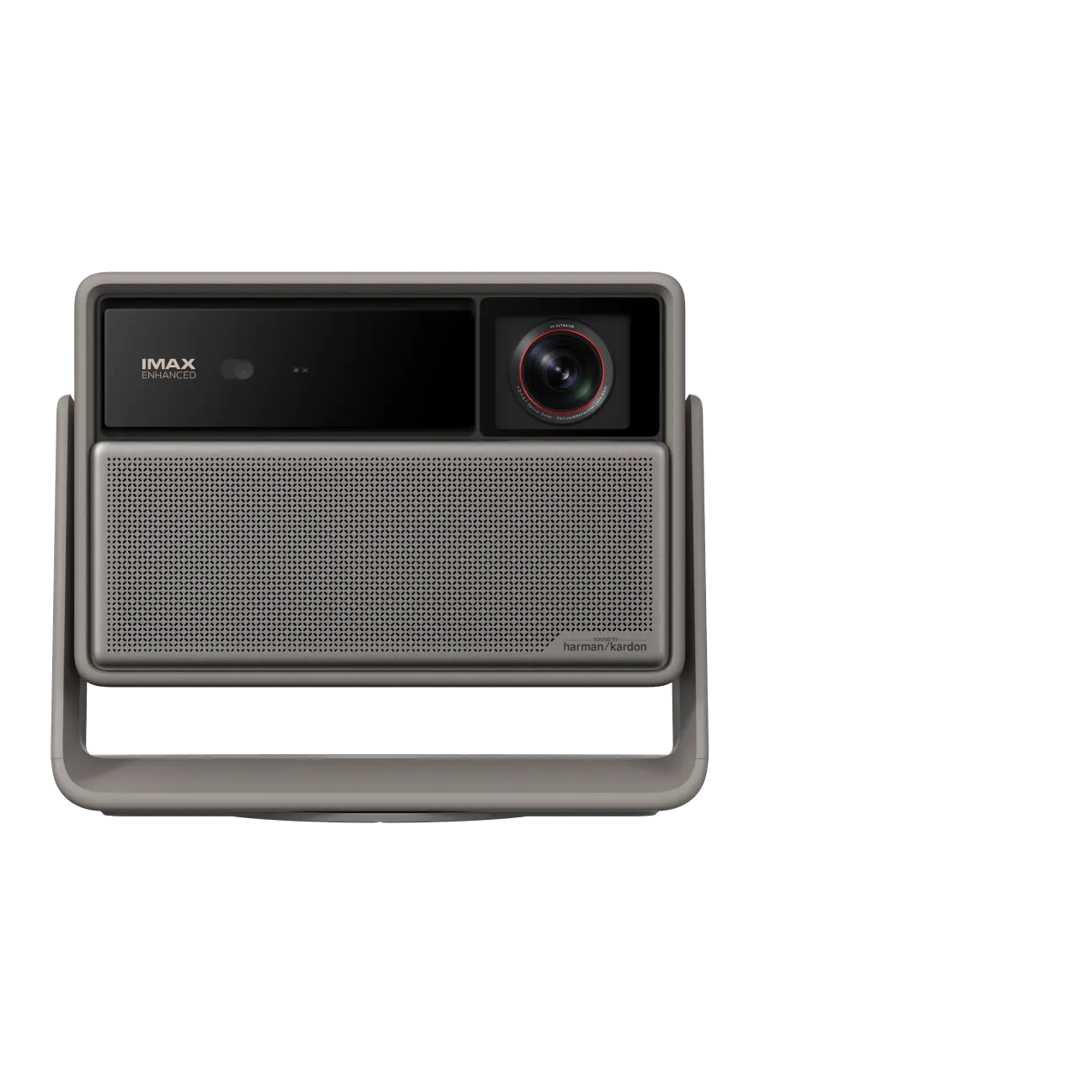
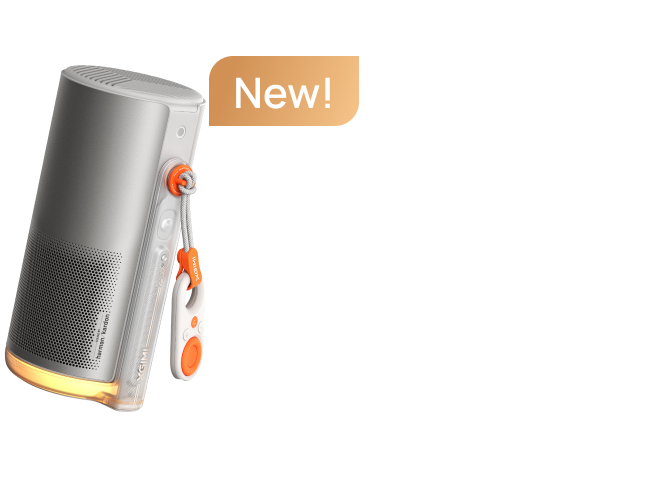
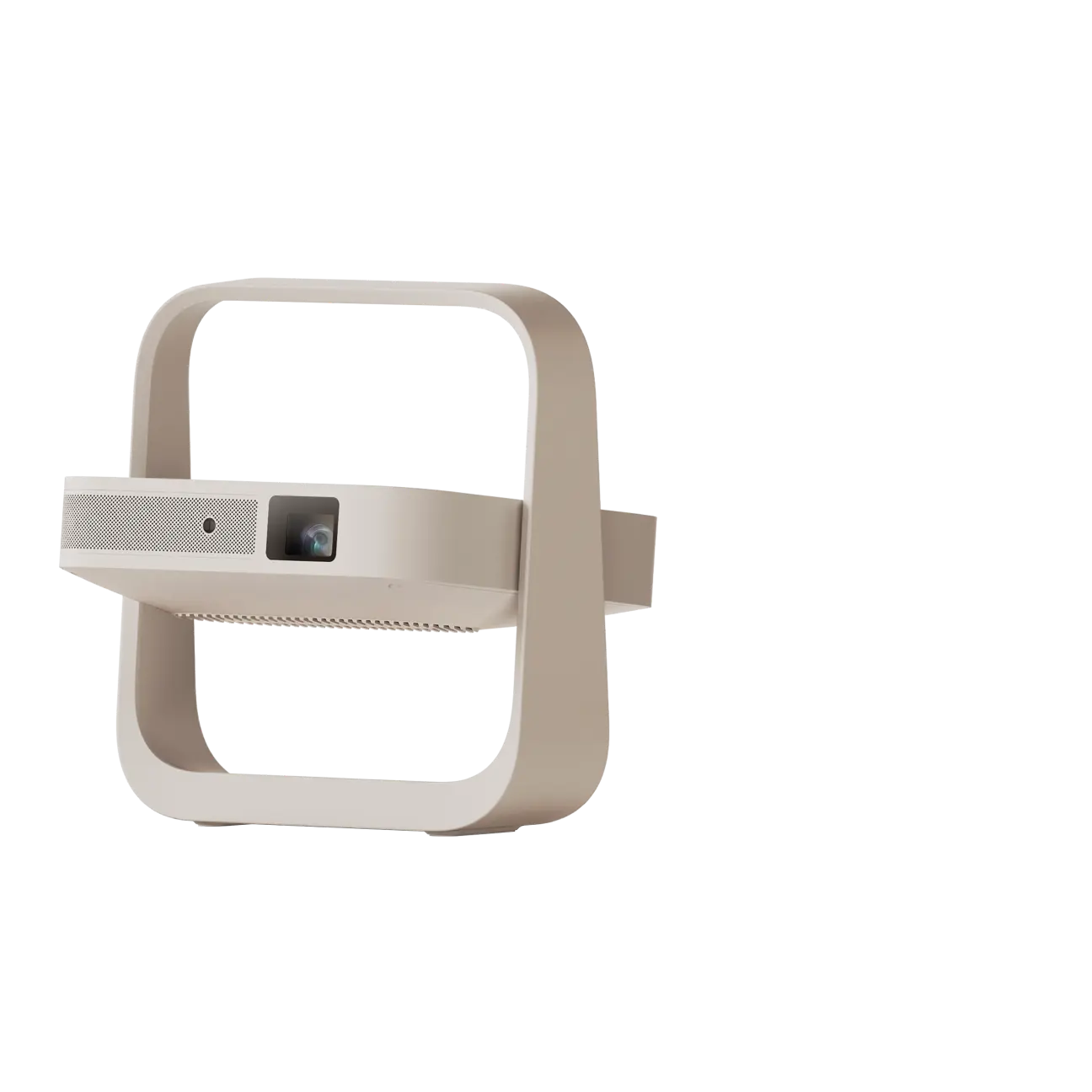
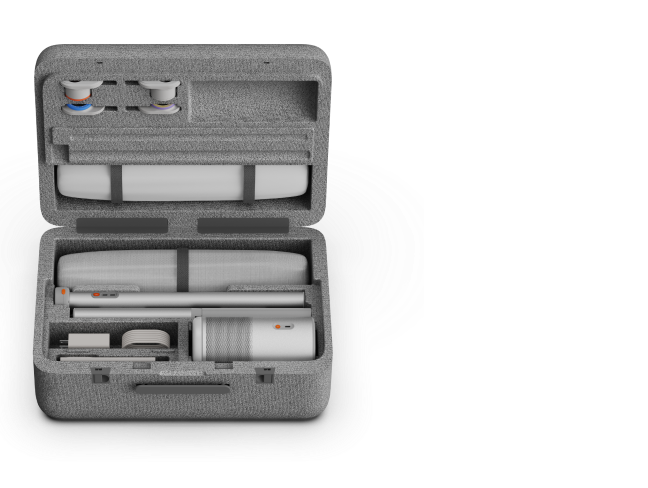
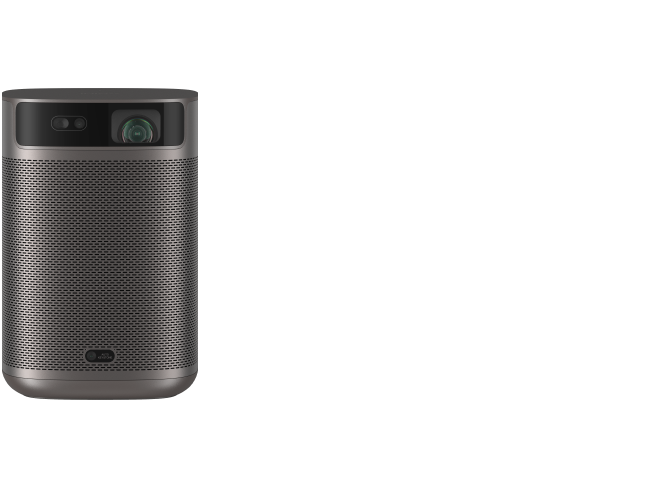




A massive black television often clashes with the clean lines and intentional simplicity of a minimalist living room. Many design-conscious homeowners are turning to hidden projector setups as a lifestyle cinema solution that delivers large-screen viewing on demand while preserving the room's aesthetic when the screen goes dark.
This approach succeeds when the projector placement, room lighting, and furniture layout work together. The best outcomes come from treating the projector as part of the architecture rather than an afterthought, matching throw distance to available space, and accepting that complete invisibility is rarely achievable.
Why a Hidden Projector Fits a Minimalist Living Room
Minimalist design prioritizes visual simplicity and reduced visual clutter. A large television creates a permanent focal point that competes with carefully chosen furniture, art, or architectural details. In contrast, a projector can project onto a plain wall or a retractable screen that disappears when not in use, allowing the room to return to its intended serene state.
Concealing entertainment gear helps maintain those clean visual lines, but the setup still requires some visible or semi-visible elements such as a screen surface, subtle mounting hardware, or managed cabling. The goal is to minimize their presence rather than eliminate them entirely.
Many premium buyers now view a high-quality projector as a TV alternative for movies, streaming, and occasional gaming. Modern lifestyle projectors with features like autofocus, keystone correction, and smart operating systems reduce daily friction, making them more practical in curated spaces than older models.

Key Scenarios: When a Hidden Projector Makes Sense
Room conditions determine whether a hidden projector delivers convenience or added hassle. The decision often flips based on lighting control, layout stability, and primary use cases.
A hidden projector setup tends to work best in rooms that can be darkened on demand, feature fixed seating, and prioritize occasional cinematic viewing over all-day casual use. In these cases, the aesthetic payoff outweighs minor setup requirements.
When the room receives significant ambient light during typical viewing hours, or when furniture moves frequently, a traditional television often provides more predictable performance with less planning. Bright rooms reduce contrast on projected images, making colors appear washed out unless additional light control measures are added.
Here is a heuristic visualization of how different projector approaches and a TV alternative fit common minimalist living room scenarios. Scores are illustrative only and based on relative suitability considering ambient light sensitivity, layout stability, and usage patterns.
Heuristic Projector Fit by Room Scenario
Heuristic suitability scores for a minimalist living room. Higher means better fit for the scenario; values are illustrative, not measured.
View chart data
| Category | UST laser | Standard throw | TV alternative | |
|---|---|---|---|---|
| Bright + casual + changing layout | 4.0 | 2.0 | 3.0 | 5.0 |
| Controlled + movie-focused + fixed layout | 2.0 | 5.0 | 3.0 | 1.0 |
| Controlled + casual + fixed layout | 3.0 | 4.0 | 3.0 | 2.0 |
| Bright + movie-focused + changing layout | 2.0 | 1.0 | 3.0 | 5.0 |
Heuristic synthesis based on scenario_matrix and reverse_recommendation logic: ambient light sensitivity, layout dependence, and throw-ratio flexibility. Relative 1-5 scores only; not experimental or official data.
Choosing the Right Projector Type for Concealment
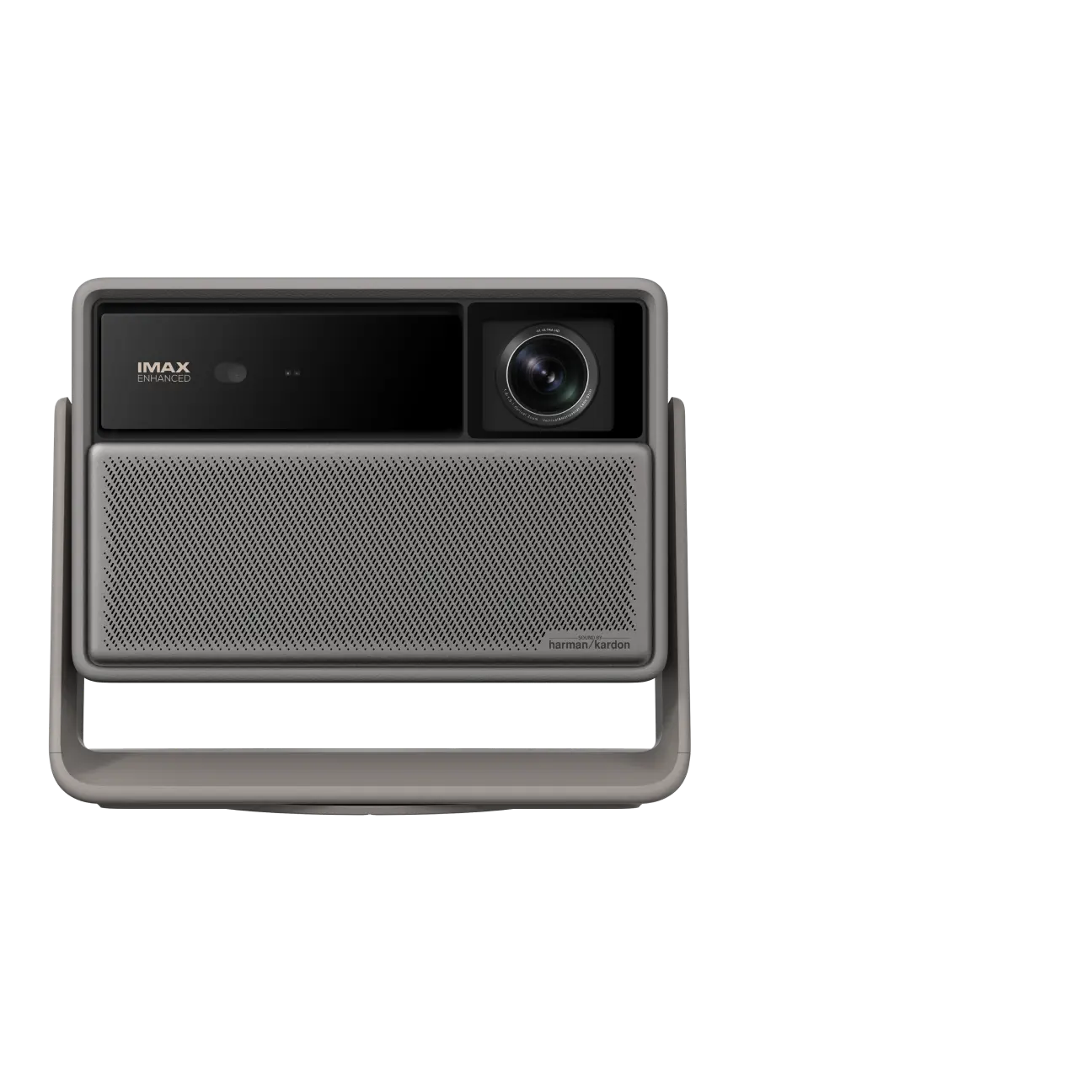
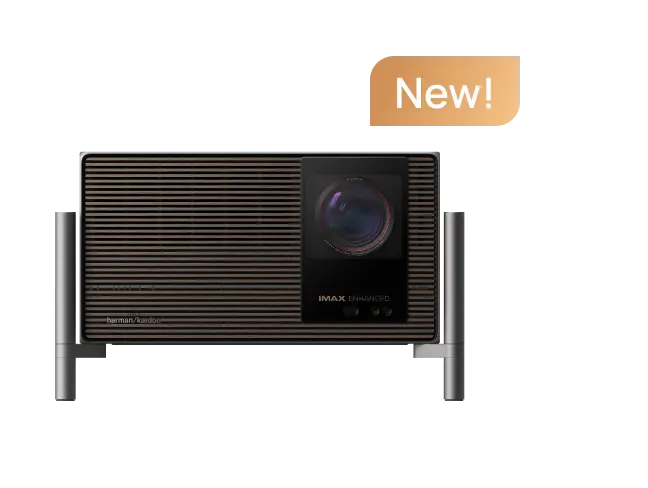
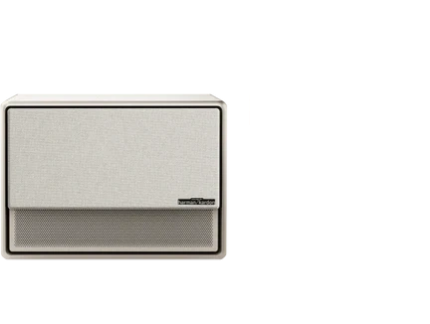
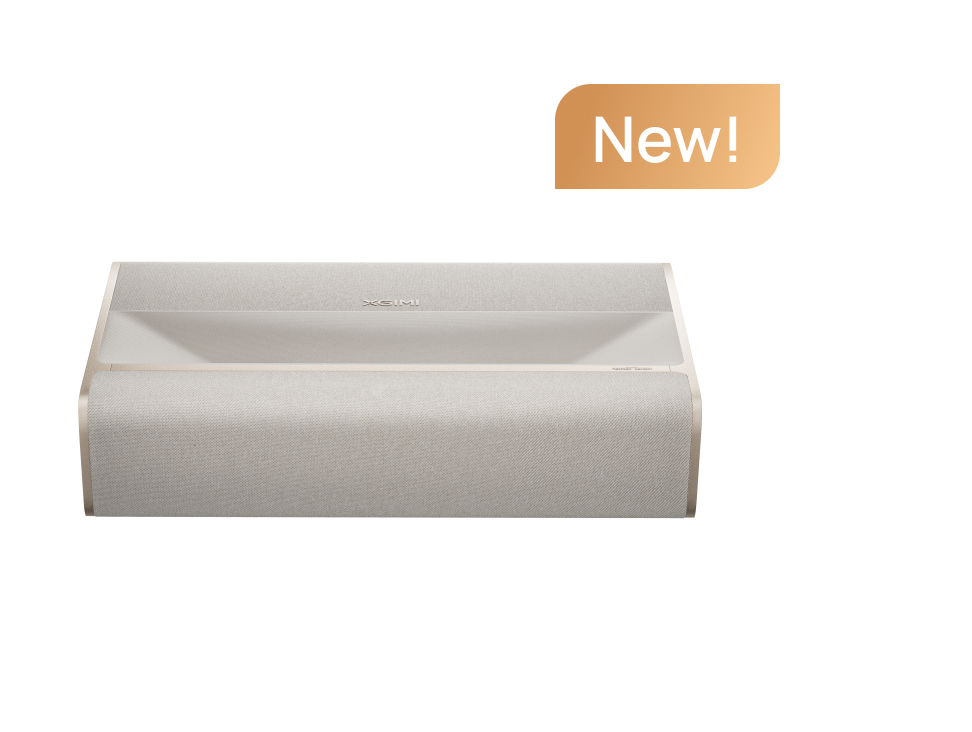
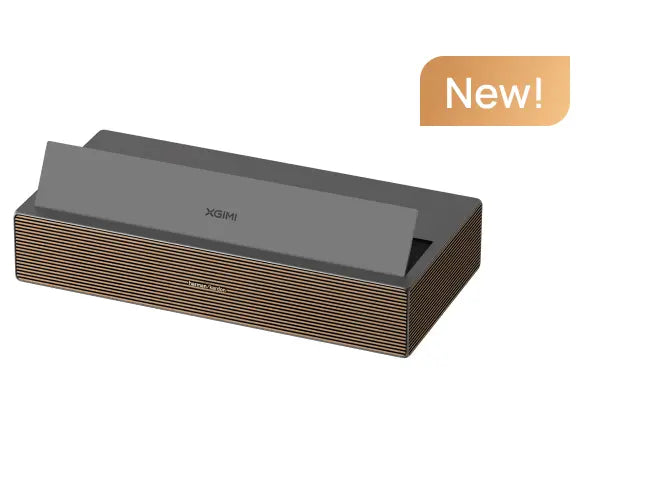
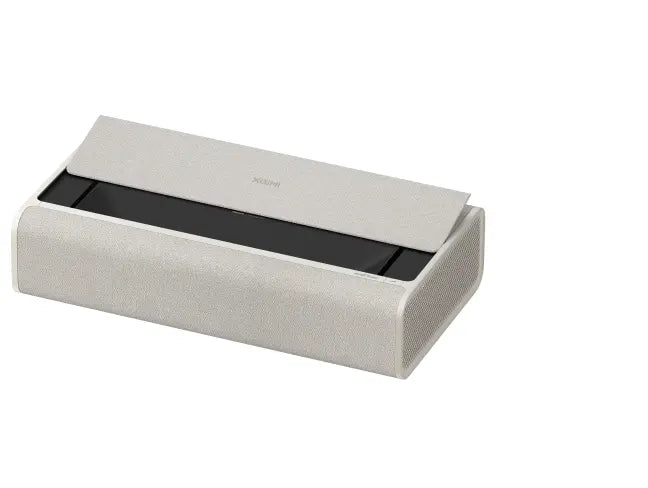
Ultra-short-throw (UST) laser projectors often work well for hidden setups because they can sit close to the wall, sometimes on a low console or within custom cabinetry. Models like the AURA 2 or its updated version create a 100-inch image from just inches away, reducing the need for ceiling mounts or long throw distances that are harder to conceal.
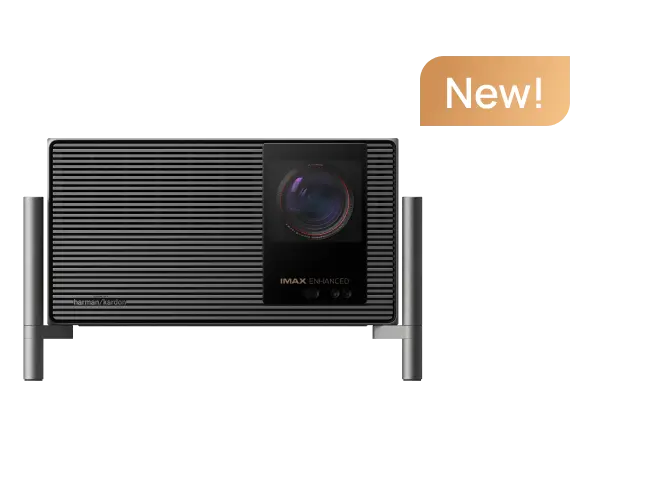
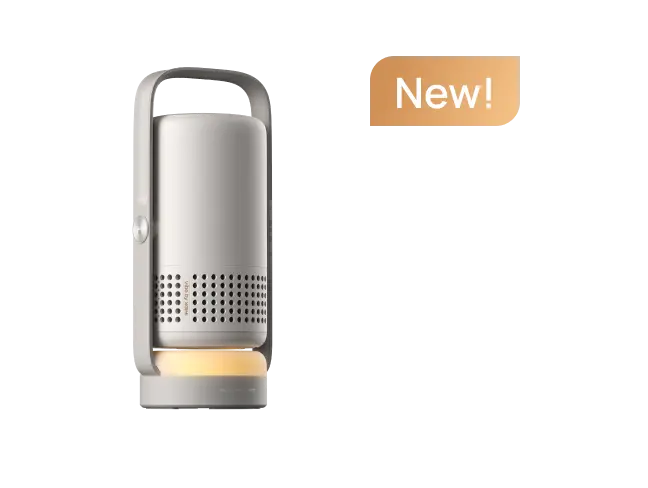
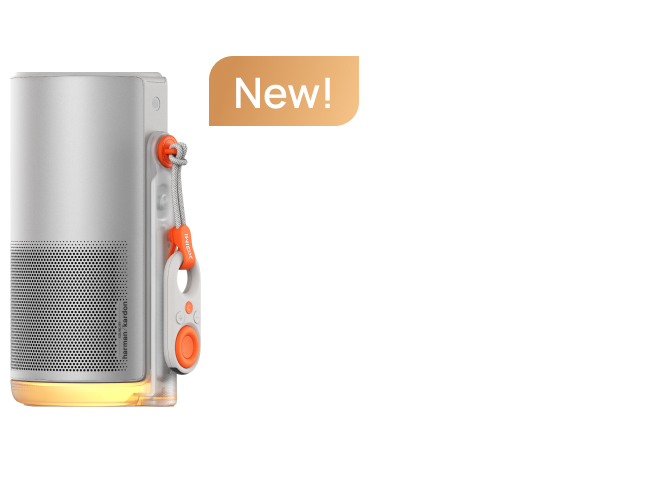
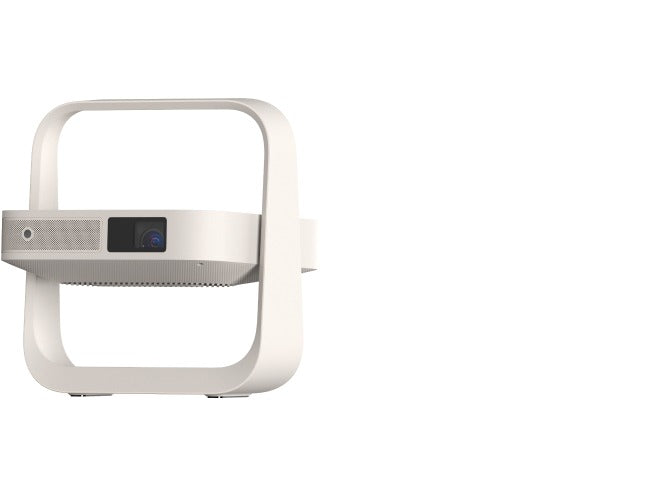
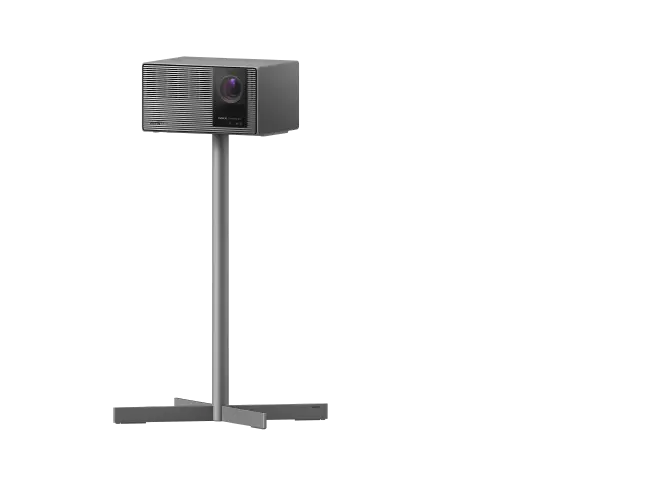
Standard throw projectors may require more distance from the screen, which can make concealment more challenging unless mounted on the ceiling or in a dedicated nook. Portable options like the HORIZON Ultra offer flexibility for occasional use but may not stay as seamlessly integrated.
Laser projectors generally provide brighter, more consistent performance suitable for living rooms. When evaluating options, consider how the chosen model integrates with your specific room dimensions and desired screen size. This buying guide for living room projectors offers practical tips on matching specifications to real-world spaces.
For those exploring alternatives to traditional TVs, compare the benefits in dedicated articles such as why a laser projector can be preferable or whether a living room projector beats a TV overall.

Practical Placement and Concealment Strategies
Successful hidden projector setups begin with careful measurement. Projector placement depends on room layout, throw distance, and available mounting or furniture locations. Measure the distance from your intended screen wall to potential projector positions before purchasing.
Common concealment approaches include:
- Placing an ultra-short-throw model on a low media console or within a custom-built cabinet with a front opening.
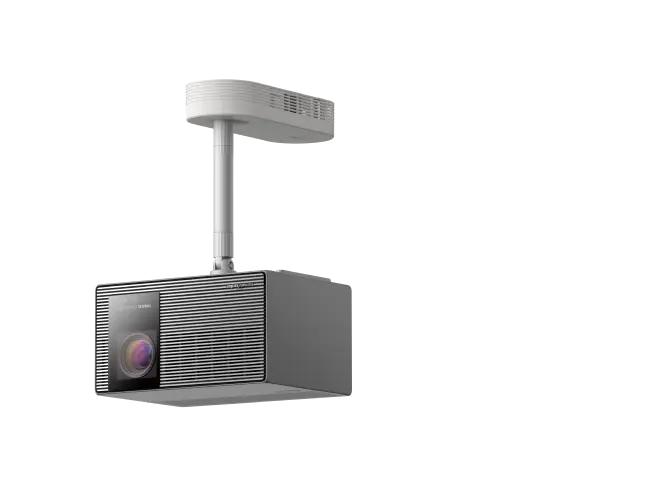
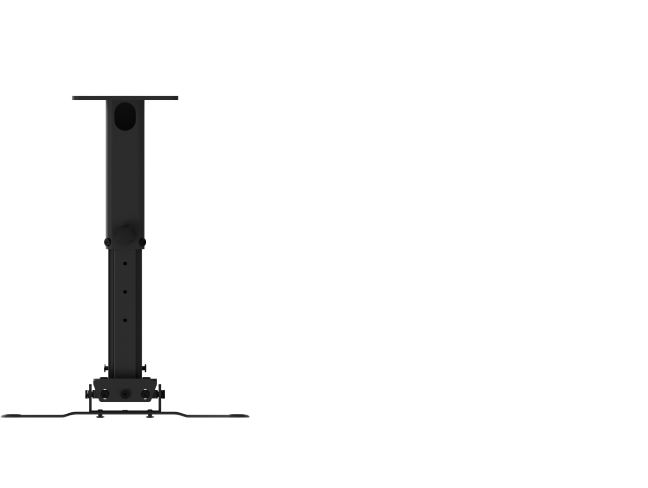
- Ceiling mounting a standard throw projector with a flush or recessed mount painted to match the ceiling.
- Using furniture with integrated lift mechanisms or hidden compartments for portable models.
Cable management plays a critical role in maintaining a clutter-free appearance. Route wires through walls, baseboards, or cable channels painted to blend with your trim. Wireless streaming reduces the need for some connections, but power cables usually remain necessary.
Wall or screen surface quality matters as much as the projector. A smooth, light-colored wall works for casual viewing, but a dedicated projection screen or specially treated paint improves contrast and uniformity. Avoid textured or dark surfaces that degrade image quality.
Modern projectors simplify installation with technologies like automatic keystone correction, focus adjustment, and obstacle avoidance. A guide to smart projector setup features explains how these tools reduce alignment time.
Lighting Control and Image Quality Considerations
Projected image quality in a living room is sensitive to ambient light. Even bright projectors perform best when the room can be dimmed during viewing. Blackout curtains, automated shades, or strategic window treatments help manage daylight without permanently darkening the space.
In brighter conditions, choose higher-lumen models and consider a higher-gain screen material. However, excessive ambient light still reduces the perceived cinematic quality compared with a television.
For dedicated movie nights in controlled environments, the large image size creates an immersive experience that many find superior to typical living room TVs. Casual daytime viewing may feel less satisfying unless lighting is carefully managed.
Step-by-Step Setup Checklist for Minimalist Integration
Follow these practical checkpoints to evaluate and implement your setup:
- Assess your room layout for stable projector and screen positions that won't require frequent adjustment.
- Measure throw distance needs against available space and select a projector type (UST, standard, or portable) that fits naturally.
- Plan cable routes and power access points that can be fully concealed or painted over.
- Test ambient light levels at different times of day to determine if additional window treatments are required.
- Choose a screen solution—plain wall, paint, or fixed/retractable screen—that matches your aesthetic goals.
- Verify that the projector's smart features and operating system support your preferred streaming services for low-friction daily use.
This checklist translates abstract factors into executable steps. If any step reveals major constraints, reconsider whether a hidden setup aligns with your priorities.
Common Tradeoffs and When to Reconsider
A clutter-free setup usually requires thoughtful furniture placement, storage, and cable management. While the end result looks cleaner, the process involves more upfront planning than simply mounting a television.
Do not pursue a hidden projector if your layout changes frequently, you cannot control ambient light effectively, or you expect truly zero visible hardware. The system reduces visual clutter only when you accept some ongoing discipline around setup and room conditions.
Budget should account for the projector, potential mounting hardware, screen treatments, and any professional installation. The total cost often exceeds a comparable television, especially when adding concealment elements.
Comfort and Viewing Notes
This article discusses setup and comfort considerations for home entertainment in minimalist spaces. It does not constitute medical advice, diagnosis, or treatment. Projected viewing may feel more comfortable for some in controlled lighting, but results vary by individual and room conditions. If you experience persistent eye discomfort, headaches, or have existing vision conditions, consult a qualified eye care professional.
Final Thoughts on Creating Your Lifestyle Cinema
A minimalist living room with a hidden projector delivers an elegant balance of design and entertainment when room conditions support it. The most satisfied users treat the installation as a design project from the beginning, prioritizing stable placement and light control alongside the technology itself.
Explore home projectors or laser projectors that match your space. For more inspiration on smart features that simplify integration, review details on ISA technology.
The result can be a living room that feels intentionally curated rather than dominated by electronics, with cinematic experiences available at the touch of a button. Success depends heavily on matching the solution to your specific room and lifestyle rather than following generic trends.
When executed thoughtfully, this approach creates a space that looks beautiful whether the projector is active or idle, aligning technology with the principles of minimalist design.


