
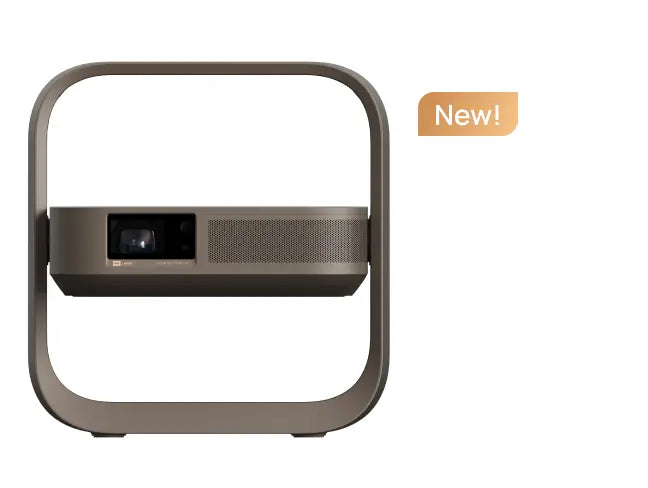
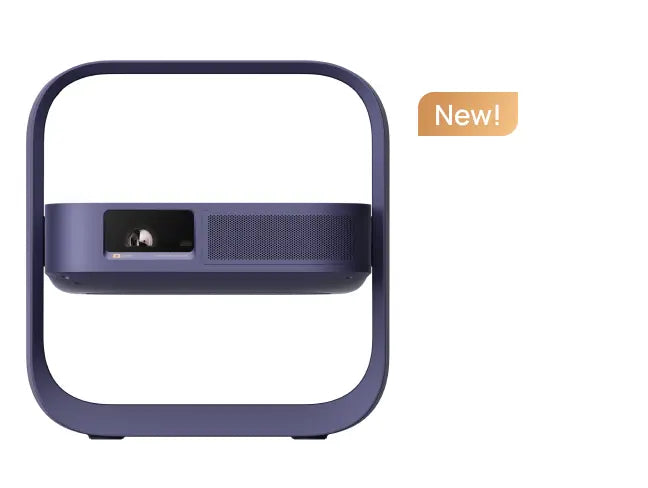
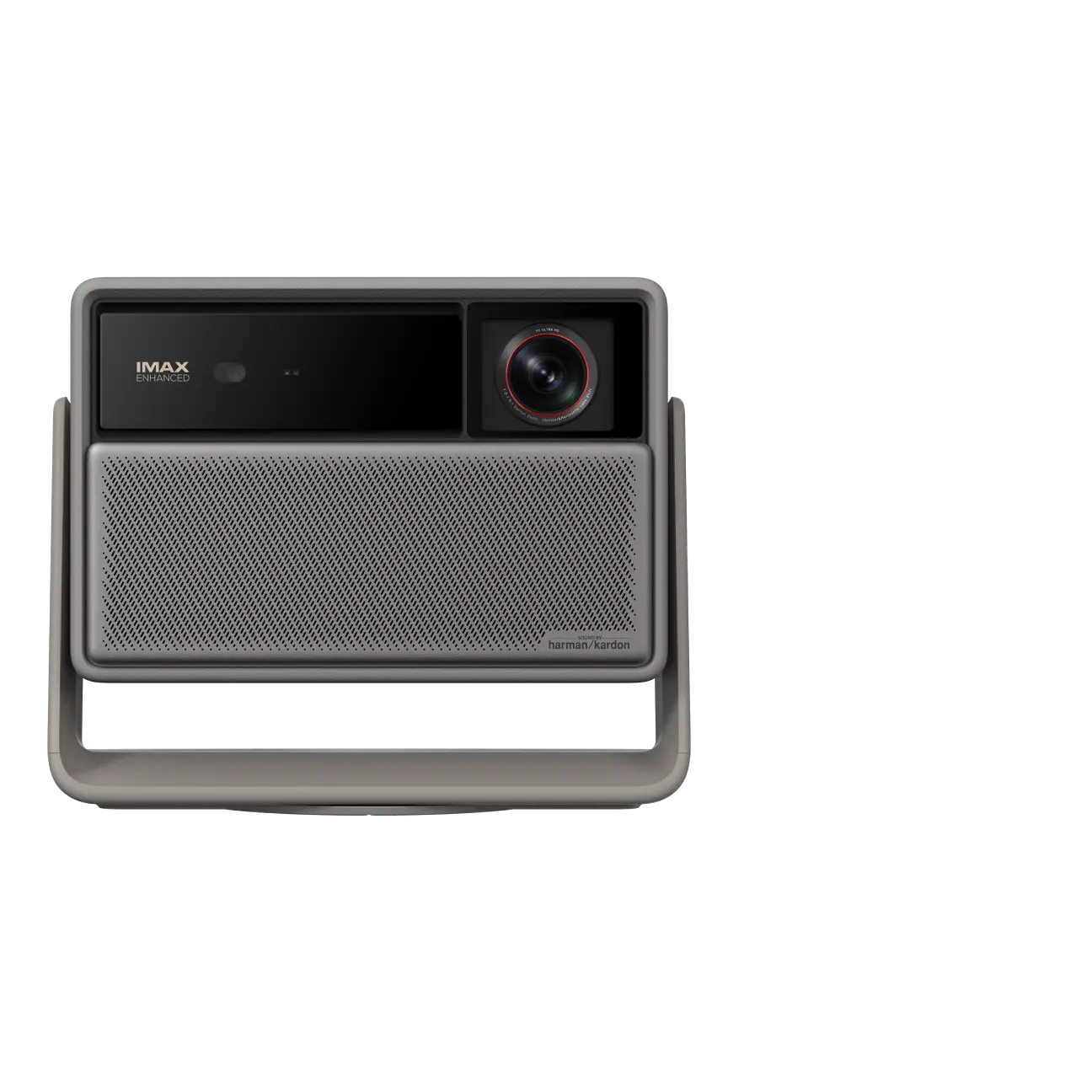
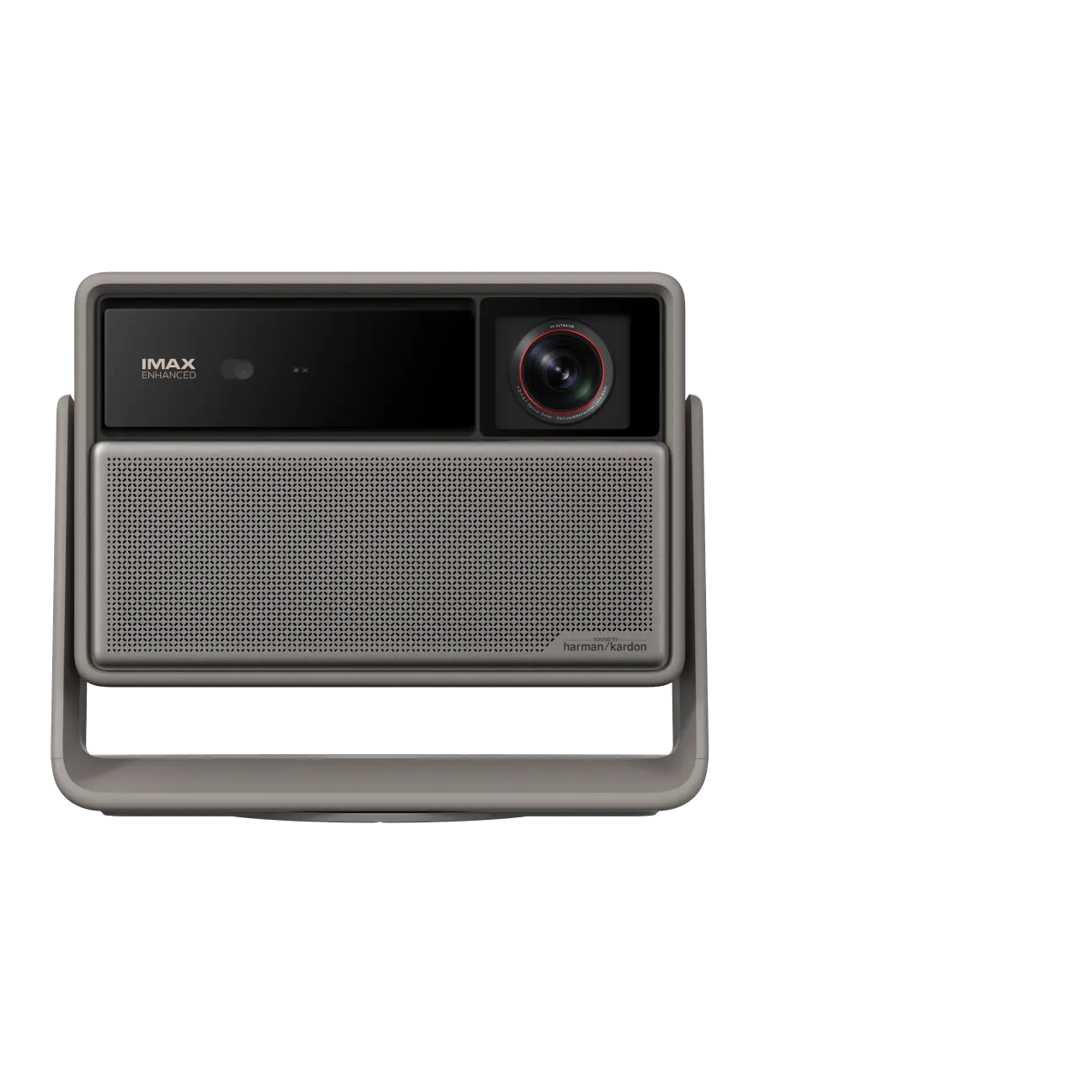
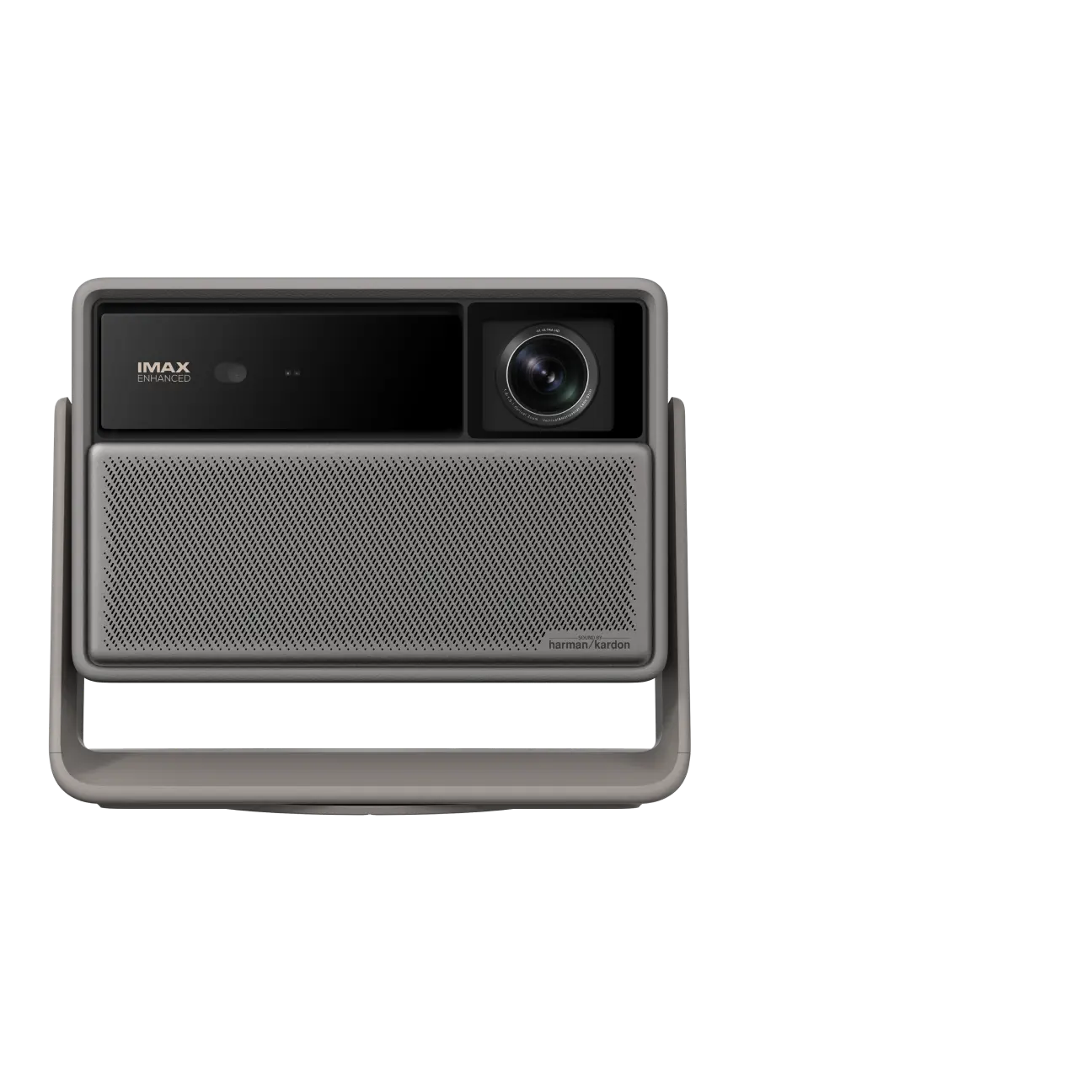




Dust buildup in projector air vents is a common cause of overheating, louder fan noise, and reduced performance over time. The good news is that most owners can safely clean external vents and accessible filters at home using gentle methods, provided they power down the unit completely and avoid pushing debris deeper inside. Following the right sequence protects sensitive optics and electronics while restoring proper airflow.

Proper vent maintenance helps your projector run cooler and quieter, potentially extending its lifespan. This guide outlines how to identify when cleaning is needed, the safest tools to use in 2026, step-by-step techniques that require no disassembly, and clear boundaries for when professional service is the wiser choice. For more on this topic, see The Best Cleaning Kits for Maintaining Your Projector's Lens.
Why Dust in Projector Vents Matters
Clogged air vents or filters restrict cooling airflow, forcing the fan to work harder and the device to run hotter. Official projector guides consistently warn that blocked ventilation contributes to overheating, which can trigger automatic shutdowns or gradual degradation of the optical engine.
Common signs that dust may be the culprit include a noticeable increase in fan noise during normal operation, the projector chassis feeling warmer than usual, visible dust around intake vents, or unexpected brightness drops. These symptoms often appear after several months of use in typical home environments, especially near carpets, pets, or open windows.
However, louder fans or extra heat alone are not definitive proof of dust issues. Other factors like room temperature or software settings can play a role. If basic external cleaning does not resolve the problem, deeper issues may require professional attention.

When to Clean Your Projector Vents
Cleaning frequency depends on your environment and usage. In clean, elevated setups with light use, inspection every six to twelve months may suffice. In dusty homes, rooms with pets, or floor-level installations, check vents every three to six months or sooner if symptoms appear.
Here is a helpful decision aid showing relative cleaning urgency across common scenarios. Scores are illustrative only and based on manufacturer-style guidance from service manuals.
Projector Vent Cleaning Urgency by Symptom and Environment
Relative cleaning urgency by scenario; use as a decision aid, not a measured risk model.
View chart data
| Category | Urgency score (illustrative) |
|---|---|
| Clean room, no symptoms | 1.0 |
| Clean room, symptoms present | 3.0 |
| Dusty home, no symptoms | 3.0 |
| Dusty home, symptoms present | 5.0 |
Heuristic, illustrative urgency mapping based on manufacturer-style guidance summarized in the threshold table and scenario matrix: visible dust, reduced airflow, overheating/shutdown, odor, or symptoms in a dusty environment increase cleaning urgency. Values are relative only, not measured probabilities or official thresholds.
Use this chart to gauge whether immediate action makes sense for your setup. Visible dust, persistent symptoms, or a dusty environment raise urgency quickly.
Safe Tools for Cleaning Projector Vents in 2026
Always begin by powering off, unplugging, and allowing the projector to cool completely. Manufacturer safety instructions emphasize this step to prevent injury or damage from residual heat.
Recommended gentle tools include:
- Soft microfiber cloth or lens-safe brush for exterior surfaces
- Removable air filter (if your model has one) that can be rinsed or vacuumed separately
- Low-pressure aerosol duster held at a safe distance, used only on external vents
- Handheld vacuum with brush attachment kept several inches away
Avoid high-pressure compressed air, which can drive dust deeper into the chassis, and never use liquids, paper towels, or abrasive materials near vents or the lens. Workplace safety guidance highlights risks associated with uncontrolled compressed air around electronics.
A common myth is that canned air is always the safest default. In reality, it helps only with loose surface dust and should be used cautiously to prevent redistributing particles inward.
Step-by-Step Guide to Cleaning Projector Air Vents Safely
-
Prepare the workspace and projector. Place the unit on a clean, stable surface in a well-lit area. Power off, unplug, and wait at least 30 minutes for complete cooling.
-
Inspect external vents. Look for visible dust buildup on intake and exhaust grilles. Gently wipe the exterior case with a dry microfiber cloth. User manuals recommend soft cloth cleaning for ventilation grills to avoid forcing debris inside.
-
Clean accessible filters (if equipped). Many modern smart projectors include removable filters. Consult your specific model's manual, remove the filter carefully, and either rinse it with water (if washable) or use a soft brush/vacuum. Allow it to dry fully before reinstalling. Models without user-accessible filters rely on external vent cleaning only.
-
Address vents without disassembly. Use a soft brush to loosen dust, then gently vacuum from a distance or apply short bursts of canned air from at least 6-8 inches away while holding the can upright. Always direct airflow outward, never inward toward the lens or optical path.
-
Final check and reassembly. Wipe away any remaining loose particles. Reinstall any removed filter, plug in the projector, and test for improved airflow and quieter operation.
Throughout the process, avoid peering directly into vents while the unit is running, as dust and warm air can exit unexpectedly.
How to Avoid Pushing Dust Into the Lens or Optical Engine
The biggest risk during cleaning is blowing debris toward sensitive internal components. Work from the outside in, always directing air or suction away from the lens. Never tilt the projector in ways that let particles fall inside. If your model features a sealed optical engine or laser light source, external cleaning is usually sufficient and safest.
For XGIMI owners, refer to official resources or contact support before attempting anything beyond basic exterior maintenance to preserve warranty coverage.
When to Seek Professional Service Instead of DIY
Stop DIY efforts and consider professional service if overheating or noise persists after thorough external cleaning. Other red flags include the need for internal disassembly, visible dust deep inside the unit, or uncertainty about warranty implications.
Some official service manuals explicitly direct users to authorized centers for internal cleaning rather than attempting it themselves. Persistent symptoms after basic maintenance often indicate issues beyond surface dust.
Prevention Tips to Reduce Future Dust Buildup
Place your projector in a low-dust environment whenever possible, ideally elevated and away from carpets, pets, or high-traffic areas. Projector guidance commonly recommends clean placement to minimize servicing needs.
Additional habits include using the projector in well-ventilated rooms, covering it when not in use (with a breathable cover), and scheduling seasonal inspections. Regular gentle cleaning combined with smart placement keeps performance high and reduces long-term wear.
Projector Maintenance Checklist
- Power off and cool down before any cleaning
- Check vents and filter every 3–6 months in dusty conditions
- Use only soft, dry tools on exterior surfaces
- Clean or replace filters according to model instructions
- Stop and seek help if symptoms continue after cleaning
- Maintain elevated, low-dust placement for best results
Following these practices helps protect your investment and ensures consistent, quiet operation for years.
Important Safety Note: This article provides general comfort and setup guidance for projector maintenance. It is not medical, diagnostic, or repair advice. Projector overheating can sometimes relate to other technical issues. If you experience persistent problems, unusual odors, or have an existing eye condition or sensitivity, consult a qualified technician or the manufacturer. Always follow your specific model's official manual.
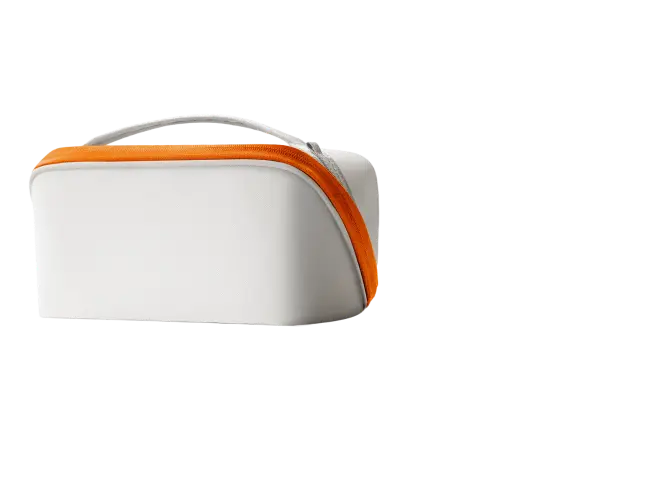
For more on maintaining image quality, see our guide on factors that affect the image quality of a smart projector. If you need genuine replacement parts or accessories, explore the After-sale Accessories collection or Cases for protective solutions. Premium models like the HORIZON Ultra and AURA 2 benefit greatly from consistent vent care.


