
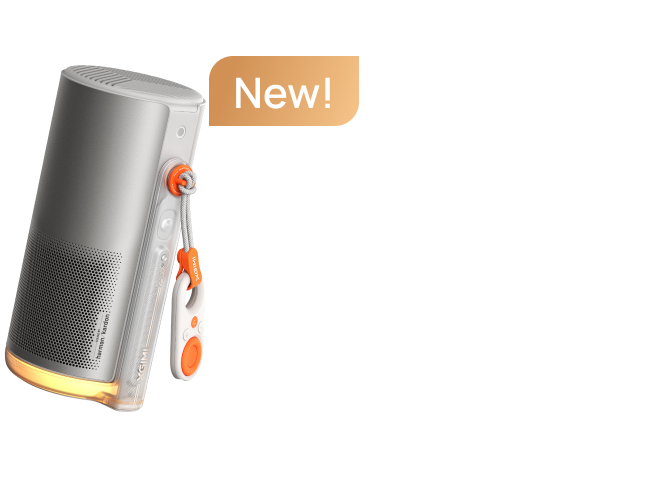
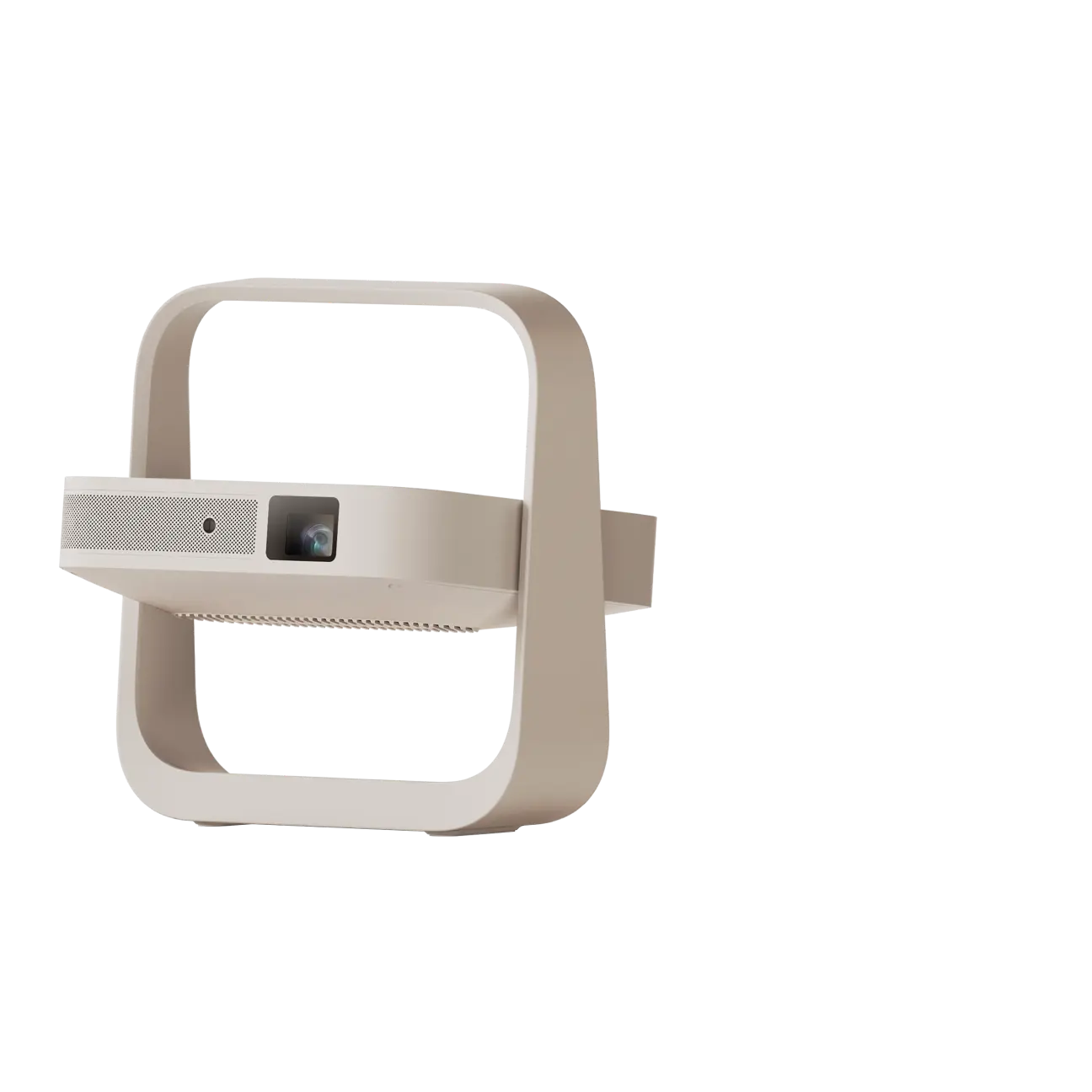
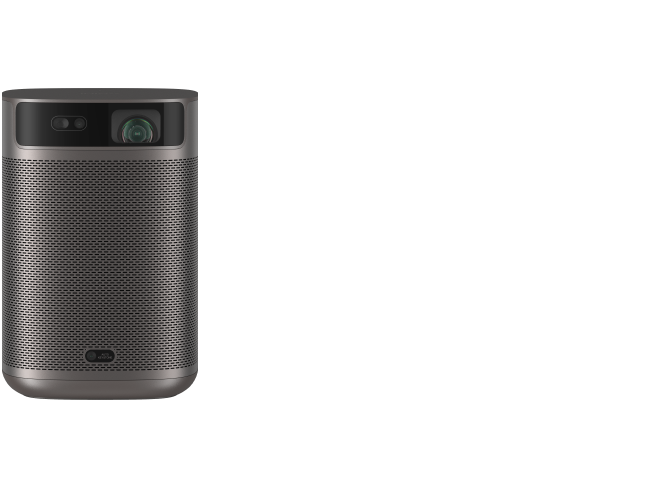




Proper projector maintenance keeps your device performing well for years by focusing on dust prevention, gentle cleaning, and safe storage. With LED and laser light sources commonly rated for tens of thousands of hours, the practical lifespan depends heavily on usage conditions, room cleanliness, and consistent care rather than the headline number alone. For more on this topic, see The Best Cleaning Kits for Maintaining Your Projector's Lens. For more on this topic, see Using Optical Filters to Enhance Your Projector's Ambient Art Mode.
Why Projector Maintenance Matters
Dust buildup restricts airflow, raises operating temperatures, and can gradually affect brightness and fan noise. A cleaner room environment reduces particulate matter that settles into vents and internal components, helping maintain performance longer. Regular but gentle upkeep protects your investment, supports warranty coverage, and reduces the chance of avoidable repairs.
This guide provides practical routines for new owners, home theater enthusiasts, and users of portable projectors. It emphasizes safe methods that avoid common mistakes such as harsh chemicals, rough wiping, or improper storage.
How Long Do LED and Laser Projectors Last?
LED and laser projectors are often rated for 20,000 to 30,000 hours or more, but actual useful life varies with heat management, dust exposure, and usage patterns. The rating typically indicates when brightness may decline to a certain percentage rather than a hard failure point.
Myth: LED or laser projectors last “forever” without any decline. Reality: brightness and color accuracy gradually decrease over time. The practical limit often occurs when output no longer suits your room size, ambient light, or viewing habits, even if the light source continues working.
Maintenance plays a key role. Dust that restricts airflow can accelerate wear on electronics and optics. Keeping vents clear and the unit in a low-dust environment helps preserve performance closer to the rated lifespan.
Understanding Dust Control and Airflow
Projector air-intake areas should be cleaned periodically so dust does not restrict airflow and increase heat buildup. While not every model has a user-accessible filter, basic prevention matters in most setups.
A cleaner room environment can reduce dust exposure around the projector and help keep vents and optics cleaner for longer. Consider using air cleaners or simply reducing clutter, pets near the unit, and exposure to kitchen smoke or fabric lint.
Practical Thresholds by Usage Scenario
The chart below shows how maintenance pressure tends to rise across common setups. Higher values indicate situations where cleaning and dust control become more important.
Projector Maintenance Thresholds by Usage Scenario
Use this chart to compare when maintenance effort starts to rise across usage scenarios.
View chart data
| Category | Lifespan pressure | Cleaning frequency | Dust-control urgency |
|---|---|---|---|
| Low-use / clean room | 1.0 | 1.0 | 1.0 |
| Home / mixed use | 2.0 | 2.0 | 2.0 |
| Frequent use / dusty room | 3.0 | 3.0 | 3.0 |
| High-use / high-dust area | 4.0 | 4.0 | 4.0 |
Conservative heuristic framework only. Categories and relative scores are illustrative decision boundaries for maintenance planning, not measured failure rates or official manufacturer thresholds. Higher values indicate earlier action or more intensive maintenance.
Use this as a quick reference: in cleaner, fixed setups, basic care is usually enough. In dusty rooms or with frequent movement, dust control and storage habits become more critical.
How to Clean a Projector Lens Safely

The lens is one of the most delicate parts. Use only a soft, lint-free microfiber cloth and gentle circular motions. Avoid household cleaners, paper towels, or spraying liquid directly onto the lens.
Safe approach:
- Power off and unplug the projector, allowing it to cool completely.
- Gently brush away loose dust with a soft blower or brush if needed.
- Wipe the lens lightly with a dry or slightly damp microfiber cloth designed for optics.
- Never use compressed air directly on the lens or aggressive rubbing.
This aligns with broader principles for delicate optical surfaces: gentle cleaning and proper storage practices help avoid contamination or damage.
For more details, refer to our dedicated guide on how to clean projector lens.
Maintaining Dust Filters and Vents

Clean any accessible projector filter or air intake on a regular schedule so dust does not restrict airflow and increase heat buildup. Frequency depends on your environment—monthly in dusty rooms, every few months in cleaner setups.
Steps for filter maintenance:
- Consult your model’s manual for filter location and removal method.
- Use a vacuum with a soft brush attachment or gentle compressed air from a distance.
- Rinse reusable filters with water only if the manufacturer approves, then ensure they are fully dry before reinstalling.
- Never operate the projector with the filter removed.
If the fan becomes noticeably louder or the unit runs hotter, inspect and clean the vents and filter sooner. This can help prevent overheating and related performance issues.
Safe Storage and Transport for Portable Projectors
Portable models benefit greatly from proper storage. Always allow the projector to cool completely before packing it away to avoid trapping heat or moisture.
Best practices:
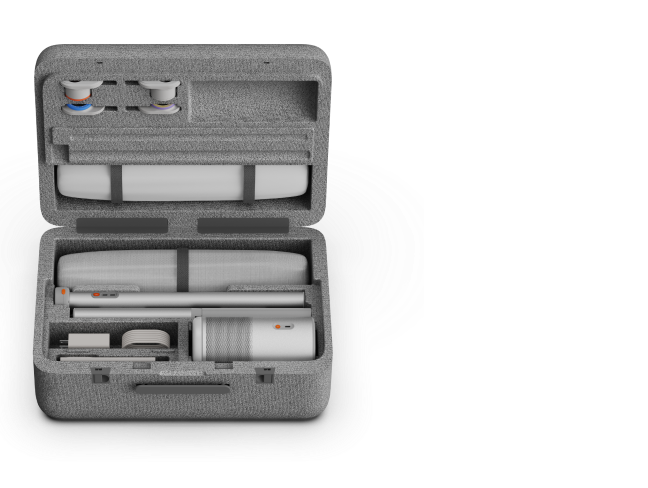
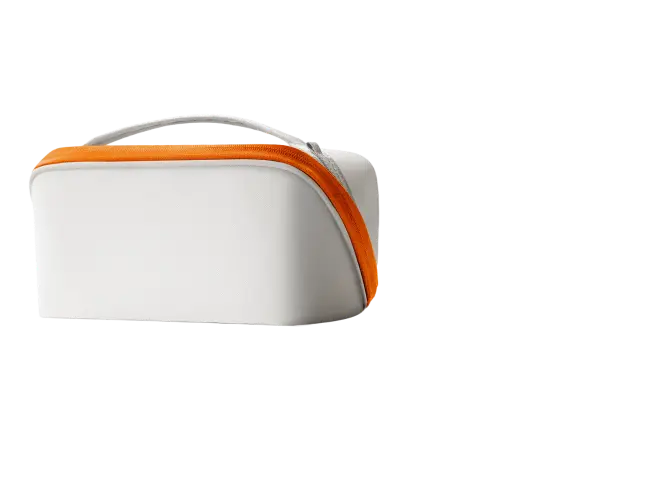
- Use a dedicated carrying case designed for your model to provide dust-proof and shock-proof protection.
- Store in a cool, dry location away from direct sunlight, high humidity, or kitchen areas.
- Avoid leaving the unit in a sealed bag while still warm.
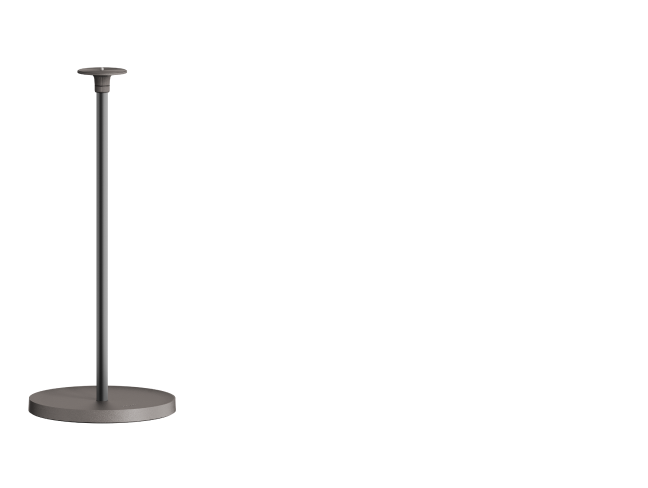
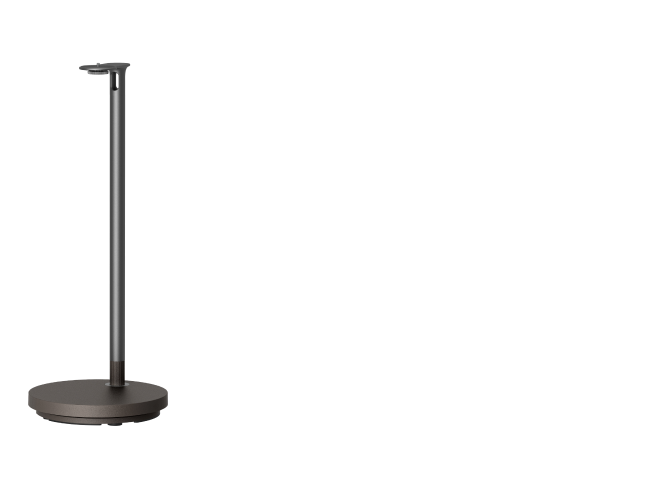
- For frequent travel, consider protective carrying cases or stands that keep the device stable.
Our MoGo Series Carrying Case or Halo/HORIZON Series Carrying Case offer durable protection for portable use.
Maintaining Image Quality Over Time
To keep brightness, focus, and color accuracy:
- Ensure at least 6–12 inches of clearance around vents for proper airflow.
- Clean the lens and exterior regularly as described.
- Use the projector in well-ventilated rooms and avoid blocking intake or exhaust areas with curtains or furniture.
- For blurry images, first check focus, throw distance, and lens cleanliness before assuming a deeper issue.
Routine care can reduce the risk of image degradation and help your projector deliver consistent performance.
Common Mistakes to Avoid
Many widely circulated tips can backfire:
- Using compressed air too aggressively may push dust deeper into the unit.
- Applying household cleaners or rough cloths to the lens can damage coatings.
- Storing the projector while still warm or in humid conditions can lead to moisture issues.
- Ignoring visible dust on vents until performance drops often results in louder fans or reduced brightness.
Myth: You should deep-clean the lens frequently. Reality: gentle, occasional cleaning is safer; aggressive methods often cause more harm.
Maintenance Checklist for Different Users
For new owners or home theater setups:
- Weekly: Dust exterior and check vents visually.
- Monthly: Clean accessible filters if present.
- Before storage: Cool completely, use protective case.
For portable projector owners:
- After each use: Allow cooldown, store in case.
- Before travel: Inspect for dust, secure in shock-proof case.
- In dusty environments: Increase cleaning frequency and consider room air quality improvements.
When to seek professional help:
- Persistent fan noise after cleaning.
- Dust visible inside the optical path.
- Significant brightness drop or image issues that basic cleaning does not resolve.
This article discusses comfort, setup, and maintenance advice only. It does not constitute technical service instructions or warranty guidance. For persistent issues or existing concerns with your device, consult qualified professionals or your manufacturer’s support.
Protecting Your Investment Long-Term
Consistent, gentle maintenance extends the useful life of your projector and helps maintain its performance. By focusing on dust prevention, safe cleaning, and proper storage, you reduce the likelihood of expensive repairs and keep your home entertainment experience enjoyable.
Explore our range of accessories including cases and stands to support better care routines. With the right habits, your projector can continue delivering sharp, vibrant images for many years.
For related troubleshooting, see our guides on fixing a blurry projector image or ensuring an excellent viewing experience.


