



The Short Answer: Three Questions Decide Everything
Before comparing any spec sheet, answer these three questions:
- Do you move the projector more than once a week? If yes, portability wins.
- Is your viewing room dark or does ambient light come in? Bright rooms demand far more lumens than most portable projectors can deliver.
- Do you care about 4K resolution and cinematic audio? That capability currently lives only in home theater models.
If you answered "yes, no, no" — a portable projector fits your life. If you answered "no, somewhat, yes" — a home theater projector is the better investment. Everything below explains the physics and trade-offs behind those answers.
Evidence: ISO/IEC 21118:2020 defines the ISO lumen measurement standard used on XGIMI product pages. ISO lumens are measured under stricter conditions than older ANSI lumen specs, making them a more conservative and realistic brightness figure. The 700 ISO Lumens on the Halo+ and 3,200 ISO Lumens on the HORIZON 20 are directly comparable numbers — the gap is real, not a measurement artifact. For more on this topic, see Projector Brightness Standards and Measurement: A Comprehensive Ref....

The Brightness Gap Is Bigger Than the Numbers Suggest
The most common mistake buyers make is treating lumens as a linear scale. Going from 700 to 3,200 ISO Lumens is not "4.5x better" in a vacuum — it's the difference between a projector that requires a dark room and one that handles ambient light.
As noted in XGIMI's screen buying guide, "Ambient light washes out projected images quickly." This isn't a minor caveat — it's the single most important environmental factor in projector performance. A 700-lumen portable in a living room with afternoon sun streaming in will look washed out regardless of how good its optics are. The same projector in a blacked-out bedroom at night delivers a genuinely impressive 100-inch image. For more on this topic, see How to Choose a Projector for Your Space: Room-by-Room Guide.
Here's how the XGIMI lineup stacks up on the specs that matter most for this decision:
| Model | ISO Lumens | Light Source | Resolution | Weight | Battery |
|---|---|---|---|---|---|
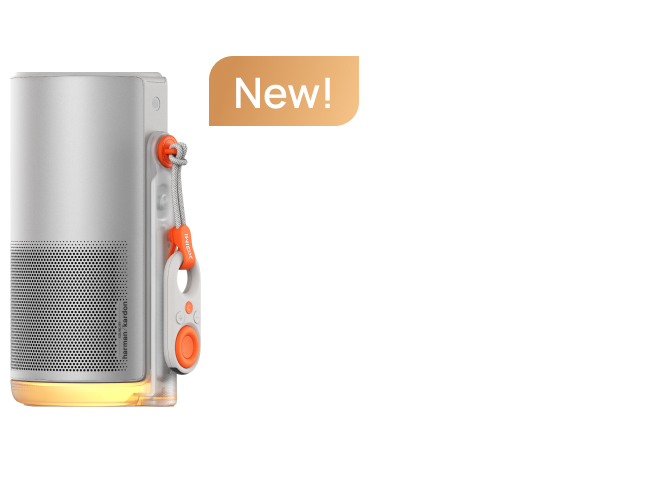
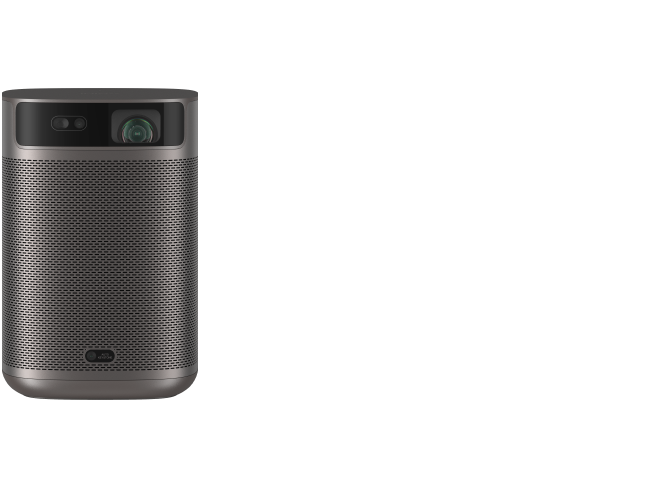
| MoGo 4 Laser | 550 | Laser | 1080p (XPR) | 1.3 kg | 2.5 hr (Eco) |
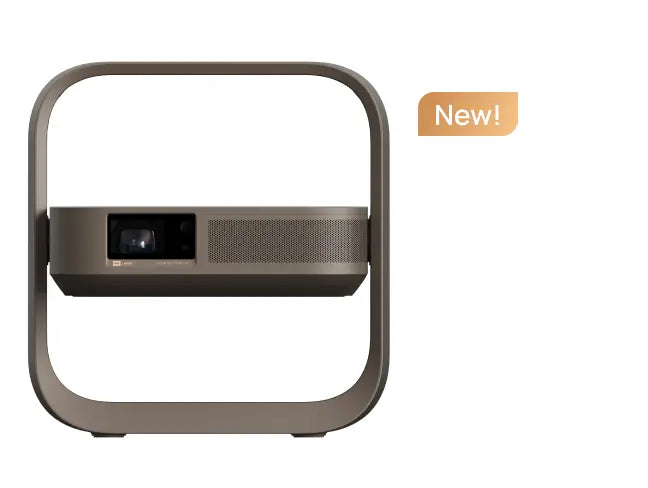
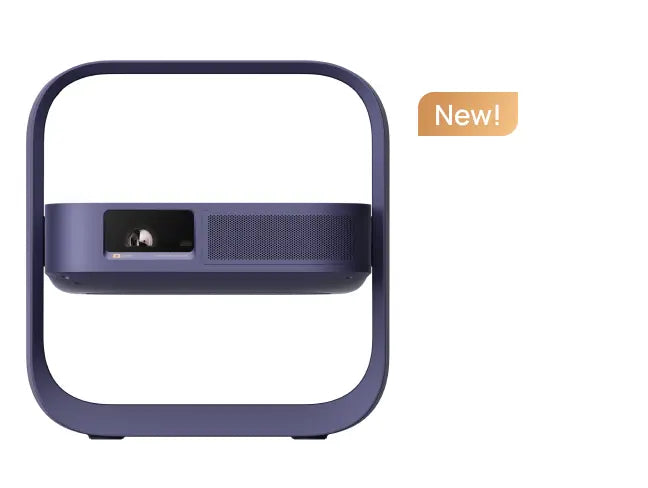
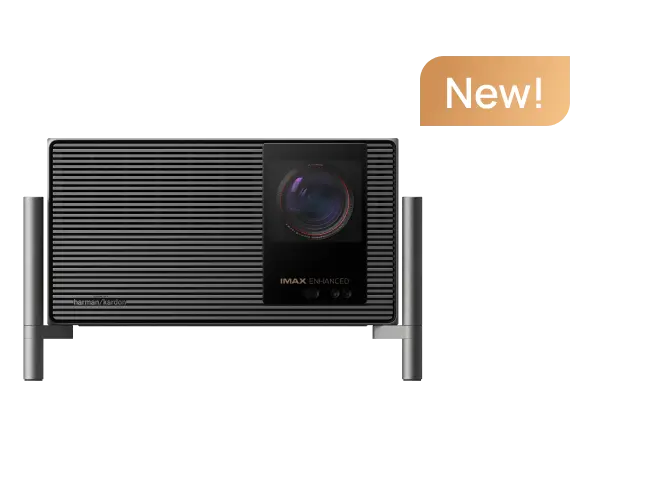
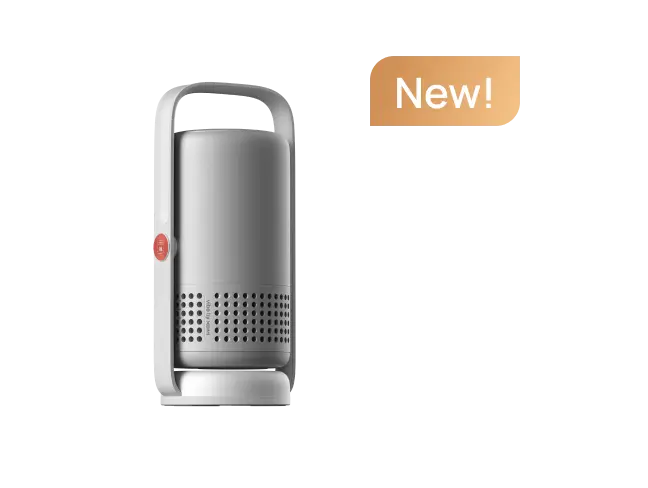
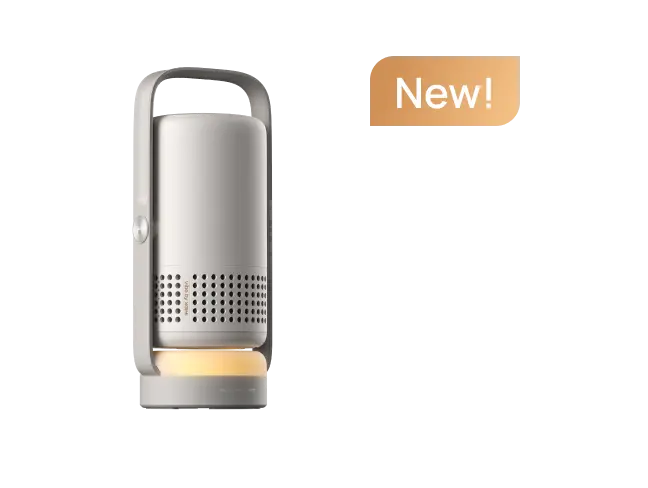
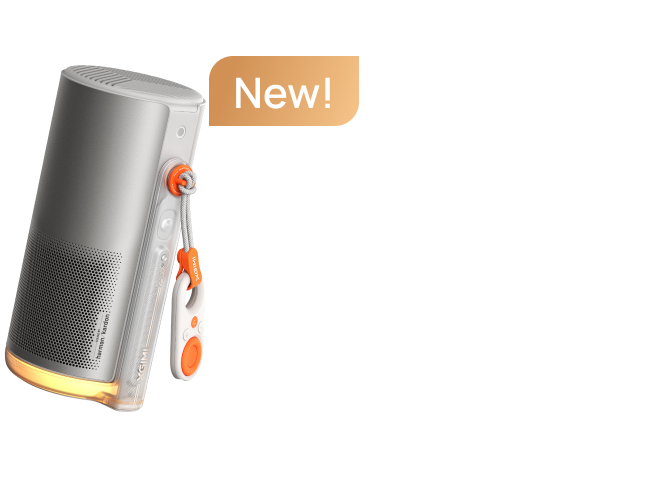
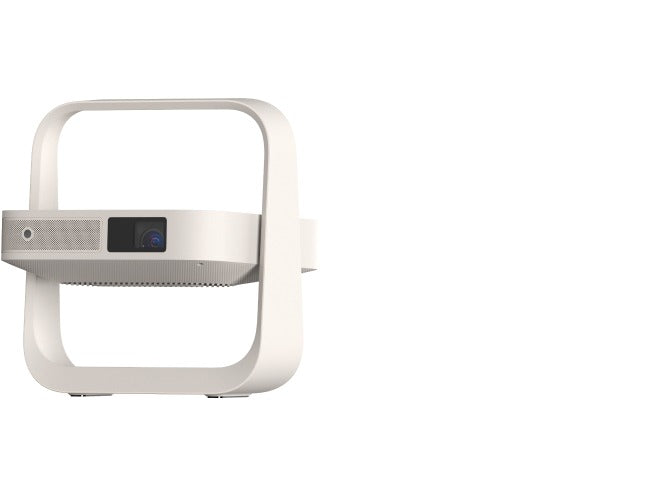
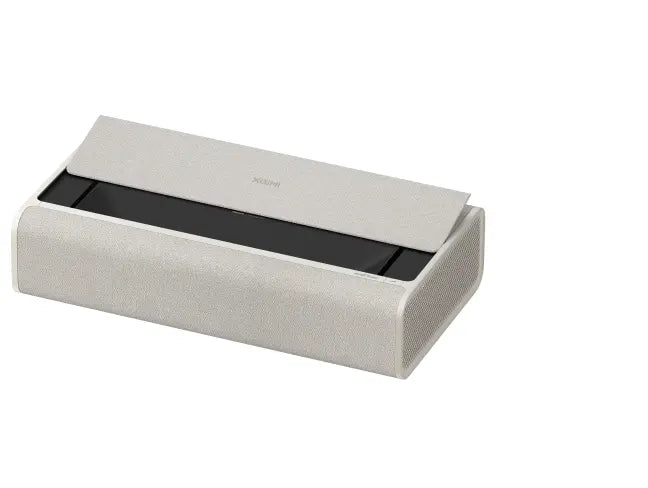
| Halo+ (New) | 700 | LED | 1080p | 1.6 kg | ~2.5 hr |
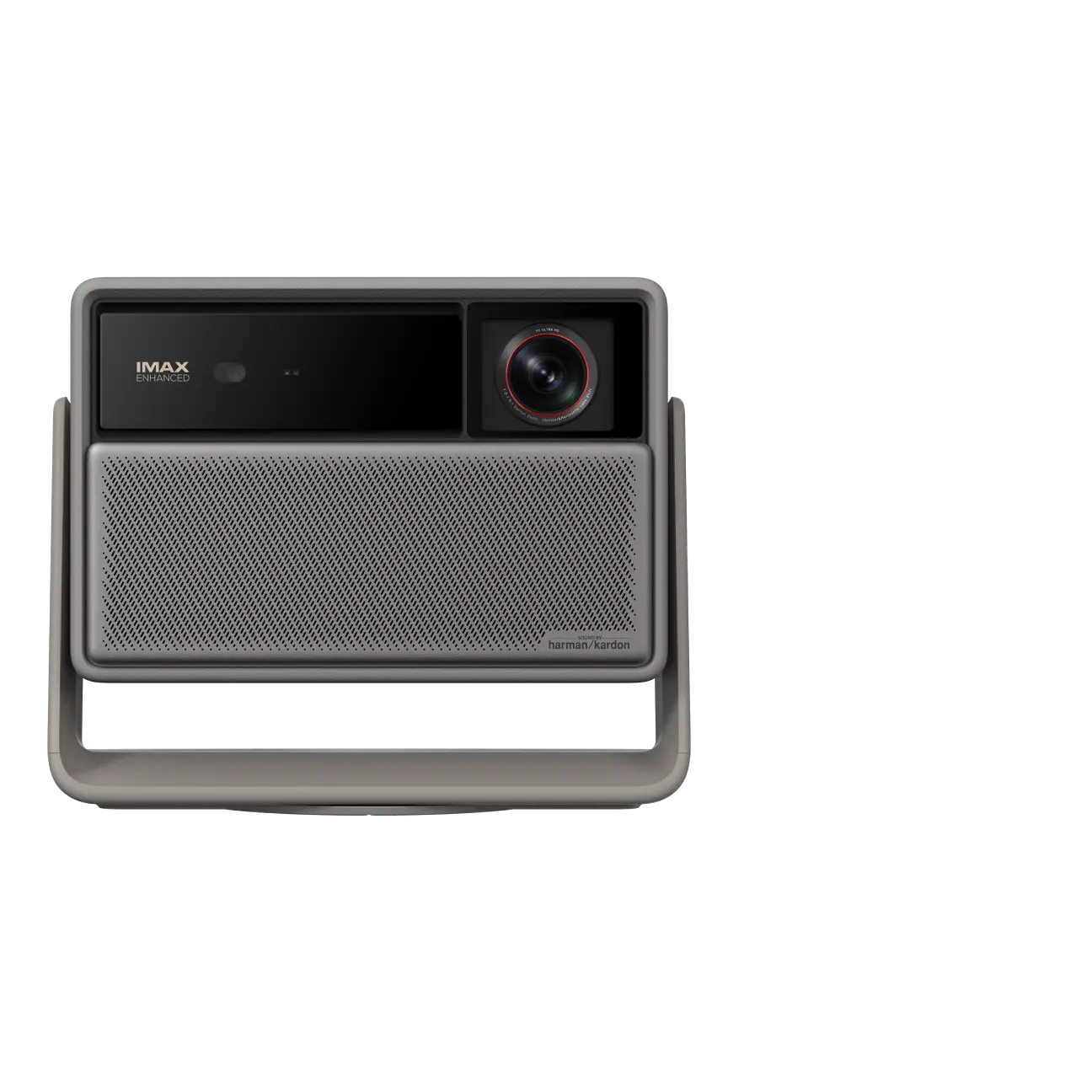
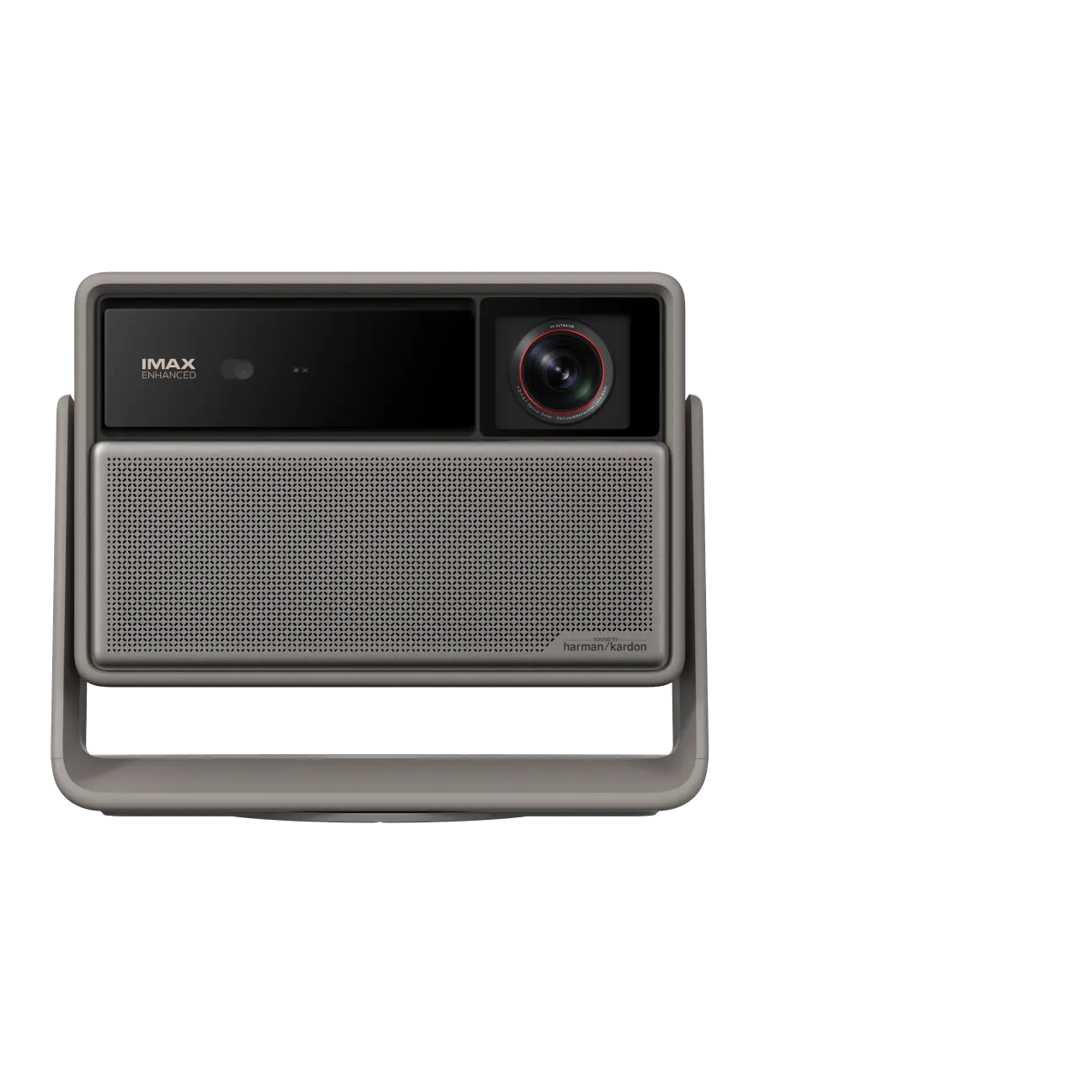
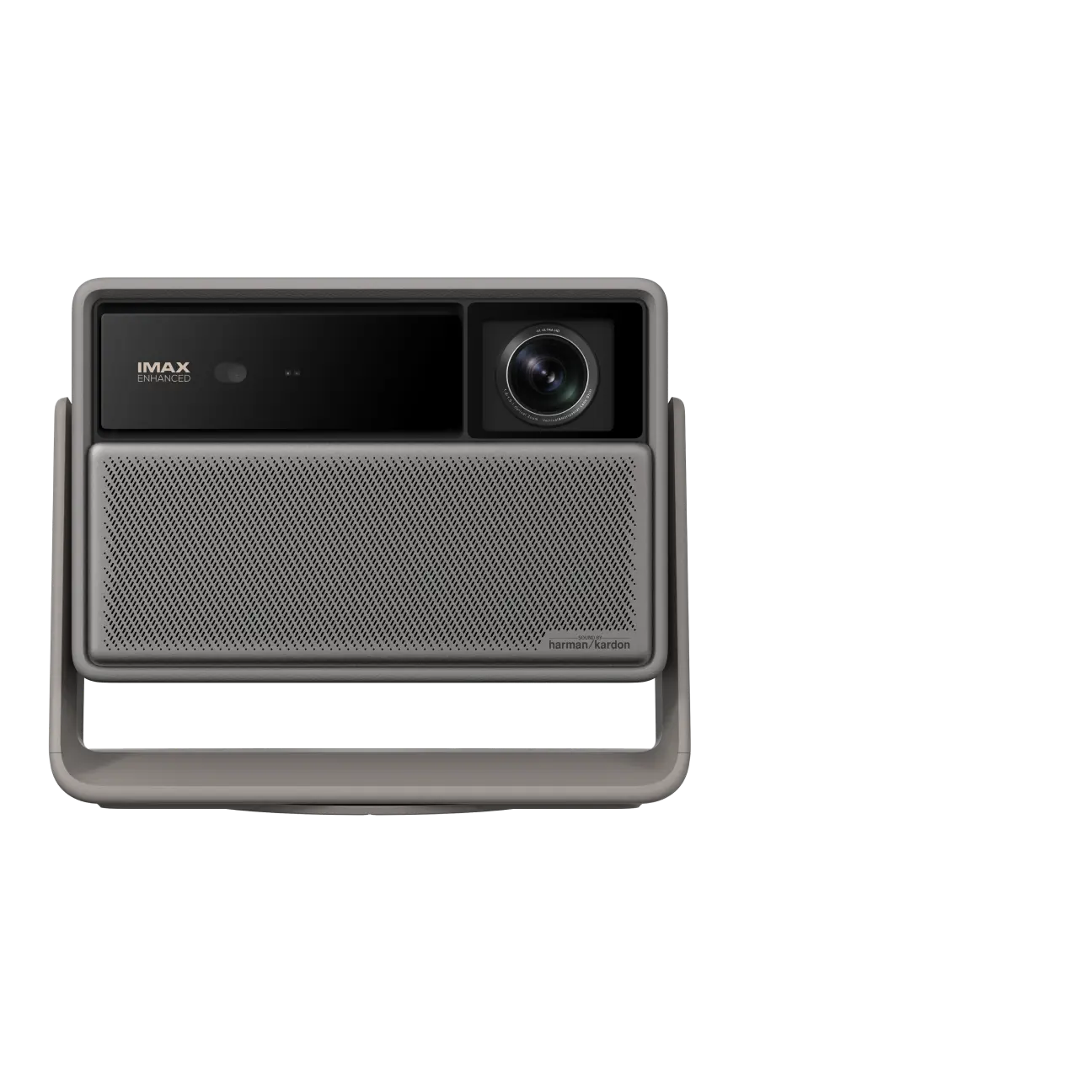
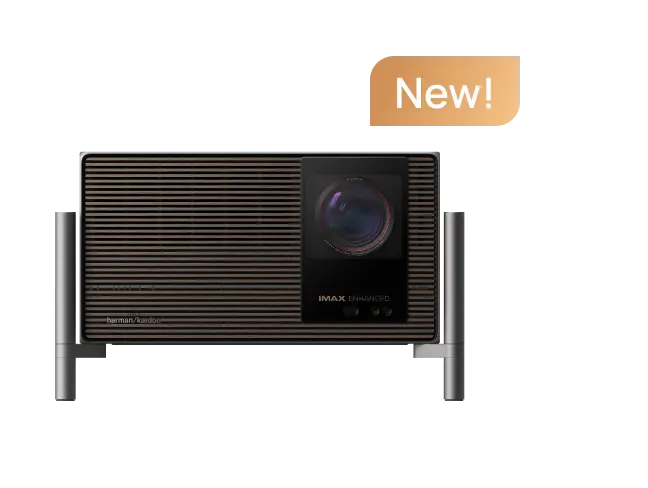
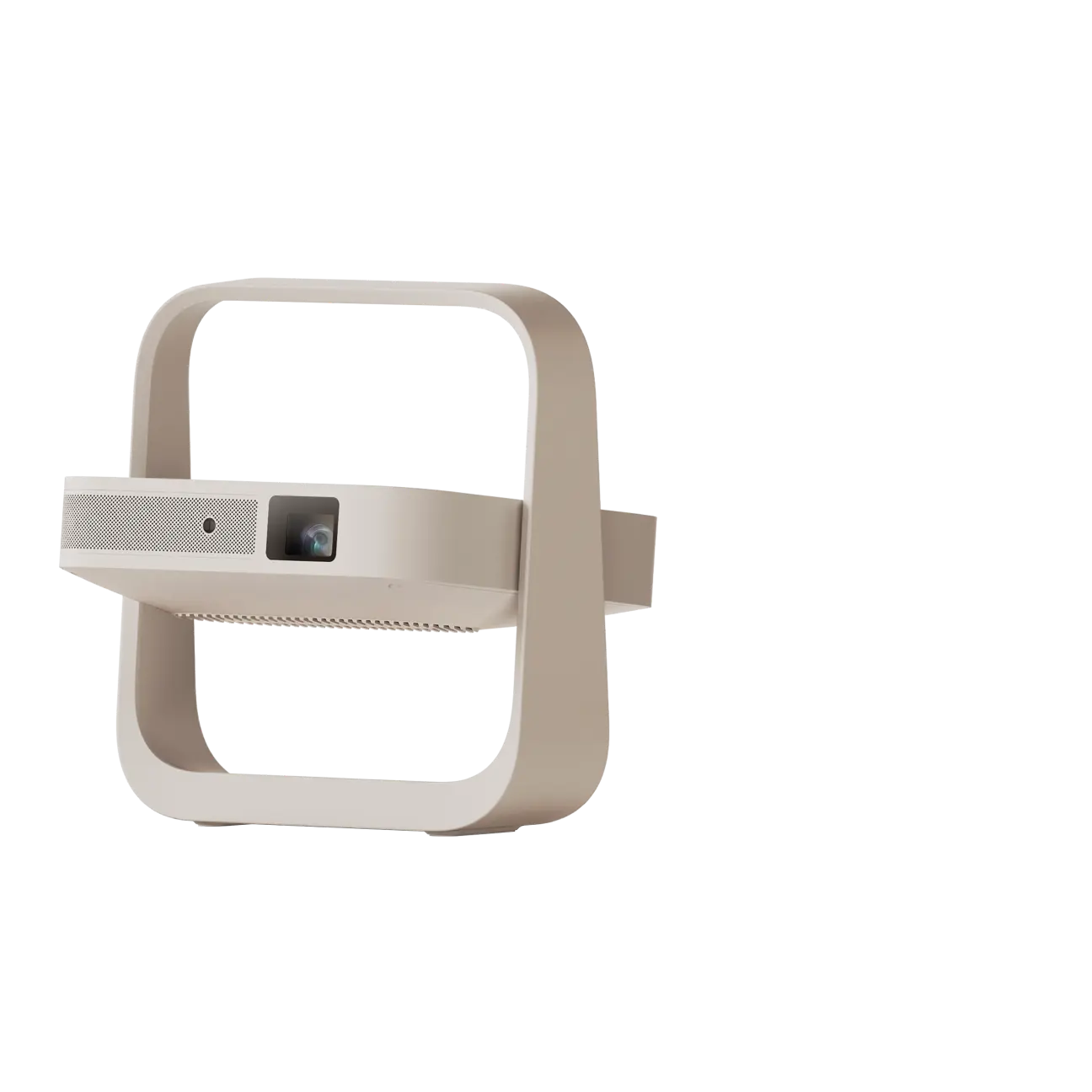
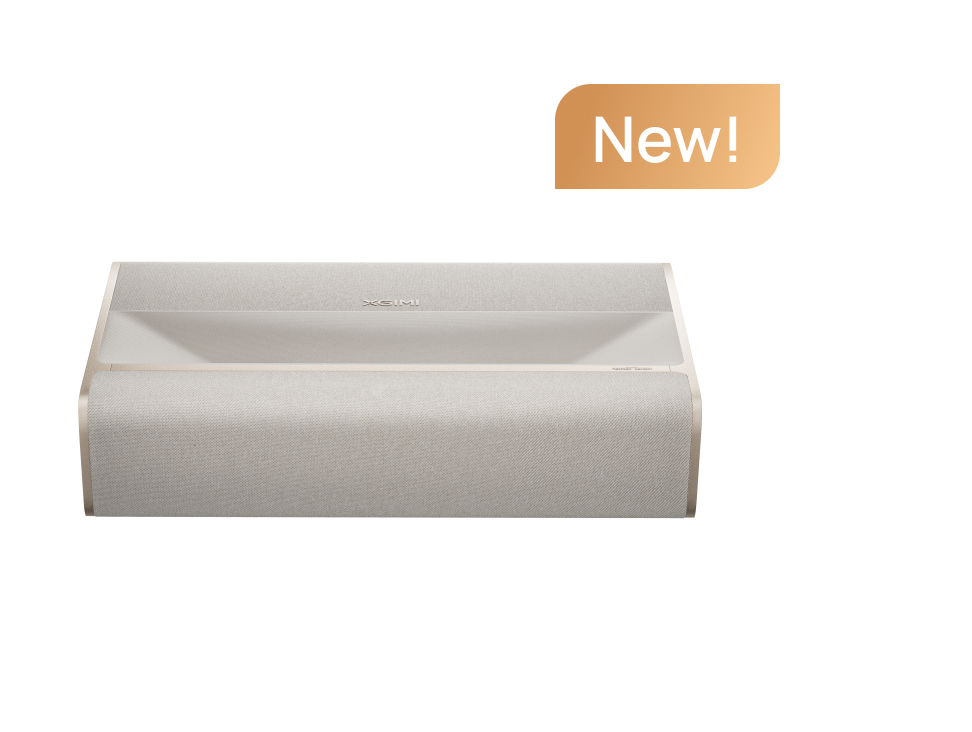
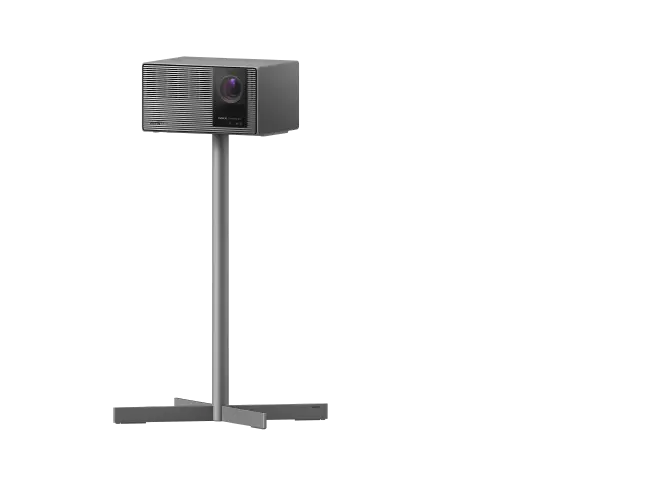
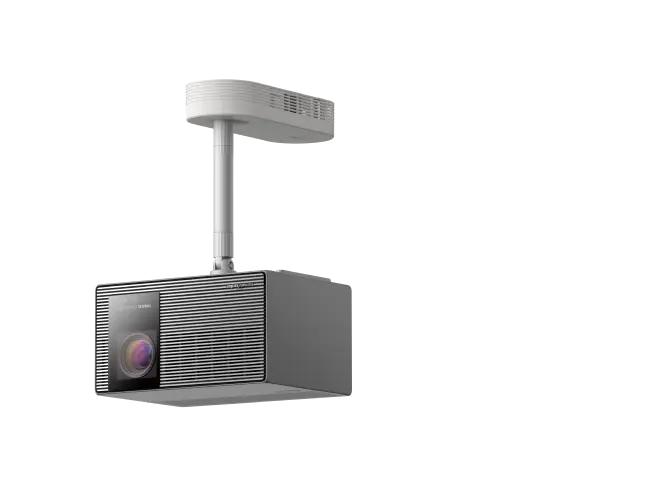
| HORIZON 20 | 3,200 | RGB Triple Laser | 4K (XPR) | 4.9 kg | None |
| HORIZON 20 Pro | 4,100 | RGB Triple Laser | 4K (XPR) | — | None |
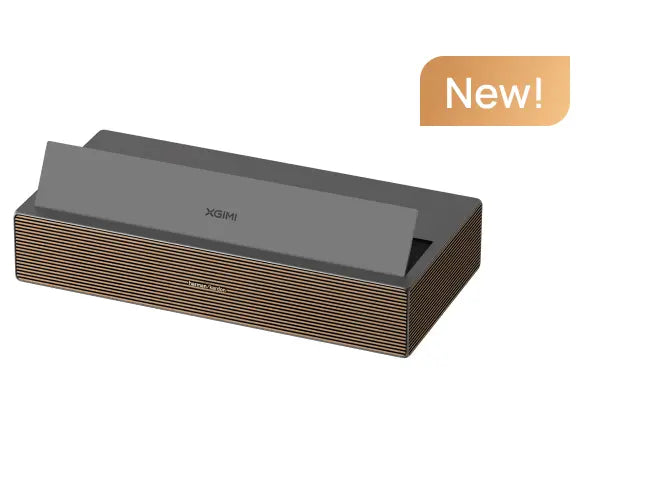
| HORIZON 20 Max | 5,700 | RGB Triple Laser | 4K (XPR) | 5.4 kg | None |
Logic Summary: These specs are sourced directly from us.xgimi.com product pages. Weight and battery figures are as-shipped; real-world battery runtime varies with brightness setting and content type. The HORIZON 20 series requires a power outlet — there is no battery option.
The practical takeaway: if your room has any windows, ceiling lights, or lamps on during viewing, the HORIZON 20's 3,200 ISO Lumens is the minimum worth considering for a satisfying image. XGIMI's home projector setup guides recommend choosing "a location that is as dark as possible" for any projector — but at 5,700 ISO Lumens, the HORIZON 20 Max gives you meaningful tolerance for imperfect light control.

What Portable Projectors Actually Do Well
The criticism of portable projectors usually focuses on what they lack. That misses the point. A Halo+ (New) weighs 1.6 kg, runs on a built-in 59.45Wh battery for roughly 2.5 hours, and sets up in under 60 seconds with ISA 2.0 auto-keystone and autofocus. For the use cases it's designed for, that's genuinely hard to beat.
Where portable projectors win outright:
- Camping and outdoor movie nights — The MoGo 4 Laser and Halo+ both run untethered. At 550–700 ISO Lumens, they're best used after dark outdoors on a portable screen. General outdoor setup best practices recommend setting up the screen first and positioning the projector at screen-center height to minimize keystone correction.
- Apartment living without a fixed wall — Landlords who prohibit drilling, rooms with no obvious "TV wall," or spaces that double as offices during the day are exactly where a portable projector's flexibility earns its keep. ISA auto-correction handles off-angle placement without manual fiddling.
- Bedroom casual viewing — A 100-inch image at night from a 1.6 kg device that sits on a nightstand is a genuinely different experience from a TV. Bedroom setup guides note that wall texture "creates subtle patterns in the image" even when painted smooth — a portable screen eliminates this.
- Travel and RV use — The MoGo 4 Laser's 1.3 kg and built-in battery make it the most genuinely travel-ready option. Note that the MoGo 3 Pro has no built-in battery — it requires the optional PowerBase stand for untethered use, which adds cost and bulk.
Honest battery caveat: 2–2.5 hours of runtime covers most TV episodes and shorter films, but won't get through a 3-hour movie on a single charge. Plan for a recharge break or carry a USB-C power bank if you're watching epics outdoors.
Who Should Skip Portable Projectors Entirely
This section is for readers who are tempted by portability but whose actual use case doesn't require it.
If you're setting up in a fixed living room or dedicated media room, a portable projector is the wrong tool. You're paying for a battery you won't use, accepting lower brightness than your room needs, and capping yourself at 1080p when 4K content is widely available. The MoGo Series tops out at 1080p via XPR pixel shifting — it cannot deliver native 4K. The HORIZON 20 Series delivers 3840×2160 via XPR, confirmed on each product page.
If you're a sports watcher who keeps the lights on, or a family who can't guarantee a dark room during movie night, the brightness gap is not a preference — it's a functional requirement. A 700-lumen projector in a lit living room will look dim and washed out. The HORIZON 20 at 3,200 ISO Lumens is the entry point for mixed-light family use.
If you're a 4K movie enthusiast who notices color banding, shadow detail, or pixel structure, portable projectors will frustrate you. The HORIZON 20 Max's RGB Triple Laser light source delivers a wider color gamut than LED-based portables, and its dual 12W Harman Kardon speakers with DTS-Virtual:X and Dolby Audio are a fundamentally different audio experience than the dual 5W speakers in the Halo+.

Room Environment Is a More Important Variable Than Most Buyers Realize
Most articles compare specs. Few explain that your room is half the equation.
The ambient light problem in practice: Screen buying guides generally state that "complete light control remains ideal for projection" — but also acknowledge that many rooms can't achieve it. For living rooms and multi-purpose spaces, an ALR (Ambient Light Rejecting) screen is the recommended solution: "Living rooms benefit most from ALR technology. The investment makes sense if you cannot dedicate a room to complete light control."
Wall surface matters more than most people expect. Even a smooth white wall introduces variables: glossy paint creates hotspots, beige walls shift colors, and textured walls produce subtle patterns visible at 4K resolution. Uneven or colored walls may reflect the wrong colors, causing tiny shadows. For home theater projectors, a dedicated matte white screen or gray screen (for rooms with residual ambient light) is the right pairing.
Throw distance affects which projector fits your room. Both portable and home theater XGIMI models use a standard throw ratio of approximately 1.20:1. At that ratio, a 100-inch image requires roughly 3.5 meters of throw distance. If your room is smaller than that, check the specific model's throw calculator before buying. The HORIZON 20 Max's autofocus calibration also requires 1.8–2.1 meters minimum distance — a constraint worth checking in tight rooms. For more on this topic, see Projector Throw Ratio Explained: Standard vs. Short Throw vs. Ultra....
ISA version differences are real. Portable models (Halo+, MoGo 3 Pro) include ISA 2.0 with auto keystone and autofocus. HORIZON 20 Series includes ISA 5.0 with ToF sensors, intelligent obstacle avoidance, auto wall-color correction, and intelligent screen alignment. For a fixed installation, ISA 5.0's wall-color correction is particularly useful — it calibrates color temperature between 3,000K and 15,000K to compensate for off-white walls.

Matching Lifestyle Profiles to the Right Model
The apartment renter or frequent mover should start with the Halo+ (New). It's the brightest portable in the lineup at 700 ISO Lumens, runs on battery, has Google TV with licensed Netflix, and ISA 2.0 handles the off-angle placements that apartment layouts force on you. The MoGo 4 Laser is the better pick if you prioritize the smallest possible footprint and don't mind slightly lower brightness (550 ISO Lumens) in exchange for a laser light source and 1.3 kg weight.
The outdoor nomad or RV traveler should also look at the Halo+ (New) or MoGo 4 Laser. Both run untethered. For outdoor use specifically, keep expectations calibrated: 550–700 ISO Lumens is best after full dark, on a portable screen rather than a garage door or brick wall. A dedicated screen will be superior to a wall in most situations.
The family living room upgrade is where the decision gets interesting. If you can control lighting (blackout curtains, evening-only use), the HORIZON 20 at 3,200 ISO Lumens hits a strong price-to-performance point: 4K via XPR, dual 12W Harman Kardon audio, ISA 5.0, and 1ms input lag at 1080p/240Hz for gaming. If daytime use is non-negotiable, step up to the HORIZON 20 Max at 5,700 ISO Lumens.
The 4K cinephile with a dedicated or semi-dedicated room should go directly to the HORIZON 20 series. The HORIZON 20 Max is the flagship: 5,700 ISO Lumens from an RGB Triple Laser source, 4K XPR, ISA 5.0 with ToF sensors, 1.25x optical zoom, and ±45°/±120° horizontal/vertical lens shift for precise installation. Its dual 12W Harman Kardon speakers with Dolby Audio and DTS-Virtual:X deliver a soundstage that eliminates the "I need a separate soundbar" conversation for most viewers.
The Objections Worth Taking Seriously
"Can't I just use a portable projector in my living room during the day?"
Technically yes, but the experience will disappoint. At 700 ISO Lumens, the Halo+ in a sunlit room produces a dim, washed-out image. Blackout curtains help significantly and are the most effective solution — but if daytime use is a regular need, a 3,000+ lumen home theater projector is the right tool.
"Is a home theater projector worth it without a dedicated room?"
Yes, with caveats. The HORIZON 20 Series includes ISA 5.0 with auto wall-color correction, which partially compensates for non-ideal surfaces. A gray screen in a multi-use living room improves contrast when complete darkness isn't achievable, though they can make whites appear slightly less bright.
"Do I really need 4K for a projector?"
At screen sizes above 100 inches and viewing distances under 4 meters, 4K vs 1080p is visible to most people. The MoGo Series' 1080p XPR output is excellent for its class, but on a 120-inch screen at typical living room distances, the HORIZON 20's 4K XPR delivers noticeably sharper fine detail — particularly in nature documentaries and high-bitrate streaming content.
A Quick Self-Check Before You Buy
Run through this checklist before committing:
- Room lighting: Can you reliably darken the room during viewing? If no → you need 3,000+ ISO Lumens minimum.
- Screen size target: Above 120 inches regularly? Portable projectors handle this but brightness per square inch drops fast.
- Move frequency: More than once a week? Built-in battery is a genuine quality-of-life feature, not a luxury.
- Audio setup: Do you have a separate sound system? If not, the HORIZON 20's 12W Harman Kardon + DTS-Virtual:X matters more than the spec sheet suggests.
- OS ecosystem: Both Halo+ (New) and HORIZON 20 Series run Google TV with licensed Netflix and 10,000+ apps — this is no longer a differentiator between categories.
- Gaming: If input lag matters, the HORIZON 20 delivers 1ms at 1080p/240Hz. Portable models range from 27–60ms depending on settings.


