
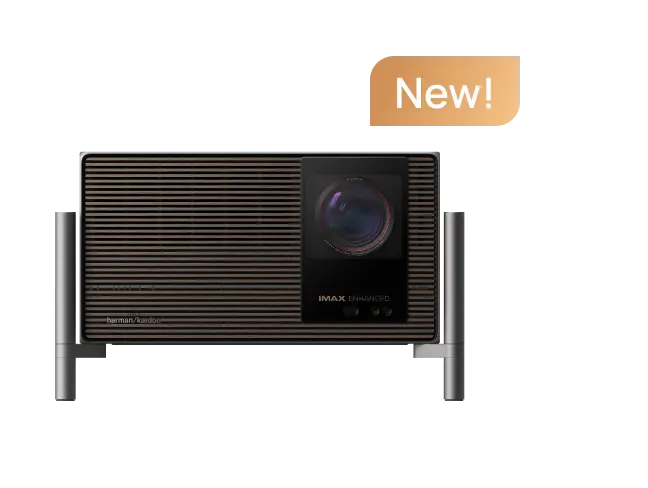
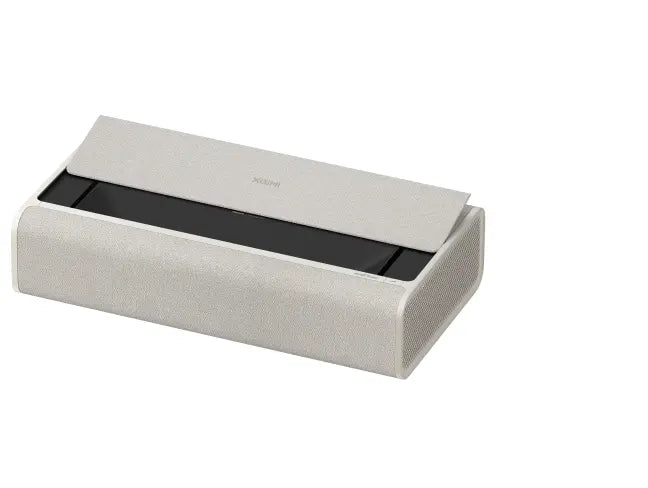
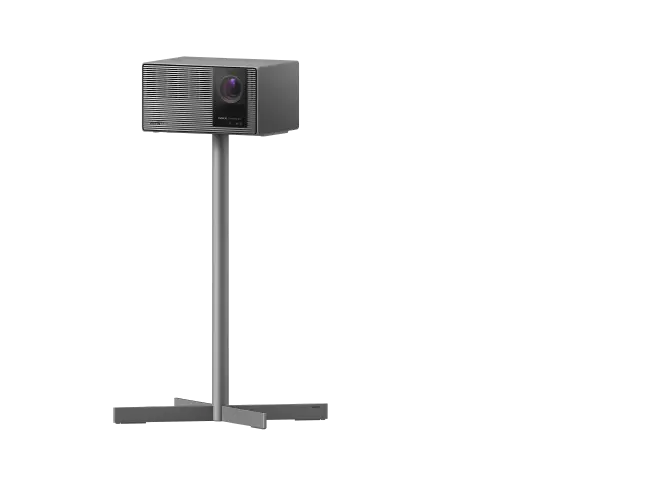
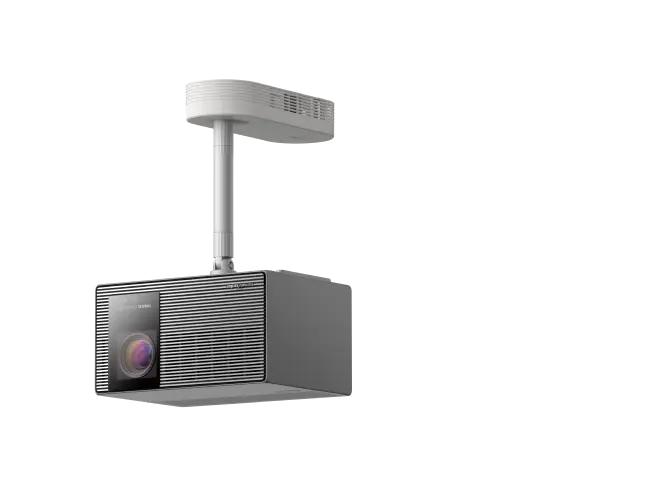




Projectors can run reliably for years when positioned to allow proper airflow, but poor placement is one of the most common causes of thermal shutdowns, louder fan noise, and shortened component life. Keeping intake and exhaust vents clear and maintaining reasonable clearance around the unit helps the built-in cooling system work as designed.

Proper ventilation matters because projectors generate significant heat during operation. Blocked vents trap that heat inside the chassis, forcing the device to throttle brightness, spin fans faster, or shut down to protect itself. For new owners and users in compact rooms, understanding a few simple positioning rules can prevent frustration and potential hardware stress. For more on this topic, see How to Safely Mount and Stabilize a Projector Inside a Moving Vehicle. For more on this topic, see Projector Brightness Standards and Measurement: A Comprehensive Ref....
Why Ventilation Is Critical for Projectors
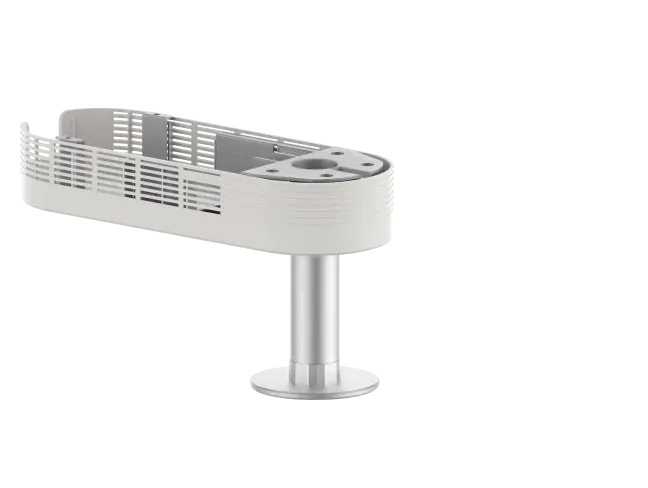
Projector vents must stay unobstructed because blocked intake or exhaust can trap heat and contribute to overheating. Most models rely on internal fans to draw cool air in through intake vents and push hot air out through exhaust vents. When these paths are restricted by walls, furniture, or soft materials, heat builds up quickly.
This is especially relevant in home theater setups, offices, and classrooms where projectors may run for hours. Manufacturers commonly warn that seriously obstructed vents can lead to overheating and safety risks. Thermal protection circuits will often trigger an automatic shutdown if internal temperatures climb too high, which helps prevent damage but interrupts your viewing or presentation.
If the projector is built into a compartment or enclosure, minimum spacing must be maintained and ventilation slots must not be covered. Ignoring this guidance can turn a tidy-looking installation into a reliability problem.
How Much Clearance Does a Projector Need?
There is no single universal distance that applies to every model, but the core principle is consistent: leave enough open space for air to flow freely around the intake and exhaust areas. A practical rule of thumb is to provide at least several inches of clearance on sides with vents, and avoid pressing any vent directly against a surface.
Here is a quick reference based on common guidance:
- Open table or stand: Low risk when vents have clear paths on all relevant sides.
- Shelf with side clearance: Generally acceptable if the projector sits on a hard surface with open space above and around vents.
- Tight against a wall: Moderate to high risk if exhaust or intake is blocked.
- Inside a closed cabinet: High risk unless the cabinet itself has active ventilation and generous internal space.
- On soft surfaces: High risk because fabric or cushions can block bottom or side intake vents.
These boundaries come from official user manuals that emphasize keeping vents clear and avoiding confined spaces.
Heuristic Overheating Risk by Projector Placement
Heuristic risk levels only; not measured data.
View chart data
| Category | Overheating risk |
|---|---|
| Open table | 1.0 |
| Shelf with clearance | 2.0 |
| Tight to wall | 4.0 |
| Closed cabinet | 5.0 |
| Soft surface | 5.0 |
| Ceiling open | 1.0 |
| Recessed niche | 5.0 |
Heuristic mapping from article scenario matrix and manual-based rules: blocked vents trap heat, enclosed setups need spacing, and soft surfaces should be avoided. Risk scale: 1=low, 2=low-moderate, 4=moderate-high, 5=high. Illustrative only.
This chart uses an illustrative 5-point scale where 1 represents low risk and 5 represents high risk. It is a heuristic visualization only and not based on laboratory measurements.
Best Practices for Positioning in Tight Spaces
Home theater users and office professionals often need to place projectors in shelves, media cabinets, or near walls. Follow these guidelines to reduce overheating risk:
- Place the projector on a hard, flat surface rather than beds, blankets, or rugs. Soft surfaces can block airflow and contribute to heat buildup.
- Keep at least a few inches of open space around vents. If installing in a cabinet, ensure the enclosure allows air circulation and does not create a dead-air pocket.
- Avoid directing exhaust vents toward a wall or another object. Hot air needs a path to escape.
- For ceiling mounts, choose a location with open space below and around the unit rather than inside a recessed soffit.
- In portable setups such as bedrooms or dorms, use a nightstand or tray instead of placing the projector directly on bedding.
When a projector is installed in enclosed or rack-style spaces, plan for heat buildup and active ventilation. Some users add small cabinet fans or leave cabinet doors slightly ajar during operation, but always check your specific model manual first.

Recognizing Signs of Overheating
Increased fan noise or speed can be a normal sign that the unit is moving more heat. Listen for the fan becoming noticeably louder during use—this often indicates the cooling system is working harder due to restricted airflow.
Other common indicators include:
- The projector shutting down automatically after extended operation
- Warm or hot air being exhausted with less force than usual
- The exterior chassis or nearby surfaces feeling unusually warm
- Brightness appearing to dim temporarily (thermal throttling)
If these occur, power off the unit immediately. After use or after an overheating event, let the projector cool before turning it back on or handling hot parts. Restarting too soon can stress components further.
How to Safely Cool Down a Hot Projector
When your projector has overheated or finished a long session:
- Turn it off using the remote or power button.
- Allow it to run its internal cooling fan until it stops completely (many models do this automatically).
- Wait at least 10–15 minutes before unplugging or moving the unit.
- Once cooled, inspect the placement and improve clearance before the next use.
Never cover the projector with a cloth or place objects on top while it is cooling. This simple step helps protect the lamp, laser, or LED light source and can extend overall lifespan.
Common Myths About Projector Placement
Many people assume that if a projector fits in a cabinet or on a shelf, it will work fine. In reality, tidy but enclosed placements often restrict airflow enough to cause problems over time. The myth that “hidden is always better” overlooks the fact that projectors are not like passive electronics—they actively generate and must dissipate heat.
Another misconception is that occasional thermal shutdowns are harmless. While the built-in protection prevents immediate damage, repeated overheating events can accelerate wear on fans, optics, and other components.
Choosing the Right Setup for Your Space
Consider your room and usage when deciding on placement:
- Open living room or office: Tabletop or ceiling mount with clear space around the projector usually works well.
- Media cabinet or shelf: Opt for an open-back design or add ventilation. Avoid completely enclosed furniture.
- Portable or bedroom use: Favor hard surfaces and keep the unit away from curtains or bedding.
- Long daily runtime: Prioritize maximum airflow and consider models designed for extended operation.
If you frequently experience shutdowns, review your current placement against the guidelines above. Small adjustments like moving the projector a few inches away from a wall or switching to a different surface can make a noticeable difference.
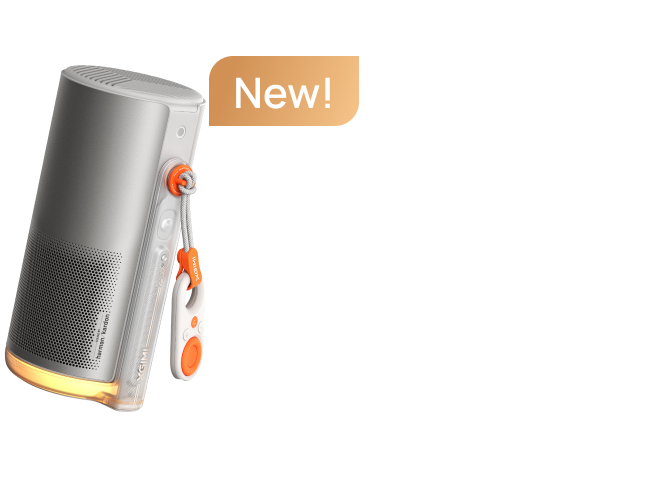
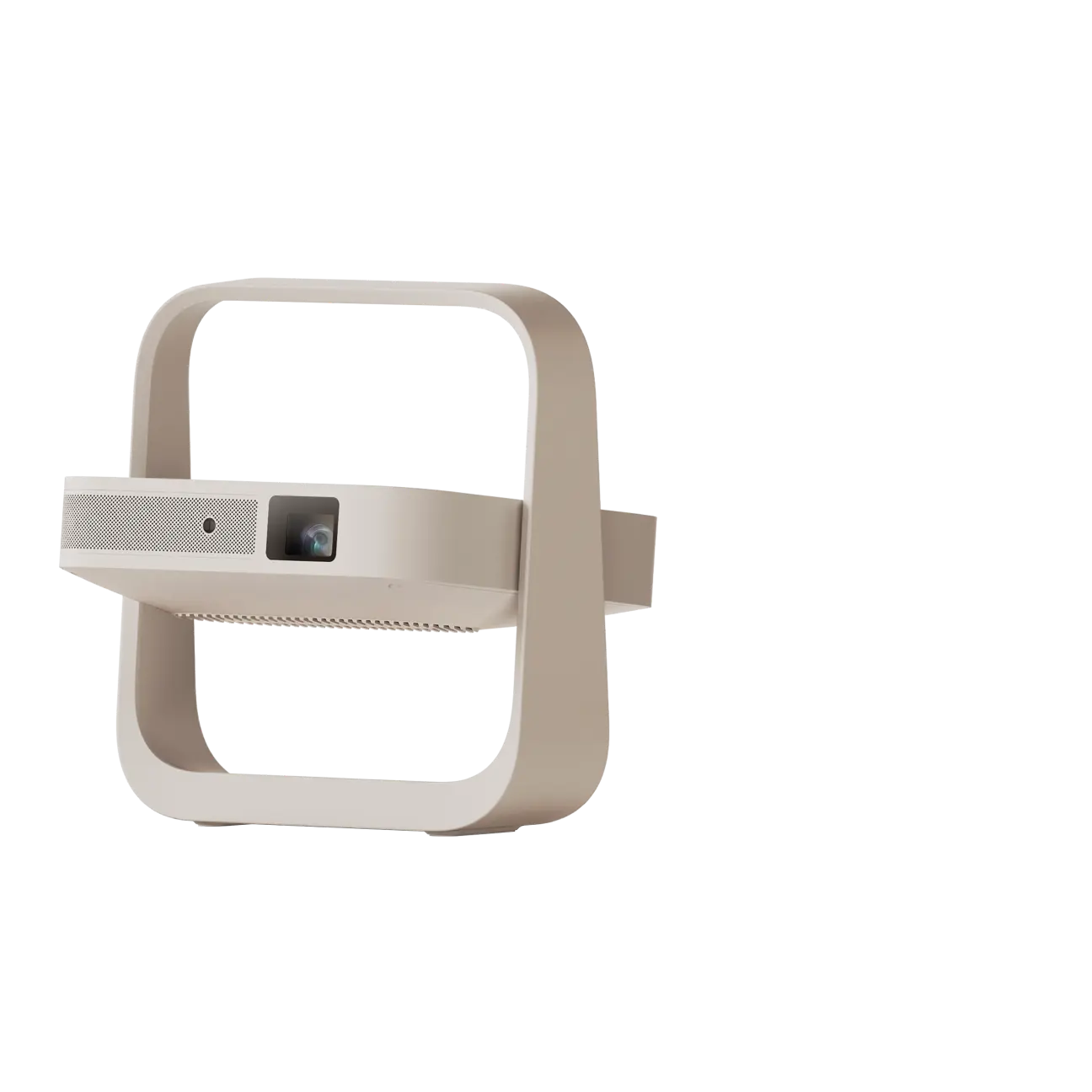
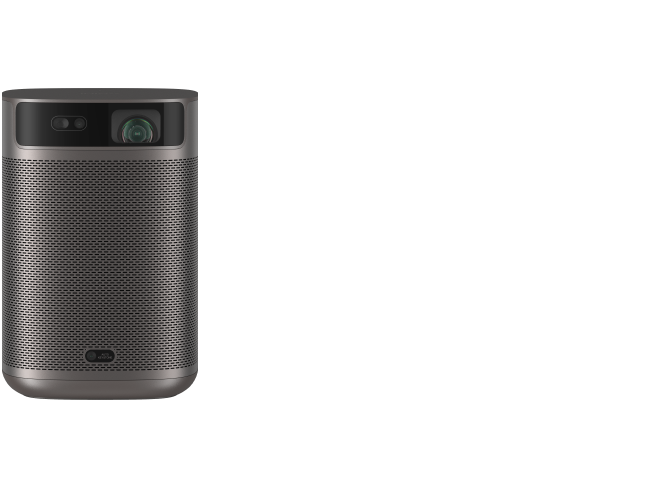
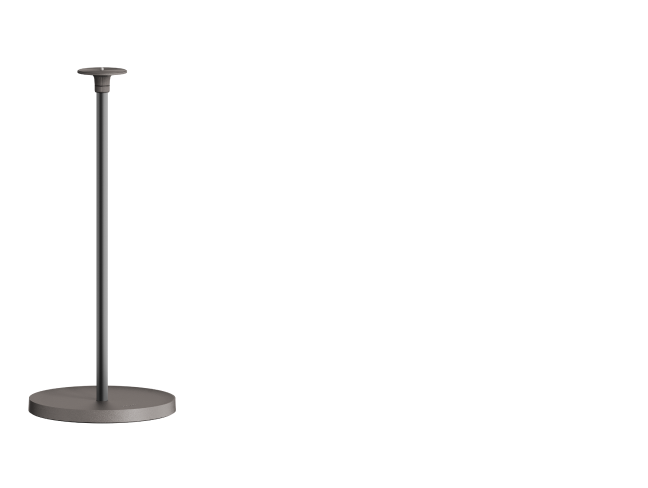
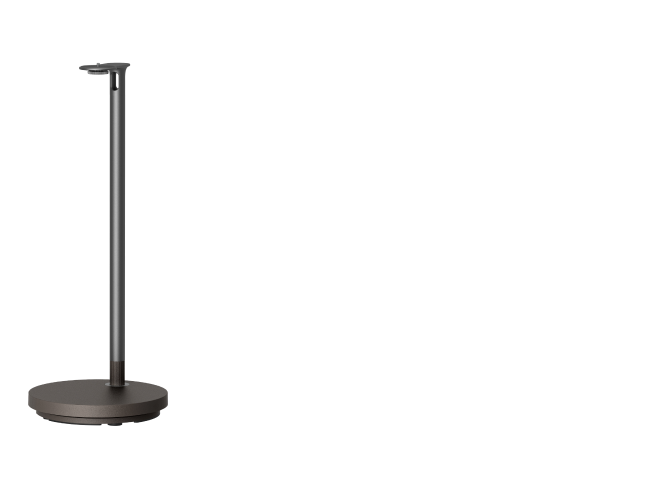
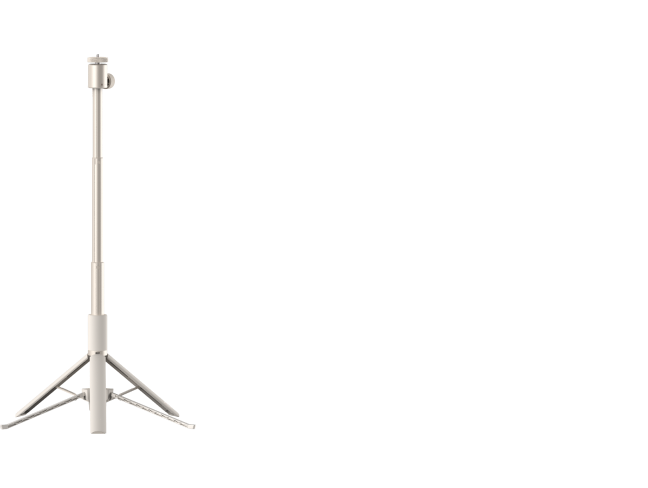
For more guidance on installation options, see our article on projector setup and installation options. Users looking for portable solutions that are easier to position flexibly may want to explore the MoGo Series or portable projectors.
Final Checklist Before You Start a Session
- Confirm all vents are clear of obstructions
- Ensure the projector sits on a hard, flat surface
- Verify several inches of clearance around intake and exhaust areas
- Check that the room temperature is not excessively warm
- Listen for normal fan behavior during the first 10–15 minutes of use
Following these steps reduces the chance of overheating, helps maintain consistent performance, and can lower the likelihood of support issues. Good ventilation is one of the simplest ways to protect your investment and enjoy reliable projection for years.
Comfort and safety note: This article discusses setup and ventilation advice only. It is not medical or technical diagnostic guidance. If your projector shows persistent overheating, unusual behavior, or you have concerns about its operation, consult the official user manual or contact qualified support. For models with specific requirements, always refer to the manufacturer documentation provided with your device.
This content draws from multiple official projector user manuals emphasizing ventilation best practices. Proper positioning helps most consumer and office projectors operate within their intended thermal range.


