



The Role of Dynamic Walls in Modern Interiors
The future of interior design is shifting from fixed colors and patterns to adaptable surfaces that respond to the rhythm of daily life. Dynamic walls powered by short-throw projection let architects, designers, and homeowners change a room's visual character instantly—switching from a calm neutral backdrop in the morning to an immersive art installation or seasonal motif in the evening—without repainting or replacing wallpaper.
This approach treats projection as an additional design layer rather than a complete substitute for traditional finishes. When planned thoughtfully, it delivers flexibility that static materials cannot match while preserving the underlying aesthetics and practicality of the space.

Understanding the "Digital Layer" Concept
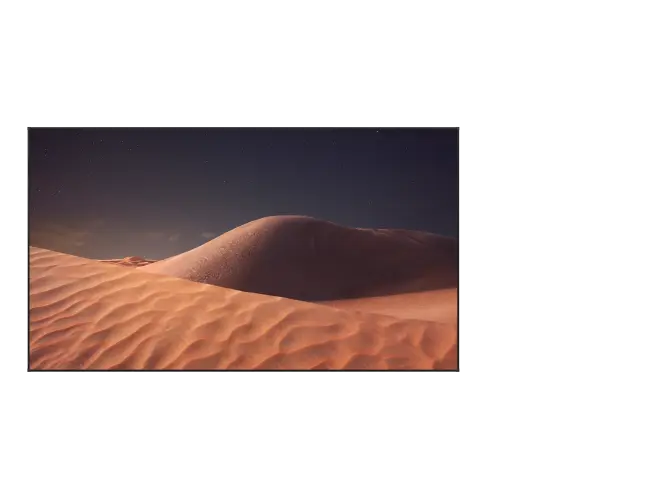
Dynamic walls use projectors to cast high-quality visuals directly onto interior surfaces, turning ordinary walls into responsive canvases. Unlike traditional digital displays or printed murals, projection allows content to evolve throughout the day, season, or according to user mood and events. Architects increasingly incorporate this technique through projection mapping, which aligns images precisely with architectural features to create seamless, immersive experiences.
For homeowners and design professionals, the appeal lies in adaptability. A living room can display subtle textures during a dinner party, transform into a gallery wall for entertaining, or project calming scenes for relaxation. In hospitality settings like boutique hotels or lounges, walls can shift branding or ambiance without physical renovation.
However, based on typical installation workflows, projection serves best as a complementary layer. It does not fully replace the role of paint, wallpaper, or permanent finishes in providing baseline texture and durability under all lighting conditions.
Why Ultra-Short-Throw (UST) Tech is the Standard
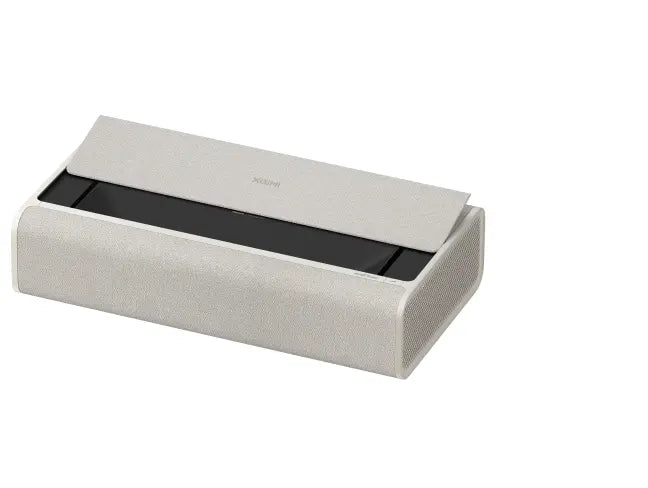
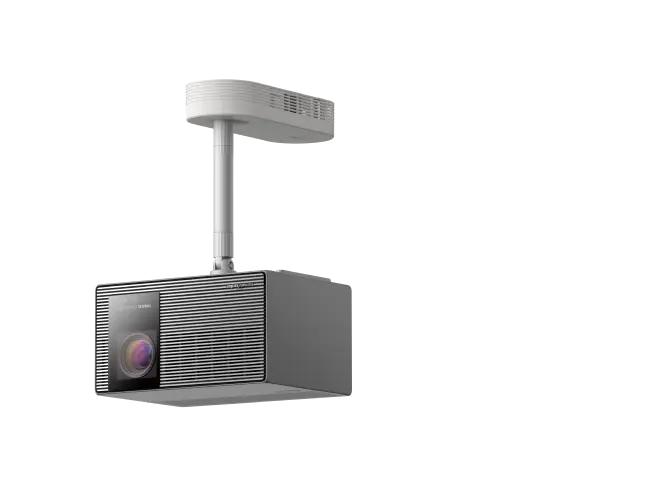
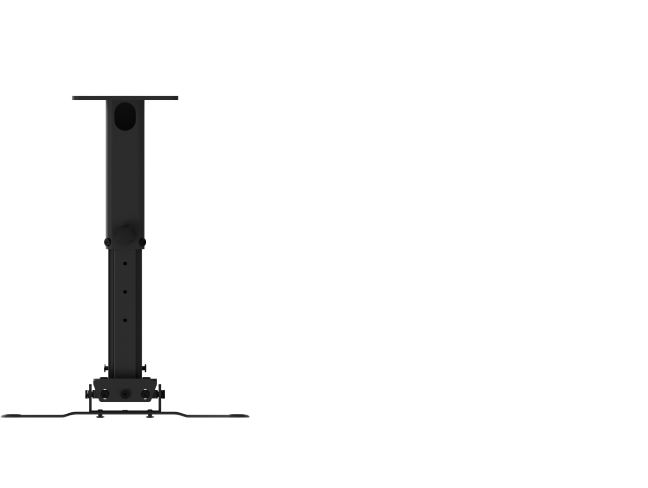
Short-throw and ultra-short-throw (UST) projectors are the primary choice for dynamic wall applications. Because they can produce large images from just inches away from the surface, they eliminate the "shadowing" effect caused by people walking in front of the beam. This close placement also minimizes the need for intrusive ceiling mounts that disrupt minimalist decor.
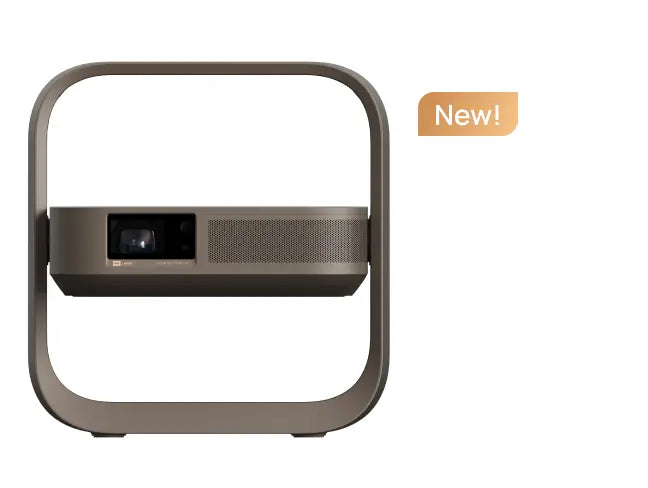
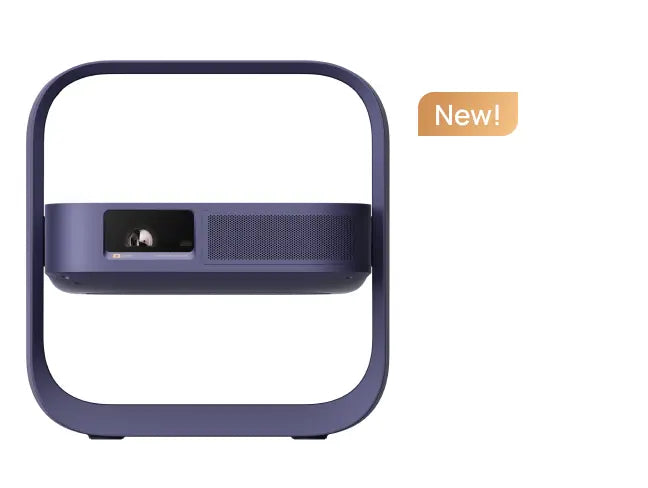
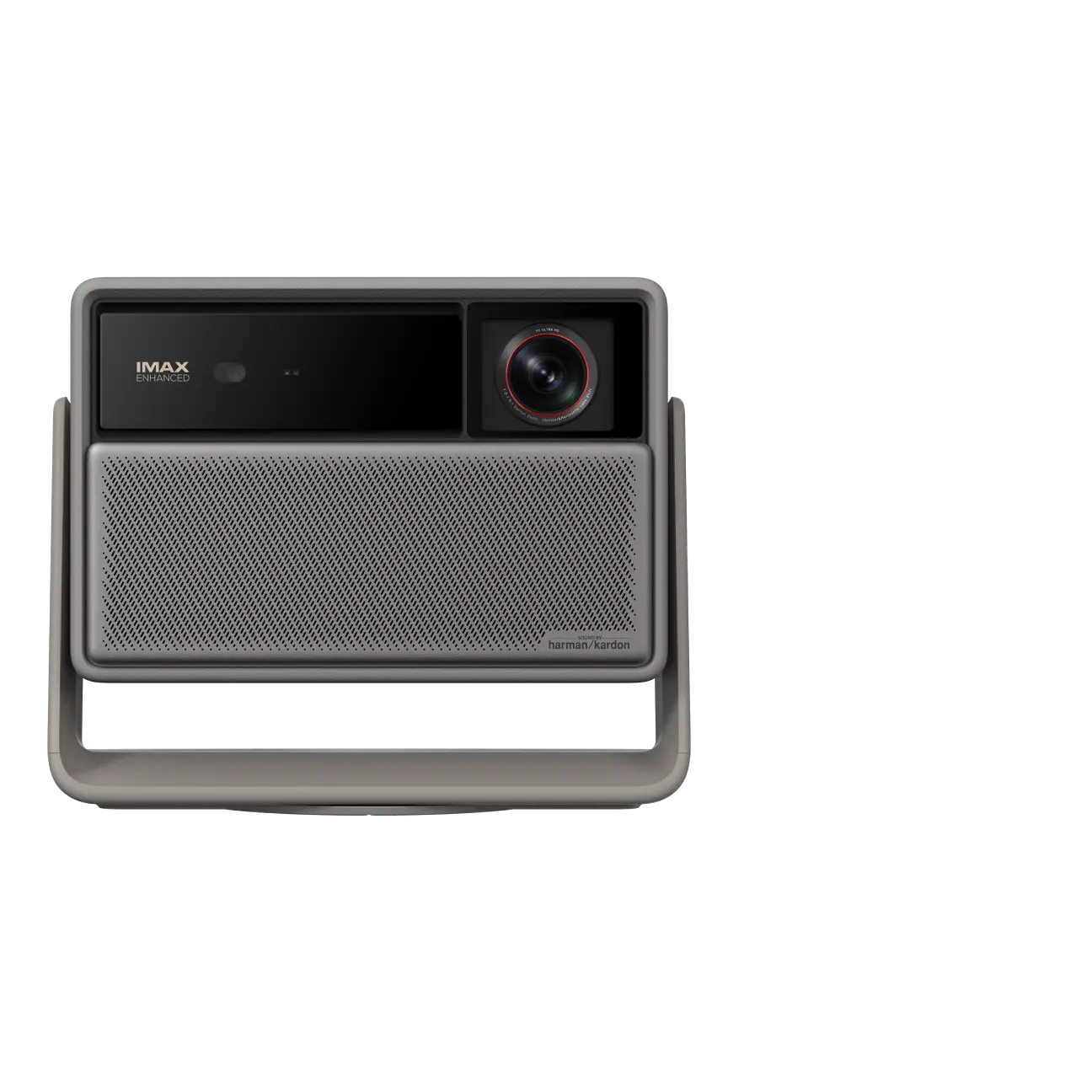
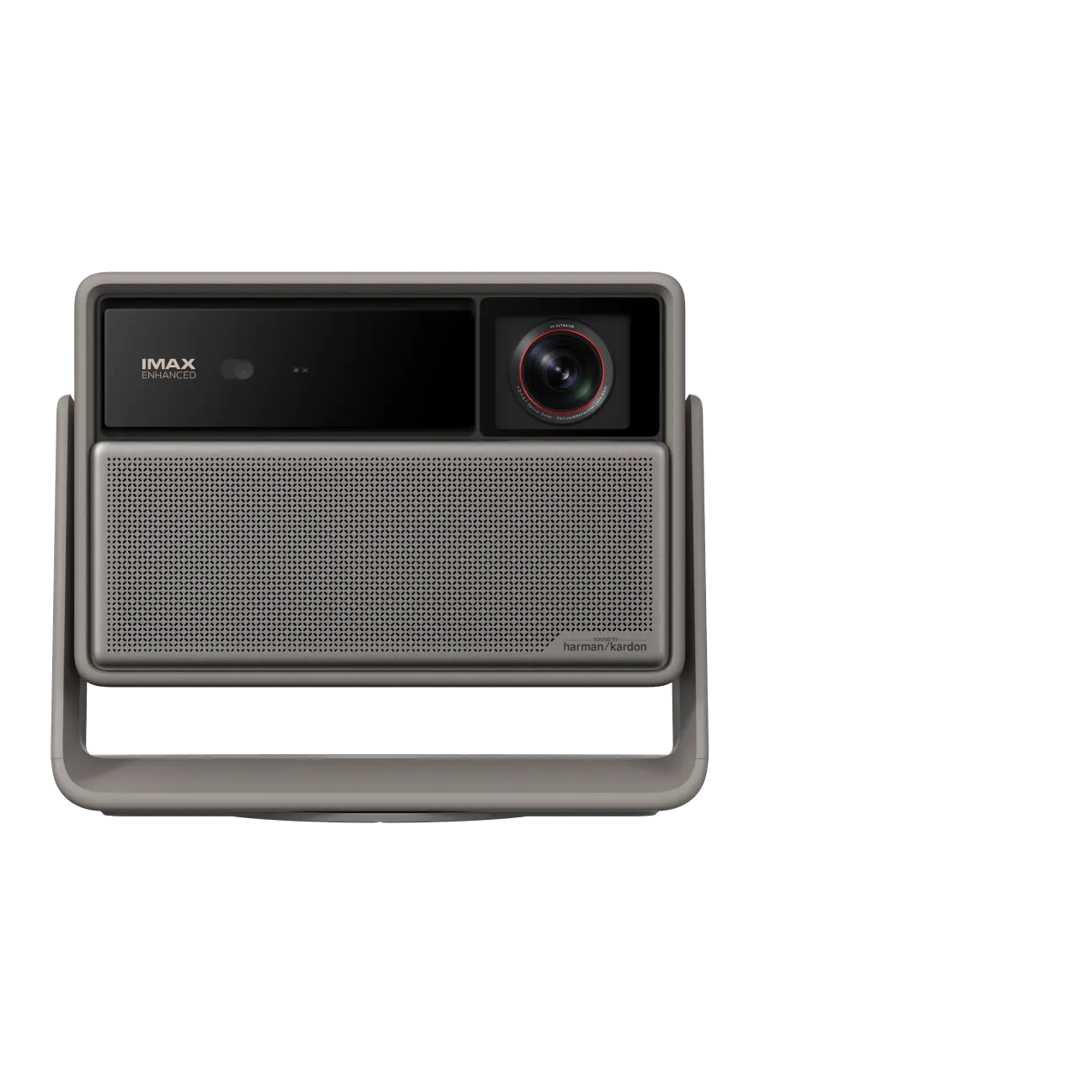
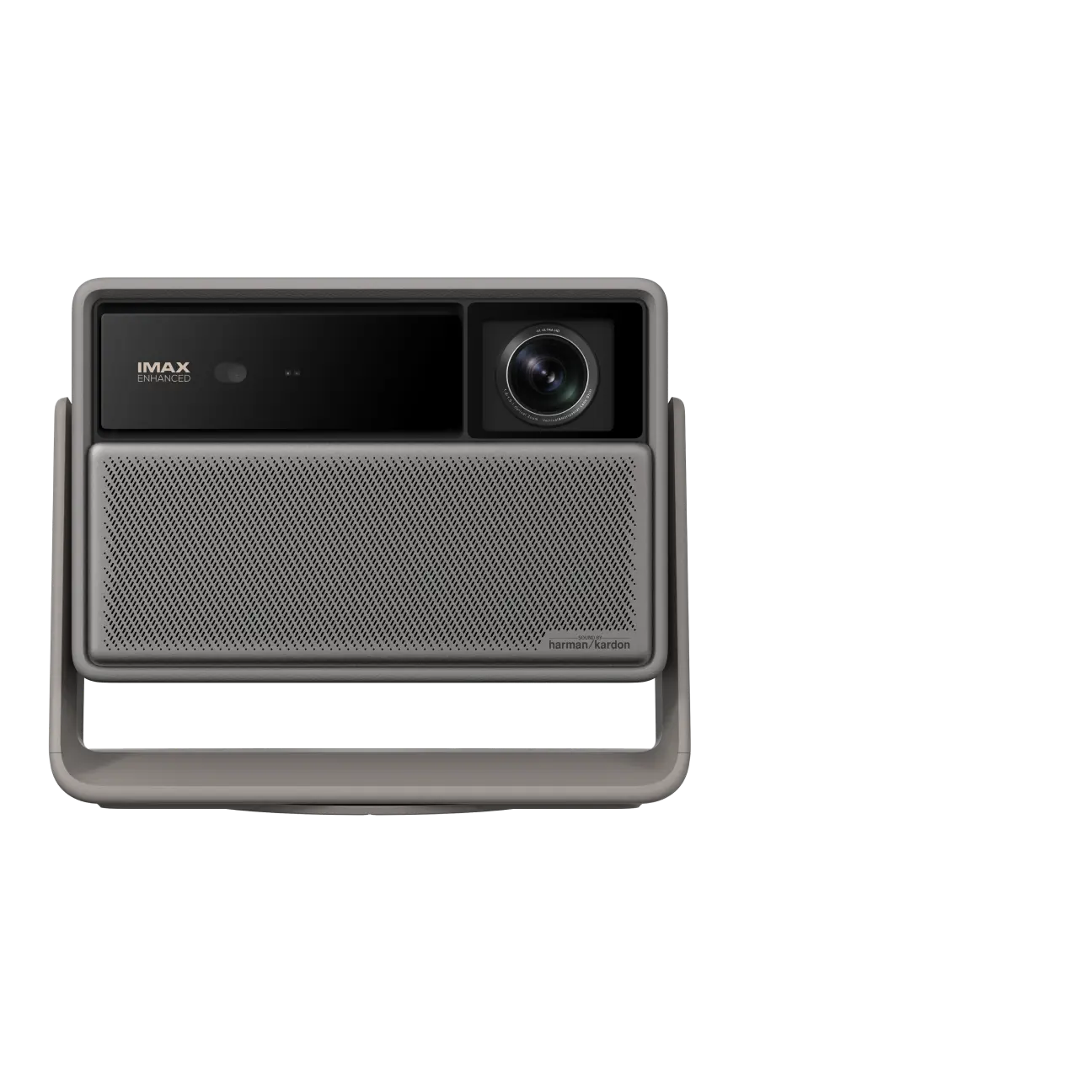
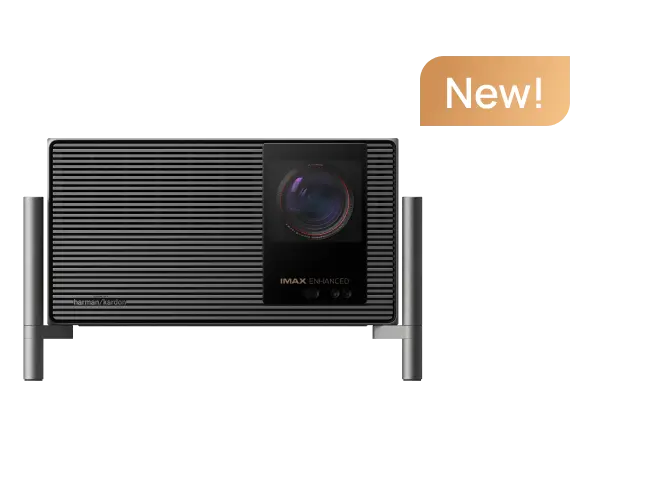
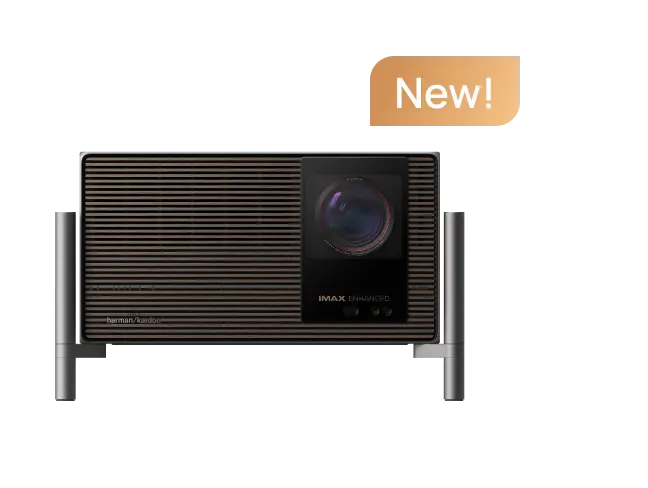
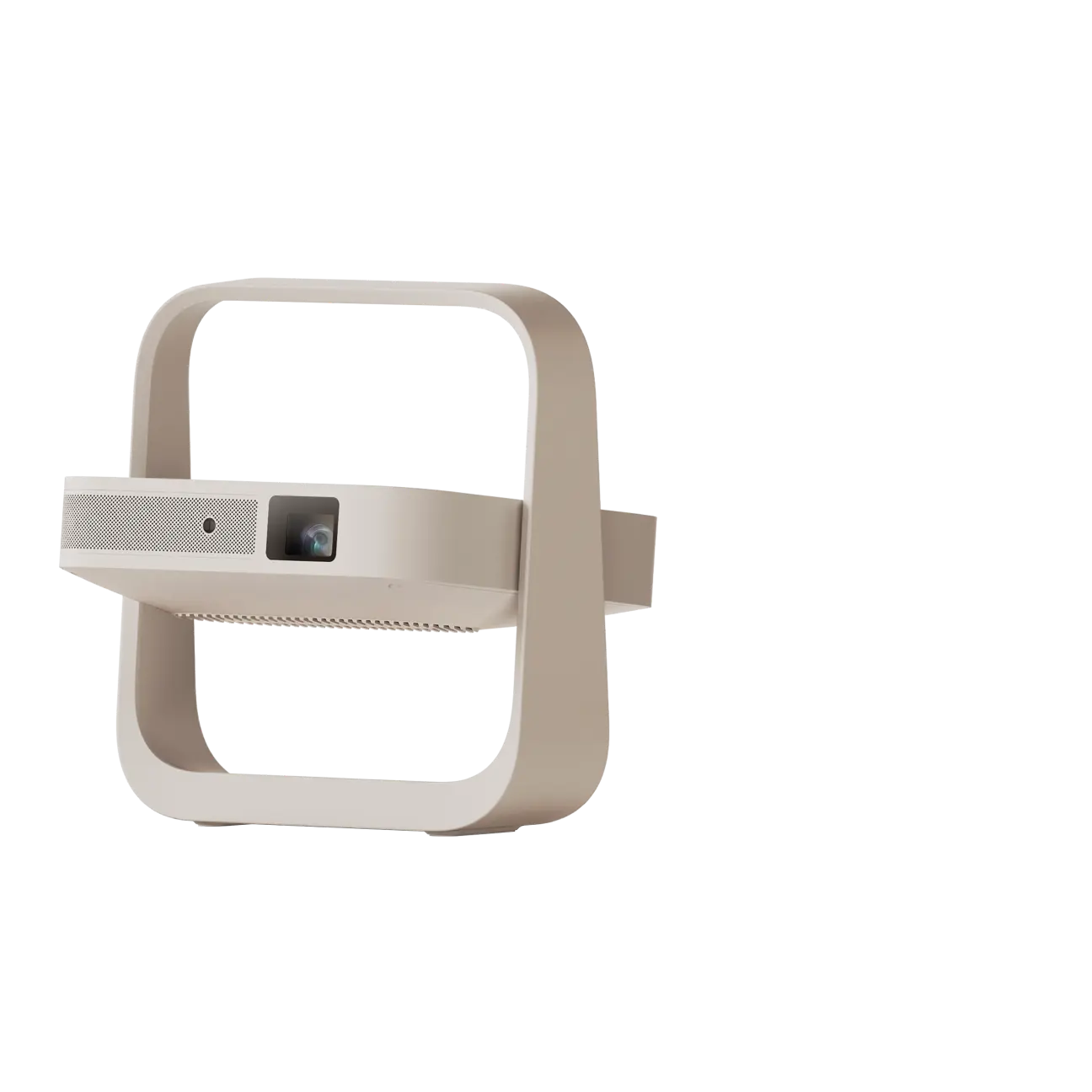
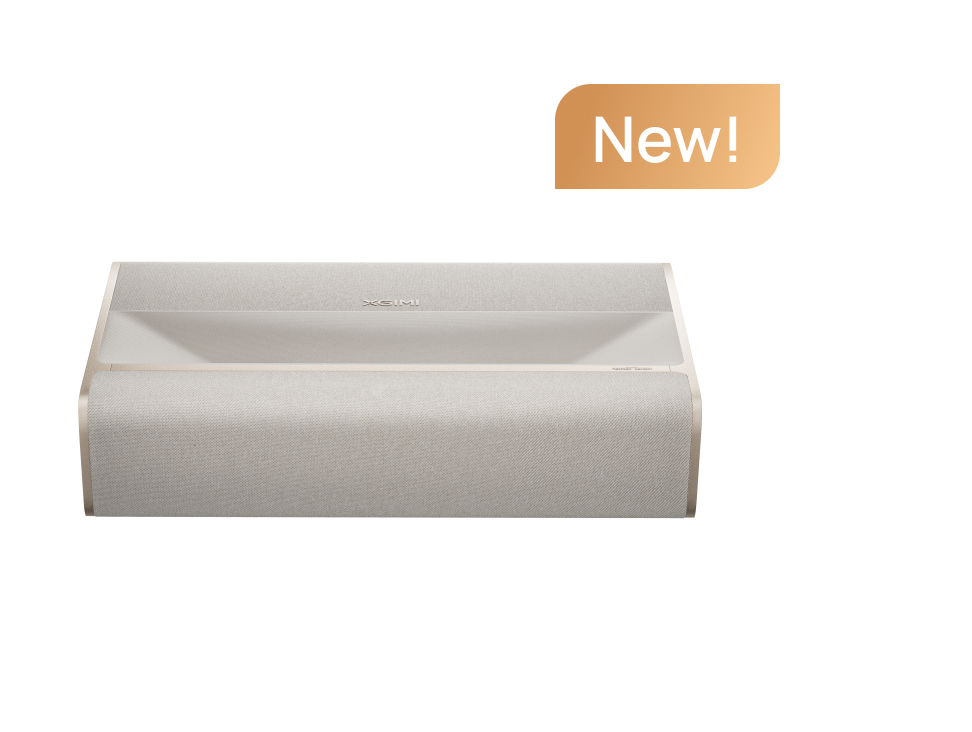
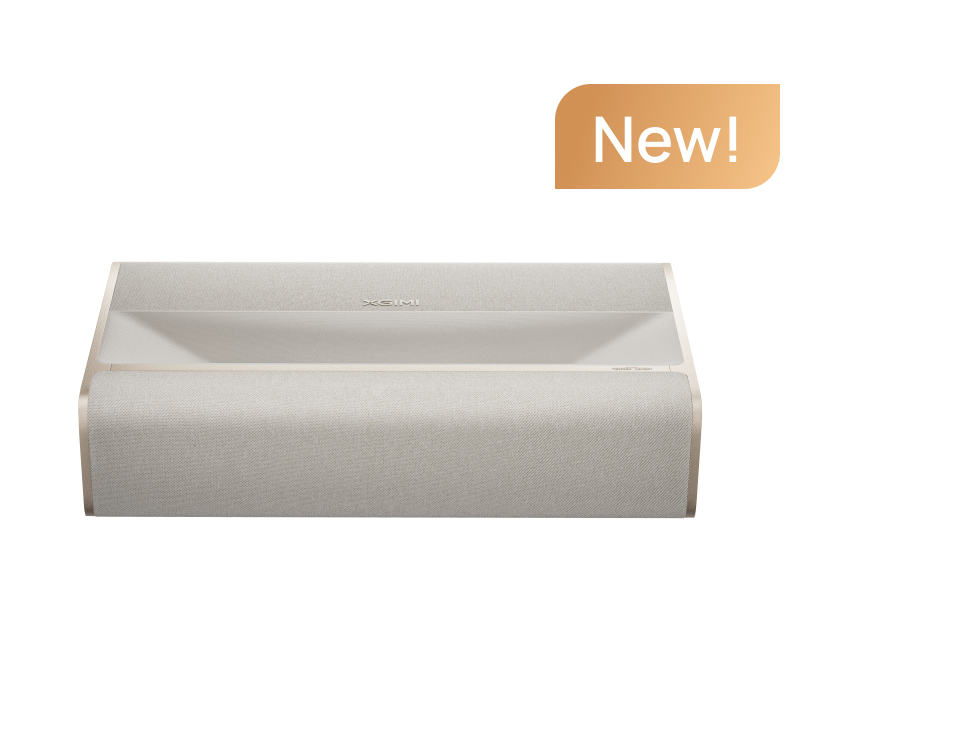
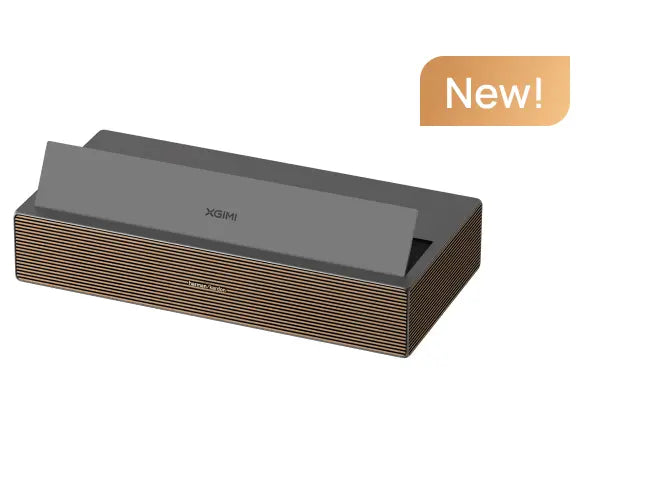
Models like the XGIMI AURA or AURA 2 are specifically engineered for these environments, delivering 4K visuals from a compact footprint. Their integration potential aligns with the trend toward "invisible technology," as explored in guides on creating minimalist projector setups.
A common technical constraint to note: UST projectors use a very steep projection angle. This makes them highly sensitive to wall flatness. Even minor ripples in drywall that are invisible under normal light can cast noticeable shadows when projected upon from below.
Technical Feasibility: The "Three-Point" Check
Before committing to a dynamic wall, we recommend a three-point feasibility check to ensure the environment can support the technology:
- The "Side-Light" Test for Texture: Place a high-intensity flashlight flush against the wall, shining the beam upward. If you see significant shadows from "orange peel" texture or drywall seams, the wall may require skim-coating or a dedicated fixed-frame screen for a clean image.
- Ambient Light Assessment: Measure the light levels during the hours you intend to use the wall. While high-brightness units can compete with some light, dynamic walls perform best in "controlled" environments. For daytime use, an Ambient Light Rejecting (ALR) surface is often necessary.
- Color Calibration: If the wall isn't pure white, look for projectors with "Wall Color Compensation" features. These allow the software to adjust the color output to neutralize the tint of the underlying paint (e.g., beige or light grey).
For reference, understanding projector brightness measurements helps specifiers choose models that perform reliably in their target environment.
Scenario-Based Guidance: When Dynamic Walls Excel
The suitability of dynamic walls varies by space and use case. In controlled environments such as dedicated home theaters or evening-focused living rooms, projection often delivers strong impact with minimal compromise. Hospitality venues benefit when walls need to adapt for different events, allowing quick visual refreshes without construction.
For typical family living spaces with heavy daytime use, traditional finishes frequently remain the more practical choice. Creative studios sit in the middle—projection shines when the ability to change mood or display work-in-progress visuals outweighs the need for a permanently polished surface.
A quick heuristic fit comparison illustrates these differences:
Heuristic Fit for Dynamic Projection Walls vs. Traditional Finishes
Illustrative scenario fit, not measured performance.
View chart data
| Category | Dynamic Projection Walls | Traditional Finishes |
|---|---|---|
| Hospitality | 3 | 2 |
| Homeowners (selective use) | 2 | 3 |
| Home Theater | 3 | 2 |
| Bright Rooms | 1 | 3 |
Heuristic chart based on the supplied scenario matrix and constraint-first pre-checks: ambient light control, throw distance, wall texture, and whether projection is a layer rather than a full replacement. Scores use a 3-level relative scale (1=low fit, 2=moderate, 3=high fit) for article guidance only.
Note: These scores represent relative guidance based on common installation outcomes and should be validated against actual room conditions.
Installation and Calibration Strategies
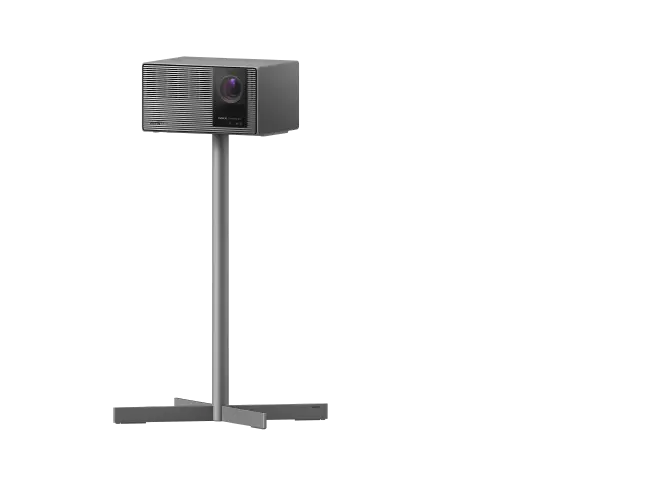
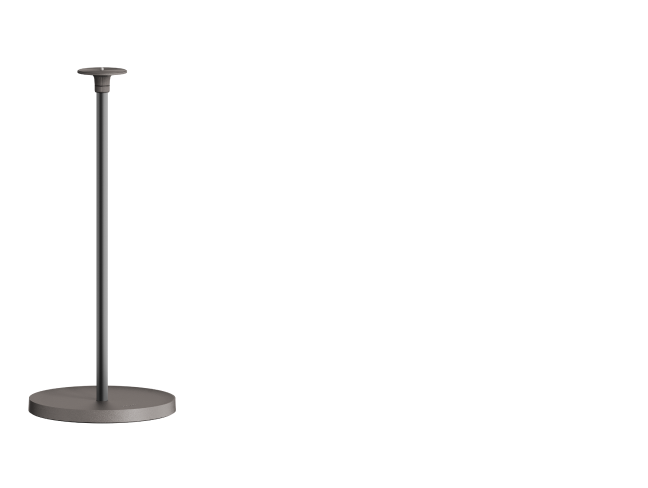
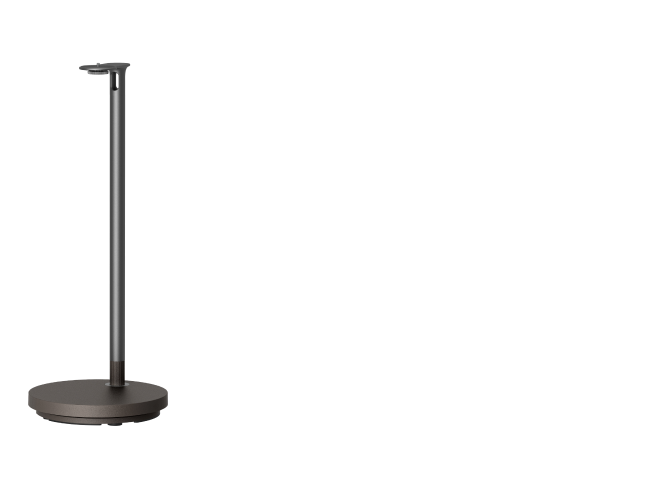
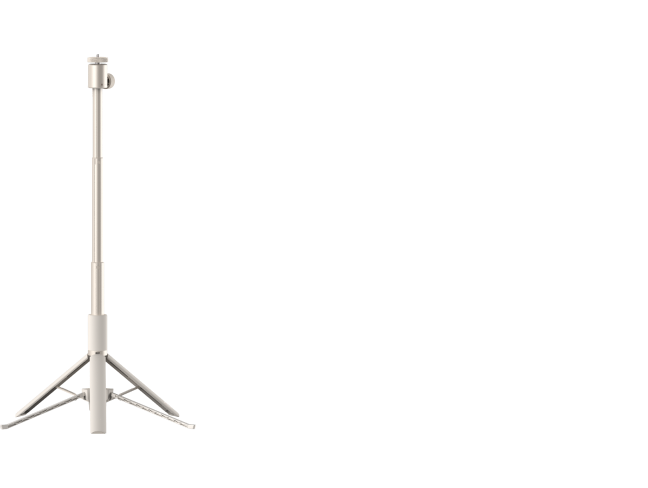
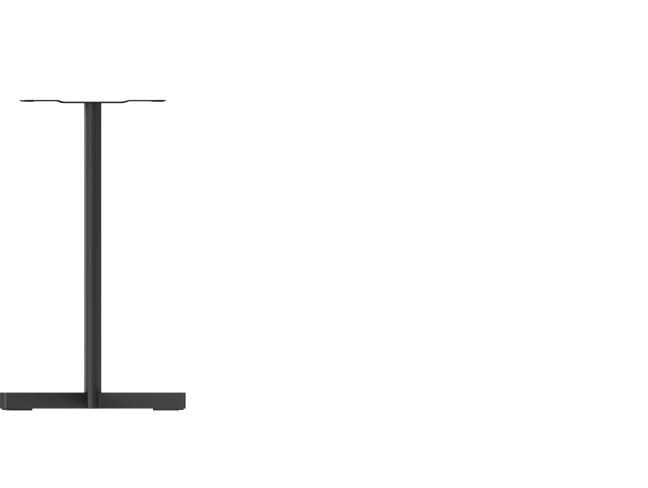
Achieving a seamless look requires intentional planning. Many successful installations hide the projector within cabinetry, behind architectural elements, or use low-profile stands. Cable management and power access should be addressed during the design phase to maintain clean lines.
Calibration Steps for a Professional Finish:
- Geometric Correction: Use the projector’s 4-point or 8-point keystone correction to ensure the image perfectly aligns with the wall's edges.
- Focus Uniformity: Because UST projectors have a shallow depth of field, check focus at both the center and the extreme corners of the wall.
- Content Sourcing: Select visuals that enhance rather than compete with the room's architecture. Generative art apps or slow-moving "cinemagraphs" are often more effective for dynamic walls than high-motion video.
For inspiration on discreet setups, resources on choosing projector mounting methods provide useful frameworks that balance functionality with aesthetics.
Balancing Creativity with Real-World Constraints
While the concept is exciting, several trade-offs deserve attention. Maintenance involves occasional dusting of the projector lens—as even a small fingerprint can cause significant blur at UST angles. Content curation requires either time or access to suitable libraries, and frequent changes may need automation through smart home integration.
In bright environments, results may fall short of expectations unless supplemental lighting control (like blackout curtains) is added. This makes dynamic projection most practical in spaces where users can reasonably manage light levels.

Who Should Consider Dynamic Projection Walls?
This approach appeals strongly to interior designers and architects looking for experiential tools, and homeowners interested in smart home technology who want to refresh their environment without renovation.
It is less ideal for spaces that demand zero-maintenance, all-day visibility, or where the wall must serve as a neutral backdrop at all times. In those cases, combining projection with high-quality base finishes often yields the best of both worlds.
Before proceeding, apply a quick feasibility filter: confirm repeatable projector placement, adequate light control, suitable wall surface flatness, and realistic expectations that projection enhances rather than replaces traditional decor.
The Road Ahead for Tech-Enhanced Interiors
As projector technology continues to improve in brightness and smart features, dynamic walls are likely to become more accessible. The intersection of projection with generative AI content and sensor-driven adaptation points toward even more responsive environments.
For now, the most successful implementations treat projection as one element within a thoughtfully layered design. By respecting the practical limits of light, surface, and placement, designers can create interiors that feel both timeless and alive.
This article discusses comfort and setup considerations for projection-based design features. It does not constitute architectural, medical, or technical advice. Individual results depend heavily on specific room conditions, equipment quality, and proper installation. Consult qualified professionals for project-specific guidance, especially when planning permanent modifications or addressing persistent setup challenges.


