



Transforming a plain wall into the look of exposed brick, rich wood grain, or flowing water is now possible without any renovation. Projection mapping lets you use a high-quality projector as a digital wallpaper tool, overlaying realistic textures that can be changed as easily as swapping a playlist. The key to success lies in selecting the right projector, preparing your wall and room, sourcing or creating suitable high-resolution content, and calibrating carefully to avoid distortion or washed-out results.

While the effect can create striking ambient decor, it works best as a temporary or evening-focused solution rather than a full replacement for physical materials. Results depend heavily on room lighting, wall surface, and projector performance. In bright daylight or on highly textured walls, the illusion often breaks down and looks more like a projected image than a real surface.
How Projection Mapping Creates Texture Effects
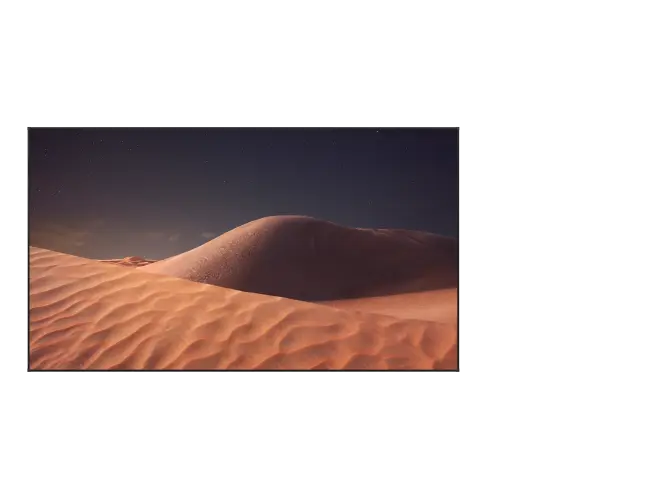
Projection mapping uses a projector to cast detailed images onto surfaces, making flat walls appear three-dimensional. For textures like brick, wood, or water, the projector displays high-resolution patterns with realistic shadows, highlights, and movement. When done well, the light interacts with the wall to simulate depth and material qualities.
This approach is particularly appealing for renters and apartment dwellers who cannot paint or install wallpaper. It offers flexibility for seasonal changes or mood-based decor without permanent alterations. However, the illusion relies on controlled conditions. As this official throw-ratio guide and related setup resources explain, factors like distance and image alignment play critical roles in maintaining realism.
Common challenges include keystone distortion that softens fine details such as brick mortar lines or wood grain, and ambient light that reduces contrast. Water effects, with their fluid motion, require smooth surfaces and strong color accuracy to avoid looking artificial.
When Projecting Textures Works Best: Scenario Guidance
Not every room suits realistic texture projection equally. The setup shines in controlled, lower-light environments but struggles in bright, dynamic spaces.
According to practical scenario analysis, evening use in small apartments with smooth, light-colored matte walls delivers the most convincing results. Here, a projector can fill the wall without heavy correction, preserving sharp brick patterns or subtle wood textures. In contrast, daytime living rooms with changing natural light often make textures appear washed out unless the projector offers high brightness and the room can be fully darkened.
Textured or dark-colored walls introduce visual noise that competes with the projection, breaking the illusion for both brick and wood effects. Water-like patterns perform best on smooth, low-glare surfaces in dim conditions where gradients and motion remain clear.
A quick decision framework includes checking whether your room allows stable projector placement, controllable lighting, and a neutral wall finish. If these conditions cannot be met, the result may feel more like decorative lighting than authentic material simulation.
Choosing the Right Projector for Texture Projection
Successful texture projection requires a projector that balances brightness, resolution, color accuracy, and setup convenience. Brightness is essential to overcome ambient light and maintain vivid textures. For most living rooms, models with strong lumen output perform better in mixed lighting.
Resolution matters for capturing fine details. 4K projectors render crisp brick mortar, wood grain, and water ripples more realistically than lower-resolution options. Color performance ensures natural tones rather than faded or oversaturated results.
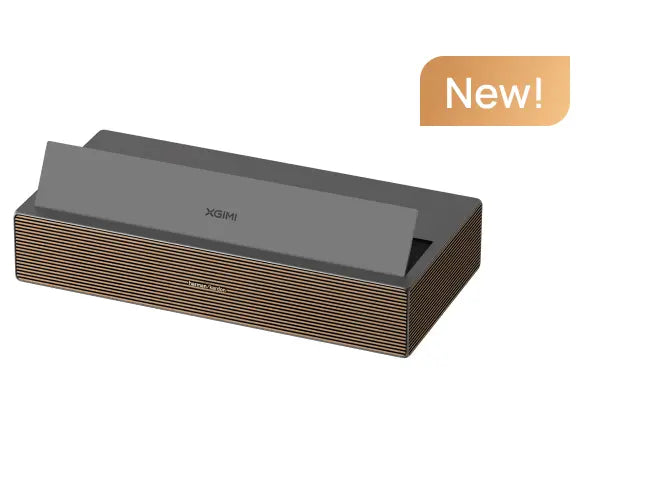
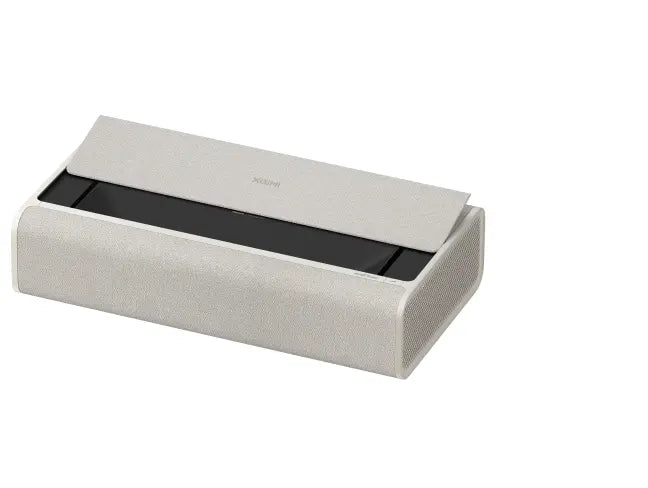
Throw ratio and placement determine coverage without distortion. Ultra-short-throw models excel at filling large walls from close range, reducing the need for aggressive keystone correction that can soften edges. Standard throw projectors offer flexibility but may require more precise positioning.
Here is a heuristic visualization of feature needs across typical scenarios:
Projector Features by Projection Scenario
Relative fit guide for common projector scenarios. Higher values indicate stronger need, not measured performance.
View chart data
| Category | Brightness need | Throw flexibility need | Resolution need |
|---|---|---|---|
| Evening apartment use | 2.0 | 3.0 | 2.0 |
| Daytime living room | 5.0 | 4.0 | 3.0 |
| Textured wall / detail projection | 3.0 | 2.0 | 5.0 |
Heuristic chart derived from supplied viewpoint modules and scenario matrix: dim, smooth-wall evening setups are more forgiving; bright/daylight or textured walls are harder. Threshold notes used qualitatively: 2000+ lumens improves ambient-light tolerance, 4K helps preserve texture detail, and ultra-short-throw (UST) reduces keystone-related wall-filling difficulty. Not official statistics; relative-only illustration.
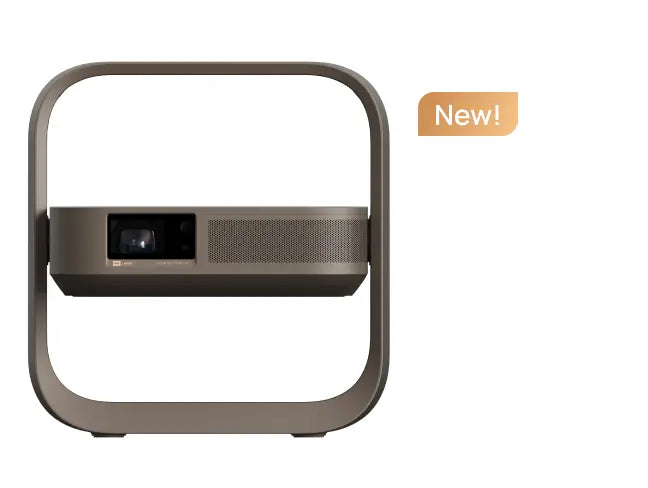
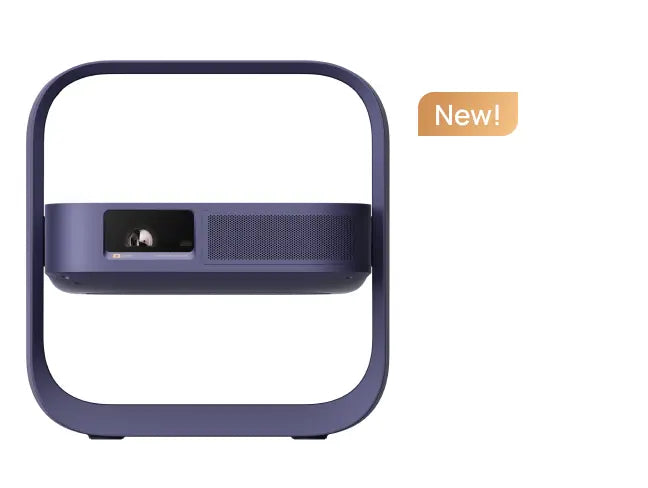
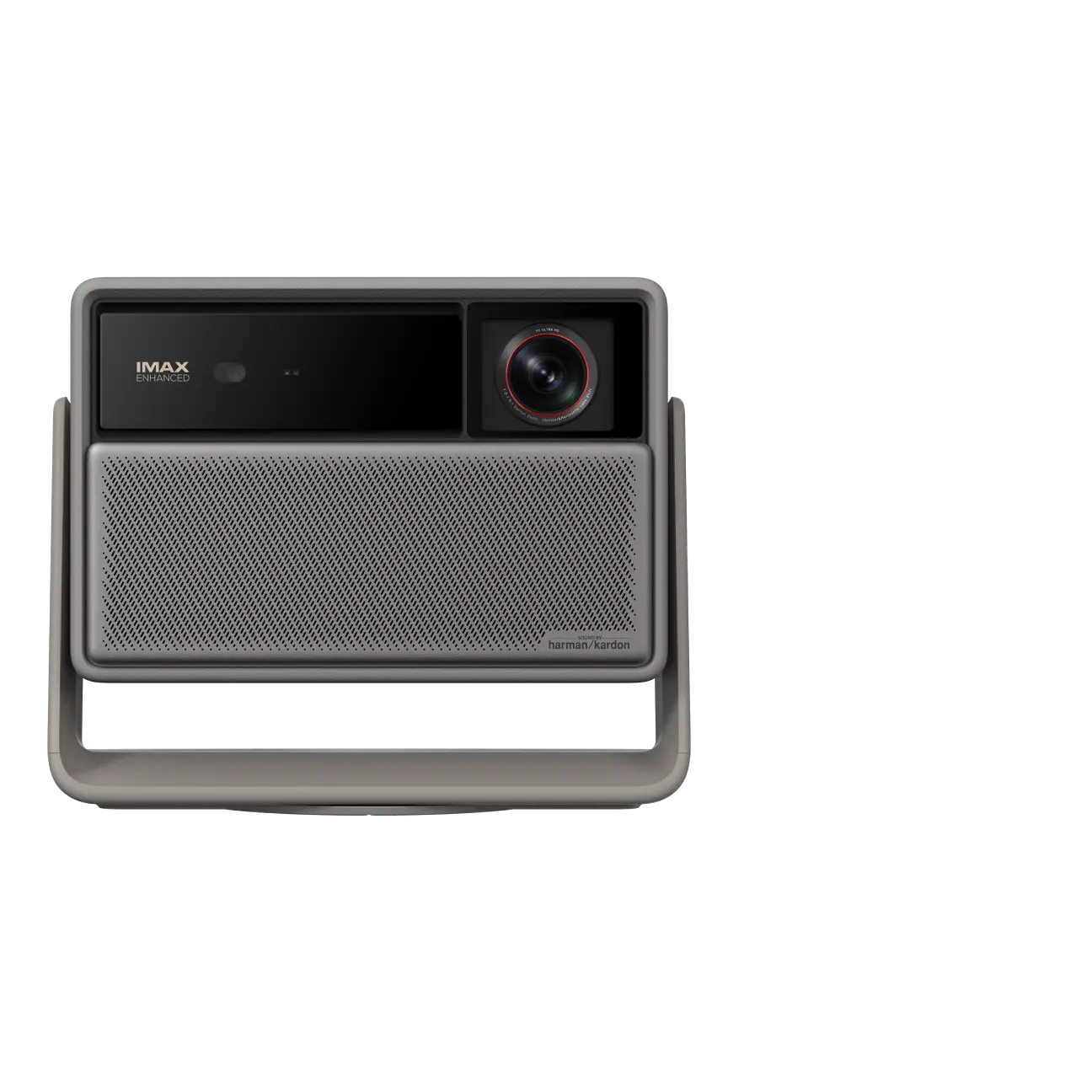
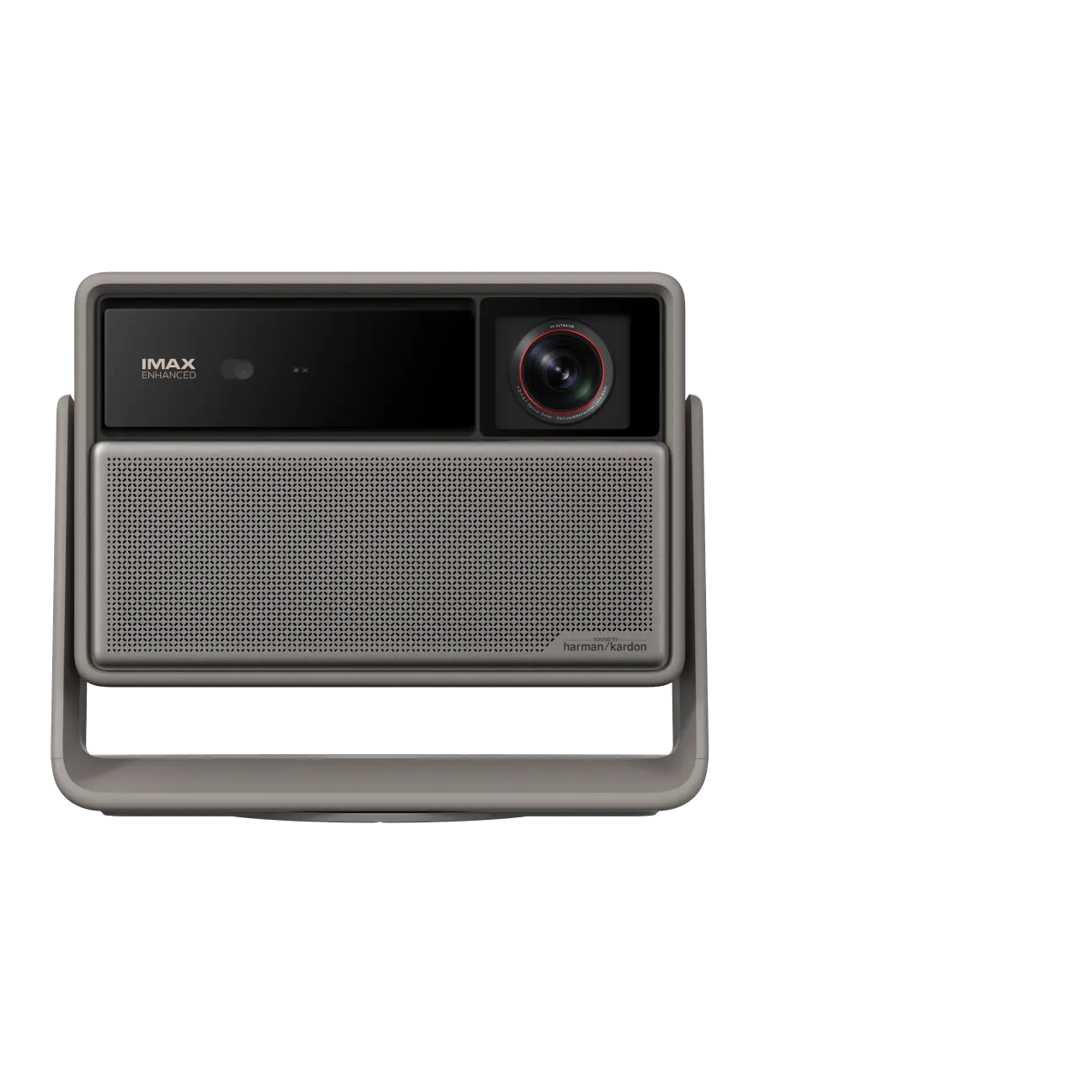
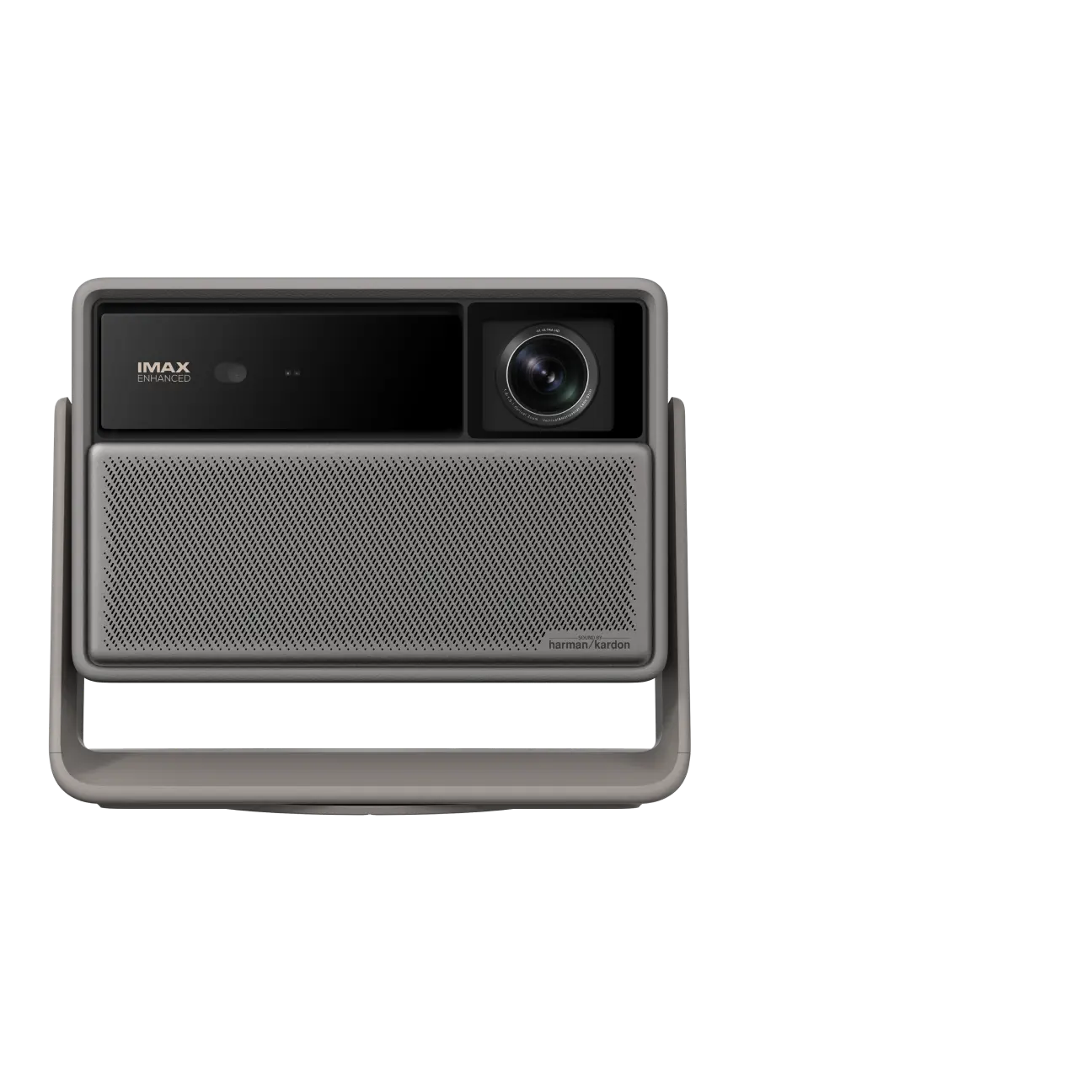
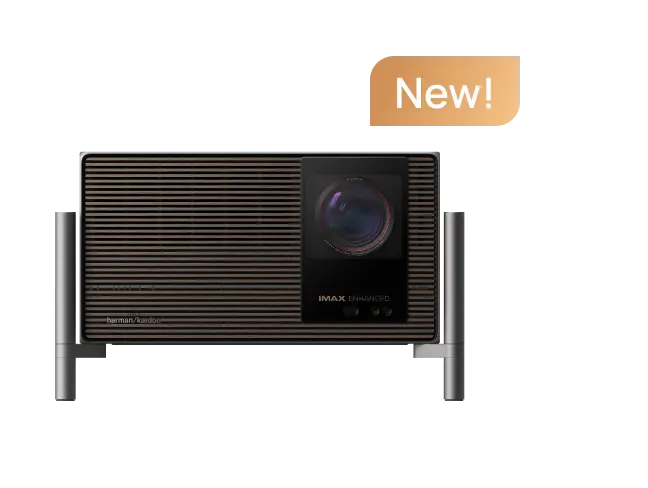
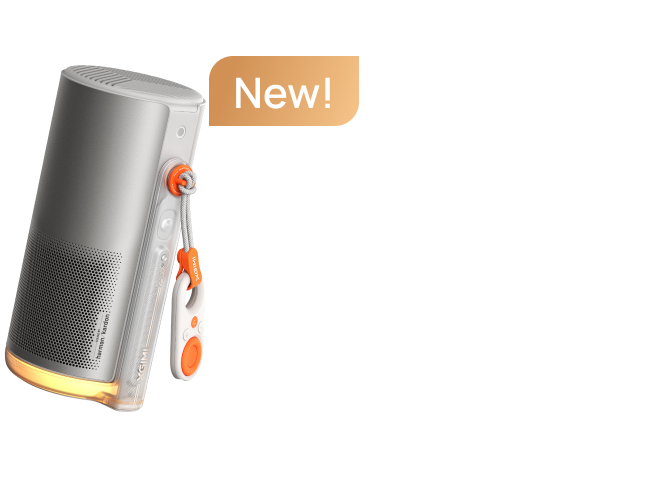
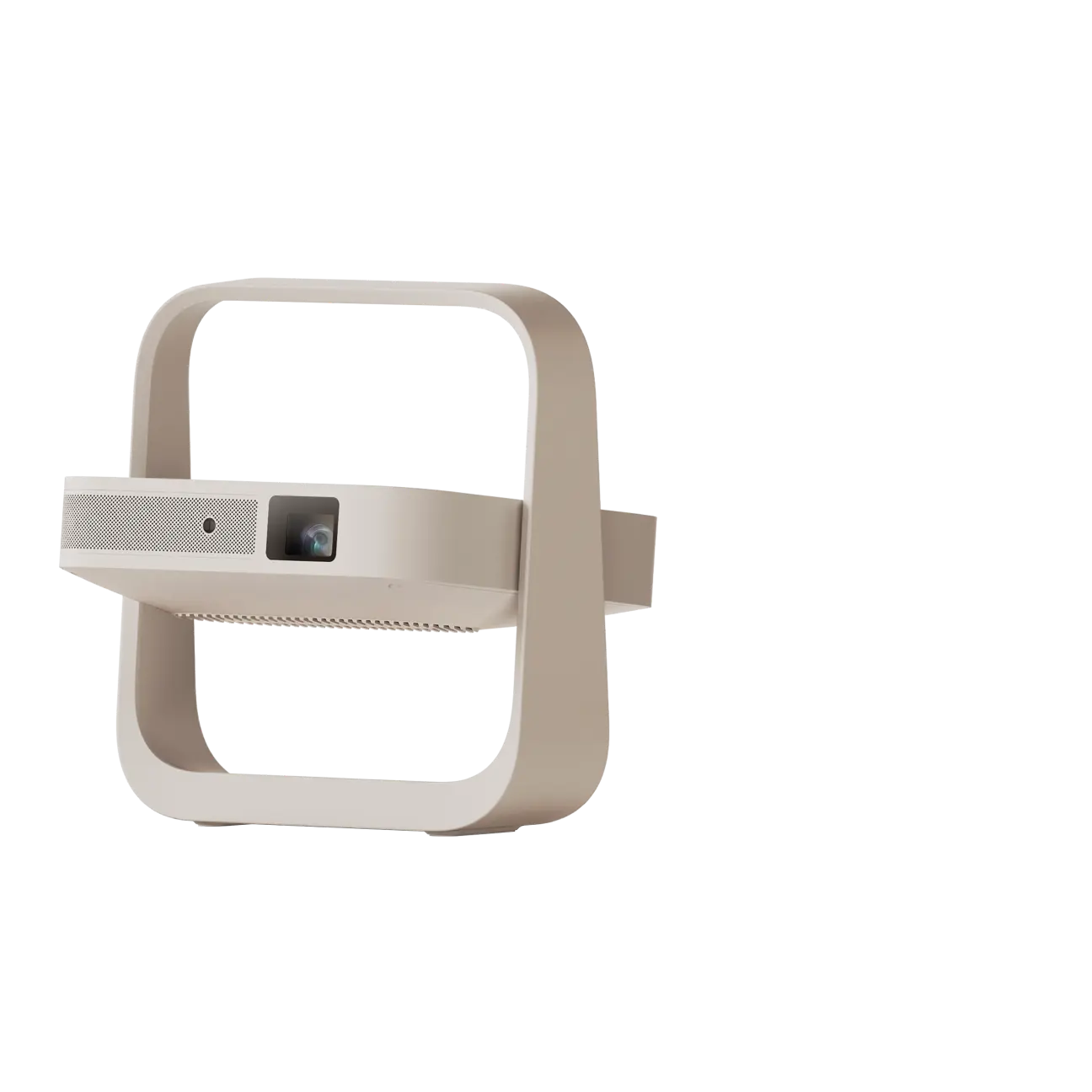
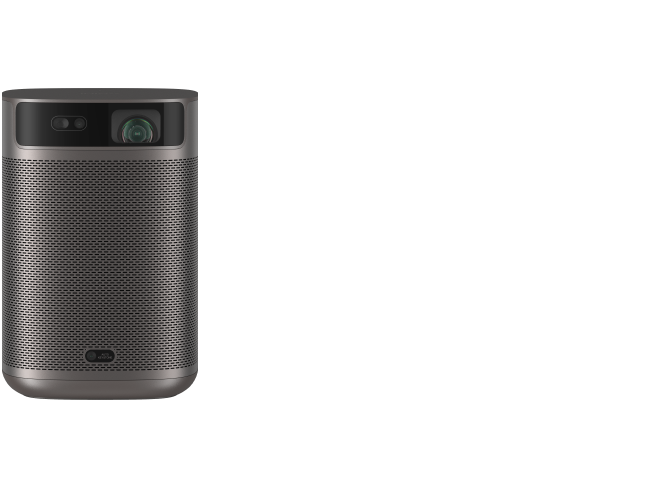
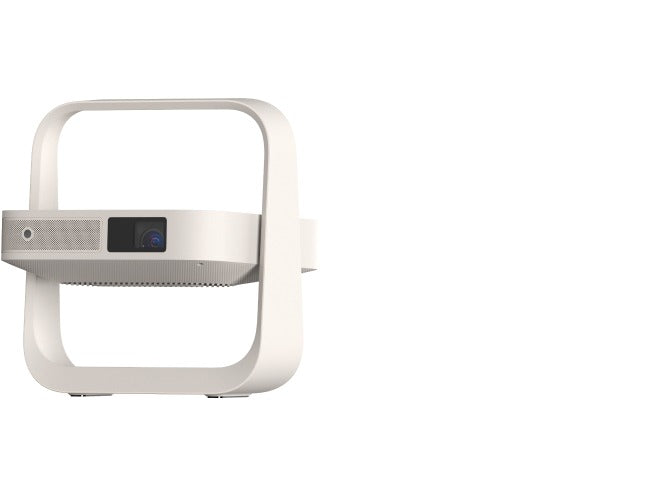
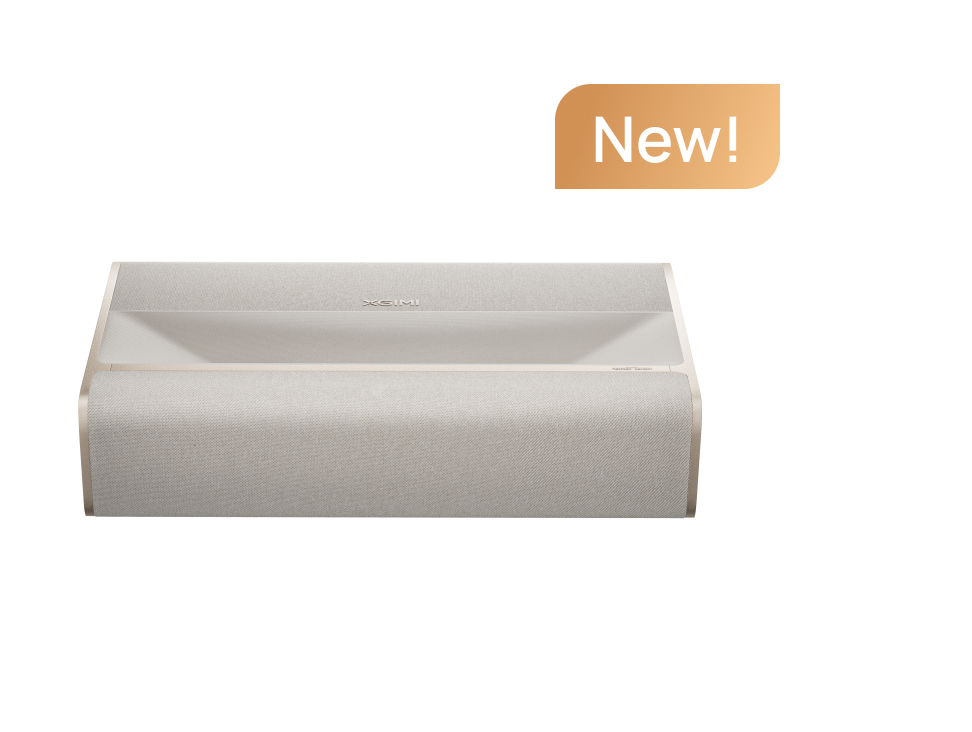
For portable or flexible use, battery-powered models with auto-setup features simplify repositioning. Consider options like the HORIZON Ultra for balanced home performance or ultra-short-throw models such as the AURA 2 for easy wall coverage. Laser projectors often provide consistent brightness and color that benefit texture realism.
Avoid underpowered units for this application. As detailed in brightness standards resources, sufficient output helps combat ambient light that otherwise washes out textures.
Preparing Your Wall and Room for Realistic Results
Wall surface significantly impacts the final appearance. Smooth, matte, light-colored walls work best because they reflect the projected image evenly without adding competing texture. Dark or heavily textured walls can make brick patterns look noisy and water effects lose their fluidity.
Room lighting is another critical factor. A darker environment enhances contrast and depth, making textures appear more convincing. In brighter rooms, even high-lumen projectors may struggle to maintain realism. Consider using curtains or scheduling projection for evening hours.
Positioning matters for minimizing distortion. Place the projector at an appropriate distance based on its throw ratio to achieve the desired image size without excessive keystone correction. Heavy keystone adjustment often reduces sharpness, which is particularly noticeable in detailed textures.
Use built-in calibration tools for focus, keystone, and screen alignment. Following a structured calibration process, as outlined in guides like how to calibrate your projector, helps achieve optimal results. Auto features such as autofocus and obstacle avoidance speed up setup for frequent changes.

Sourcing or Creating Texture Content
The quality of your source material determines much of the realism. High-resolution images or videos of actual brick, wood, and water surfaces provide the best starting point. Look for seamless tiling patterns that avoid obvious repetition when projected across large areas.
Free and paid texture libraries offer downloadable assets optimized for projection. For custom looks, photograph real materials under similar lighting and edit them for seamless looping, especially for water effects with gentle motion. Software tools can enhance contrast and detail to compensate for projection limitations.
Test content on your specific wall before committing to a full display. Adjust brightness, contrast, and color settings to match the room. Avoid low-resolution files that result in blurry edges or pixelation on larger projections.
Step-by-Step Setup for Texture Projection
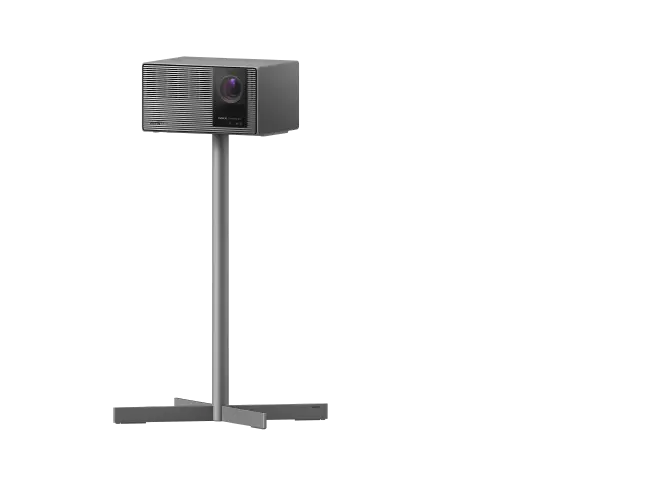
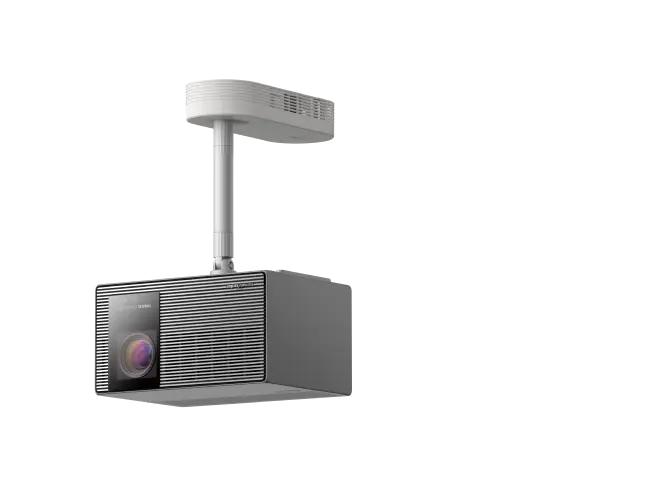
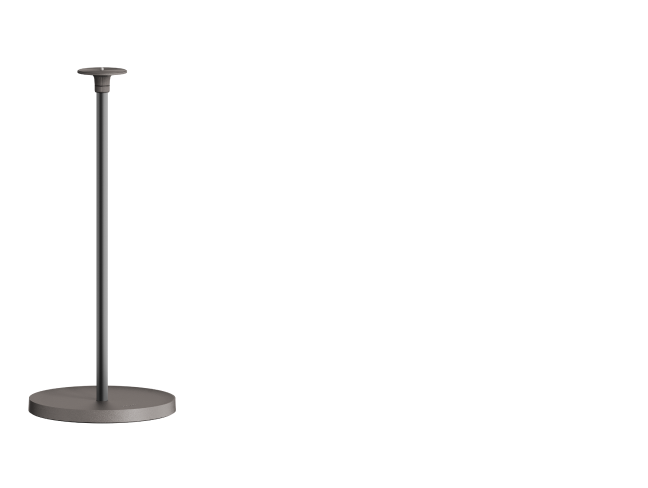
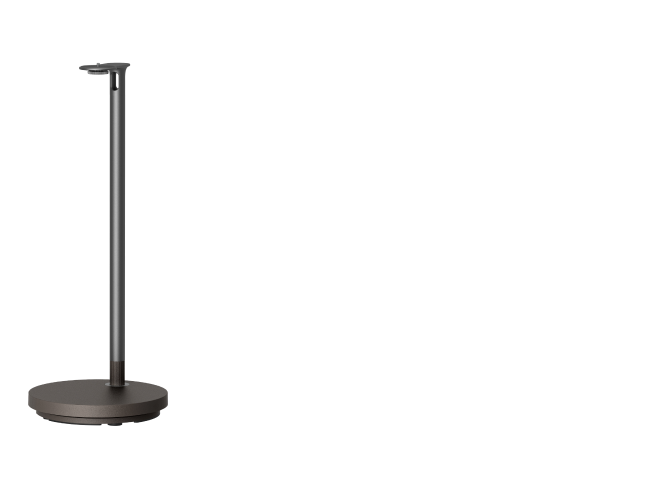
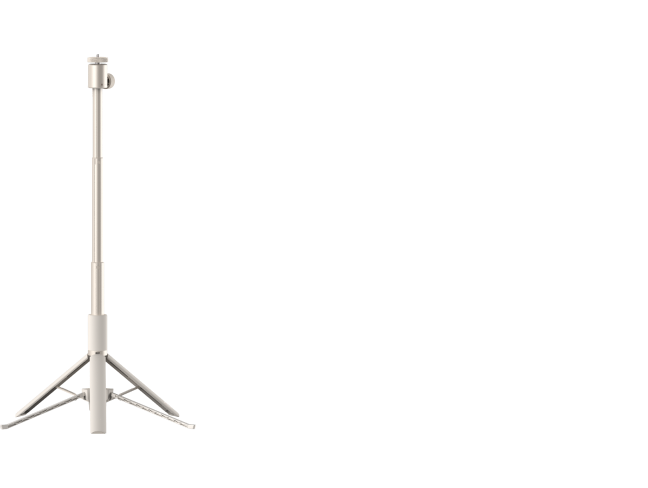
Begin by selecting a stable mounting position or stand that keeps the projector level and at the correct distance. Use a stand or accessory for flexibility in rentals.
Connect your content source and project a test pattern. Activate autofocus and keystone correction sparingly. Fine-tune manually if needed to maintain sharpness. Adjust picture settings for vivid yet natural colors, referencing calibration tutorials for best practices.
For always-on ambient use, choose energy-efficient models with long lamp life. Explore related concepts in always-on projection for ambient intelligence to integrate textures into daily home design.
Troubleshoot common issues: blurry edges often stem from improper focus or distance, while washed-out colors indicate insufficient brightness or excessive ambient light. Reposition rather than over-rely on digital correction for optimal texture fidelity.
Common Myths About Projecting Textures
Several misconceptions can lead to disappointing results. One is the belief that any projector will create realistic effects. In reality, brightness, sharpness, and proper calibration are essential; underpowered devices often produce flat, unconvincing textures.
Another myth suggests projection matches physical wallpaper in all conditions. The truth is that performance drops in bright rooms or on unsuitable surfaces, making it better suited as flexible, temporary decor rather than a permanent substitute.
Many assume phone apps alone suffice for mapping. While they can help with initial alignment, they cannot overcome optical limitations like keystone softening or low contrast. Content quality and projector capability remain the primary drivers of realism.
Who Should Consider This Approach
Texture projection appeals to renters seeking non-permanent makeovers, DIY enthusiasts experimenting with ambient design, and tech-savvy homeowners wanting quick visual refreshes. It works well for evening entertainment spaces or seasonal styling but may not satisfy those needing daylight performance or perfect material mimicry.
If your wall is heavily textured, your room receives strong daylight, or you prefer a set-it-and-forget-it solution, physical materials might prove more reliable. Test in your specific environment before investing.
For those with suitable conditions, this technique opens creative possibilities, turning projectors into tools for dynamic interior design. Models from the laser projector collection or 4K projectors often deliver the detail and brightness needed for compelling results.
Important Considerations for Comfort and Use
This article discusses setup and comfort aspects of projection for home decor only. It does not constitute advice on eye health, medical conditions, or safety. Projection in dark rooms may cause eye strain for some users over extended periods. If you experience discomfort, headaches, or have existing eye conditions, consult a qualified eye care professional. Results vary by individual setup, room conditions, and personal sensitivity. Always prioritize comfortable viewing distances and balanced lighting.
Projection mapping offers an innovative way to refresh your space using light as a creative medium. With careful selection of equipment, thoughtful preparation, and realistic expectations, you can achieve impressive texture effects that enhance your home without the commitment of traditional renovation.


