




Ambient light is one of the biggest obstacles to using a projector as a true TV replacement in everyday living spaces. It reflects off the screen surface, lifts black levels, compresses contrast, and makes colors appear noticeably less saturated and accurate. The good news is that targeted technical solutions now make respectable performance possible in many lit rooms when the right combination of projector, screen, and room control is chosen.

The core issue is simple physics. Projectors create images by reflecting light off a screen rather than emitting it directly like a TV. When external light from windows, lamps, or ceiling fixtures reaches that screen, it mixes with the projected image. This added illumination raises the overall light floor of the scene, which directly reduces the contrast ratio viewers perceive. Because human vision judges color saturation partly through contrast, the image quickly looks washed out even if the projector itself has strong color capabilities.
According to technical literature on display optics, ambient illumination has a detrimental effect on image quality for projector systems. The reflected ambient light interferes with the viewer's perception of the intended image, which is why even a high-quality projector can disappoint in a bright living room.
How Ambient Light Specifically Degrades Color Accuracy
Color accuracy depends on the projector's ability to deliver precise hues at the intended brightness and saturation levels. Ambient light disrupts this in several ways:
- It adds a white or neutral overlay that desaturates colors, making reds look pinkish and blues appear muted.
- It reduces the separation between bright and dark areas, so subtle color gradients in HDR content become harder to distinguish.
- It raises the minimum black level, which destroys the deep blacks that make images pop and feel three-dimensional.
This is not just a brightness problem. Even when the projector outputs enough light to overcome dim ambient conditions, strong room light can still compress the dynamic range so severely that color fidelity suffers. Research on ambient light reflection confirms that external light can reflect off a display surface and interfere with the viewer's perception of the image, directly contributing to the washed-out look many first-time projector buyers experience.
Why Standard Screens Struggle in Lit Rooms
A typical white or gray projector screen is designed to reflect as much light as possible in all directions. This property works beautifully in a completely dark room but becomes a liability with any ambient light present. The screen scatters incoming room light across the viewing area, further reducing contrast and color punch.

Standard screens offer little resistance to off-angle light from windows or lamps. As a result, the projected image competes with this scattered light, and the eye perceives lower overall image quality. In practical terms, this means that even a projector rated for high color gamut may fail to deliver accurate colors during daytime or evening use with lights on.
Room-light control and screen coordination are therefore essential parts of designing a projection system that works in real living spaces, as noted in practical design guidelines.
Technical Solutions That Actually Help in 2026
Modern projection technology offers several proven approaches to combat ambient-light washout. The most effective strategy usually combines multiple elements rather than relying on any single fix.
Ambient Light Rejection (ALR) Screens
ALR screens use specialized optical microstructures or coatings that reflect projector light directly toward the viewer while absorbing or deflecting ambient light coming from other angles. This dramatically improves contrast and color saturation in rooms that cannot be fully darkened.
ALR screens deliver the biggest visible improvement in moderate ambient conditions. They do not eliminate the need for some light management, but they make living-room projection far more practical than a standard screen ever could. For more on this topic, see How to Achieve Visible Projection Quality in Bright Daylight and Tw....
High-Lumen Projectors and Advanced Light Sources
Higher brightness helps the projected image compete with ambient light, but only up to a point. Projectors using laser or dual-light sources can deliver thousands of lumens while maintaining good color accuracy. Brightness must still be matched to ambient conditions and screen size for acceptable image quality, according to technology standards references.
For example, some official projection guidance suggests substantially higher brightness levels may be needed in ambient-light environments, though the exact requirement depends heavily on the specific room and use case.
Intelligent Color Processing and HDR Adaptation
Contemporary projectors include advanced processing that dynamically adjusts color and contrast based on ambient light levels. Features such as intelligent screen adaptation and enhanced HDR tone mapping help preserve more of the intended color accuracy even when some room light is present. However, HDR performance still degrades noticeably in bright conditions because the added ambient light compresses the effective dynamic range faster than processing alone can compensate.
Room Control and Setup Optimization
The most reliable way to maintain color accuracy remains reducing ambient light where possible. Simple steps like using curtains, positioning the screen away from direct light sources, and choosing darker wall and ceiling colors can dramatically improve results without any hardware upgrade.
Projector Setup Trade-offs in Ambient Light
Illustrative scenario matrix for projector setups under different ambient-light levels
View chart data
| Category | Standard screen + projector | ALR screen + projector | High-lumen projector + room control |
|---|---|---|---|
| Low ambient | 5.0 | 2.0 | 2.0 |
| Moderate ambient | 2.0 | 5.0 | 3.0 |
| High ambient | 1.0 | 4.0 | 5.0 |
Heuristic scenario mapping based on the article context: ambient light hurts contrast first and then saturation; standard screens work best in low ambient, ALR becomes the key lever in moderate light, and bright daytime conditions generally need room control plus ALR and higher lumen output. Values are illustrative relative scores, not measured performance data.
This chart illustrates relative performance across lighting scenarios. The values are heuristic guides derived from optical principles and practical setup research, not laboratory measurements. They highlight that the best approach changes with the amount of ambient light present.
Comparing ALR Screens vs Standard Screens
The decision between a standard screen and an ALR screen depends primarily on how much ambient light your room receives during typical viewing times.
In rooms that can be fully darkened, a high-quality standard screen paired with a capable projector often delivers excellent color accuracy and contrast. The extra cost of ALR may not provide meaningful gains.
In living rooms with windows or frequent overhead lighting, an ALR screen usually provides a larger improvement in perceived color accuracy than simply increasing projector lumens. By rejecting off-axis light, the ALR surface helps restore contrast and saturation that would otherwise be lost.
Keep in mind that ALR screens can have narrower viewing angles than standard screens. They perform best when viewers sit relatively centered in front of the display.
Is Brightness Alone Enough?
Many buyers assume that purchasing the brightest projector available will solve ambient light issues. In reality, brightness helps visibility but does not fully restore color accuracy without proper screen selection and room management.
Studies on projection illuminance show that there is a brightness level that works better under specific ambient conditions, yet the right number depends heavily on the room, screen size, and viewing task. A very bright projector in a brightly lit room with a standard screen can still look washed out because the ambient light continues to degrade contrast.
The most reliable setups combine adequate brightness, an ALR screen when needed, and some degree of light control. This layered approach consistently outperforms relying on lumens alone.
How to Choose a Setup for Your Living Room
Before buying, perform a quick room audit:
- Measure typical ambient light levels during the times you plan to watch.
- Note the size and position of windows and light fixtures.
- Consider whether you can add curtains or adjust lighting easily.
- Decide on screen size and typical viewing distance.
- Prioritize either room control or ALR based on how much light you can realistically manage.
If your room stays moderately lit during the day and you want reliable color performance, an ALR screen paired with a projector offering at least 2000-3000 lumens (depending on screen size) often provides the best balance.
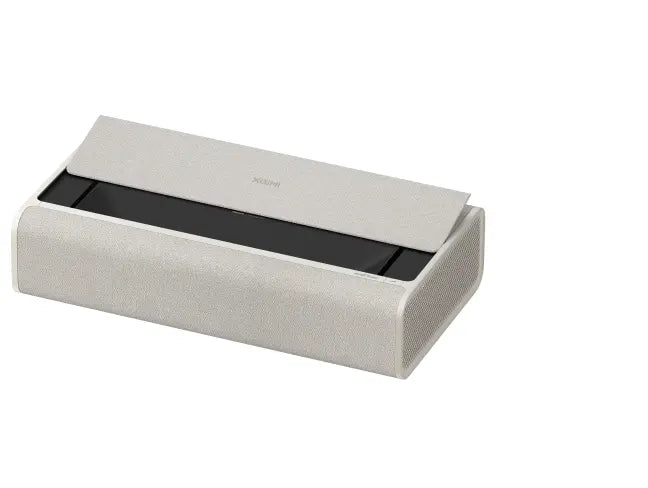
For brighter rooms or larger screens, look for projectors with advanced laser light sources and pair them with high-performance ALR screens designed for ultra-short or standard throw distances.
Important Considerations for Color Accuracy Claims
While modern solutions significantly improve projector performance in ambient light, they do not make projectors identical to self-emissive TVs in full daylight. Results still depend on careful setup, screen choice, and realistic expectations about viewing conditions. For more on this topic, see How Many Lumens Do You Actually Need for Daylight Projector Viewing?.
This article discusses comfort and image quality factors related to projector setup in various lighting environments. It does not constitute technical measurement advice or a guarantee of specific performance levels. Individual results will vary based on room conditions, content type, and calibration. For persistent questions about display performance or if you have specific visual requirements, consulting professional installers or conducting your own tests in your space is recommended.
Practical Recommendations from XGIMI Solutions
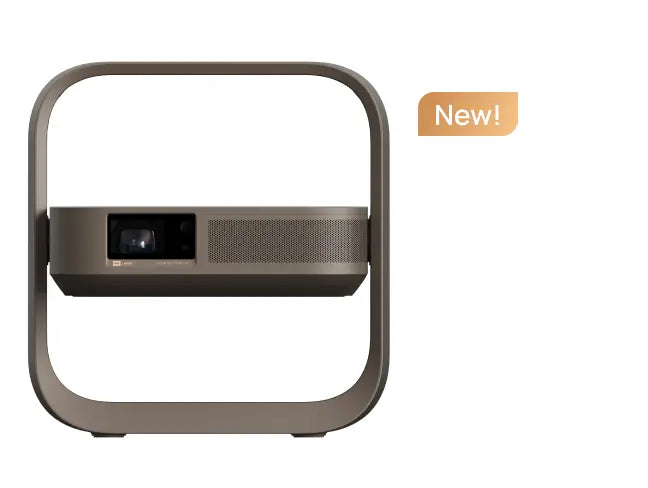
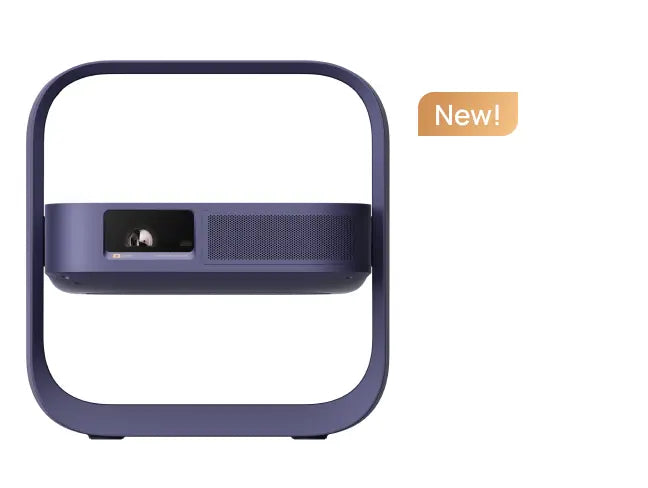
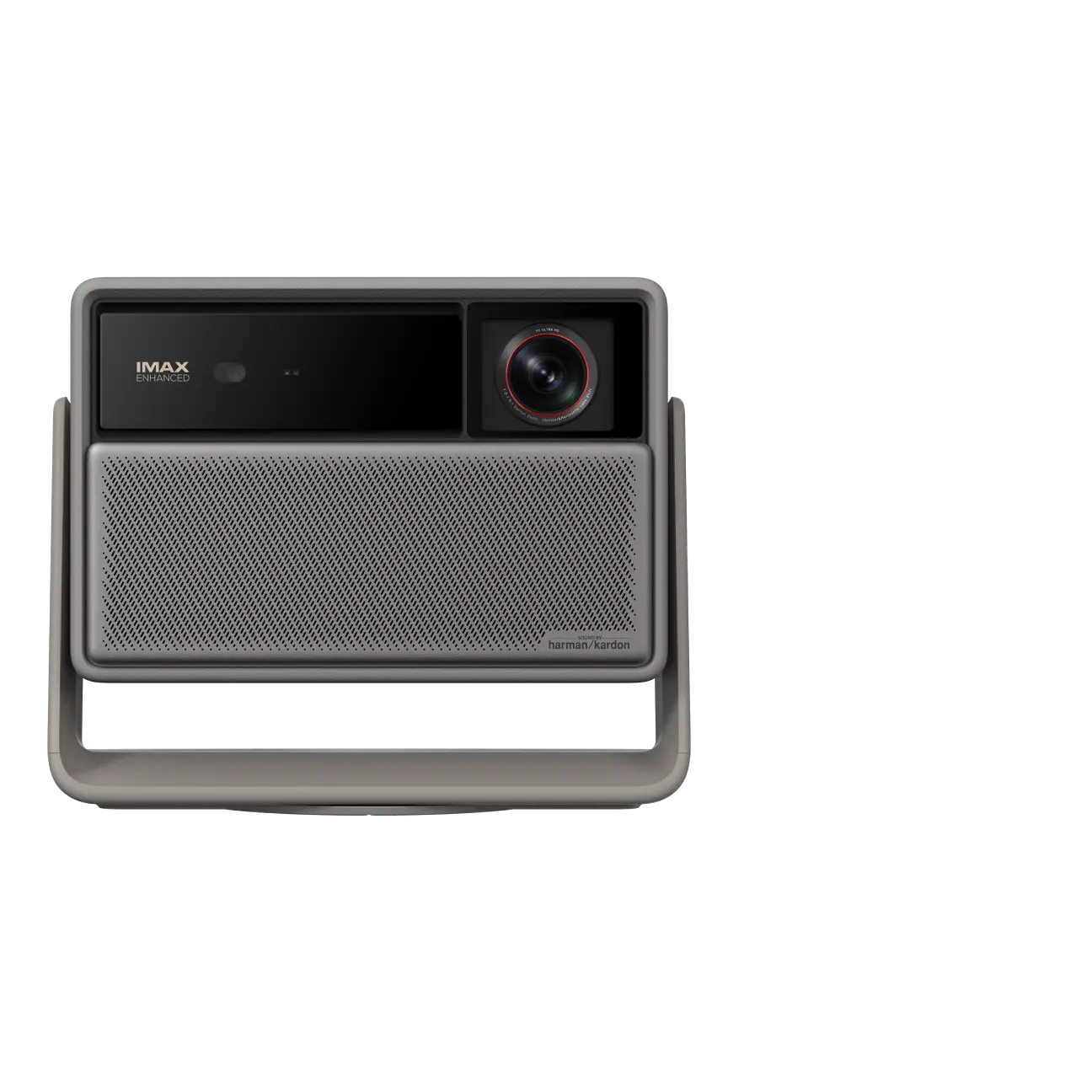
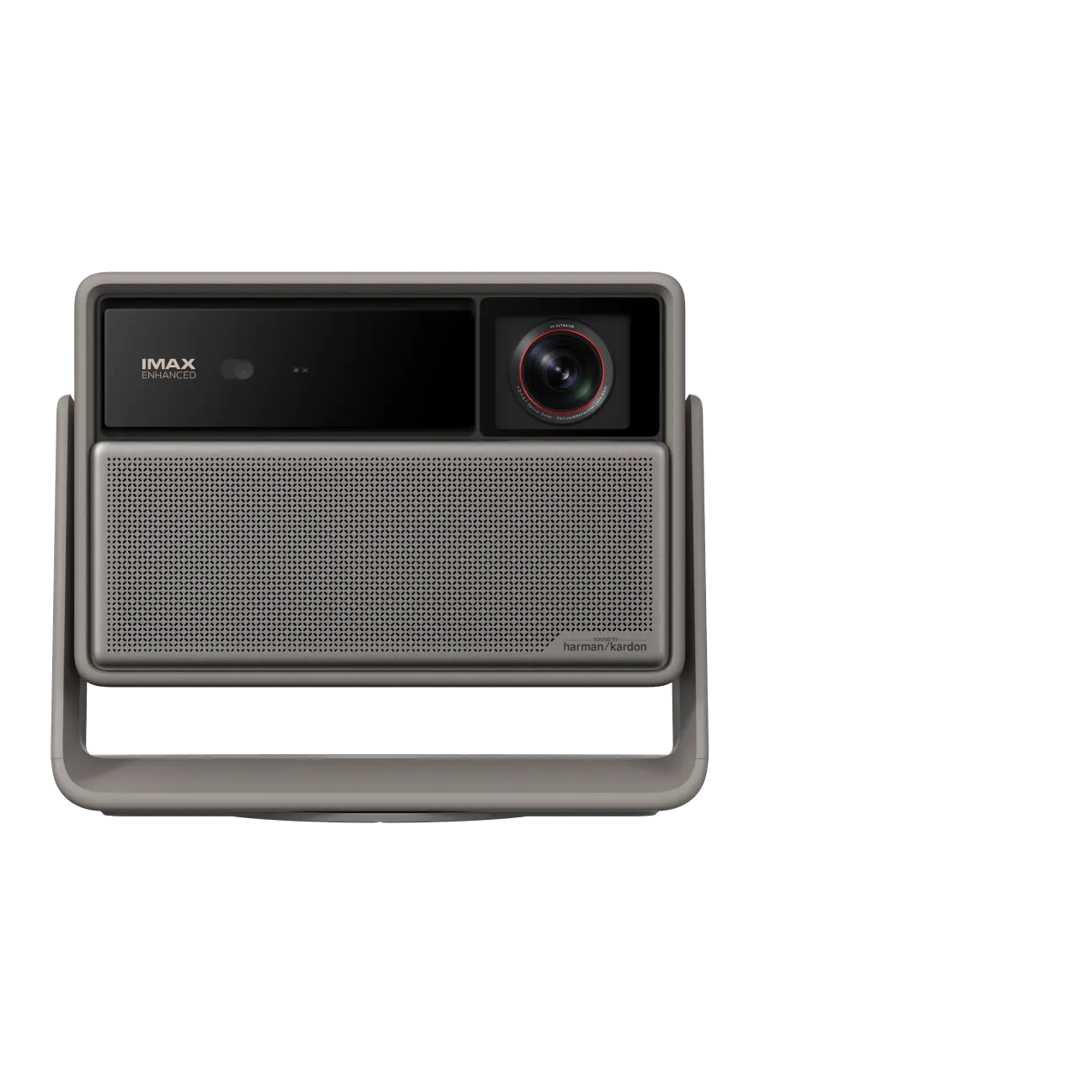
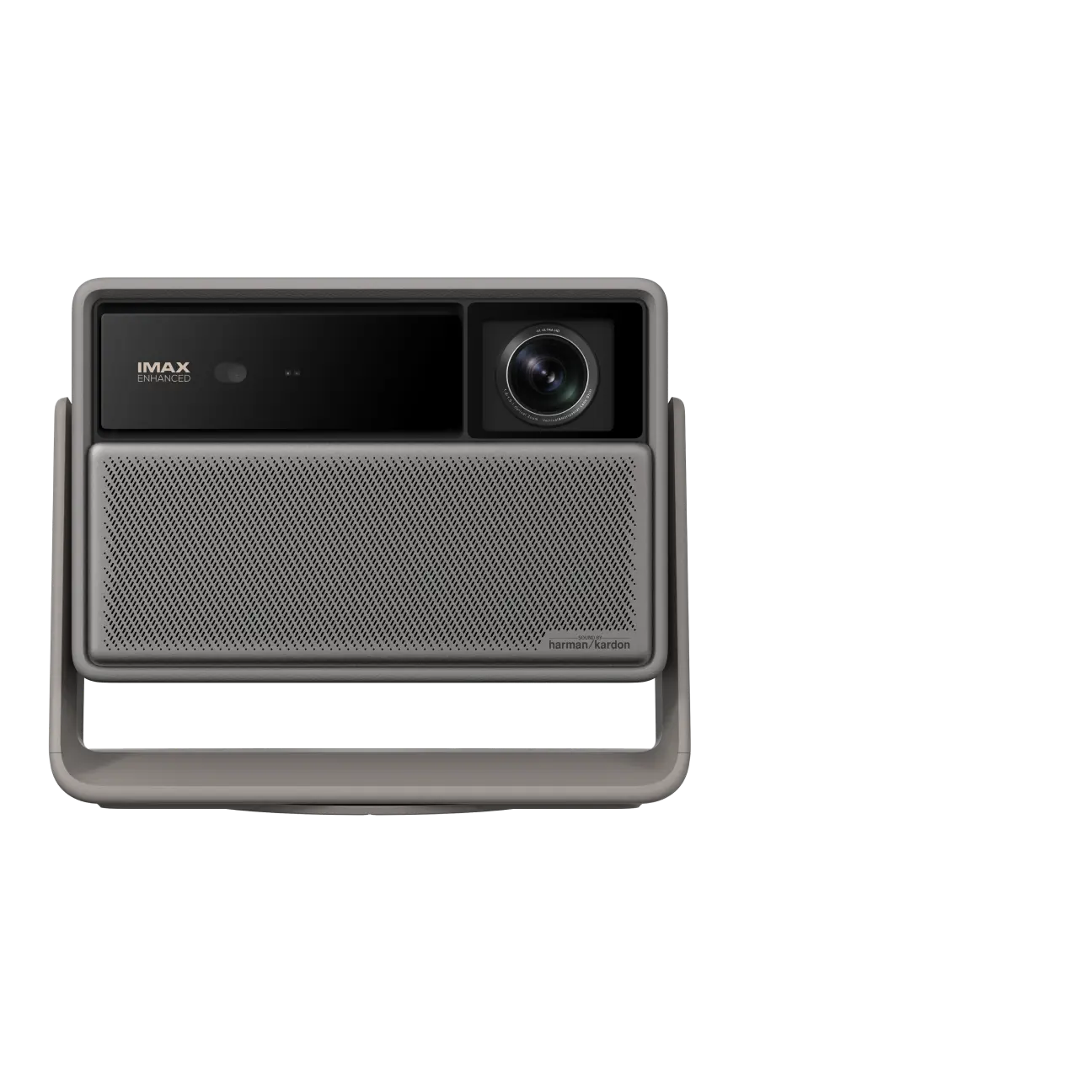
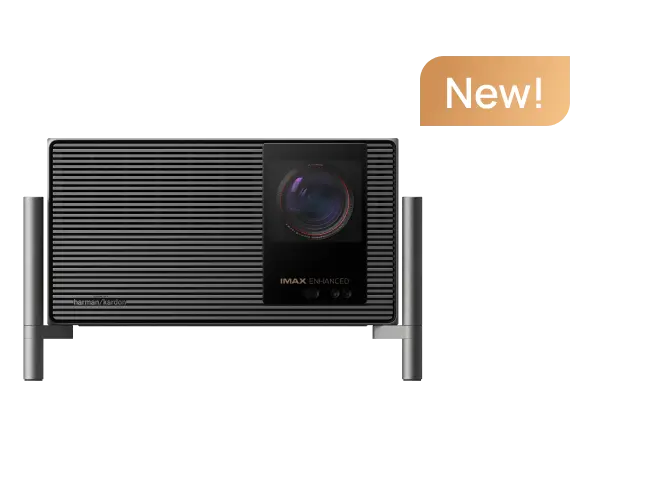
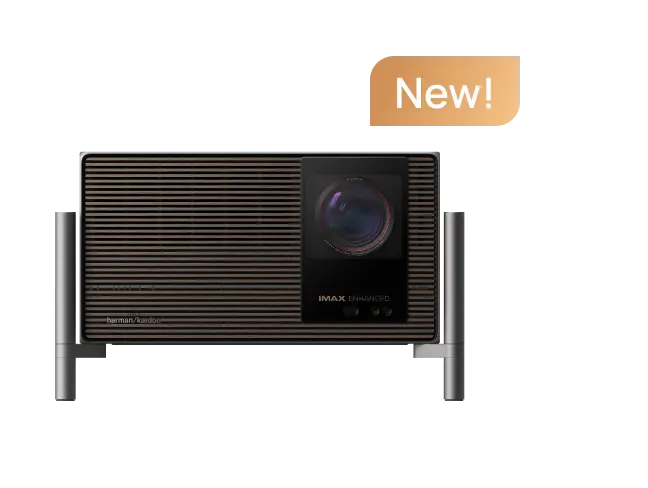
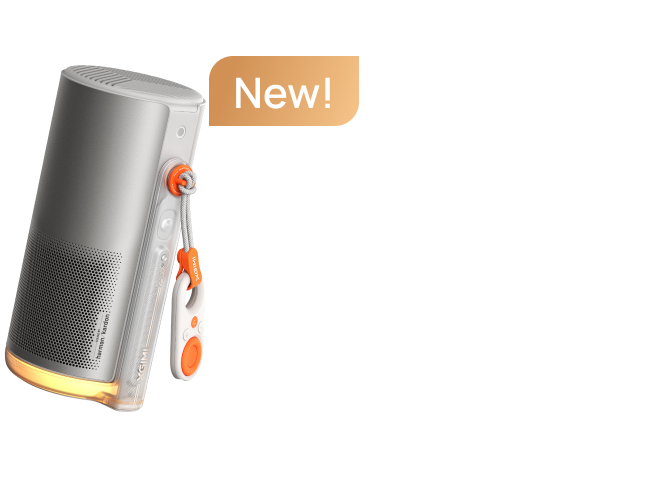
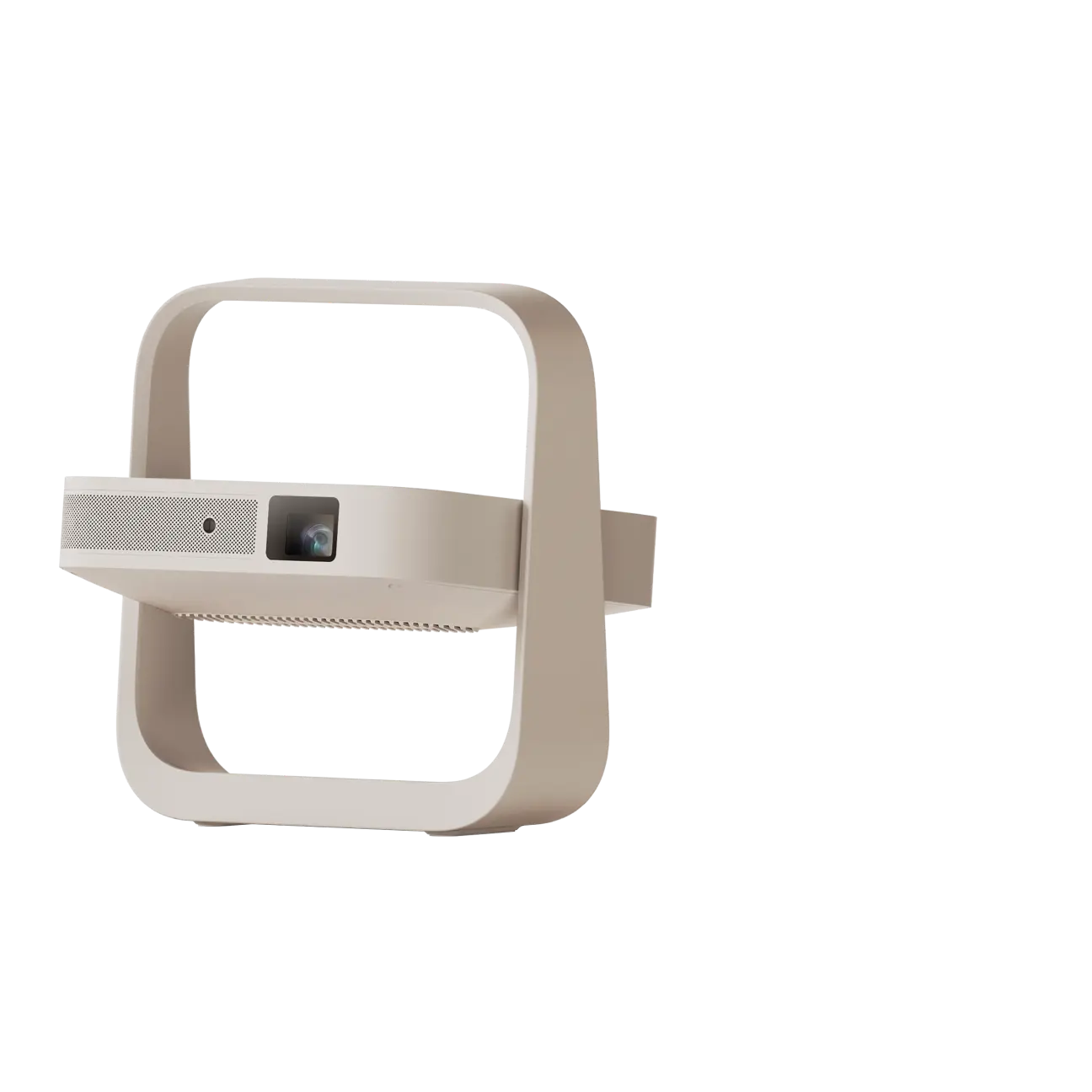
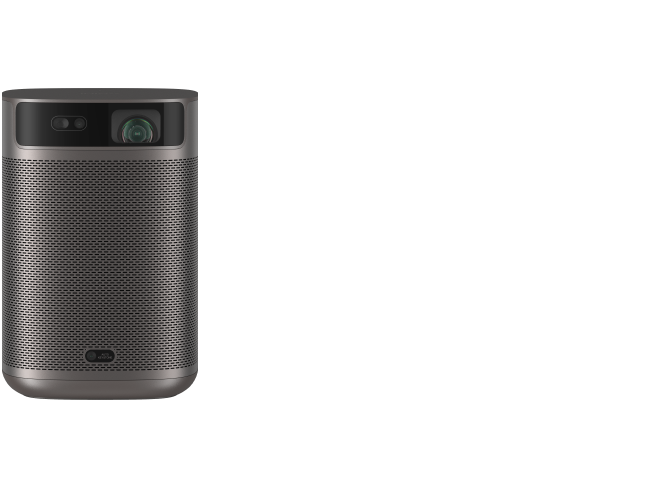
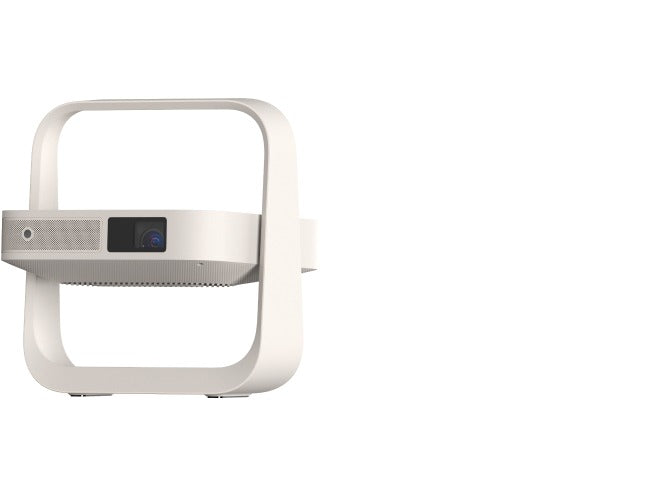
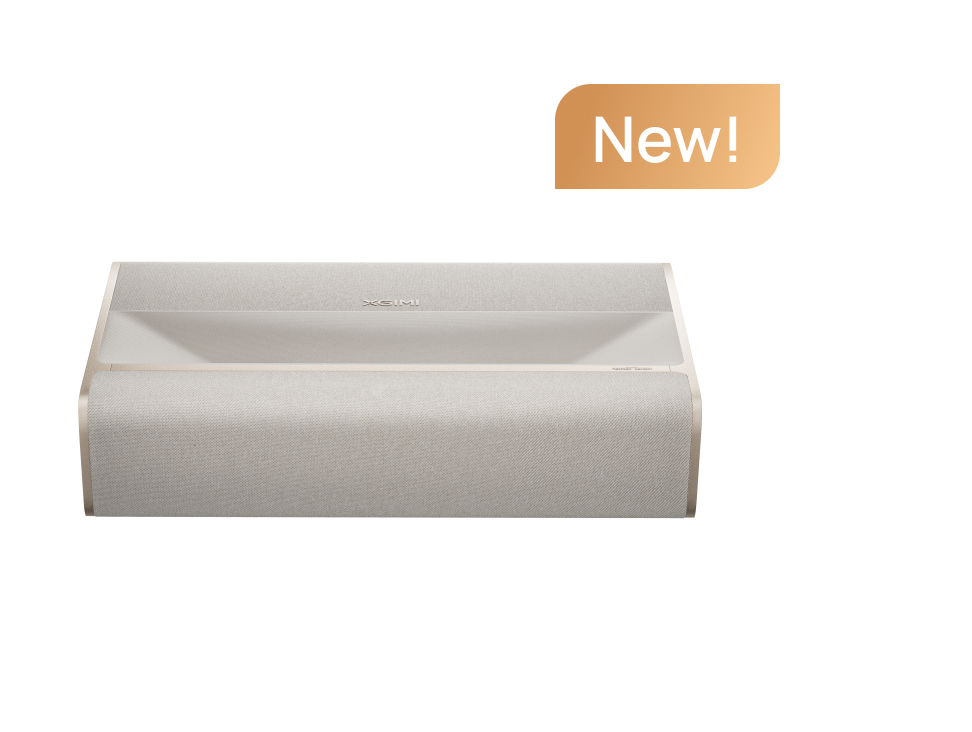
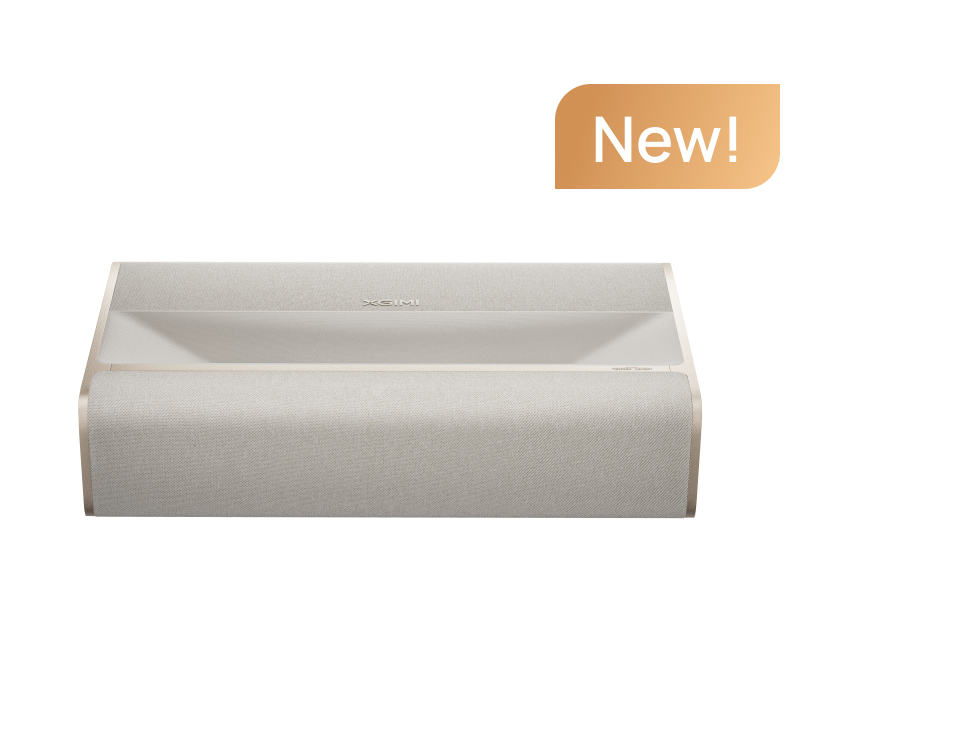
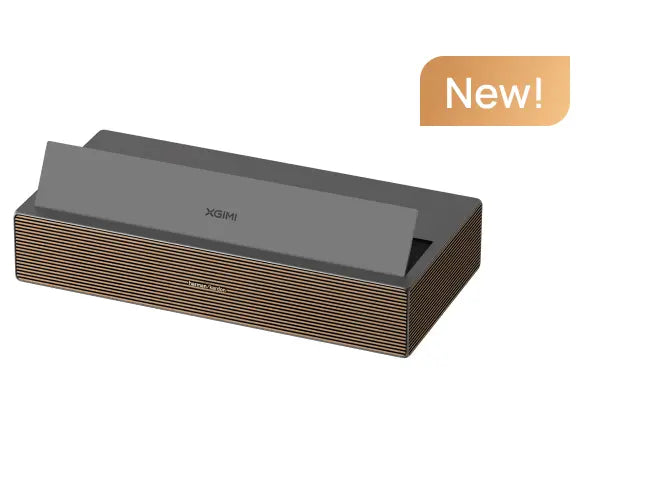
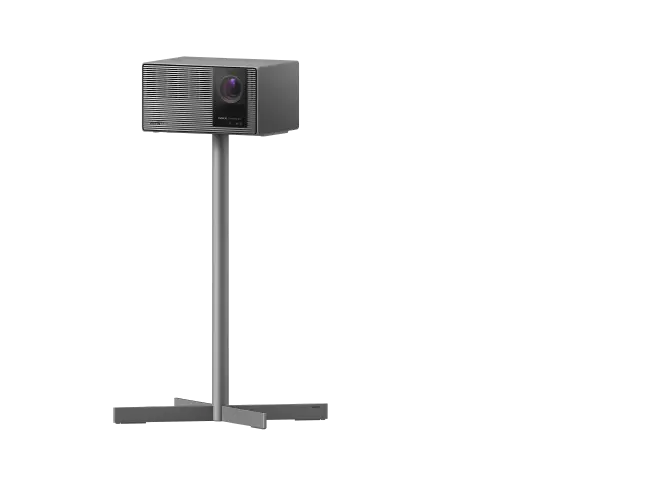
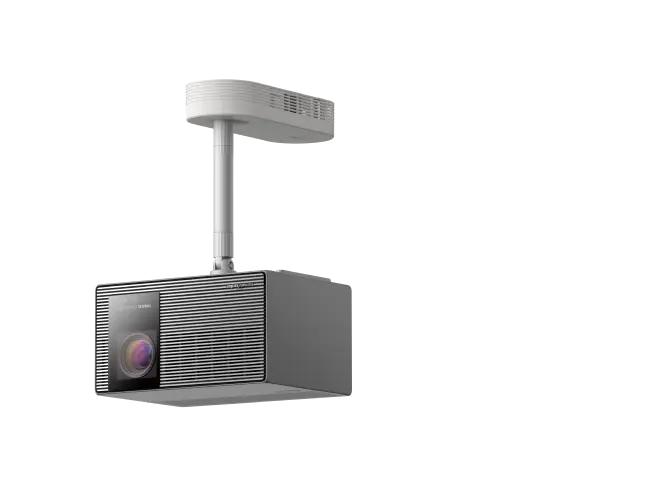
For viewers seeking a complete living-room solution, combining a high-brightness laser projector with a dedicated XGIMI 100" UST ALR Screen can deliver strong results in many ambient conditions. Models like the HORIZON 20 Max or AURA 2 (New) offer substantial lumen output along with advanced color processing that helps maintain accuracy when paired with proper screens.
If your space allows some light control, explore the broader Laser Projectors collection to find options matched to your needs.
Understanding how ambient light affects your setup is the first step toward making an informed purchase. By matching technical solutions to your actual room conditions rather than chasing maximum specifications, you can achieve satisfying color accuracy and contrast for everyday use without requiring a dedicated dark theater.
The key takeaway is that ambient light challenges are manageable with the right layered approach. Focus first on understanding your room's lighting behavior, then select the combination of brightness, screen technology, and light control that best addresses those specific conditions.


