



Viewing distance matters significantly when deciding whether a 4K projector will deliver a noticeable upgrade over 1080p in your home setup. The extra resolution only becomes visible when your screen size and seating position create a large enough visual angle for your eyes to resolve the finer pixel detail. For typical living rooms with seats 10–15 feet from a 100- to 150-inch screen, many viewers see only modest gains, but closer seating or larger screens can make the difference clear.

This guide explains the science of visual acuity and provides practical thresholds and checklists so you can evaluate your own room before investing in a premium 4K model like the HORIZON Ultra.
The Science Behind Perceived 4K Detail
Human vision resolves detail based on the minimum angle of resolution, commonly around one arc minute for 20/20 acuity. As this official reference on visual acuity standards explains, acuity is fundamentally about the smallest angle a viewer can resolve, which is why seating distance changes whether extra pixels are noticeable. For more on this topic, see Projector Brightness Standards and Measurement: A Comprehensive Ref.... For more on this topic, see Projector Throw Ratio Explained: Standard vs. Short Throw vs. Ultra....
Perceived detail depends on visual angle, which changes with both object size and viewing distance. According to government research on letter visibility and distance, larger images or closer seating make fine structure easier to resolve.
In projector terms, a 4K image packs roughly four times the pixels of 1080p. At close range on a large screen, those pixels remain distinct enough to deliver sharper textures, cleaner text, and more natural edges. At greater distances, the eye can no longer distinguish the finer structure, and the two resolutions converge in appearance. For more on this topic, see Why Is My Projector Blurry on the Edges? Keystone and Focus Fixes.
Standards for visual acuity confirm that normal 20/20-style visual acuity corresponds to fine detail that subtends only a few minutes of arc at the eye. This is why the same 4K projector can look dramatically sharper in one room layout and barely different from 1080p in another.
Thresholds: How Far Is Too Far for 4K?
The key question for most buyers is whether their planned seating distance puts them inside the zone where 4K detail remains perceptible. Using the common one-arc-minute benchmark from vision research, approximate thresholds for a clear 4K advantage are:
- 100-inch screen: roughly 5–6 feet for the strongest benefit
- 120-inch screen: roughly 6–8 feet
- 150-inch screen: roughly 8–10 feet
Beyond these distances the advantage shrinks quickly. At twice the threshold distance, the difference between 1080p and 4K often becomes hard to notice on typical movie or streaming content.
These numbers are illustrative thresholds based on visual acuity references (NCBI, NIST, govinfo sources) and should be treated as rules of thumb rather than exact laboratory cutoffs. Real visibility also depends on your eyesight, projector focus, screen quality, and content sharpness.
4K Perceptibility Thresholds by Screen Size and Viewing Distance
Illustrative decision boundary only: shorter viewing distances make 4K detail more perceptible, while the benefit fades as distance increases.
View chart data
| Category | 100 in screen | 120 in screen | 150 in screen |
|---|---|---|---|
| 4K benefit clearer | 5.4 | 10.8 | 16.0 |
| Borderline | 6.5 | 13.0 | 20.0 |
| 1080p and 4K nearly converge | 8.1 | 16.2 | 24.0 |
Illustrative thresholds based on ~1 arcminute visual acuity references cited in the prompt (NCBI, NIST, govinfo), with additional qualitative support from StatPearls and consumer guidance (carltonbale, Kaleidescape). Values are modeled for boundary visualization, not lab measurements.
As evaluation of visual acuity resources note, the visible difference between higher resolutions shrinks as viewing distance increases. This chart helps visualize those boundaries so you can quickly see where your room falls.

When 4K Is Visible — And When It Mostly Isn’t
The value of 4K flips depending on your specific setup rather than on the projector model alone. Consider these common scenarios:
Large screen and close seating: A 120- or 150-inch image viewed from 8–12 feet usually lets you see finer textures, sharper text in menus, and cleaner edges in high-quality 4K content. Premium models deliver a clear upgrade here.
Moderate living-room distance: Most people sit 12–18 feet from a 100-inch screen. In this range the 4K benefit is often subtle on movies but can still appear in detailed scenes or when reading on-screen text.
Farther seating or smaller effective screen size: Beyond 15–20 feet on a 100-inch image, or in brightly lit rooms where contrast suffers, 1080p frequently looks nearly as sharp for casual viewing.
Content quality matters: Low-bitrate streaming or older 1080p sources limit what 4K can show. The projector cannot invent detail that the source lacks. For more on this topic, see Understanding Color Gamut: Why DCI-P3 Matters for Projector Image Q....
Display research and home theater guidance consistently show that whether higher resolution is visible depends on both screen size and viewing distance, not resolution alone.
Practical Checklist: Evaluate Your Room Before Buying
Use this step-by-step audit to decide whether a 4K projector is worth the premium in your space:
- Measure your planned screen width and primary seating distance.
- Calculate rough visual angle: divide screen width by distance. Larger ratios favor 4K.
- Test with current display: sit at your normal position and check if you can see individual pixels or fine detail on a 1080p source.
- Consider room lighting and throw distance: projectors need proper placement to achieve the target image size cleanly.
- Factor in content: prioritize 4K if you watch Blu-ray, 4K streaming, or gaming with sharp source material.
If your seating distance is more than 1.5 times the threshold distances listed earlier, weigh whether other upgrades (brightness, contrast, or sound) might deliver more noticeable improvement.
Tools such as projection calculators can help translate screen size and throw distance into a workable room layout before purchase.
Common Myths About 4K Projectors and Viewing Distance
Many shoppers assume more pixels always equal a visibly sharper picture. In reality, distance often masks the difference. Another myth is that every 4K projector will look dramatically better than 1080p on a 100-inch screen; the actual outcome depends heavily on where you sit.
Some believe human vision is so sharp that 4K is essential at any home-theater distance. Vision studies show the opposite: fine detail becomes harder to detect as distance grows.
Finally, marketing sometimes implies 4K is required for any screen over 80 inches. For many living-room setups with typical seating, a well-calibrated 1080p projector can still deliver an excellent experience.
Choosing the Right 4K Projector for Your Setup
When your room analysis shows that 4K detail will be visible, premium models with excellent optics, accurate color, and strong brightness help you realize the full benefit. Features like auto-focus, keystone correction, and high dynamic range further improve real-world sharpness and immersion. For more on this topic, see Why Does Auto-Keystone Correction Sometimes Make My Image Worse Ins....
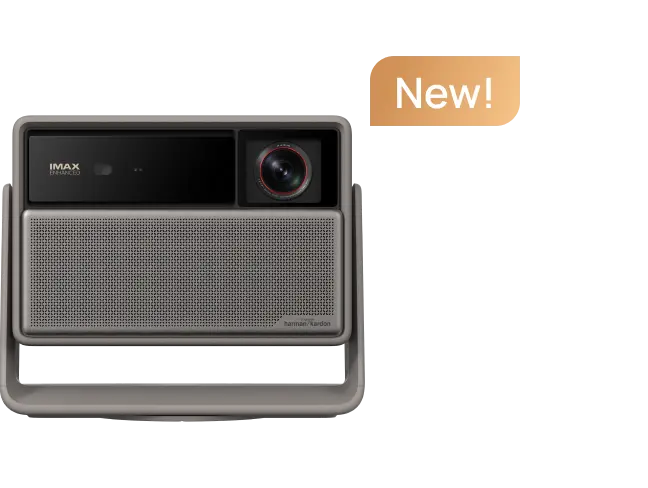
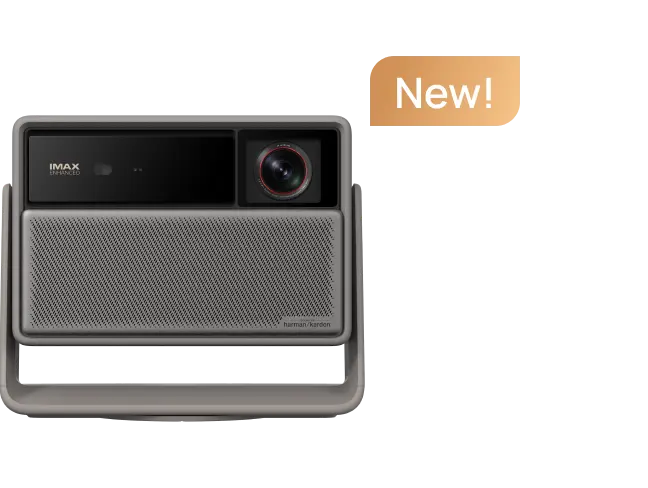
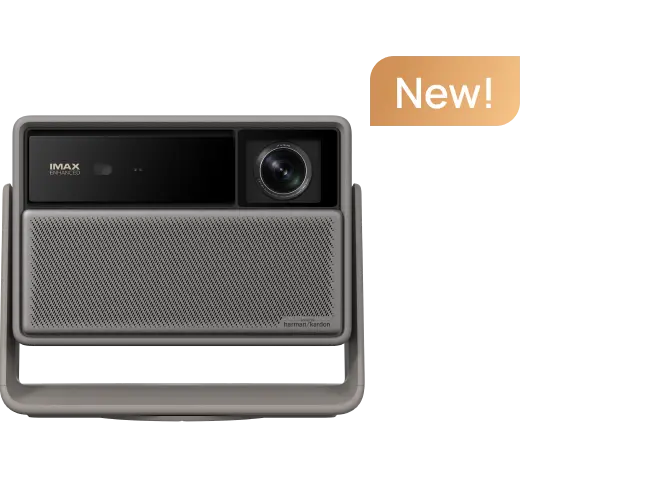
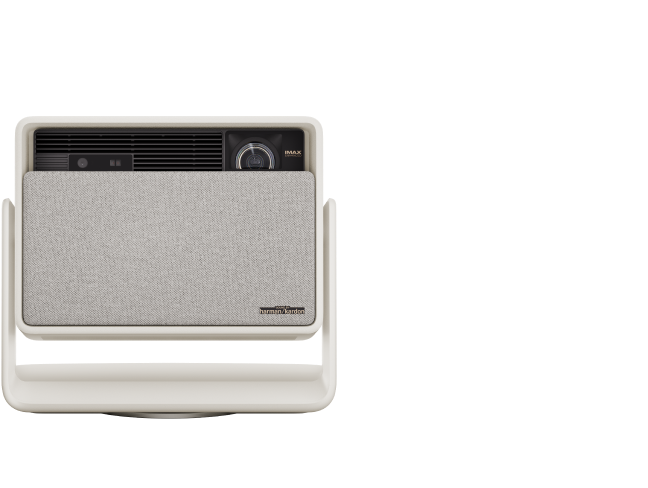
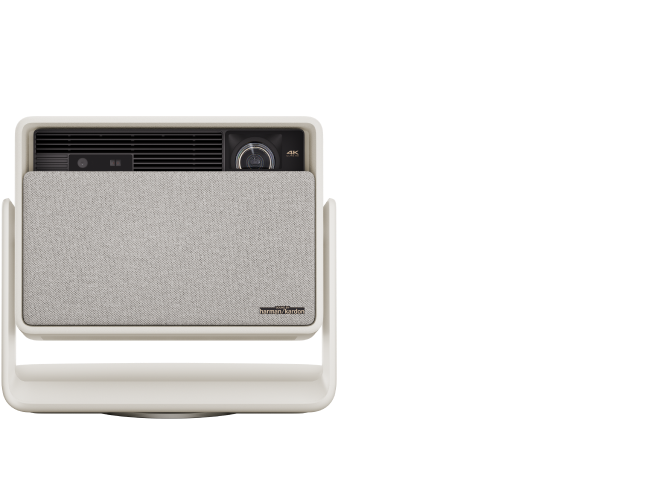
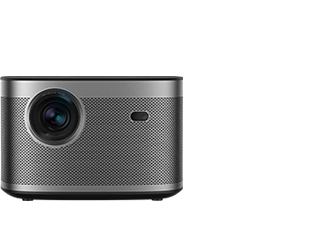
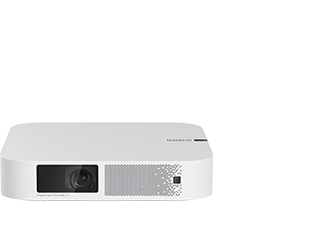
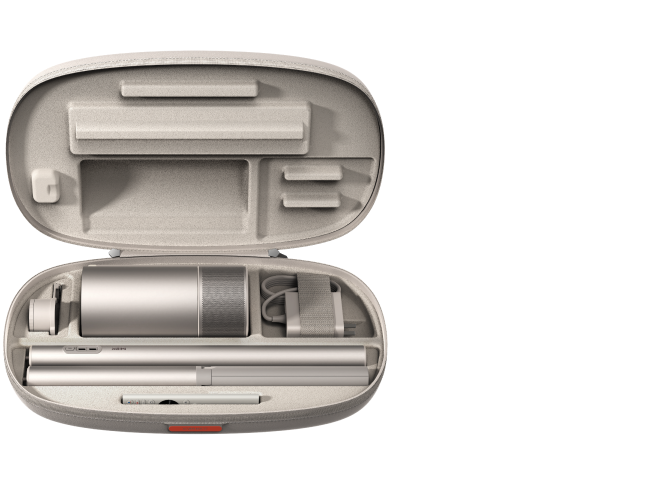
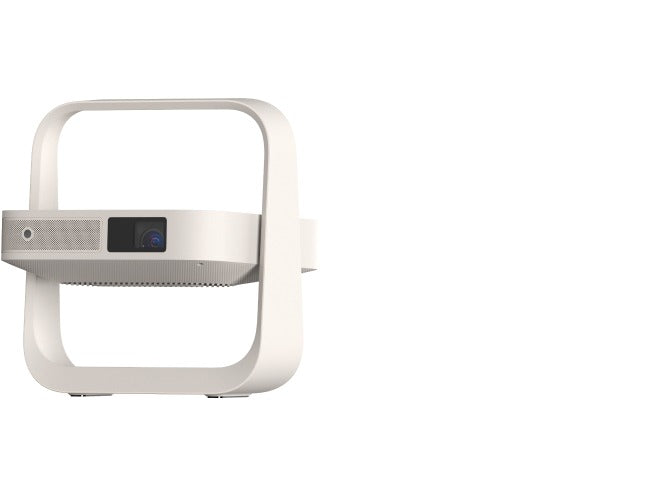
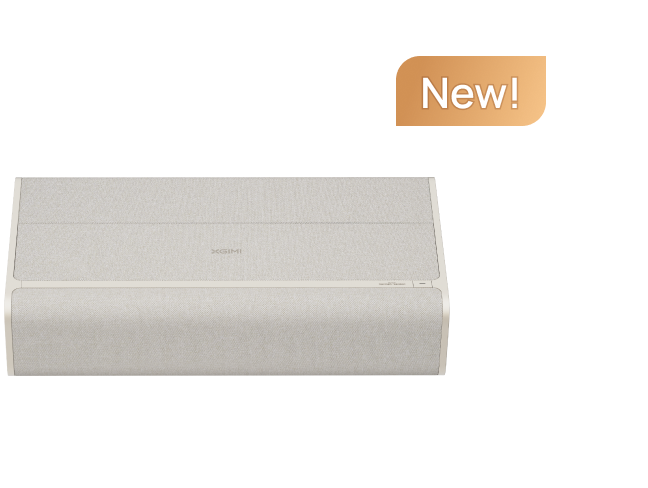
For example, the HORIZON Ultra combines true 4K resolution with advanced light technology that maintains clarity across various room conditions. Similarly, the HORIZON S Max offers high brightness that helps preserve detail even in less-than-perfect lighting.
If your planned setup falls into the “borderline” or “farther” zone, consider whether a high-quality 1080p model paired with better screen or acoustics might be more practical. Our 4K vs. 1080p projector comparison explores these trade-offs in more detail.
For larger cinema-style installations, explore the full 4K projectors collection to match performance to your room size.
Conclusion
Viewing distance and screen size are the primary factors that determine whether you will actually perceive the extra detail of a 4K projector. In many home setups the upgrade is noticeable only when seating is relatively close or the screen is very large. By measuring your space and using the thresholds and checklist above, you can make a confident decision instead of relying on marketing claims.
Remember that projector choice involves many variables beyond resolution, including brightness, contrast, and room conditions. A 4K model can deliver a more immersive experience when your layout allows the pixels to matter, but it is not a guaranteed transformation at every distance.
Comfort and Vision Note: This article discusses setup factors that may affect perceived image comfort and sharpness. It is not medical advice. If you experience eye strain or have existing vision conditions, consult a qualified eye care professional.
Take time to map your room, test possible distances if possible, and choose the resolution that matches how you actually watch. The right combination of screen size, seating, and projector will give you the cinematic results you want without overspending on invisible gains.


