
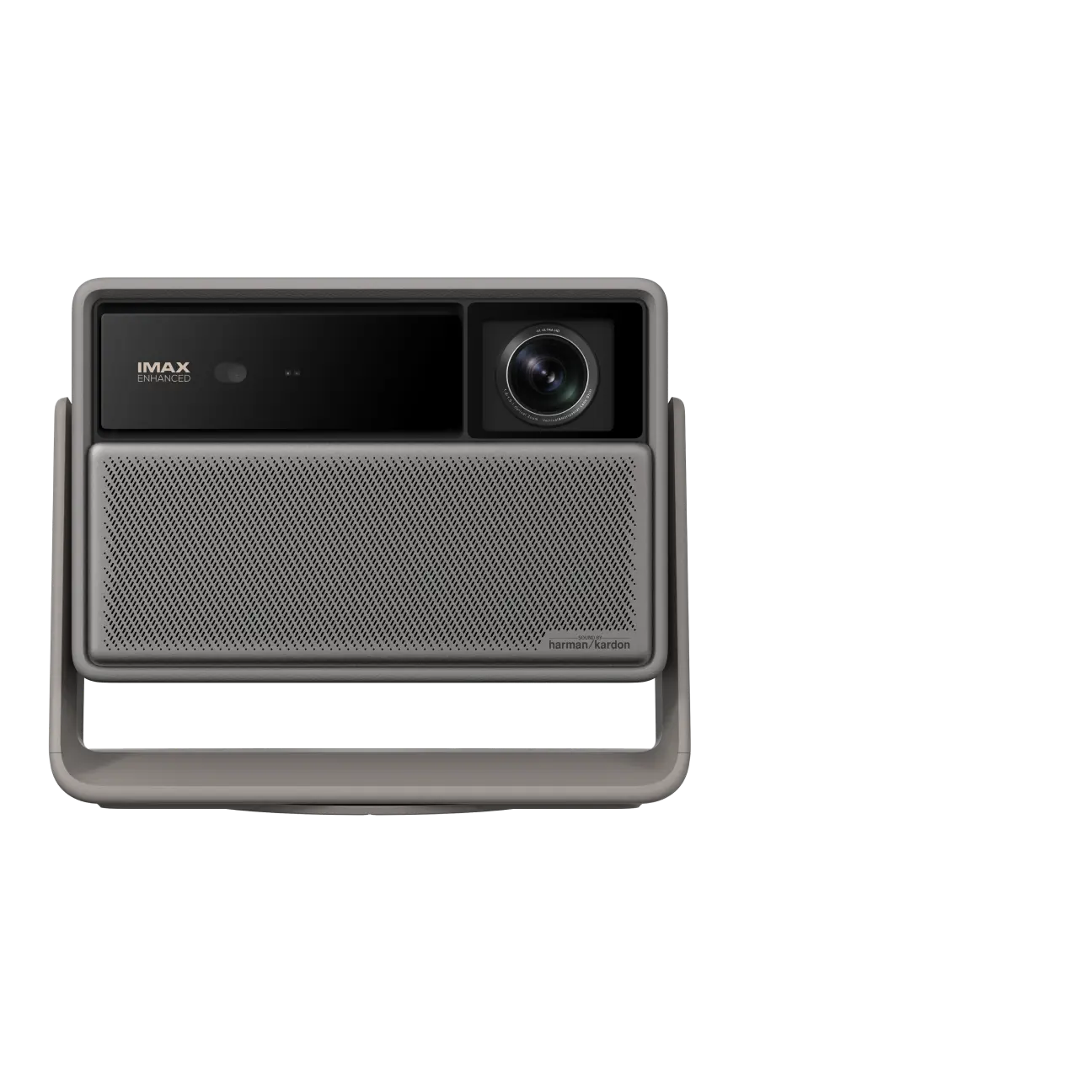




It's difficult to decide which home projector has better quality: a 4K model or one that's 1080p. The difference in price can be quite high, but the difference in projections might not be readily apparent. If you're planning to create a home theater system or upgrade the one you already own, known quality differences will be relevant in terms of resolution.

The Great Resolution Debate for Your Home Cinema
Visit an electronics store, and you will be presented with numerous projector options. Some models offer crystal-clear projections of 4K resolution. Meanwhile, others stress the effectiveness of proven 1080p projection.
The confusion is real. Marketing speaks of tech terms without defining them in terms of the consumer's TV-viewing experience. Price points vary from a few hundred to several thousand dollars.
Various technologies are employed by the manufacturers to arrive at the same functionality. There are projectors touted to be 4K but employ ways to support that resolution. Others remain at the 1080p standard but emphasize brightness and color accuracy.
Your room size, the distance from which you watch the projection, and the type of projection available to you also matter greatly. A 4K projector will not "upgrade" standard-def footage. And you might not be able to differentiate 1080p from "4K" at all under certain circumstances when using the latter type.
First, Let's Define Full HD 1080p
Full HD 1080p has been the home entertainment standard for over a decade. The resolution measures 1920 x 1080 pixels, creating approximately 2 million individual points of light on your screen.
This resolution works beautifully for most applications. Blu-ray discs, streaming services, and broadcast television all support 1080p natively.

What 1920 x 1080 Pixels Looks Like
Picture quality at 1080p appears sharp and detailed on screens up to 120 inches. Individual pixels become visible only when you sit very close to the screen or project onto massive surfaces.
Most viewers sitting 10 to 15 feet away from a 100-inch screen will see smooth, continuous images. The pixel density at this distance remains high enough that your eyes can't distinguish individual dots.
Why 1080p Is Still a Great Choice for Many
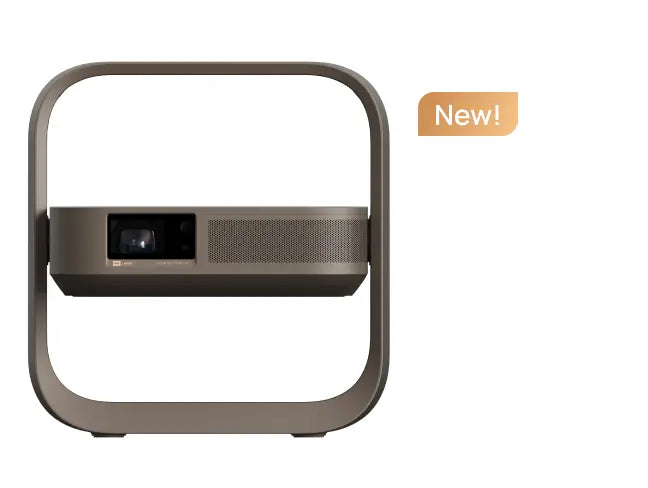
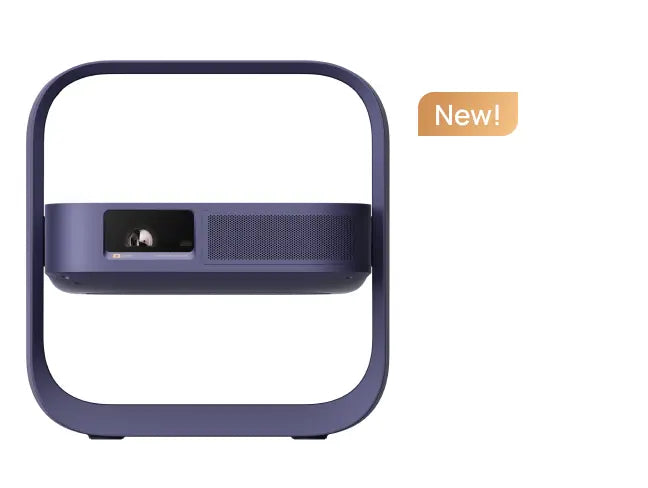
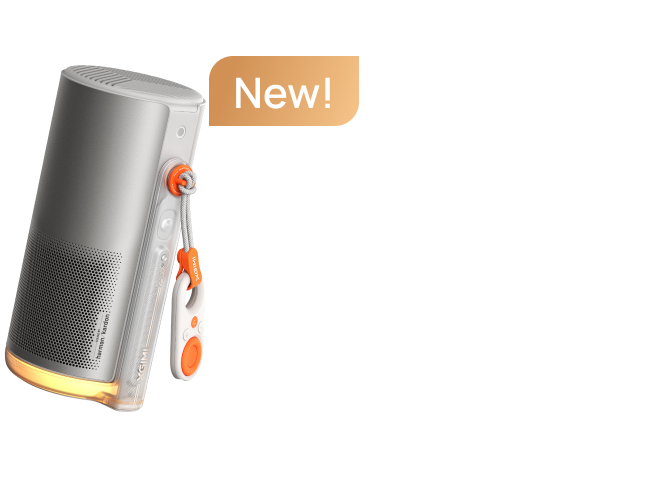
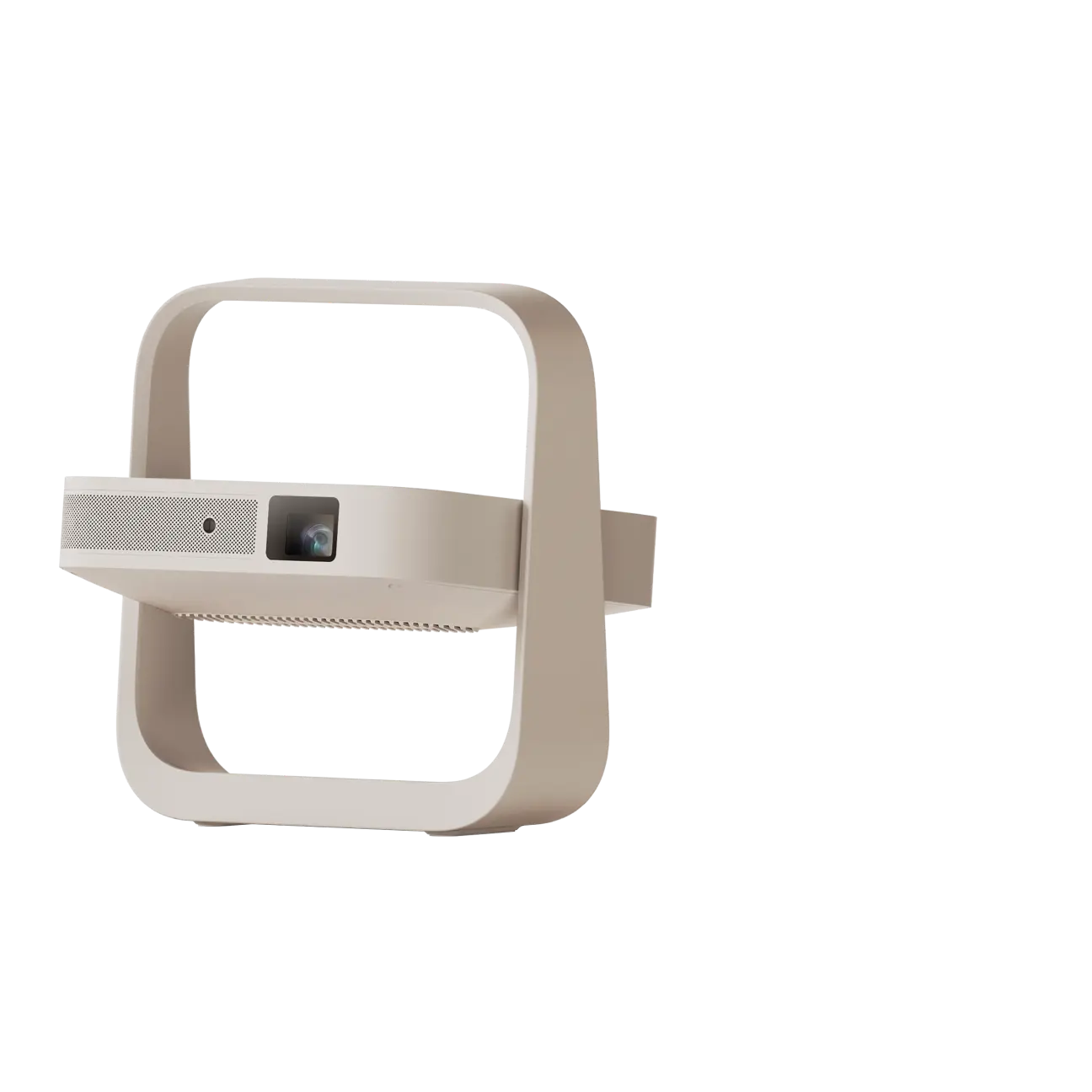
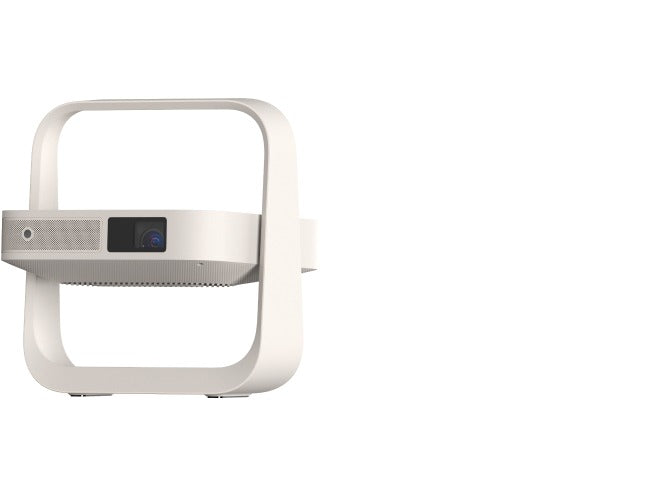
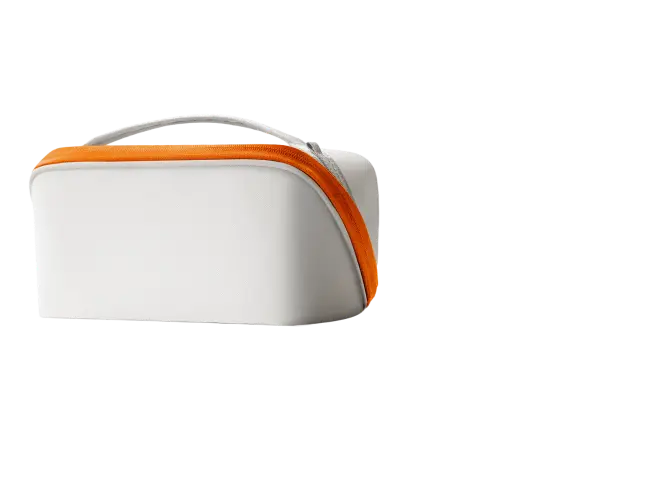
Budget-conscious buyers get excellent value with 1080p projectors. Models like the XGIMI Elfin Flip, which provides a native 1080p image in a compact, smart design, are a perfect example. These models often deliver better brightness and contrast than entry-level 4K alternatives at similar prices.
Content availability matters too. While 4K streaming grows more common, much of what we watch remains in 1080p or lower. Your favourite cable channels, older movies, and many video games still output at Full HD.
The technology is mature and reliable. Manufacturers have perfected 1080p projection over many years, resulting in consistently good performance across price ranges.
What Does 4K Ultra HD Actually Mean for Projectors
4K resolution quadruples the pixel count to 3840 x 2160, delivering approximately 8.3 million pixels. This massive increase in detail transforms the viewing experience when conditions are right.
The extra pixels create smoother curves, sharper text, and more lifelike textures. Fine details like individual blades of grass or fabric weaves become visible where they'd blur together in 1080p.
More Than Just Four Times the Pixels
The jump from 1080p to 4K brings noticeable improvements in overall image quality. Colours often appear more nuanced because the projector can render subtle gradations more accurately.
Edge definition improves dramatically. Diagonal lines that might look slightly jagged in 1080p appear smooth and clean in 4K. This matters most for computer presentations, gaming interfaces, and architectural imagery.
Larger screens benefit the most. When projecting images over 120 inches, the additional resolution prevents that "screen door effect" where you notice gaps between pixels.
The Added Benefit of High Dynamic Range (HDR)
Many 4K projectors support HDR content, which expands the range between the darkest blacks and brightest whites. This feature arguably makes a bigger visual impact than resolution alone.
HDR brings out details in shadows and highlights that disappear in standard dynamic range. Sunset scenes look more realistic. Nighttime sequences reveal subtle details without washing out bright areas.
The combination of 4K resolution and HDR creates a genuinely premium viewing experience that surpasses 1080p in meaningful ways.

When Does 4K Resolution Actually Look Better Than 1080p
The real-world difference between 4K and 1080p depends heavily on your specific setup. Screen size and viewing distance determine whether you'll actually see those extra pixels.
Testing both resolutions side by side reveals when 4K truly shines. Textured surfaces, fine patterns, and detailed backgrounds show clear improvements. Faces look more natural with visible pores and individual hairs.
Screen Size Impacts the Visual Difference
On screens smaller than 100 inches, the gap between 4K and 1080p narrows considerably. Your eyes simply can't resolve the additional detail at typical viewing distances.
Once you exceed 120 inches, 4K becomes noticeably superior. The larger canvas spreads pixels further apart, making resolution differences obvious even from 15 feet away.
A 150-inch screen transforms 4K content into an immersive experience. Fine details remain crisp where 1080p would start looking soft or pixelated.
Your Seating Distance Matters
Sit too close to any screen and you'll see individual pixels regardless of resolution. Position yourself too far away, and even 1080p looks perfect.
The optimal viewing distance for a 4K projector is roughly 1 to 1.5 times the screen width. For 1080p, that distance extends to 1.5 to 2.5 times the screen width.
If your couch sits 12 feet from a 100-inch screen, you'll absolutely notice the difference between resolutions. Push that distance to 18 feet, and the gap shrinks dramatically.
Is Every 4K Projector a True 4K Projector
Not all 4K projectors are created equal. Some use native 4K imaging chips that actually display all 8.3 million pixels simultaneously. Others employ clever workarounds to simulate 4K resolution.
The distinction matters for image quality and price. Native 4K projectors typically cost significantly more but deliver superior clarity.
Native 4K Resolution
A native 4K projector contains imaging chips with a physical grid of 3840 x 2160 pixels. Each pixel corresponds to a specific point on the screen with no interpolation or processing tricks.
These projectors produce the sharpest possible image because every pixel of your 4K content maps directly to a physical pixel on the chip. Motion stays crisp, and text appears razor-sharp.
Native 4K models command premium prices because the imaging technology costs more to manufacture. You're paying for genuine resolution without compromise.
How Pixel Shifting Technology Works
Many affordable 4K projectors use pixel shifting to create 4K-like images from lower-resolution chips. The projector rapidly shifts the image by half-pixel increments, effectively doubling or quadrupling the perceived resolution.
This technology works surprisingly well. Most viewers can't tell the difference between pixel-shifted 4K and native 4K from normal viewing distances.
The technique does have limitations. Fast-moving content sometimes shows slight motion artifacts. Critical viewers might notice subtle differences in extreme detail rendering.
Still, pixel-shifting projectors offer excellent value. They deliver most of the 4K experience at a fraction of the cost of native 4K projector models.
What Gamers Should Know About 4K vs 1080p
Gaming introduces additional considerations beyond simple resolution. Frame rates, input lag, and graphics processing power all factor into the equation.
Console gamers face a choice between resolution and performance. Many games offer quality modes at 4K or performance modes at 1080p with higher frame rates.

Finding the Balance Between Resolution and Speed
Competitive gamers prioritize frame rates over resolution. A smooth 120 frames per second at 1080p beats choppy 30 frames per second at 4K for fast-paced action.
Single-player adventure games benefit more from 4K resolution. Exploring detailed game worlds looks spectacular when you can see every texture and distant object clearly.
Your gaming platform matters. Modern consoles support 4K output but may not maintain consistent frame rates at that resolution. A powerful gaming PC can push 4K at high frame rates.
How Resolution Can Affect Input Lag
Input lag measures the delay between pressing a button and seeing the result on screen. Some 4K projectors add extra processing time to handle the higher resolution.
Serious gamers should check input lag specifications carefully. Look for projectors with dedicated game modes that minimize processing delays regardless of resolution.
In practice, many modern projectors handle both resolutions with minimal lag. The difference between 4K and 1080p input lag has shrunk to negligible levels on quality models.
Thinking About Portability: Does Resolution Matter for On-the-Go Projection?
Portable projectors bring movies and presentations anywhere. These compact models fit in backpacks and run on batteries, trading some performance for convenience.
Resolution choices for portable projectors involve different tradeoffs. Battery life, brightness, and size all compete with image quality.

The Benefits of a 1080p Portable Projector
Most portable projectors max out at 1080p resolution. This limitation makes sense given the typical use cases and viewing distances.
A 1080p portable unit can still produce impressive 60 to 80-inch images in dimly lit rooms. The lower resolution requires less processing power, extending battery life significantly.
Brightness levels matter more than resolution for portable use. Projecting outdoors or in partially lit rooms demands high lumens output. Many portable projectors achieve better brightness at 1080p than competing 4K models.
The cost savings are substantial. 1080p portable projectors start around a few hundred dollars, while portable 4K models command premium prices.
Is a Portable 4K Projector Worth the Extra Cost?
Portable 4K projectors exist but remain relatively expensive. They offer impressive specifications in compact packages, though with compromises.
Battery life typically suffers with 4K resolution. The extra processing power drains batteries faster, limiting viewing time without an outlet.
The visual advantage of 4K diminishes on the smaller screens typical of portable setups. A 60-inch projection from 8 feet away looks excellent in 1080p.
Consider your actual usage. Frequent business presentations and casual movie nights in hotel rooms don't require 4K. Save money and get better brightness with 1080p.
The Big Question: Is It Time to Upgrade Your Projector to 4K?
Making the upgrade decision requires an honest assessment of your situation. The right answer depends on your room, content, and expectations.
4K projectors have dropped in price dramatically. What cost thousands just a few years ago now sits within reach of many home theater enthusiasts.

Evaluating the Current Price Difference
Entry-level 4K projectors now cost only 30 to 50 percent more than comparable 1080p models. This narrowing price gap makes 4K increasingly attractive for new purchases.
However, budget projectors make different compromises. A cheap 4K projector might sacrifice brightness, contrast, or color accuracy compared to a good 1080p model at the same price.
Consider the total cost, including a proper screen. Larger screens that showcase 4K resolution cost more than the compact screens that work fine for 1080p.
Who Benefits Most from a 4K Upgrade?
People who are serious about home theatre see the greatest benefits of 4K. If you already have a home theater setup where the lighting can be controlled, you have a good sound system, and you also have a large screen in front of you, then you will be able to fully appreciate the extra detail and clarity that 4K provides.
Sports fans and those who enjoy nature documentaries will also benefit from the additional information. Sports and nature footage appear clearer when recorded at 4K resolution.
People who plan to display their screens above 120 inches must consider the benefits of the 4K display. The difference in display quality will be impossible to ignore at this point.
Moreover, casual viewers may not benefit from the upgrade enough to be worth the price. If you are a standard TV watcher and watch old flicks on a screen that's 100 inches diagonally, the quality of 1080p remains perfectly sufficient.
Ready to Choose? Find Your Perfect Projector Resolution
The 4K vs 1080p debate depends on your specific setup. A 1080p projector is an excellent, budget-friendly choice. If your screen is 100-120 inches or less, or you primarily watch standard HD content, a quality 1080p model delivers a fantastic image and great value.
You should seriously consider a4K projector if you are a home theater enthusiast with a screen over 120 inches. At this size, the extra detail is undeniable. If you use premium 4K streaming, Ultra HD Blu-rays, or modern games, 4K provides a significantly more immersive, future-proof experience.
FAQs
Q1: Can I Notice the Difference Between 4K and 1080p on a Projector?
Yes, but this also relates to the screen size and the distance from which the screen is being viewed. On screens above 120 inches at a distance of 10-15 feet, the difference will be apparent. However, at shorter distances or on smaller screens, the difference will be less easy to distinguish. Most users do notice the difference in the level of detail presented in the picture.
Q2: What Screen Size Makes 4K Worth It Over 1080p?
A resolution of 4K offers tangible benefits only on screens that are at least 120 inches in size. Anything below 100 inches will be difficult to distinguish from regular resolutions. A projection of at least 150 inches will require the use of 4K to keep the image clear.
Q3: Do I Need Special Equipment to Watch 4K Content on a Projector?
Yes, you will require the support of HDMI cables that are compatible with a resolution of 4K (HDMI 2.0 and above), as well as the availability of the source of the content itself, such as the Ultra HD Blu-ray players. Finally, an internet speed of at least 25 Mbps will be needed.
Q4: Will a 4K Projector Make My 1080p Content Look Better?
A little bit. The quality 4K projectors will upgrade the footage from 1080p to slightly improve the image quality. Still, you will not be able to notice the difference in the level of quality of the footage played through the sources of the footage at the level 4K.


