



Creating an immersive yoga studio at home with ambient projection can transform an ordinary spare room or apartment corner into a calming space that supports your practice. The key is matching your projector's placement, brightness, and visuals to the room's real constraints rather than chasing an idealized studio look. When done thoughtfully, projection adds soothing nature scenes or guided classes without major renovations, but it demands careful control of light and shadows to avoid distraction during stretches and flows.

Why Ambient Projection Works Well for Home Yoga
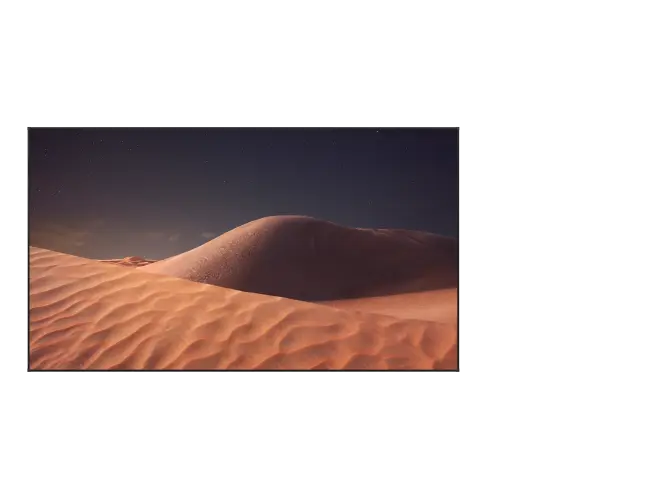
Ambient projection uses a projector to cast gentle, large-scale visuals onto a wall or screen, creating an enveloping atmosphere rather than a bright focal display. For yoga, this means soft forest scenes, ocean waves, or subtle guided class overlays that encourage mindfulness without competing for attention. Unlike a television, projection can fill an entire wall at modest sizes, making even small spaces feel more open and premium.
Many home fitness enthusiasts now use projectors to replace static decor with dynamic, mood-setting imagery. This approach works particularly well for low-impact workouts where the environment itself becomes part of the experience. However, success depends heavily on room conditions—bright daylight or frequent movement can quickly wash out the image or introduce shadows that break immersion.
First Filter: Is Your Space Suitable for Projection-Based Yoga?
Before investing in equipment, assess whether your room can support consistent ambient projection. The biggest barrier is usually uncontrolled ambient light. Projection performs best in spaces that can be dimmed reliably, such as rooms used primarily in the evening or those with good window coverings.
Key self-check questions include:
- Can you dim the room during practice?
- Can the projector remain in a fixed position?
- Will your yoga mat stay clear of the projection beam?
- Are walls and surfaces low-glare?
- Can the setup stay repeatable without moving furniture each time?
If two or more answers are no, the setup is more likely to feel frustrating than immersive. In multipurpose rooms with frequent furniture changes or high daytime light, traditional lighting or a simple wall mural may prove more practical than projection.
Do not pursue this setup if you need bright-room performance during daytime hours, if people or objects regularly cross the beam path, or if you prefer zero-setup convenience over atmosphere. These conditions often lead to regret because the immersive effect collapses under real-world use.
Choosing the Right Projector Type for Your Yoga Space
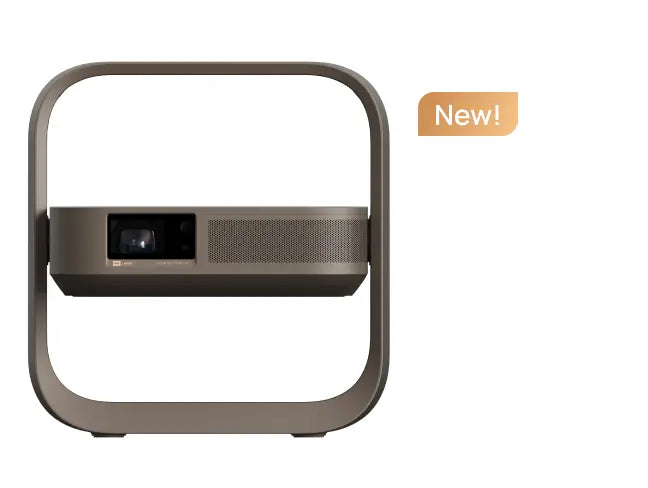
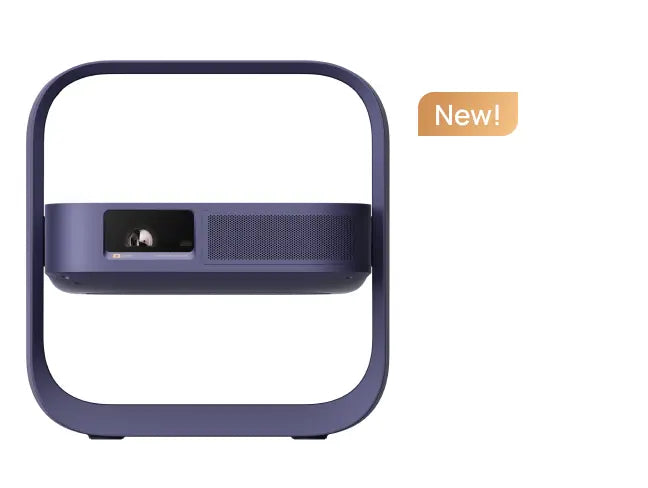
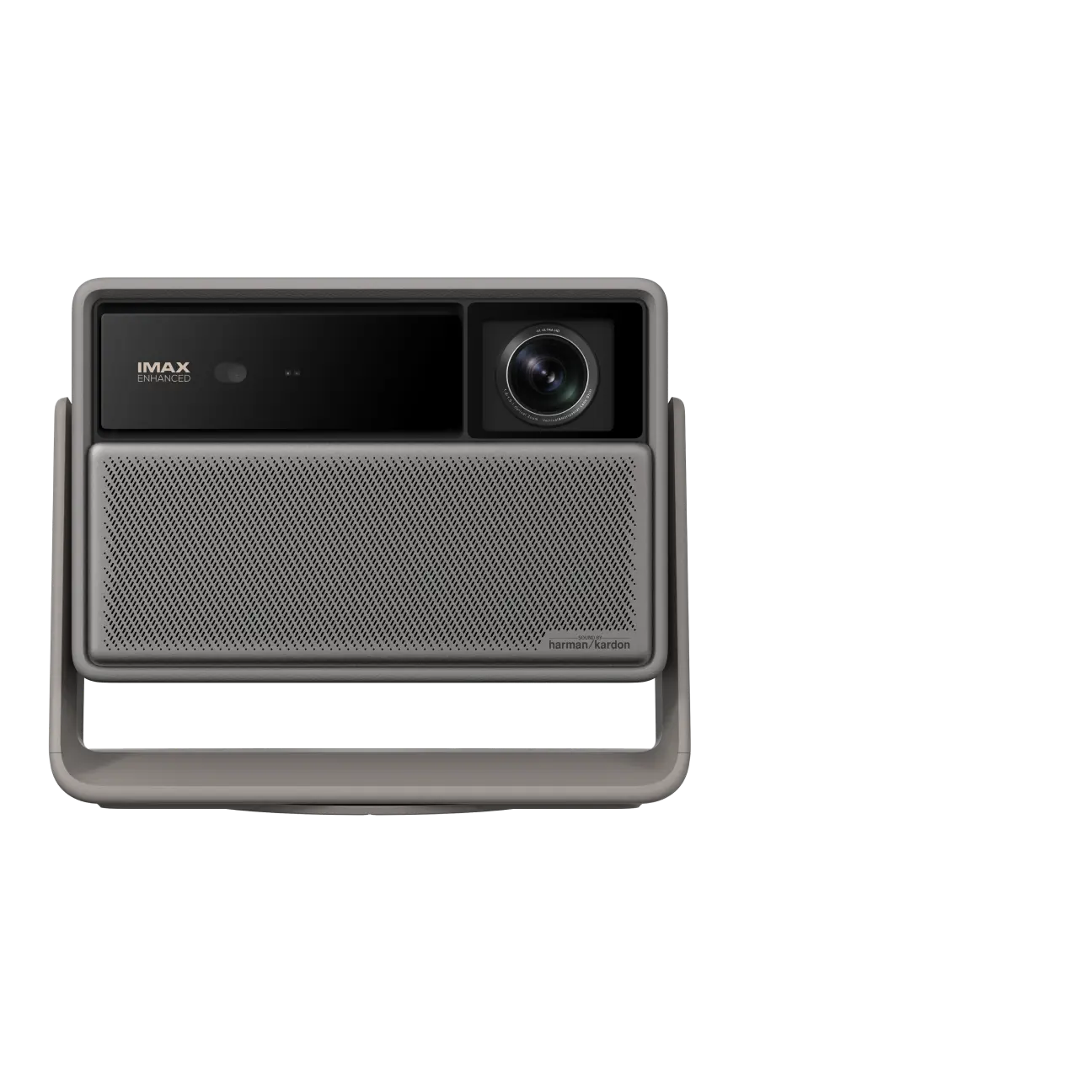
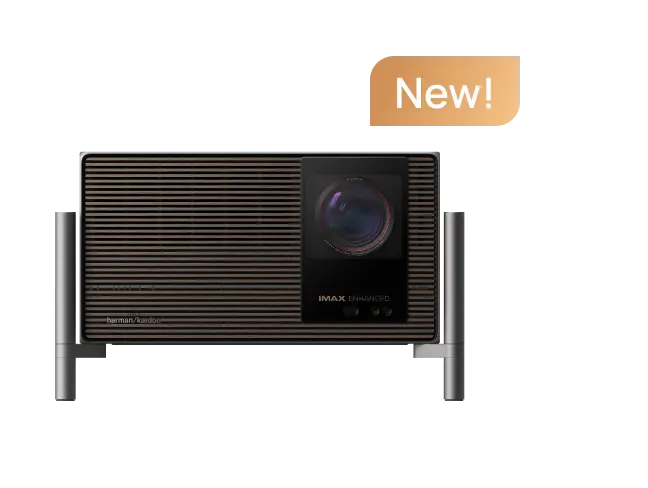
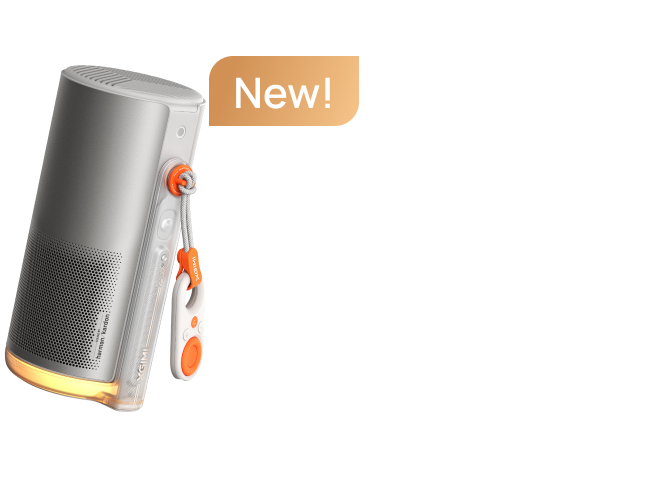
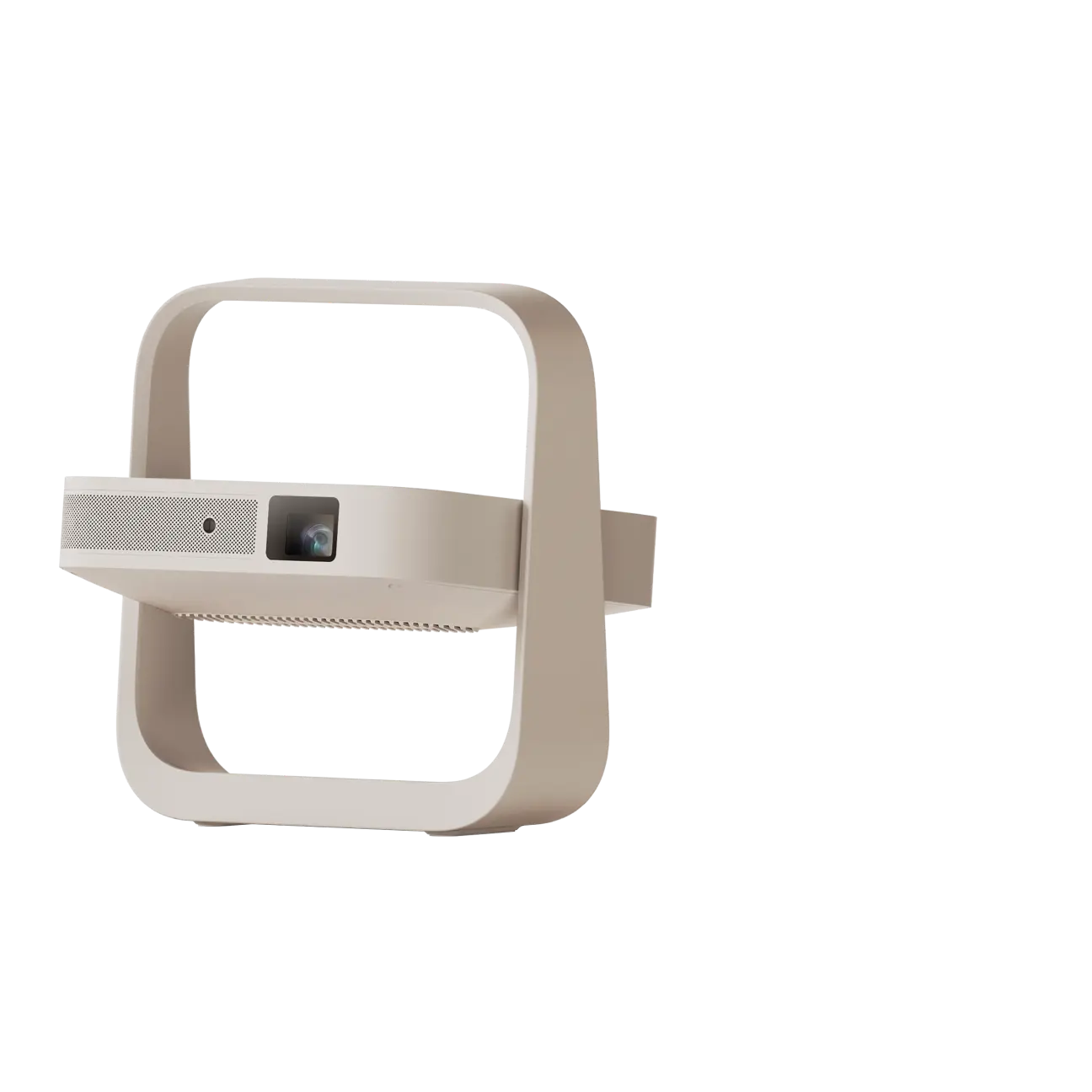
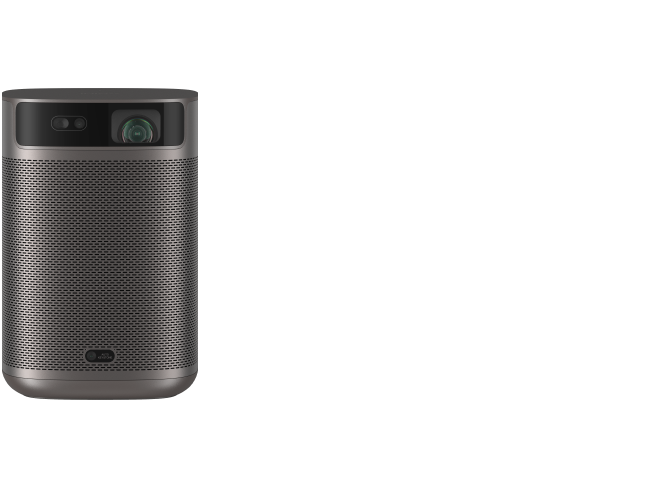
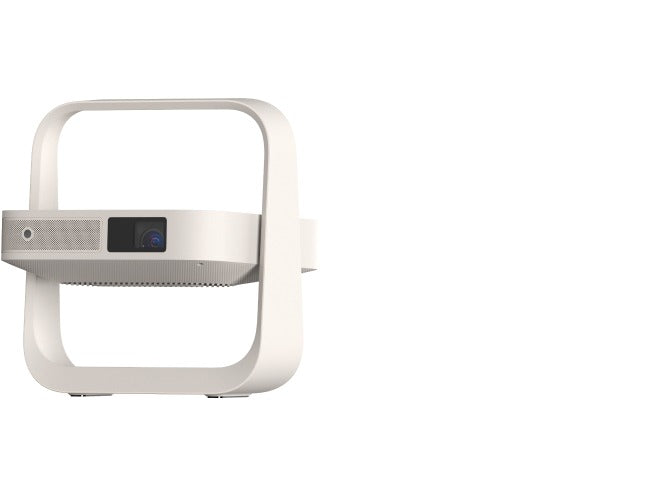
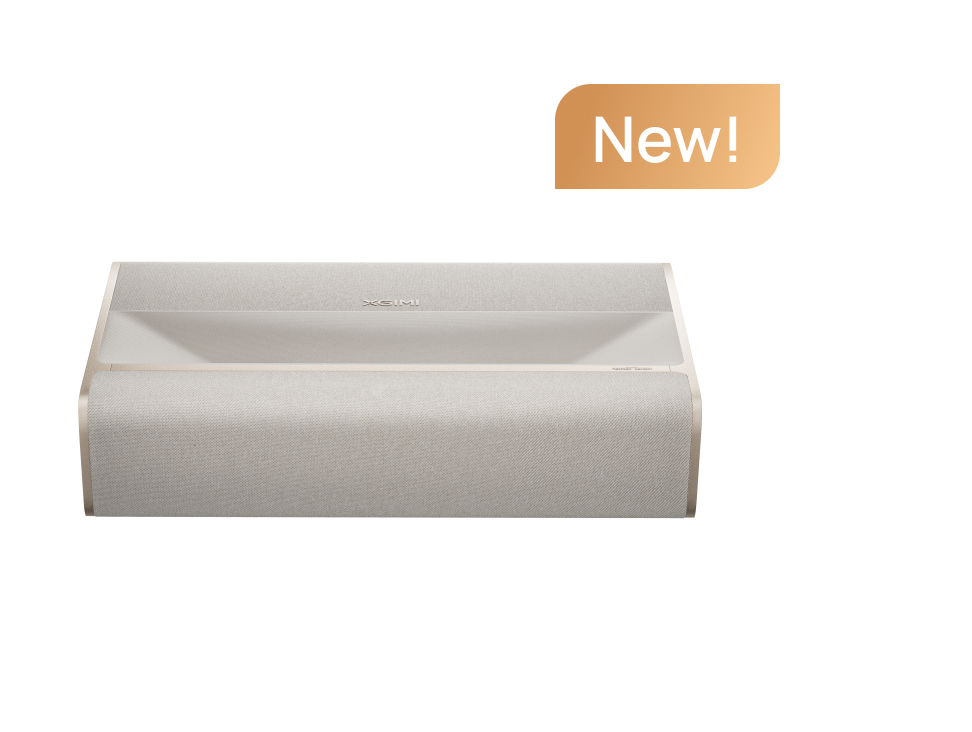
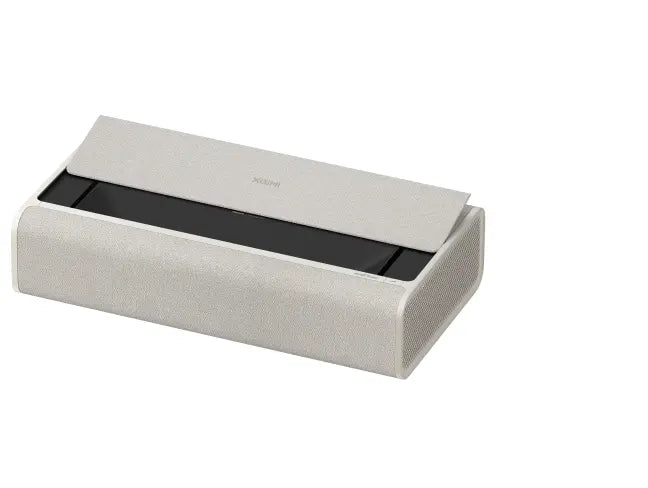
Projector choice should align with your room size, light control, and how often you practice. Short-throw or ultra-short-throw models excel in fixed spare bedrooms because they produce large images from close range, minimizing shadows and allowing stable placement. Portable projectors offer flexibility for apartment dwellers who need to store gear between sessions but require more frequent alignment.
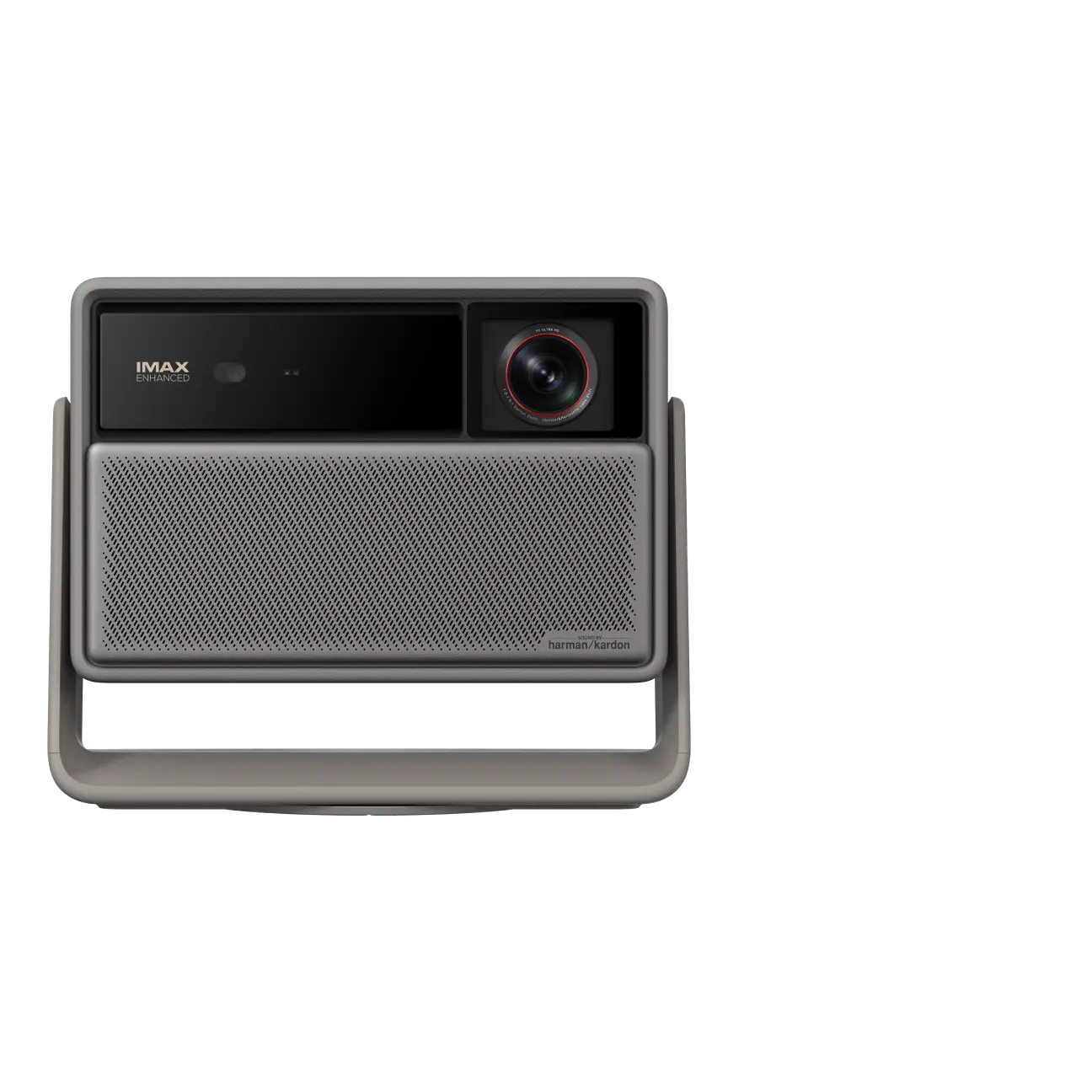
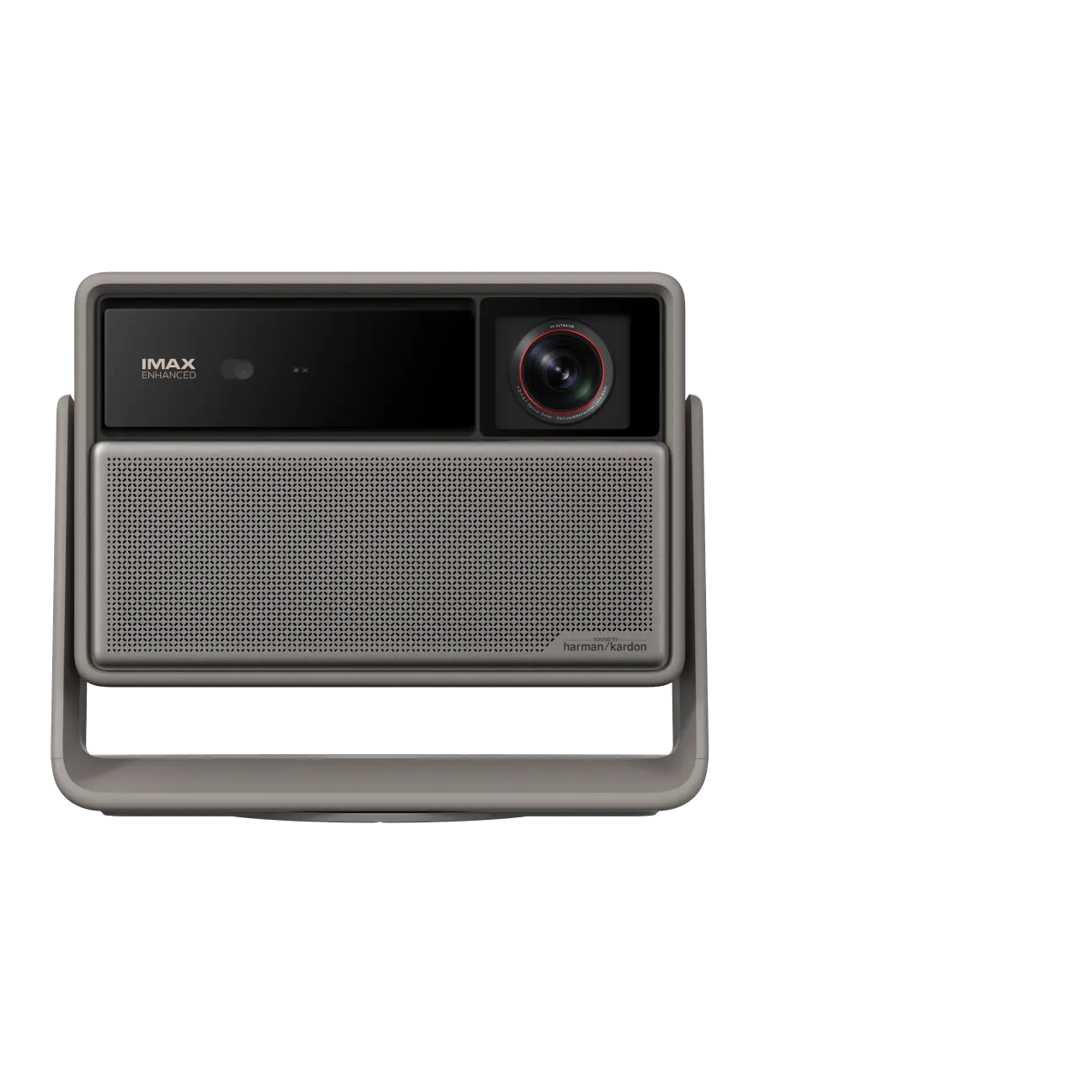
The decision often flips based on two main factors: whether the layout stays permanent and whether the room can be darkened. In a dedicated evening yoga corner with good light control, a short-throw projector typically delivers the most polished experience. In brighter or highly shared spaces, even premium models may struggle to maintain the calming effect.
Here is an illustrative comparison of how different setups may fit common home yoga scenarios. Scores reflect heuristic suitability rather than measured performance:
Projector Fit by Home Yoga Scenario
Illustrative heuristic comparison for choosing projector setup in a home yoga studio. Higher scores mean a better fit for the scenario, not official measurements.
View chart data
| Category | Short-throw projector | Portable projector |
|---|---|---|
| Small apartment / Bright / Guided / Beginner | 5 | 3 |
| Small apartment / Dim / Ambient / Beginner | 3 | 4 |
| Spare bedroom / Bright / Guided / Intermediate | 4 | 2 |
| Spare bedroom / Dim / Ambient / Intermediate | 2 | 5 |
Illustrative heuristic scoring based on scenario fit: small apartment vs spare bedroom, bright vs dim light, workout style, and beginner vs intermediate user needs. This is not official data; it expresses relative suitability only.
This chart highlights that portable options often suit flexible, lower-commitment setups while short-throw models reward stable rooms. Always prioritize models with sufficient brightness for your lighting conditions rather than chasing maximum screen size.

Step-by-Step Setup Guide for Your Home Yoga Studio
Begin by selecting the projection surface. A light-colored, matte wall works for many setups, but a dedicated projection screen or even a smooth neutral fabric can reduce hot spots and improve uniformity. Avoid glossy or heavily textured surfaces that create glare.
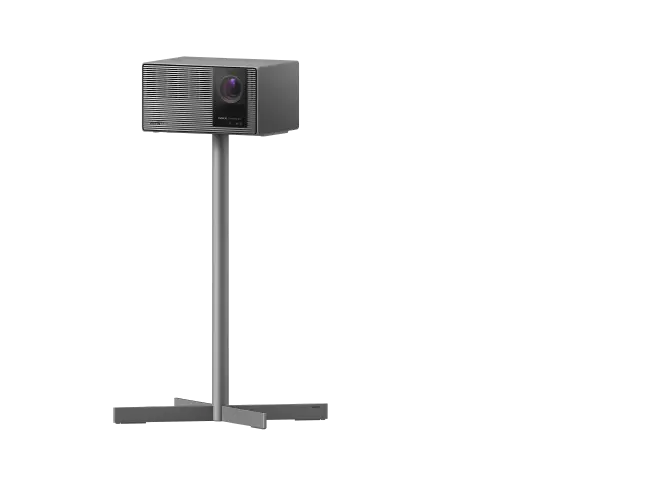
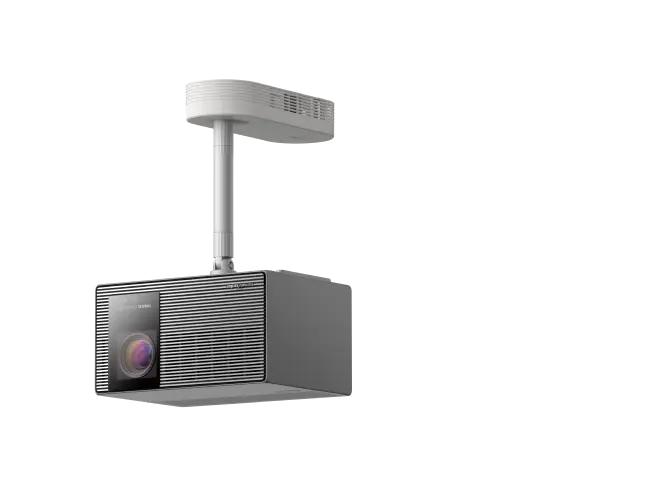
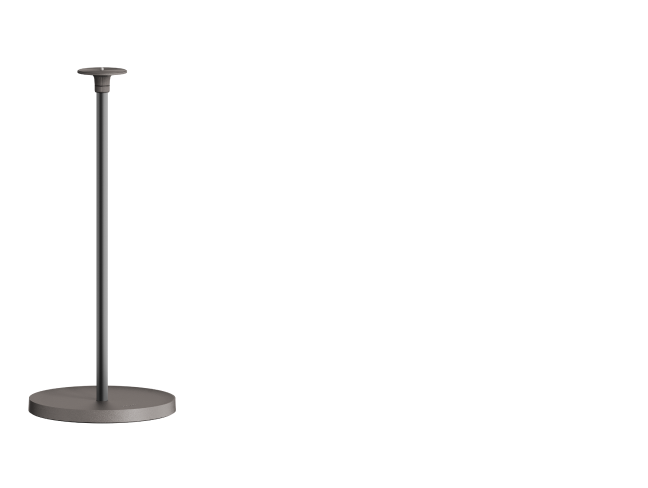
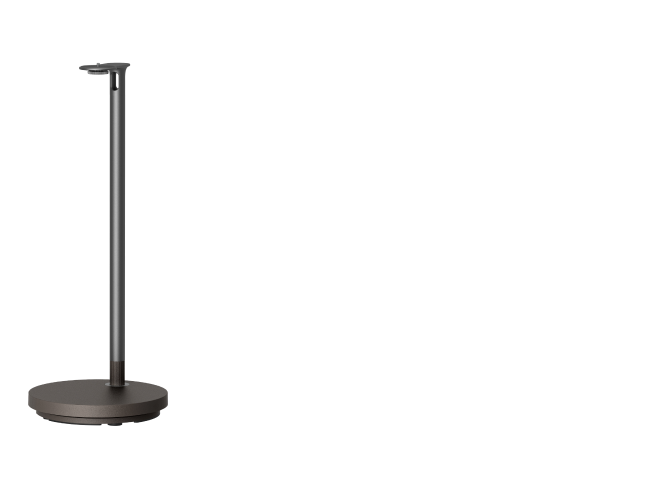
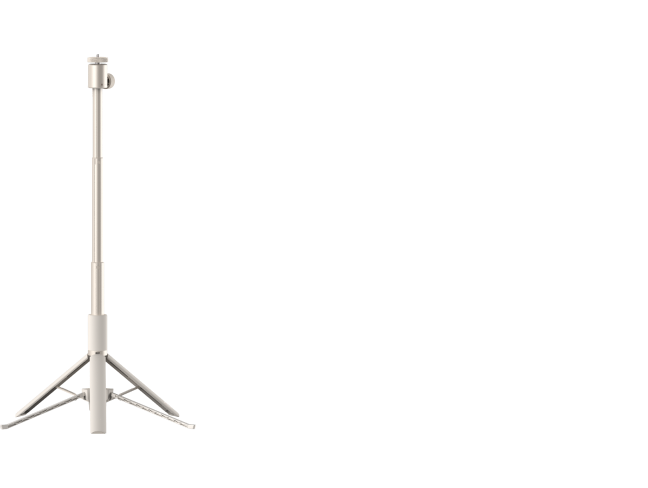
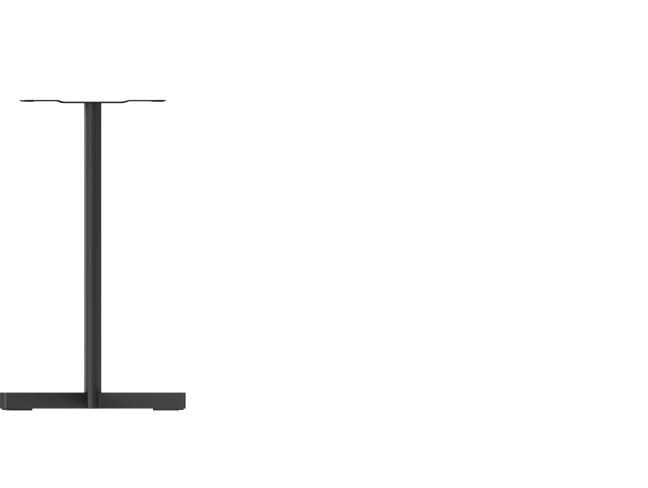
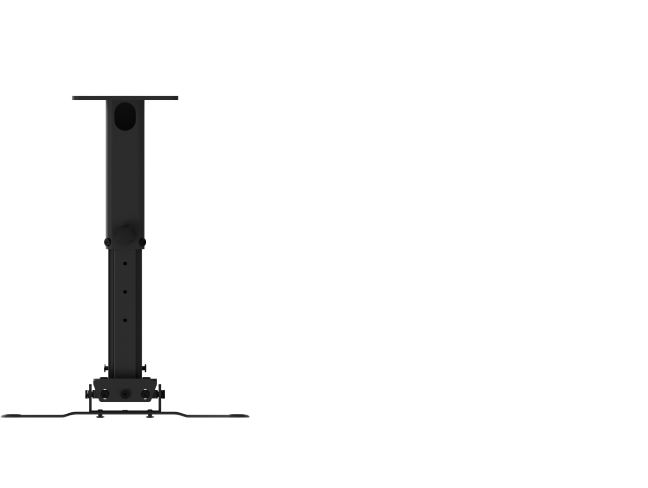
Next, determine throw distance and placement. Short-throw projectors can deliver 100-inch images from just a few feet away, making them ideal for small rooms. Use the manufacturer's distance calculator or general throw ratio guidelines to ensure the image fits your space without distortion. Ceiling mounting or a stable stand keeps the unit out of the way and prevents accidental shadows during movement.
For content, choose calming sources. Nature videos, slow-moving landscapes, or guided yoga classes with minimal on-screen text perform best. Many streaming services offer ambient channels or yoga-specific playlists. Adjust brightness and color temperature to warm, soft tones—typically 3000-5000K—to mimic natural light rather than harsh daylight.
Calibration is essential for comfort. Adjust focus, keystone, and color balance so the image remains even across the wall. Lower overall brightness during yoga to prevent eye strain, and test the setup during actual movement to catch any shadow issues early. This guide to projector calibration offers practical steps for achieving balanced picture quality without professional tools.
Sound also matters. Pair your projector with a quality audio system or use built-in speakers positioned away from the practice area. Gentle background music or class audio should enhance rather than compete with the visuals.
Optimizing for Different Yoga Practices
Guided classes benefit from clear but subtle projection that does not distract from instructor cues. Position the image slightly off-center from your mat so you can glance at it comfortably without neck strain. Ambient nature scenes, by contrast, work well as full-wall backgrounds during free-flow or meditation sessions.
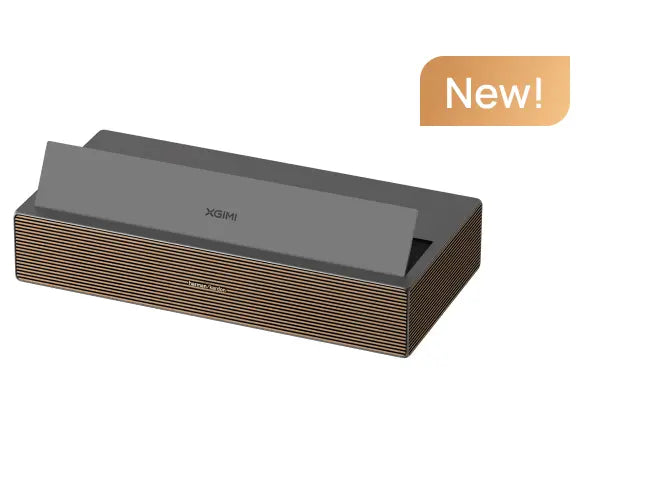
In smaller apartments, a portable projector with battery power offers flexibility to move between rooms. For dedicated spare bedrooms, a fixed short-throw model like ultra-short-throw options creates a more permanent studio feel. Always ensure the beam path stays clear of your movement area to avoid casting shadows that break concentration.
Light control remains the most important variable. Blackout curtains or adjustable lighting allow you to fine-tune brightness for morning versus evening sessions. In brighter conditions, prioritize higher-lumen models and lighter wall colors to maintain visibility without increasing harshness.
Common Setup Pitfalls and How to Avoid Them
Shadows are the most frequent complaint in movement-based activities. Position the projector high or to the side so your body does not block the beam during standing poses or flows. Ceiling mounts solve this elegantly in many rooms.
Uneven image sizing or distortion often results from incorrect throw distance or angle. Measure carefully before mounting and use keystone correction sparingly, as excessive adjustment can soften the picture. Glare from reflective floors or walls can be minimized with matte rugs and strategic lighting placement.
Many users also underestimate ongoing maintenance. Dust the lens regularly, check alignment monthly, and recalibrate seasonally as room conditions change. For multipurpose spaces, choose quick-setup stands or mounts that allow easy repositioning without full disassembly.
Making the Space Feel Premium Without Renovation
Beyond the projector, small details elevate the room. Add comfortable flooring, minimal storage that keeps the floor clear, and soft textiles that absorb sound. Plants or low shelves along non-projection walls create a studio-like boundary without permanent construction.
Incorporate smart lighting that dims automatically or integrates with your projector setup for one-touch ambiance. Scent diffusers or gentle fans can further enhance the sensory experience, turning the corner into a true wellness retreat.
Health and Comfort Considerations
This article discusses comfort and setup advice for home projection use. It does not constitute medical advice, diagnosis, or treatment. Projection brightness and viewing angles may affect eye comfort differently for each person. If you experience persistent eye strain, headaches, or discomfort during use, consult a qualified eye care professional. Individuals with existing vision conditions or light sensitivity should take extra care when designing their setup.
Final Checklist Before You Build Your Immersive Yoga Studio
- Confirm your room can be dimmed during typical practice times
- Choose projector type based on layout permanence rather than maximum size
- Test placement with actual yoga movement to check for shadows
- Select soft, calming content sources and calibrate for warm tones
- Plan for easy maintenance and repeatable setup
- Consider light control upgrades like curtains as part of the project
When these elements align, ambient projection can make home yoga feel more motivating and serene. The best setups feel invisible during practice—supporting focus rather than demanding attention. Start small, test in your actual space, and adjust based on real sessions rather than theoretical ideals. With the right balance of technology and room preparation, your spare room can become a personal sanctuary that enhances both body and mind.
For more ideas on using projectors beyond traditional entertainment, explore practical applications like ambient lighting and mood visuals. If you need help with general home projector installation, review this comprehensive home projector setup guide. Those looking for flexible options may also consider portable projectors or dedicated home projectors suited to wellness spaces.
References
- Projector Brightness Standards and Measurement
- How to Calibrate Your Projector for Better Picture Quality
- Beyond Movies: Using Your Projector for Digital Art and Ambient Lighting
- All Things about Home Projector Setup


