




Turning the side of your van or RV into a movie screen can transform an ordinary campsite evening into a memorable outdoor cinema experience. With the right portable projector, thoughtful placement, and realistic expectations about surface quality and ambient light, many vanlife travelers create enjoyable nomadic movie nights without hauling a dedicated screen. The key is understanding the practical limits of vehicle surfaces so the image stays watchable rather than washed out or distorted.
The biggest constraint is usually the van or RV itself. As general projection surface guidance explains, a smooth, flat, light-colored panel delivers the clearest results. Dark paint, glossy finishes, or heavy texture from ridges, seams, panel breaks, windows, and handles will reduce brightness, contrast, and sharpness. If your vehicle has prominent corrugation or dark coloring, expect softer image quality and consider keeping the projected size more modest.
Choosing the Right Time and Managing Ambient Light
Ambient light is one of the fastest ways to ruin an outdoor projection. Even moderate dusk lighting can make the picture look washed out, which is why full darkness or deep dusk works far better for van-side setups. Higher brightness projectors help counteract some light, but they cannot fully overcome daylight or strong campsite illumination. Plan your movie night for after the sun has set or in a shaded spot to get the most from whatever lumens your projector provides.
This illustrative chart shows how ambient light level and surface quality jointly affect usable image size and the relative brightness burden:
Illustrative Usable Image Size by Ambient Light and Surface Quality
Higher ambient light and poorer surface quality reduce usable image size; brighter projectors partly compensate, but with diminishing returns.
View chart data
| Category | Relative usable image size | Relative lumens needed |
|---|---|---|
| Dusk/Night + Smooth Light Surface | 100.0 | 1.0 |
| Dusk/Night + Average Surface | 85.0 | 1.2 |
| Dim Ambient + Smooth Light Surface | 75.0 | 1.5 |
| Dim Ambient + Average Surface | 60.0 | 1.8 |
| Indoor/Shielded + Smooth Light Surface | 50.0 | 2.2 |
| Indoor/Shielded + Average Surface | 40.0 | 2.8 |
Illustrative relative model only, based on the article's threshold logic: dusk/night works best, smooth/light surfaces improve usability, ambient light and darker/rougher surfaces reduce usable image size, and higher brightness partly compensates but with limits. Values are normalized heuristics, not measured test results.
These values are illustrative only and based on practical projection principles. They highlight why most successful van-side movie nights happen well after sunset on lighter vehicle panels.

Surface Preparation and Reducing Distortion
Before projecting, inspect the side you plan to use. Light-colored, matte or low-gloss panels with minimal ridges give the best results. If your van has windows, door handles, or prominent seams in the projection area, the image will show visible distortion or shadowing there. Many travelers choose a rear or side panel that is relatively flat and unobstructed.
You cannot change the vehicle's paint, but you can sometimes improve results slightly by parking on level ground so the surface stays as perpendicular to the projector beam as possible. Avoid glossy wraps that create hot spots or reflections from nearby lights. For textured surfaces, expect some loss of fine detail and keep the image size conservative, around 60-80 inches diagonal rather than pushing toward 100+ inches.
Projector Selection and Placement for Vanlife
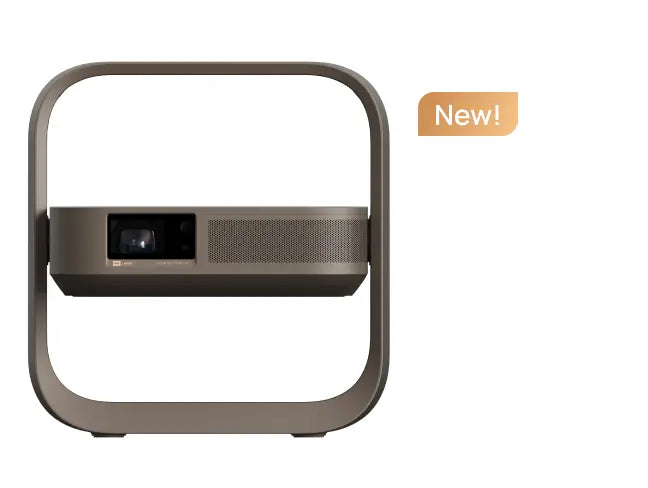
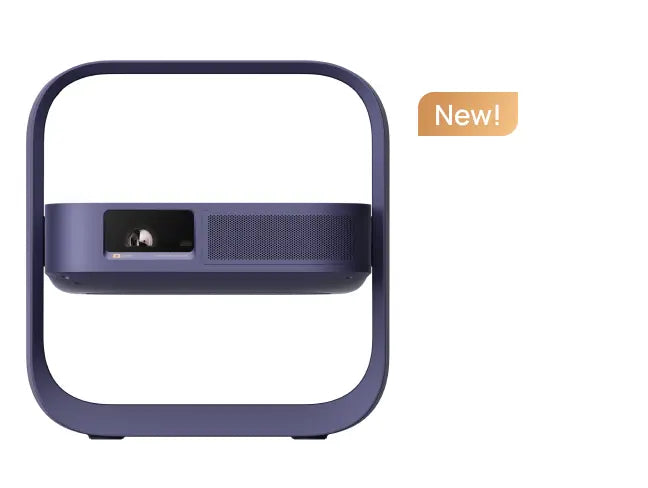
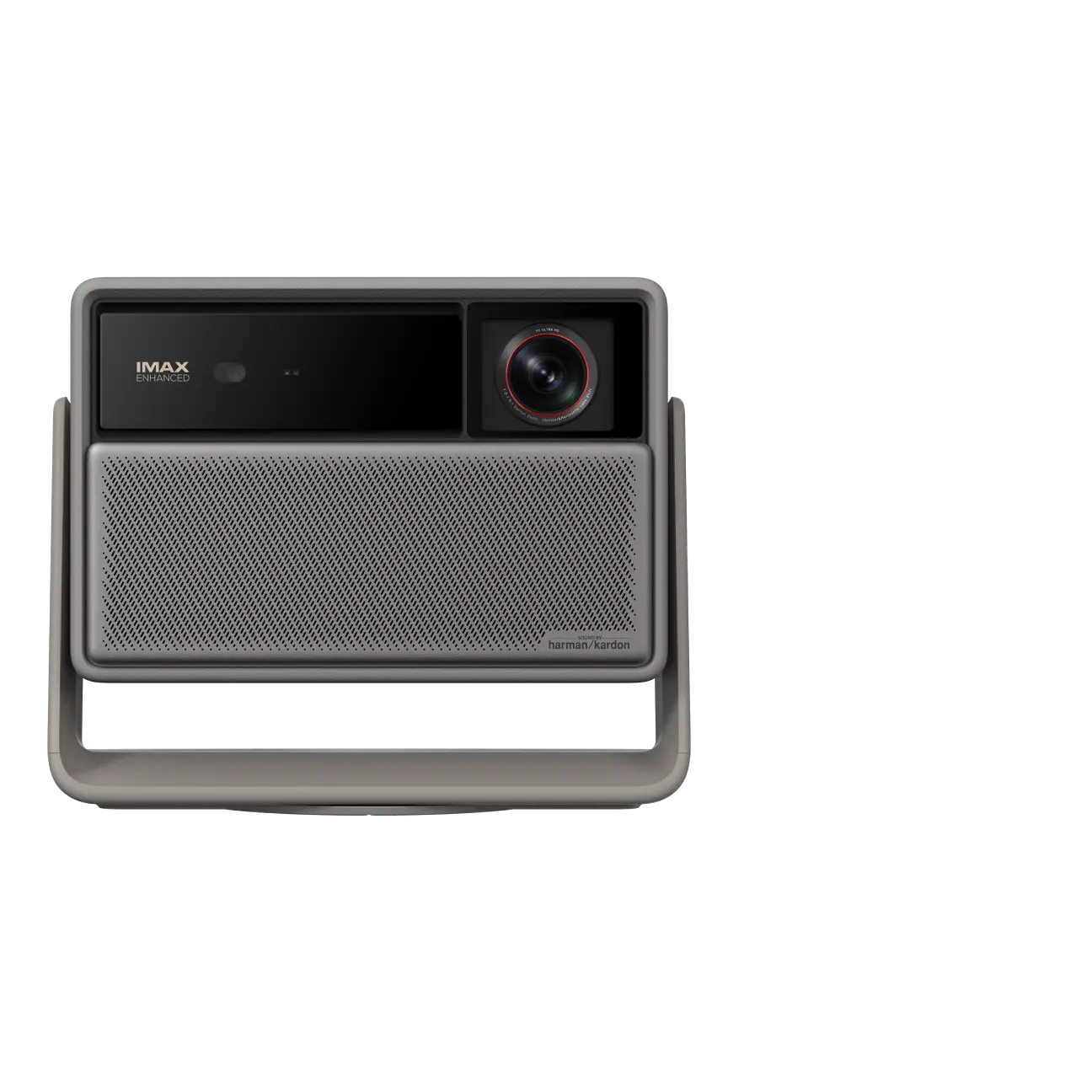
Portable battery-powered projectors work best for nomadic setups because they eliminate the need for constant AC power. Look for models with at least 300-500 ANSI lumens for evening use, though real-world performance depends heavily on the surface and light conditions. Short-throw or flexible placement options help when parking space is limited.
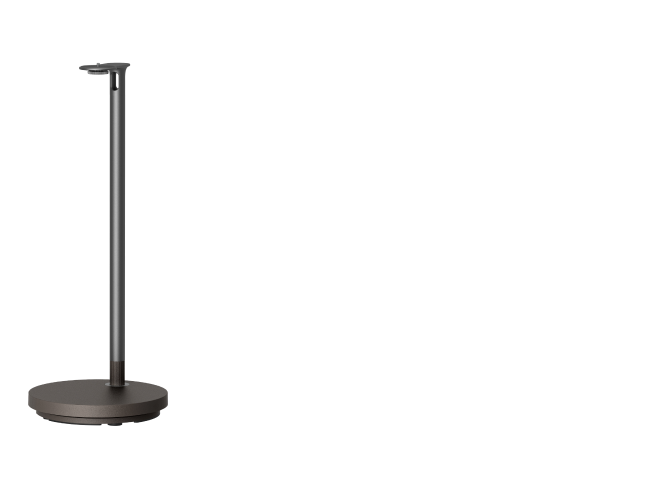
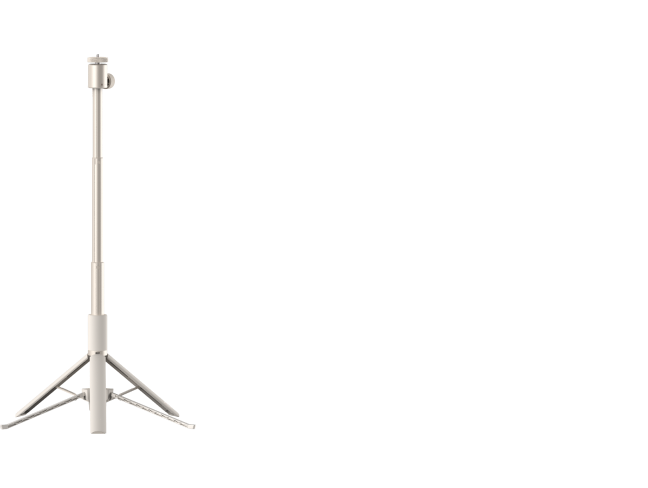
Throw distance is critical: it determines how far back you need to position the projector to achieve your desired image size. In tight campsites, a projector with good short-throw capability or keystone correction makes setup much easier. Stable, level placement prevents alignment drift and simplifies focusing. A sturdy tripod, low table, or the How to Safely Mount and Stabilize a Projector Inside a Moving Vehicle tips can help keep everything secure even on uneven ground.
Here is a practical threshold guide to help set expectations:
- Brightness at night: Mid-range portable projectors often suffice for 60-100 inch images after full dark on light surfaces.
- Brightness at dusk: Higher output becomes more important; lower-lumen models may look noticeably washed out.
- Throw distance: Match the projector's throw ratio to your typical parking distance from the van side.
- Battery runtime: Aim for at least 2-2.5 hours of real-world runtime at movie brightness to cover a feature film plus setup.
- Image size on imperfect surfaces: Limit to 60-80 inches on textured or ridged panels to maintain acceptable clarity.
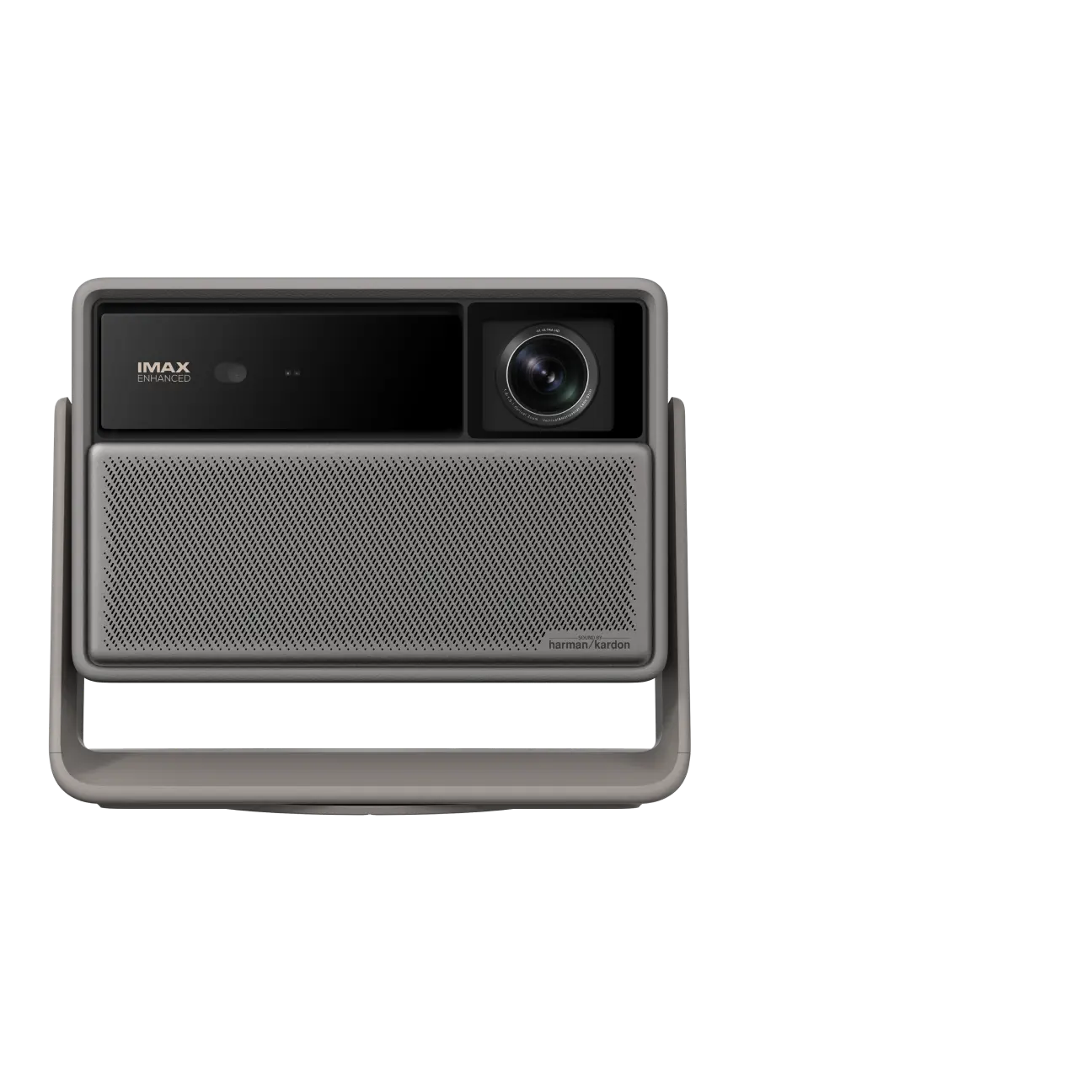
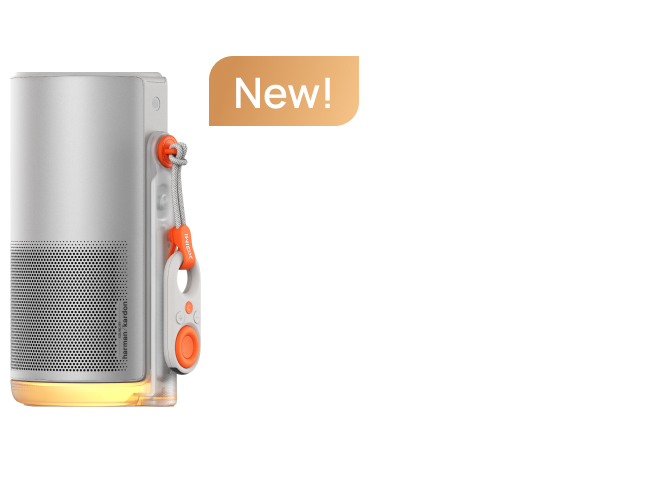
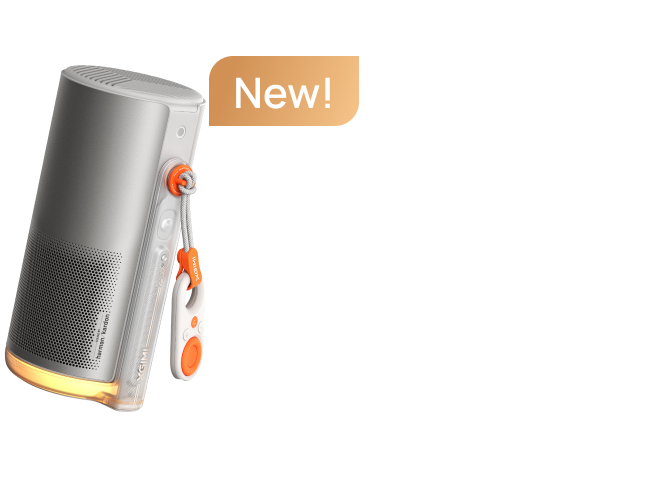
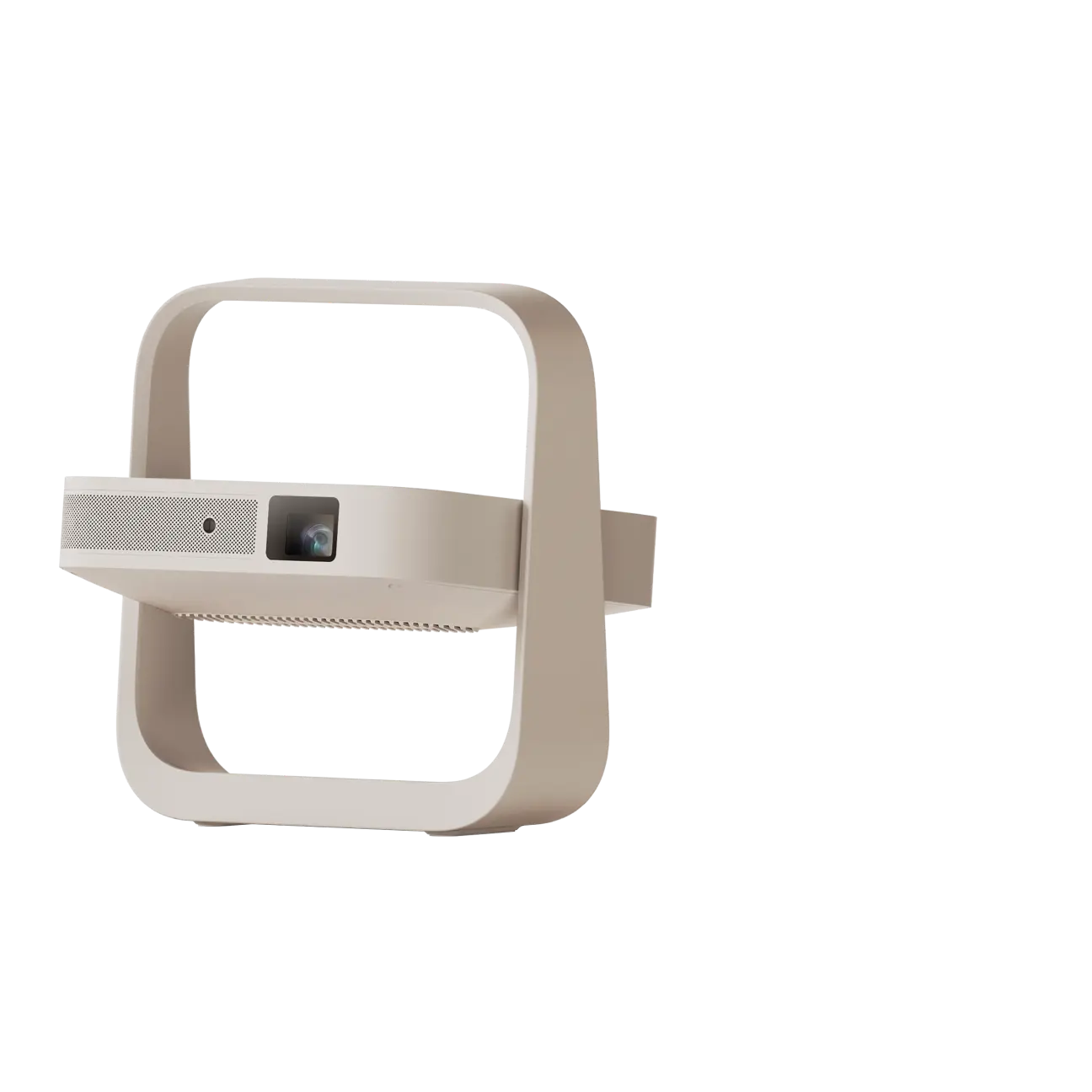
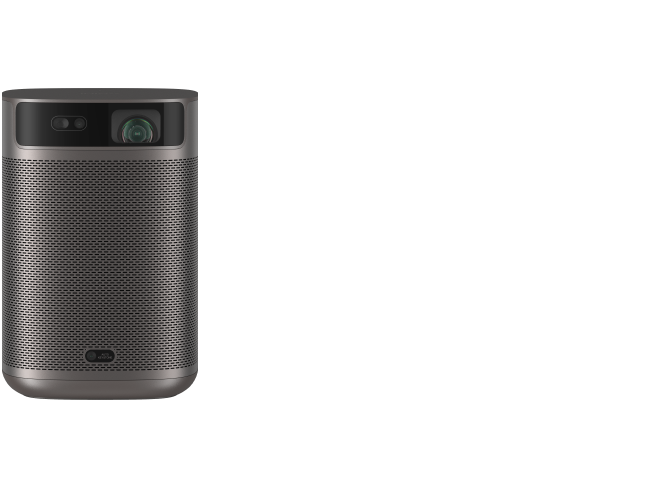
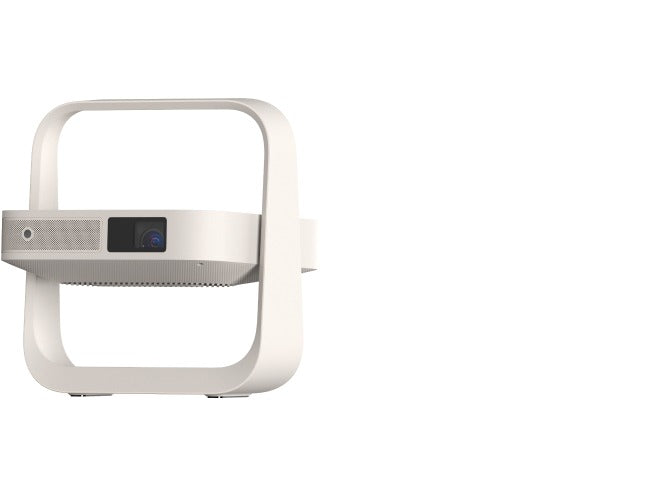
Popular portable options like the MoGo series or Halo+ are frequently chosen for vanlife because of their built-in batteries, compact size, and solid sound systems. For more details on choosing an outdoor model, see Best Outdoor Portable Projector Recommendations from XGIMI.

Power Solutions for Off-Grid Movie Nights
Off-grid power is a common concern. Battery-powered projectors simplify this, but always check runtime at the brightness level you actually use. Many models offer 2-3 hours, which is enough for one movie but leaves little margin if you add speakers or run the unit at higher settings. A portable power station or the vehicle's own battery with a safe inverter can extend viewing time, but monitor drain carefully to avoid starting issues the next morning.
The ANSI vs. ISO vs. CCB Lumens guide explains why marketing numbers can be misleading and helps you select a projector whose real brightness matches your needs.
Stability, Protection, and Quick Pack-Down
Wind, dew, and temperature drops are real risks during outdoor nights. Secure the projector against gusts using a low, stable base rather than a tall tripod that might tip. Protect against condensation with a simple cover or by bringing the unit inside when not in use. The How to Protect Your Projector from Dew, Humidity, and Temperature Drops During Outdoor Night Screenings offers a helpful checklist for these conditions.
Keep setup simple so you can pack everything away quickly when it's time to move. Avoid permanent mounts on the exterior unless you are prepared for weather exposure. Many nomads store the projector inside the van and only bring it out for the evening.
When Van-Side Projection Might Not Be the Best Choice
Vehicle-side projection shines for spontaneous, low-gear evenings but has clear limits. Skip it if your van has dark paint, heavy texture, or lots of surface interruptions that will distort the picture. It is also less ideal in areas with persistent ambient light or high winds that make stable placement difficult. In those cases, a small portable screen or freestanding option often delivers better image quality with less frustration.
This setup works best for couples or small groups who accept some compromise on sharpness in exchange for convenience. Larger groups or those wanting theater-like quality may prefer a dedicated screen.
Creating a Safe and Enjoyable Nomadic Cinema
Treat the van side as an improvised screen rather than an official one. Focus on comfort by positioning seating away from the projector beam and ensuring everyone has a clear view without glare. Use the projector's built-in speakers or a small Bluetooth speaker for sound. Test the full setup once during daylight to confirm parking distance, angle, and power needs before committing to an evening screening.
With a bit of planning around surface choice, timing, and equipment protection, projecting onto your van can become a favorite part of the road-trip lifestyle. Start with your vehicle's actual side panels and lighting conditions rather than projector specs alone, and you will quickly discover what works for your specific nomadic setup.
Comfort and setup disclaimer: This article discusses practical projector placement and surface considerations for outdoor entertainment. It does not constitute technical, safety, or medical advice. Projection quality depends heavily on specific vehicle surfaces, environmental conditions, and equipment. If you experience persistent setup difficulties or have concerns about eye strain from prolonged viewing, consult product manuals or professionals. Always secure equipment properly to prevent accidents in outdoor or moving-vehicle contexts.


