





Campfire glare can quickly ruin an otherwise perfect outdoor movie night, turning rich blacks into muddy grays and making dark scenes nearly unwatchable. The good news is that with smart placement, a few setting tweaks, and realistic expectations about ambient light, you can enjoy both the cozy fire and a clear projected image. Success depends heavily on keeping the screen out of direct firelight spill while optimizing your projector for mixed lighting conditions.
Why Campfire Light Ruins Projection Quality
A roaring campfire adds more than ambiance. Its flickering glow acts as uncontrolled ambient light that floods the viewing area. This reduces perceived contrast, especially in darker movie scenes, because the projector's light must compete with the fire's illumination reflecting off the screen.
Ambient light lowers perceived contrast, so darker scenes can look washed out outdoors. High-gain screens can actually make the problem worse by amplifying stray light from the sides or behind. Reflective surfaces like tents, coolers, or even light-colored ground can bounce additional light into the picture, compounding the issue.
Many campers assume simply buying a brighter projector will fix everything. In reality, more lumens help only up to a point. Uncontrolled firelight still washes out contrast no matter how bright the projector is. The real solution combines physical separation from the fire with targeted adjustments rather than relying on raw brightness alone.

Safety First: Fire and Equipment Don't Mix
Before worrying about picture quality, establish a safe buffer between any open flame and your projector, screen, or cables. Fire safety guidance requires keeping combustible materials and equipment away from open flames and heat sources.
Never place the projector or screen too close to an open flame, do not position equipment in direct smoke or heat exposure, and never sacrifice fire safety for image brightness. Keep at least 10-15 feet between the fire and your gear as a practical minimum, and position the setup so that prevailing wind carries smoke away from the electronics.
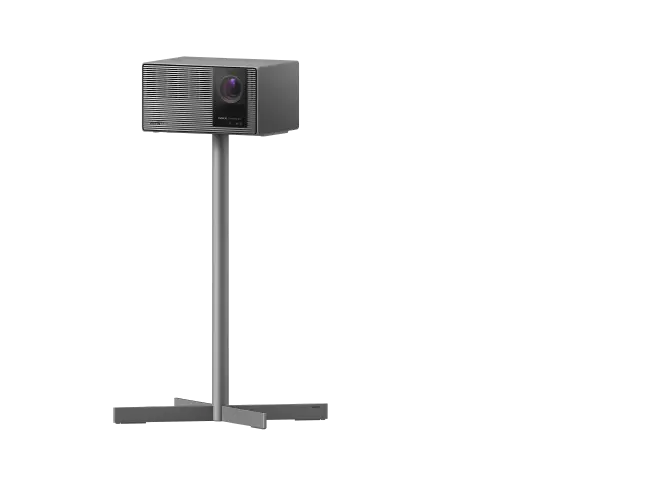
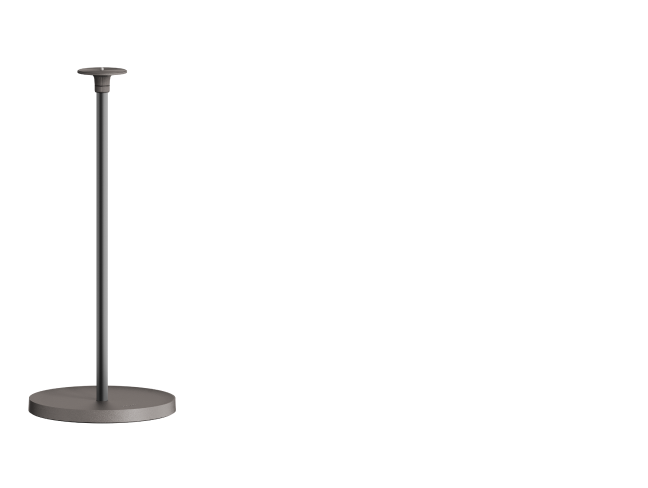
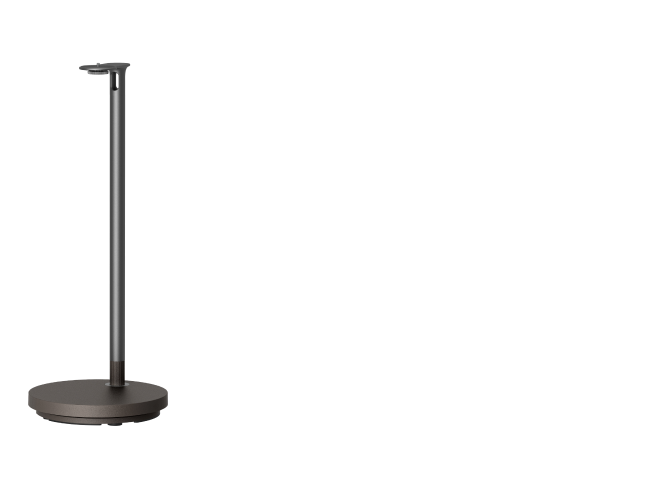
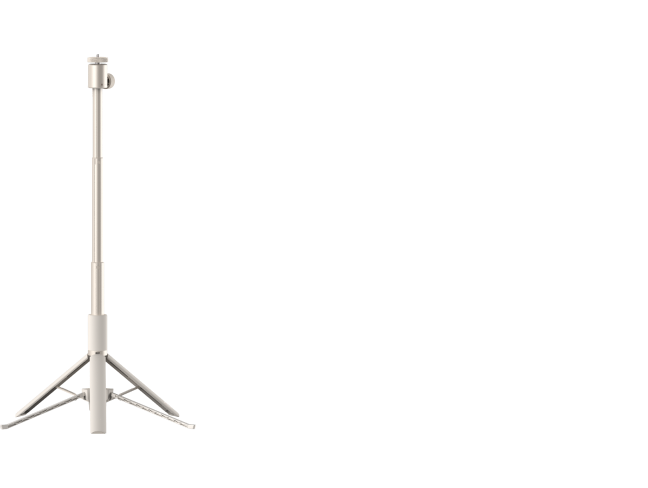
Use a stable, level surface for the projector and consider a portable stand to elevate it above damp ground or uneven terrain. If using an extension cord, ensure it is rated for outdoor use and kept clear of the fire pit.
This article only discusses comfort and setup advice; it does not constitute medical advice, diagnosis, or treatment. If persistent discomfort occurs or existing eye conditions are present, qualified professionals should be consulted.
Optimal Screen and Projector Placement
Screen placement is often the single most effective way to overcome campfire glare. Positioning the screen so the fire is behind the audience or well off to the side prevents direct light spill and reflected contamination onto the projection surface.
Place the screen with its back to the fire whenever possible. This keeps the glowing embers out of the projector's line of sight and minimizes light bouncing onto the front of the screen. If the campsite layout forces the fire closer, angle the screen slightly or use natural barriers like trees, vehicles, or a pop-up shelter to block stray light.
For the projector itself, keep it as close to the screen as the throw distance allows. Shorter throw distances reduce the chance of ambient light interfering along the beam path. Avoid setups where people walk between the projector and screen, as their shadows and body heat add unnecessary variables.
Placing the screen away from direct light spill helps preserve image contrast. In tight campsites, a portable outdoor screen with a frame can help maintain a flat surface and better reject off-angle light compared to hanging a sheet.

Projector Settings for Mixed Lighting Conditions
Standard movie modes are usually too dark for campfire environments. Switch to a brighter picture mode such as "Bright," "Dynamic," or "Daylight" if available. These modes sacrifice some color accuracy for higher output, which helps combat ambient washout.
Increase contrast and brightness modestly while lowering gamma to make dark areas more visible without crushing blacks entirely. Many modern portable projectors include an "outdoor" or "game" mode that already applies helpful adjustments.
Higher brightness and an outdoor-friendly picture mode can help, but ambient light still affects image quality. Avoid maxing out settings, as this can introduce fan noise or heat that becomes distracting in a quiet campsite.
If your projector supports it, enable auto-keystone and focus features so you can fine-tune quickly after setup without moving the unit closer to the fire. For best results, test the image with the fire at normal intensity before the movie starts.
Choosing the Right Equipment for Campfire Movie Nights
Not every projector performs equally near a campfire. Models with higher real-world brightness (measured in consistent standards like ISO lumens) maintain better visibility when ambient light is present. However, remember that image quality depends on brightness, contrast, screen placement, and ambient conditions.
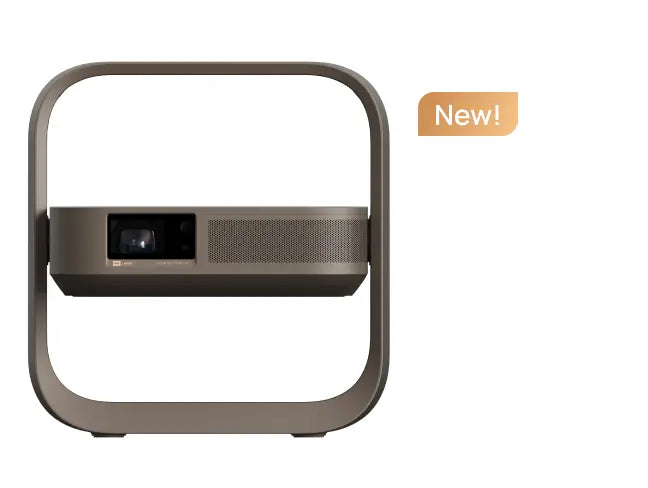
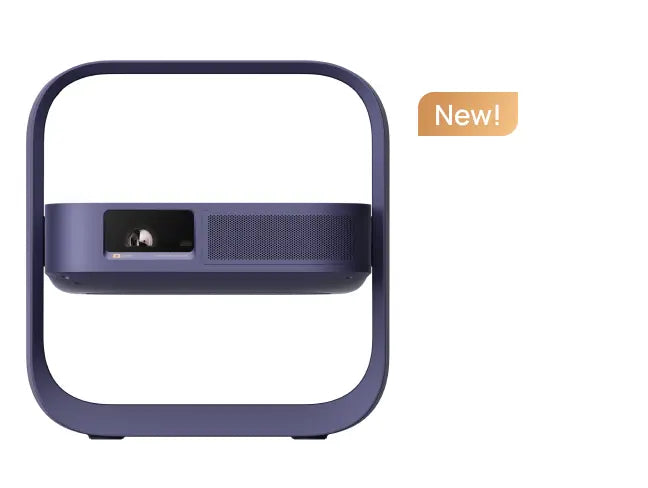
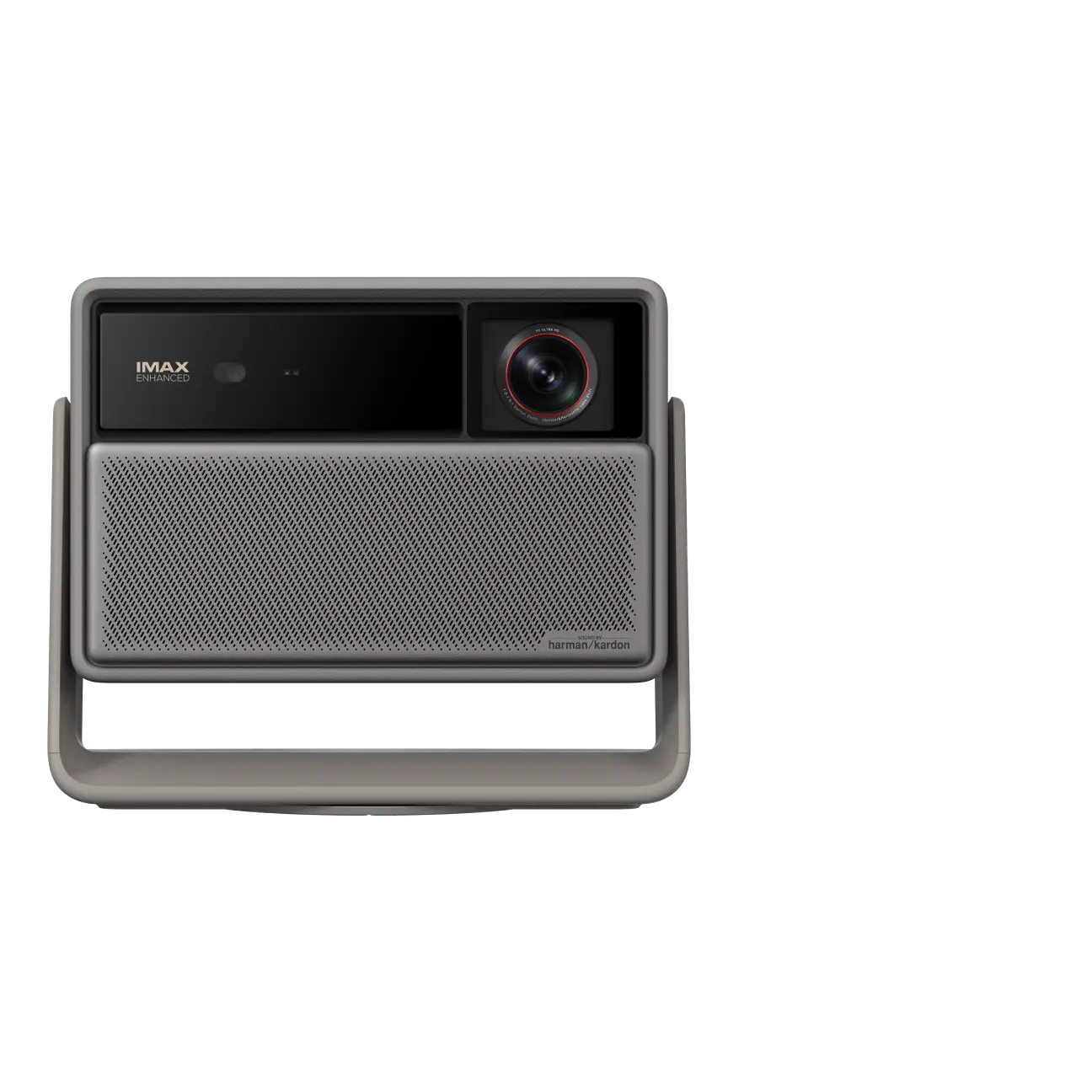
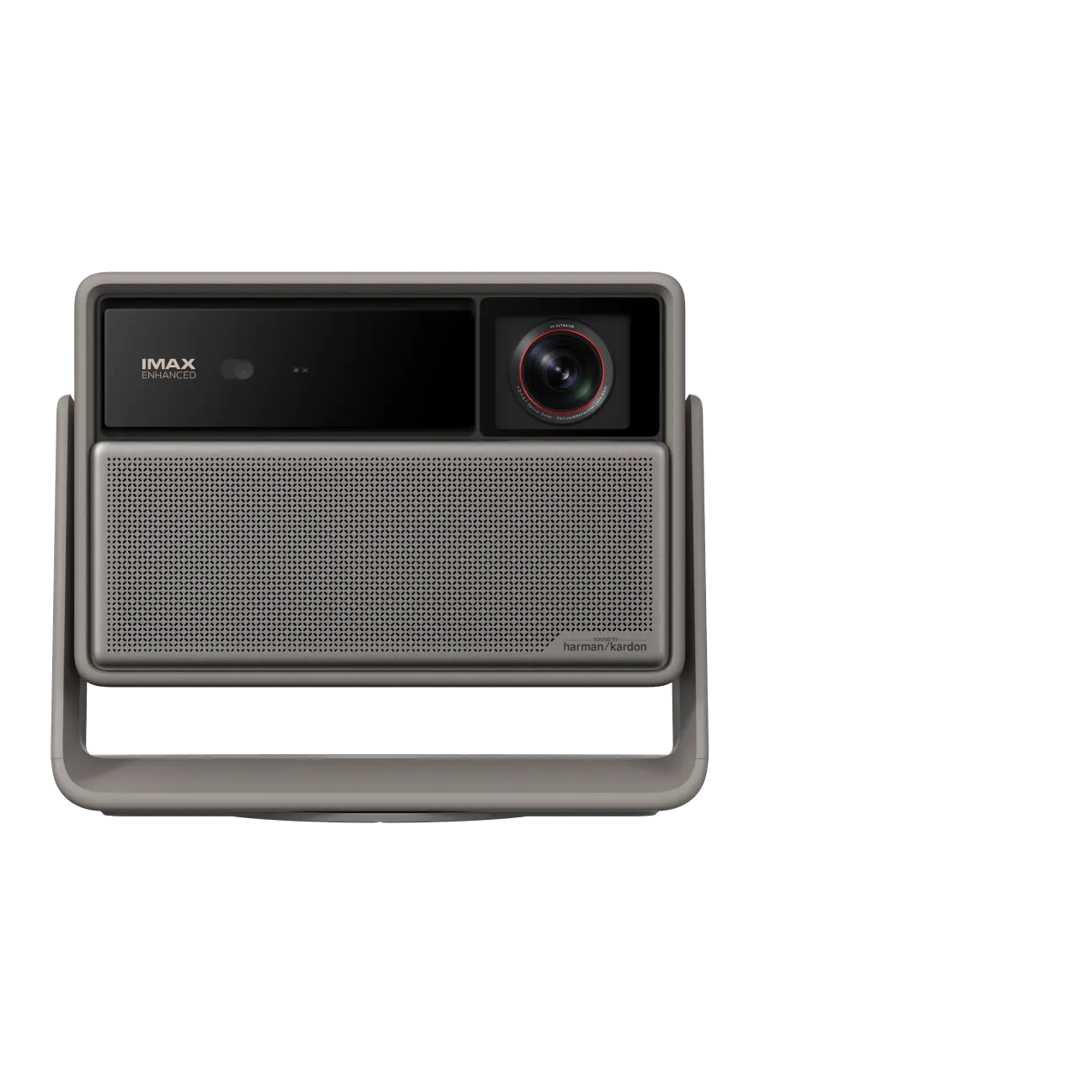
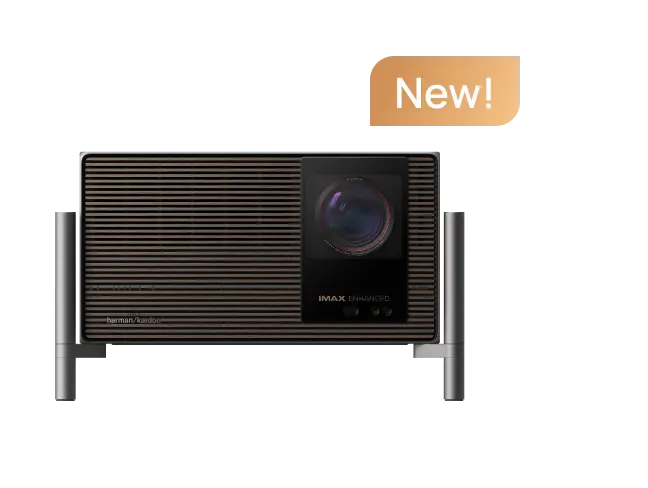
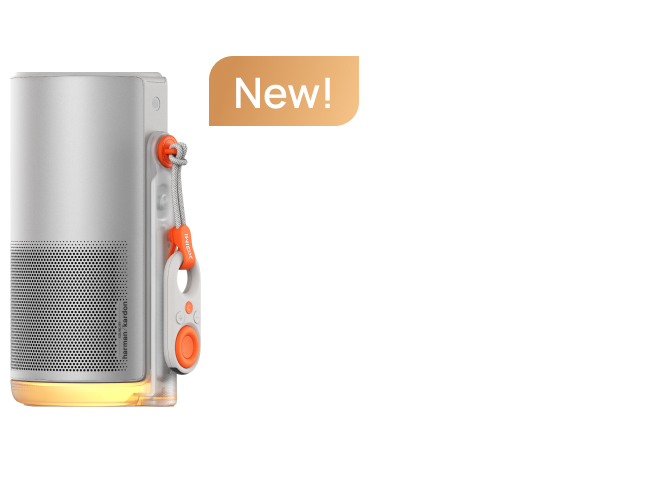
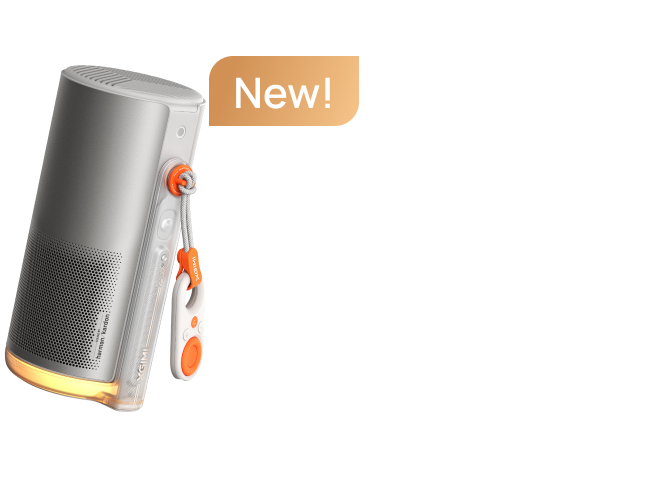
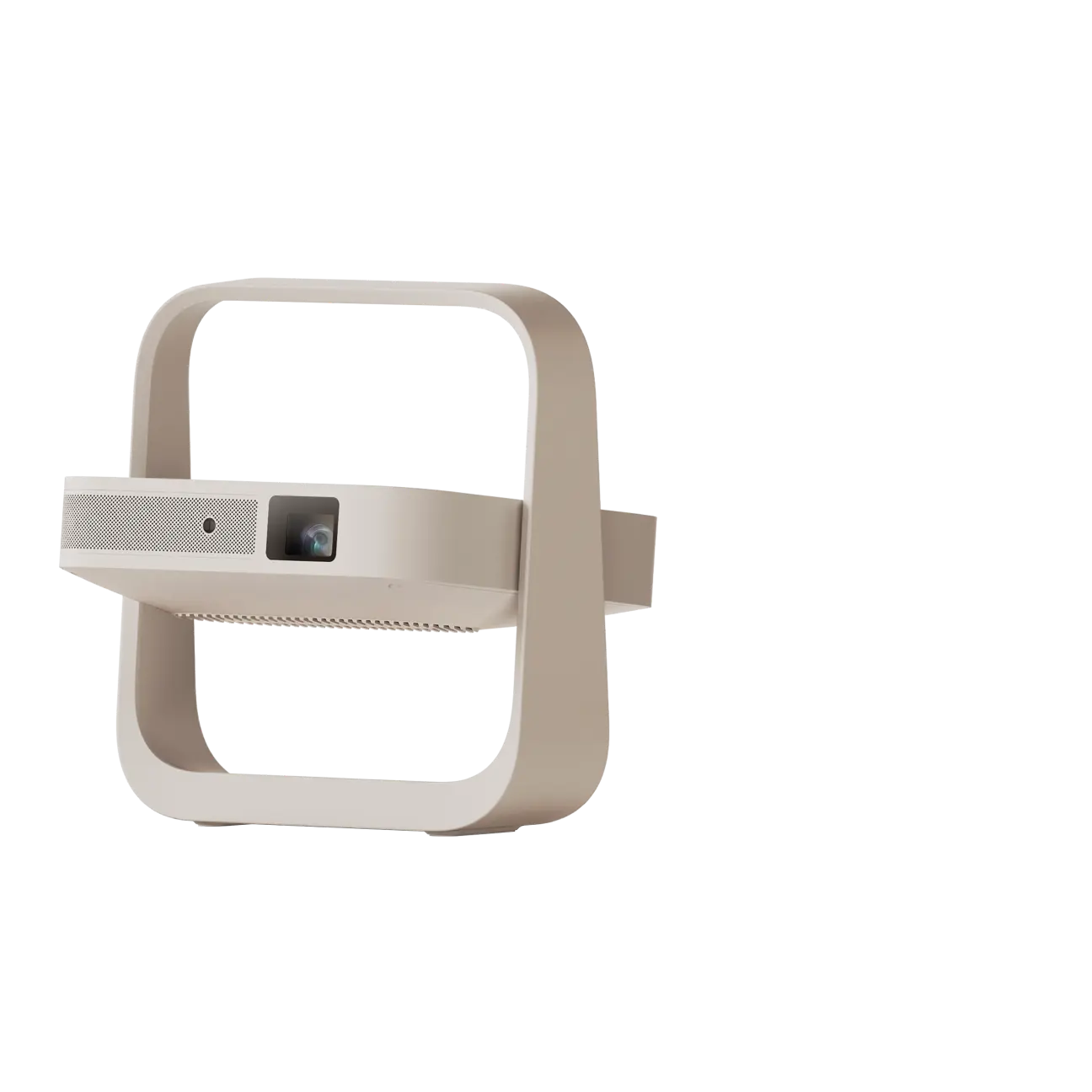
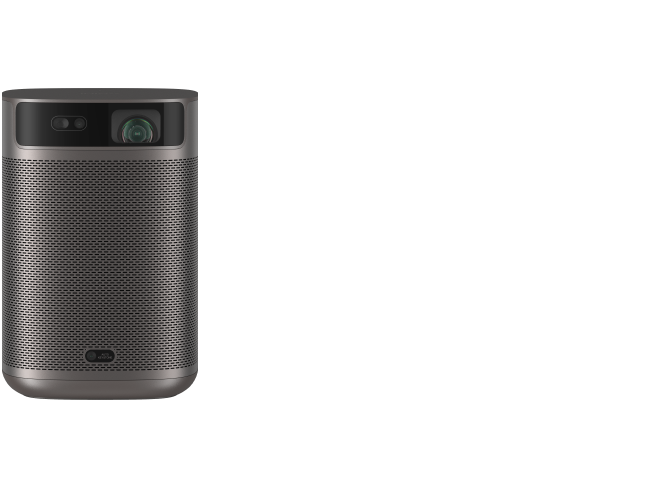
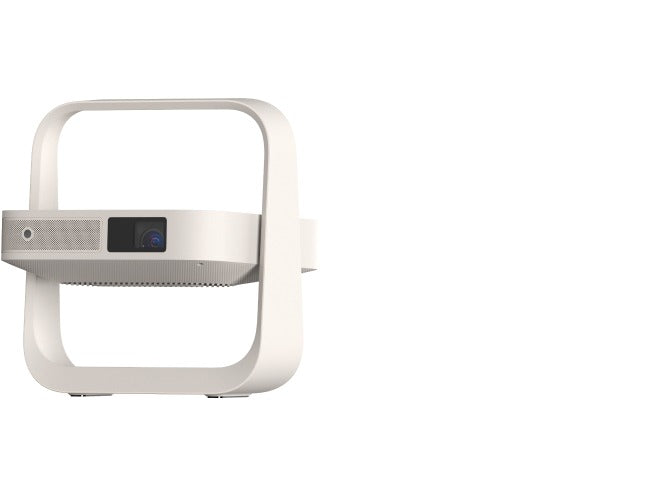
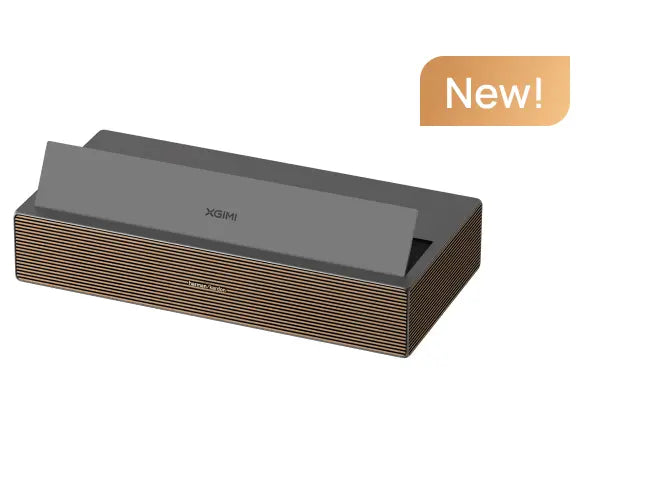
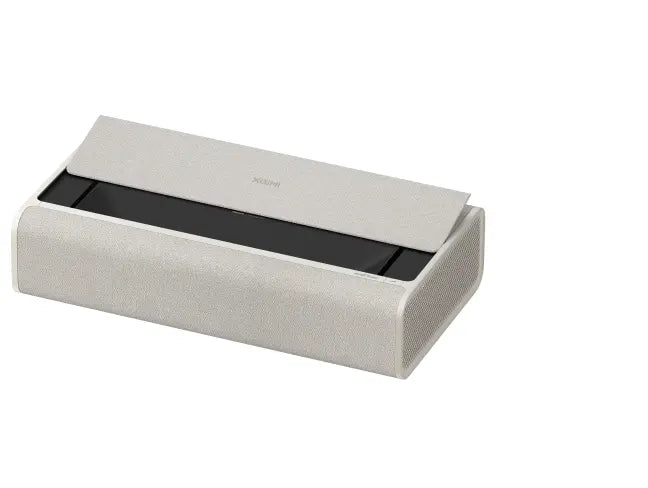
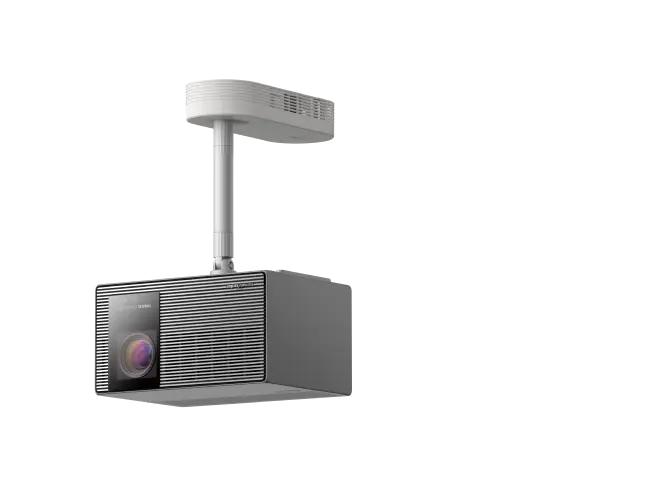
Consider projectors designed for portability with built-in batteries, as these eliminate the need for cords near the fire pit. Compact options like the XGIMI MoGo 4 or Halo+ offer convenient setups for camping and RV use.
A dedicated portable outdoor screen can dramatically improve results compared to makeshift surfaces. Look for screens with some ambient light rejection properties or at least a matte finish that minimizes hot spots from stray light.
Check our 2026 Outdoor Projector Buying Guide for Camping for detailed model recommendations based on campsite scenarios.
Practical Campsite Setup Checklist
Use this checklist to balance cozy campfire ambiance with watchable image quality:
- Position the screen with its back toward the fire or use natural barriers to block light spill
- Keep the projector at least 10-15 feet from the fire pit and out of smoke paths
- Choose a stable, elevated spot for the projector to maintain consistent focus
- Minimize other light sources: turn off lanterns, cover phone screens, and avoid reflective gear in the viewing area
- Test the image with the fire burning at typical intensity before starting the movie
- Adjust settings for higher brightness and contrast while keeping fan noise tolerable
- Bring a backup power solution that doesn't require running cords near the fire
- Have a plan to extinguish or reduce the fire if the image remains unwatchable
Minimizing nearby light sources and reflective surfaces can improve perceived contrast.
Scenario-Based Strategy Guide
The best approach to campfire glare changes depending on your campsite layout and equipment.
In close, controlled setups where you can park the projector near the screen and keep the fire well separated, precise placement and screen quality deliver the biggest gains. In medium-distance or mixed-light campsites with some lantern spill, brightness becomes more important alongside a screen that resists washout. For longer throws or open layouts where light is harder to control, higher output and careful screen selection matter most.
Relative Effectiveness of Glare-Mitigation Strategies by Campsite Scenario
Illustrative scenario comparison for campsite projector glare mitigation. Higher values mean a strategy is more likely to help in that setup; this is a bounded heuristic, not measured performance.
View chart data
| Series | Placement control | Brightness upgrade | Screen choice | Light reduction |
|---|---|---|---|---|
| Relative effectiveness | 3.0 | 2.0 | 2.0 | 1.0 |
Heuristic scoring synthesized from the brief's scenario matrix and writer evidence: placement matters most when geometry is controlled, brightness helps in mixed light but does not solve spill, screen choice matters more in open setups, and reducing ambient light improves contrast across scenarios. Scores are illustrative (1=low, 2=medium, 3=high).
The chart above shows a bounded, illustrative comparison of which glare-mitigation strategies tend to matter most in different campsite setups. Use it as a decision guide, not as measured performance data: placement control is usually strongest in controlled layouts, brightness helps more in mixed light, screen choice gains importance in open setups, and reducing ambient light supports contrast across all cases.
Common Myths About Outdoor Projection Near Fire
Several misconceptions lead campers to disappointing or unsafe setups.
Myth: More lumens will solve campfire glare. Reality: More brightness helps only up to a point; uncontrolled firelight still washes out contrast. Better alternative: Prioritize screen placement, angle, and shielding from the fire before chasing brightness.
Myth: If the projector is far enough away from the flame, it is safe to set up anywhere near the fire. Reality: Distance alone does not solve glare, and near-fire placement can still create avoidable fire-safety risk. Better alternative: Keep a clear safety buffer and position the projector where it is not exposed to direct flame, sparks, or heat.
Myth: Outdoor movie night near a campfire is just like any other outdoor setup. Reality: Campfire light changes the viewing environment, so standard backyard projector advice may break down. Better alternative: Use a setup plan that assumes ambient light will be higher and the viewing area must be more controlled.
Do not buy or attempt this setup if the fire must stay close to the screen area, you cannot control placement reliably, or you expect perfect image quality without darkening the surroundings.
Additional Tips for Better Nighttime Camping Movies
Reduce other light pollution by using red-tinted lanterns or headlamps that are less disruptive to night vision and projection contrast. Position seating closer to the screen than you might in a dark room, as ambient light makes details harder to discern from a distance.
For RV or overlanding setups, use the vehicle itself as a light barrier or backdrop. Consider a portable stand for quick height and angle adjustments without moving the entire projector closer to the fire.
If glare remains an issue despite your best efforts, consider watching during lower-fire periods such as after the initial blaze dies down to glowing coals. Some campers even time their movie start for when the fire is mostly embers.
Review our Backyard Movie Night Checklist (Portable Edition) for more comprehensive planning that translates well to campsites.
When to Consider Alternatives
Sometimes the best choice is to separate the campfire and the movie experience. Enjoy the fire during dinner and conversation, then transition to a dedicated movie area farther away once the main flames have died down. This approach gives you both the traditional camping ambiance and a high-quality viewing experience without compromise.
In very tight or windy campsites where controlling light spill proves impossible, a larger tablet or portable TV might actually deliver a more satisfying result than a washed-out projection.
Remember that image quality depends heavily on room conditions and device quality. A well-planned setup with moderate brightness and excellent placement will almost always outperform a high-lumen projector placed too close to the fire.
By treating campfire glare as both a lighting problem and a safety consideration, most camping families and outdoor enthusiasts can create memorable movie nights that feel magical rather than frustrating. Start with placement and safety, fine-tune your settings, and adjust expectations to the real conditions of your campsite. The result is a balanced experience that honors both the fire's warmth and the story on screen.


