




The Minimalist's Guide to Hiding Projectors When Not in Use
If your living room is designed around clean lines and calm surfaces, a bulky projector can quickly undermine that hard-won minimalism. The good news is that you can enjoy a large-screen home theater while keeping the room visually uncluttered—provided you choose the right concealment strategy for your space, projector type, and daily routine.

Successful hiding balances three priorities: aesthetics when the projector is off, reliable performance when it is on, and low daily friction. Methods that look flawless in photos often create hidden costs in heat buildup, alignment hassle, or installation complexity. This guide walks through practical options, decision filters, and real-world checks so you can select a solution that actually works in your home.
Why Minimalist Homeowners Want to Hide Their Projectors
Many design-conscious households treat the projector as temporary tech rather than permanent furniture. When the movie ends, the room should return to its intended calm state without black boxes, dangling cables, or industrial-looking mounts dominating the view. This desire is especially strong in open-plan homes, small apartments, and shared living spaces where visual "noise" can disrupt the atmosphere.
Yet concealment is not purely cosmetic. Poorly planned hiding can raise operating temperatures, restrict remote control signals, or force repeated realignment that turns movie night into a chore. The most successful setups treat hiding as a functional engineering decision first and a style choice second.
Common Hiding Methods and Their Trade-offs
Several proven approaches let you conceal a projector without sacrificing picture quality. Each has strengths depending on room layout, ceiling type, and how often you use the system.
- Ceiling-mounted retractable or drop-down solutions: These keep the projector completely out of sight. A motorized lift or hinged panel lowers the unit only during viewing. This method scores high on aesthetics and works well in rooms with adequate ceiling height. However, it usually requires professional installation and careful planning for ventilation and cable routing.
- Furniture-integrated cabinets or media consoles: Hide the projector inside a stylish credenza or built-in unit. Sliding doors or lift-top designs allow quick access. These look seamless but demand generous airflow clearance. Enclosing the unit too tightly is a common cause of fan noise or thermal throttling.
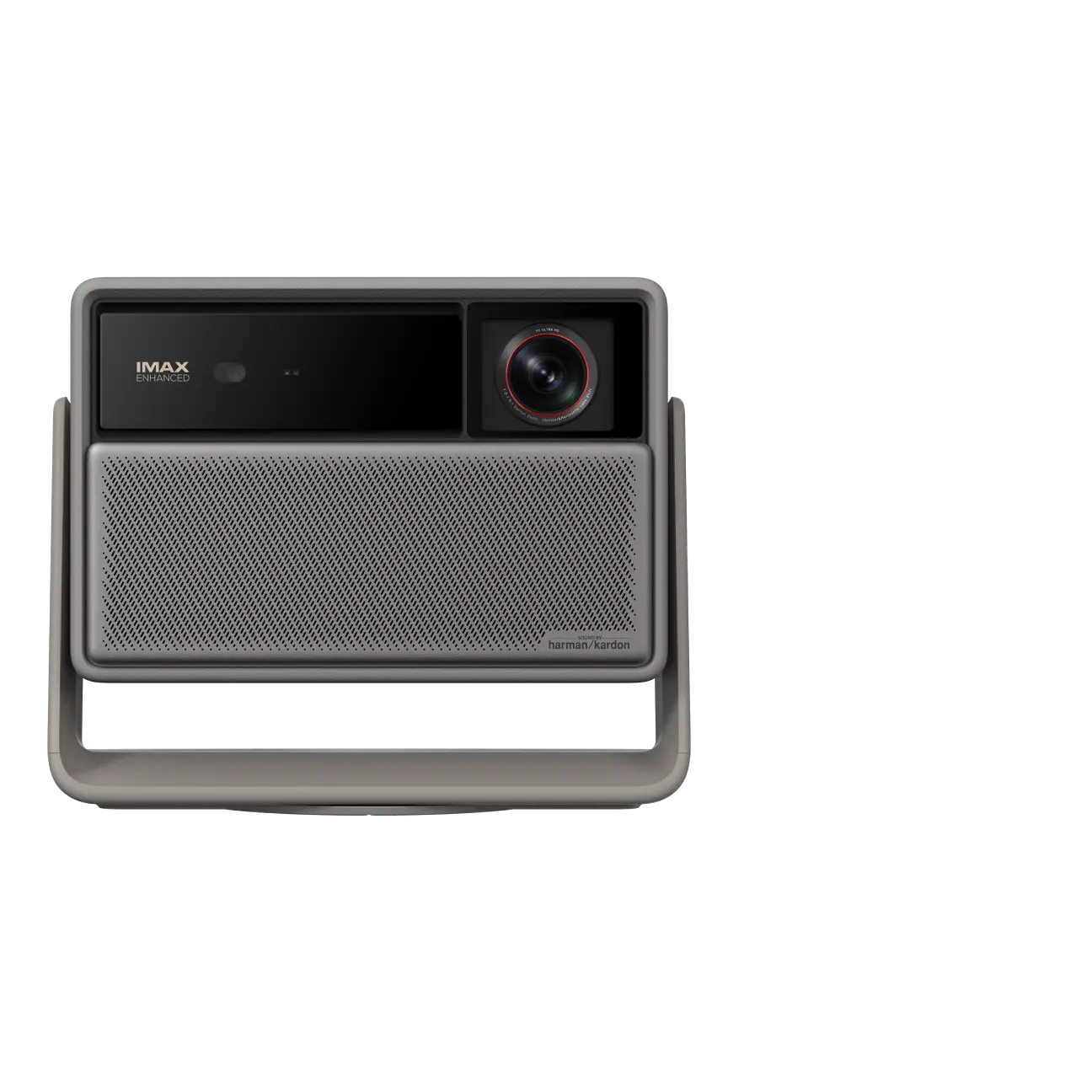
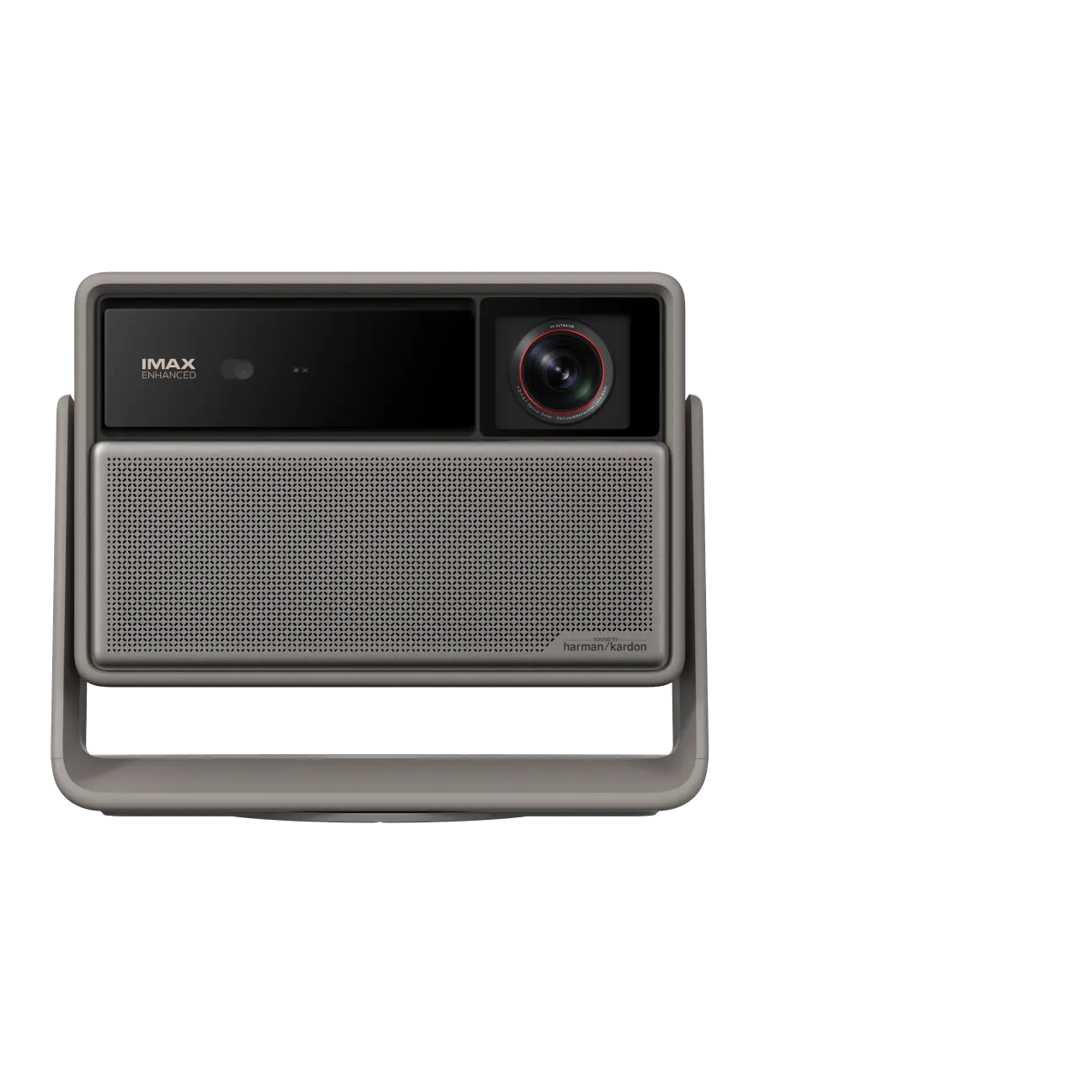
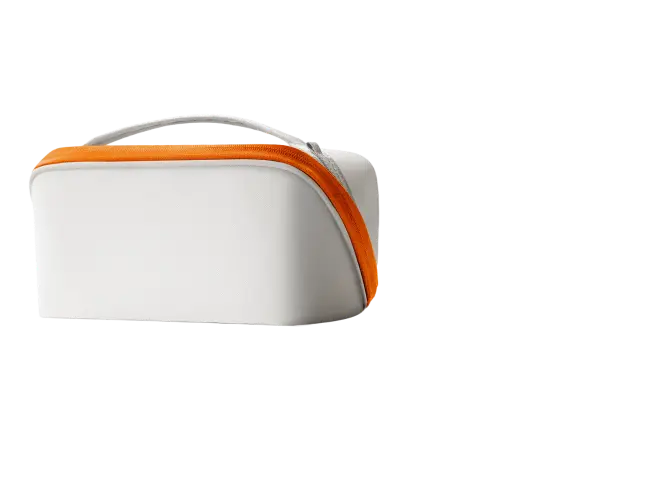
- Portable projectors with quick-stow storage: Offer flexibility for apartment dwellers. Models that fit neatly into decorative baskets, wall niches, or low-profile stands can be put away in seconds. While they sacrifice the permanence of a fixed mount, they avoid permanent alterations to the room and reduce alignment headaches.
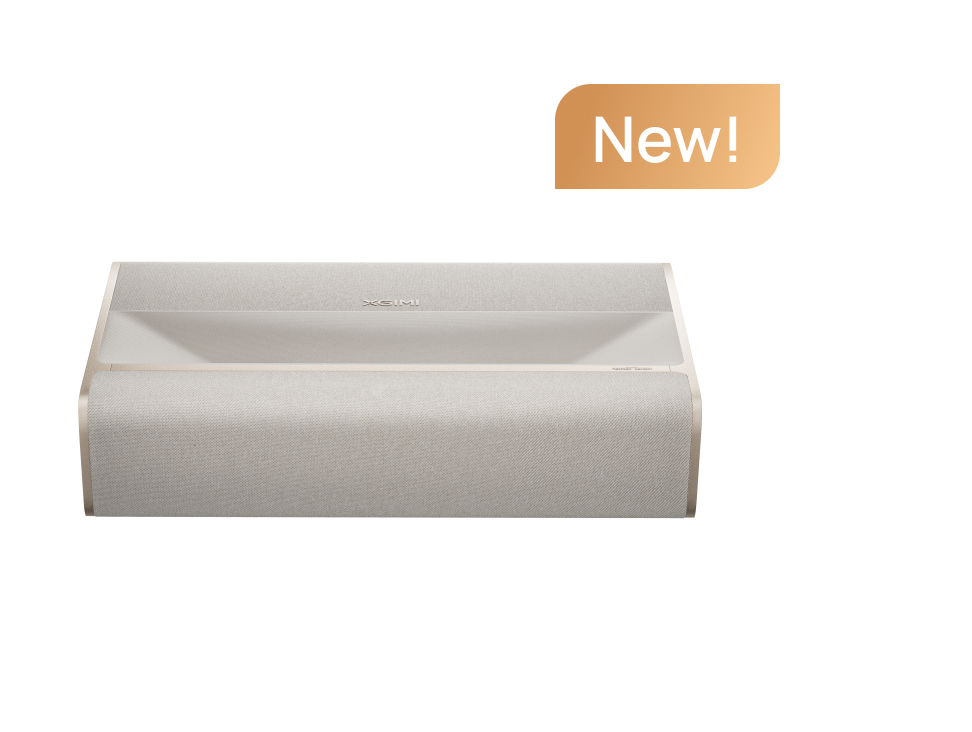
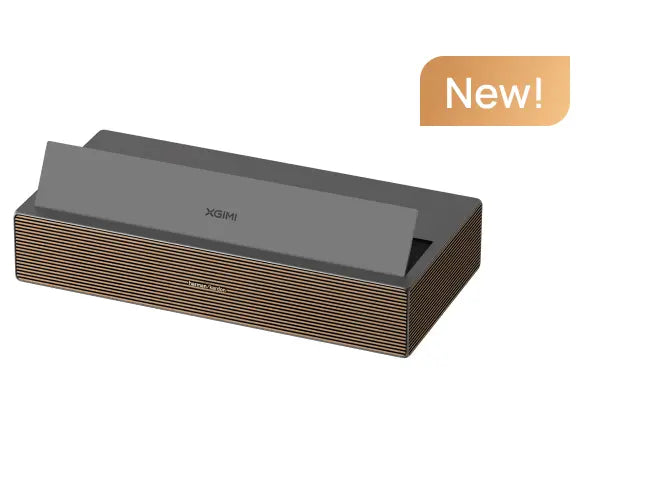
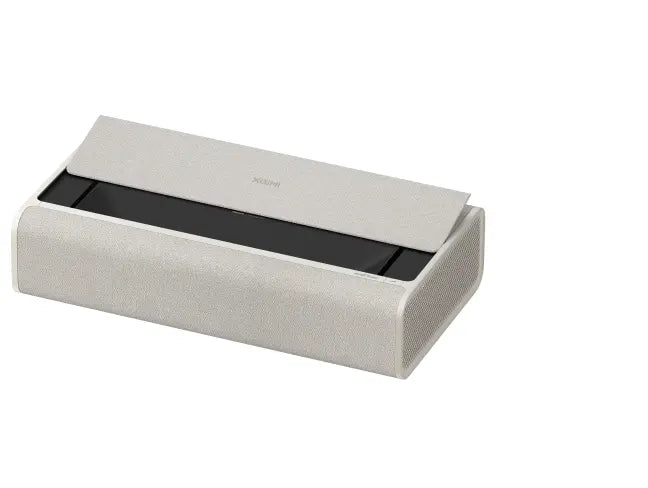
- Ultra-short-throw (UST) projectors in media furniture: Especially popular for minimalist setups. Because they sit close to the screen or wall, they can live inside a console that doubles as a sideboard. This keeps the projector largely hidden while maintaining excellent image size in smaller rooms.
- Decorative shelf or architectural concealment: Uses open shelving, false walls, or molding to tuck the projector behind art or plants. This approach is lower-cost and easier to install but may still leave some hardware visible and requires precise throw-distance calculations.

Decision Framework: Which Method Fits Your Room?
The best hiding strategy usually depends on whether your living room layout is stable or frequently rearranged. In fixed living rooms with dedicated seating, permanent ceiling or furniture-integrated solutions often deliver the cleanest long-term result. In small apartments or multipurpose spaces, quick-stow portable options or UST consoles tend to create less daily friction.
Consider these scenario-based guidelines:
- Stable living room with fixed seating: Ceiling drop or built-in cabinet works well if ventilation paths remain open.
- Small apartment with shared space: Favor portable stow or UST in a console to avoid permanent modifications.
- Open-plan home: Prioritize methods that preserve sightlines and allow easy cable management without visible clutter.
A helpful way to compare options is to evaluate them across five practical criteria. The radar chart below shows illustrative relative strengths based on common homeowner experiences and heuristic modeling.
Trade-offs Among Common Projector Hiding Methods
Illustrative comparison of hiding methods; higher scores mean better performance on each criterion, not measured data.
View chart data
| Series | Aesthetics | Convenience | Low Installation Complexity | Ventilation Safety | Alignment Ease |
|---|---|---|---|---|---|
| Ceiling Mount with Drop | 8.0 | 5.0 | 4.0 | 7.0 | 7.0 |
| Furniture Cabinet | 9.0 | 7.0 | 3.0 | 4.0 | 6.0 |
| Portable Stow | 5.0 | 9.0 | 9.0 | 8.0 | 4.0 |
| UST in Media Console | 8.0 | 8.0 | 4.0 | 5.0 | 8.0 |
| Decorative Shelf | 7.0 | 6.0 | 8.0 | 6.0 | 5.0 |
Heuristic / illustrative scoring based on the article's viewpoint modules: reverse recommendation against enclosed no-airflow setups, scenario matrix for living-room stability vs small-apartment mobility, hidden trade-offs between clean look and friction, and ventilation-clearance thresholds. Scores are relative 1-10 rankings, not measured performance or product test data.
Note: These scores are illustrative comparisons meant to highlight trade-offs rather than declare absolute winners. Your room’s specific constraints will ultimately matter more than any generalized chart.
Practical Thresholds and Safety Rules
No matter which method you choose, certain boundaries protect performance and longevity. While every model differs, these general rules of thumb help prevent common failures:
- Ventilation Clearance: As a general heuristic, aim for at least 4–6 inches (10–15cm) of clear space around intake and exhaust vents. Always verify the specific clearance requirements in your projector's user manual, as some high-brightness models require significantly more airflow.
- Airflow Integrity: Ensure the hiding enclosure allows natural or fan-assisted airflow; fully sealed cabinets are high-risk for overheating.
- Weight and Path: For ceiling installations, verify that the mount can support the projector’s weight and that the drop mechanism does not obstruct the lens path.
- Signal Transparency: Test remote and Wi-Fi signal strength inside the concealment space—some materials like metal or thick wood can block infrared or wireless signals.
- UST Specifics: In small rooms, ultra-short-throw models often tolerate tighter placements better than standard-throw projectors, but they are more sensitive to surface levelness.
If your chosen method would force the projector into a tight cavity with minimal clearance, reconsider. The convenience of a hidden look disappears quickly when the unit runs hot or the fan becomes noisy. As this official guide to mounting projectors explains, proper placement and clearance are essential for both performance and safety.
Avoiding Common Concealment Mistakes
Based on common installation pitfalls, watch out for these "hidden" issues:
- Overheating: Placing the unit inside a closed cabinet without ventilation modifications is the top cause of thermal warnings and reduced lamp or laser life.
- Alignment Drift: Methods that require moving the projector after every use often lead to frustrating recalibration sessions.
- Cable Clutter: Even a beautifully hidden projector looks messy if power and HDMI cables trail visibly. Plan for in-wall or channeled routing early.
- Access Difficulty: A projector that is hard to reach for cleaning or firmware updates will eventually be used less often.
- Compromised Image Quality: Hiding behind frosted glass, mesh, or thick fabric can soften brightness and contrast noticeably.
Step-by-Step Checklist for Choosing and Installing
Use this practical sequence to evaluate options in your own space:
- Measure: Record your ceiling height, throw distance to the screen, and available furniture depth.
- Consult the Manual: Identify the projector’s vent locations and required clearance.
- Frequency Check: Decide whether you prefer a permanent install or quick-stow flexibility based on how often you actually watch movies.
- Signal Mock-up: Test signal strength and remote functionality in the proposed hiding spot using a temporary cardboard mock-up.
- Budgeting: Calculate total project cost including any carpentry, electrical work, or specialized mounts.
- Thermal Test: Verify that the chosen method maintains comfortable operating temperatures during a 30-minute test run before finalizing the enclosure.
For those considering ceiling mounting, the detailed steps in How to Mount Projector to Ceiling: Step-by-step Guide for Beginner provide helpful guidance on hardware selection. Living room users may also benefit from reviewing How to Choose and Set Up a Projector for Living Room? before finalizing placement.
When to Skip Hiding Altogether
Not every room or lifestyle supports full concealment without compromise. Avoid forcing a hidden setup if:
- Your furniture is rearranged often.
- The only viable hiding spot lacks adequate ventilation.
- Installation would require major structural changes that exceed your budget.
- You want the simplest possible movie-night routine.
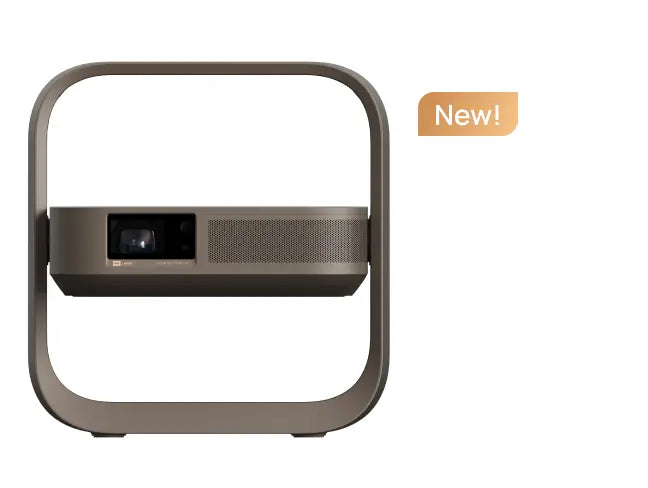
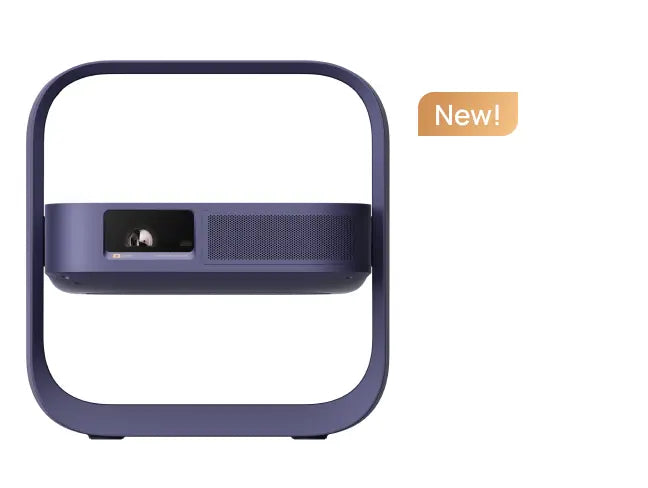
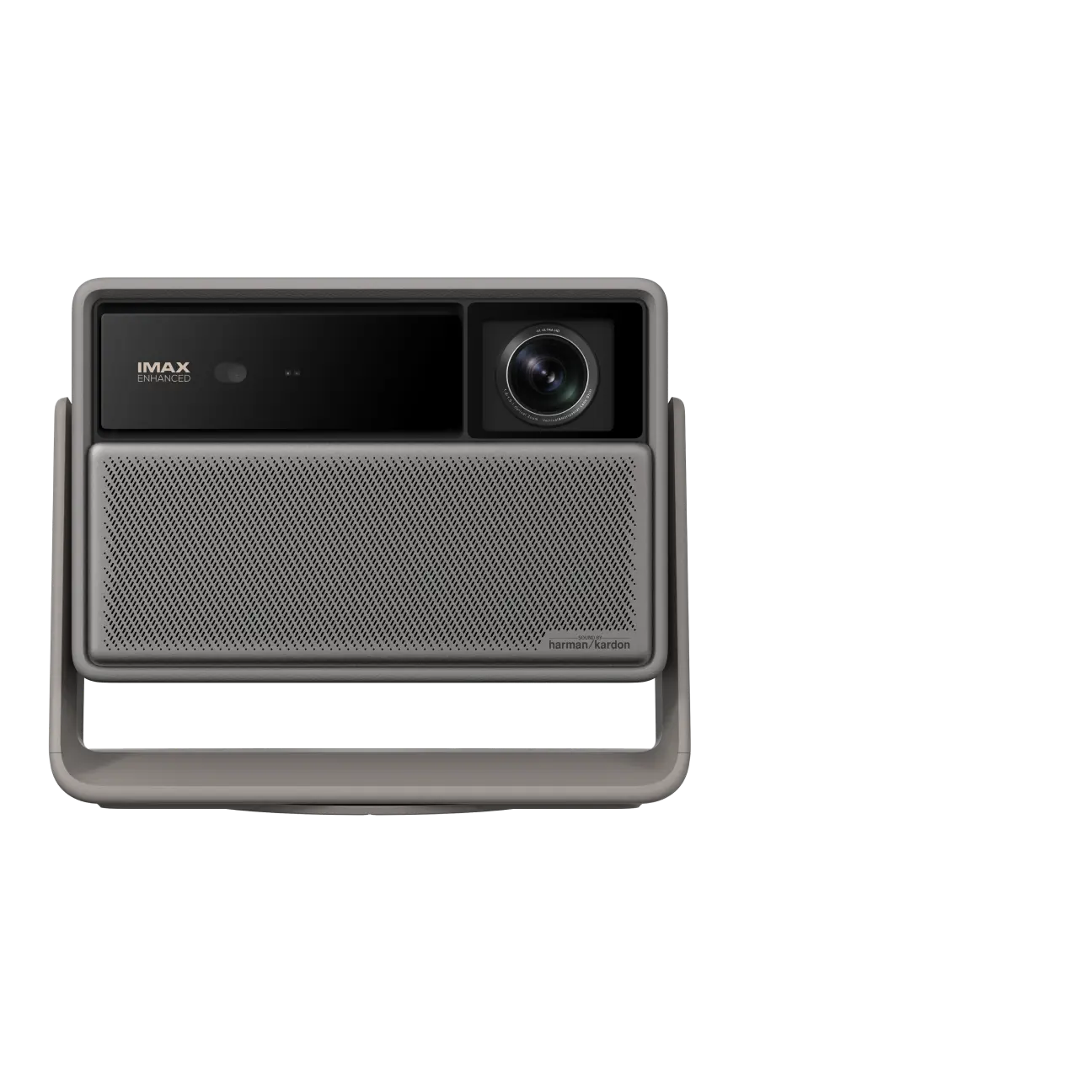
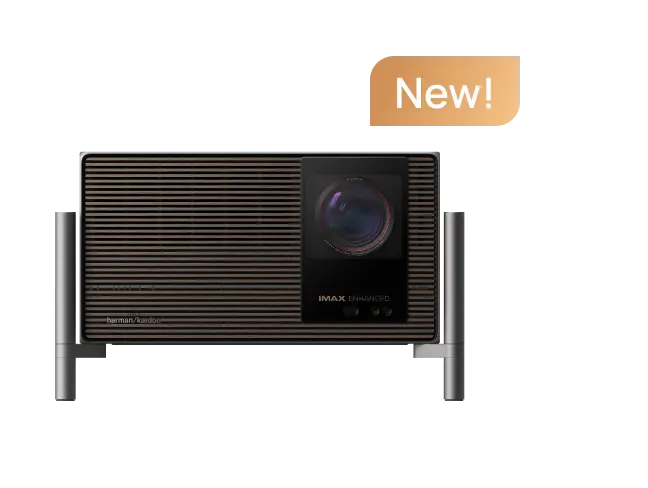
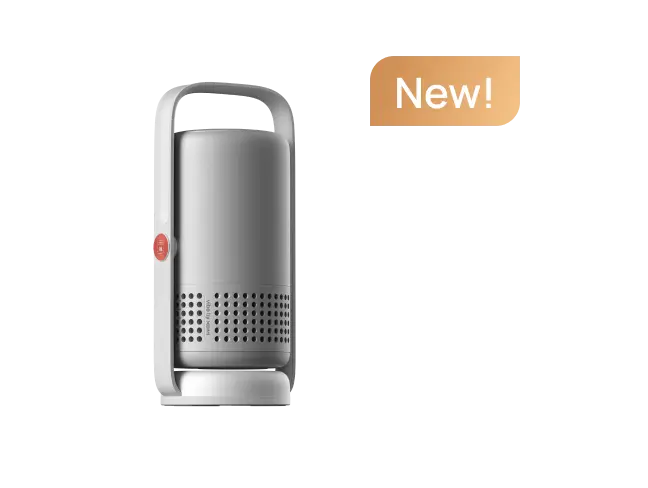
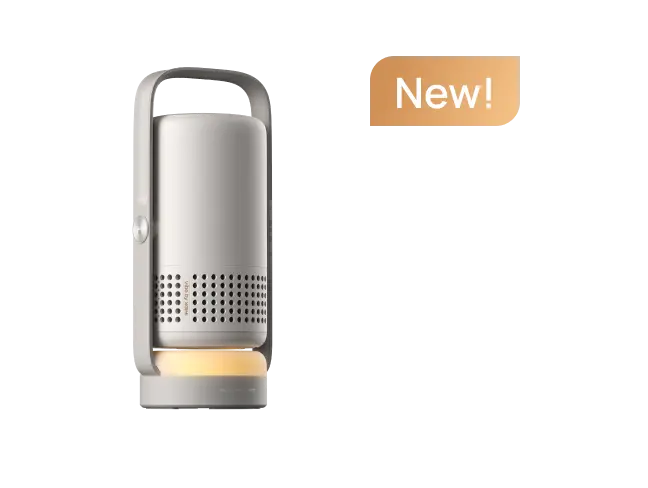
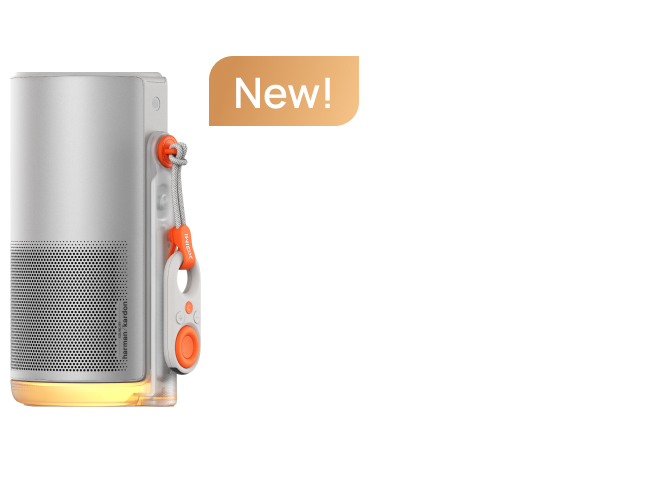
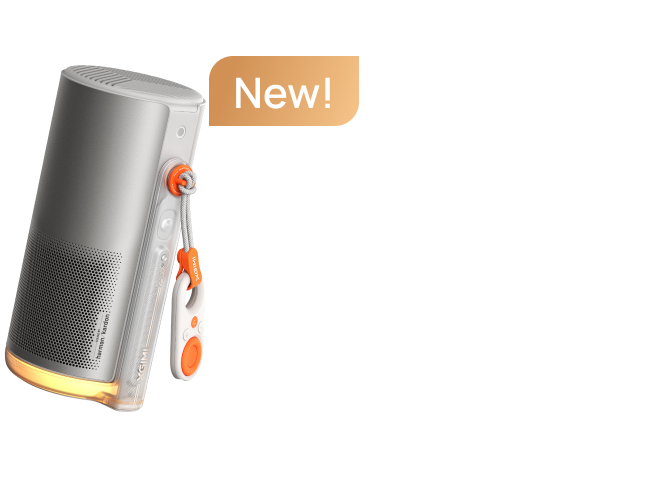
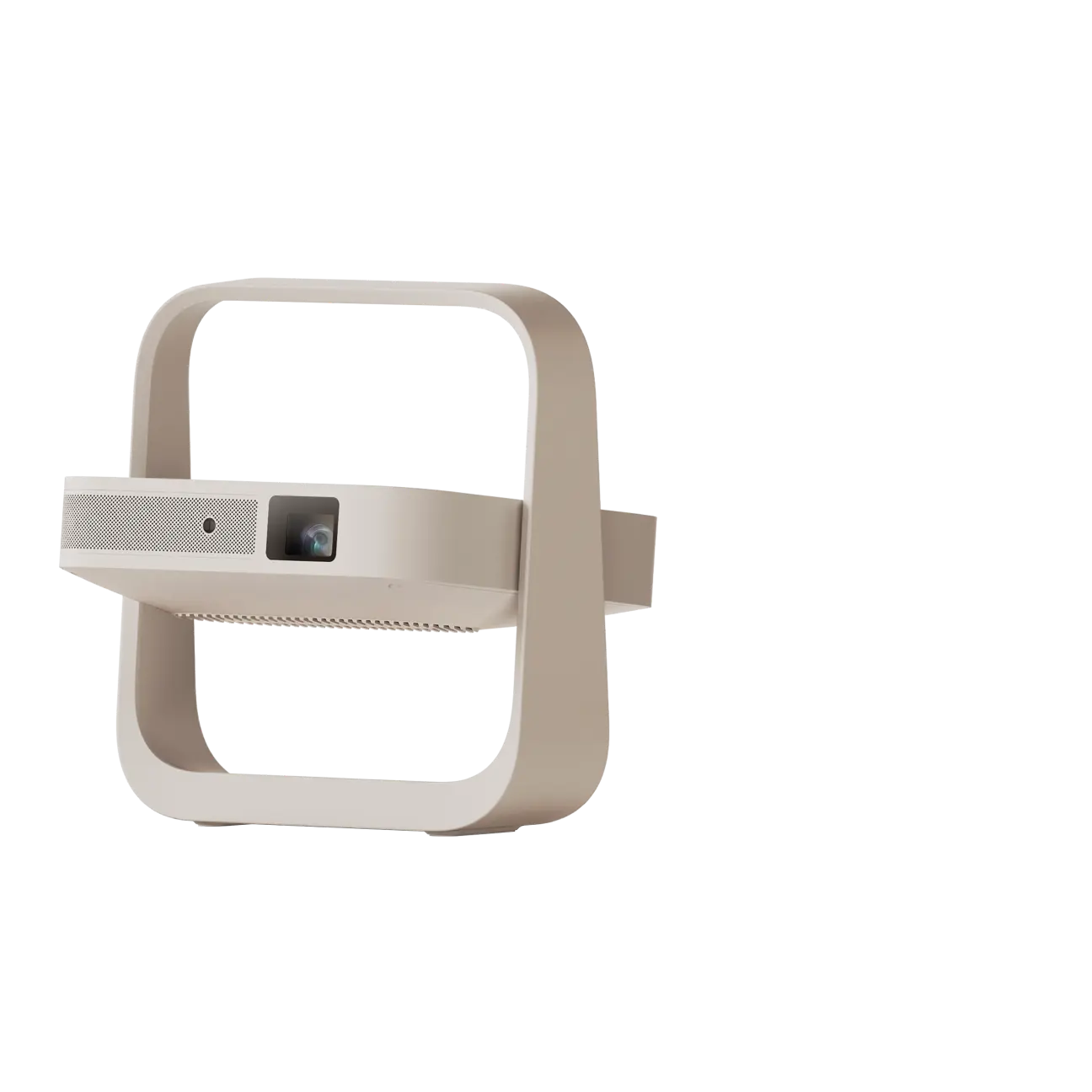
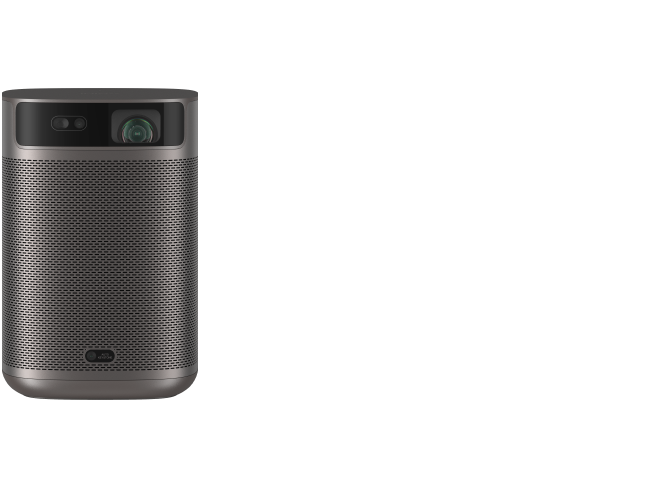
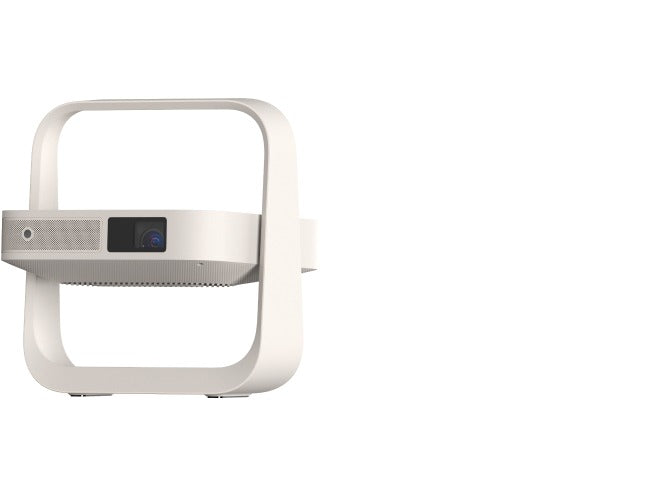
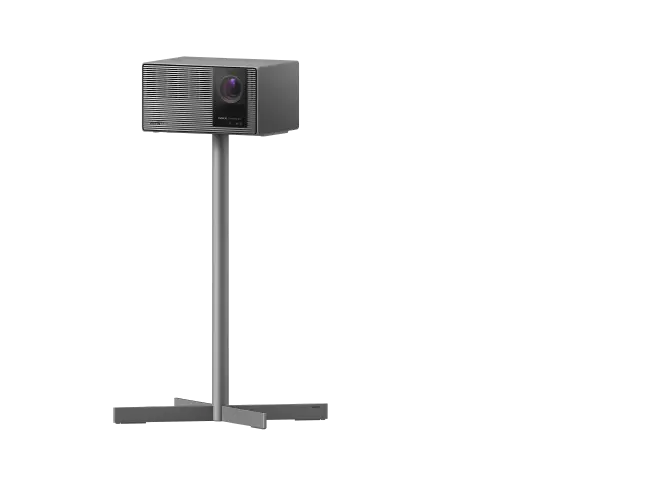
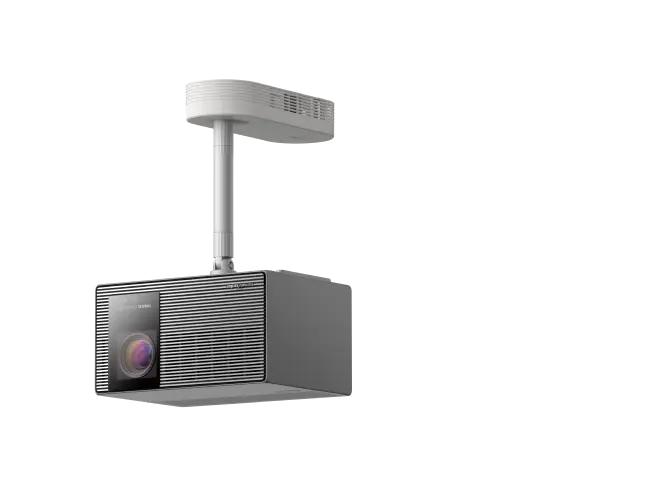
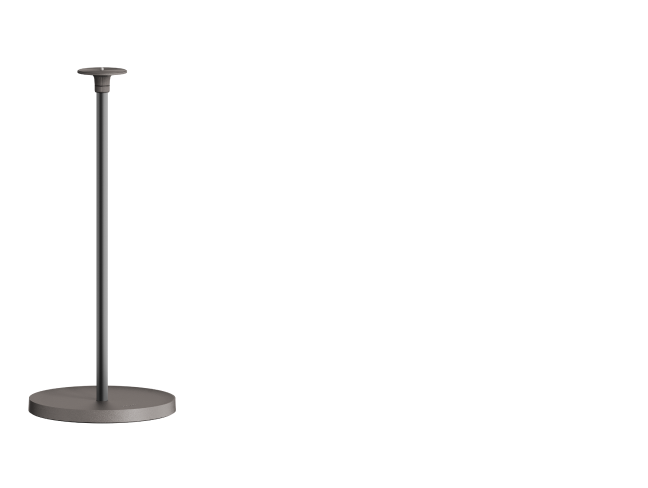
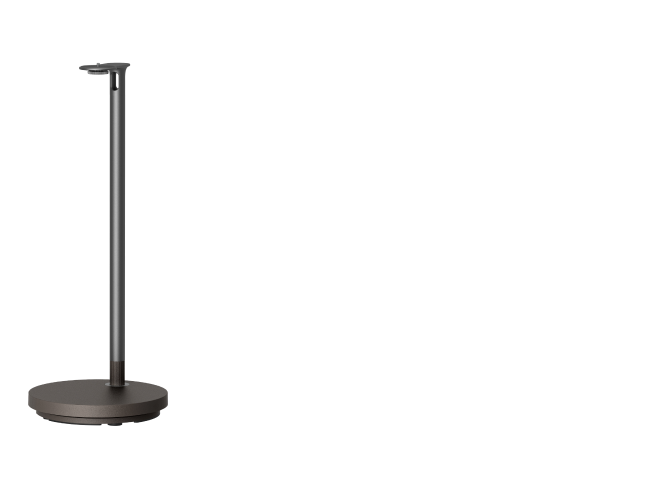
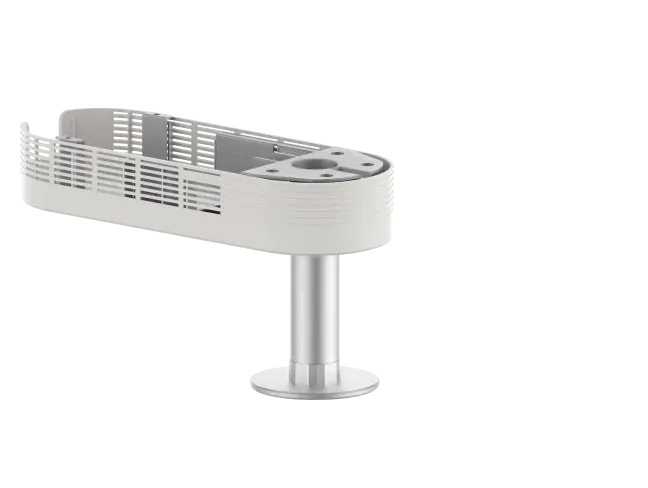
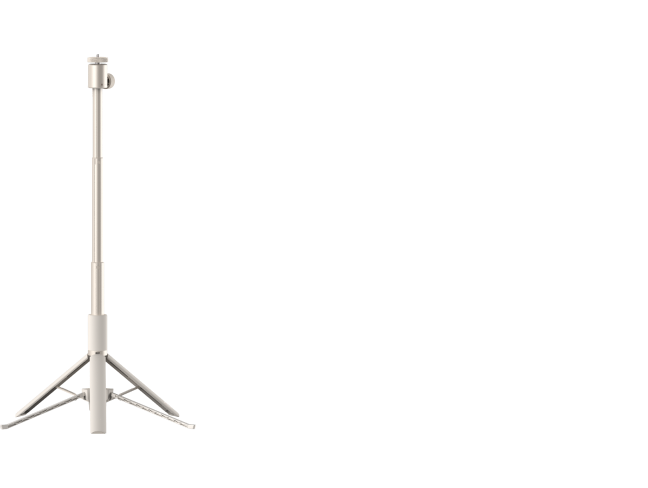
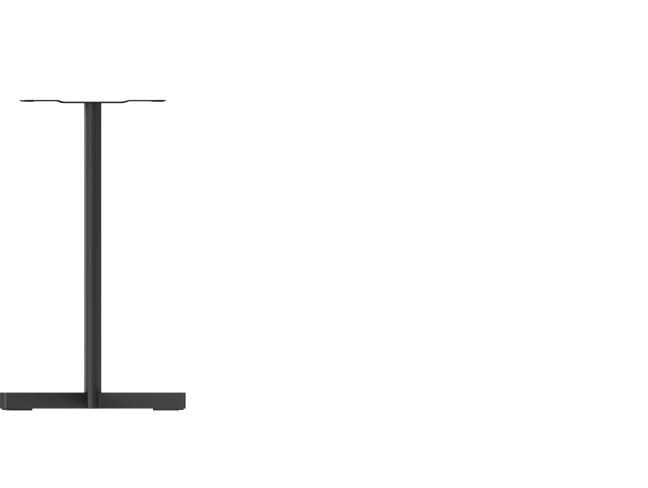
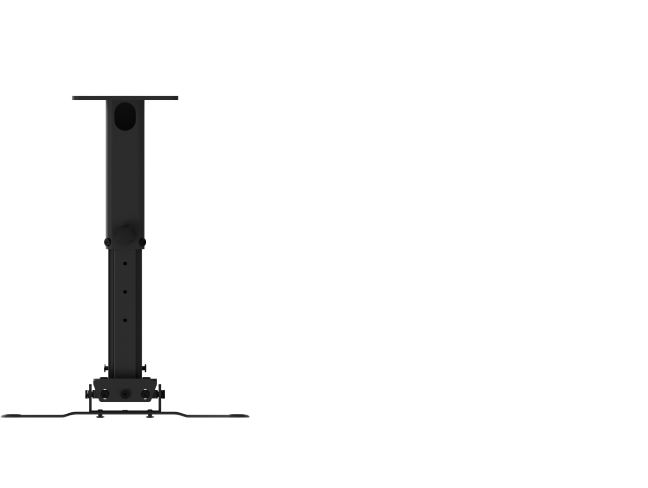
In these cases, a clean visible mount, elegant floor stand, or minimalist shelf placement often delivers better daily satisfaction. The X-Floor Stand or XGIMI Ceiling Mount can provide tidy, low-profile alternatives. Portable options like the Halo+ (New) or MoGo 4 also allow easy storage in decorative baskets or closets when not in use.
Balancing Aesthetics, Convenience, and Performance
The most successful minimalist projector setups rarely look completely invisible in real life. Instead, they achieve a calm, uncluttered room while remaining easy to use. Prioritize ventilation and repeatable alignment even if it means accepting a slightly less dramatic concealment.
Many owners find that a thoughtfully chosen semi-hidden approach—such as a UST projector inside an attractive console or a ceiling-mounted unit that retracts cleanly—delivers the best overall experience. Explore Home Projectors and Stands collections to find models and accessories that match your goals.
Final Thoughts
Hiding a projector successfully is less about making the device disappear and more about integrating it thoughtfully. By respecting ventilation needs and choosing a method that matches your daily habits, you can enjoy big-screen entertainment without visual clutter.
Disclaimer: This article discusses comfort and setup considerations only. It does not constitute technical, electrical, or structural installation advice. Improper modifications to furniture or ceilings can create safety risks. Consult qualified professionals for any structural or electrical work. Always refer to your projector’s official documentation for safety and maintenance requirements.


