









Space and power constraints make movie nights inside an RV feel like a luxury, yet a portable projector with smart power choices can deliver a satisfying home theater experience without quickly depleting your house batteries. The key is matching the projector to your RV's electrical system, keeping sessions short or supplementing with efficient sources, and minimizing extra draw from brightness, streaming, or audio add-ons.

Portable projectors designed for camping and travel often include built-in rechargeable batteries that let you skip the inverter entirely for one or two movies. Models that run 2 to 3 hours at medium brightness on battery alone reduce risk to your RV's house batteries, especially during off-grid boondocking or rainy evenings when shore power is unavailable. When used thoughtfully, these setups preserve battery reserve for lights, fridge, or other essentials while providing big-screen entertainment in tight quarters.
Understanding RV Power Systems and Projector Compatibility
RVs typically rely on a mix of house batteries (often 12V lead-acid or lithium), shore power when hooked up, solar panels with charge controllers, and inverters that convert DC to AC. Each path affects how safely you can run a projector. Direct 12V or built-in battery operation avoids inverter losses of roughly 15-20 percent, which otherwise shorten usable runtime and increase heat.
High-brightness modes and accessories quickly compound consumption. Streaming sticks, external speakers, or always-on autofocus and keystone correction add modest but cumulative draw. In a small campervan with modest battery capacity, running everything at maximum can cut effective viewing time in half compared with a lean setup.

A practical first step is auditing your RV's battery bank size and typical daily draw before adding entertainment. Many weekend RVers discover they can run a low-power portable projector for one feature film on battery power alone, while full-time vanlifers may need solar input or shore power for longer sessions.
Choosing the Right Portable Projector for RV Use
Look for projectors with native or effective 1080p resolution, at least 300-500 ANSI lumens for controlled indoor lighting, and a built-in battery rated for 2+ hours. Compact weight under 3-4 pounds and quick auto-focus or keystone features reduce setup time inside a moving vehicle or tight layout.
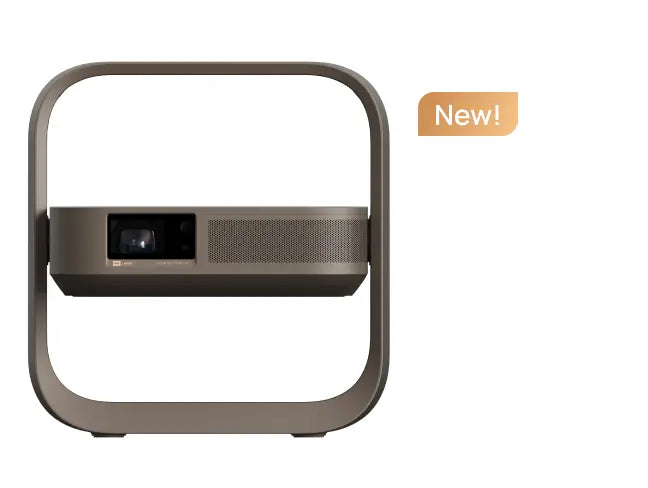
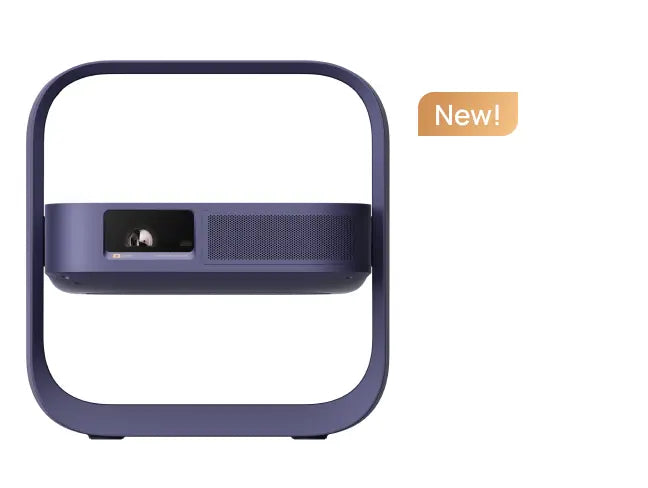
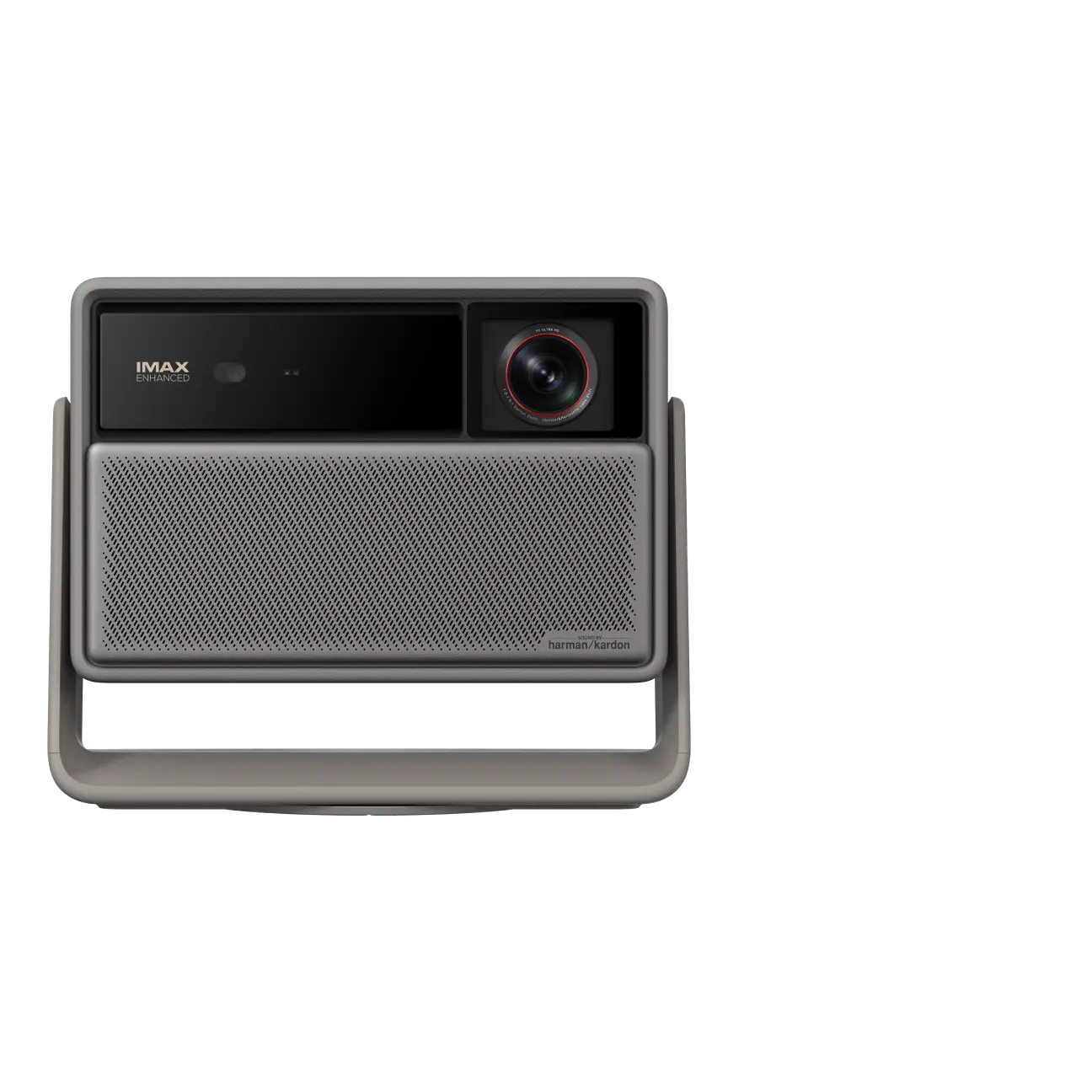
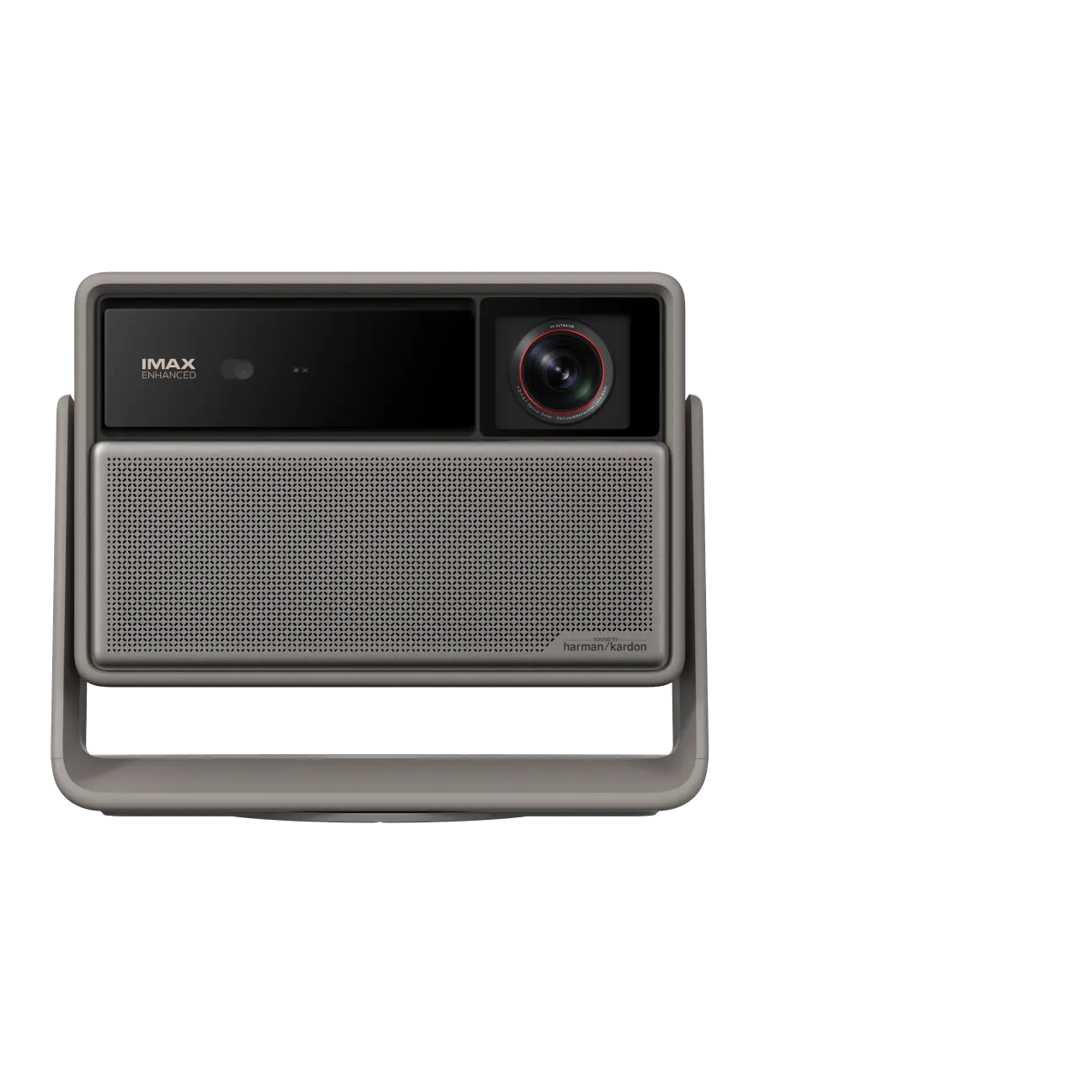
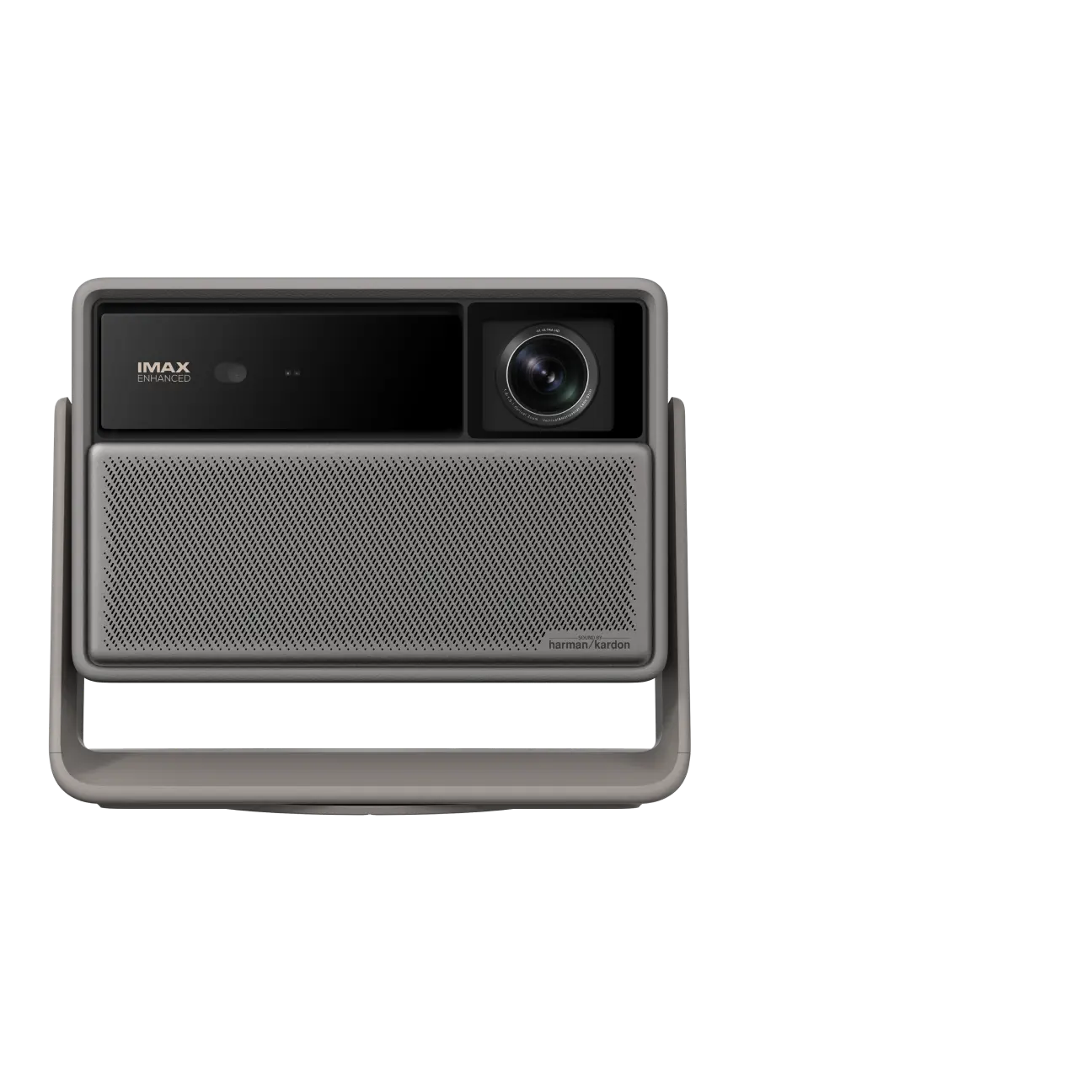
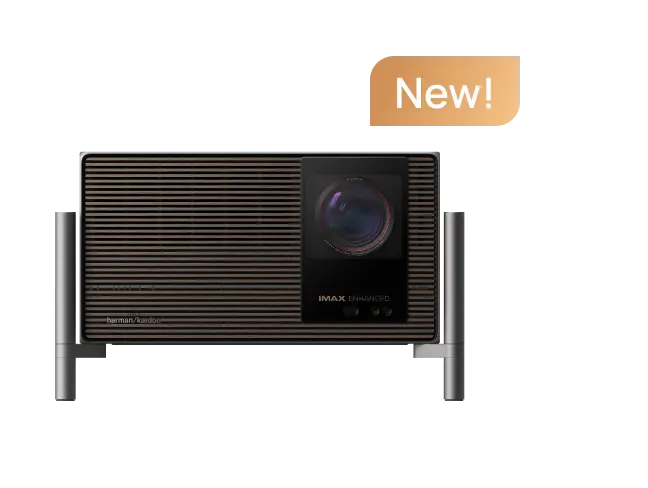
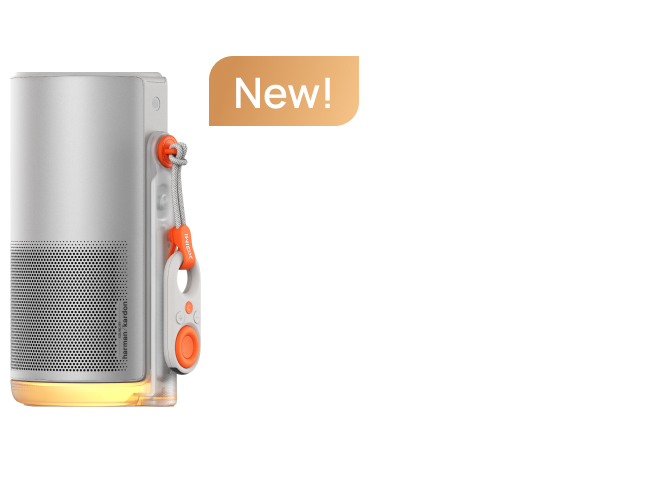
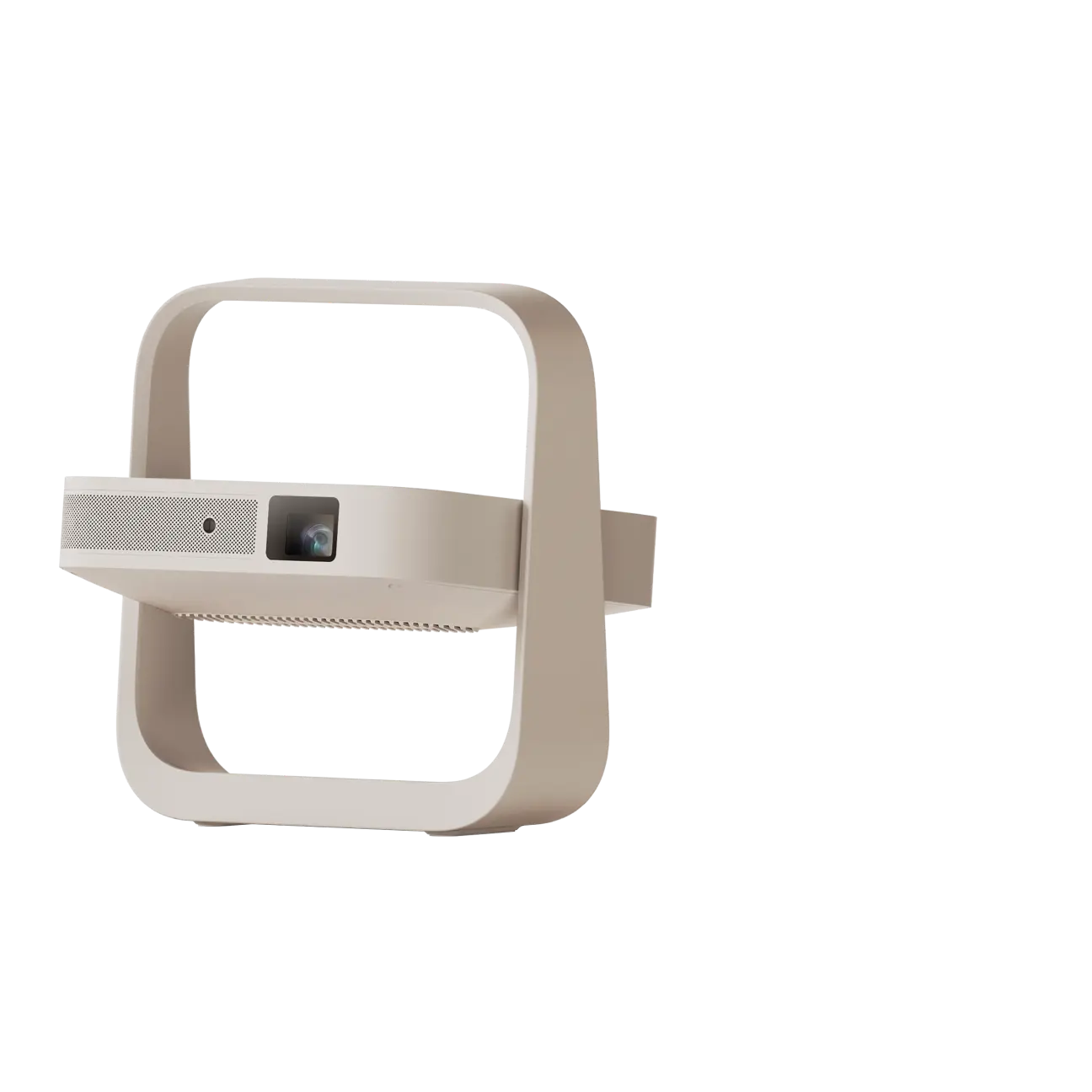
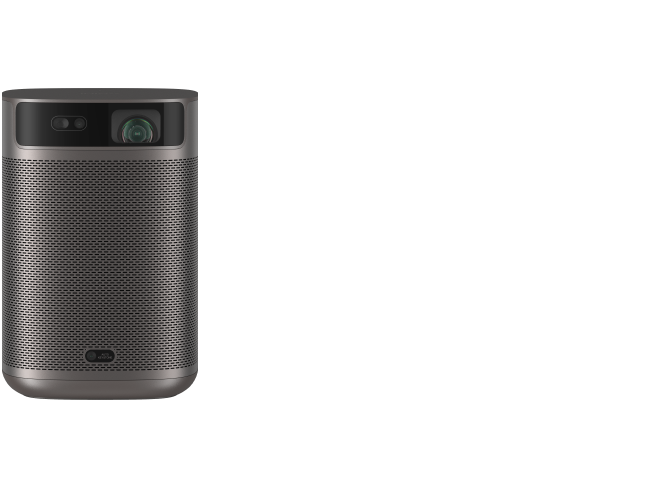
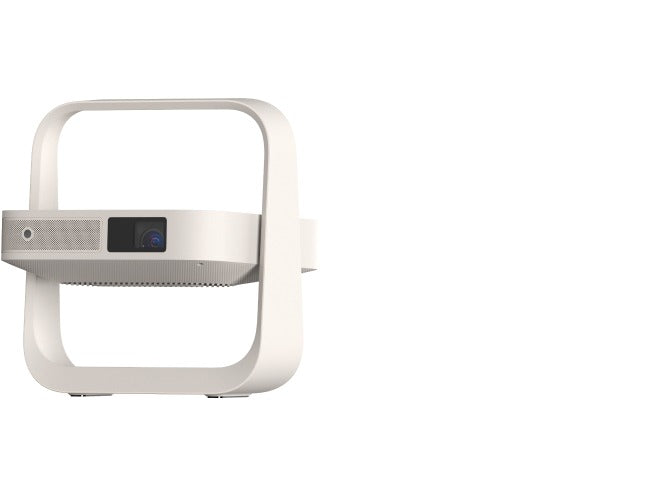
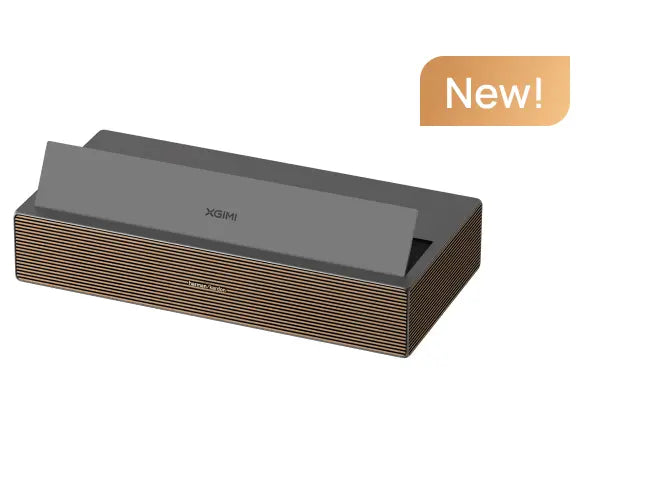
Popular options in the portable category include models with Harman Kardon audio, Android TV or Google TV integration, and low-power eco modes. These features let you stream directly without an extra device in many cases, trimming overall power budget. Battery-powered units also double as emergency lights or outdoor projectors when parked.
Avoid assuming higher advertised lumens always translate to better RV performance. Real-world indoor use in dimmed lighting rarely needs maximum output, and the power penalty for high-brightness modes is often disproportionate. Prioritize runtime and efficiency over peak brightness unless your RV has reliable shore power or large solar arrays.
Power Management Strategies to Avoid Battery Drain
The most reliable way to enjoy projector nights without draining batteries is to run the unit on its internal battery whenever possible. This bypasses the inverter and keeps your house bank untouched. For sessions longer than the built-in battery allows, connect via efficient 12V outlets or a dedicated power station rather than a standard inverter.
Limit brightness to medium or eco mode for indoor viewing. In a typical RV with curtains drawn, medium settings often deliver comfortable contrast while extending runtime by 30-50 percent compared with high mode. Disable unnecessary features like constant Bluetooth scanning when not in use.
Streaming directly from the projector's smart platform generally draws less power than attaching a separate Fire Stick or Roku. If you must use an external source, choose low-power HDMI options and power them from the same battery pack as the projector when feasible.
Audio management matters too. Many portable projectors include decent built-in speakers sufficient for small interiors. Adding a separate Bluetooth speaker increases draw and requires charging another device. Reserve external audio for shore-power nights or when the RV's existing sound system can be used.
Here is a heuristic visualization of how runtime changes across common scenarios. These are illustrative estimates anchored to typical portable projector behavior, not lab measurements.
Estimated Runtime by Power Scenario for Portable Projectors in RVs
Heuristic runtime estimates for RV projector use under different power setups.
View chart data
| Category | Battery only | Solar assisted | Shore power |
|---|---|---|---|
| Low brightness | 3.5 | 4.5 | 8.0 |
| Medium brightness | 2.5 | 3.2 | 8.0 |
| High brightness | 1.6 | 2.0 | 8.0 |
| Medium + streamer | 2.2 | 2.8 | 8.0 |
| High + inverter loss | 1.3 | 1.6 | 8.0 |
Illustrative, conservative scenario model based on typical portable projector behavior in RV use. Runtime is estimated from commonly cited built-in battery ranges (about 2-3 hours at medium brightness), with higher brightness reducing runtime and accessories/ inverter losses shortening it further. Solar-assisted values assume partial daytime recharge or load offset; shore power is treated as effectively unconstrained within a movie-night context. Not a measured dataset.
The chart shows how runtime shrinks once you increase brightness, add streaming devices, or rely on an inverter. Battery-only setups remain viable for most evening movies when kept at medium settings without extras. Solar assistance helps extend that window modestly during daylight hours, while shore power removes the constraint for longer or brighter sessions.
Optimal Placement, Mounting, and Screen Choices in Tight RV Spaces
Wall projection often wins for space efficiency. Most RVs have light-colored interior walls that work reasonably well once you adjust color temperature and keystone. A dedicated portable screen adds consistency but consumes storage space and setup time.
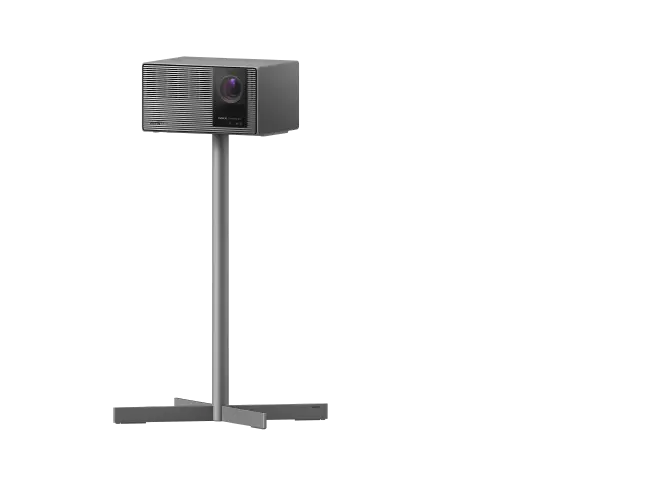
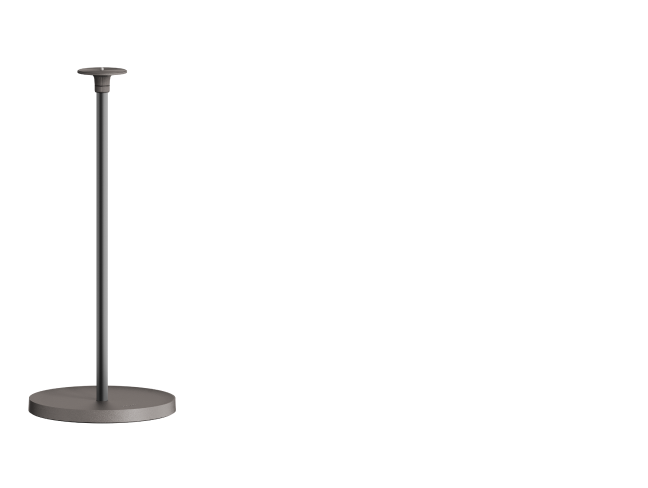
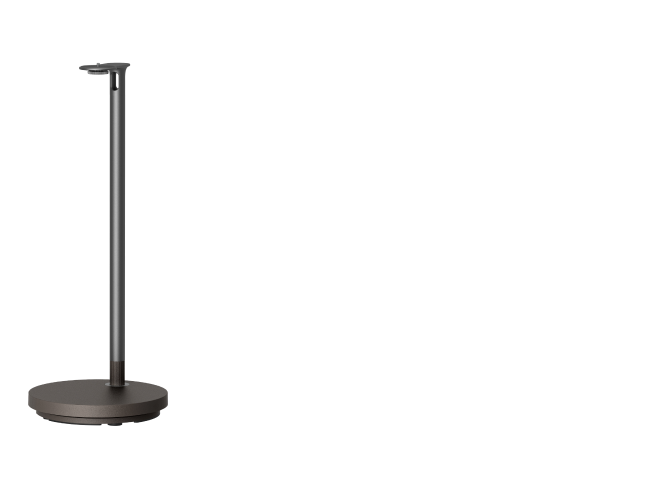
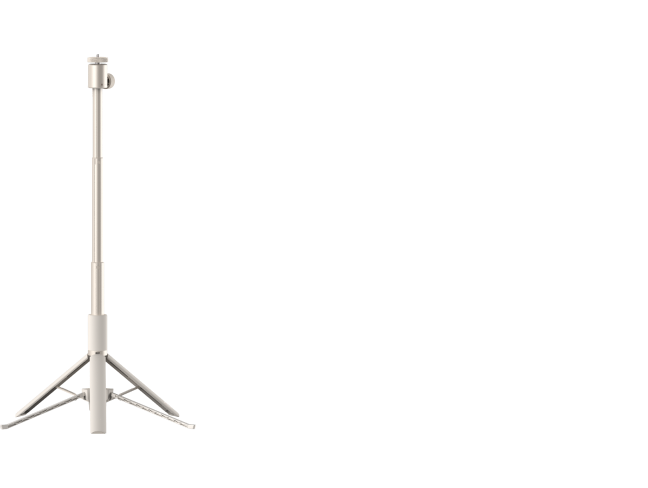
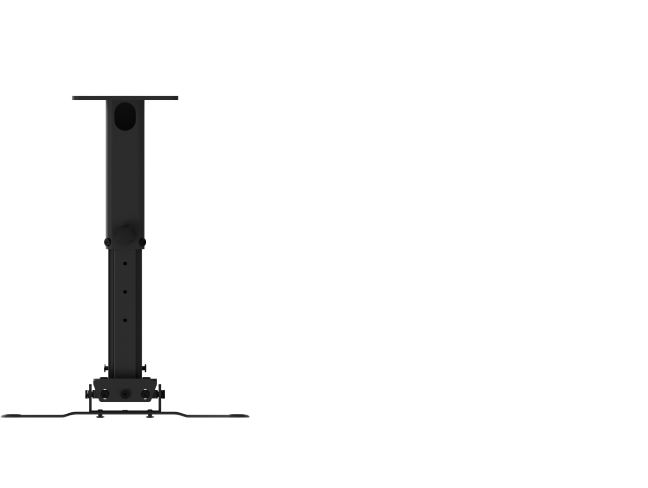
Mounting solutions range from small tripod stands to suction-cup or clamp mounts that attach to cabinets or walls without permanent modification. In a van or small camper, a foldable stand that stores flat is usually more practical than a fixed ceiling mount. Stability matters when the vehicle might rock or when children are moving around.
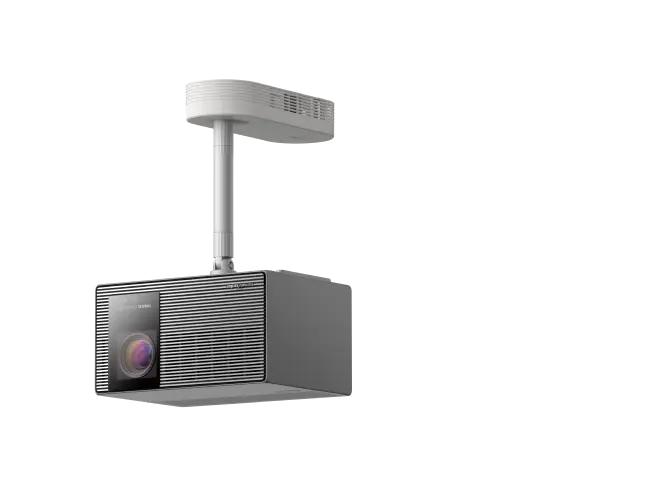
Position the projector low or high to minimize shadows from people walking through the space. Ceiling projection is possible with some models but requires careful alignment and can feel disorienting for viewers. Test placement during daylight so you can fine-tune focus and image size before dark.
For audio, place the projector where its built-in speakers face the audience. Many units allow Bluetooth output to the RV's existing speakers if you prefer to avoid extra hardware.
Internet, Media Playback, and Accessory Tips
Pre-download movies or use offline streaming apps when cellular signal is weak. This avoids constant Wi-Fi searching that drains battery. When signal is available, the projector's built-in smart platform usually provides the lowest-power path to Netflix, YouTube, or other services.
Keep cables minimal and organized. A single USB-C power cable plus one HDMI if needed prevents clutter that can trip occupants or create heat pockets. Use quality 12V adapters rated for your projector's input rather than generic ones that may introduce inefficiency.
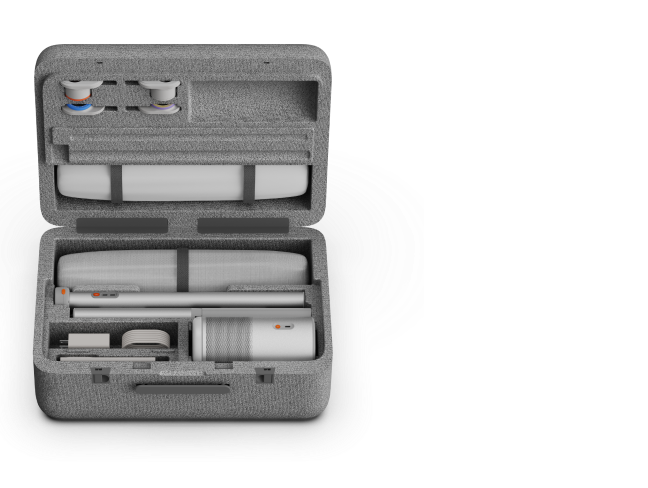
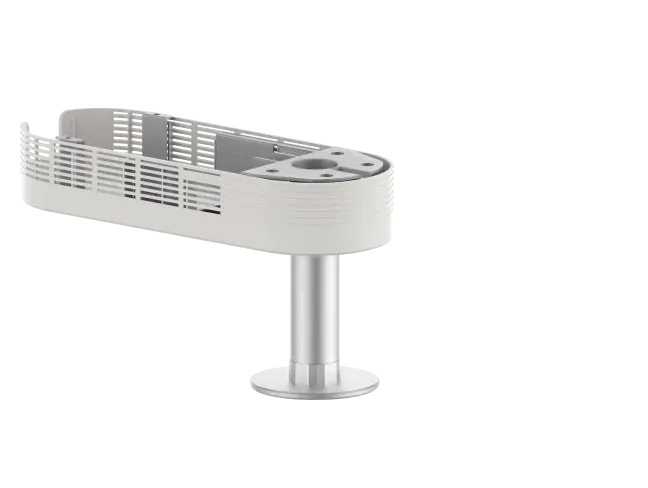
Consider a compact power station or dedicated projector battery pack for extended trips. Some accessories, such as the XGIMI PowerBase Stand for compatible MoGo models, combine a stable stand with extra battery capacity specifically designed for these use cases.
Scenario-Based Decision Guide
The best setup depends heavily on your typical travel style. For short off-grid movie nights in a campervan, a built-in battery portable projector minimizes inverter use and battery stress. Frequent streaming with high brightness and louder audio favors shore power or a high-capacity RV electrical system, since total draw rises quickly.
When mostly parked with shore power available, either battery or plug-in models work well because power savings matter less. However, if you must run entirely from house batteries during boondocking, choose the lowest-draw projector with a simple source setup to reduce conversion losses.
Solar-supplemented systems make moderate power draw more acceptable, provided viewing is not back-to-back without recharge time. Rainy-day indoor entertainment in tight quarters rewards the setup that is easiest to align and power consistently rather than the largest or brightest option.
Pre-Setup Checklist for Safe and Efficient RV Projector Use
Before your first movie night, verify these points:
- Confirm your house battery state of charge and daily consumption baseline.
- Test the projector on battery-only mode for at least one full movie length.
- Measure approximate runtime at your planned brightness and content type.
- Identify a stable, level mounting surface that avoids blocking walkways.
- Prepare a dark environment by closing curtains or using window covers.
- Have a backup charging plan (solar, generator, or shore power) if sessions run long.
- Check that all accessories are fully charged or powered from the same efficient source.
Following this checklist helps catch compatibility issues before you are parked in a remote location with low batteries.
Common Mistakes and How to Avoid Them
Many RV owners underestimate combined power draw from the projector, streaming device, and speakers. Running everything simultaneously on an inefficient inverter can deplete a modest battery bank in under two hours. Keep the chain simple and monitor battery voltage during the first few uses.
Another frequent issue is unstable mounting that requires frequent readjustment, especially on uneven ground or when the vehicle is lightly rocked by wind or passing traffic. Invest in a small, weighted stand or clamp system rather than balancing the projector on a makeshift surface.
Over-relying on maximum brightness in already dim interiors wastes power without visible improvement. Start at medium and only increase if ambient light leaks in.
Ignoring heat buildup is risky in small enclosed spaces. Ensure the projector has airflow and avoid placing it inside a cabinet or near fabrics.
Health and Comfort Considerations for RV Viewing
This article discusses comfort and setup advice for using projectors in recreational vehicles. It does not constitute medical advice, diagnosis, or treatment. Extended screen time in any format can contribute to eye strain or disrupted sleep patterns. Take regular breaks, maintain reasonable viewing distances, and ensure the environment is well ventilated. If you experience persistent eye discomfort, headaches, or other symptoms, consult a qualified healthcare professional.
Final Recommendations
A well-chosen portable projector can transform rainy or off-grid evenings into enjoyable movie nights without compromising your RV's power system. Focus first on models with reliable built-in batteries and efficient operation, then optimize placement and accessories to match your specific power availability and interior layout. By keeping sessions reasonable, brightness moderate, and extra devices minimal, most users can enjoy big-screen entertainment while preserving battery reserve for essential systems.
When your travel style includes frequent shore power or robust solar, you gain flexibility to explore brighter or feature-rich models. For pure boondocking, the leanest battery-powered setups deliver the most reliable experience. Test your complete configuration during a weekend trip before relying on it for longer journeys, and adjust based on real measured runtime in your vehicle.
With these practices, portable projection becomes a practical and power-conscious addition to vanlife and RV living rather than a hidden battery drain.


