




The Evolution of Outdoor Cinema in 2026
Taking your favorite movies outdoors has become simpler and more reliable in 2026 thanks to advances in battery life, brightness, and smart auto-setup features in portable projectors. The key is selecting a model that delivers at least 2.5–3 hours of real-world runtime, sufficient brightness for nighttime viewing, and easy compatibility with portable power stations or vehicle outlets while remaining light enough to carry into campsites or overlanding routes.
Related Guides

Whether you are pitching a tent in the woods, stopping at a remote overlanding site, or hosting a backyard gathering, the right portable projector turns any evening into a shared cinematic experience. This handbook walks through the practical factors that matter most outdoors—battery performance, brightness thresholds, weather considerations, setup tips, and power management—so you can avoid common frustrations like a dying battery mid-movie or a washed-out image.
Why Portability and Battery Life Matter for Outdoor Movie Nights
Outdoor enthusiasts often face the same core challenge: finding entertainment that works far from wall outlets. A good portable projector with a built-in battery removes the need for constant AC power and lets you enjoy movies in tents, at campsites, or during vanlife stops. However, we often observe that advertised battery times are measured in low-brightness or "eco" modes. In real outdoor use, running at usable brightness with the built-in speakers can cut runtime noticeably.
A common pattern is to look for projectors that offer at least 2.5 to 3 hours of mixed-use runtime to comfortably cover a full-length film. Models with efficient LED or laser light sources tend to perform better when temperatures drop or when you need louder audio for open-air viewing. Pairing the projector with a portable power station extends playtime dramatically and allows higher brightness settings without worry.
Many users also appreciate projectors that support quick charging or can run and charge simultaneously from a power bank or car inverter. This flexibility is especially valuable for multi-day camping trips or overlanding adventures where recharging opportunities are limited.
Brightness Requirements for Nighttime Outdoor Viewing
Brightness is one of the most important specs for outdoor movie nights. In truly dark conditions—such as deep in the woods or a backyard after full dark—300 to 500 ANSI lumens can produce a watchable image on a 60- to 80-inch screen. If there is any residual ambient light from street lamps, campfires, or a bright moon, we recommend aiming for 700 ANSI lumens or higher to maintain contrast and color accuracy.
As explained in this comprehensive reference on projector brightness standards, understanding the difference between marketed LED lumens and measured ANSI or ISO lumens helps buyers set realistic expectations. Marketing numbers often overstate real-world performance, especially outdoors where screen gain, throw distance, and surface quality affect the final image.
For larger screens or groups sitting farther back, higher brightness preserves detail in darker scenes typical of many films. Laser light sources in newer portable models often deliver more consistent brightness over time compared with traditional LEDs.
Matching Projectors with Portable Power Stations and Off-Grid Power
Compatibility with portable power stations has become a deciding factor for serious outdoor users. Most compact projectors draw between 30 and 60 watts during normal operation, making them friendly to popular power stations with 100Wh to 500Wh capacities. Higher-end or brighter models may approach 100 watts, requiring a larger station or direct vehicle power.
Before purchasing, check the projector’s power input requirements and verify that your power station’s output ports (DC, USB-C PD, or AC inverter) match. Many 2026 models include USB-C charging, allowing you to top up from solar panels or car ports during the day.
A useful strategy is to run the projector from its internal battery for the first part of the evening and switch to the power station later, preserving the built-in battery for portability the next day. This hybrid approach works especially well for RV, van, or car-camping setups where the vehicle battery or dedicated power system is available.
Choosing the Right Setup for Different Outdoor Scenarios
The best projector and accessories depend heavily on your specific outdoor activity.
- Tent Camping: Favors ultra-compact models weighing under 5 pounds with quick auto-focus and keystone correction so you can set up in minutes inside or just outside the tent.
- Overlanding: Remote campsites benefit from rugged designs with better dust resistance and longer battery or external power options, since recharging may not be possible for days.
- Backyard Movie Nights: Allow for slightly larger and brighter projectors because transport distance is short and power access is usually nearby. Families often prefer models with strong built-in audio so no external speakers are needed for casual viewing.
- RV and Vanlife: Users can take advantage of vehicle power and larger available space for bigger screens.
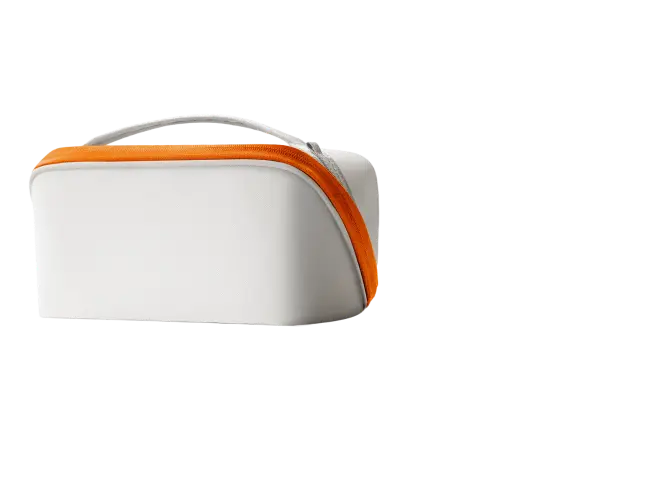
In all cases, consider wind, dust, and moisture. While few portable projectors are fully waterproof, choosing one with good ventilation design and using a protective case or cover reduces risk. Placing the projector on a stable, elevated surface prevents tipping on uneven ground and keeps vents clear of grass or sand. For more on this topic, see How to Prevent Dew and Moisture Damage When Using Projectors Outdoo....
Practical Buying Thresholds for 2026 Portable Projectors
Use the following illustrative thresholds as a quick screening tool when comparing models. These values are heuristic guidelines based on typical outdoor performance patterns rather than laboratory measurements.
Portable Projector Thresholds for Outdoor Movie Nights
Illustrative threshold comparison for outdoor movie use; values are heuristic, not lab-tested.
View chart data
| Category | Battery Runtime (hrs) | Brightness (ANSI lumens) | Weight (lb, lower is better) | Screen Size (in) | Power (W) |
|---|---|---|---|---|---|
| Minimal (short sessions) | 2.0 | 300.0 | 6.0 | 40.0 | 30.0 |
| Good (typical movie night) | 3.0 | 500.0 | 4.5 | 60.0 | 45.0 |
| Excellent (demanding outdoor use) | 4.5 | 700.0 | 3.5 | 80.0 | 60.0 |
Heuristic threshold model based on 2026 portable projector outdoor-use patterns and the provided threshold table: battery 2–3h minimum, brightness 300–500 ANSI for dark setups and 700+ for ambient light, weight under 5 lb for easy carry, screen 40–80 in, and power draw around 30–60 W. Values are illustrative, not lab measurements.
These thresholds help filter options quickly. For example, a projector offering only 2 hours of battery in real conditions may work for shorter content but risks cutting off during a feature film.
How to Set Up a Portable Projector Outdoors
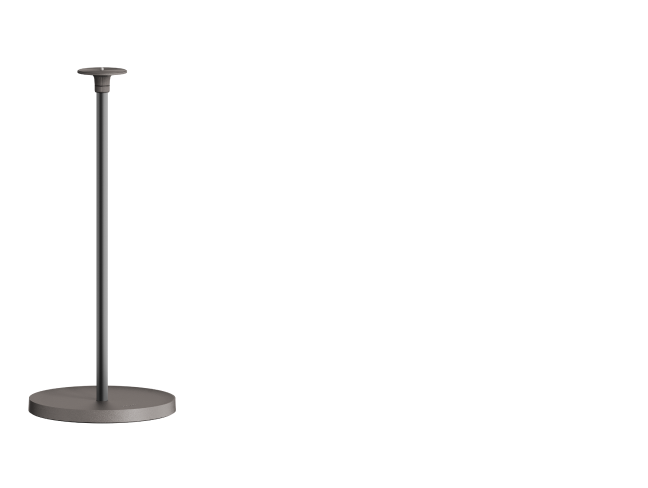
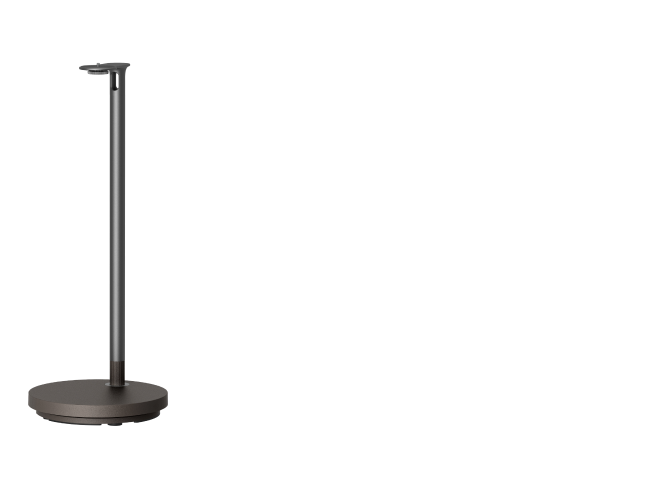
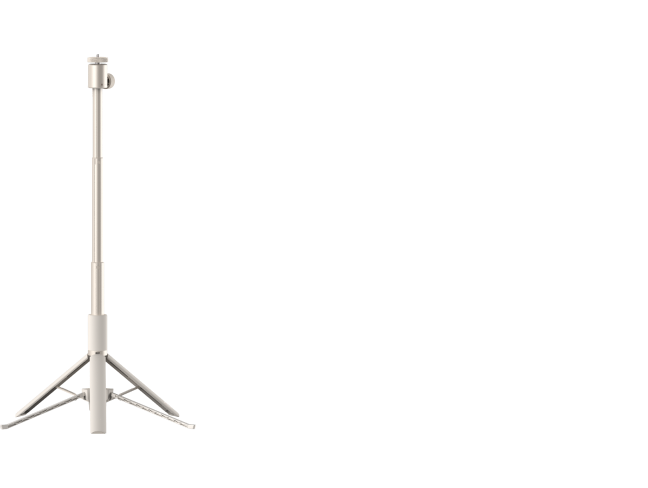
Successful outdoor projection starts with a stable surface. Use a lightweight tripod, portable stand, or even a sturdy cooler to keep the projector level and at the correct height. Many modern portable projectors include automatic keystone correction and focus, dramatically reducing setup time in uneven terrain.
Choose a screen or smooth light-colored surface. Dedicated portable projector screens fold compactly and provide better brightness and contrast than a bedsheet or tent wall. Position the screen to avoid wind movement and ensure the projector’s throw distance matches the desired image size.
For audio, built-in speakers from brands like Harman Kardon are often loud enough for small groups, but bringing a small Bluetooth speaker improves the experience in larger outdoor spaces. Connect wirelessly whenever possible to reduce cable clutter on the ground.
Test your full setup during daylight hours so you can adjust placement before it gets dark. Bring a headlamp or lantern to make fine adjustments without ruining night vision for the audience.

Recommended Projector Features and Models for Outdoor Use
When shopping for 2026 portable projectors, prioritize native 1080p or higher resolution, good color accuracy, and fast auto-setup features. Built-in smart TV platforms with access to streaming services make it easy to watch without additional devices.
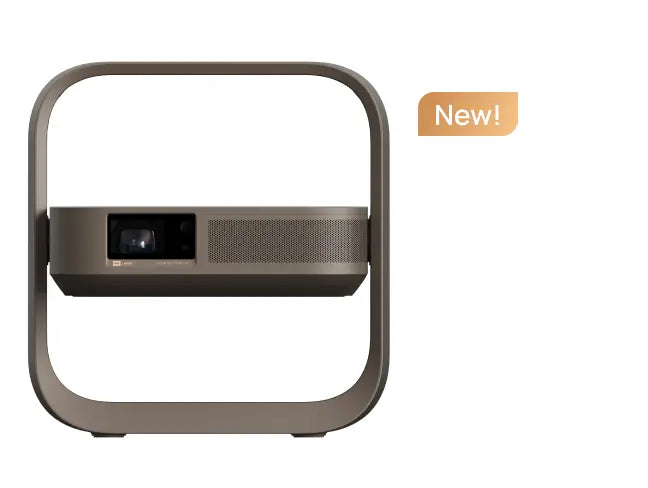
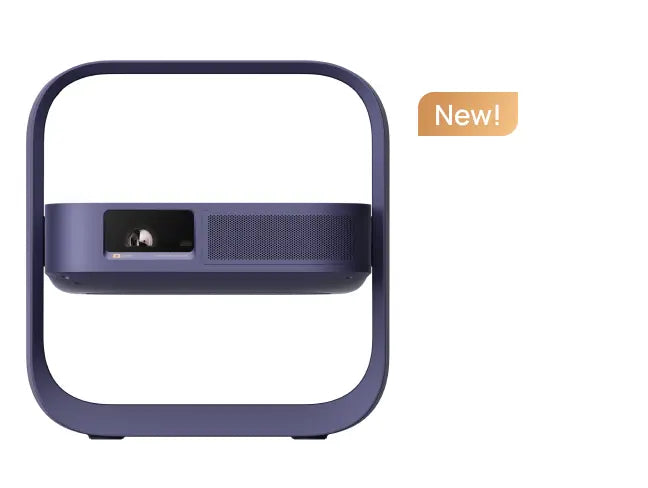
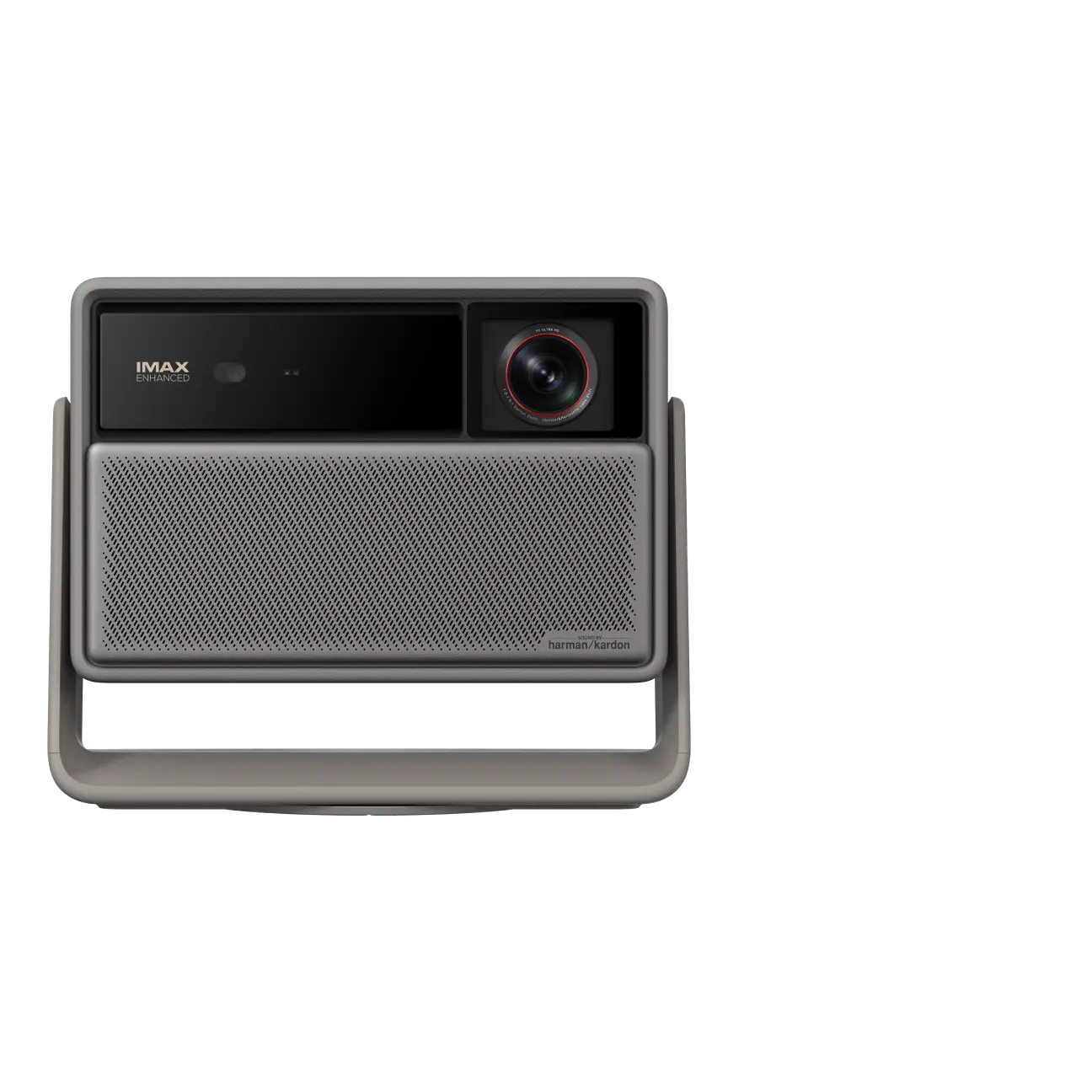
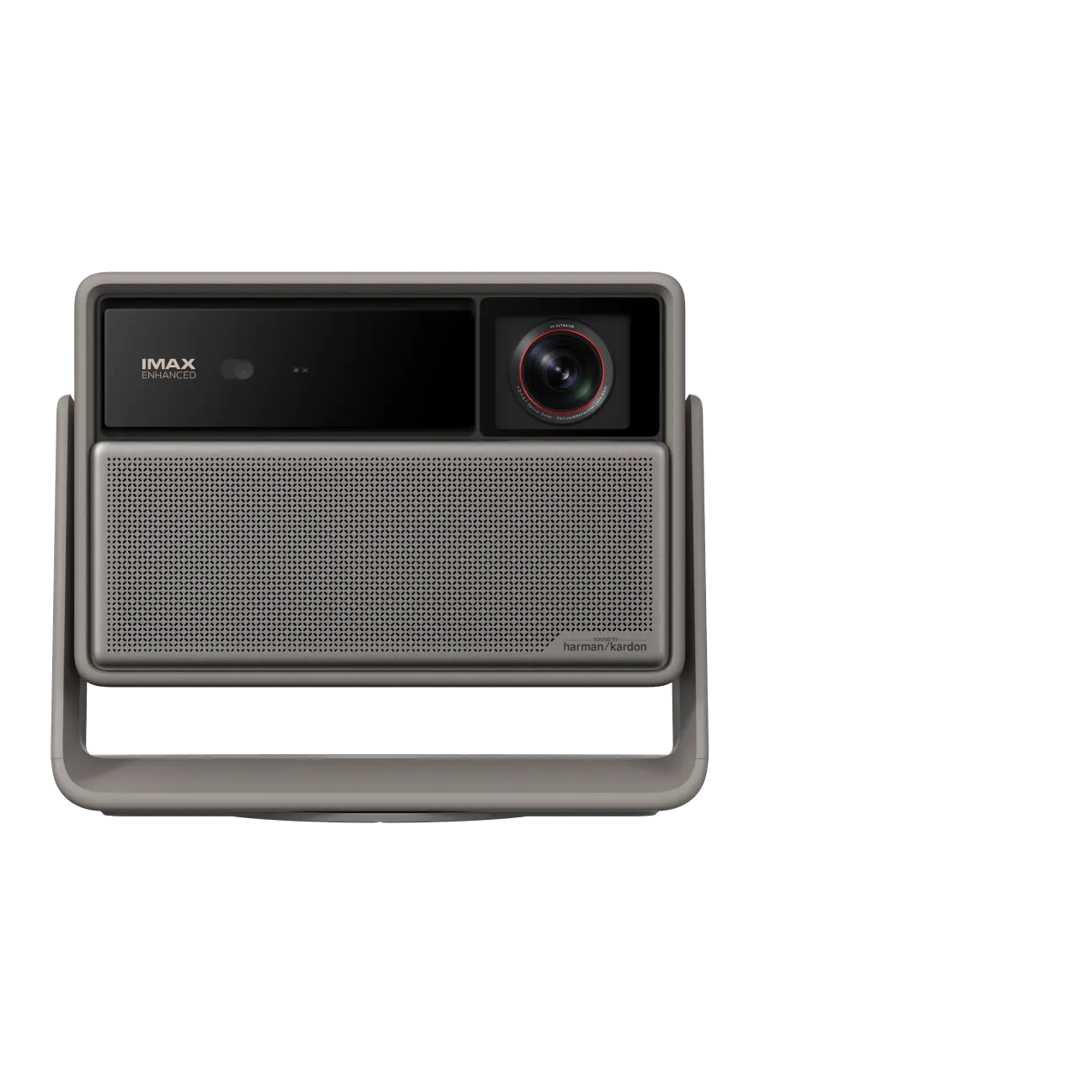
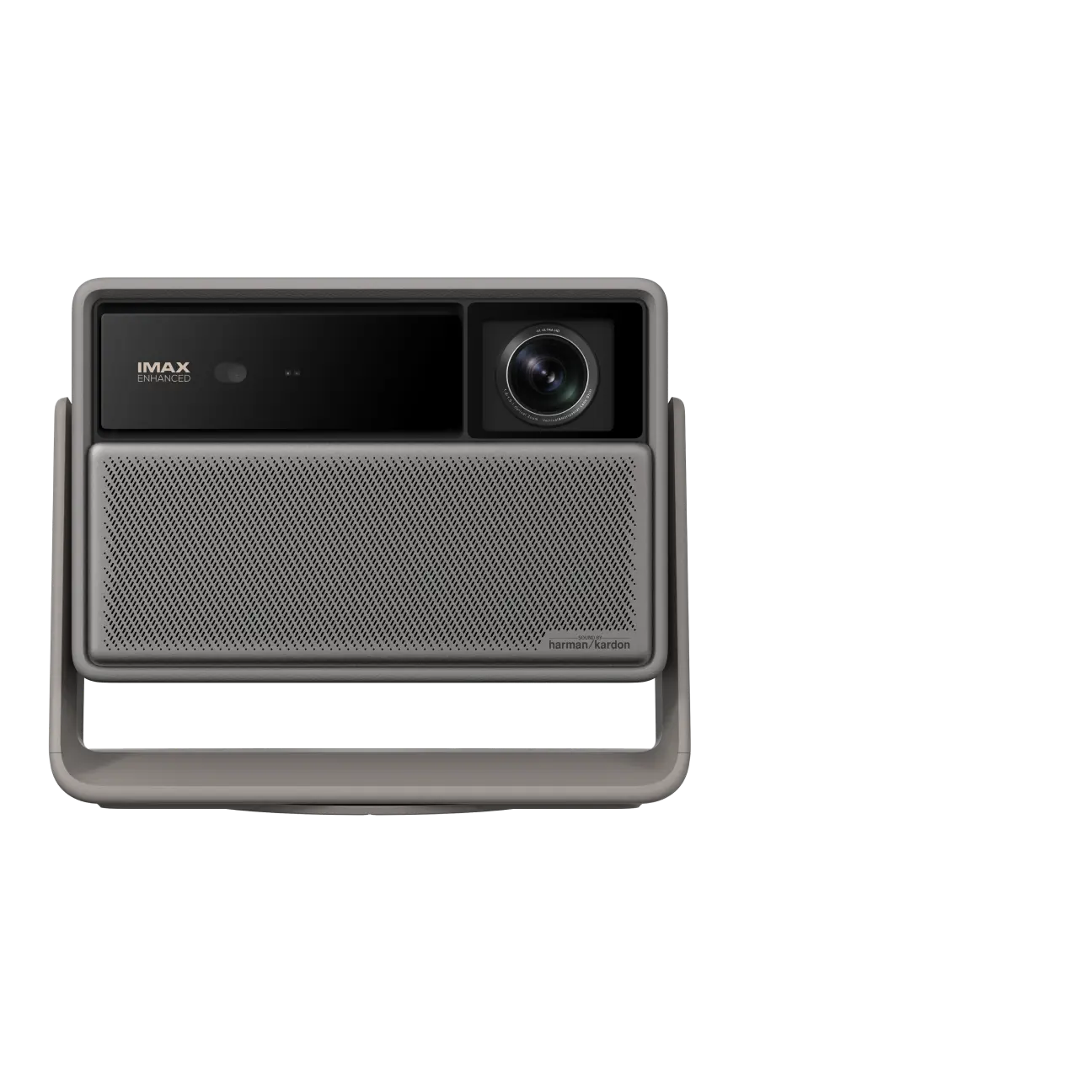
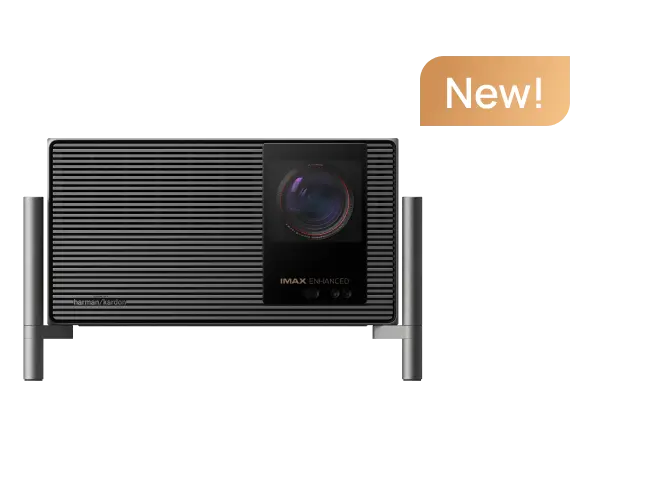
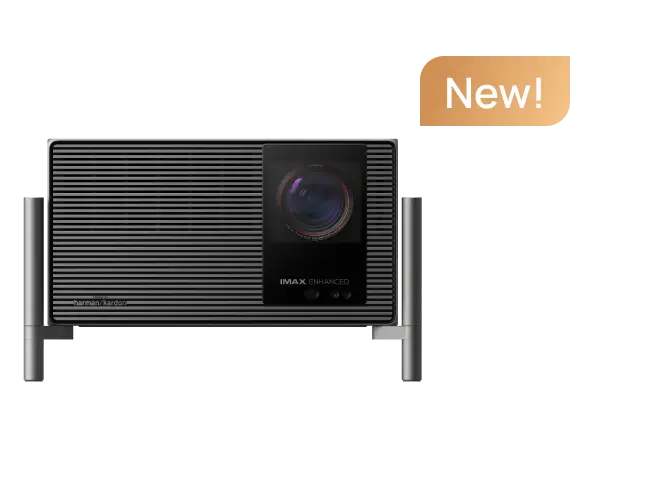
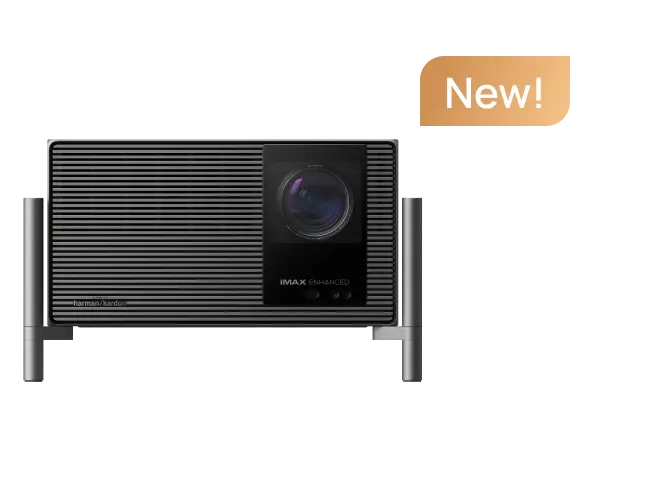
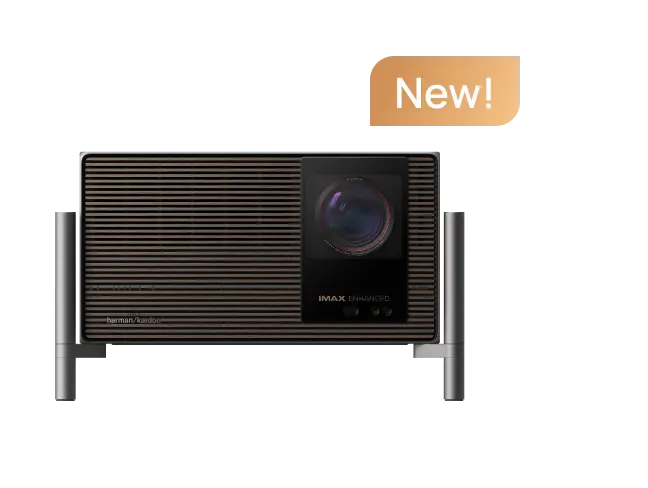
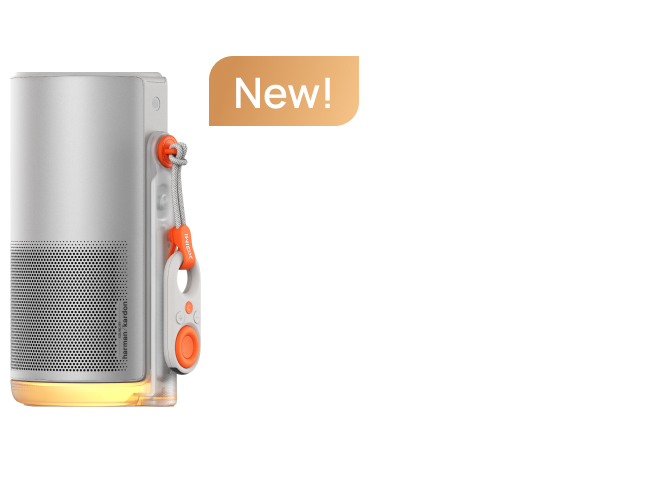
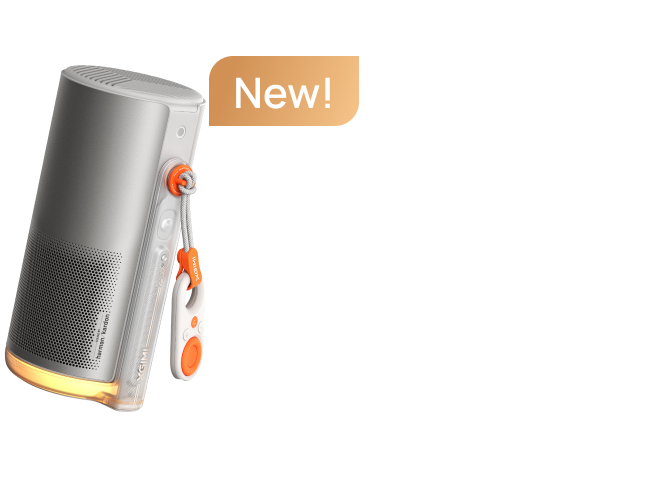
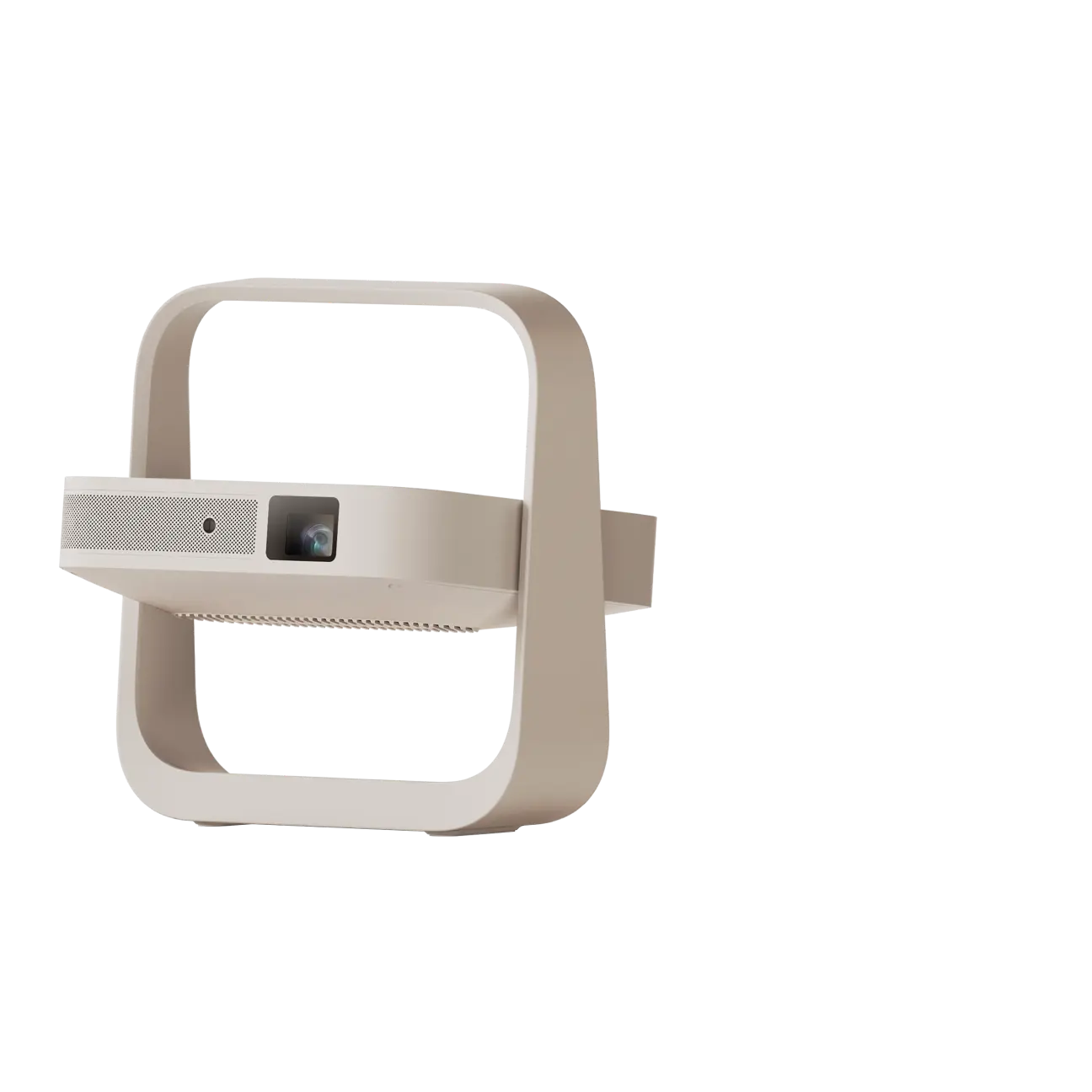
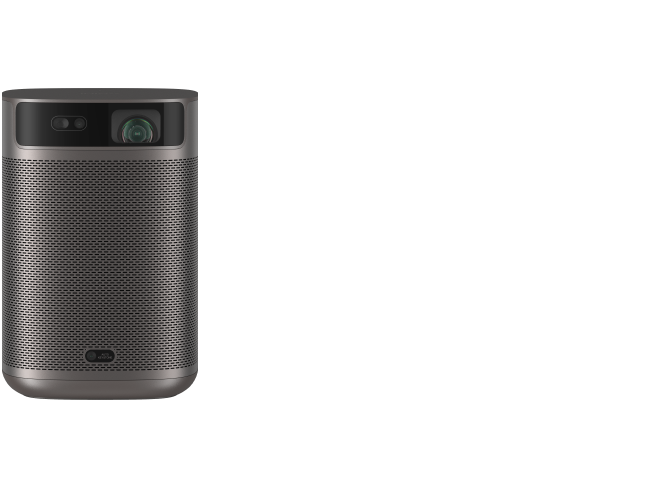
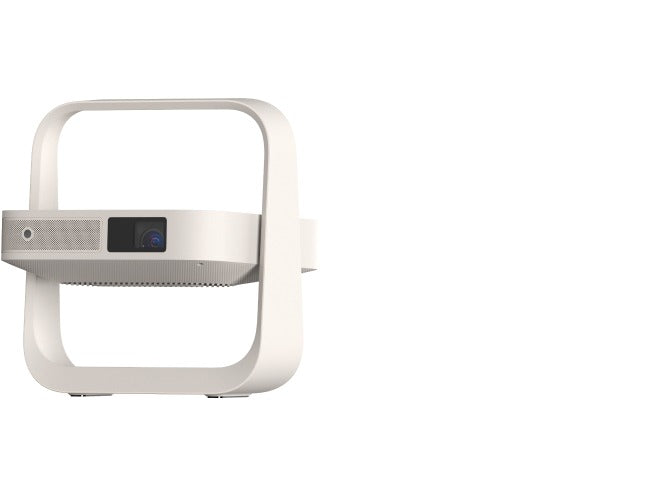
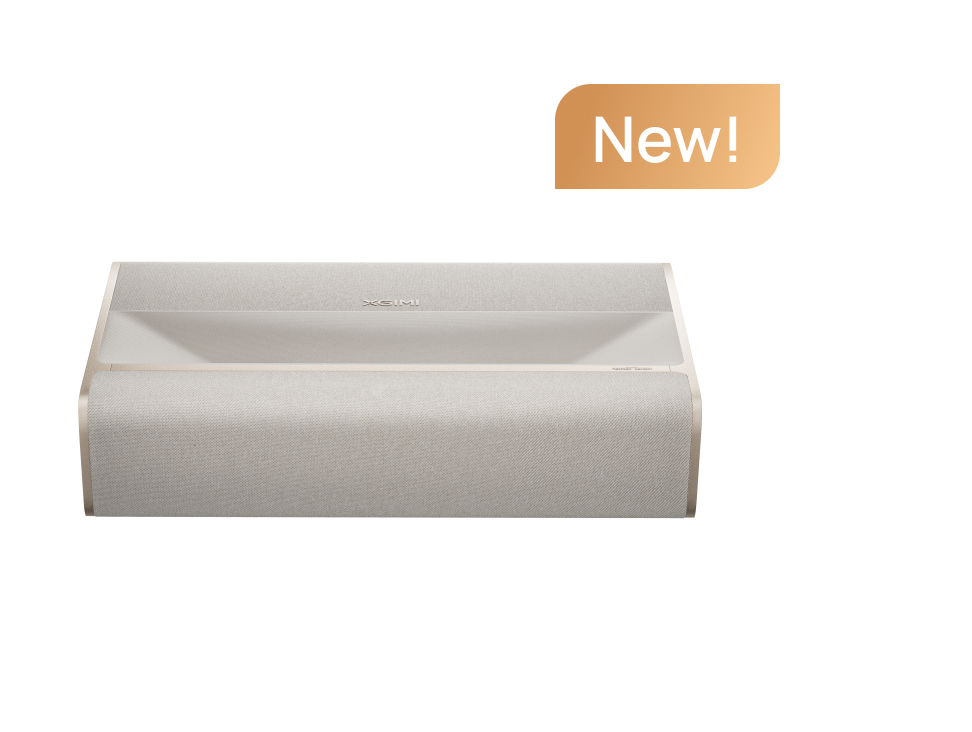
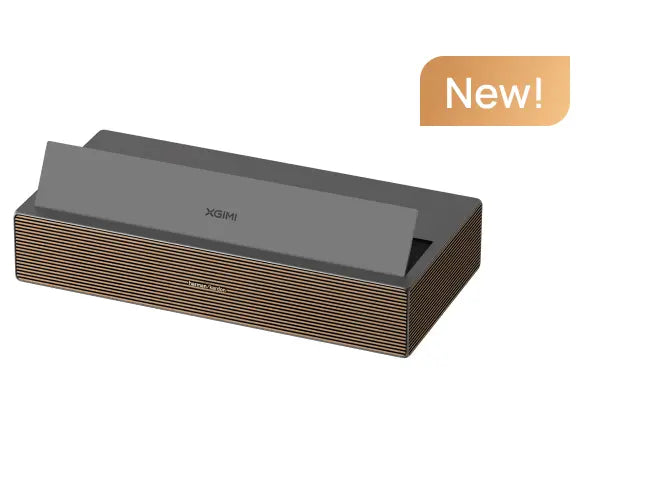
For camping and travel, compact options in the MoGo series deliver strong performance in a small package. The MoGo 4 Laser stands out for its laser light source, bright output, and 2.5-hour battery, making it suitable for both indoor and outdoor nights. Those wanting more traditional LED performance and Harman Kardon sound may prefer the Halo+ (New), which balances portability with clear audio for tent or backyard use.
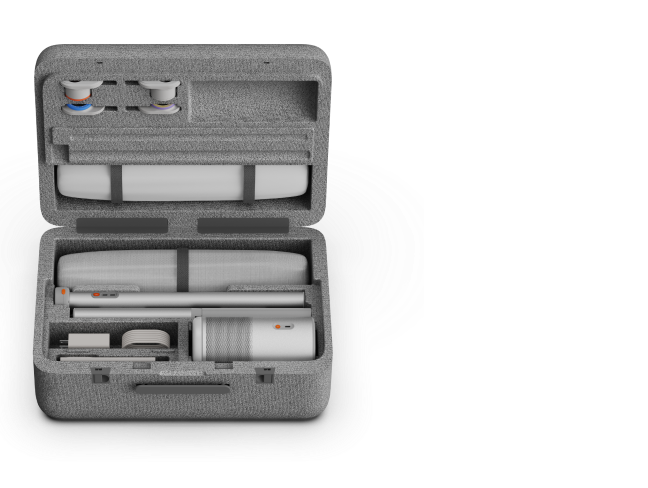
For a complete outdoor kit, consider collections that bundle the projector with a screen and carrying case. The MoGo 4 Laser Outdoor Collection includes everything needed for a hassle-free experience on the trail. Broader selections of portable models are available in the Portable Projectors collection.
Explore more ideas in these helpful articles: Portable Projector For Your Camping Trips, How to Set Up a Projector When Camping, and the Buying Guide to the Best Battery Powered Portable Projector Options.
Weather, Dust, and Durability Considerations
Outdoor environments introduce dust, moisture, and temperature swings that can affect performance and longevity. While most portable projectors are not rated as fully waterproof, selecting models with sealed or well-protected vents helps. Always store the projector in a padded case when not in use and avoid exposing it to rain or heavy dew. For more on this topic, see How to Store and Transport a Portable Projector.
Cold nights can reduce battery efficiency, so keep the projector insulated until showtime. In dusty areas like desert overlanding routes, a simple dust cover or regular gentle cleaning of the lens and vents prevents buildup that dims the image.
Checklist: What to Verify Before Buying and Using Outdoors
Use this practical checklist to make an informed decision:
- Confirm real-world battery runtime meets or exceeds 2.5 hours at your preferred brightness.
- Verify brightness is at least 400–500 ANSI lumens for dark outdoor conditions.
- Check power draw and compatibility with your portable power station or vehicle setup.
- Ensure the projector weight is under 5–6 pounds if you will carry it frequently.
- Test auto-setup features (focus, keystone) in a store or with return policy in mind.
- Plan your screen size and throw distance for the typical viewing distance in your scenarios.
- Bring backup cables, a small speaker, and a protective case.
Following these steps reduces the chance of disappointment once you are away from home.
Disclaimer: This article provides comfort and setup guidance only. It is not medical advice, nor does it diagnose or treat any condition. Brightness and battery performance can vary based on many environmental factors. If you experience persistent eye discomfort during viewing or have existing vision concerns, consult a qualified eye care professional.
Mastering outdoor movie nights ultimately comes down to matching the projector’s capabilities to your specific adventures. With the right combination of battery life, brightness, and smart features, you can create memorable evenings under the stars or in your own backyard with minimal hassle. Take time to evaluate your typical scenarios, test power solutions, and choose a model that fits within the practical thresholds outlined here. Your next camping trip or backyard gathering could become the highlight of the season.


