


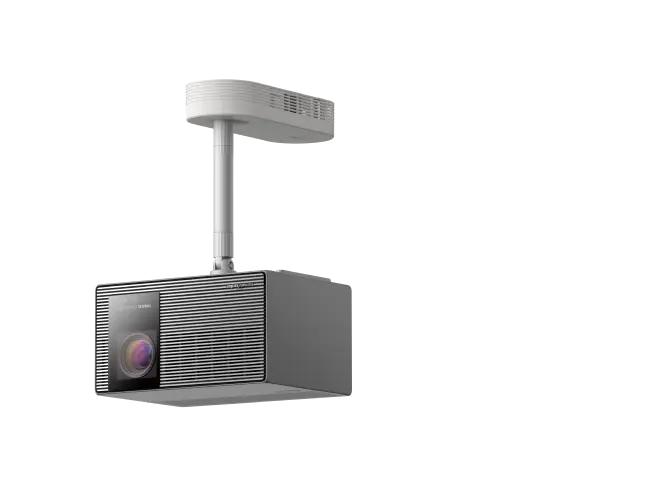




Deciding between a portable projector and a tablet for camping or travel often comes down to whether you prioritize shared group viewing in controlled conditions or simple, flexible personal use in varied environments. A portable projector can deliver a larger shared screen that enhances movie nights with family or friends at camp, but it usually requires darker surroundings, more setup, and careful battery planning. A tablet tends to offer greater convenience, quicker startup, and better performance in daylight or for solo travelers, though its screen size limits group enjoyment.

Both options have improved in recent years with better batteries and portability, yet real-world performance in outdoor settings depends heavily on factors like ambient light, power access, and how many people will watch together. This comparison focuses on practical trade-offs for tents, RVs, road trips, and remote getaways rather than lab specs alone.
Key Differences Between Portable Projectors and Tablets for Outdoor Use
Portable projectors and tablets serve different strengths when it comes to travel entertainment. Projectors excel at creating big-screen experiences from a compact device, often with built-in batteries, speakers, and smart TV features that make them suitable for group viewing. Tablets, on the other hand, function as all-in-one personal devices with excellent battery life, touch interfaces, and reliability across lighting conditions.
For campers, the choice frequently hinges on group size and time of day. As this official throw-ratio guide explains, projectors need sufficient distance or short-throw capability plus low ambient light to produce usable images outdoors. Tablets avoid this constraint entirely since their screens are self-illuminated.
Battery life varies significantly by model, brightness setting, and content type. Many portable projectors deliver 2 to 4 hours of video playback on a single charge, while tablets commonly last 8 to 12 hours or more for streaming. This gap becomes critical on multi-day trips without reliable recharging options.
Battery Life and Power Management on the Road
Battery endurance ranks among the top concerns for camping and travel entertainment. Projectors with built-in batteries typically provide 2–3 hours of continuous movie playback at moderate brightness, though this can drop in bright conditions or when using higher volume. Tablets generally offer longer runtime, making them more reliable for all-day use or when power banks are limited.
Real-world testing shows that factors like screen brightness, streaming quality, and connected accessories dramatically affect both devices. For instance, running a projector at full brightness outdoors can halve its effective battery life compared to indoor use. Travelers should plan for power banks or solar chargers regardless of choice, but tablets tend to drain slower overall. For more on this topic, see How to Calculate Real Battery Runtime for Outdoor Projection Sessions.
If your trip involves frequent stops or hotel overnights with outlets, either option works. In remote areas with uncertain charging, the tablet's efficiency often provides more peace of mind. Always check specific model specs, as newer portable projectors continue to improve in this area.
Portability, Weight, and Packing for Camping Trips
Weight and packability matter when space is tight in backpacks, RV compartments, or car trunks. Many portable projectors weigh between 1.5 and 3 pounds with their batteries, adding bulk if you also carry a stand, cables, or screen. Tablets typically weigh under 1.5 pounds and slip easily into any bag without extra accessories.
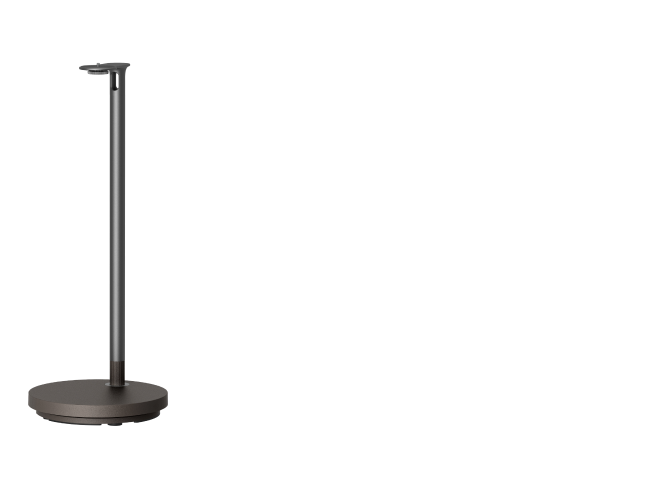
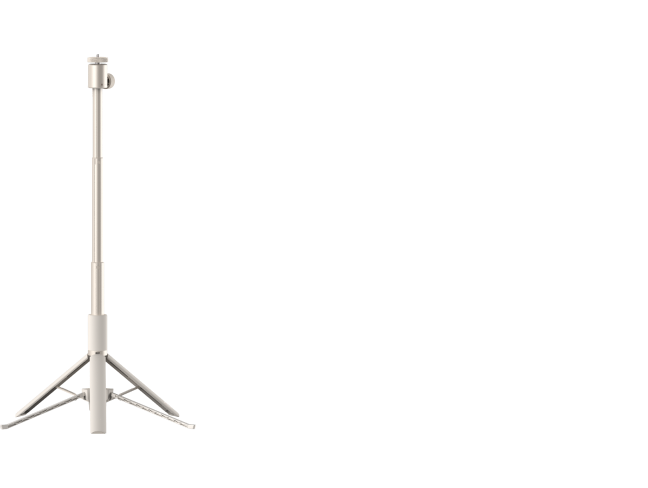
The real trade-off is between a self-contained device and a setup that may need extra gear or better light control. Projectors often require a flat surface or tripod for stable projection, plus consideration of throw distance. Tablets need none of this, allowing viewing from a sleeping bag or car seat.
For RV travelers or those with dedicated gear storage, the projector's added weight may be acceptable. Solo backpackers or minimalists usually find tablets far more convenient to carry. Packing lists should factor in protective cases for both, especially against dust and bumps common in outdoor travel.
Image Size, Visibility, and Outdoor Viewing Comfort
Screen size represents one of the clearest advantages for portable projectors. Models like those from XGIMI can project 100-inch or larger images, creating an immersive experience for group movie nights. However, outdoor visibility depends heavily on ambient light and the projection surface. In daylight or even moderate dusk, the image can appear washed out without a dedicated screen or very dark conditions.
Tablets provide consistent visibility in almost any light thanks to bright, high-resolution displays, though the maximum size stays fixed at around 10–13 inches. This makes them ideal for personal viewing or small groups huddled close together.
Viewing comfort also differs. Projectors reduce eye strain for some during long sessions on a big screen, but poor setup can cause keystone distortion or focus issues. Tablets offer sharp, adjustable brightness but may lead to neck strain if held improperly for extended periods. For families, the projector's communal feel often outweighs these challenges at night.
Solo vs Group Entertainment: When Each Option Shines
Your travel style strongly influences the better pick. Solo travelers or couples seeking personal downtime usually benefit from a tablet's simplicity and long battery. You can read, watch, or browse without setup, even in bright tents or during daytime stops.
Families or groups planning shared entertainment at camp often prefer a portable projector. It turns a campsite into an outdoor theater for movies, games, or shows, fostering social connection. Models with built-in batteries and speakers streamline this further. For more on this topic, see Portable Projector vs. Home Theater Projector: Which Fits Your Life....
The scenario often flips based on context. A portable projector usually makes more sense for group viewing at night when ambient light is controllable and you accept extra setup plus battery planning. A tablet tends to win for solo use, daytime viewing, or situations where quick access and minimal hassle matter more.
Here is a visual breakdown of these trade-offs:
Portable Projector vs Tablet for Camping and Travel
Illustrative 1–10 ‘better suited’ scores for decision aid only; not measured performance.
View chart data
| Series | Solo Viewing | Group Viewing | Battery Endurance | Outdoor Brightness Tolerance | Setup Convenience | Portability |
|---|---|---|---|---|---|---|
| Portable Projector | 3.0 | 9.0 | 4.0 | 7.0 | 4.0 | 5.0 |
| Tablet | 8.0 | 4.0 | 8.0 | 8.0 | 9.0 | 9.0 |
Heuristic scenario mapping from the provided matrix: group campsite night favors projector; solo travel, daytime bright, and uncertain power favor tablet or no-screen fallback. Scores are illustrative 1–10 ‘better suited’ ratings synthesized from tradeoffs in screen size, setup time, portability, brightness tolerance, and battery needs.
These scores are illustrative only and meant as a decision aid. Actual results depend on specific models and your exact camping conditions.
Hidden Trade-offs and Practical Considerations
Choosing a portable projector over a tablet introduces hidden costs beyond the purchase price. Setup time, placement sensitivity, and dependency on dark environments can frustrate users expecting instant entertainment. You may need additional items like a tripod, extension cables, or a portable screen to maximize image quality, increasing pack weight and complexity.
Tablets hide fewer surprises but sacrifice the wow factor of a large projected image. Shared viewing feels cramped, and battery life, while generally superior, still requires management during extended off-grid periods.
A common regret among campers is underestimating ambient light's impact on projectors or over-relying on built-in batteries without backup power. Test your setup at home before the trip to avoid disappointment at the campsite.
How to Choose the Right Option for Your Next Trip
Use this checklist to match the device to your needs:
- Group size and purpose: Choose a projector for 3+ people watching together at night; opt for a tablet for 1–2 people or mixed activities.
- Lighting conditions: If you can reliably create darkness (after sunset, in a tent), a projector adds value. For daytime or variable light, a tablet performs more consistently.
- Battery and power access: Calculate needed runtime including travel days. Factor in recharging options; bring power banks for either device.
- Packing constraints: Measure available space and weight limits. Tablets win for minimalists or hikers.
- Setup tolerance: Are you willing to spend 5–10 minutes aligning and focusing a projector? If not, a tablet offers immediate use.
- Content type: Movies and shows benefit from bigger screens; reading, browsing, or short clips suit tablets better.
If your trip mixes solo time and group evenings, consider bringing both or prioritizing a versatile projector with strong battery features. Neither device replaces careful planning for outdoor conditions.
For inspiration on outdoor setups, see this guide to setting up a projector when camping. It covers practical tips that apply beyond any single brand.

Popular Portable Projector Options for Travelers
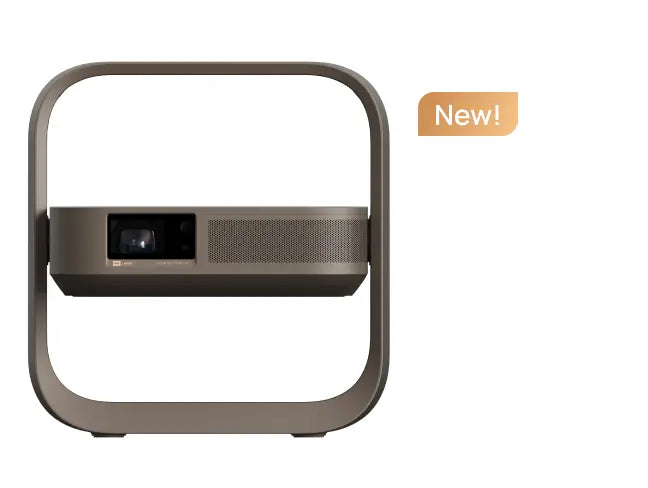
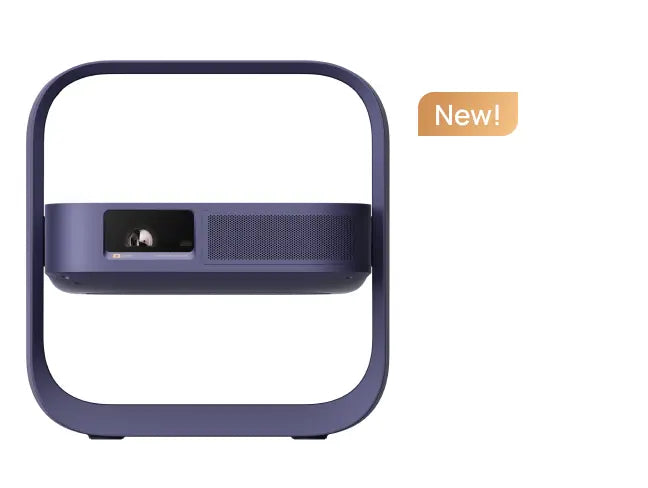
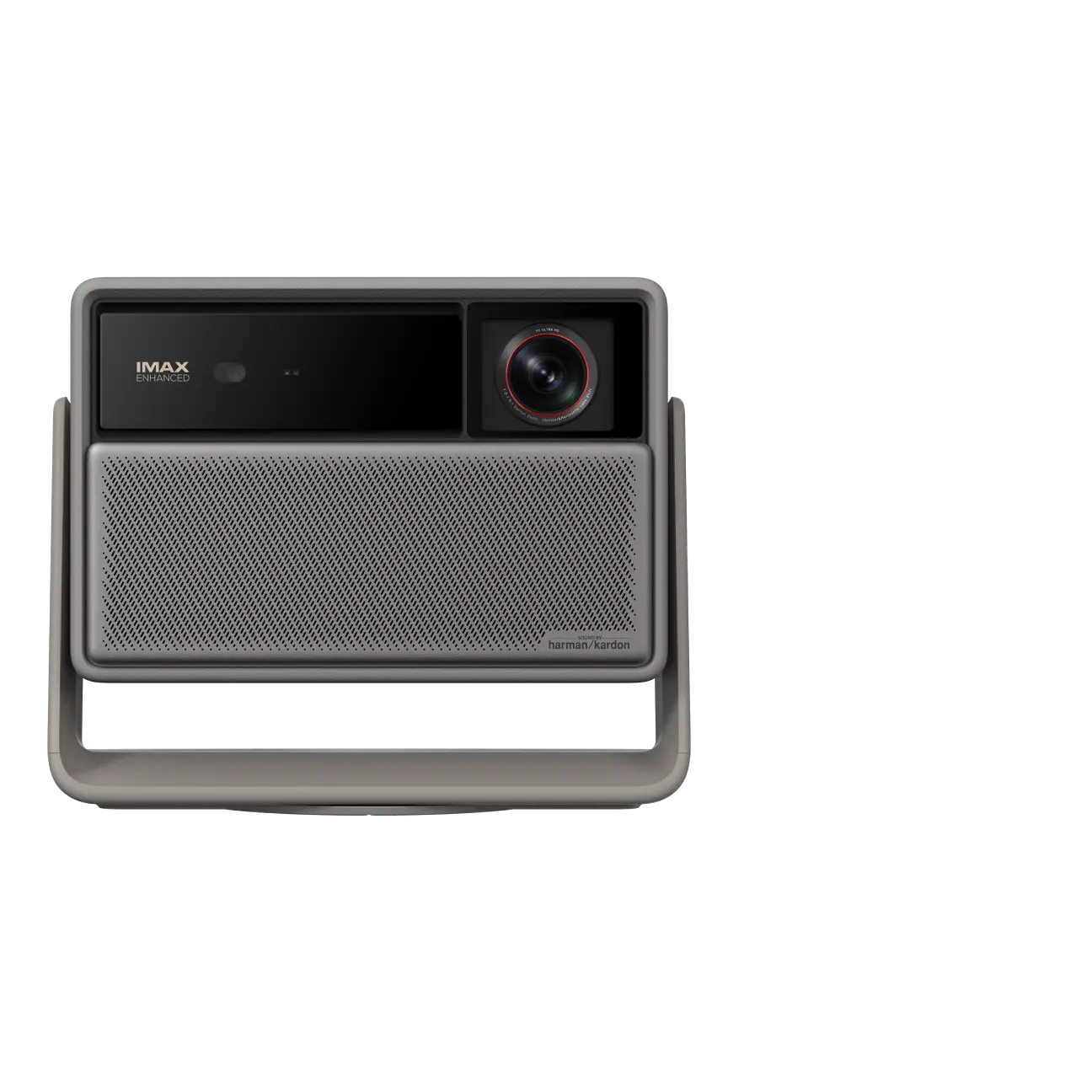
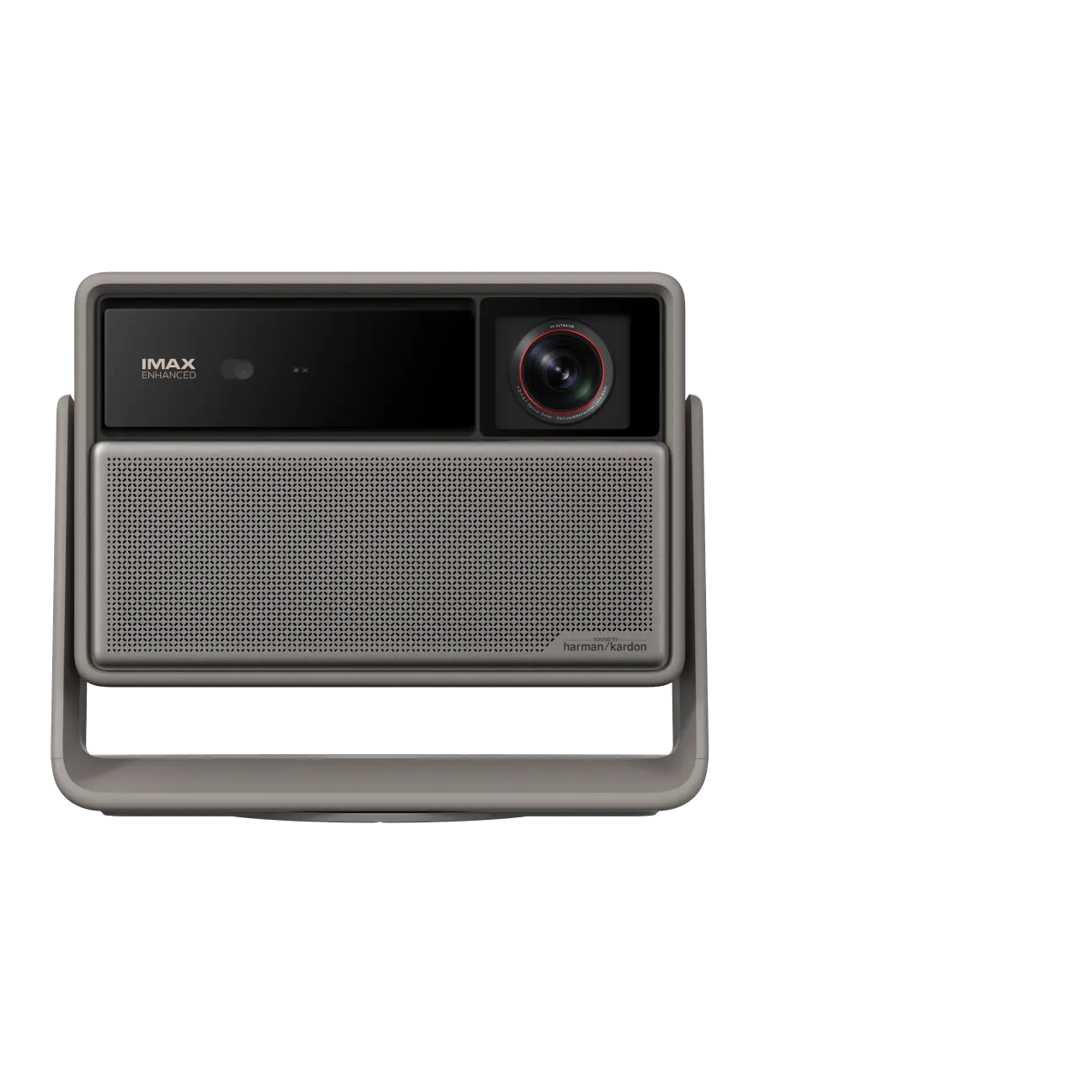
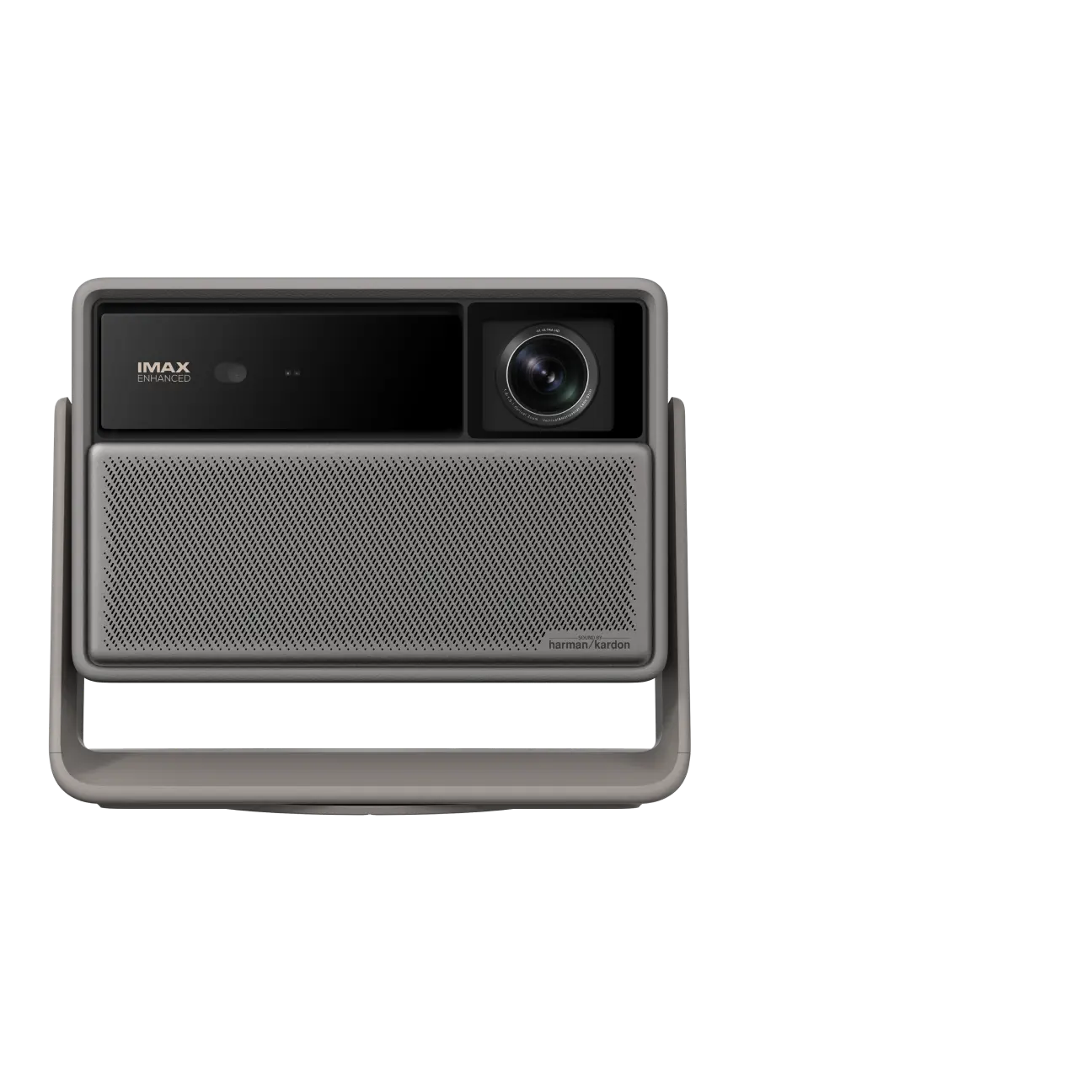
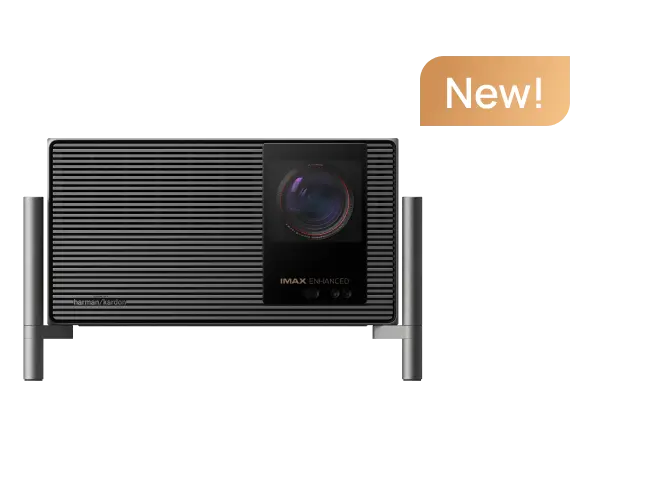
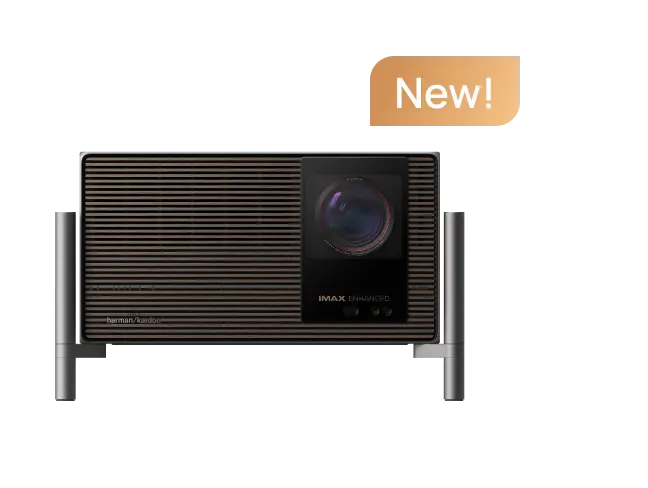
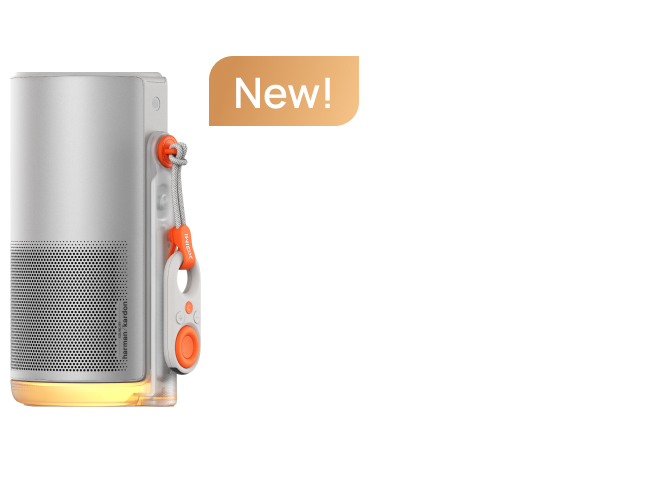
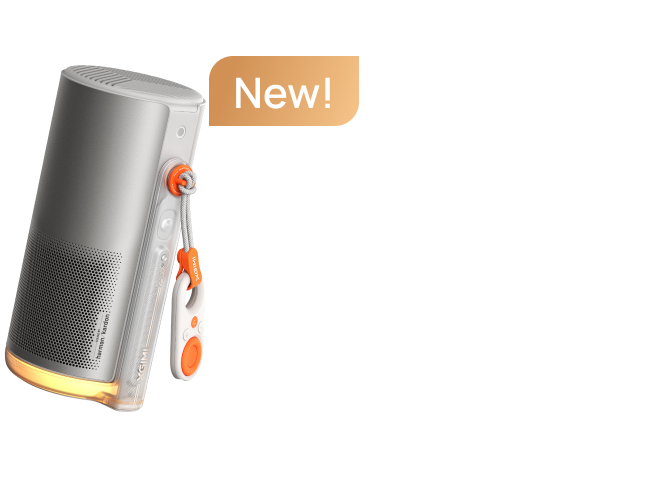
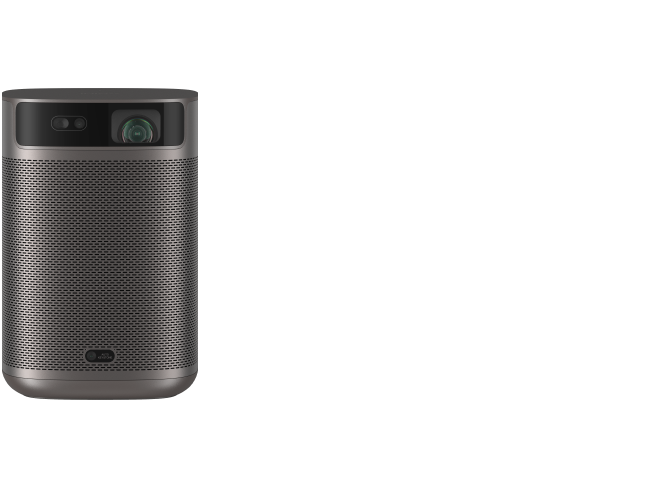
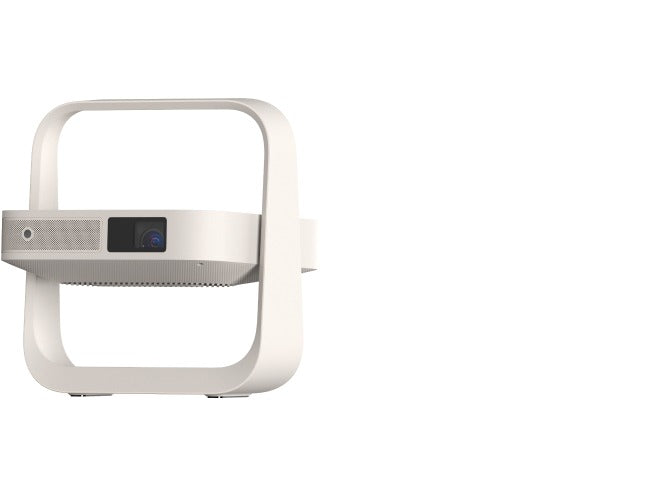
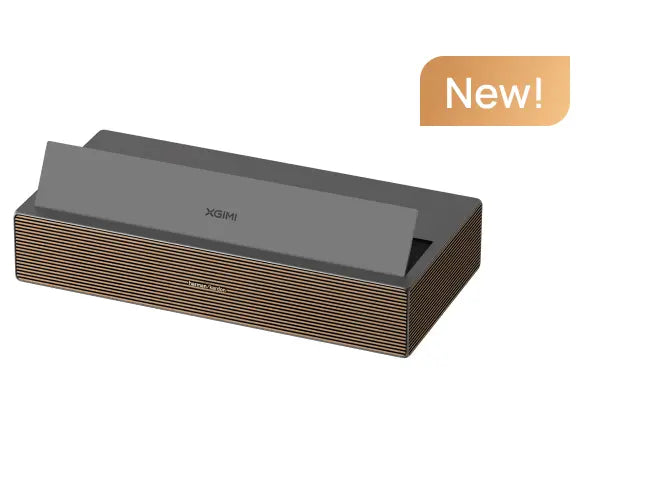
Several lightweight models suit camping and RV use. The Halo+ offers 1080p resolution, Harman Kardon sound, and about 2.5 hours of battery life in a compact form. The MoGo 4 provides similar portability with Google TV integration for easy streaming.
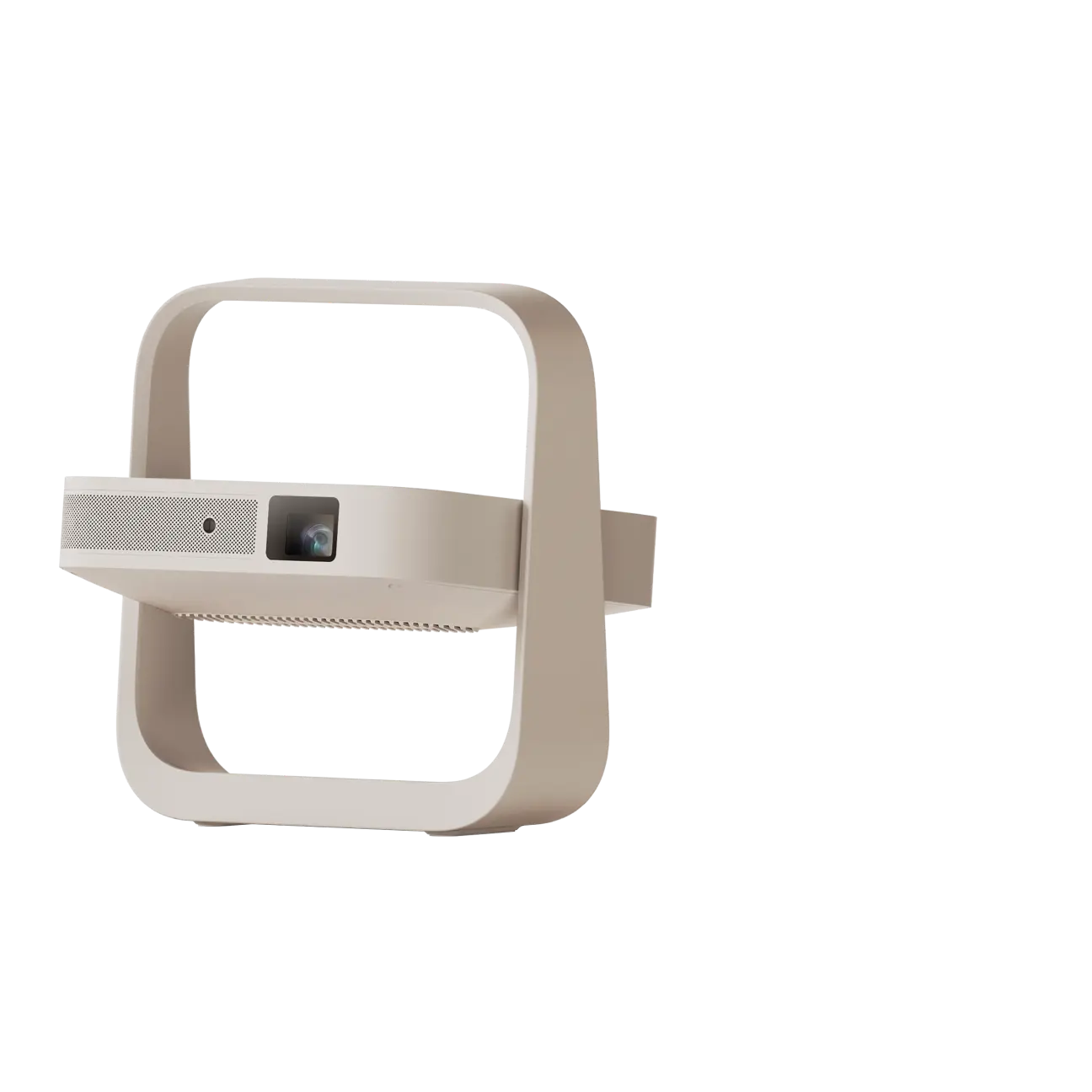
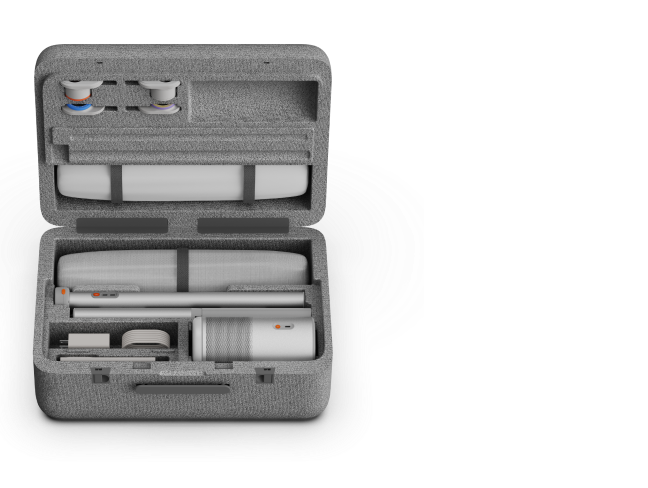
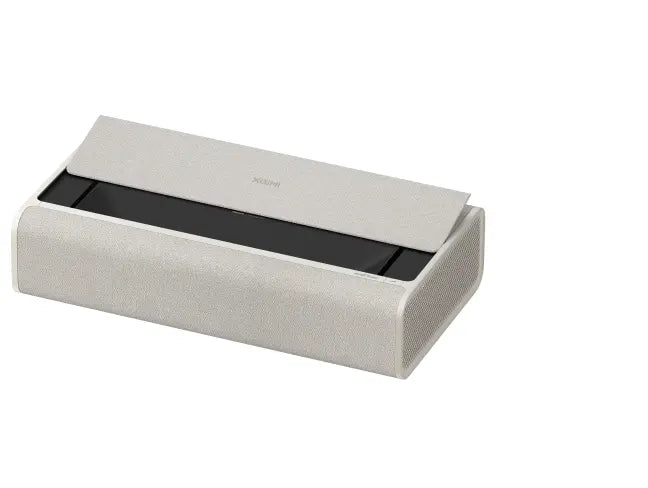
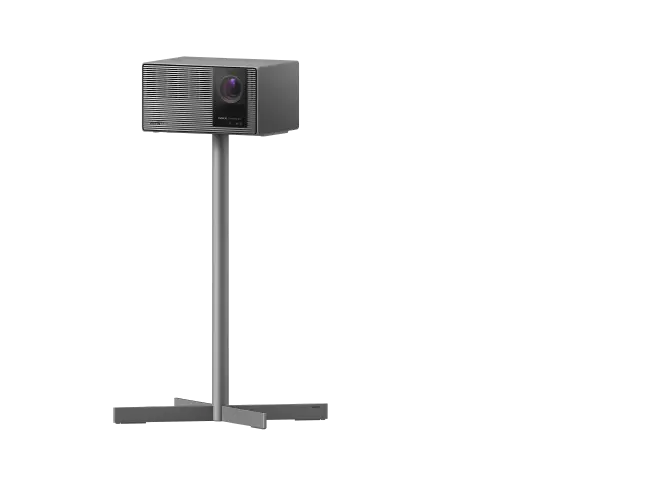
The MoGo 3 Pro and Vibe One (Battery Powered) add more battery flexibility or audio punch for longer sessions. Check the full Portable Projectors collection to compare current specs.
These devices often include auto-focus and keystone correction, reducing setup time in tents or uneven ground. Pair them with a lightweight screen or light-colored surface for best results outdoors.
Final Recommendation
A portable projector can transform camping trips into memorable group experiences when used at night with proper planning, while a tablet remains the more practical all-around choice for solo travelers, bright conditions, or minimal-setup needs. The best decision depends on your specific trip style, group size, and tolerance for setup.
Consider testing both formats on a short outing before committing. Many campers find value in a tablet for daily use and a projector for special evenings. Whichever you select, focus on models with robust batteries and verify performance claims against your expected environment.
This article discusses comfort and setup considerations only. It does not constitute medical advice. If you experience eye discomfort during use, consult a qualified professional.
For more on outdoor movie setups, explore our best outdoor projector kit recommendations.


