
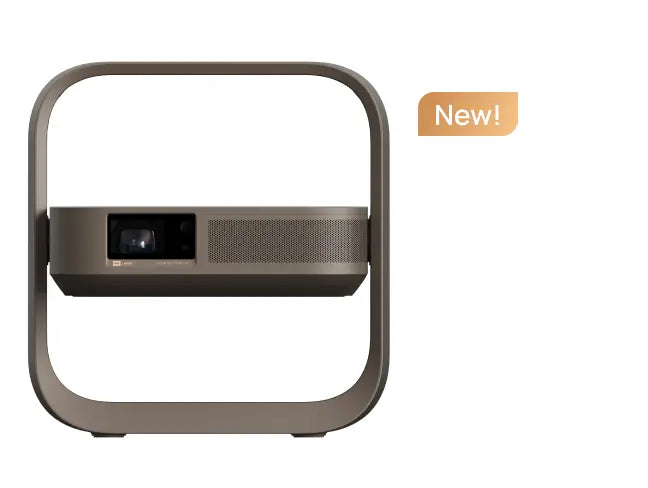
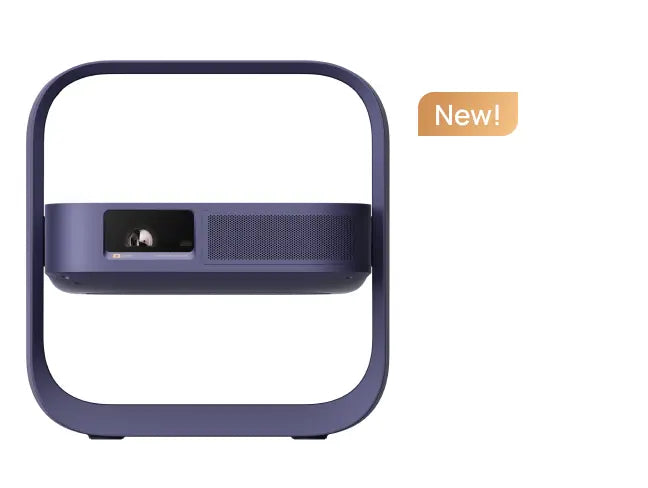
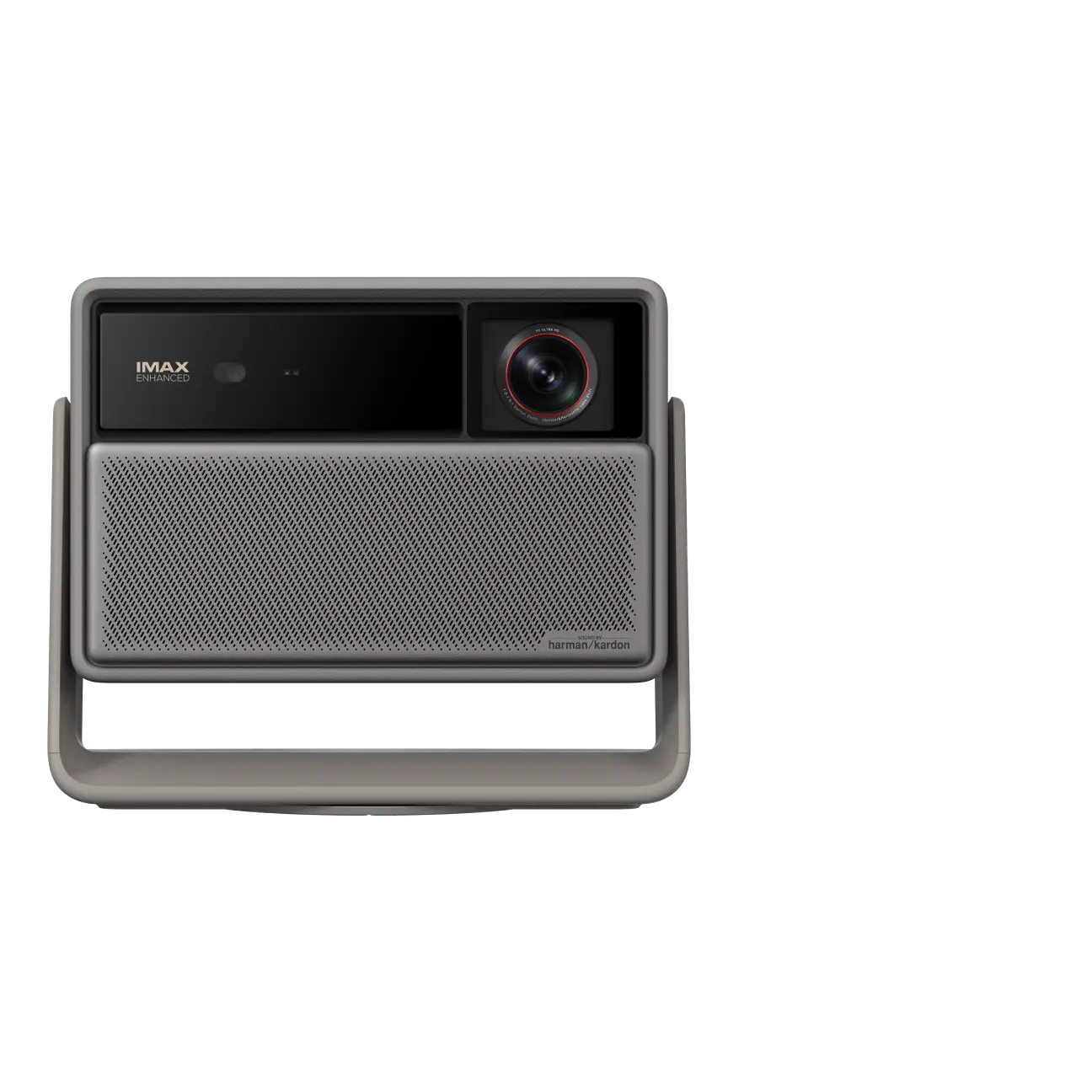
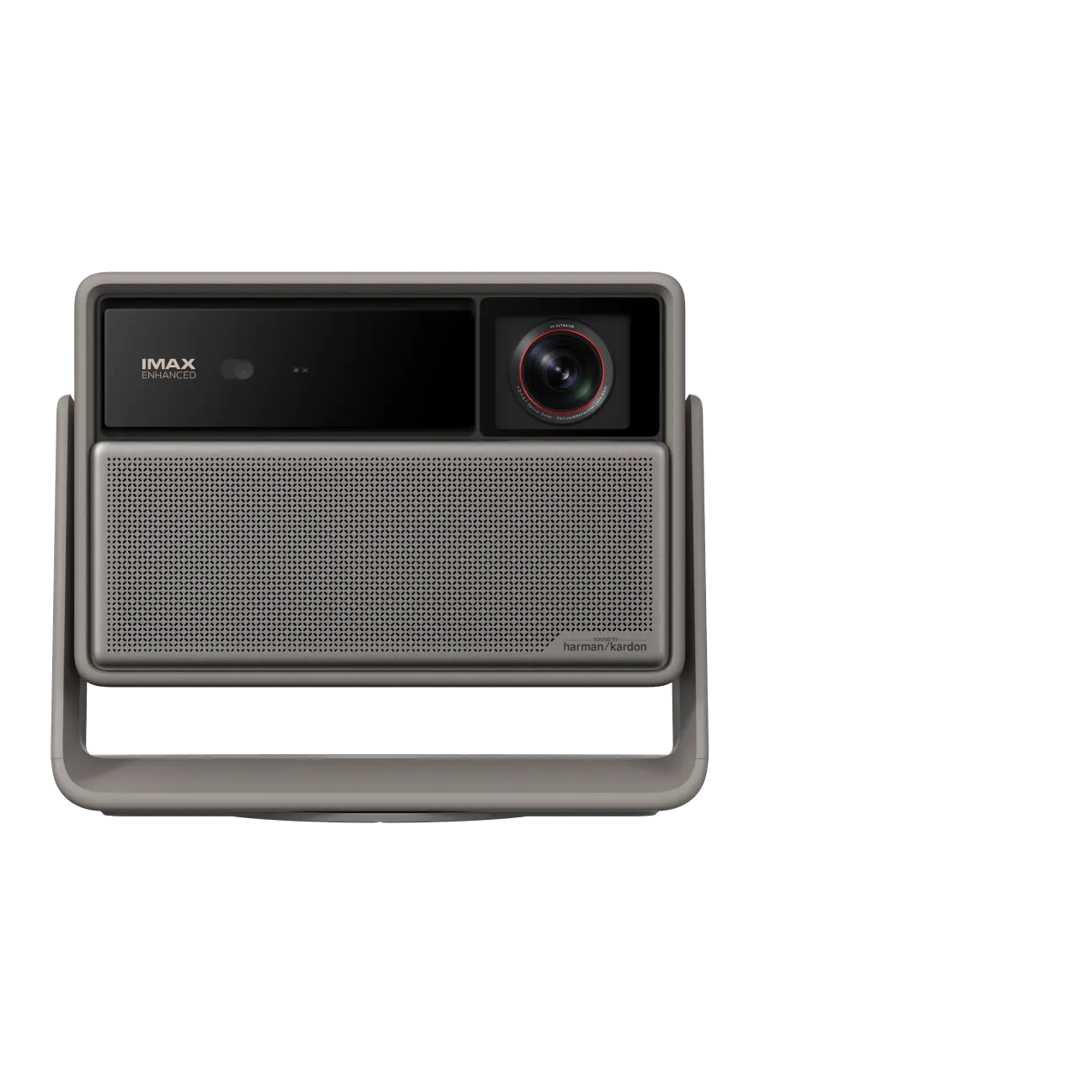
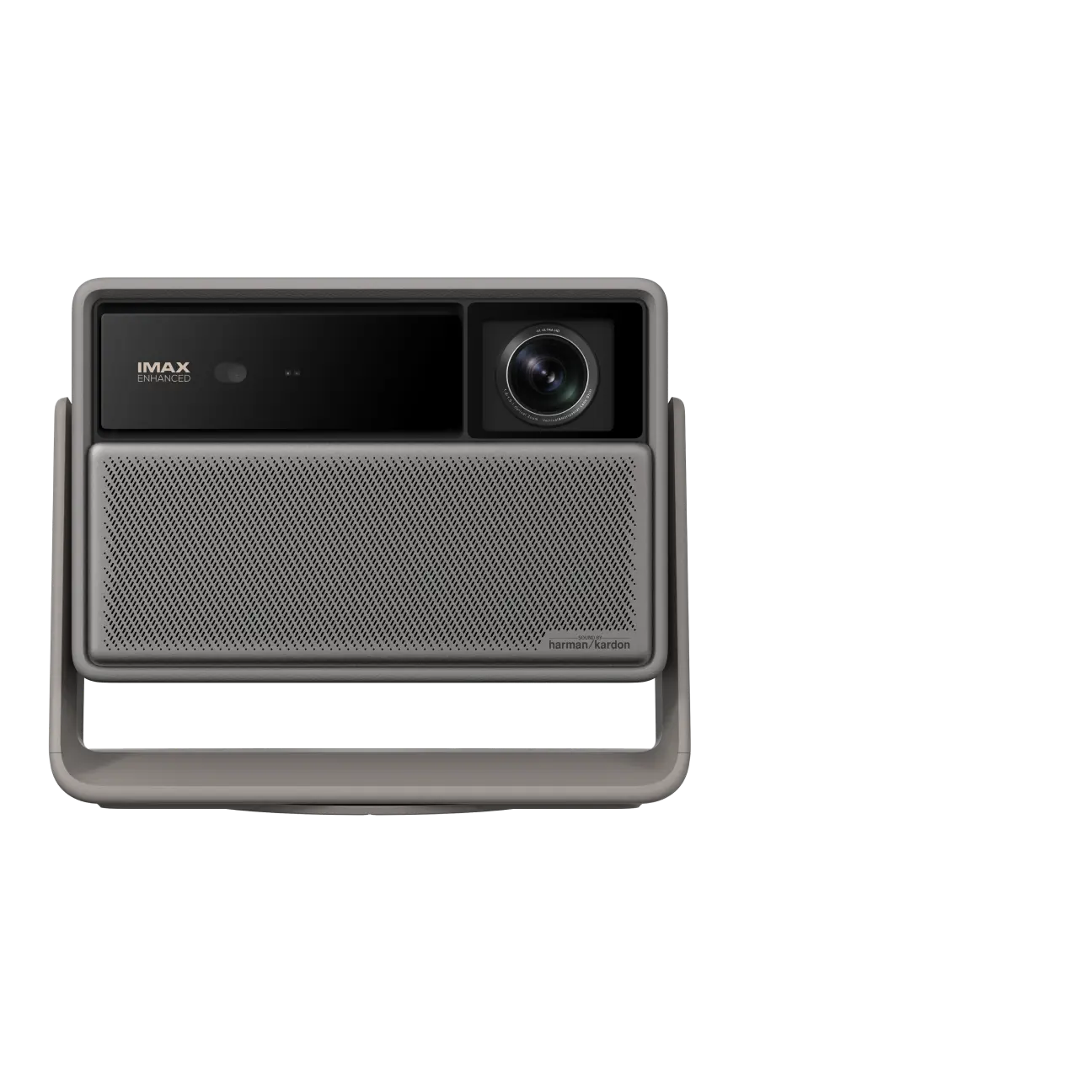
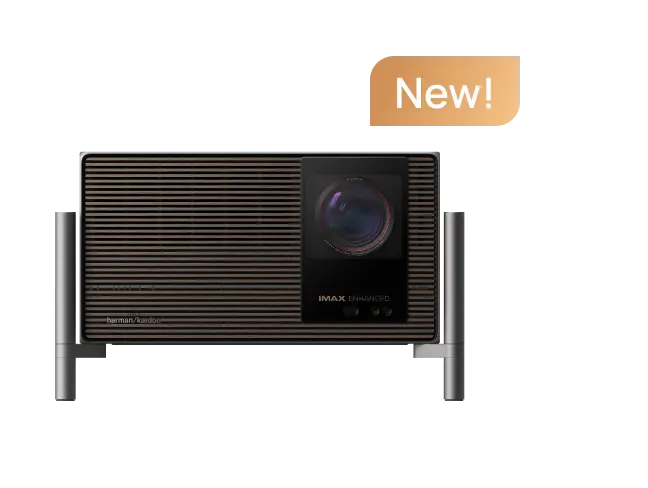
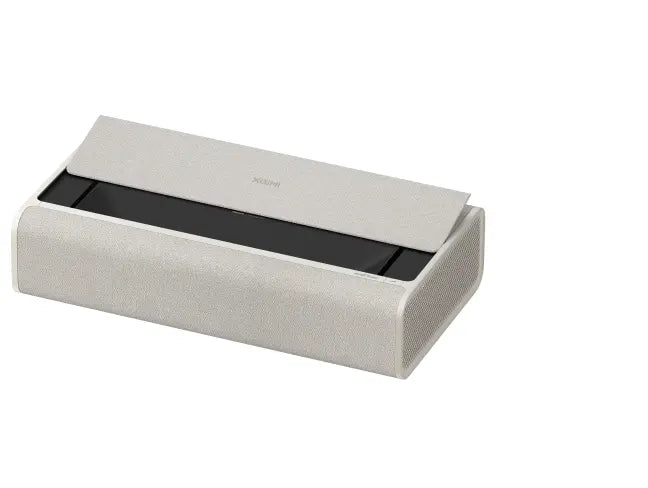
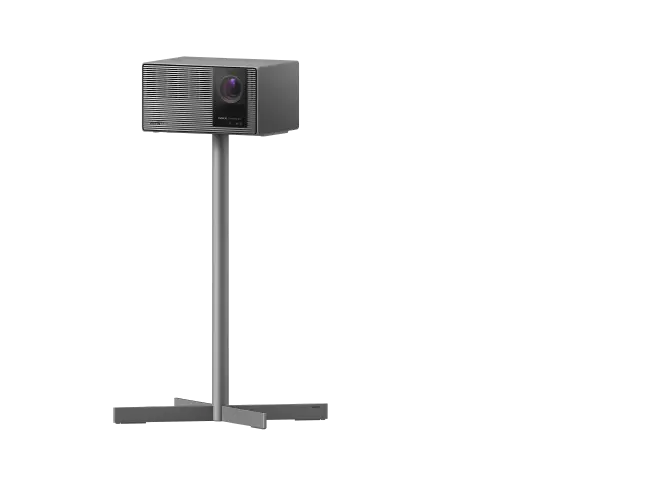
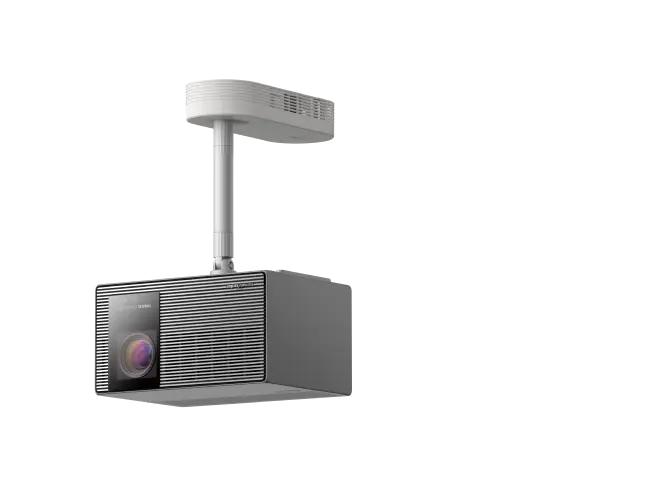





Modern projectors have evolved to support the high demands of console gaming, making them a viable option for PS5 and Xbox Series X owners seeking a large-screen experience without a massive TV. In 2026, many models offer low input lag, high refresh rates, and bright output suitable for living rooms, but the decision depends heavily on your room setup, game types, and tolerance for trade-offs in brightness and precision.

Whether a gaming projector is worth it comes down to prioritizing immersion and flexibility over absolute competitive edge. For casual and hybrid gamers in shared spaces, the big-screen appeal often outweighs minor latency differences, especially with evening play sessions. Competitive players in bright rooms may still prefer a TV or monitor for consistency.
Understanding Input Lag and Responsiveness for Console Gaming
Input lag measures the delay between pressing a button and seeing the action on screen. For PS5 and Xbox gaming, keeping lag low is crucial in fast-paced titles like shooters or racing games. Most gamers notice lag above 30-50ms, while under 20ms feels nearly instantaneous.
Projectors have improved significantly, with dedicated game modes reducing lag to competitive levels in many 2026 models. As explained in this guide to low input lag projectors, minimizing latency enhances both gaming and general responsiveness. However, real-world performance can vary based on resolution, refresh rate, and connected devices.
For console users, aim for projectors that deliver under 30ms in game mode at 4K or 1080p. This keeps gameplay fluid for most titles without requiring a dedicated gaming monitor.
Key Specs That Matter for PS5 and Xbox in 2026
Several specifications determine if a projector can handle next-gen consoles effectively. HDMI bandwidth is essential—HDMI 2.1 support enables 4K at 120Hz, while HDMI 2.0 often limits to 4K 60Hz. Brightness, measured in lumens, affects visibility in living rooms with some ambient light. Contrast and motion handling reduce blur during quick movements.

Refresh rate support is another factor. While 60Hz works well for many games, 120Hz provides smoother motion in performance modes on PS5 and Xbox, reducing judder in racing or action scenes. However, achieving 120Hz without increasing lag or dimming the image remains challenging for some projectors.
Motion blur depends on panel response and processing. Even with low lag, inadequate motion clarity can make fast pans feel soft. Look for models with strong image processing for the best results.
Here is a heuristic visualization of typical performance thresholds across gaming scenarios:
Gaming Projector Tradeoffs: Lag, Refresh Rate, and Brightness
Illustrative 2026 gaming display ranges for projectors vs TV
View chart data
| Category | Input lag (lower is better, ms) | Refresh rate support (Hz) | Brightness target (lumens) |
|---|---|---|---|
| Casual gaming | 35.0 | 60.0 | 1500.0 |
| Competitive gaming | 20.0 | 120.0 | 2000.0 |
| Living room play | 30.0 | 120.0 | 2200.0 |
| TV baseline | 12.0 | 120.0 | 500.0 |
Heuristic/illustrative ranges based on typical 2026 consumer projector and TV gaming specs. Input lag reflects common gaming-mode targets; refresh rate reflects practical console support; brightness is a living-room-oriented rough target. Values are not measured or official and should be read as directional thresholds, not precise benchmarks.
These illustrative ranges highlight that competitive play favors lower lag and higher refresh, while living room setups prioritize brightness. Treat them as directional guides rather than exact measurements.
Practical Thresholds for Lag, Refresh Rate, and Brightness
Readers benefit from clear cutoffs to evaluate projectors quickly. Input lag under 20ms suits fast shooters and fighting games. Between 20-30ms works for most story-driven and casual play. Around 50ms may feel noticeable in reaction-heavy titles, shifting the device toward casual use.
For refresh rates, 60Hz suffices for many console experiences when lag stays low. 120Hz adds value in performance modes for smoother motion, but only if the projector maintains quality across resolutions. Brightness targets vary by environment—1500-2200 lumens often handles moderate ambient light in living rooms, preserving contrast during gameplay.
These thresholds help filter options. A projector meeting most targets in your specific setup can deliver an enjoyable console experience.
Scenario-Based Recommendations: When a Projector Wins or Loses
The best choice flips based on your setup and play style. Projectors shine in shared living rooms for couch co-op, party games, and cinematic single-player titles. The massive screen size creates immersion that smaller displays cannot match, especially in evening sessions with controlled lighting.
In contrast, competitive gamers focused on shooters or online multiplayer may find TVs or monitors more reliable. Uncontrolled ambient light, frequent daytime use, or a need for plug-and-play simplicity often favor traditional displays. Desk-based or precision-first setups also lean away from projectors due to placement and alignment requirements.
For hybrid users, a versatile model bridges movies and gaming effectively. Consider your primary games and room conditions before deciding.
Screen Size, Projection Distance, and Ambient Light Considerations
Larger screens enhance immersion but demand more from the projector. In living rooms, projection distance affects setup flexibility—short-throw models fit tighter spaces better. Ambient light remains a key challenge; even bright projectors lose punch in well-lit rooms, impacting perceived responsiveness and color accuracy.
Evening gaming with dimmable lights maximizes performance. Test your room's light control, as it often determines whether the big-screen advantage holds up during actual play.
Identifying Gaming-Ready Projectors for Different Play Styles
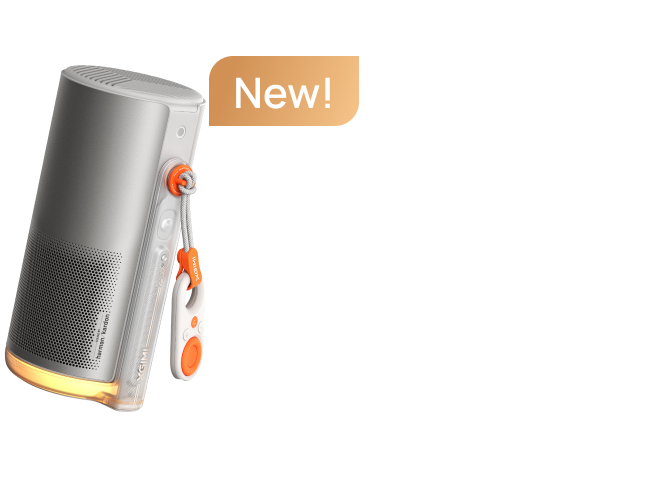
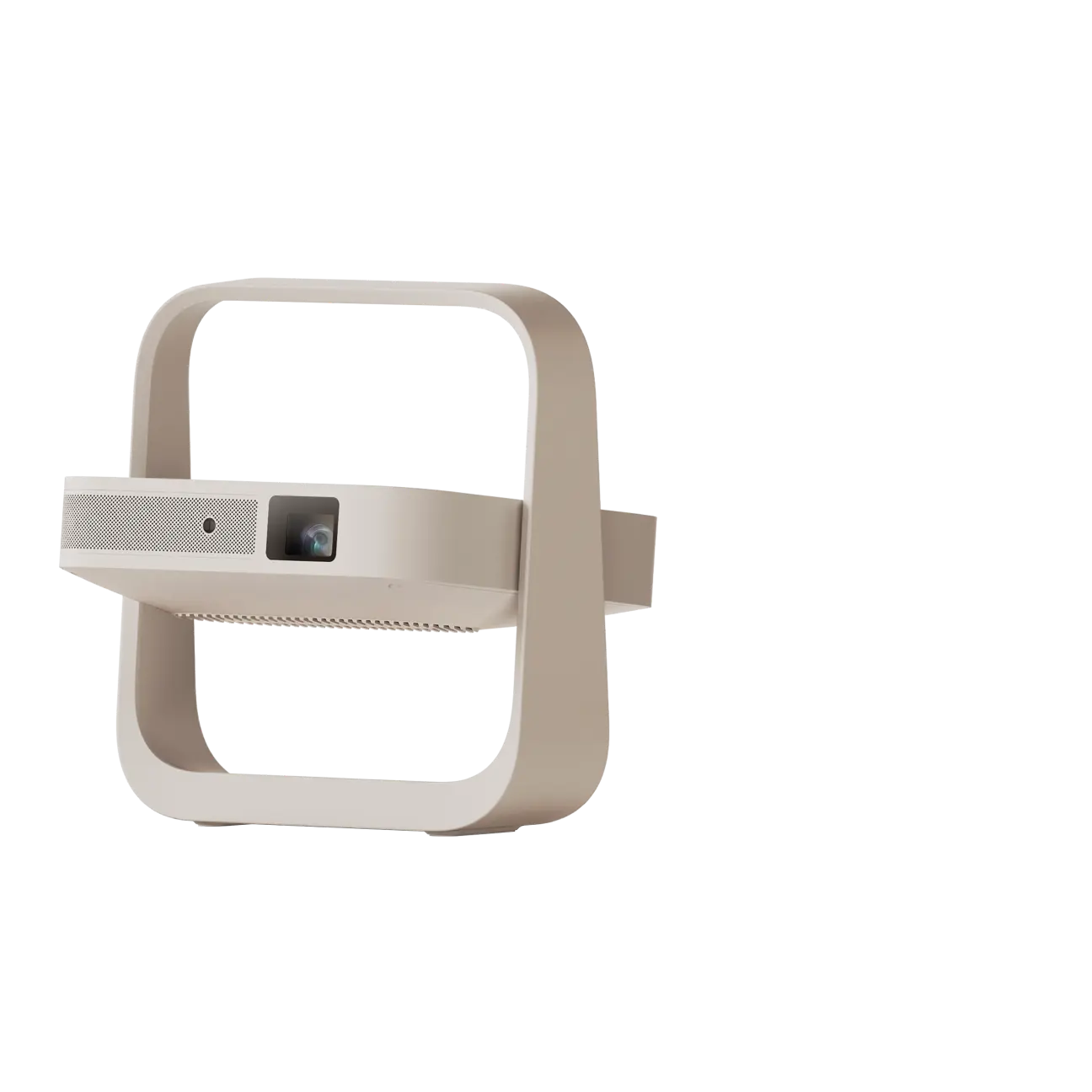
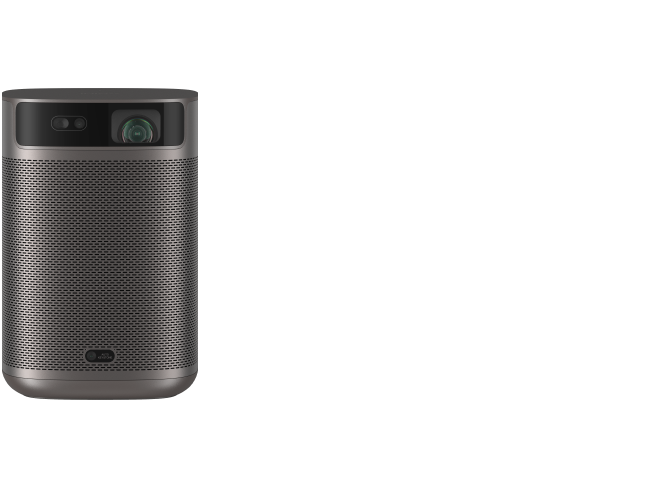
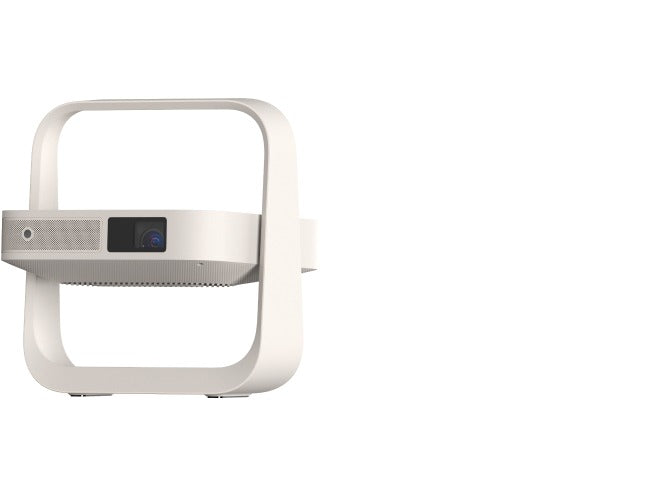
Look for models with low-latency game modes, sufficient HDMI support, and balanced brightness. Portable options add flexibility for multi-room use, while home-focused units emphasize image quality.
For PS5 and Xbox, prioritize devices that handle 4K signals smoothly. Dual HDMI ports simplify switching between consoles and other sources, as detailed in comparisons of dual HDMI projectors versus single-port models.
Trade-Offs Between Immersion and Competitive Precision
Gaming projectors offer cinematic scale and versatility but may introduce slight compromises in absolute speed or brightness consistency compared to dedicated gaming TVs. The trade-off favors immersion for most users in appropriate setups.
If your games mix casual and competitive elements, a capable projector often serves both without needing multiple displays.
How to Choose and Set Up for Optimal Console Performance
Start by auditing your room: measure projection distance, assess light control, and note primary game genres. Check for HDMI 2.1 compatibility if targeting 4K 120Hz. Verify low input lag specs in game mode at your desired resolution.
Setup tips include using a quality screen for better contrast and calibrating picture settings for gaming. Address common issues like HDMI signal problems early, following troubleshooting for projector HDMI no signal fixes with consoles.
A practical checklist includes:
- Confirm input lag under 30ms in intended mode
- Ensure HDMI bandwidth matches console output
- Test brightness in your actual lighting
- Evaluate motion handling with fast game clips
- Consider shared use and setup ease
This approach helps match the projector to your needs.
Important Note on Visual Comfort: This article discusses setup and comfort factors for gaming displays. It is not medical advice, diagnosis, or treatment. Projectors may reduce eye strain for some users through larger images and flexible viewing distances, but results vary. If you experience persistent eye discomfort, headaches, or have existing vision conditions, consult a qualified eye care professional.
In summary, a gaming projector can be worth it for PS5 and Xbox in 2026 when your setup favors large-scale, flexible entertainment in controlled environments. Weigh the specs against your room and play style for the best decision. Models optimized for home and gaming deliver strong performance for many users, blending immersion with practicality.
Related Resources
- Explore gaming projectors for low input lag options.
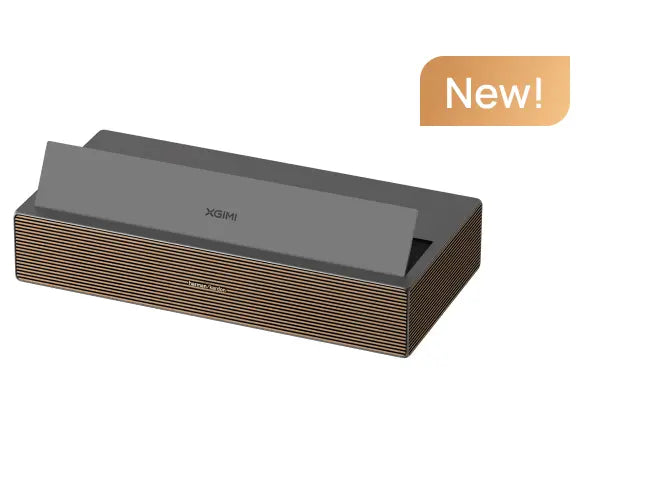
- Check the HORIZON 20 Pro for its 1ms low input lag gaming capabilities.
- Learn more about portable gaming projectors for versatile console setups.


