
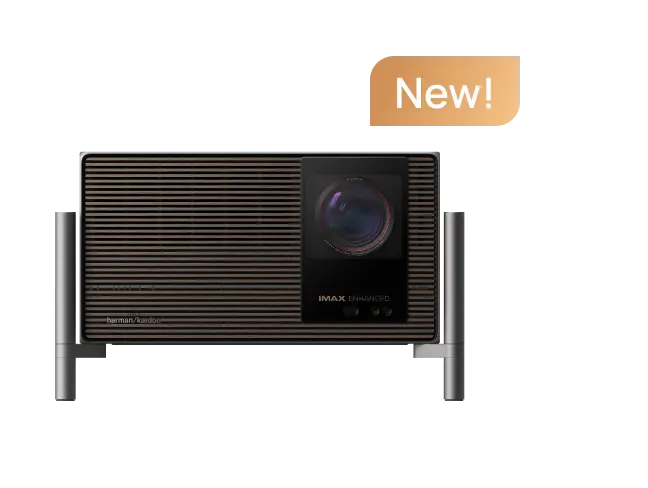



Selecting Ambient Visuals that Complement Conversation
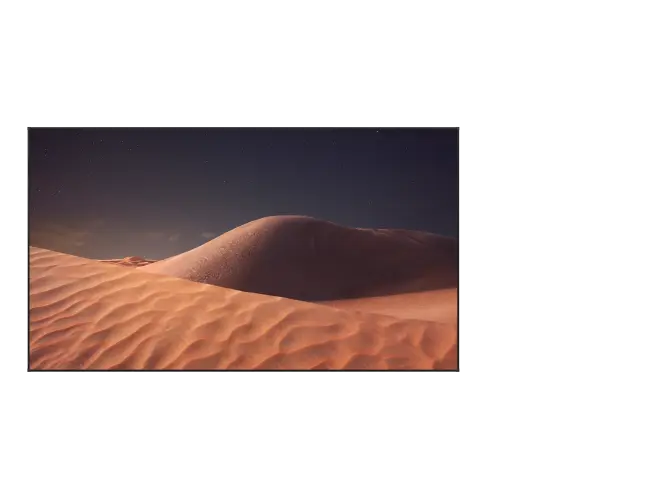
The most successful dinner party projections use content that remains firmly in the background. In our experience, the goal is to provide a "digital wallpaper" rather than a focal point. Opt for slow-moving abstract patterns, gentle nature scenes—such as softly rippling water or drifting clouds—or minimalist geometric designs in muted colors. These options provide visual interest without drawing eyes away from the guests.
A common pattern we’ve seen is that fast-paced videos, text-heavy content, or high-contrast scenes create "visual noise" that can be subconsciously fatiguing for diners. Looping playlists from streaming services or dedicated ambient apps work well because they require no management once the meal begins. Many hosts curate a "dinner ambiance" folder with 30- to 60-minute loops that transition smoothly between similar moods.
When selecting visuals, try to match the color palette to your table setting. Soft golds, deep blues, and earthy neutrals often feel more upscale in evening settings. We recommend testing your content under actual dinner lighting conditions; a visual that looks great in a dark room might appear garish or distracting once the candles are lit.
Strategic Placement: Angles, Heights, and Avoiding Shadows
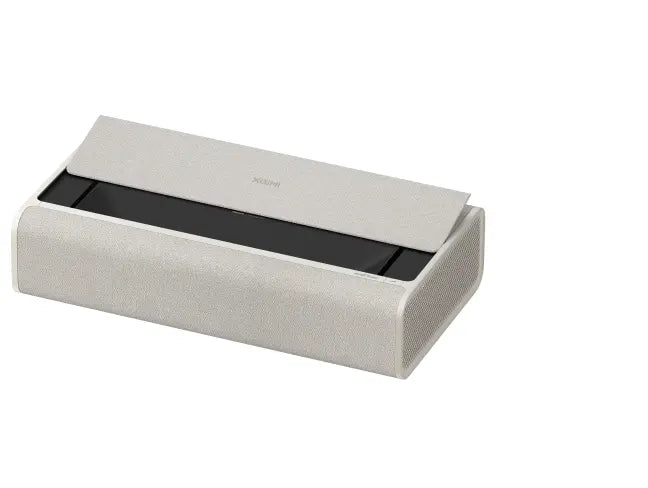
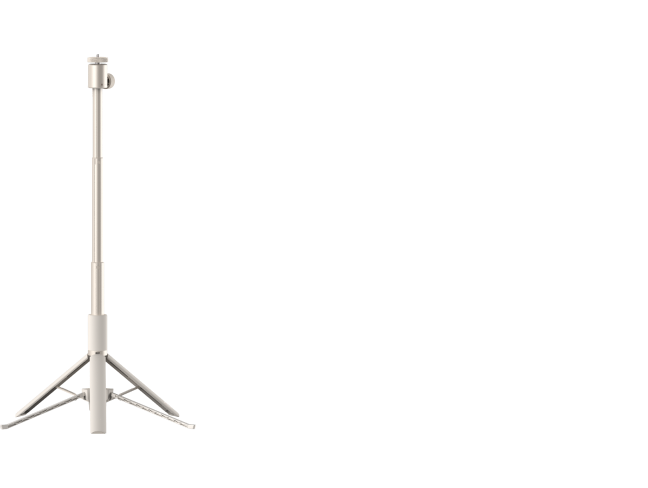
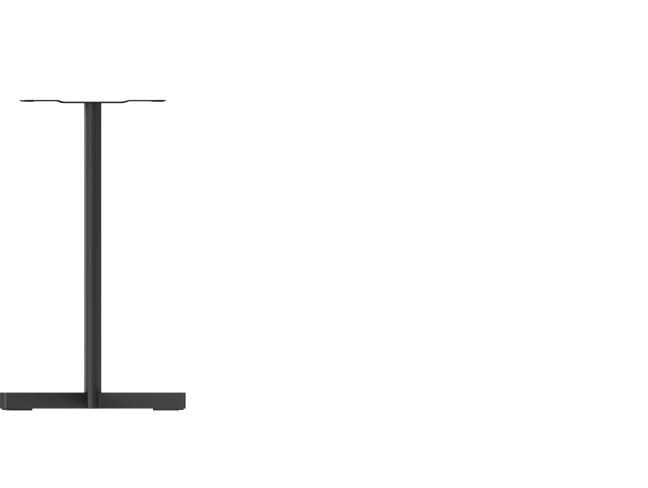
Placement is the most critical factor for non-distracting visuals. To prevent the projector from becoming a trip hazard or blocking service, position it on a side console, a stable shelf, or a low accent table away from main traffic paths.
To avoid casting shadows on the table when guests move or reach for wine, consider these placement heuristics:
- High-Angle Projection: If possible, place the projector slightly higher than head height (on a bookshelf, for example) and tilt it downward. This ensures the beam passes over guests' heads.
- The Side-Angle Approach: Position the projector at a 20-to-30-degree angle from the wall rather than dead-center. Modern projectors with horizontal keystone correction can square the image perfectly even from the side, keeping the hardware out of the central line of sight.
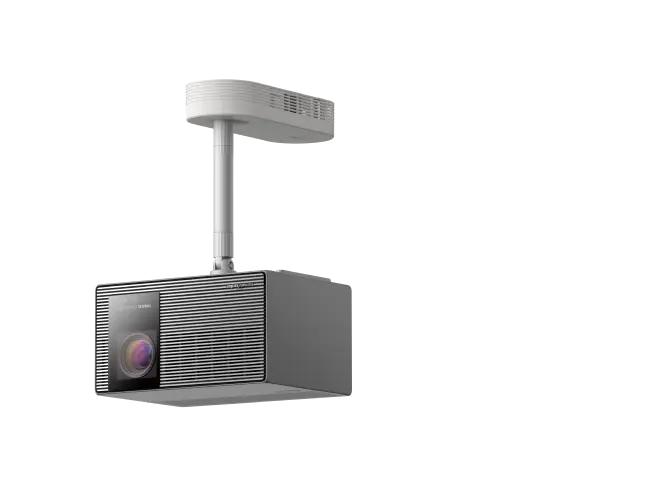
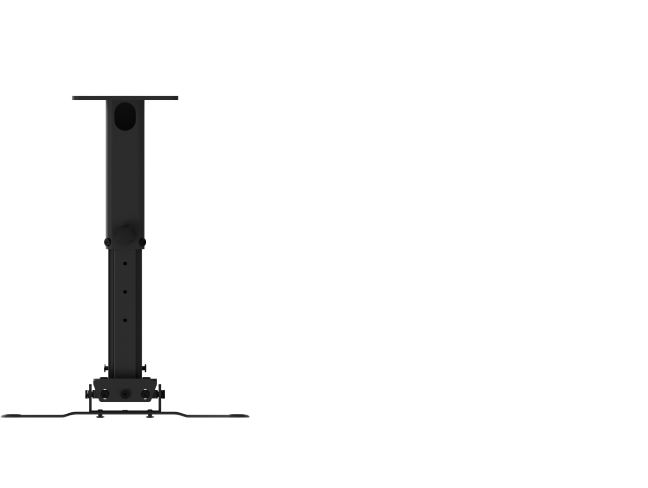
- Ceiling Projection: For a truly unique "skylight" effect, project onto the ceiling. This completely eliminates shadows and glare at the table level.

Balancing Brightness with Candlelight and Dimmers
Projector brightness must complement, not compete with, your existing lighting. Too much output creates a clinical, "office" feel, while too little makes the visuals disappear. The right level is a balance of your room's ambient light and the projector's output.
In a typical dimmed dining room with candlelight, we’ve found that a projector outputting between 400 and 900 ISO lumens is usually sufficient for a subtle effect. If your room has significant light "spill" from an adjacent kitchen, you may need a higher output to maintain visibility.
Pro Tip: Use your projector’s "Eco" or "Quiet" mode. Not only does this lower the brightness to a more appropriate ambient level, but it also significantly reduces fan noise, ensuring the hum of the machine doesn't compete with your dinner playlist or conversation.
The chart below offers a heuristic guide for matching brightness to your environment. These are estimated midpoints intended to help you achieve a subtle glow rather than a high-contrast cinema experience.
Recommended Projector Brightness for Dinner Party Scenarios
Use this as a decision aid, not a measured specification. Values are conservative illustrative midpoints for choosing brightness by room condition and ambient light.
View chart data
| Category | Recommended ISO lumen range (illustrative midpoint) |
|---|---|
| Small dark room | 350.0 |
| Medium lit room | 700.0 |
| Open-plan evening dining | 950.0 |
| Bright room with candles | 1250.0 |
| Semi-bright room + ambient visuals | 1500.0 |
Illustrative model based on common home projector usage patterns and scenario matrices
Troubleshooting Common Setup Hurdles
Even with a great plan, technical issues can arise. Based on common hosting feedback, here is how to handle the most frequent "vibe-killers":
- Focus Drifting: As projectors warm up, the focus can occasionally shift. We recommend turning the unit on 20 minutes before guests arrive to let it reach operating temperature, then performing a final focus check.
- Keystone Distortion: If your image looks like a trapezoid because of a side-angle placement, use the "Manual Keystone" settings to fine-tune the corners. Avoid over-stretching the digital correction, as it can slightly reduce image sharpness.
- Color Wash-out: If projecting onto a non-white wall (e.g., beige or grey), the colors will shift. Most modern projectors have a "Wall Color Correction" setting that adjusts the output to compensate for the surface tone.
- Glare on Glassware: If you notice distracting reflections on wine glasses or polished wood, slightly shift the projection area higher on the wall or reduce the "Digital Zoom" to shrink the image away from the table surface.
Creating a 5-Minute "Dinner Mode" Routine
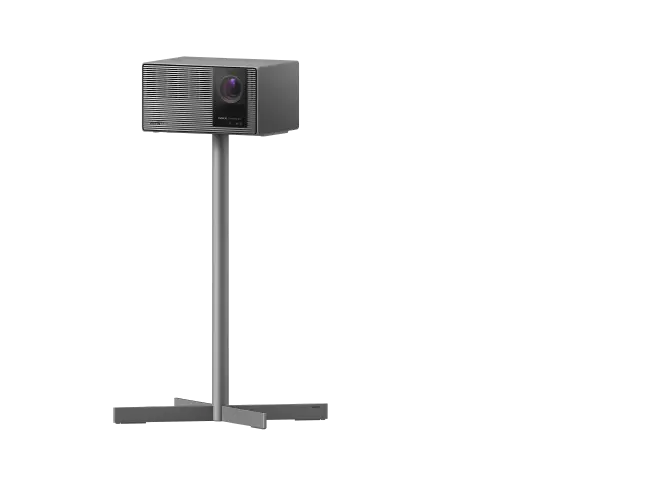
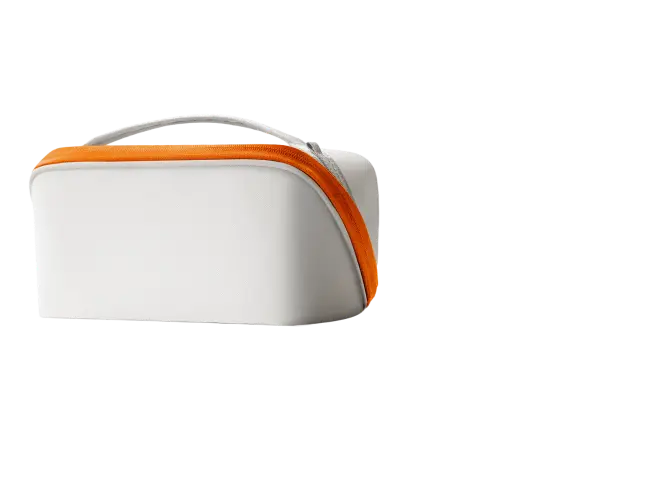
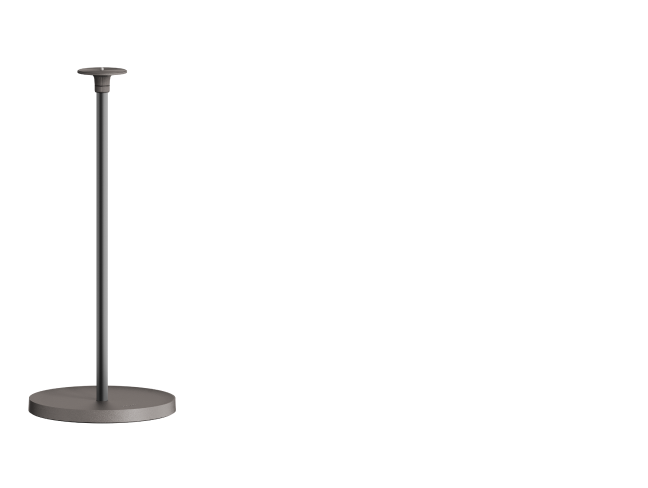
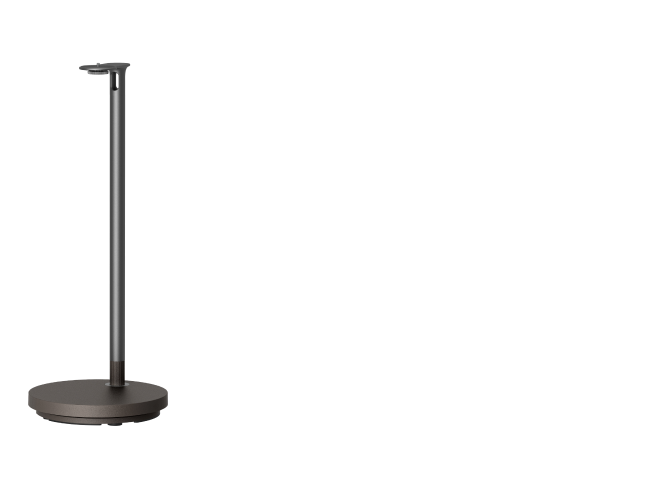
To make projector use a stress-free part of your hosting, develop a repeatable setup routine. Many hosts store their projector on a dedicated stand with pre-calibrated settings, allowing for a "plug-and-play" experience.
The Host’s Quick Checklist:
- Warm-up: Power on the unit 15-20 minutes early.
- Visual Loop: Start the playlist and set it to "Repeat."
- Sightline Check: Sit in at least two different chairs at the table to confirm there is no direct glare in guests' eyes.
- Audio Check: Ensure the projector's internal speakers are muted if you are using a separate sound system.
- Dim the Lights: Adjust your room dimmers and candles to find the "sweet spot" where the projection and room light blend.

When a Projector Setup May Not Be Ideal
While projectors can elevate an evening, they aren't a universal solution. We suggest skipping the projector if your dining area has floor-to-ceiling windows without blackout curtains during a summer sunset, as the ambient light will wash out the image entirely. Additionally, if your hosting style involves a lot of standing and mingling in a cramped space, the frequent shadows cast by guests may become more distracting than decorative.
The setup works best when the projector can remain in a stable, "set-it-and-forget-it" location. If you find yourself constantly adjusting the unit during the meal, it’s better to rely on traditional decor.
Note: This guide is based on common consumer experiences with home theater equipment. Always refer to your specific projector's manual for safety and ventilation requirements. If you or your guests experience eye strain or light sensitivity, adjust the brightness or discontinue use.
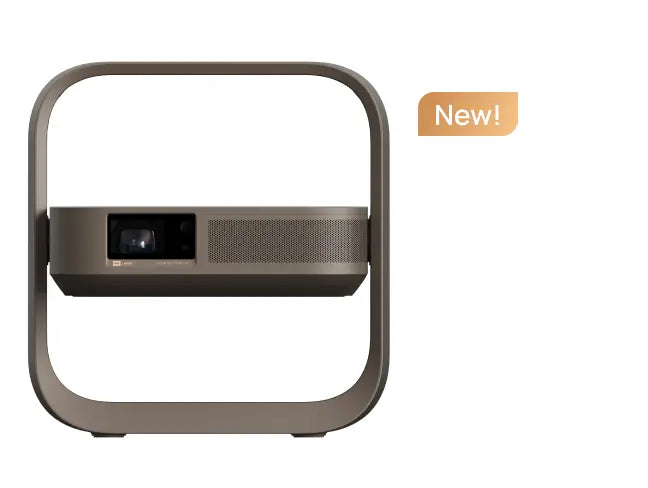
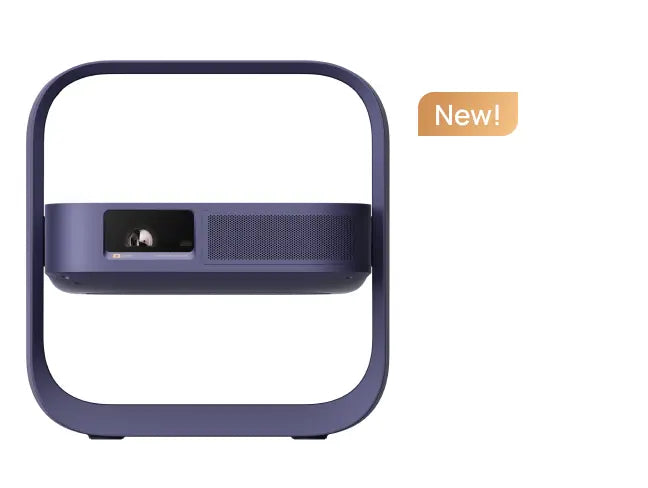
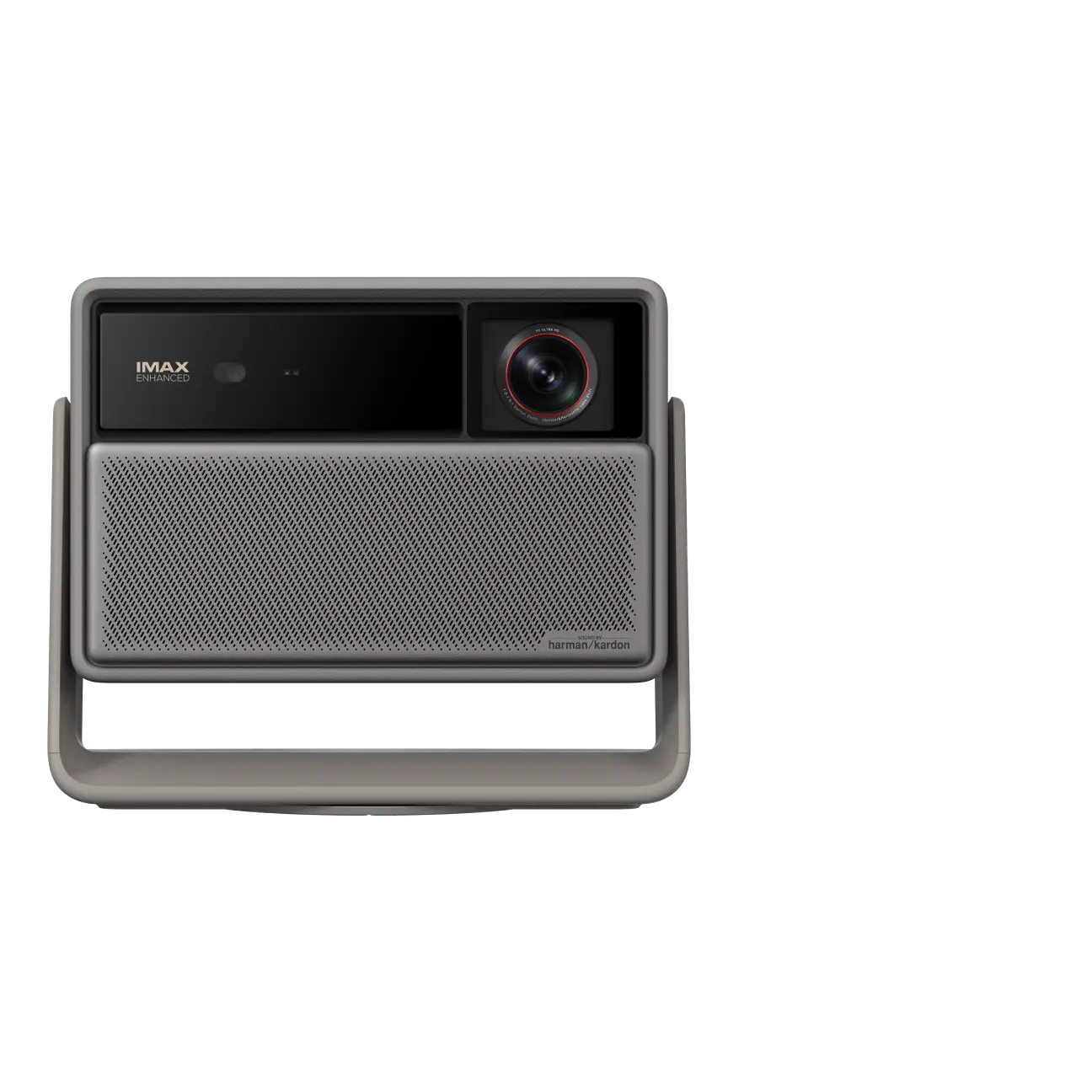
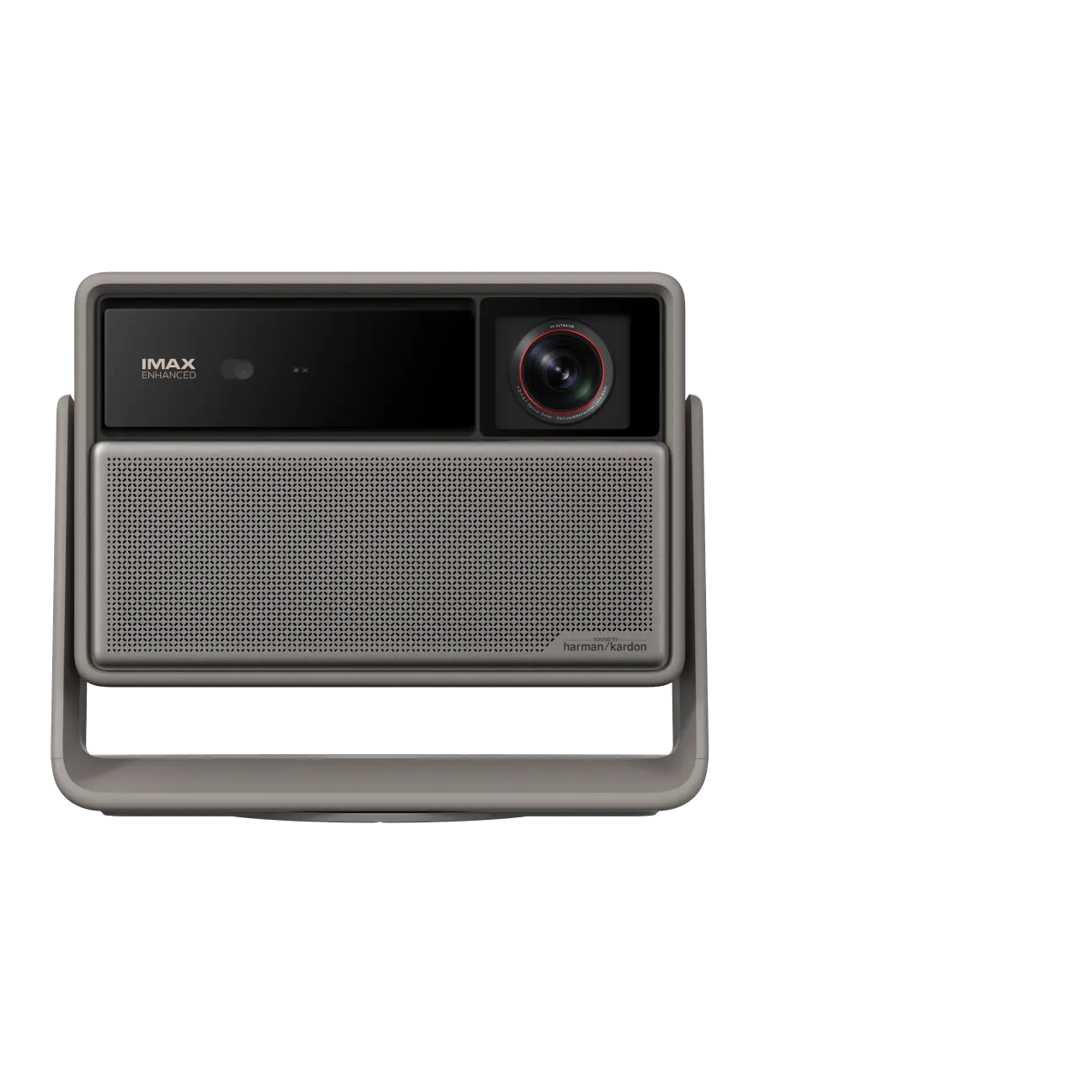
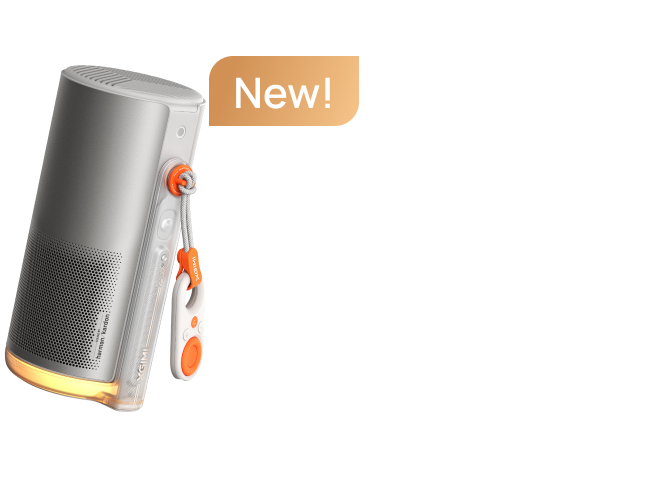
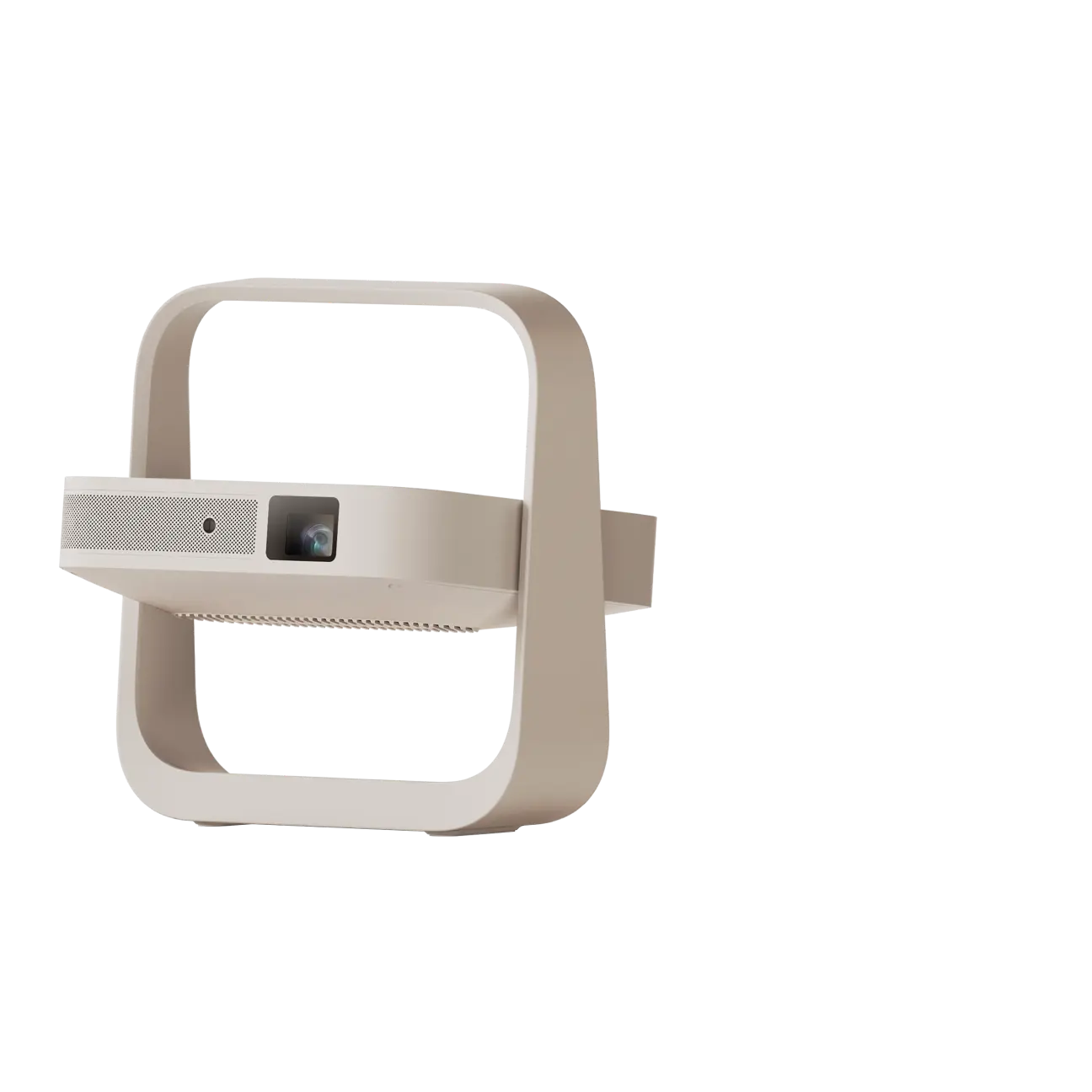
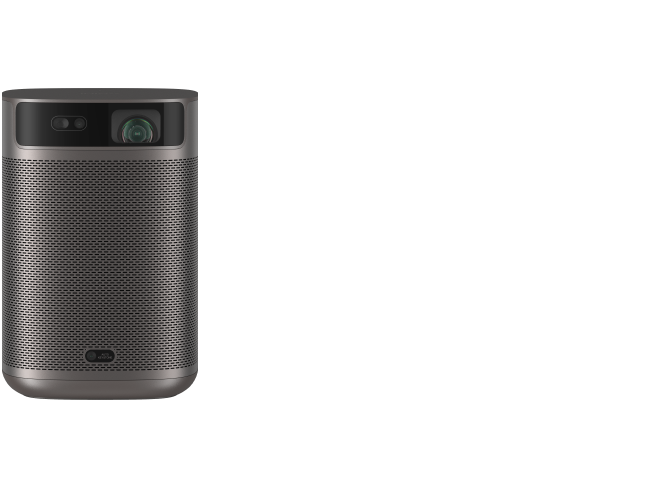
For more ideas on integrating projectors into living spaces, explore our guide to designing a minimalist living room with a hidden projector setup. If you need portable options suitable for flexible hosting, consider models from the portable projectors collection.


