




Portable projectors promise big-screen entertainment anywhere, but many outdoor enthusiasts wonder whether their device can survive a sudden drizzle, blowing dust at a campsite, or humid patio nights without damage. The short answer is that IP ratings provide useful but limited guidance: they measure resistance to dust and water ingress under controlled tests, yet they do not guarantee full weatherproofing or safe exposure to heavy rain, prolonged moisture, or unattended outdoor conditions.

Understanding these ratings helps buyers set realistic expectations and pair their projector with proper setup practices for camping, backyard movie nights, or RV use. This guide explains how to read IP codes, what protection levels are realistic for portable projectors, and the practical steps that matter more than chasing the highest number on the spec sheet.
What IP Ratings Actually Mean for Projectors
An IP rating, short for Ingress Protection, is a two-digit code defined by the IEC 60529 standard. The first digit rates protection against solid particles such as dust, while the second digit rates protection against water. For example, IP65 indicates dust-tight construction and resistance to low-pressure water jets, whereas IPX4 means the device can handle splashing water from any direction but offers no specified dust protection.
In the context of portable projectors, these ratings address whether fine dust particles or moisture can enter the housing and potentially affect internal components like the light source, optics, or electronics. However, the rating only certifies performance under standardized lab conditions. It does not test real-world variables such as wind-driven rain, temperature swings that cause internal condensation, prolonged humidity, or the impact of dust on cooling vents over months of use.

Many marketing descriptions use terms like "weather-resistant" or "outdoor-ready," but these claims must be read carefully. As official ingress protection guidance explains, higher numbers indicate better resistance within their test parameters, yet they do not automatically make a projector safe for heavy rain or submersion. Portable projectors marketed for camping or patio use still require thoughtful placement and often additional physical protection.
Common IP Ratings on Portable Projectors and What They Offer
Most consumer portable projectors carry ratings in the IPX4 to IP65 range. Here is a breakdown of what these levels typically provide and their practical limitations:
- IPX4: Protects against splashing water from any direction. Suitable for light rain or accidental spills in controlled conditions, but offers no dust resistance. Dust can still enter vents and affect fan performance or image quality over time.
- IP54: Adds limited dust protection (dust ingress not harmful to operation) alongside splash resistance. A common middle-ground rating that improves reliability in dusty campsites or patios compared with IPX4 alone.
- IP65: Dust-tight and resistant to water jets. This provides the strongest ingress protection among common portable ratings, making it preferable for variable outdoor environments, though it still does not equate to waterproofing for heavy storms or immersion.
Even with IP65, manufacturers generally advise against leaving the unit exposed during significant weather events. Dust that bypasses imperfect seals or accumulates around vents can impair cooling, leading to overheating or reduced lifespan. Humidity can also cause internal fogging on lenses or electronics if temperature changes rapidly.
The chart below illustrates relative protection levels for these common ratings using a heuristic 0–100 scale. It highlights that while higher ratings reduce ingress risk, the need for shelter remains high across all levels in true outdoor scenarios.
Practical Protection by Common IP Ratings for Portable Projectors
Illustrative relative protection (0–100) based on standard IP interpretations, not measured outdoor performance.
View chart data
| Category | IPX4 | IP54 | IP65 |
|---|---|---|---|
| Dust protection | 0.0 | 40.0 | 100.0 |
| Water protection | 50.0 | 50.0 | 90.0 |
| Shelter still needed | 90.0 | 90.0 | 100.0 |
Heuristic illustration using standard IP code meanings from the provided myth_vs_reality, threshold_table, and scenario_matrix modules. IP ratings test ingress only; they do not mean full weatherproofing. Higher ratings improve dust/water resistance, but shelter is still required in outdoor use, especially for rain, splashing, and dust that can affect cooling.
This visualization serves as a practical boundary guide rather than lab data. It underscores that IP ratings improve resistance but do not eliminate the need for shelter in rain, splashes, or dusty settings.
Myth vs Reality: Common Misconceptions About Weatherproof Projectors
Several myths persist in outdoor projector marketing and buyer forums. Correcting them prevents costly mistakes or damaged equipment.
Myth: An IP-rated projector is fully weatherproof and can be left outside in any conditions.
Reality: IP ratings only certify resistance to dust and water ingress under specific test conditions. They do not cover heavy rain, prolonged exposure, wind-driven moisture, or the effects of condensation on image quality and electronics. Even high-rated models usually need a canopy, case, or quick storage plan.
Myth: Higher IP numbers make weather risk disappear.
Reality: While IP65 offers better protection than IPX4, dust can still impact cooling fans and long-term reliability. Image performance in humid or changing temperatures is not addressed by the IP code at all.
Myth: Dust protection is only a minor concern for camping projectors.
Reality: Campsites and patios often expose devices to fine particles that accumulate inside vents. Over time this can raise operating temperatures, reduce brightness consistency, or trigger thermal shutdowns.
These distinctions matter because buyers frequently assume a single spec solves all outdoor durability questions. In practice, setup habits and environmental control contribute more to longevity than the IP number alone.
How Different Outdoor Scenarios Change Protection Needs
The usefulness of any IP rating depends heavily on your specific use case. The same projector may feel adequately protected on a covered patio but risky at an open campsite.
- Camping trips: High dust and unpredictable weather make this the most demanding scenario. Prioritize IP65 or better, combined with a protective case, tented viewing area, and routine to pack the unit away before dew or rain arrives. Dust can quickly affect optics and cooling in open environments.
- Backyard movie nights: Moderate risk if sessions are short and you can monitor the weather. IP54 or IPX4 may suffice with a tarp or quick-cover routine, but avoid leaving the projector unattended overnight.
- Patio or deck use: Often the most forgiving because overhead cover reduces direct rain and wind. IP54 provides a comfortable safety margin against occasional splashes and dust, though humidity can still pose condensation risks.
- RV or van-life setups: Semi-controlled environments favor models with IP54 or higher. Easy storage inside the vehicle minimizes exposure, making the rating more of an extra margin than the primary defense.
A practical decision rule emerges from these scenarios: if your setup depends on perfect weather staying perfect, even a strong IP rating is not enough by itself. The threshold that matters most is whether you can reliably shelter or store the projector when conditions change.
What IP Ratings Do Not Tell You About Outdoor Performance
IP codes focus narrowly on preventing solids and liquids from entering the enclosure. They provide no information about several critical real-world factors:
- Image quality or brightness degradation in bright daylight or humid air.
- Fan noise or thermal management when dust partially obstructs vents.
- Battery performance or electronics reliability during temperature swings common in camping.
- Long-term durability after repeated exposure to pollen, sand, or salt air.
For these reasons, buyers should evaluate projectors based on a combination of IP rating, build quality, included accessories (such as carrying cases), and manufacturer guidance in the user manual. Dust and humidity remain meaningful risks even for "dust-proof" models because cooling systems often rely on airflow that can introduce particles over time.
How to Evaluate and Use a Portable Projector Outdoors Safely
Before purchasing, follow this checklist to match a projector to your outdoor needs:
- Check the exact IP rating in the official specifications rather than marketing headlines.
- Read the user manual for any explicit outdoor use warnings or recommended practices.
- Assess your typical environment: how often does rain, dust, or heavy dew occur?
- Plan your setup with physical protection in mind—canopy, elevated stand, weatherproof bag, or quick-packing routine.
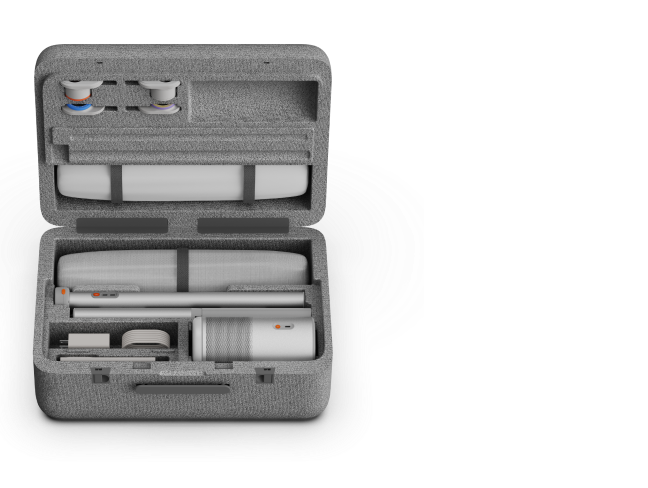
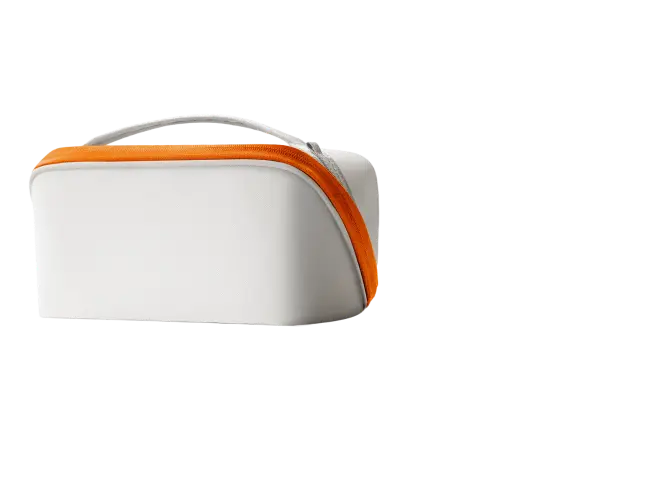
- Consider accessories: many portable models come with cases that add another layer of defense.
- Test in mild conditions first and monitor for any signs of overheating, image fogging, or unusual fan behavior.
For camping enthusiasts, combining a higher-rated projector with smart habits delivers the best results. Models designed for portability often balance IP protection with battery life and lightweight design, but real-world weather resistance depends more on user behavior than the rating alone.
This article only discusses comfort and setup advice related to environmental exposure. It does not constitute advice on product safety certification, electrical compliance, or device repair. Projectors contain sensitive electronics; if you experience any malfunction, overheating, or persistent issues after exposure to moisture or dust, consult the manufacturer or a qualified technician. For health concerns such as eye strain during outdoor viewing, speak with an eye care professional.
Choosing the Right Protection Level for Your Lifestyle
Portable projectors bring movie nights to campsites, patios, and backyards, but no IP rating turns them into fully weatherproof devices. The most reliable approach combines a sensible rating (IP54 or IP65 for most outdoor users) with practical habits: shelter the unit during rain, minimize dust exposure, store it properly when not in use, and avoid leaving it in harsh conditions overnight.
By understanding the limits of IP ratings, buyers can make informed decisions that protect their investment and deliver many seasons of outdoor entertainment. Focus less on chasing the highest number and more on creating a setup that keeps the projector safe and the viewing experience enjoyable regardless of the weather forecast.
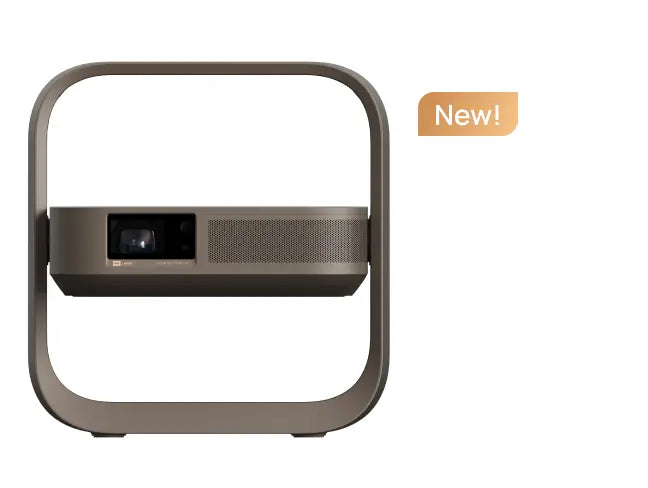
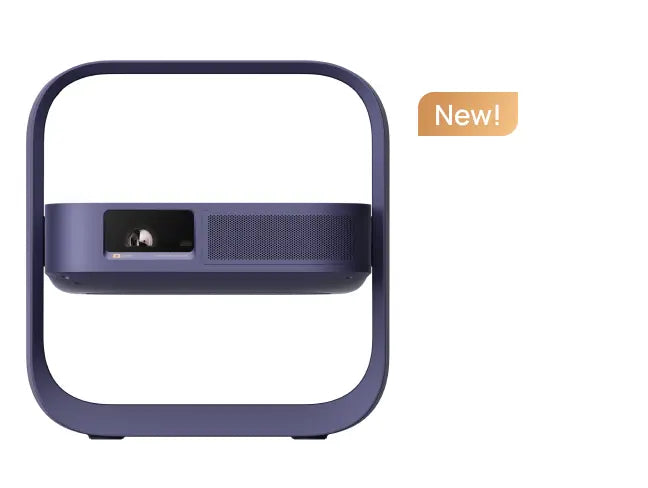
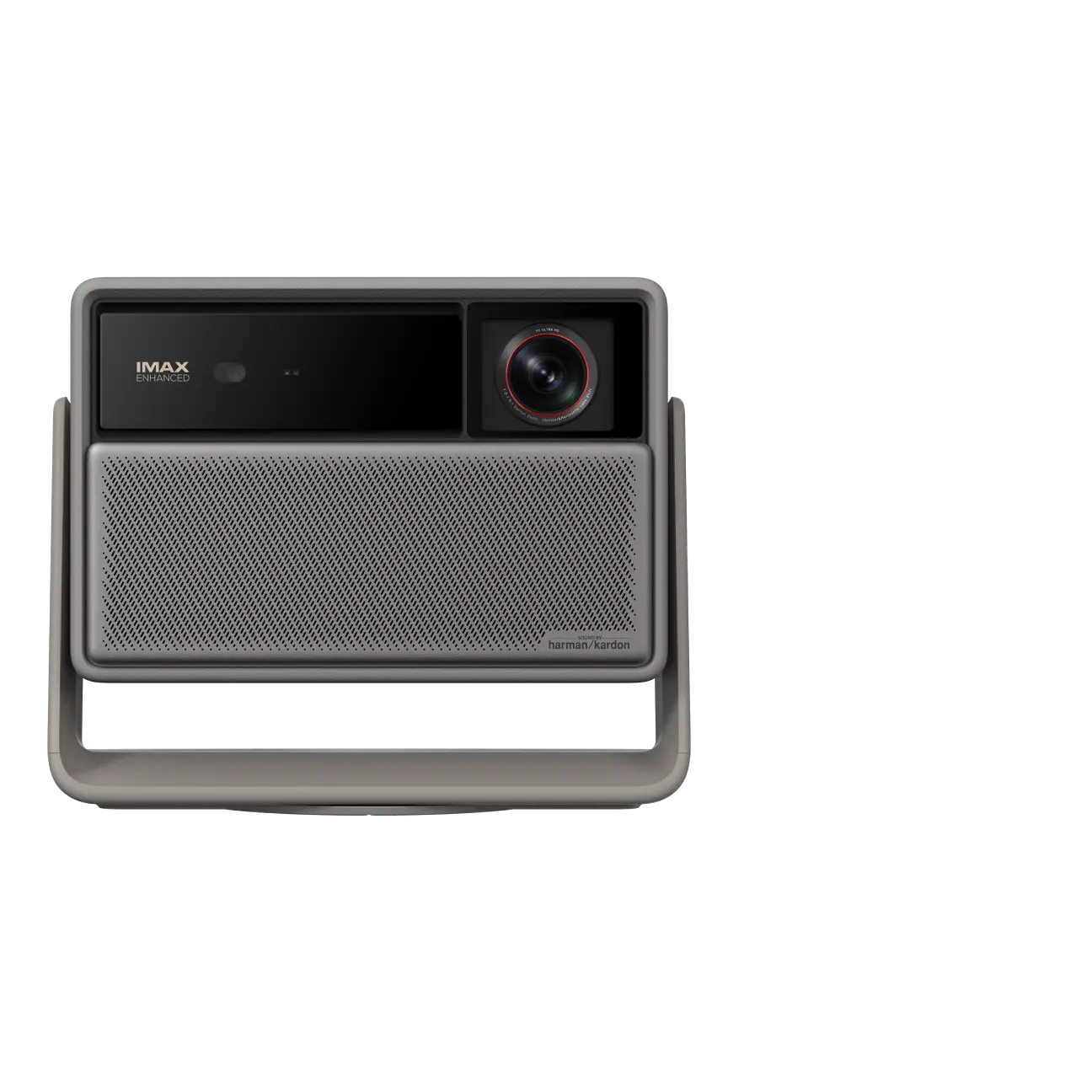
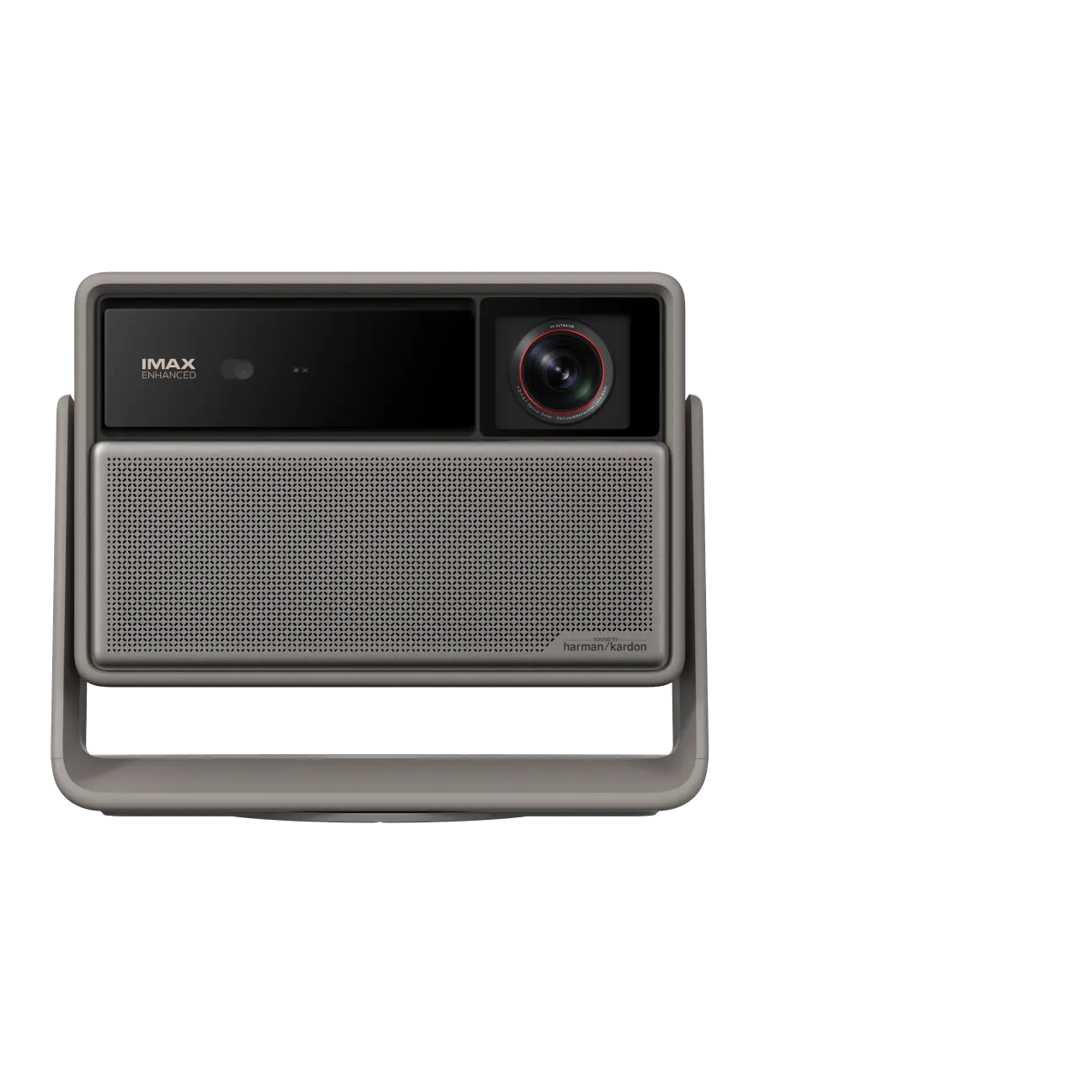
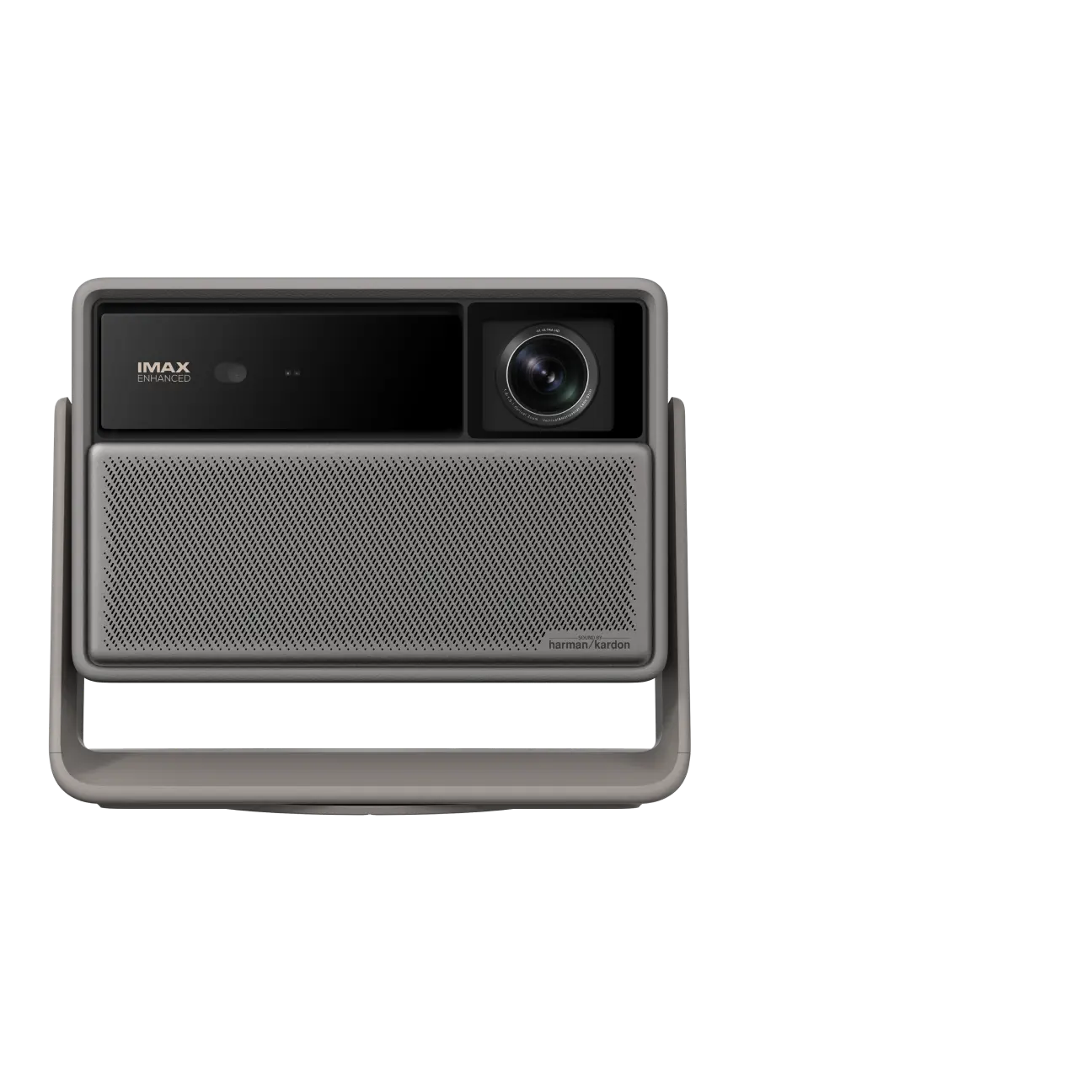
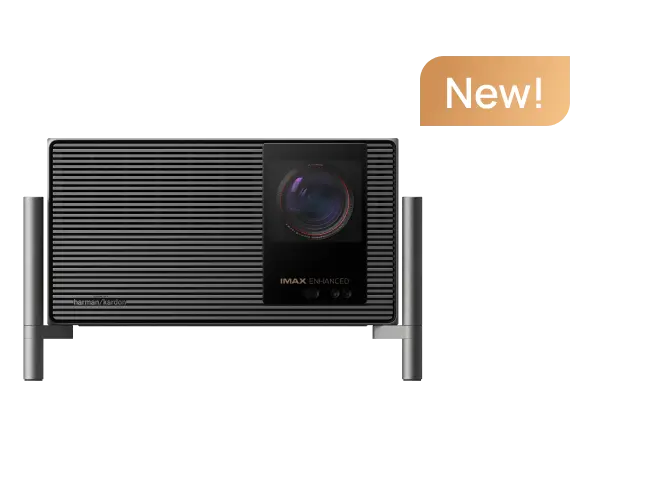
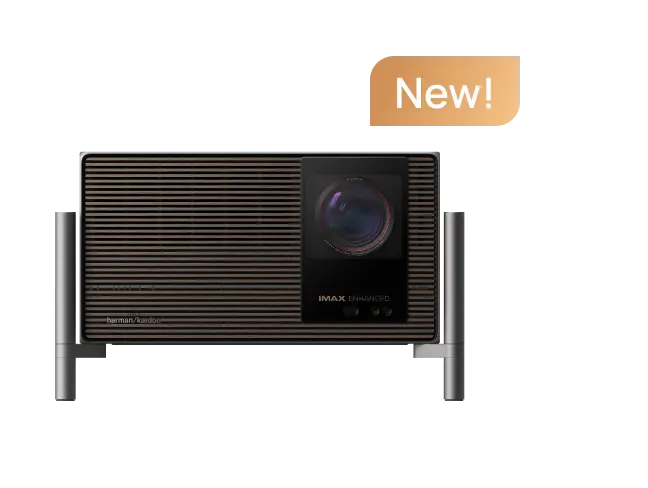
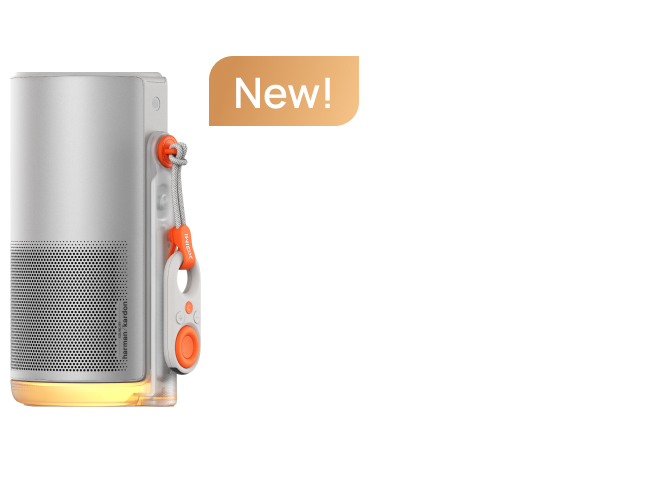
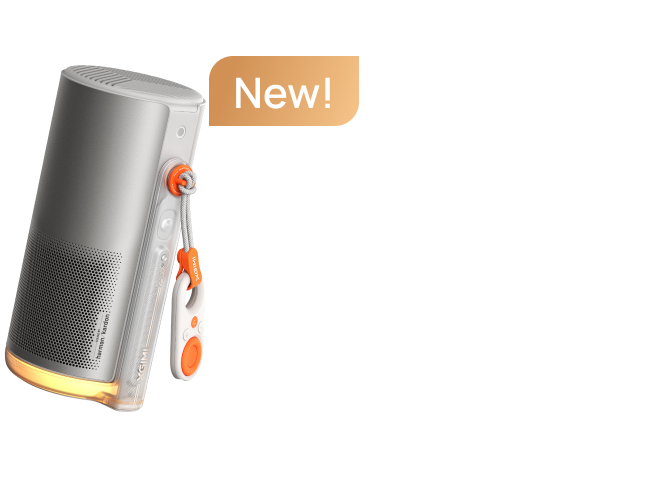
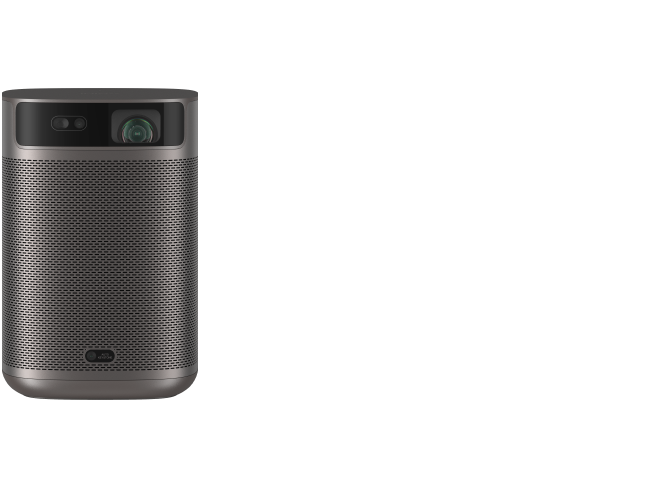
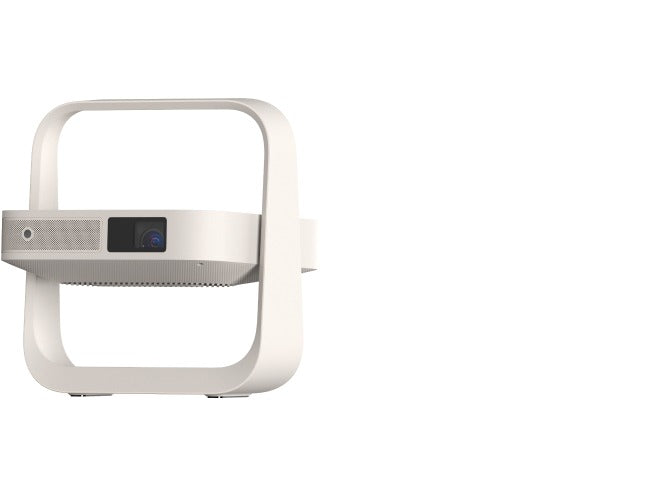
If you are planning your next outdoor movie setup, explore portable projectors that balance performance, battery life, and thoughtful design for variable environments. For camping-specific recommendations, see our guide to enlivening your next camping trip with a portable projector. Models like the Halo+ (New) and MoGo 4 Laser offer convenient features that complement protected outdoor use.


