








When it comes to video quality, the debate between HDR (High Dynamic Range) and SDR (Standard Dynamic Range) continues to stir up passionate discussions. But with HDR becoming the gold standard for most modern displays, you might be wondering: Is HDR really worth it compared to SDR? Here's a breakdown of the differences, benefits, and what to consider when choosing between HDR and SDR for your next viewing or projector experience.
HDR vs SDR: Quick Answer
HDR generally offers a better viewing experience due to its higher contrast, wider color gamut, and brighter highlights. It provides more vivid and lifelike images, especially in darker scenes, by bringing out details that SDR cannot. However, the full potential of HDR is only realized when your content, display, projector, cables, and settings all support it. SDR, on the other hand, can still look natural and accurate on many displays, especially in environments with higher ambient light or with older content. For a side-by-side at a fixed price point, see our 4K HDR projector vs 4K SDR comparison for home theater.
What Is SDR?
SDR has been the standard video format for decades. It uses a more limited color range and brightness compared to HDR, making it easier to display on a wide range of devices. SDR works well in many cases, especially when you don't have access to HDR content or a compatible display. SDR video looks more natural on most older devices and in well-lit environments.
What Is HDR?
HDR stands for High Dynamic Range, and it expands both the brightness and color range of the image. HDR video can showcase bright highlights and dark shadows simultaneously, revealing more details than SDR. It requires both compatible content and a capable display or projector to achieve its potential. HDR is used primarily for movies, games, and streaming services that support the format.
HDR vs SDR: Key Differences
| Feature | SDR | HDR |
|---|---|---|
| Brightness Range | Standard brightness range | Wider brightness range with brighter highlights |
| Color Gamut | Limited color range | Wider color gamut for more vibrant images |
| Detail | Standard detail in most scenes | Better detail in bright and dark areas |
| Metadata | None | Can use static or dynamic metadata |
| Best For | Older content, basic displays | Movies, games, premium streaming, capable displays/projectors |
| On Projectors | Often more predictable | Better only when brightness, contrast, and tone mapping are strong |
Why HDR Can Look Better Than SDR
HDR offers a wider color gamut, higher brightness, and more detailed contrasts, all of which make it a more immersive experience for high-quality video content. If you're watching movies or playing games that are mastered in HDR, the colors will be more vivid, the blacks will be deeper, and the highlights will pop in a way that SDR cannot match.
However, for HDR to look good, your device needs to support it. This includes having the right HDR formats (like HDR10 or Dolby Vision), a bright enough display, and a proper viewing environment.
When SDR May Still Look Better
SDR might still be a better choice in certain situations:
- Poorly mastered HDR content: Some HDR content can look washed out or overly dark on certain displays due to poor mastering or insufficient display capabilities.
- Bright rooms: HDR works best in controlled lighting environments. In bright rooms, SDR may provide a more consistent image without the overexposure common in HDR.
- Lower-end devices: Older devices and projectors may not be able to display HDR properly. In such cases, SDR might look more natural and less disappointing.
HDR Formats Explained: HDR10, HDR10+, Dolby Vision, and HLG
Understanding the differences between HDR10, HDR10+, and Dolby Vision is crucial for making the best choice for your setup. Here's a quick rundown:
1. HDR10
HDR10 is the most common HDR format. It's an open standard that supports 10-bit color depth and a peak brightness of 1000 nits. It uses static metadata, which means the same brightness and color levels are applied throughout the entire video. While it's the least expensive and widely compatible, it doesn't offer the dynamic adjustments that other formats provide.
2. HDR10+
An improvement over HDR10, HDR10+ adds dynamic metadata, adjusting brightness and color levels on a scene-by-scene basis for a more accurate representation of the content. While HDR10+ provides a better viewing experience, it requires more powerful hardware and is less widely supported than HDR10.
3. Dolby Vision
Dolby Vision is a premium HDR format that also uses dynamic metadata. It offers superior brightness, color, and contrast compared to HDR10. However, it is a licensed format and often comes with a higher cost. Supported by a limited number of brands and streaming services, Dolby Vision delivers the best HDR performance when available.
4. HLG (Hybrid Log-Gamma)
HLG was developed for broadcast and live TV, allowing HDR content to be displayed alongside SDR content. It's ideal for content that's broadcast over satellite or cable, but it doesn't match the performance of HDR10+ or Dolby Vision.
Is HDR Worth It on a Projector?
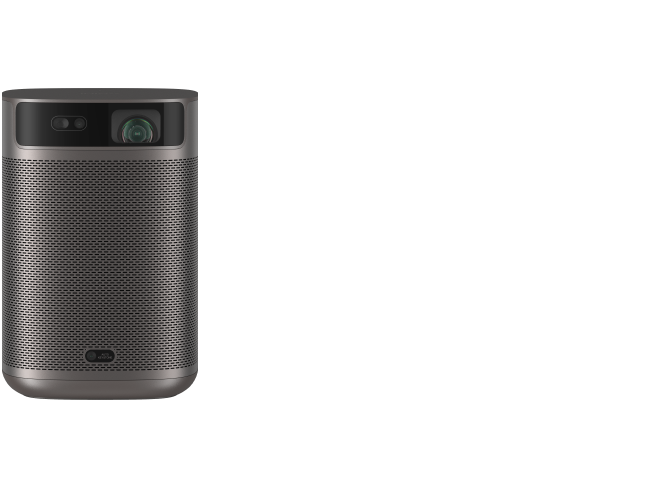
HDR on a projector can be incredibly rewarding — see what HDR can do for your projector for a deeper look — but it depends on several factors, including the projector's brightness, contrast, and tone-mapping ability. HDR is most effective on projectors that are capable of high brightness levels and accurate color reproduction.
Here are a few things to consider:
- Brightness: HDR requires a high-brightness projector to really make a difference. A projector with a higher lumen rating will bring out the HDR details, especially in dark scenes.
- Contrast: A high contrast ratio helps HDR show the full range of bright and dark details.
- Tone Mapping: A projector with excellent tone-mapping technology can ensure HDR content is rendered as accurately as possible, without overexposing or losing details in dark scenes.
- Room Lighting: HDR works best in dark rooms. In bright environments, the improvements of HDR may be less noticeable.
How To Choose an HDR Projector
When shopping for an HDR projector, consider the following:
- Check compatibility: Make sure the projector supports HDR10, Dolby Vision, or HDR10+.
- Consider brightness: Look for projectors with at least 2,000 lumens for HDR to appear bright and vibrant.
- Look for dynamic metadata: Projectors that support HDR10+ or Dolby Vision will offer superior image quality by dynamically adjusting brightness and color levels. If Dolby Vision is a priority, our guide to choosing a Dolby Vision projector covers what to look for.
- Evaluate your room lighting: Ensure your room is dark enough to take full advantage of HDR's high contrast.
Not sure how bright "bright enough" is? See our guide to the best brightness for a projector for room-by-room lumen recommendations.
How To Check If Your Setup Supports HDR
- Check your display/projector: Look for the HDR logo or mention of HDR compatibility in the product specifications.
- Check your HDMI cable: Make sure you're using an HDMI 2.0 or higher cable, as these support HDR. Some devices may also require an HDMI 2.1 cable for the highest-quality HDR content.
- Content: Ensure the content you are watching or playing is available in HDR. Popular streaming services like Netflix, Amazon Prime, and Disney+ offer HDR content.
Conclusion
HDR provides an improved viewing experience with richer colors, better contrast, and more detail, but only when your display or projector, the content, and the environment are all optimized for it. SDR still offers a solid viewing experience, especially for older content and in well-lit rooms. Whether you choose HDR or SDR depends on your setup, preferences, and the content you enjoy.
FAQs
1. Is HDR better than SDR?
Yes, HDR generally provides a better viewing experience with more vivid colors, brighter highlights, and improved detail, especially in high-quality content. However, HDR requires the right hardware and environment to perform optimally.
2. Why does HDR sometimes look worse than SDR?
HDR can appear washed out or overly dark if the display isn't bright enough or if the content is poorly mastered. It also requires proper tone-mapping to avoid unnatural results.
3. Is HDR worth it on a projector?
It's worth it if the projector has high brightness, contrast, and good tone-mapping capabilities. Ensure that your projector supports HDR formats like HDR10 or Dolby Vision for the best results.
4. What is the difference between HDR10 and Dolby Vision?
HDR10 is a more common format that uses static metadata, while Dolby Vision uses dynamic metadata for superior image quality, offering better brightness, color, and contrast.
5. Can I watch Netflix in HDR on a projector?
Yes, provided your projector supports HDR (like HDR10 or Dolby Vision) and you have the appropriate streaming plan and internet speed. Here's a walkthrough on how to watch Dolby Vision content at home.


