



Creating a DIY outdoor movie screen for overlanding trips is an excellent way to enjoy movie nights under the stars without hauling bulky dedicated gear. By using common camping materials like a white sheet or tarp that you likely already carry, you can build a functional projection surface that packs small, sets up quickly, and delivers a surprisingly good viewing experience after dark. The key is focusing on tension, anchoring, and campsite selection to overcome common challenges like wind and uneven ground.

While a purpose-built portable screen offers superior brightness and contrast, a well-executed DIY version serves as a smart compromise for minimalists who value lightweight multi-use items. Success depends heavily on your ability to create a flat, wrinkle-free surface and choosing the right time and location for your screening.
Why a DIY Screen Makes Sense for Overlanding
Overlanding demands gear that serves multiple purposes and takes up minimal cargo space. A dedicated outdoor movie screen often fails this test—it's another rigid or rolled item competing for room in your rig. A simple DIY approach lets you repurpose a bedsheet, painter's drop cloth, or camping tarp you already own.
The most popular DIY method uses a plain white sheet or light-colored tarp stretched tightly between trees, vehicles, or poles. When tensioned properly, these materials can produce an image sharp enough for group viewing. This setup shines in remote campsites where you want spontaneous entertainment without extra weight.
Ambient light is the biggest enemy of any outdoor projection. As this CNET outdoor projector guide explains, visibility drops significantly with any remaining daylight or bright surroundings, making post-sunset screenings essential for the best results.
Choosing the Right Materials for Your DIY Outdoor Projector Screen
The best material balances reflectivity, durability, and packability. A king-size white cotton or cotton-blend sheet offers good light reflection and folds down to almost nothing. Avoid dark or heavily patterned fabrics, as they absorb light and distort the image.
For tougher conditions, consider a lightweight silver or white camping tarp. These resist wind better and handle moisture, though they may show more texture. Some overlanders use white painter's drop cloths from the hardware store for their low cost and smooth finish when stretched.
Avoid projecting directly onto tents, vehicle sides, or random surfaces. These rarely stay flat and often have seams or textures that ruin image quality. Flatness and surface quality matter greatly for clear projection, which is why a dedicated tensioned fabric outperforms improvised walls.
Inflatable options like a white air mattress or pool float can work in a pinch, though they require more packing space and may not achieve perfect flatness. They do offer quick setup if you already carry similar gear for comfort.
Step-by-Step: How to Build and Set Up Your DIY Camping Movie Screen
Start by selecting your material and measuring your desired screen size. A 6x8 foot or larger surface works well for groups of 4-8 people. Aim for at least a 16:9 aspect ratio to match most movies.
-
Prepare the fabric: Wash and iron your sheet or cloth beforehand if possible to reduce wrinkles. At camp, shake it out thoroughly.
-
Find anchor points: Look for two trees roughly 10-15 feet apart or use your vehicle and a sturdy tree. Clear the area of rocks and ensure the ground is relatively level for viewers.
-
Create tension: Attach strong paracord or guy lines to each corner and mid-points along the edges. Use a simple trucker's hitch or taut-line hitch to pull the fabric drum-tight. This prevents sagging and wrinkles that degrade the image.
-
Secure against wind: Drive stakes deeply into the ground at multiple points. Add guy lines from the top and sides for stability. Outdoor tarp guidance supports this tight, well-anchored setup, which helps minimize sag and flapping in breeze.
-
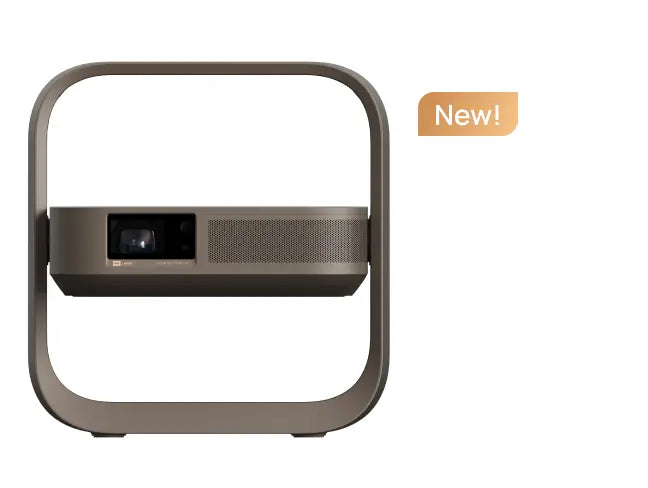
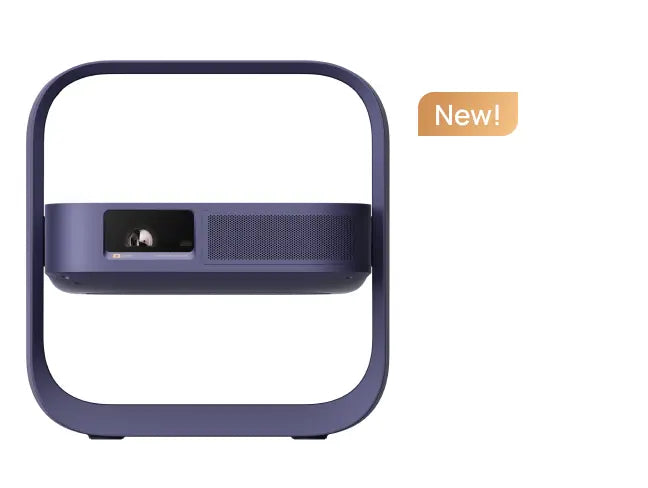
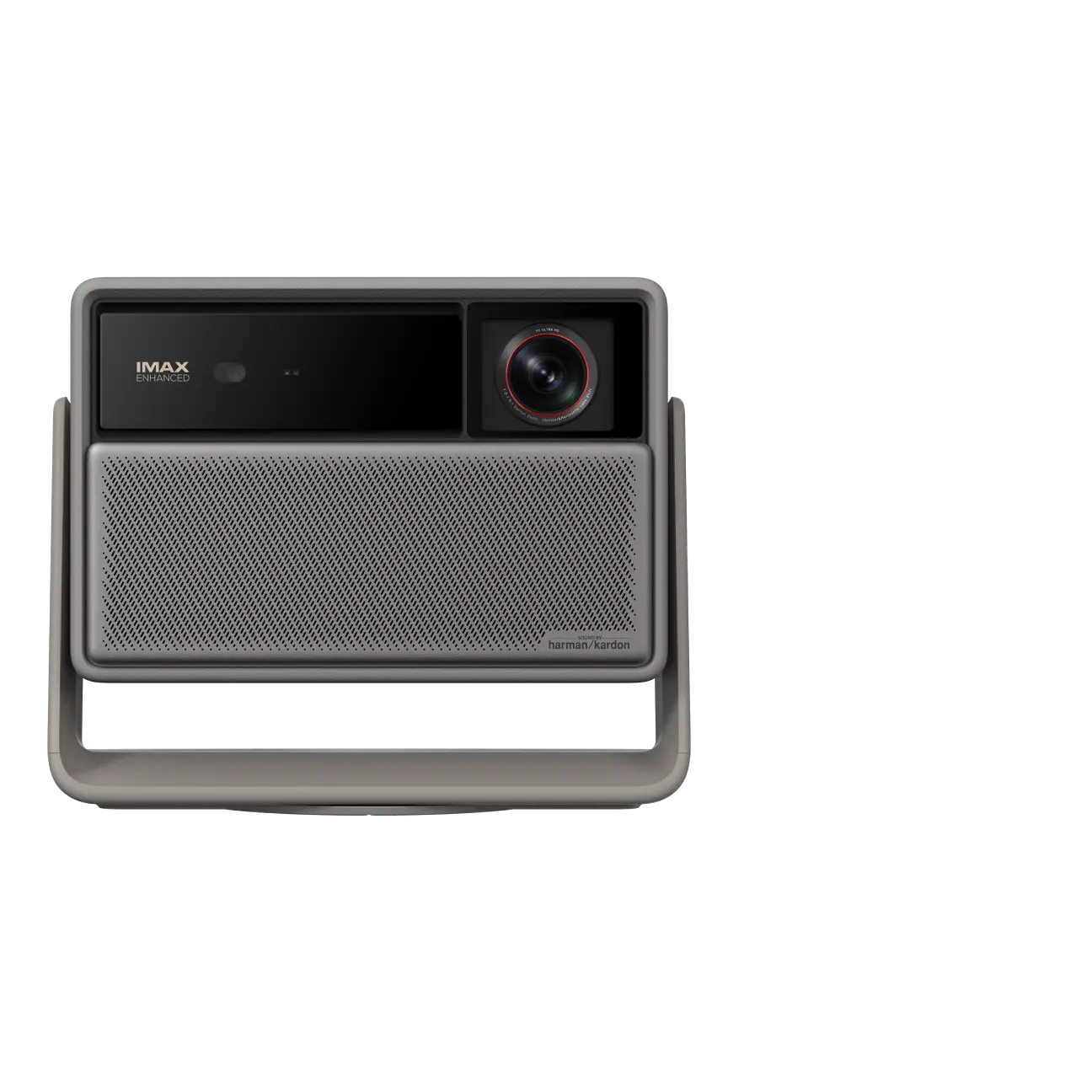
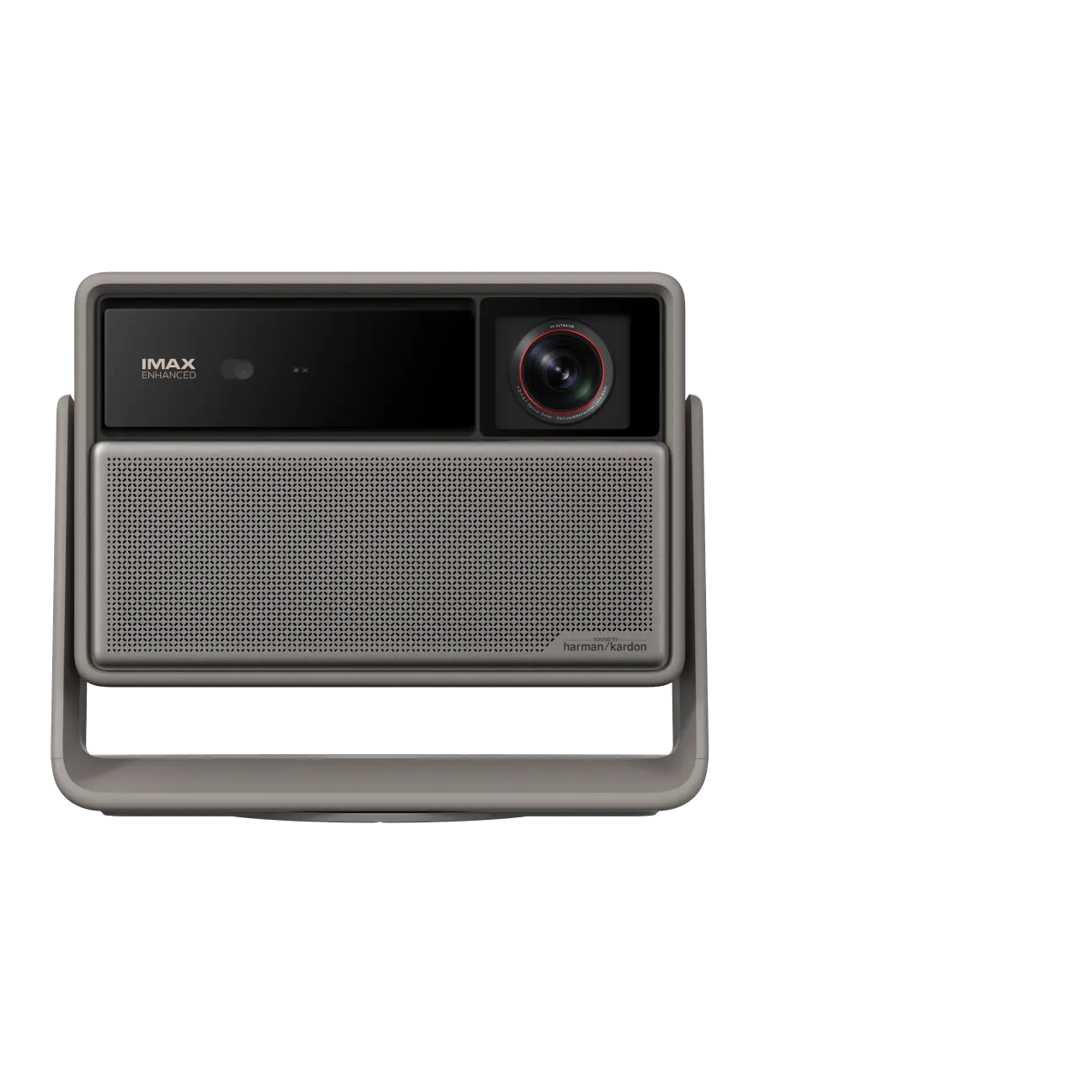
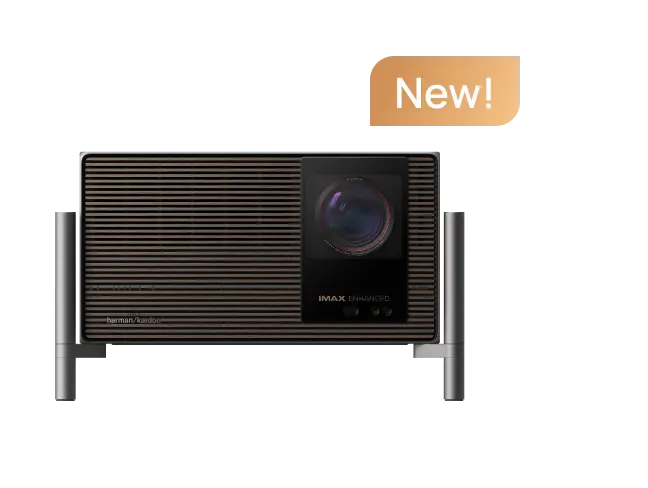
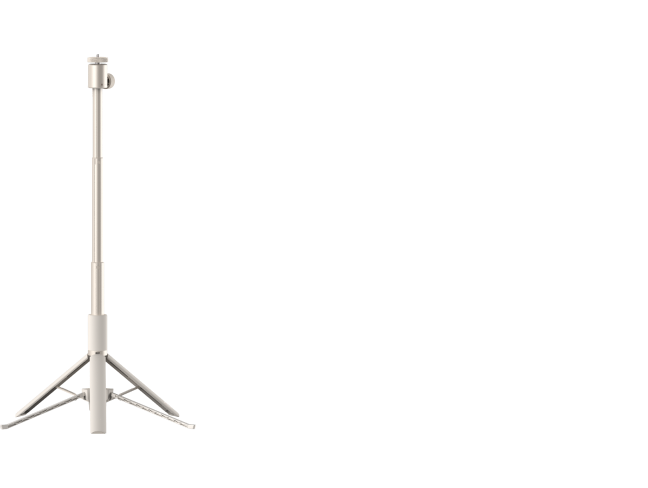
Position the projector: Place your portable projector on a stable surface or tripod about 10-15 feet from the screen, depending on your model and desired image size. Level it carefully and use keystone correction if available.
-
Test and adjust: Project a test image in low light. Fine-tune tension and angle until the picture looks even. Add black tape or fabric borders around the edges if light spill is an issue.
This entire process can take 10-20 minutes once you're practiced. Always check weather forecasts—strong winds can turn a fun evening into a frustrating tangle.

DIY Screen Options Compared: When to Choose Each Method
Different materials perform better in different campsite conditions. A simple white bedsheet excels in calm weather due to its excellent packability and low cost, but it struggles in wind. A tarp offers better durability and wind resistance at the expense of slightly more wrinkles and setup time.
An inflatable option provides repeatable shape but sacrifices packability. For many overlanders, the choice depends on how much wind exposure your site has and how often you'll repeat the setup.
Here is an illustrative comparison of common approaches:
DIY Outdoor Movie Screen Options: Heuristic Tradeoffs for Overlanding Campsites
Illustrative 1–10 scores only; higher means more favorable for that dimension.
View chart data
| Series | Wind resistance | Setup time | Image flatness | Packability | Cost |
|---|---|---|---|---|---|
| White bedsheet | 3.0 | 9.0 | 4.0 | 9.0 | 10.0 |
| Tarp | 5.0 | 6.0 | 6.0 | 7.0 | 8.0 |
| Inflatable mattress | 4.0 | 7.0 | 5.0 | 4.0 | 6.0 |
| Commercial alternative | 8.0 | 8.0 | 9.0 | 6.0 | 3.0 |
Heuristic, illustrative scoring derived from the article's scenario matrix, reverse recommendation logic, and writer evidence about anchoring, flatness, and ambient-light sensitivity. Scores are relative comparisons only, not measured data or tested rankings.
These scores are heuristic and illustrative only, based on typical overlanding conditions. Actual performance depends on your specific setup and site.
Site Selection and Safety Considerations
Choosing the right campsite is as important as the screen itself. Look for locations with natural windbreaks like dense trees or hills. Avoid exposed ridgelines or open fields where gusts can easily damage your setup.
Campsite setups should account for weather and environmental exposure. The National Park Service emphasizes selecting stable sites and planning for changing conditions when camping outdoors. Treat your DIY screen anchors with the same care as your tent stakes.
Wind and weather pose real risks. Use strong ropes, multiple stakes, and never leave the screen unattended in changing conditions. Poorly secured lines can create trip hazards or damage gear. If conditions turn gusty, take the screen down immediately.
For safety, keep the projection area clear of fire pits and ensure cables are secured. Always have a backup plan—sometimes the weather simply isn't cooperative for outdoor movies.
DIY vs Portable Projector Screen: Making the Right Choice
A dedicated portable projector screen with stand provides better brightness, contrast, and effortless setup, making it worth considering if you frequently host movie nights. However, it adds weight and volume that many overlanders prefer to avoid.
Dedicated screen material usually performs better than improvised fabric, especially for brightness and contrast. A plain sheet is a budget-friendly compromise rather than the highest-quality option. Many campers start with DIY and upgrade later when they know their usage patterns.
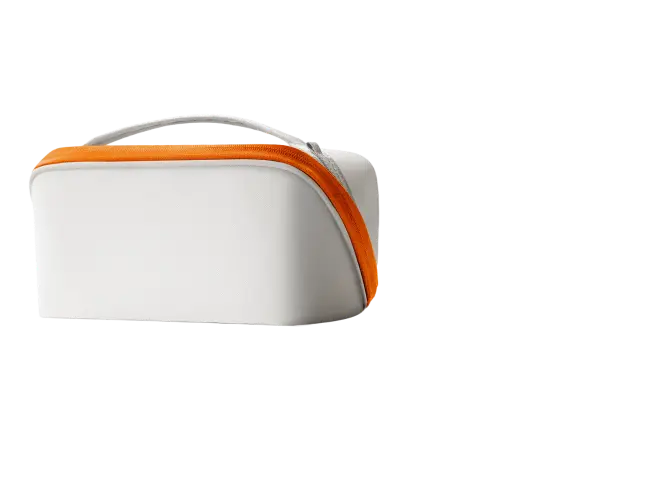
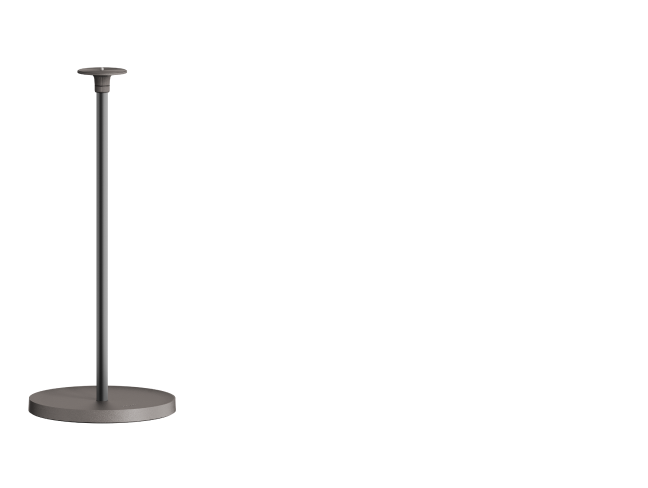
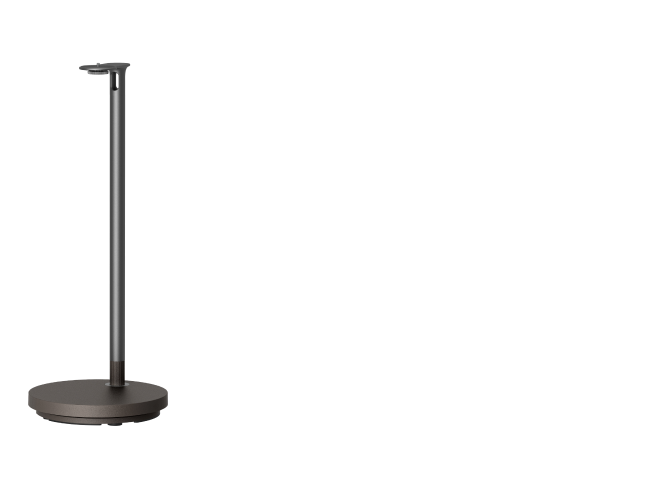
If your trips often involve families or larger groups, or if you value repeatable quick setup, a commercial screen may reduce frustration. XGIMI offers a Portable Outdoor Screen designed specifically for camping and overlanding with fast setup and durable construction.
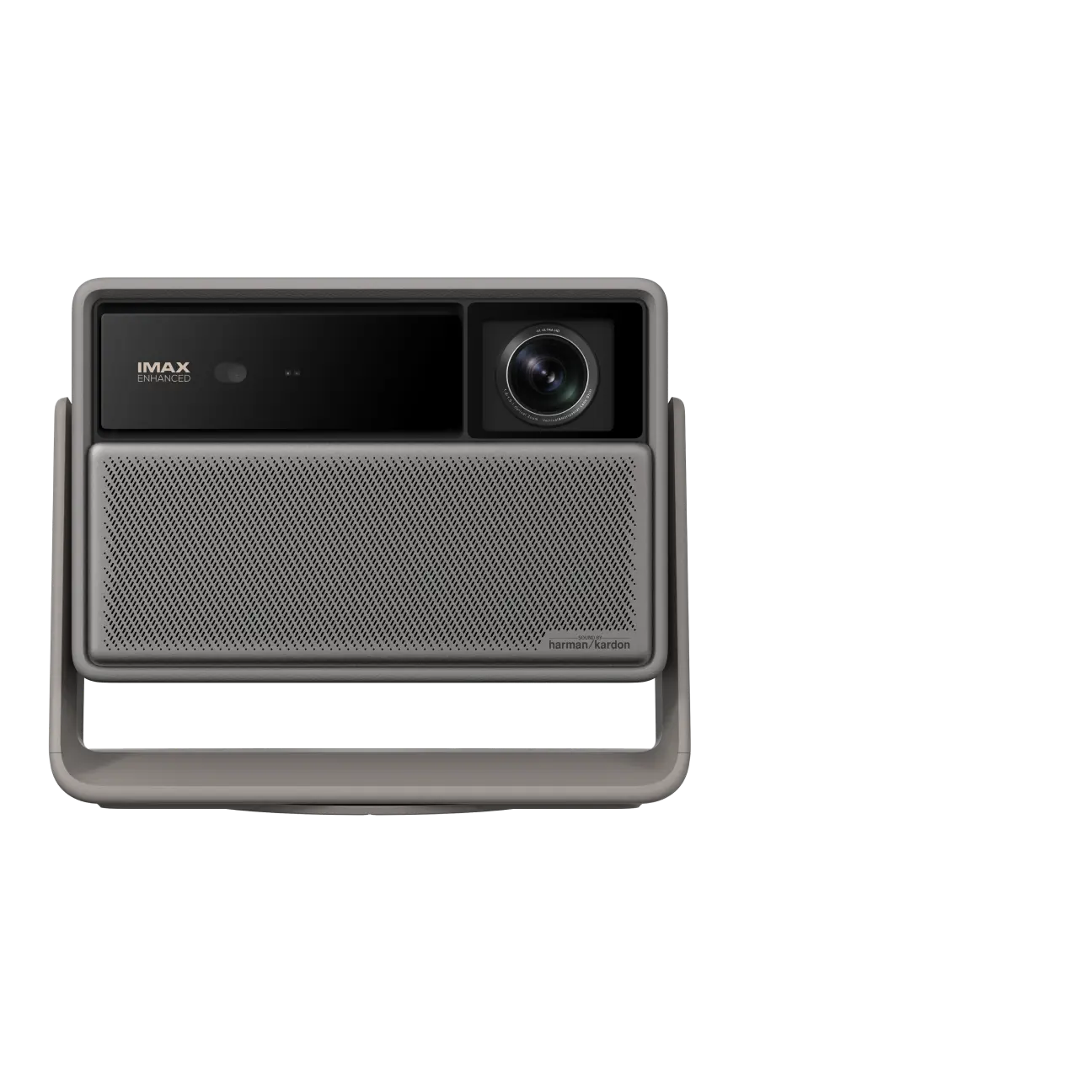
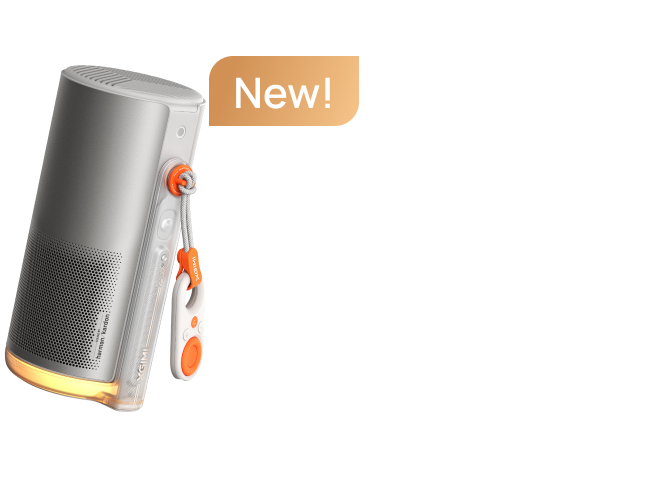
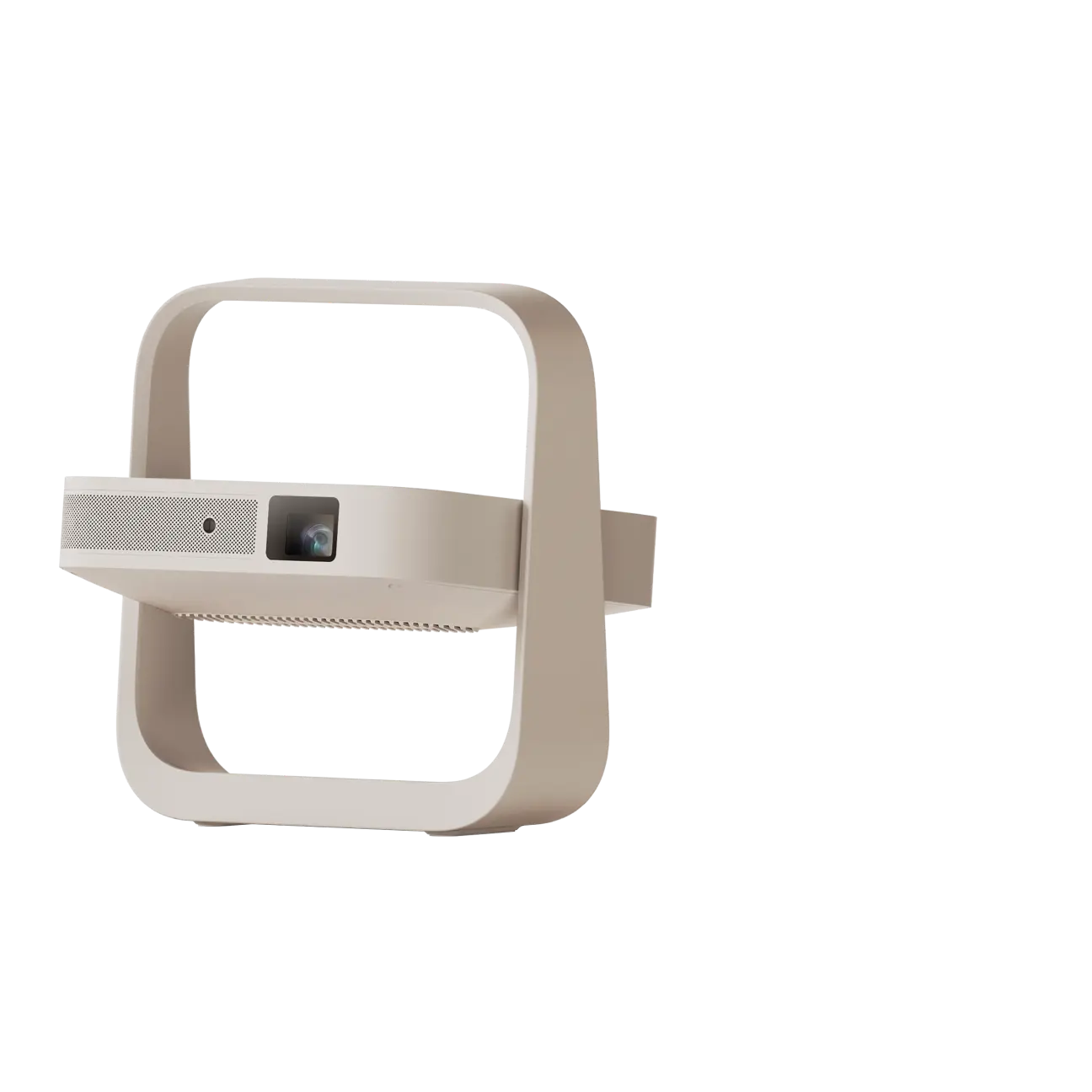
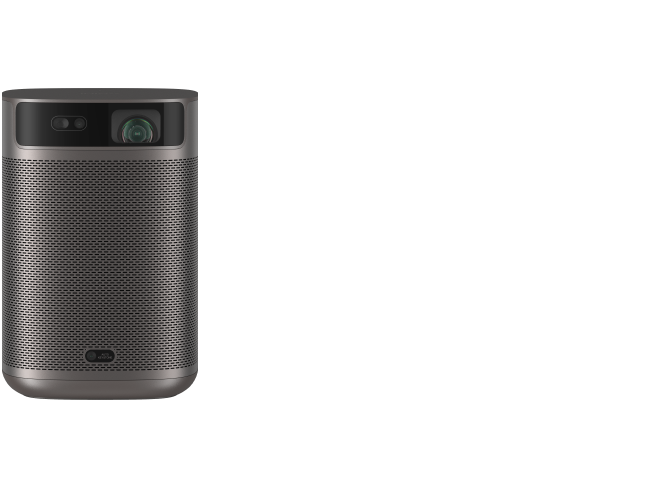
For projector recommendations, check our guide on how to choose a suitable outdoor projector or explore portable projectors built for outdoor use.
Practical Checklist: How to Choose and Set Up Your DIY Screen
Before committing to a DIY build, run through this quick self-assessment:
- Can you reliably find strong anchor points at most of your campsites?
- Do you have enough paracord, stakes, and tensioning hardware already in your kit?
- Are you comfortable setting up in under 15 minutes after a long driving day?
- Will your typical campsites allow for low ambient light after sunset?
- Are you prepared to adjust or remove the screen quickly if wind picks up?
If you answered no to more than two questions, consider a portable screen instead or test a simple sheet setup on your next short trip first.
Additional tips for better results:
- Use a projector with at least 300 ANSI lumens for outdoor visibility.
- Position the screen with its back to any remaining light sources.
- Consider a white or light-colored ground tarp beneath viewers to reduce glare bounce.
- Bring binder clips or clamps for quick mid-movie adjustments.
Common Mistakes to Avoid
The biggest error is under-tensioning the fabric, which leads to sagging and wavy images. Another frequent issue is choosing a site that gets too much ambient light from campfires, lanterns, or nearby roads.
Don't skip testing your setup at home. Practicing the tensioning technique in your backyard saves frustration at camp. Also avoid using bed sheets that are too thin—they can show wrinkles more prominently and let light pass through.
Finally, remember that DIY screens can fail in wind, sag easily, or reduce image quality in non-ideal conditions. Always prioritize safety and have realistic expectations about picture perfection.
Final Thoughts on DIY Outdoor Movie Screens for Camping
A well-built DIY outdoor movie screen can transform your overlanding trips into memorable group experiences without adding significant gear. The methods described here use materials most campers already carry, making this a truly low-commitment way to add entertainment to your adventures.
Success comes down to preparation, proper tensioning, and choosing calm evenings in protected sites. While it may not match the performance of a purpose-built screen, the satisfaction of creating your own setup with what's on hand is part of the overlanding spirit.
Start simple with a white sheet on your next trip. With a bit of practice, you'll develop a reliable system that works across many different campsites. Pair it with a quality portable projector, and you'll have everything needed for unforgettable nights under the stars.
This article discusses comfort and setup practices for outdoor projection. It is not medical advice. Consult professionals for any persistent discomfort or existing conditions.


