


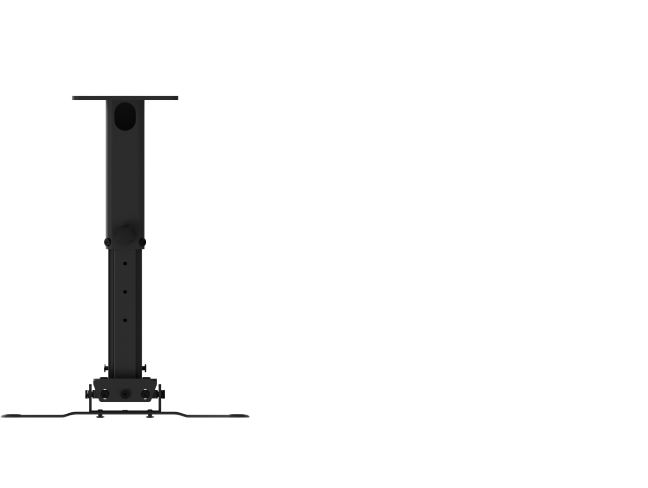



Choosing between a ceiling mount and a floor stand for your projector comes down to your room, lifestyle, and how permanent you want the setup to be. For many homeowners with a dedicated media space, a ceiling mount delivers the cleanest look and most stable image. Renters, those with low ceilings, or anyone who values flexibility often find a floor stand far more practical and hassle-free. For more on this topic, see The Benefits of Using a Dedicated Projector Floor Stand Over a Coff....

Both options can deliver excellent results when matched to the right situation. The key is understanding the real-world trade-offs around stability, installation, cable management, adjustability, and room constraints before you buy accessories or start drilling.
Ceiling Mount vs Floor Stand: Core Trade-Offs
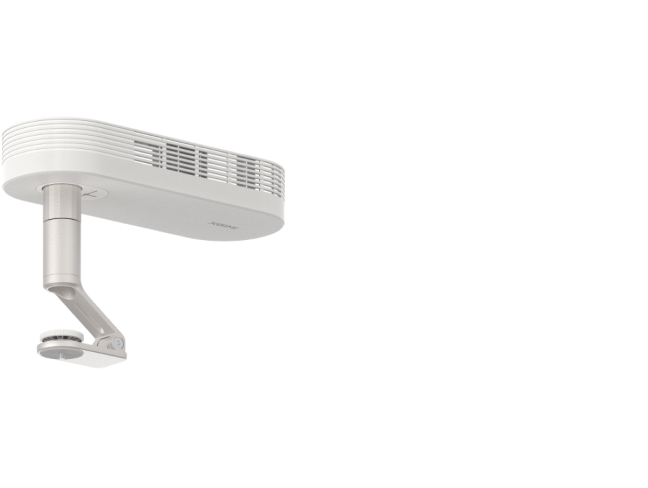
Ceiling mounts secure the projector overhead, usually with a fixed or adjustable arm that drops from the ceiling. This keeps the unit out of the way, reduces accidental bumps, and lets you hide cables inside the mount or within the ceiling. Once installed correctly, alignment stays consistent, making it ideal for regular movie nights in the same seating arrangement. For more on this topic, see Proprietary vs. Universal Mounts: Which is Better for Your Projector?.
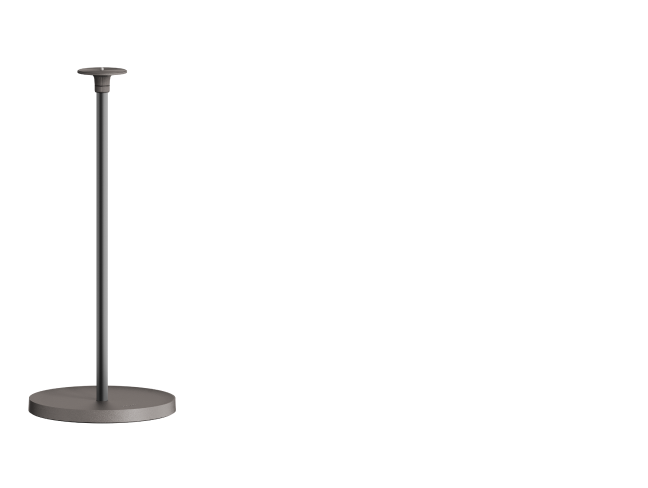
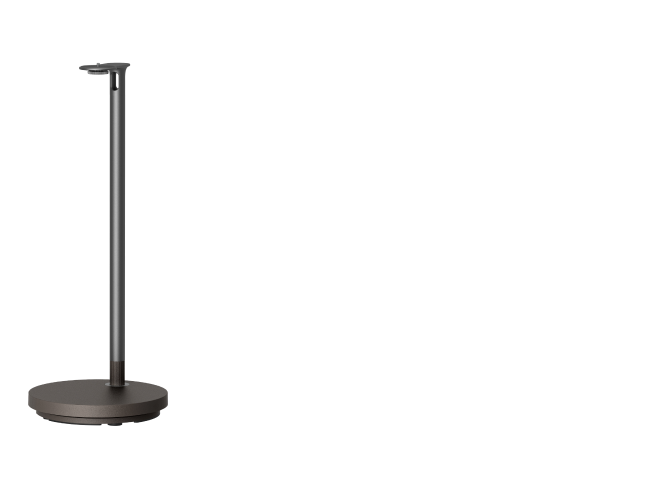
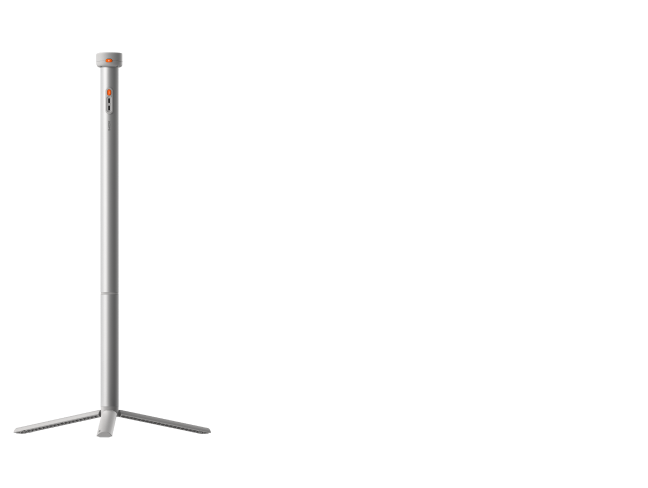
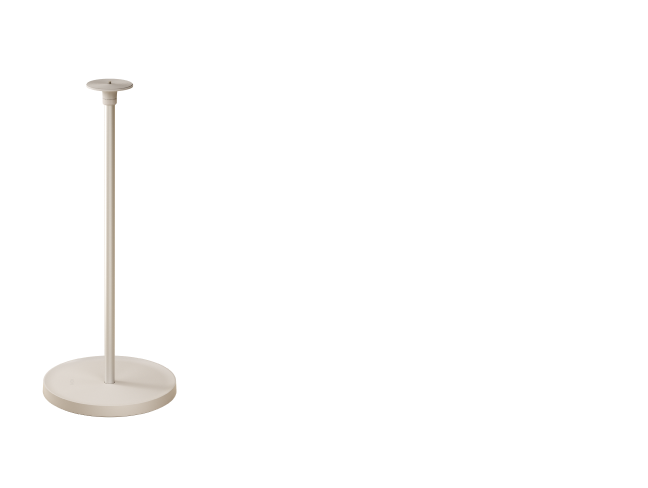
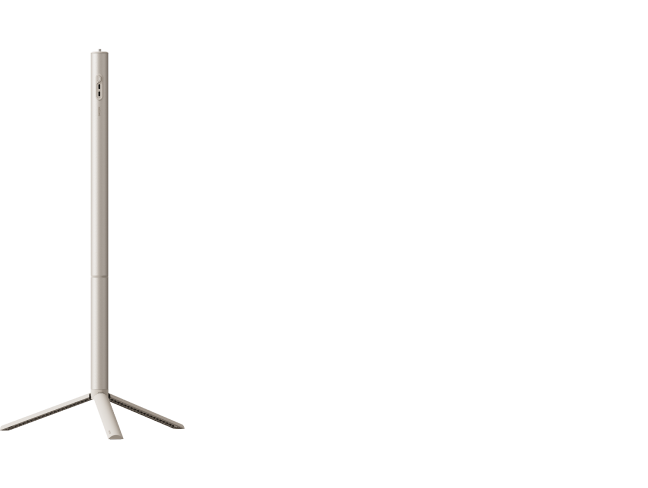
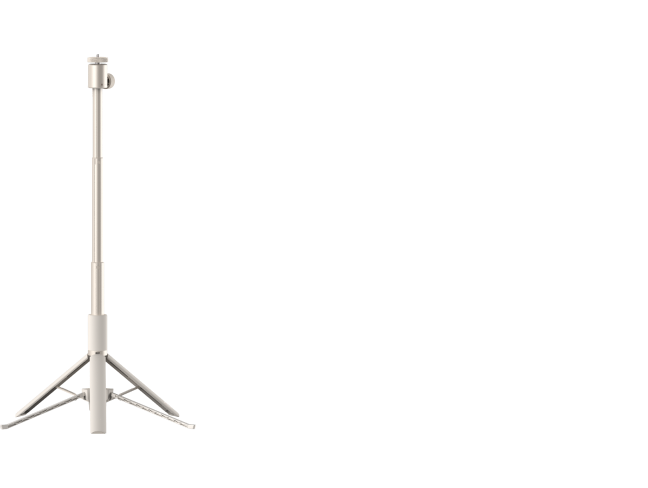
Floor stands, on the other hand, place the projector on a freestanding base—often adjustable in height and angle. They require no permanent changes to your home, making them perfect for apartments or rooms where you cannot drill. Setup is quick, and you can move the projector between rooms or adjust position easily for different content or guests.
The biggest differences appear in daily use. A ceiling mount generally offers superior long-term stability and cleaner aesthetics, while a floor stand prioritizes convenience and reversibility. Neither is universally superior; the best choice depends on whether your priority is a finished, set-it-and-forget-it theater or maximum flexibility without commitment.
When to Choose a Ceiling Mount
A ceiling mount shines in owned homes with stable layouts. If you have a fixed screen wall, consistent seating, and plan to use the projector in the same spot for years, the permanent placement pays off. Cables can be routed neatly, often disappearing into the mount or wall, creating a professional home theater appearance.

Stability is another strong point. A properly installed mount holds the projector firmly, minimizing any shift in image alignment from vibrations or bumps. This matters for sharp 4K or high-refresh gaming where even small movements become noticeable.
However, installation requires drilling into the ceiling and possibly running cables, which adds time and cost. In rooms with low ceilings, the projector may end up too close to viewers' heads or interfere with lights and fans. Always verify clearance and ventilation—projectors need open space around vents to avoid overheating.
When a Floor Stand Makes More Sense
Floor stands win for renters, temporary setups, or anyone who dislikes permanent modifications. No drilling means you can take the entire system with you when moving, and repositioning takes minutes instead of hours.
They also suit rooms where layout changes often—think multi-use living spaces that switch from movie night to gaming to family gatherings. You can adjust height, angle, and distance on the fly to optimize the image for different screen sizes or seating arrangements.
Modern stands from quality brands use stable materials like aluminum alloy and offer quick-adjust mechanisms. Some include cable management channels to keep cords tidy. The trade-off is slightly more visible hardware and the need to ensure the base stays level on your flooring.
Scenario Guide: Which Setup Fits Your Room?
Your living situation usually points clearly to one option. Here is a practical breakdown:
- Owned home with fixed media wall and regular use: ceiling mount for a clean, locked-in setup.
- Rental apartment or frequent moves: floor stand to avoid damage and stay flexible.
- Low ceiling or tight headroom: floor stand is often safer and simpler to position correctly.
- High ceiling with exposed elements: ceiling mount can hide the projector effectively if installation is feasible.
- Maximum stability and bump resistance: ceiling mount after proper installation.
- Need to frequently adjust or store the projector: floor stand for easy handling.
This framework helps most buyers quickly narrow their choice. If your room mixes several factors, prioritize the one that matters most—rental restrictions usually outweigh aesthetics, for example.
When Ceiling Mount vs Floor Stand Fits Best
Relative fit by scenario for projector setup decisions
View chart data
| Category | Ceiling mount | Floor stand |
|---|---|---|
| Owned / permanent room | 5.0 | 1.0 |
| Rental / temporary setup | 1.0 | 5.0 |
| Low ceiling room | 5.0 | 1.0 |
| High ceiling room | 4.0 | 3.0 |
| Stability prioritized | 5.0 | 2.0 |
| Fast alignment / cable flexibility | 2.0 | 5.0 |
Illustrative heuristic chart derived from the scenario matrix and writer evidence. Relative suitability uses a 1-5 scale only, based on common setup logic: ceiling mount tends to fit permanent, low-ceiling, stability-focused rooms; floor stand tends to fit rentals, temporary setups, and flexible alignment/cable needs. No false precision implied.
Stability, Alignment, and Cable Management
Stability affects your viewing experience more than many buyers realize. A ceiling mount, once secured to a solid joist or using appropriate hardware, rarely shifts. This consistency helps maintain perfect keystone correction and focus over months of use.
Floor stands can match this stability when built with quality materials and placed on even flooring, but they remain more susceptible to movement from pets, children, or cleaning. Many users solve this by choosing heavier bases or models with locking wheels.
Image alignment follows similar logic. Ceiling mounts lock the throw distance and angle permanently. Floor stands let you tweak these easily but require re-calibration if the stand is moved even slightly.
Cable management favors ceiling mounts because you can often conceal wires within the mount tube or route them through the ceiling or wall. Floor stands usually have visible cables, though good designs include channels or clips to keep them organized. In either case, plan your power and HDMI runs early.
Ventilation, Safety, and Installation Tips
Projectors generate heat and need proper airflow regardless of mounting method. Never block intake or exhaust vents. Ceiling mounts should position the projector with at least several inches of clearance on all sides. Floor stands make this easier to check but can collect dust if placed directly on carpet.
Safety matters with overhead installations. Use mounts rated for your projector's weight, secure them to structural elements, and consider professional installation if unsure. In homes with children or frequent activity, a floor stand avoids any risk of falling hardware.
For low ceilings, measure carefully. Many experts suggest at least 8-9 feet of height for comfortable ceiling mounting, but this varies by projector model and lens. When in doubt, a floor stand or portable stand avoids clearance problems entirely.
Common Mistakes to Avoid
Many buyers rush into ceiling mounting only to discover the room's joists do not align with their desired projector position, or that the drop length creates an awkward viewing angle. Always check ceiling construction and test throw distance with your specific projector before buying a mount.
Others underestimate cable needs. Even with hidden routing, you may need longer cables or in-wall kits. Test your full setup temporarily on a table before committing to permanent hardware.
Overlooking ventilation causes overheating, fan noise, and reduced lamp or laser life. Leave breathing room and clean filters regularly.
Finally, ignore aesthetics alone. A beautiful ceiling mount loses appeal if you cannot easily adjust for guests or new furniture. Balance looks with real usability.
How to Decide for Your Space
Start with these practical checkpoints:
- Can you drill into the ceiling or are you in a rental? If no, default to a floor stand.
- Will the projector stay in one location for the next 1-2 years? If yes, consider ceiling mounting.
- Measure your ceiling height and projector clearance. Low ceilings often favor floor placement.
- How important is a completely tidy, cable-free look versus easy repositioning?
- Do you need to move the projector between rooms or store it occasionally? Floor stands win here.
- Check your projector's weight and available mounts—ensure any hardware is rated properly.
Run through this list with your actual room dimensions and lifestyle. Most users end up happier when they choose flexibility over permanence in uncertain situations.
XGIMI Accessories for Either Setup
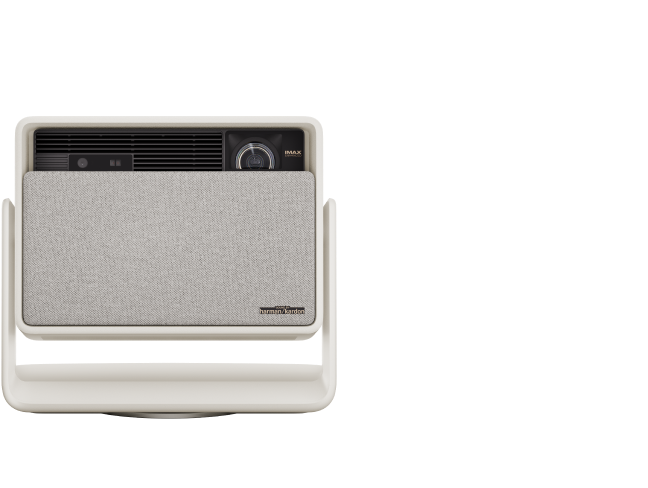
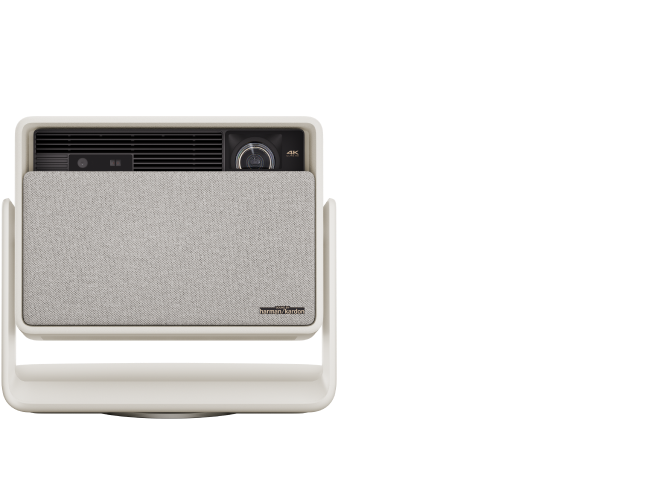
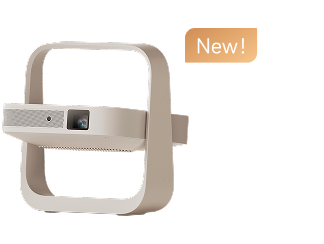
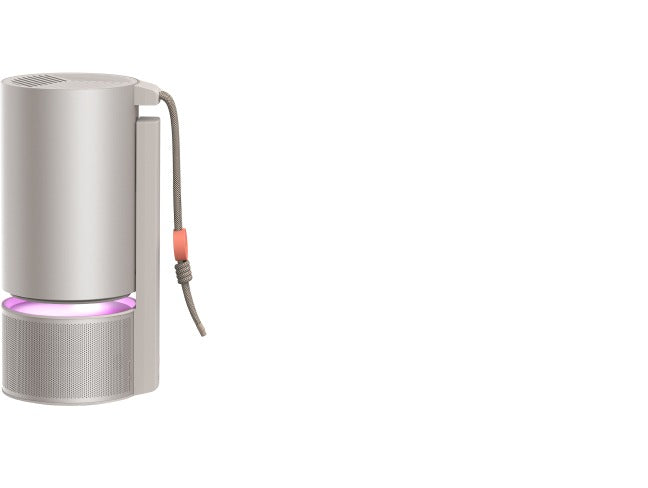
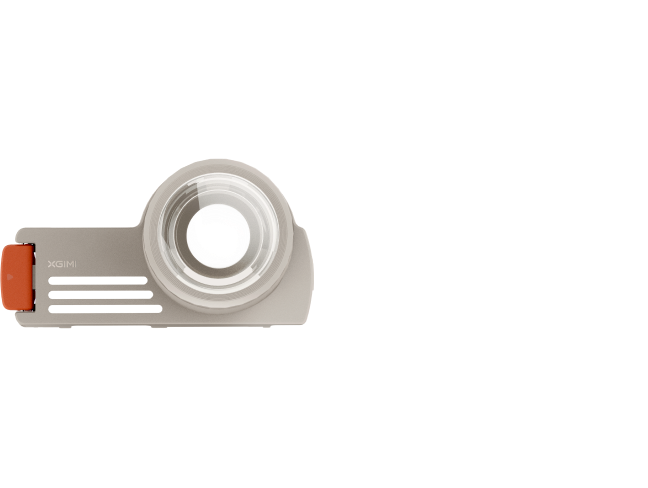
Quality accessories simplify both approaches. XGIMI offers dedicated ceiling mounts designed for their projectors with easy installation and clean cable routing. Their floor stands provide stable, adjustable bases in attractive finishes like elephant grey.
For maximum versatility, consider portable or multi-angle stands that work across different rooms and setups. These complement both ceiling and floor options when you want options without buying multiple mounts.
Explore the full range of projector stands and accessories to match your chosen mounting method. Many buyers pair a primary setup with a portable stand for outdoor or guest use.
Our projector setup guide offers additional details on placement calculations and common configurations. Renters may also find value in the small apartment projector tips.
Final Recommendation
There is no single best projector setup—only the one that fits your room and life without creating new frustrations. Ceiling mounts deliver polished, stable performance for fixed home theaters in owned spaces. Floor stands provide the convenience and reversibility most renters and flexible users need. For more on this topic, see Portable Projector vs. Home Theater Projector: Which Fits Your Life.... For more on this topic, see The Ultimate Projector Setup Guide: Mounts, Stands, and Room Layouts.
Assess your constraints honestly using the scenarios and checklist above. Many find that starting with a quality floor stand gives them time to test the room before committing to a permanent ceiling installation. Either way, proper planning around ventilation, alignment, and clearance ensures years of enjoyable, hassle-free viewing.
This article discusses setup comfort and practical installation advice only. It does not constitute professional installation guidance. For persistent concerns about room modifications, electrical work, or structural safety, consult qualified professionals. If you experience any discomfort related to viewing, take regular breaks and consult an eye care specialist as needed.


