






Projector contrast ratio numbers can be one of the most misleading specs in the industry. A single headline figure that reaches into the millions rarely tells you how deep the blacks will actually look in a movie or game. The key distinction is between native contrast, which reflects the projector's inherent performance, and dynamic contrast, which often relies on changing light output or an iris to inflate the measurement. Understanding this difference helps you cut through marketing claims and choose a projector based on real-world picture quality rather than inflated numbers.

What Contrast Ratio Actually Means
Contrast ratio is the ratio between a display’s brightest white and darkest black levels. In simple terms, it describes how well a projector can distinguish between light and dark areas in an image. Higher contrast generally produces deeper blacks, richer colors, and a more three-dimensional picture, especially in dark rooms.
However, the way manufacturers measure and report contrast varies significantly. As this ENERGY STAR specification defines it, the ratio is fundamentally about luminance differences, yet the testing conditions determine whether the number reflects everyday viewing or optimized lab conditions only.
Native Contrast vs Dynamic Contrast
Native contrast measures the projector's on/off performance under normal operating conditions without special adjustments. It shows the fixed capability of the imaging system to produce deep blacks while displaying bright whites at the same time. This figure is usually more modest but more representative of consistent image quality across scenes.
Dynamic contrast, by comparison, allows the projector to adjust its light source, laser output, or iris between different scenes or frames. A projector might dim the light significantly during dark scenes to achieve very high measured ratios, then ramp up brightness for bright scenes. This can create impressive headline numbers, sometimes in the millions to one, but it does not reflect a stable black level during normal mixed-content viewing. For more on this topic, see Projector vs TV: An Honest Comparison for Your Home.
As industry guidance explains, dynamic contrast can be inflated by changing the light source or iris behavior, so it does not always reflect the projector’s fixed native black level in normal viewing. Native contrast therefore provides a more reliable baseline for comparing actual black depth.
ANSI Contrast: A More Realistic Measurement
Many experts consider ANSI-style projected image system contrast the stricter and more practical test. This method evaluates black and white performance within the same checkerboard-style image under real image mixing conditions, according to standards such as the ANSI/INFOCOMM measurement protocol.
Because bright and dark areas are measured simultaneously, ANSI contrast better accounts for light scatter, lens performance, and room reflections that affect real viewing. It typically produces lower numbers than native or dynamic figures, but those numbers correlate more closely with perceived image quality in mixed scenes. For more on this topic, see How Does Lens Shift Affect Image Quality Compared to Digital Keysto....
Heuristic Comparison of Contrast Measurement Types
Illustrative comparison only. Higher scores indicate stronger usefulness for typical home theater decision-making, not measured test results.
View chart data
| Category | Relative realism | Buying usefulness |
|---|---|---|
| Native contrast | 90.0 | 85.0 |
| Dynamic contrast | 35.0 | 30.0 |
| ANSI contrast | 80.0 | 90.0 |
Heuristic illustration based on common guidance from ANSI standard references and review sources (RTINGS, ProjectorCentral, ProjectorScreen.com). Native contrast is treated as most realistic for dark-room black levels, dynamic contrast as often inflated by lamp/iris changes, and ANSI contrast as most relevant for mixed-scene realism. Scores are qualitative, not exact measurements.
This heuristic bar chart illustrates that native and ANSI contrast generally offer higher realism and buying usefulness for most home theater scenarios compared to dynamic figures, which score lower due to their variable nature.

Common Myths About Projector Contrast
Several misleading claims continue to circulate in marketing materials and online discussions. The most persistent myth is that a higher advertised contrast ratio always equals better image quality. In reality, large headline numbers often come from dynamic contrast methods rather than native panel performance, so they can exaggerate real-world black depth.
Another common misconception is that dynamic contrast is the same kind of number as native contrast. Dynamic ratings may change the lamp, laser output, or iris during testing, which can make the number look far better than normal viewing conditions. Independent sources like ProjectorCentral have long advised ignoring misleading contrast specs that do not specify measurement methods.
Many buyers also treat contrast ratio as a direct proxy for black levels or overall picture depth. However, measured contrast does not always map perfectly to perceived picture depth or lightness in all viewing conditions, as supported by research into human lightness perception.
Finally, the assumption that contrast numbers are directly comparable across brands is flawed. If the measurement method differs, the headline numbers are not directly comparable. This is especially true when one brand emphasizes dynamic contrast while another reports native or ANSI values.
How Contrast Affects Real-World Viewing and HDR
In dark-room movie or gaming setups, strong native contrast delivers noticeable improvements in shadow detail and overall image depth. HDR content particularly benefits from good black levels because it expands the range of brightness and color that can be displayed simultaneously.
Yet room conditions play a major role. Ambient light can wash out black levels and reduce effective contrast, according to technical evaluations from sources such as NIST. Even a projector with excellent contrast specs may disappoint if the room cannot be adequately darkened or if the screen reflects too much stray light.
This explains why a large contrast number does not automatically guarantee better HDR or dark-room performance. Real-world projector performance depends on viewing conditions, so a single maximum contrast figure cannot tell the whole story.
How to Read Projector Specs and Avoid Marketing Traps
When comparing projectors, first check whether the contrast figure is labeled as native, dynamic, or ANSI. If a projector spec sheet only shows one huge contrast ratio, check whether it is native, dynamic, or ANSI-based, as advised by practical buying guides.
Look for brands that provide multiple measurements or explain their testing methodology. Be especially cautious of extremely high dynamic contrast claims presented without context. These numbers may be technically accurate under specific test conditions but offer limited insight into everyday picture quality.
Consider your intended use case. For dedicated home theaters with controlled lighting, native contrast becomes a more important factor. In living rooms with some ambient light, brightness and overall system performance often matter more than chasing the highest possible contrast number.
When Contrast Ratio Should Influence Your Buying Decision
Contrast specs matter most when you plan to watch movies, play games, or enjoy HDR content in a darkened room where black levels are clearly visible. In these scenarios, prioritizing native or ANSI contrast can lead to a more satisfying image.
Conversely, do not rely solely on an advertised contrast ratio in these situations: when the spec sheet gives only one enormous number without explaining the measurement method; when your room has significant daylight or uncontrolled lighting; when the projector will be used for mixed casual viewing rather than cinematic content; or when the primary goal is bright-room performance rather than deep blacks.
A practical checklist includes:
- Confirm the contrast measurement type and look for native or ANSI values where possible.
- Evaluate your room's light control capabilities honestly.
- Consider screen choice, as high-gain screens can affect perceived contrast.
- Read independent reviews that test real-world black levels rather than relying on manufacturer claims alone.
- Balance contrast with other key specs such as brightness, resolution, and color accuracy.
Choosing Projectors Based on Real Performance
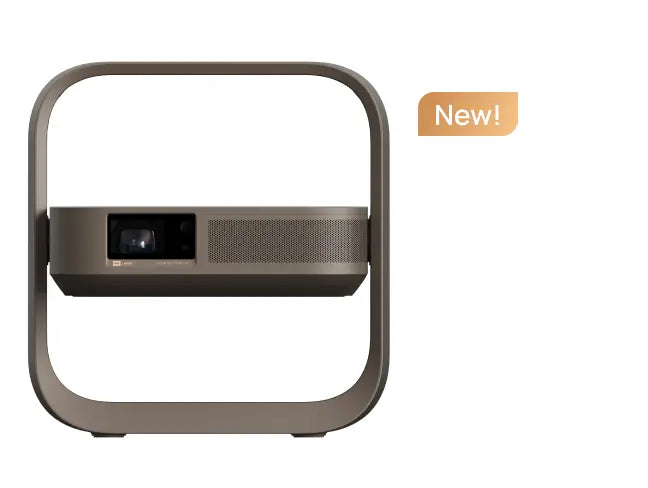
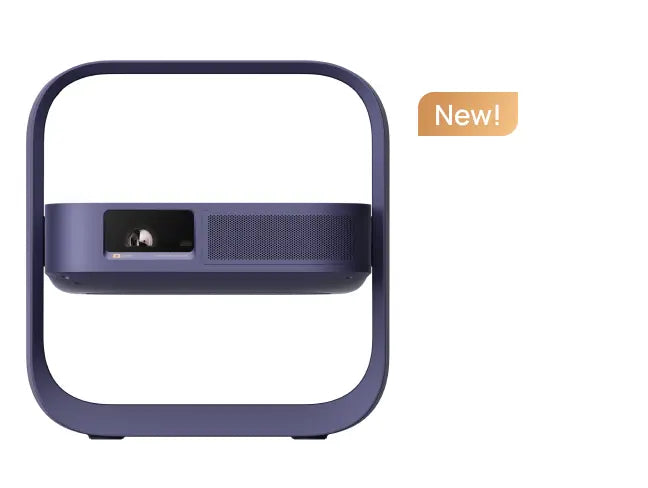
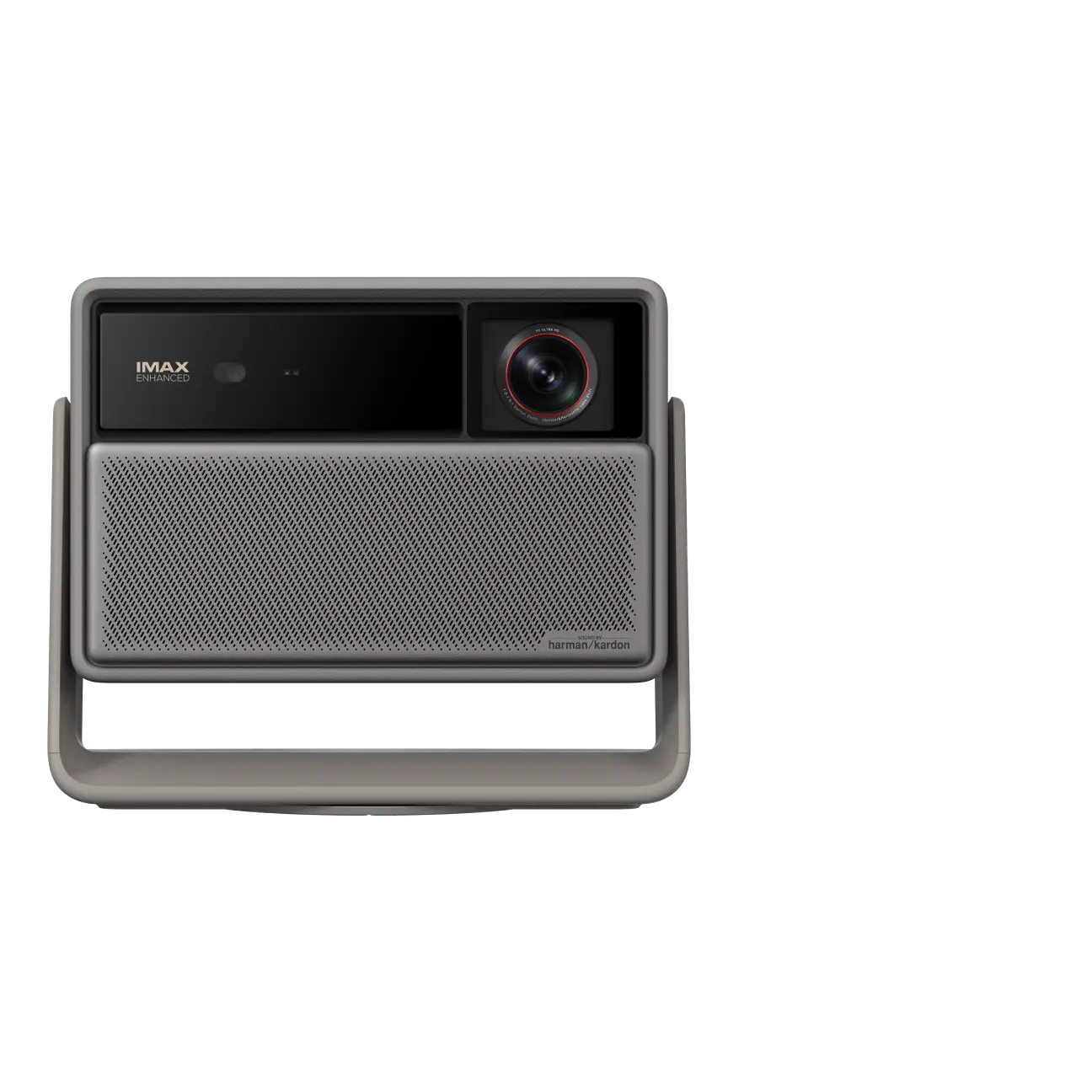
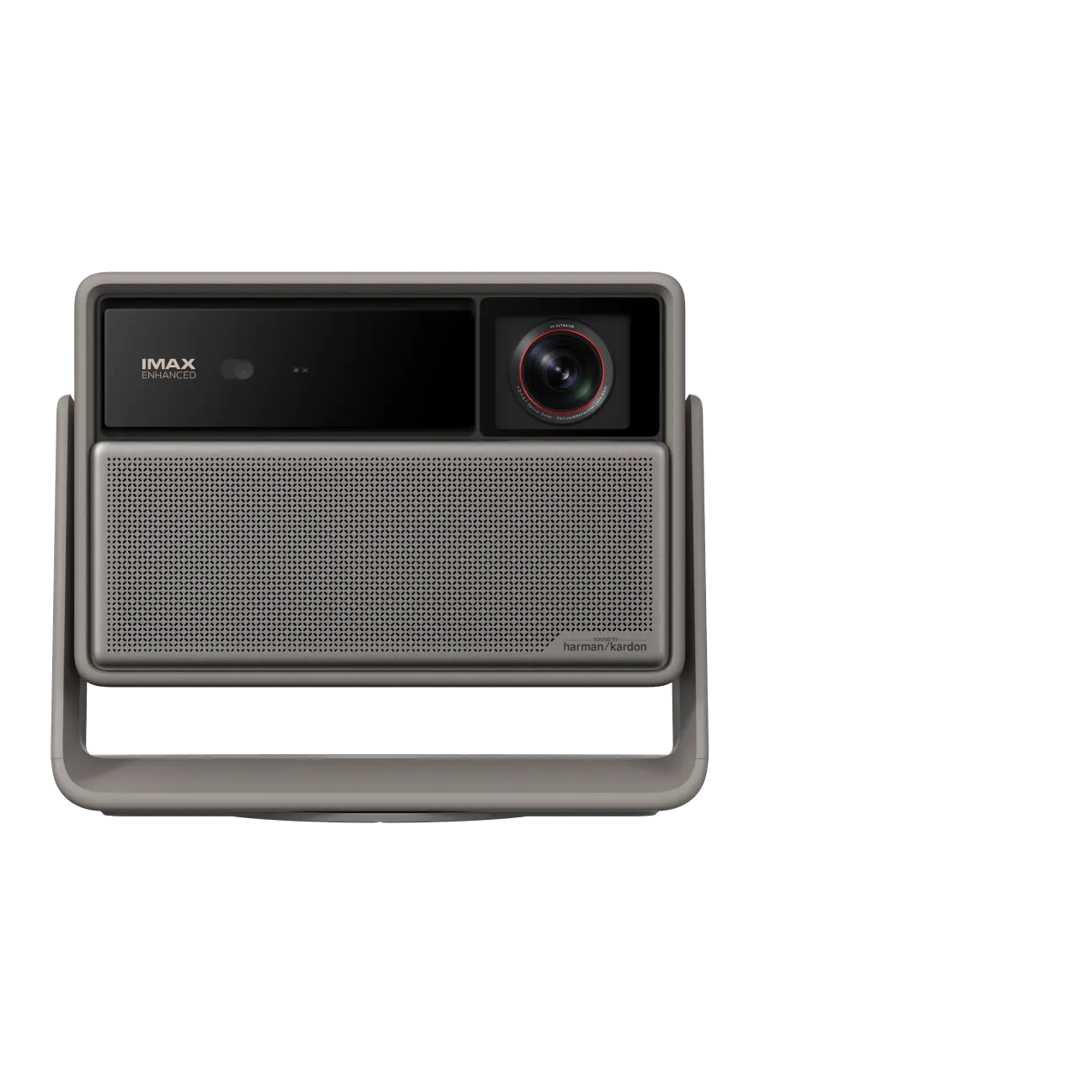
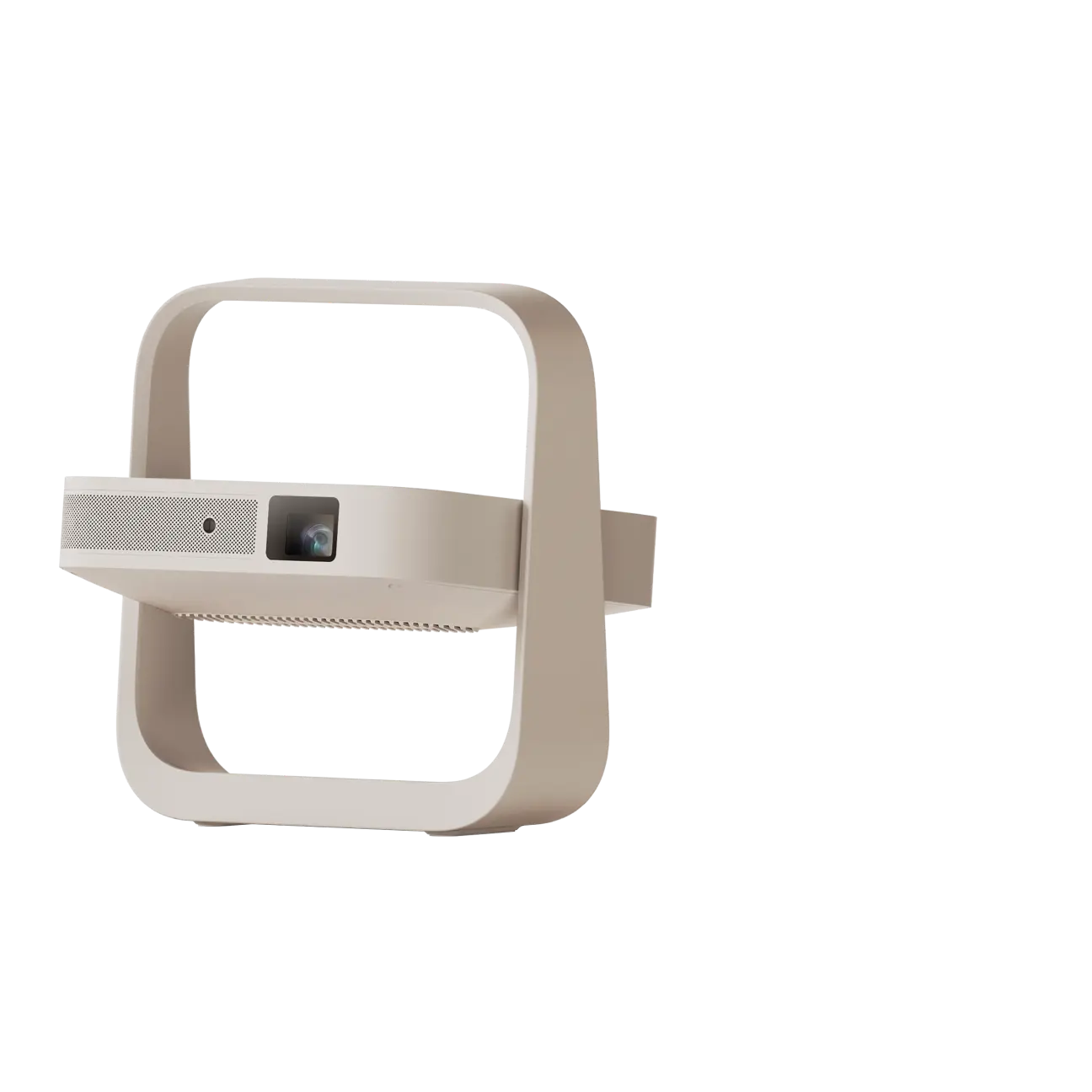
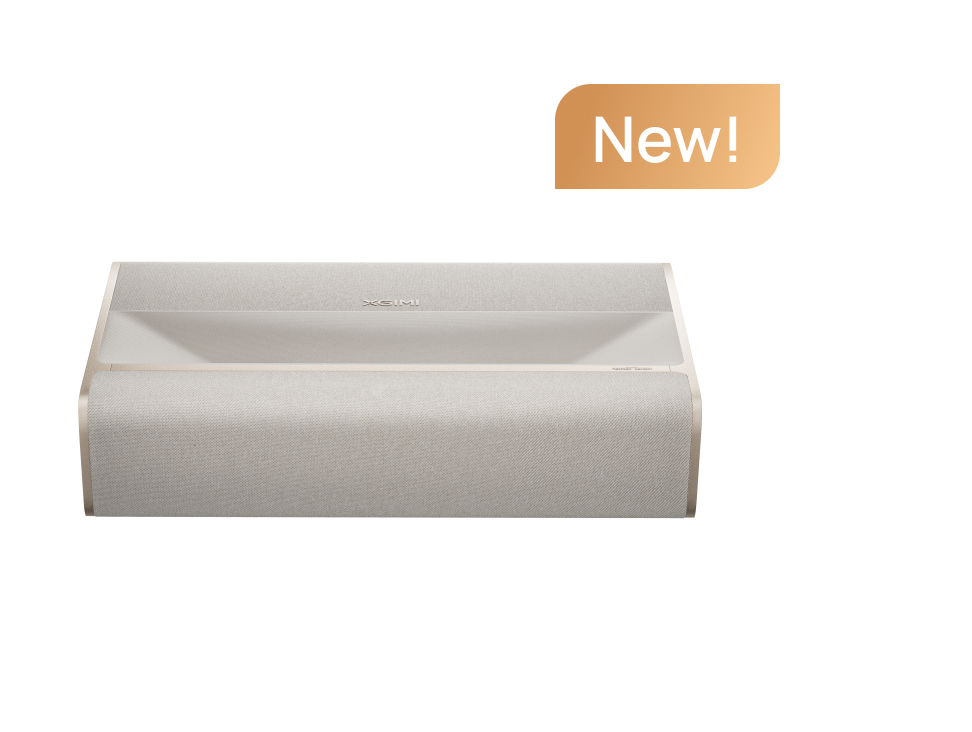
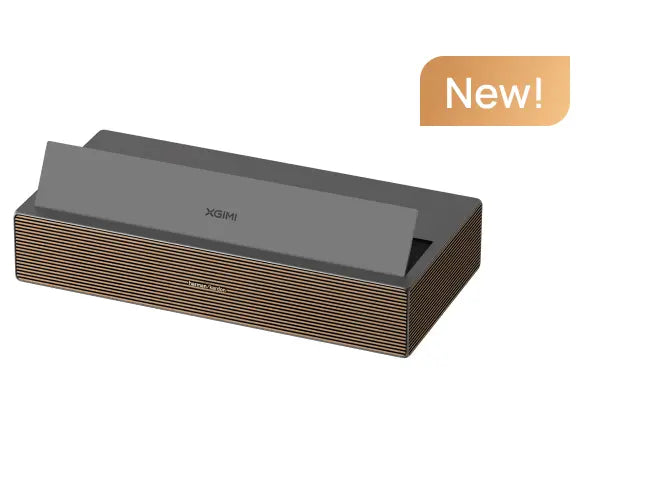
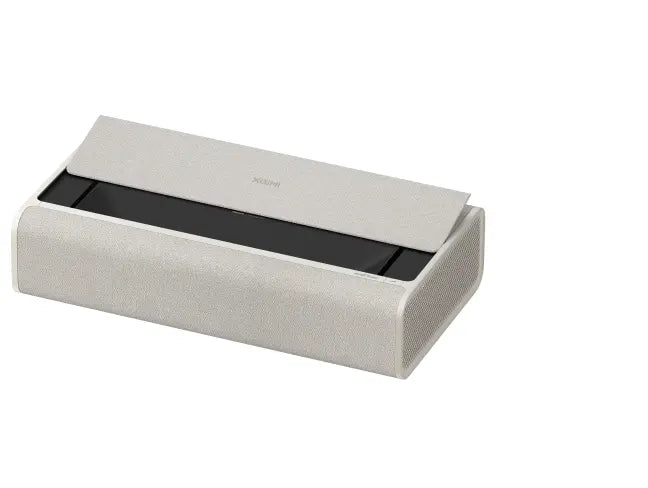
At XGIMI, our engineering focus includes delivering balanced performance that respects both native capabilities and practical viewing conditions. Models like the HORIZON Ultra combine strong contrast performance with high brightness and accurate color reproduction for versatile home entertainment.
For dedicated home theater setups, consider exploring our 4K Projectors collection or the premium HORIZON Ultra, which supports advanced HDR formats that benefit from good black levels.
If you want deeper insight into how contrast works with other picture technologies, our guide to HDR and MEMC projector technology provides additional context on creating immersive images.
The Bottom Line on Contrast Marketing
The truth about projector contrast ratios is that native and ANSI measurements generally provide more trustworthy guidance than dynamic figures. While dynamic contrast can enhance perceived performance in certain scenes, it should not be the primary metric for judging overall image quality.
By learning to read specs critically and matching projector capabilities to your actual room and usage, you can avoid paying for inflated numbers that fail to deliver in real viewing. Focus on balanced performance, proper setup, and controlled lighting rather than chasing the highest possible contrast claim. This approach leads to more satisfying results and better long-term value from your home projector investment.
This article discusses projector setup and picture quality factors for consumer entertainment. It does not constitute technical measurement advice or professional calibration guidance. Perceived image quality depends heavily on individual room conditions, screen selection, and content type. For persistent questions about display performance, consult qualified AV professionals.


