





Running out of battery mid-movie is one of the most frustrating experiences when using a mini projector outdoors. A compatible high-capacity power bank with USB-C Power Delivery (PD) support can often double or triple your viewing time, turning a short 2-hour session into a full evening of entertainment without needing a wall outlet.

The key is selecting a power bank that matches your projector's power requirements rather than simply buying the largest mAh rating available. This guide breaks down exactly what to look for, how to avoid common compatibility pitfalls, and which thresholds deliver real runtime gains for camping, road trips, and backyard screenings.
Why Mini Projectors Need External Power Banks
Most portable projectors, including popular models with built-in batteries, deliver only 1.5 to 2.5 hours of playback on a full charge. This is rarely enough for a complete movie or extended presentation, especially when using brighter modes or streaming content that increases power draw.
A good power bank solves this by supplying steady USB-C power while the projector runs. However, not every bank works. The projector must support charging while in use, and the bank must deliver sufficient wattage through a PD-compatible port. Without these two conditions, extra capacity provides no benefit.
As the official USB Power Delivery specification explains, USB-C PD is the primary standard that enables proper voltage and current negotiation between devices. Checking for PD support is the first step before considering size or price.
How to Choose a Power Bank for Your Mini Projector
Start with compatibility rather than capacity. Verify that your specific projector model can operate while receiving power over USB-C. Many compact projectors support this feature, but some only charge when powered off.
Next, examine output wattage. Portable projectors typically draw between 20W and 50W depending on brightness and content. A bank rated below 20W PD output is usually too weak. Aim for at least 45W as a practical minimum, with 65W providing safer headroom and better stability.
Capacity matters for total runtime, but watt-hours (Wh) give a more accurate picture than mAh alone because voltage conversion affects efficiency. Look for banks in the 20,000mAh to 40,000mAh range (roughly 70-150Wh) for meaningful extensions without excessive weight.
Cable quality also plays a role. Use a high-quality USB-C to USB-C cable rated for at least 60W or 100W to prevent voltage drops or overheating.
Lithium-ion batteries require careful handling. Follow manufacturer guidelines and avoid damaged banks, especially in hot camping environments. The NFPA guidance on lithium-ion batteries highlights the importance of using intact devices and monitoring for heat.
Power Bank Thresholds That Matter
Understanding numerical boundaries helps you avoid both underpowered and unnecessarily heavy options. The chart below illustrates heuristic suitability levels based on typical mini projector needs.
Mini Projector Power Bank Thresholds
Illustrative thresholds for choosing a power bank for mini projectors
View chart data
| Category | Suitability score (illustrative) |
|---|---|
| <20W | 1.0 |
| 45W minimum | 3.0 |
| 65W safer | 4.0 |
| 10k mAh | 2.0 |
| 20k mAh | 3.0 |
| 30-40k mAh | 4.0 |
| ~100Wh portability limit | 3.0 |
Illustrative/heuristic chart based on article thresholds for mini projectors drawing roughly 20-50W. Wattage labels reflect decision boundaries: under 20W is too weak, 45W is the minimum practical floor, and 65W is the safer USB-C PD target. Capacity labels reflect rough runtime-extension guidance: 10k mAh for short top-up use, 20k mAh for about 1.5-2.5 extra hours, 30-40k mAh for roughly 2-4x extension, with ~100Wh as a typical portability limit. Scores are bounded relative suitability tiers, not measured performance.
These values represent conservative estimates for projectors drawing 20-50W. A 20,000mAh bank might add 1.5 to 2.5 hours in favorable conditions, while 30,000-40,000mAh better supports 3-5 total hours of playback. Stay under roughly 100Wh for easier carrying on hikes or camping trips.

Scenario-Based Buying Advice: When the Best Choice Changes
The ideal power bank depends heavily on how you use your projector. A car camper can prioritize capacity, while a backpacker needs to minimize weight. Here are practical decision rules:
- Camping and backpacking: Choose compact 20,000-30,000mAh banks with 45W+ PD output. Weight is critical—anything over 1.5 pounds may get left behind.
- Road trips or RV use: Higher-capacity 40,000mAh+ options with multiple ports make sense because the bank can stay in the vehicle.
- Backyard or patio screenings: Larger banks or those with pass-through charging excel here since portability during use is less important.
- Presentations or short sessions: Focus on fast-charging banks (65W+) and reliable PD negotiation rather than maximum capacity.
If your projector does not support running while charging over USB-C, a power bank may not extend runtime at all. In that case, consider projectors specifically designed for extended battery operation or carry spare internal batteries when available.
Key Features to Prioritize
Beyond wattage and capacity, look for these practical features:
- Pass-through charging: Allows the bank to charge itself while powering the projector.
- Multiple ports: Useful for simultaneously charging your phone or other devices.
- Display screen: Digital percentage readouts help monitor remaining runtime more accurately than LED indicators.
- Safety certifications: UL or similar ratings reduce risks associated with lithium-ion technology.
- Compact design: Slim, lightweight models with sturdy build quality suit outdoor travel better than bulky bricks.
Avoid banks that only offer standard USB-A outputs unless you have the correct adapter, as this often reduces efficiency.
Safety and Practical Setup Tips
Always inspect your power bank for physical damage before outdoor use. Heat buildup is a common concern during long projection sessions, so place the bank in a shaded, ventilated spot rather than inside a closed bag.
Test your full setup at home before heading out. Measure approximate runtime in different brightness modes to set realistic expectations. Bring a backup charging cable rated for the required wattage.
For health and comfort, note that this article focuses on setup and compatibility advice only. It is not medical guidance. If you experience eye strain or discomfort during extended viewing sessions, take regular breaks and consult a qualified professional if symptoms persist.
XGIMI Projector Recommendations That Work Well with Power Banks
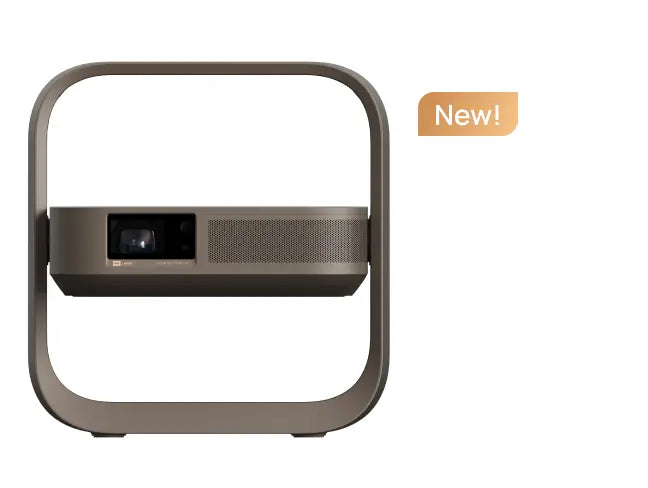
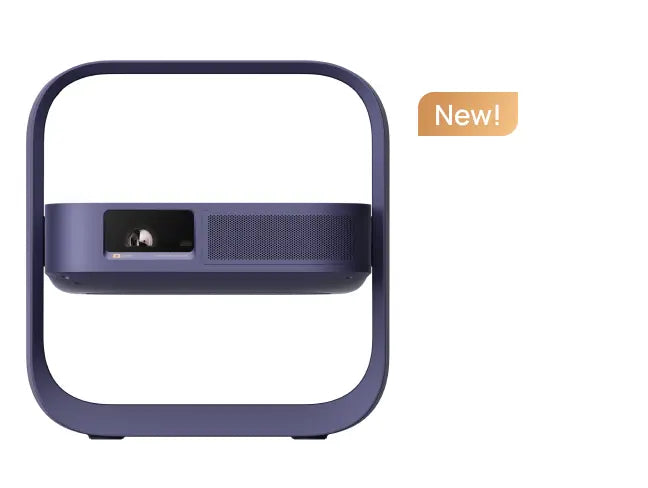
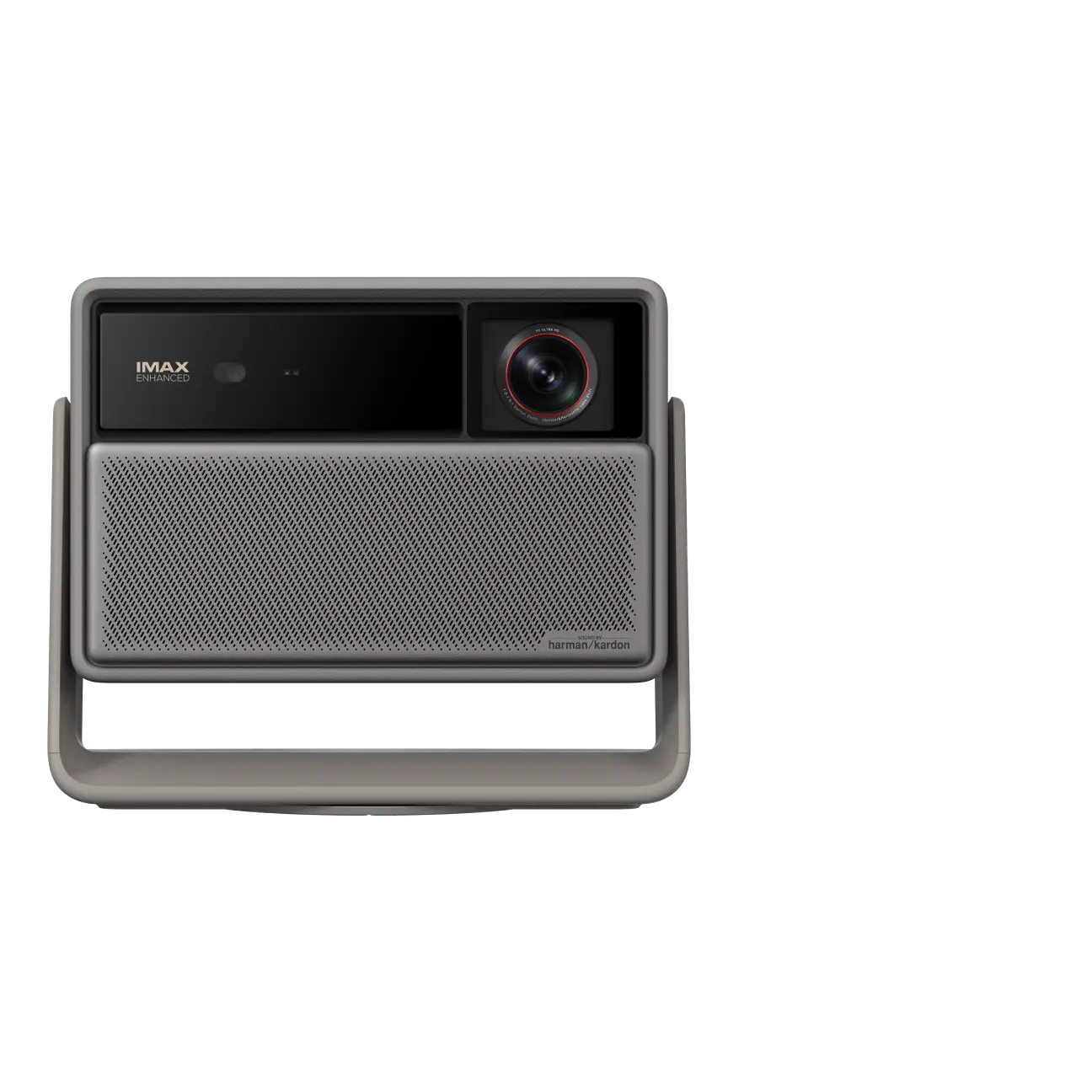
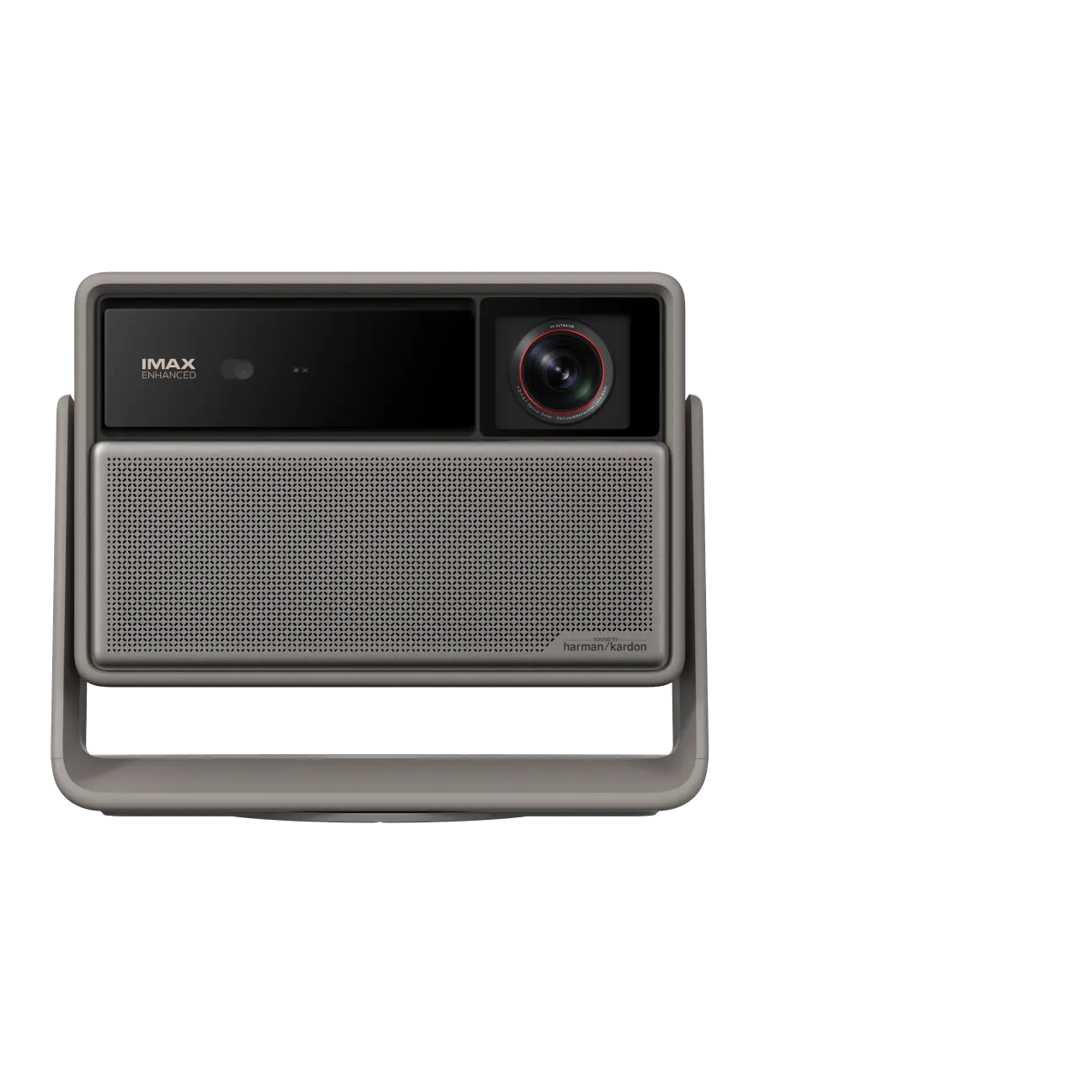
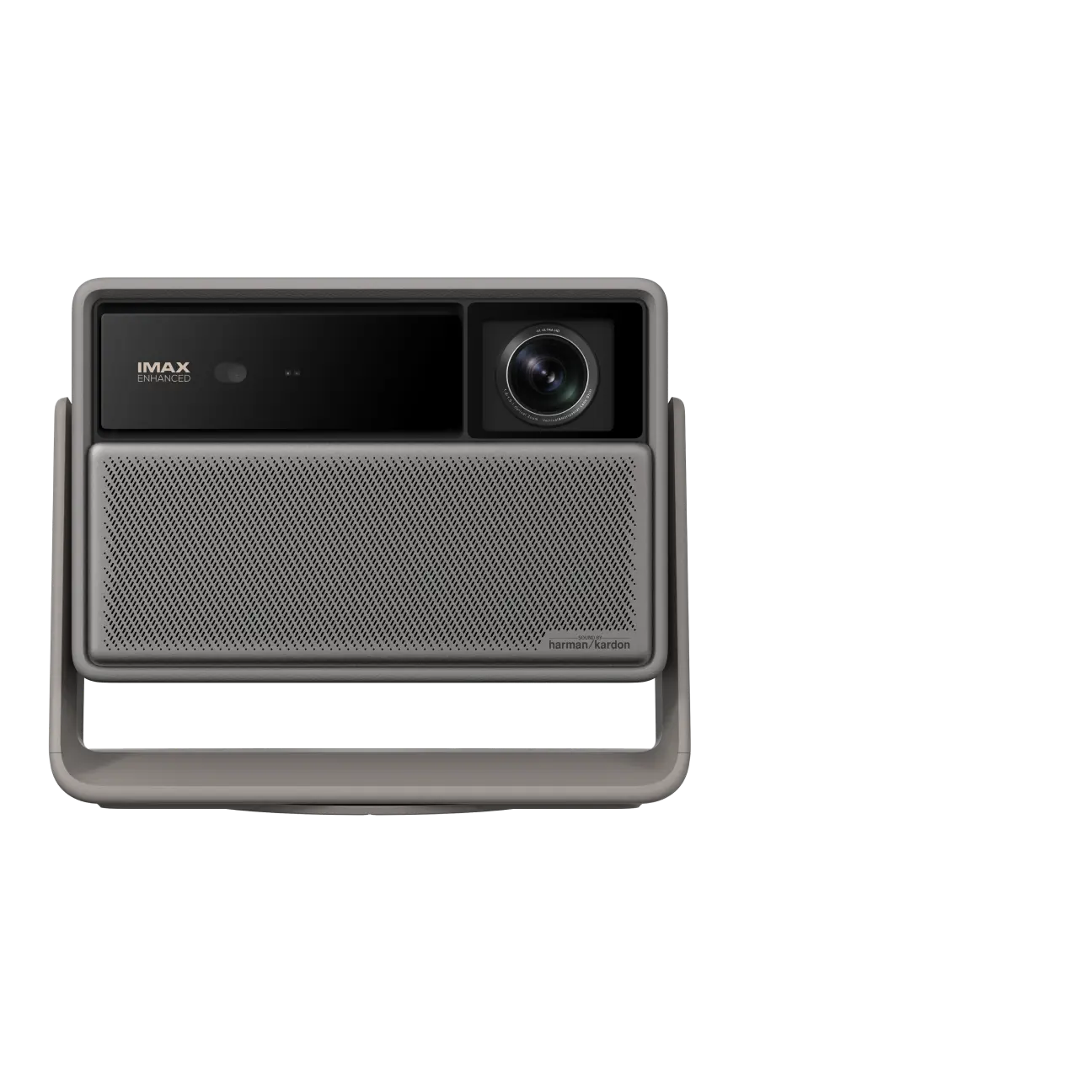
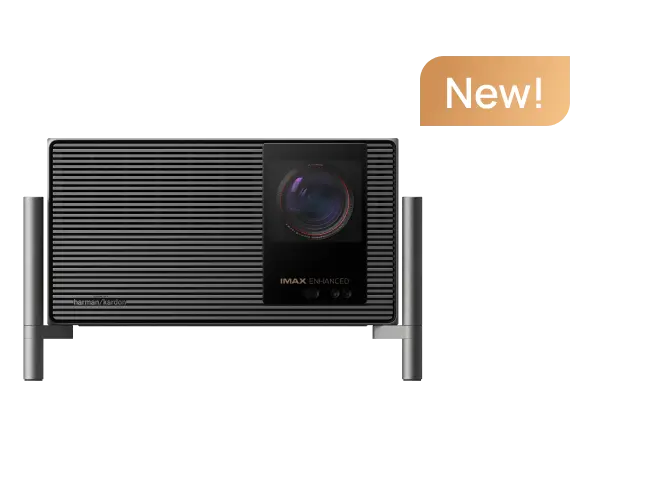
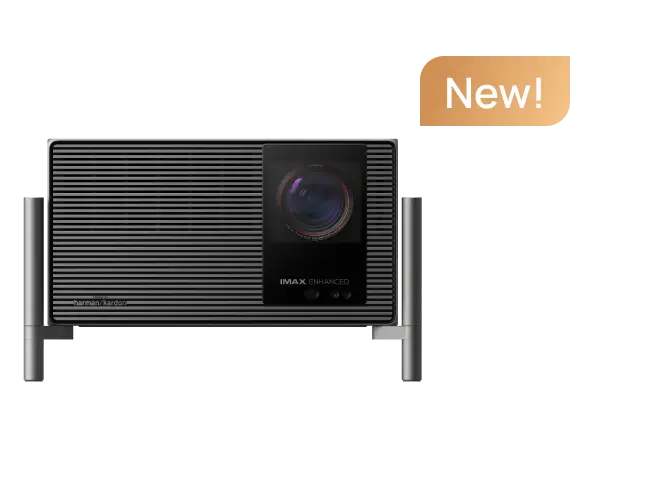
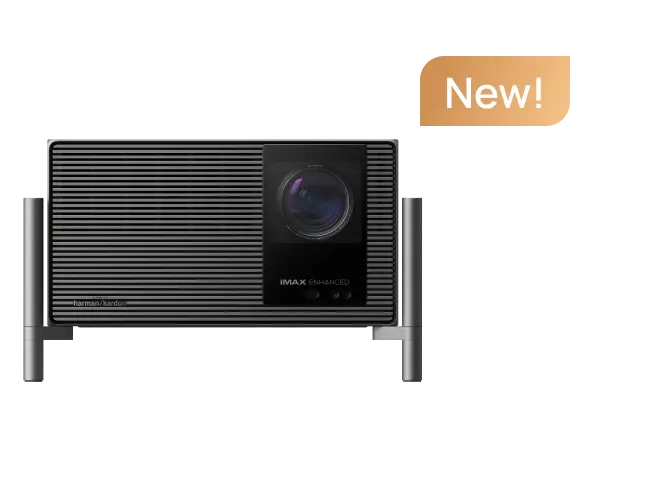
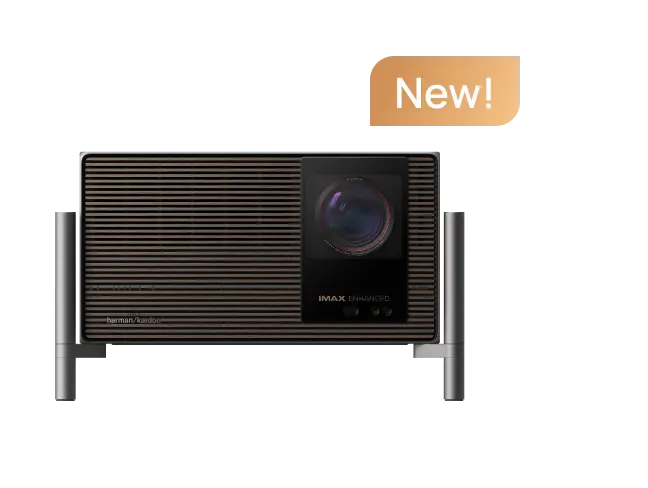
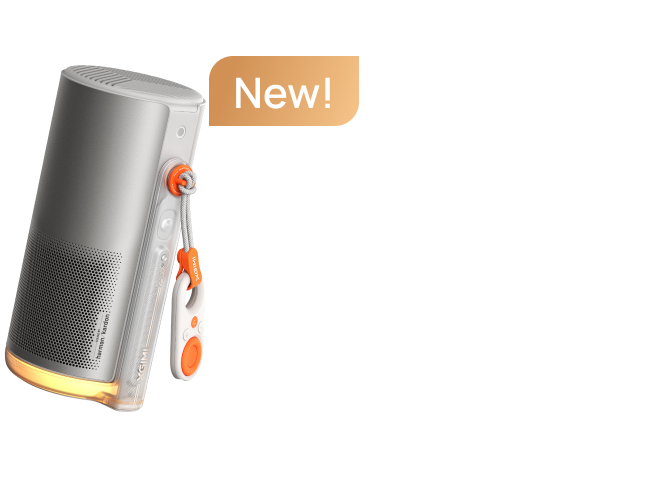
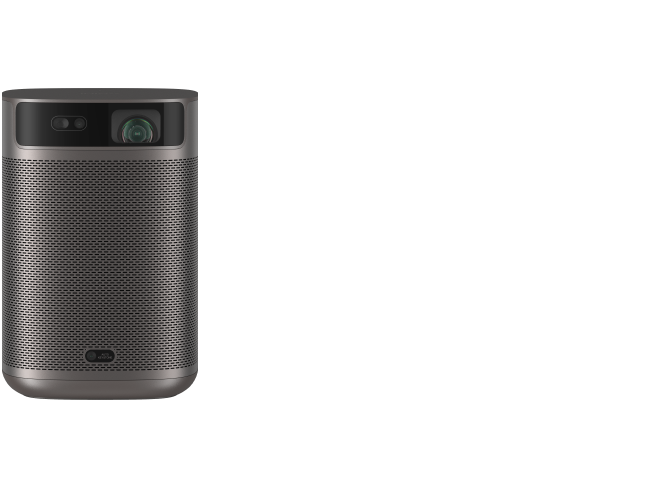
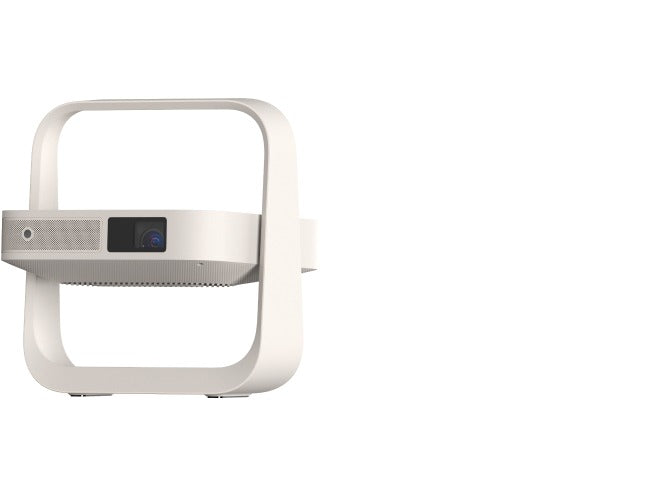
Many portable projectors pair naturally with external power solutions. The XGIMI Halo+ (New) and MoGo 4 offer strong built-in batteries that can be meaningfully extended with a suitable PD power bank. Their USB-C compatibility makes them convenient for off-grid use.
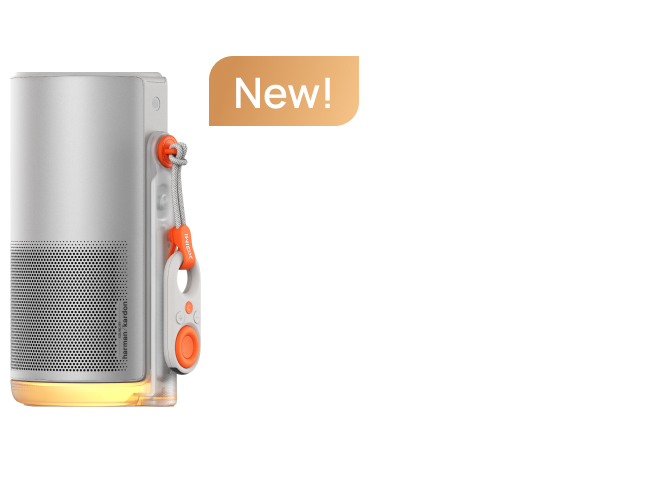
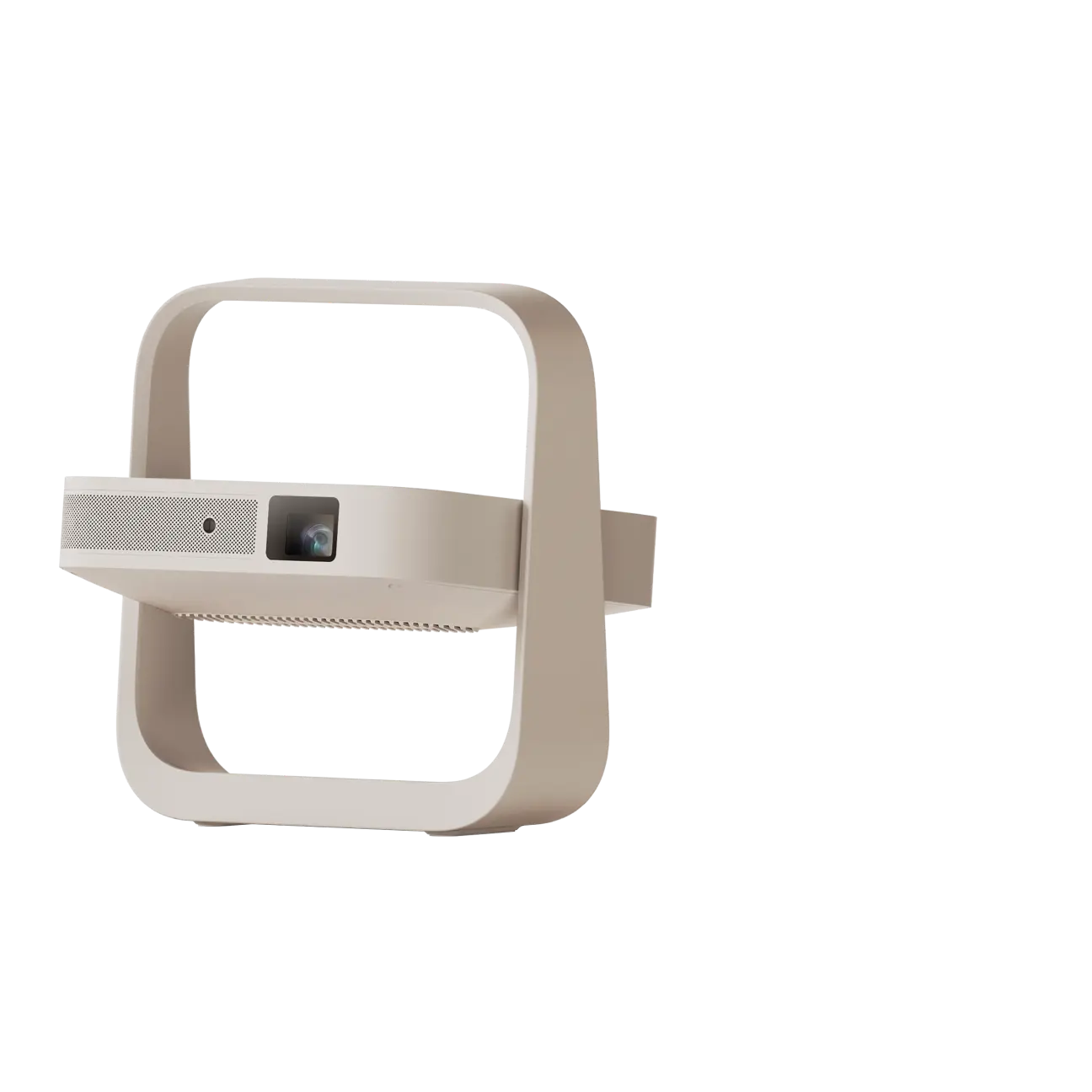
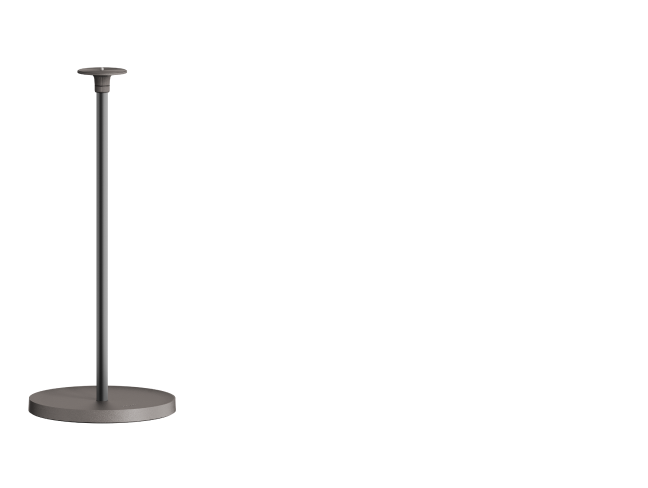
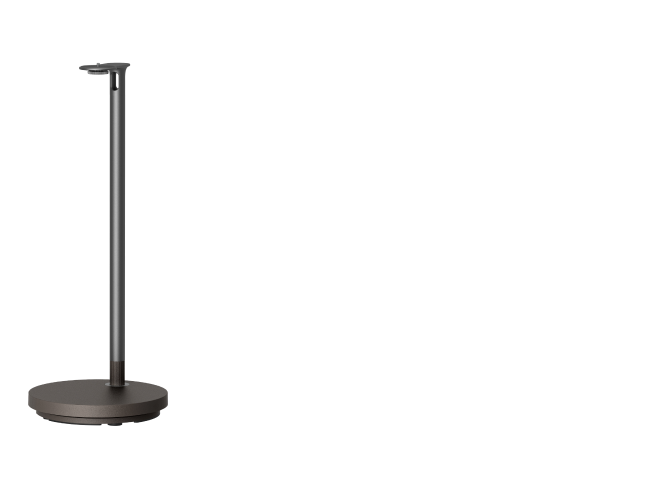
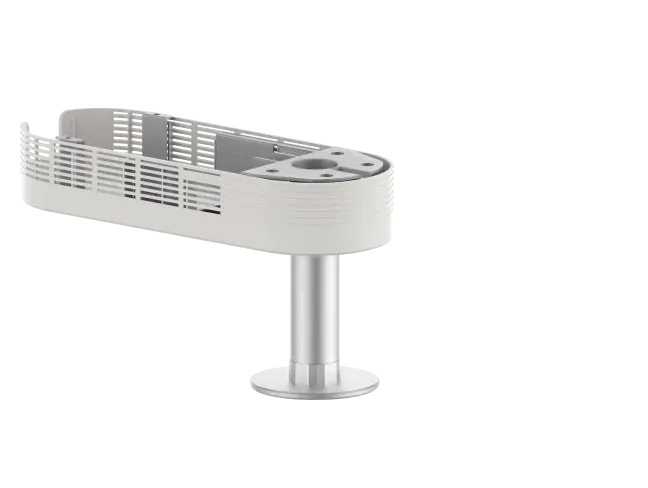
The XGIMI PowerBase Stand for MoGo 4 Series provides a clever 2-in-1 solution that functions as both a stand and power source, ideal for camping setups.
For broader options, explore the Portable Projectors collection or Accessories to find cables and stands that complete your kit.
Check the Portable Projector Buying Guide for more details on choosing the right model for outdoor use, and the How to Set Up a Projector When Camping article for practical tips.
Checklist: What to Verify Before Buying
Use this quick audit before purchasing:
- Does your projector support charging while operating via USB-C?
- Is the power bank's PD output at least 45W (preferably 65W)?
- Will the capacity provide your needed extra runtime without excessive weight?
- Do you have a properly rated USB-C cable?
- Are you staying within airline or camping weight preferences (typically under 100Wh for easiest transport)?
- Have you confirmed the bank has good user reviews for stable output under load?
Following these steps prevents the most common regrets reported by outdoor projector users.
Final Thoughts
The right power bank transforms a mini projector from a short-session device into a reliable off-grid entertainment system. Focus first on USB-C PD compatibility and sufficient wattage, then match capacity to your typical use scenario. A 20,000-40,000mAh bank with 45-65W output will cover most camping and travel needs without becoming too heavy.
Remember that actual results depend on your specific projector model, brightness settings, and environmental conditions. Test thoroughly and prioritize safety. With the proper setup, you can enjoy extended movie nights under the stars without worrying about a dead battery cutting the film short.
This discussion covers comfort and setup considerations only. It does not replace professional advice. Consult an eye care specialist if you have ongoing vision concerns or pre-existing conditions.


