

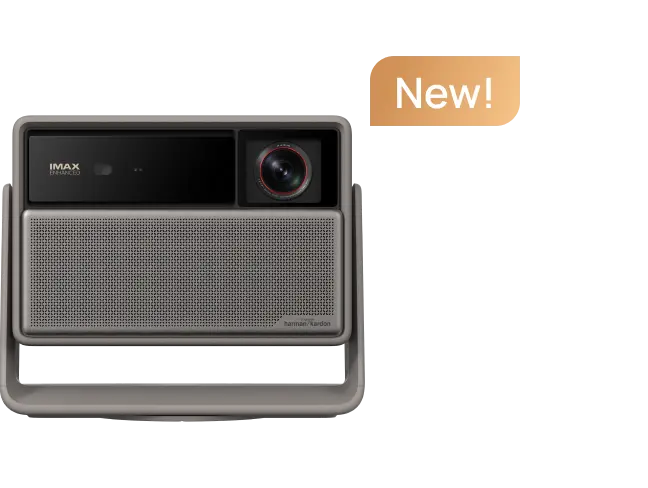
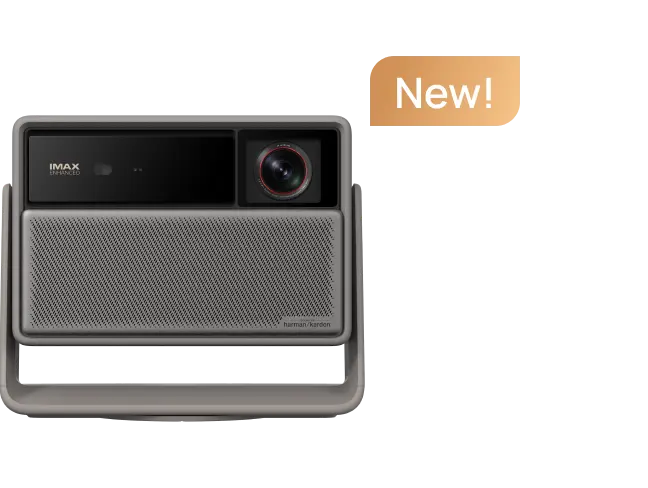
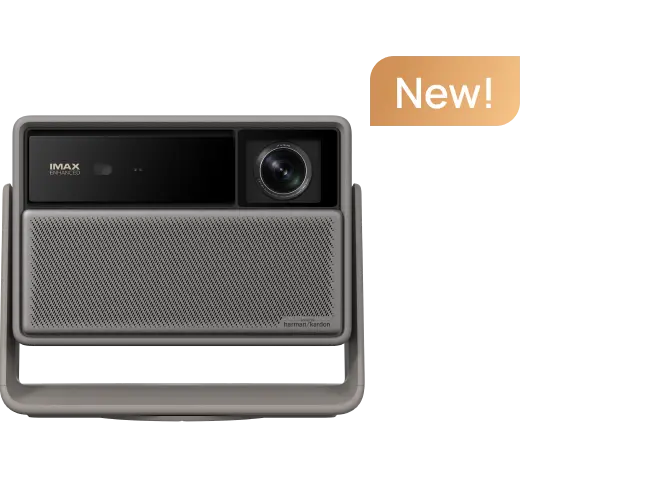

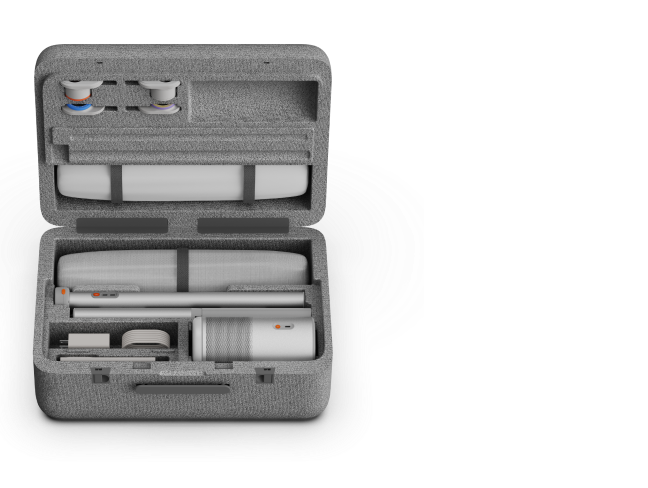
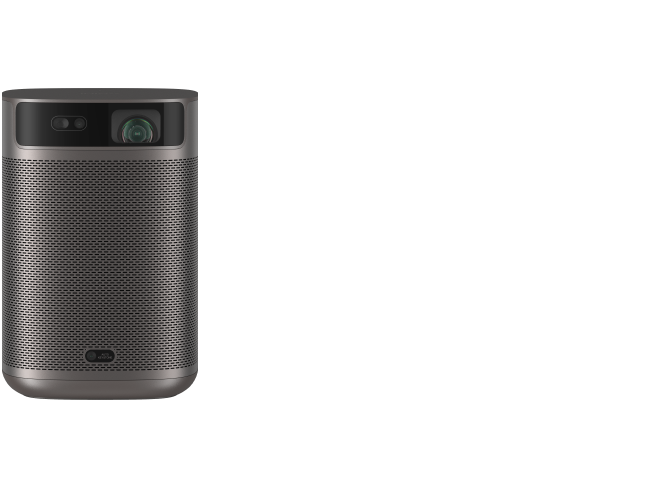
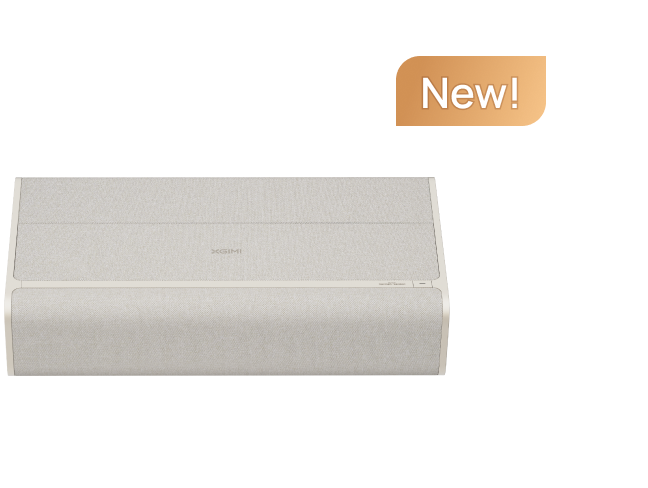





A smudged or dusty projector lens can quickly turn a crisp 4K image into a blurry or dim mess. The best cleaning kits focus on safe, non-abrasive tools like air blowers and microfiber cloths that remove dust and fingerprints without scratching delicate optical coatings or leaving residue. Choosing the right kit helps preserve image clarity and extends the life of your projector. For more on this topic, see How to Safely Remove Dust from Projector Air Vents Without Damaging.... For more on this topic, see Projector Dust & Filter: When and How to Clean.

Why Proper Lens Maintenance Matters for Image Quality
Dust, fingerprints, and smudges on the projector lens are common culprits behind degraded picture quality. Even tiny particles can scatter light, reduce contrast, and make colors look washed out. Regular maintenance prevents these issues and keeps your home theater or presentation setup performing at its best.
As optical care research shows, regular cleaning helps preserve image clarity and reduces the chance that dust or smudges degrade the picture. For home owners and office users alike, investing a few minutes in safe cleaning routines pays off in sharper visuals over years of use.
This is especially important for modern projectors with sensitive lens coatings designed to enhance clarity and reduce glare. Using the wrong method risks permanent damage, which is why commercial investigation into cleaning kits centers on safety first.
Understanding the Risks of Incorrect Cleaning Methods
Using household cleaners, paper towels, or rough fabrics can scratch the lens coating, introduce residue, or worsen image quality. Compressed canned air also carries risks if the propellant contacts the lens or if the pressure is too high.

The main risks include:
- Abrasive particles grinding into the coating during wiping
- Chemical residues that etch or cloud the optics
- Excessive moisture that seeps into the projector housing
Do not use household cleaners, abrasive cloths, or harsh wiping motions on projector lenses unless the manufacturer explicitly approves them. This conservative approach protects expensive optics.
For health-adjacent topics like eye strain from poor image quality, note that this article discusses comfort and setup advice only. It does not constitute medical advice. If persistent eye discomfort occurs, consult a qualified professional.
Safe Step-by-Step Guide to Cleaning Your Projector Lens
Follow this sequence to minimize risk:
-
Power down and cool the projector completely. Unplug it to avoid any electrical hazards.
-
Remove loose dust first. Use a hand blower or gentle air action to blow away particles before any wiping. This prevents scratches from abrasive dust being rubbed across the lens.
Start by removing loose dust with a hand blower or gentle air before touching the lens.
- Wipe gently with microfiber. Use a clean microfiber cloth for gentle lens cleaning and for removing fingerprints or smudges. Wipe in straight lines or light circles without pressure.
Microfiber is the safest default cloth type for gently cleaning lens surfaces. Avoid paper towels and rough cloths; use microfiber or other lint-free material instead.
- Use liquid cleaners sparingly. For stubborn smudges, some maintenance guides allow a microfiber cloth with a lens-safe cleaning solution or a minimal distilled-water/isopropyl-alcohol mix. Apply the liquid to the cloth, never directly to the lens, and only if your projector manual permits it.
For stubborn smudges, some maintenance guides allow a microfiber cloth with a lens-safe cleaning solution or a minimal distilled-water/isopropyl-alcohol mix.
- Inspect and repeat if needed. Check under good lighting and avoid over-cleaning.
A safe default sequence is: blow off dust, then lightly wipe with microfiber, and use liquid only if the lens manual explicitly allows it.
This routine applies across routine projector maintenance at home, post-installation care, and upkeep for shared office or classroom projectors.
Comparing Cleaning Tools: What to Choose and When
Different tools serve different needs. Here's a framework for comparing options:
- Air blowers: Ideal for initial dust removal. Low risk when used gently. Best for frequent light maintenance.
- Microfiber cloths: Essential for smudges. Low residue risk and affordable. Stock several clean ones.
- Full cleaning kits: Combine blower, cloths, brush, and sometimes solution. Convenient for comprehensive care and beginners.
- Canned air: Use cautiously and only as directed for optical surfaces. Risk of propellant spray makes it less ideal.
- Household options: High risk. Avoid entirely for projector lenses.
If you use canned air, do it gently and only as directed for optical surfaces.
For most users, a basic kit with blower and microfiber covers 90% of needs. Full kits add value if you maintain multiple projectors or want everything in one package.
When a full kit is worth buying: You notice frequent dust buildup, host events often, or want a complete routine without sourcing tools separately. Skip if you already own quality microfiber and a blower.
Dont buy if: The kit includes harsh chemicals, non-microfiber fabrics, or lacks clear optical-safe instructions.
This comparison helps new projector buyers and home theater enthusiasts select accessories that match their usage.
Projector Lens Cleaning Approaches: Relative Safety and Suitability
Heuristic comparison for reader guidance.
View chart data
| Category | Overall suitability | Scratch risk (lower is better) | Residue risk (lower is better) | Cost burden (lower is better) | Recommended use frequency |
|---|---|---|---|---|---|
| Blower only | 3 | 1 | 1 | 2 | 5 |
| Microfiber cloth only | 4 | 2 | 1 | 2 | 5 |
| Full cleaning kit | 5 | 3 | 2 | 2 | 4 |
| Canned air | 2 | 3 | 2 | 2 | 5 |
| Household cleaners | 1 | 5 | 5 | 1 | 1 |
Illustrative based on manufacturer guidance and optical care consensus, not measured data. Heuristic relative scores only; lower scratch/residue/cost burden values are better, while higher overall suitability and use frequency indicate more preferred use.
This chart illustrates relative suitability based on common optical maintenance guidance. Scores are heuristic to guide decisions, not precise lab measurements.
Key Features to Look for in the Best Projector Cleaning Kits
When shopping for a cleaning kit, prioritize these elements:
- High-quality microfiber cloths that are lint-free and washable
- A soft bulb air blower (not canned air) for dust removal
- Optional soft brush for crevices around the lens
- Lens-safe solution if included, with clear usage instructions
- Compact storage case to keep tools clean between uses
Check that the kit avoids any abrasive materials or unverified chemicals. Read product descriptions for mentions of optical or lens-safe use.
For shared projectors in offices or classrooms, choose kits that support frequent, quick cleaning without liquids when possible.
Common Myths About Projector Lens Cleaning
Several misconceptions can lead to damage:
-
Myth: Any soft cloth works fine for lenses. Reality: Only microfiber or lint-free options are safe; paper towels and t-shirts can cause micro-scratches.
-
Myth: Compressed air is always the fastest solution. Reality: It must be used gently, and many experts prefer manual blowers to avoid propellant risks.
-
Myth: More cleaning is always better. Reality: Over-cleaning increases risk; focus on dust removal first and wipe only when needed.
-
Myth: All-in-one household screen cleaners are projector-safe. Reality: These often contain chemicals unsuitable for coated optics.
Sticking to evidence-based practices avoids these pitfalls.
Building a Maintenance Routine That Lasts
Incorporate lens cleaning into your setup habits:
- Clean before major viewing events or monthly for heavy use
- Store the projector in a dust-free environment or use a quality carrying case when not in use
- Keep cleaning tools dedicated and clean—wash microfiber cloths separately without fabric softener
- Check your specific projector manual for any model-unique advice
For portable models, combine cleaning with proper storage using protective cases to minimize dust exposure during travel.
Home theater enthusiasts can reference guides on factors that affect projector image quality to understand how clean optics contribute to overall performance.
Consider exploring safe projector lens cleaning techniques for more detailed steps tailored to modern projectors.
Browse projector accessories for compatible maintenance tools and protective gear.
How to Choose the Right Cleaning Kit for Your Needs
For new buyers: Start with a simple kit containing blower and microfiber. Test the routine on your model.
For enthusiasts with premium setups: Opt for a full kit that includes storage and multiple cloths.
For office or classroom use: Choose durable, easy-to-use kits that multiple people can follow safely.
Always verify compatibility with your projector brand. When in doubt, contact the manufacturer or stick to basic tools.
This decision framework helps translate abstract maintenance concerns into practical purchasing and usage steps.
Disclaimer: This article provides general comfort and setup guidance for projector maintenance. It is not medical advice, diagnosis, or treatment. A clean lens may reduce perceived eye strain from blurry images, but persistent discomfort or existing eye conditions require consultation with a qualified eye care professional.
Maintaining your projector's lens with the right tools ensures years of sharp, vibrant images. By following safe practices and selecting quality cleaning kits, you protect your investment and enjoy better viewing every time.


