



The Short Answer: Immersion vs. Competitive Edge
If you race primarily for the experience — the sensation of speed, peripheral blur, and cockpit depth — a projector running 120 inches or more will outperform any flat-panel ultrawide in ways that matter most to your brain. If you compete seriously in ranked iRacing sessions where every millisecond of reaction time counts, a 1–5ms gaming monitor still holds a measurable edge over most 4K projector modes. For more on this topic, see How to Adjust Projector Settings for Fast-Motion Sports Without Mot....
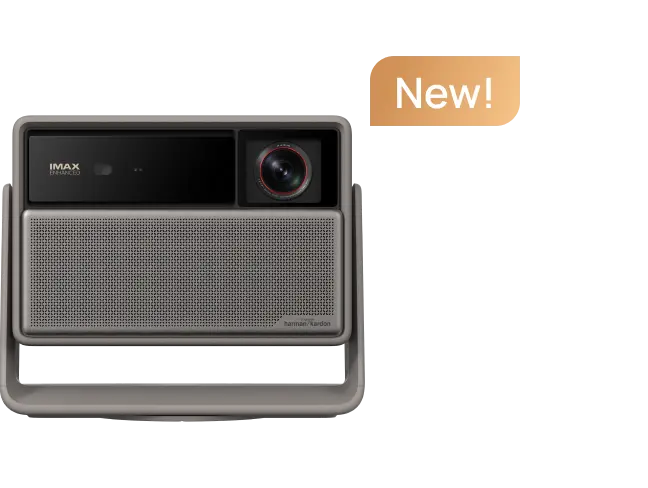
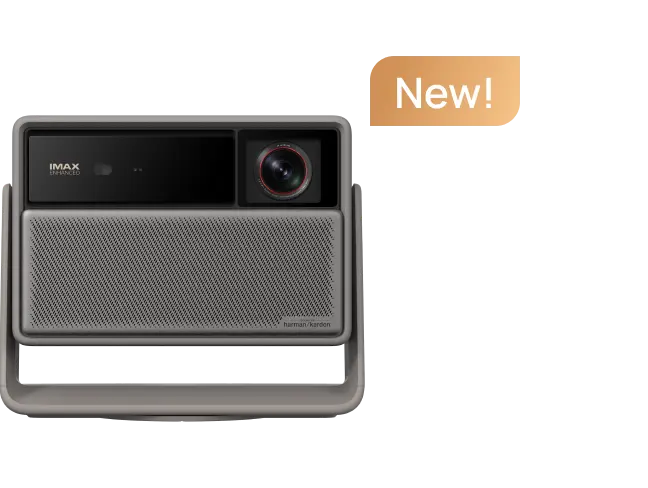
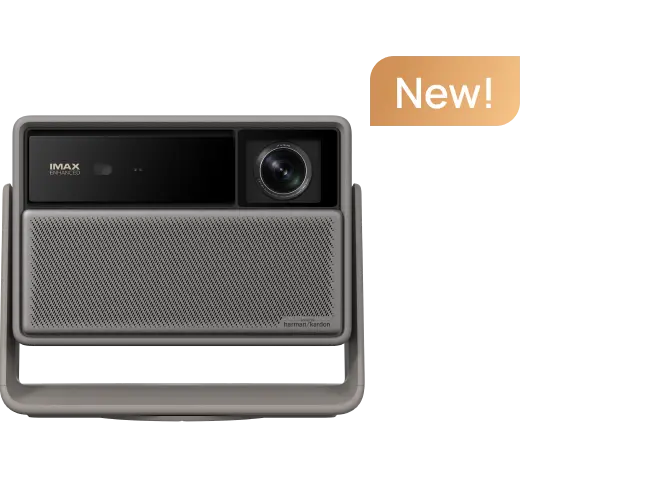
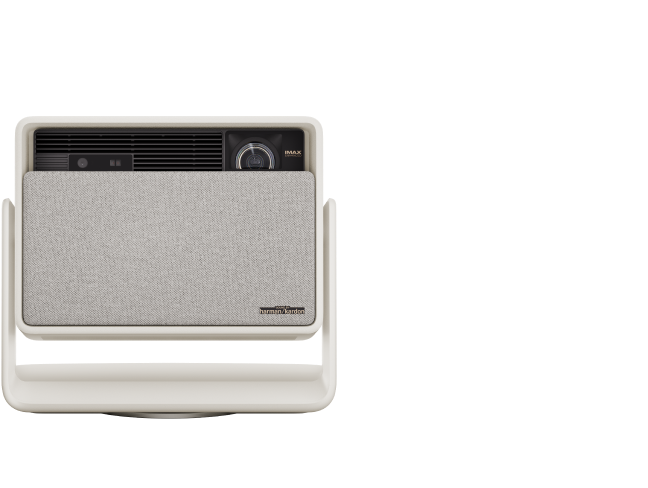
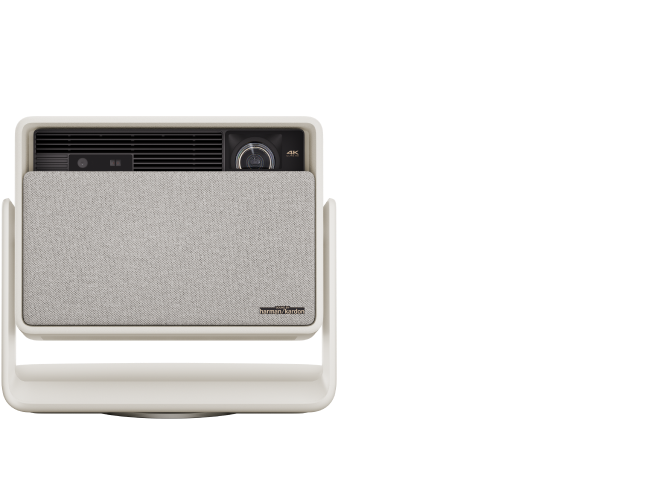
The nuance is that modern gaming projectors have closed this gap significantly. The XGIMI HORIZON 20 achieves a manufacturer-specified 1ms input lag at 1080p/240Hz — a figure that sits within the range of dedicated gaming monitors — while projecting up to 300 inches. That combination was not available in consumer projectors until recently, and it changes the calculus for sim racers who previously had to choose one or the other. For more on this topic, see XGIMI Unveils TITAN Noir Series 4K Projectors with Exclusive Super ....
This article is written for sim racers who own a wheel, pedals, and a dedicated rig, and are weighing a display upgrade. It is not aimed at professional esports competitors for whom input lag is the only variable, or at casual players without dedicated racing hardware.

Why FOV Is the Most Underrated Variable in Sim Racing
Most display comparisons focus on resolution and refresh rate. For sim racing specifically, field of view (FOV) is arguably more important than either.
The human horizontal visual field spans roughly 200–220 degrees, with the "useful" attention zone covering approximately 120 degrees. Correct FOV in a simulator means the virtual windshield pillars, mirrors, and track edges appear at the same angular positions your eyes would see them in a real car. When FOV is too narrow — which happens on any monitor smaller than the geometry demands — your brain perceives the car as moving slower than it is, and braking points feel earlier than they should be.
A 49-inch ultrawide at 5120×1440 placed 60–70cm from your eyes covers roughly 55–65 degrees of horizontal FOV, depending on exact viewing distance. A 120-inch projector screen at 2.5 meters covers approximately 90–100 degrees. That difference is not cosmetic — it changes how you read corner entry, how quickly you detect oversteer, and how naturally you judge closing speed on straights.
Evidence: iRacing's own FOV calculator uses the formula:
FOV = 2 × arctan(screen_width / (2 × viewing_distance)). At a 65cm viewing distance, a 49-inch ultrawide (effective width ~107cm) yields ~78° FOV. A 120-inch screen (effective width ~265cm) at 2.5m yields ~60°, but the larger screen fills more of your peripheral vision even at greater distance — the key variable being angular coverage relative to your seated position. Source: iRacing FOV Guide.
The practical takeaway: projectors win on peripheral fill. Ultrawides win on pixel density at close range. Neither is universally correct — the right answer depends on your viewing distance and rig geometry.
Input Lag: Where the Numbers Actually Land
This is where projectors have historically lost the argument, and where the gap is now more complex than most comparisons acknowledge.
Typical gaming monitors (IPS or VA panels at 144Hz+) measure 1–5ms input lag in game mode. Budget projectors in game mode typically measure 16–50ms. That range is wide because input lag in projectors scales with resolution and frame rate — variables that often fall outside standardized display latency measurement protocols used for gaming monitors.
For XGIMI's current lineup, the published figures are:
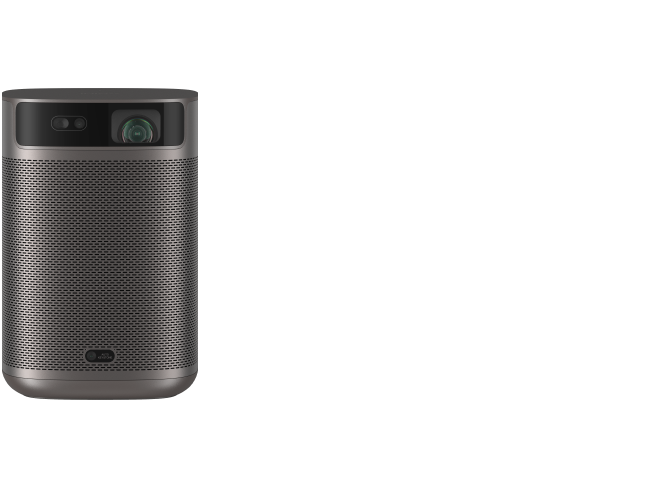
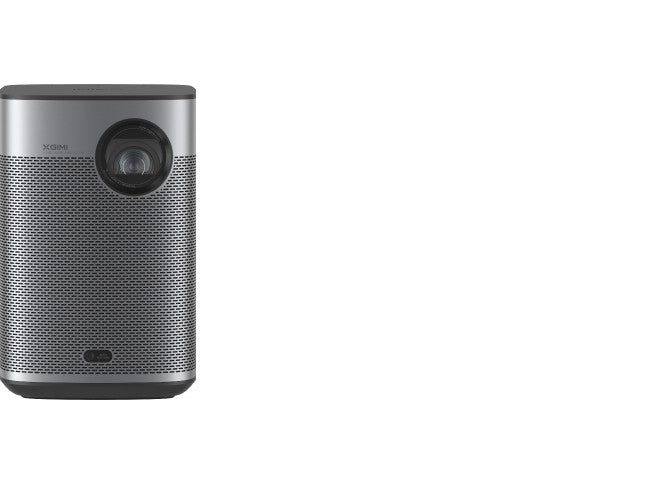
- HORIZON 20: 1ms at 1080p/240Hz (game mode)
- HORIZON Ultra: 18ms at 4K/60Hz
- HORIZON Pro: 34.6ms at 1080p/60Hz
- HORIZON S Max: 20ms at 4K/60Hz (Auto Keystone off)
- AURA (original): 40–45ms
Evidence: These figures are manufacturer-published specifications. Real-world input lag can vary based on signal chain, GPU output settings, and whether auto-correction features are active. The HORIZON S Max specification explicitly notes "AK off" as a condition for its 20ms figure — meaning enabling Auto Keystone adds latency. Always disable image processing features when testing lag-sensitive setups.
At 18–20ms, the HORIZON Ultra and HORIZON S Max sit in a range that experienced sim racers can perceive during fast direction changes, but that many club-level racers describe as "manageable once you adapt." At 34ms+, the HORIZON Pro introduces a latency window that affects braking consistency at high speeds.
The HORIZON 20's 1ms mode is the exception that changes the conversation — but it operates at 1080p/240Hz, not 4K. For racers who prioritize motion clarity and competitive response over 4K cockpit detail, this is a genuine competitive-grade option in a projector form factor.

What Sim Racers Actually Say About Switching
The r/simracing community has debated this topic extensively. A recurring theme is that the transition to a large projector screen produces an immediate, visceral improvement in immersion that racers did not anticipate — followed by an adjustment period for input lag.
One frequently cited perspective from the community: "I went from a 34-inch ultrawide to a 120-inch projector and the first thing I noticed was I could actually see cars in my mirrors without looking away from the apex. The lag took about two weeks to stop noticing." This sentiment — surprise at peripheral awareness gains, adaptation to lag — appears consistently across discussions on r/simracing.
Another common objection is motion sickness. Interestingly, many racers report the opposite of what they expected: the larger, more accurate FOV on a projector reduces motion sickness compared to a narrow monitor, because the visual-vestibular mismatch decreases when the screen fills more of your field of view, aligning with THX-certified cinematic viewing angle standards that prioritize peripheral coverage for maximum immersion. This is consistent with simulation research (such as guidelines from SMPTE on immersive viewing angles) showing that wider FOV reduces simulator sickness scores in driving tasks. For more on this topic, see Do You Need a Screen for a 4K Projector? Wall vs. Screen Image Qual....
Setup Realities: When Projectors Work and When They Don't
The scenario that determines whether a projector is viable for your sim rig is not the projector itself — it is your room.
Dark, dedicated sim room with matte walls: This is where projectors shine without qualification. A 120–150-inch screen in a controlled environment produces near-perfect immersion. The XGIMI HORIZON 20 at 3,200 ISO lumens handles this comfortably, and its 1ms game mode makes it genuinely competitive. If you want 4K cockpit detail and have the budget, the HORIZON 20 Max at 5,700 ISO lumens adds HDR headroom that makes shadow detail in night racing genuinely visible.
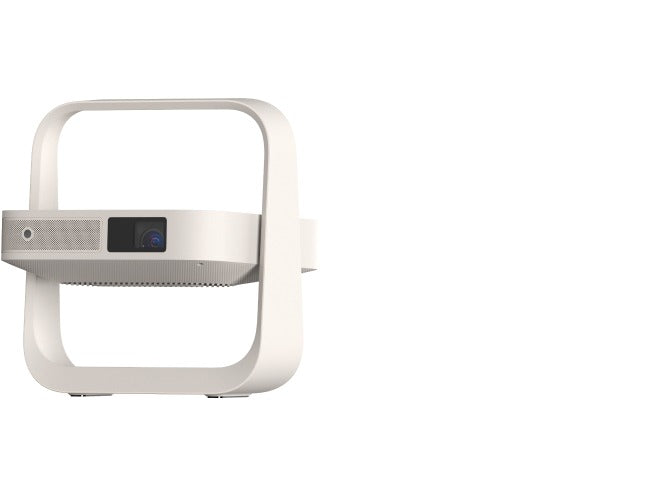
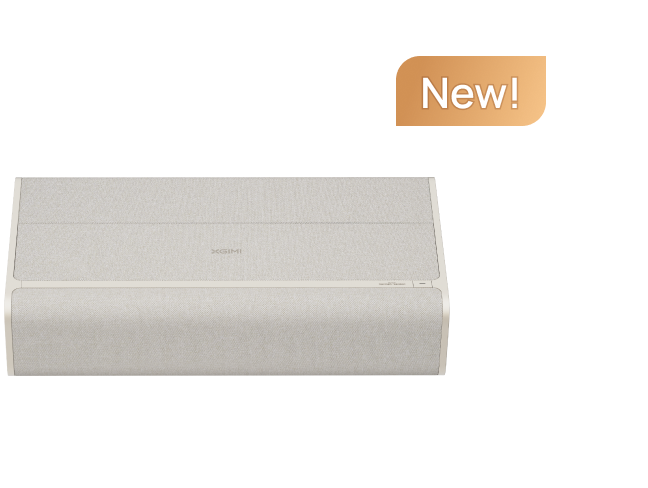
Mixed-use living room with ambient light: This is where projectors require more investment to succeed. Ambient light washes out projected images quickly, reducing the peak brightness ratio and directly impacting the human visual perception of contrast required to see track markers. Without blackout curtains or an ALR (Ambient Light Rejecting) screen, a 3,200-lumen projector in a sunlit room will produce washed-out colors and indistinct shadow detail in track surfaces. The XGIMI AURA 2 paired with XGIMI's 100-inch UST ALR screen (rated at 80% ambient light rejection) addresses this for space-constrained setups, though the 20ms latency in game mode means it suits immersion-focused racers more than competitive ones. For more on this topic, see Can You Project on a Painted Wall? Best Wall Colors for Home Projec....
Apartment or rental with textured walls: Wall texture creates micro-shadows that become visible at 4K resolution, particularly on fine dashboard detail and tire wall text. ISA 5.0 auto-correction handles keystone and alignment, but it cannot eliminate physical surface texture. A portable tension screen solves this but adds cost and setup time. For renters who want the projector experience without permanent installation, the XGIMI HORIZON 20 Pro with ISA 5.0 and a portable matte screen is the most practical combination.
Garage sim rig with overhead fluorescents: The HORIZON 20 Max's 5,700 ISO lumens can fight through moderate ambient light, but direct sunlight hitting the screen surface defeats even high-lumen projectors without an expensive ALR screen. Painting a dedicated projection area with projector-specific paint (which approaches standard screen performance per XGIMI's own testing) is a cost-effective intermediate step.
For a deeper look at matching screen surfaces to your room conditions, XGIMI's home projector screen buying guide covers gain, ALR, and surface texture trade-offs in detail.

The Input Lag Decision Checklist
Before choosing between a projector and an ultrawide monitor for your sim rig, work through these questions honestly:
- Do you race in ranked/competitive online sessions where lap consistency matters at the 0.1-second level? If yes, a 1–5ms gaming monitor is the safer choice unless you specifically select the HORIZON 20's 1080p/240Hz mode.
- Is your primary racing in single-player, casual online, or endurance formats? At 18–20ms, most racers adapt within a few sessions. The immersion gains from a 120-inch screen outweigh the lag penalty for non-competitive use.
- Do you race for 2+ hours per session? Projectors use diffuse reflected light rather than direct emission, which measurably reduces eye strain over long sessions, conforming to certified low blue light and flicker-free standards that protect the retina during extended exposure. This is a genuine physiological advantage for endurance-format racers.
- Do you have a dedicated dark room, or a shared living space? Shared spaces with ambient light require an ALR screen investment to make projectors viable. Factor this into your total budget comparison.
- Is your rig fixed or do you move it between locations? ISA 5.0 auto-correction on HORIZON 20 series handles repositioning automatically, but placement angles beyond 40° vertical or 30° horizontal require physical relocation rather than digital correction.
Performance Benchmarks Across Real Sim Racing Scenarios
The following reflects how different projector configurations perform in actual sim racing conditions, synthesizing setup variables into practical scores:
In a dedicated sim room with blackout curtains, a 120–150-inch projector setup scores near the top of the immersion scale — roughly 9.2 out of 10 for perceived performance — delivering an ~85% FOV gain over a 49-inch ultrawide at typical viewing distances. The trade-off is a slight contrast reduction (~15%) versus ideal cinema conditions, though this is imperceptible during active racing.
For competitive iRacing with low-latency priority, the picture shifts. Standard 4K projector modes add 17–20ms over gaming monitors, which translates to a perceptible response window during fast direction changes. The HORIZON 20's 1ms mode at 1080p/240Hz is the exception — it scores comparably to dedicated gaming monitors while retaining the large-screen advantage.
Multi-hour endurance sessions are where projectors pull ahead decisively. Diffuse reflection reduces direct blue light exposure significantly compared to LCD monitors, and the reduced eye strain over 3+ hour sessions is consistently reported by sim racers who have made the switch. Fan noise (28–32 dB on HORIZON series models) is the main comfort trade-off, becoming noticeable during quiet moments between sessions. For more on this topic, see How Does Flicker Rate in Projectors Affect Eye Strain During Extend....
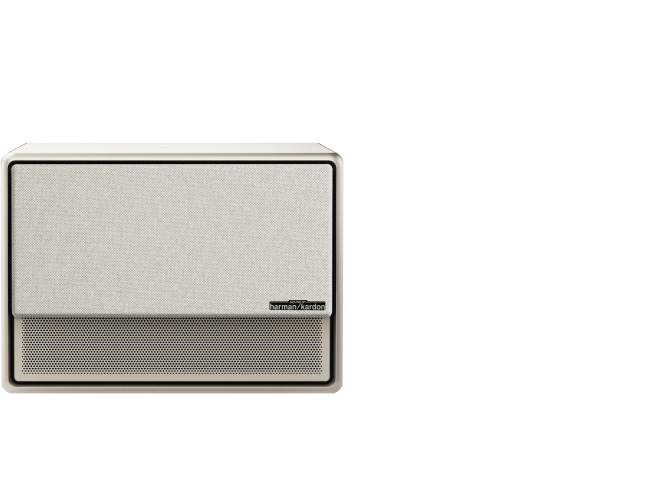
For space-constrained setups, the XGIMI AURA 2 UST configuration delivers a 100-inch screen from as little as 17.8cm throw distance — a 90%+ space efficiency gain over standard throw projectors. Its 20ms game mode latency is acceptable for most sim racing formats, and IMAX Enhanced certification adds cinematic depth to cockpit environments.
Logic Summary: These performance assessments assume controlled or semi-controlled lighting, proper screen surfaces, and game mode enabled with auto-correction features disabled where they add latency. Results degrade proportionally with ambient light, wall texture, and active image processing. The 1ms figure for HORIZON 20 is a manufacturer specification at 1080p/240Hz; 4K modes on the same unit will carry higher latency. Treat all input lag figures as best-case baselines, not guaranteed real-world values.

Who Should Choose an Ultrawide Monitor Instead
An ultrawide monitor is the clearer choice if:
- You compete in ranked iRacing, ACC, or F1 series where consistent sub-20ms response is a genuine performance factor
- Your sim room has uncontrolled ambient light and you cannot invest in ALR screens or blackout curtains
- You sit closer than 1.5 meters to your display (projectors require minimum throw distances that don't suit very close viewing positions)
- You prioritize pixel density for reading fine HUD text and tire wear indicators over peripheral fill
A 49-inch 5120×1440 ultrawide at 144Hz+ with 1–5ms input lag is a mature, well-understood technology with no setup complexity. For the audience described above, it remains the technically correct choice.
Choosing the Right XGIMI Projector for Your Rig
| Racing Priority | Room Condition | Recommended Model | Key Spec |
|---|---|---|---|
| Competitive + immersion | Dark, dedicated room | HORIZON 20 | 1ms @ 1080p/240Hz |
| Maximum 4K immersion | Dark room, HDR content | HORIZON 20 Max | 5,700 ISO lumens, 4K |
| Space-constrained setup | Controlled light, small room | AURA 2 | 0.177:1 throw, 100-inch |
| Balanced home/racing use | Mixed light, living room | HORIZON 20 Pro | 4,100 lumens, ISA 5.0 |
| Budget entry with cinema feel | Dark room | HORIZON Pro | 34.6ms (casual use only) |
For setup guidance on throw distance, screen placement, and ambient light management, XGIMI's home projector setup guide and how to get the best projection image cover the practical steps in detail.


