




The Short Answer: Laser Wins on Image Quality, LED Wins on Portability
If you're choosing between a laser and an LED projector for a living room or dedicated home cinema, laser — especially RGB Triple Laser — is the stronger performer on every image-quality metric that matters: brightness, color gamut width, and long-term brightness stability. If you need a projector you can toss in a bag, run on battery, and set up anywhere in under a minute, an LED portable still makes more practical sense.
That's the conclusion. Everything below explains why, with real specs, honest trade-offs, and a clear path to the right model for your situation.
Who this is NOT for: Professional AV installers specifying commercial venues, enterprise procurement teams, or existing XGIMI owners looking for setup help. This guide is written for first-time and upgrading home projector buyers in the $300–$2,000 range.

How Laser and LED Light Sources Actually Work
Both technologies replace the traditional high-pressure lamp with a solid-state light source — which is why both are marketed with 30,000-hour lifespans. But the physics underneath are meaningfully different.
LED projectors use arrays of red, green, and blue LEDs. The light is efficient, runs cool, and starts instantly. The limitation is raw luminous output: LEDs struggle to produce the concentrated, high-intensity light needed for large screens in ambient light. Most LED projectors in the portable category land between 400–700 ISO Lumens.
Laser projectors come in two main configurations:
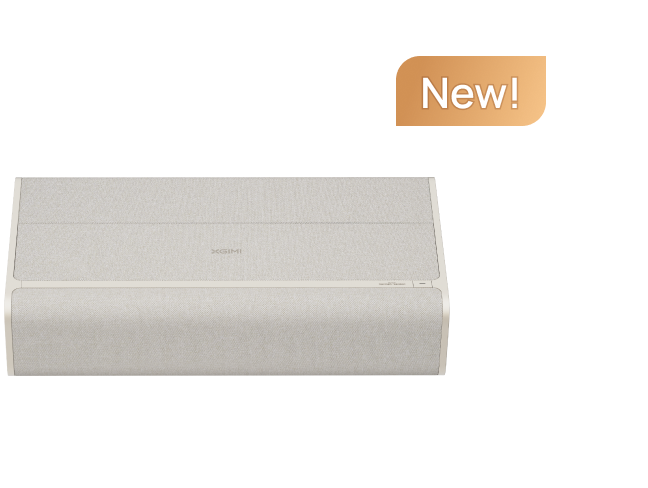
- Single blue laser + phosphor (sometimes called "blue laser"): A blue laser excites a yellow phosphor wheel to produce white light, which is then filtered into RGB. It's brighter than LED but the phosphor conversion narrows the color gamut — the XGIMI AURA (original) achieves approximately 80% DCI-P3 coverage using this method, per its official product page.
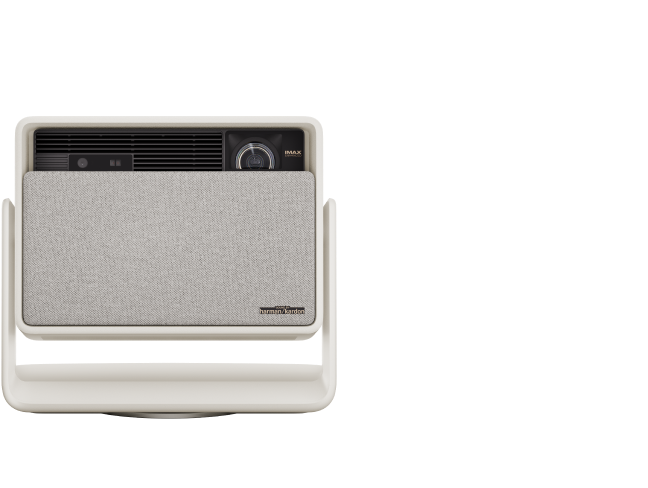
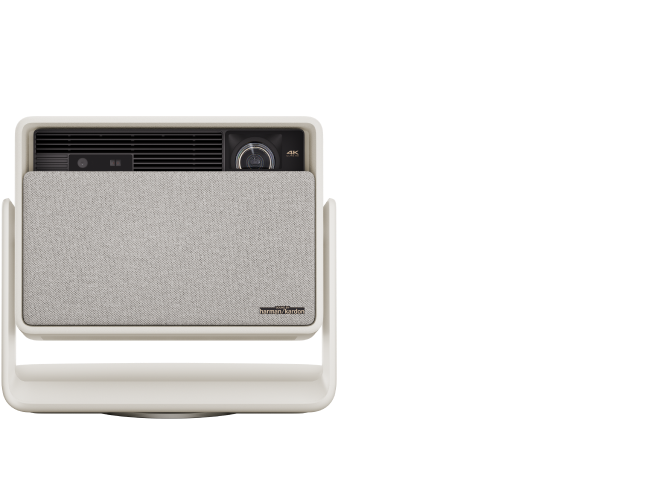
- RGB Triple Laser: Three separate laser diodes — red, green, and blue — each produce their own pure wavelength. No phosphor conversion means no gamut compression. The result is a wider, more saturated color space and significantly higher peak brightness. This is the technology inside the HORIZON 20 series.
The distinction between these two laser types is one of the most under-explained points in most buyer guides. When someone says "laser projector," they may mean either — and the color performance gap between them is real.

Brightness: The Numbers That Actually Tell the Story
Brightness is where the gap between light source technologies becomes impossible to ignore. The table below uses ISO Lumens as reported on us.xgimi.com official product pages for each model.
Measurement note: XGIMI rates brightness in ISO Lumens, which uses a standardized 9-point measurement grid. As XGIMI's own first projector buying guide states: "Brightness is measured in lumens, specifically ANSI lumens for accurate comparison" — and warns buyers to watch for inflated lumen claims from brands using non-standard measurements. ISO Lumens and ANSI Lumens are not directly interchangeable; use the same standard when cross-shopping across brands. For more on this topic, see Projector Brightness Standards and Measurement: A Comprehensive Ref....
| Model | Light Source | Brightness | Resolution | Primary Use Case |
|---|---|---|---|---|
| HORIZON 20 Max | RGB Triple Laser | 5,700 ISO Lumens | 4K (XPR) | Home cinema, daylight viewing |
| HORIZON 20 Pro | RGB Triple Laser | 4,100 ISO Lumens | 4K (XPR) | Home cinema, large screen |
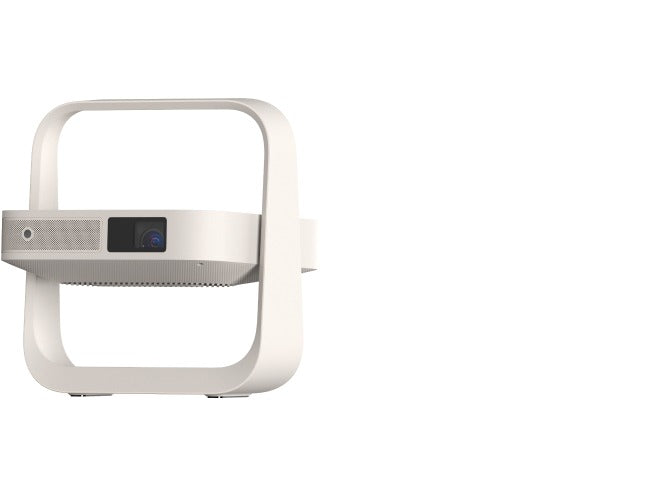
| HORIZON 20 | RGB Triple Laser | 3,200 ISO Lumens | 4K (XPR) | Home cinema, gaming |
| HORIZON S Max | Dual Light 2.0 | 3,100 ISO Lumens | 4K (XPR) | Premium home entertainment |
| HORIZON Ultra | Laser/LED Hybrid | 2,300 ISO Lumens | 4K (XPR) | Home cinema, Dolby Vision |
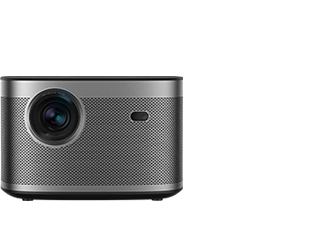
| HORIZON Pro | LED | 1,500 ISO Lumens | 4K (XPR) | Streaming, home cinema |
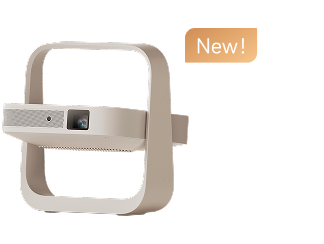
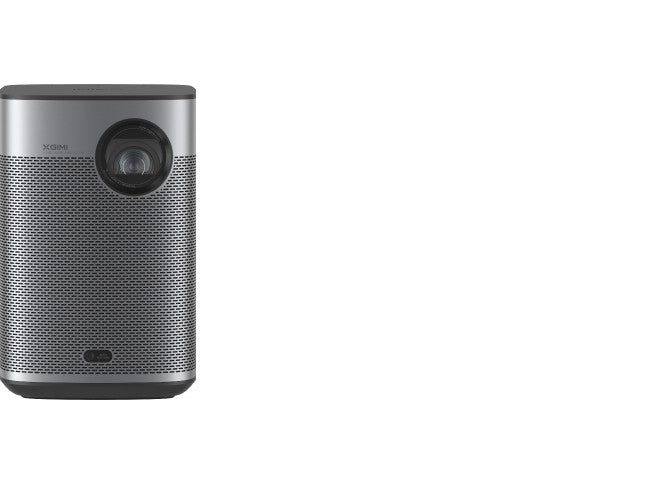
| Halo+ | LED | 700 ISO Lumens | 1080p | Portable, outdoor |
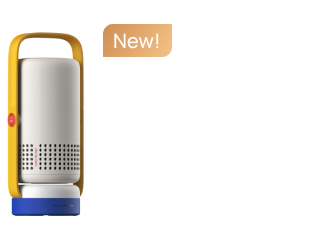
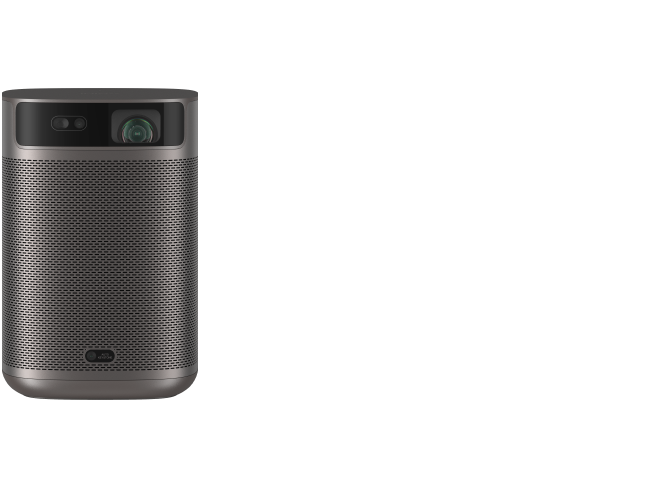
| MoGo 3 Pro | LED | 450 ISO Lumens | 1080p (XPR) | Portable, travel |
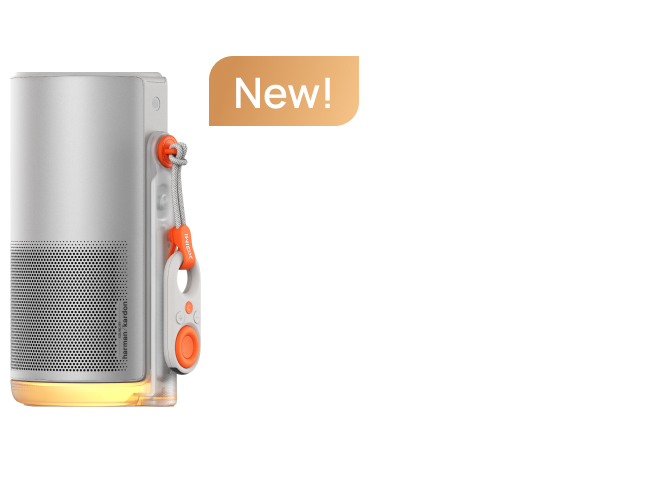
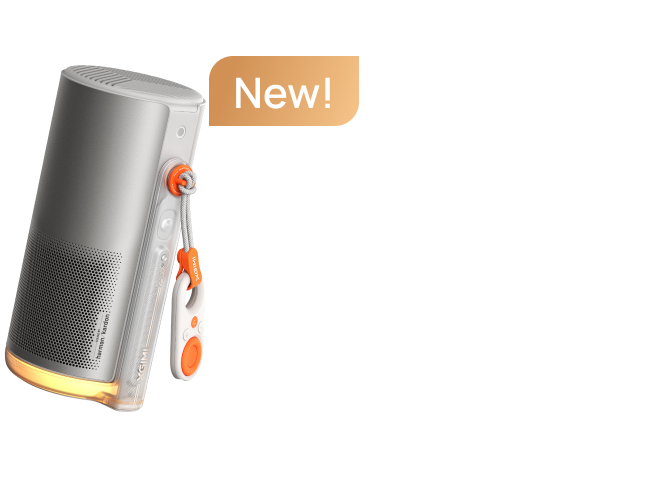
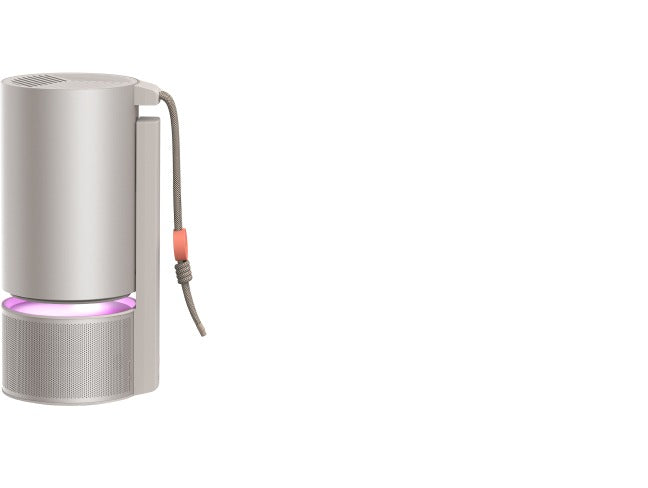
| MoGo 4 Laser | RGB Triple Laser | 550 ISO Lumens (peak) / 450 ISO Lumens (standard) | 1080p (XPR) | Portable, outdoor |
Sources: Individual product pages at us.xgimi.com. MoGo 4 Laser brightness varies by source per official specs.
The HORIZON 20 Max at 5,700 ISO Lumens produces nearly four times the light output of the HORIZON Pro at 1,500 ISO Lumens — both are 4K-capable home projectors. That gap is the difference between a projector that needs a blacked-out room and one that can hold its own with the curtains partially open.
Notice also that the MoGo 4 Laser — a portable RGB Triple Laser model — sits at 550 ISO Lumens peak, comparable to the LED MoGo 3 Pro at 450 ISO Lumens. This shows that laser technology alone doesn't guarantee higher brightness; form factor and thermal constraints matter. The MoGo 4 Laser's advantage over the MoGo 3 Pro is in color quality, not raw output.
Lifespan: 30,000 Hours Is Not the Whole Story
Both LED and laser projectors are commonly rated at 30,000 hours. On paper, that looks like a tie. In practice, the difference is in how each technology ages.
LED brightness degradation follows a curve that accelerates with heat and high-brightness operation. Industry convention uses the "L70" metric — the point at which a light source drops to 70% of its original output. For LED light sources in consumer electronics, this degradation is measurable within the first several thousand hours at high brightness settings.
Laser light sources — particularly RGB Triple Laser — maintain output more consistently over time. Published industry data suggests laser projectors can retain more than 90% of original brightness after 20,000 hours under controlled conditions, compared to more significant LED falloff over the same period. This is a key reason laser is preferred for home cinema installations where consistent calibration matters.
Honesty check: Rated lifespan hours (30,000 hrs) represent manufacturer estimates under controlled conditions. Running any projector at maximum brightness mode will reduce effective life for both technologies. Real-world usage patterns — brightness setting, ambient temperature, duty cycle — all affect how quickly either light source ages. Treat rated hours as a relative comparison, not a guarantee. For more on this topic, see Projector vs TV: An Honest Comparison for Your Home.
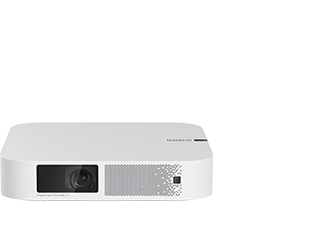
XGIMI's LED models — including the HORIZON Pro, Halo+, and Elfin — are officially rated at 30,000 hours per their respective product pages. The HORIZON 20 series laser models carry the same rating, but the brightness retention curve over those hours differs meaningfully.
For a buyer watching movies four hours per night, 30,000 hours represents roughly 20 years of use. The practical question isn't whether the light source will fail — it's whether the image will still look good in year five. Laser has a clear advantage there.

Color Gamut: Where RGB Triple Laser Separates Itself
Color gamut is the range of colors a display can reproduce. The two relevant standards for home cinema are:
- DCI-P3: The color space used for digital cinema. Wider than the older sRGB/Rec.709 standard used in most consumer displays.
- Rec.2020: An even wider standard used in professional broadcast and high-end HDR content. Most consumer displays cover only a portion of it.
Here's how the light source types stack up in practical terms:
LED projectors produce a color gamut roughly equivalent to or slightly exceeding sRGB/Rec.709. For streaming standard content, this is adequate. For HDR content that encodes wide-gamut color data, an LED projector will clip or compress colors it can't reproduce — you'll see the image, but not the full palette the director intended.
Single blue laser + phosphor (like the original AURA) steps up to approximately 80% DCI-P3 coverage, per XGIMI's official product page. This is a meaningful improvement over LED for cinema-grade content, but the phosphor conversion process limits how far the gamut can extend.
RGB Triple Laser (HORIZON 20 series, MoGo 4 Laser) generates each primary color from a dedicated laser diode. The result is a wider, more saturated gamut that exceeds what phosphor conversion can achieve. XGIMI has not published a specific DCI-P3 percentage for the HORIZON 20 series on us.xgimi.com at the time of writing — this article will be updated when official figures are published. What is documented is that RGB Triple Laser is the technology used in professional digital cinema projectors precisely because of its color accuracy.
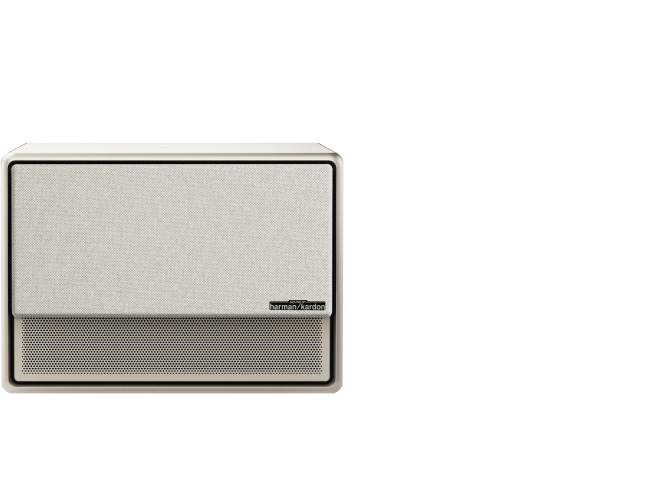
Dual Light 2.0 — the hybrid technology in the HORIZON S Max, HORIZON S Pro, and AURA 2 — integrates a Tri-color Laser with a full-color LED light source to balance color gamut, brightness, and efficiency while eliminating the speckle and color fringing issues traditional pure lasers face. It sits between pure LED and pure RGB Triple Laser in the color performance hierarchy, making it a strong middle-ground option for buyers who want better-than-LED color without the full RGB Triple Laser price point.
Evidence: The XGIMI AURA original product page explicitly notes approximately 80% DCI-P3 coverage for its single blue laser + phosphor light source. The HORIZON 20 series uses RGB Triple Laser, a technology that — in professional cinema contexts — is specified to cover the full DCI-P3 color space. Source: us.xgimi.com/products/aura
What Real Buyers Say: The Color Shift Problem with LED
Community discussions on r/projectors and r/hometheater consistently surface one concern that spec sheets don't capture well: LED color shift over time.
Users who have owned LED projectors for two to three years frequently report that the image looks noticeably different from when the unit was new — not just dimmer, but with altered white balance and color temperature. This is consistent with how LED degradation works: the red, green, and blue LED elements age at slightly different rates, causing the white point to drift.
One recurring theme in projector enthusiast forums is the contrast between LED owners who notice this drift gradually (and accept it) versus those who return to a calibrated reference and are surprised by how much has changed. Laser projectors, with their more stable output per diode, don't exhibit the same differential aging between color channels.
This isn't a reason to avoid LED projectors entirely — for casual streaming in a bedroom, slight color drift over three years is unlikely to be a dealbreaker. But for buyers who care about consistent, accurate color reproduction over the long term, it's a real consideration that most comparison articles skip over.
The Hybrid Middle Ground: Dual Light 2.0
Before treating this as a binary laser-vs-LED choice, it's worth understanding where XGIMI's Dual Light 2.0 technology fits. Models like the HORIZON S Max (3,100 ISO Lumens) and AURA 2 (2,300 ISO Lumens, Ultra Short Throw) combine laser and LED light sources to achieve a balance that neither pure technology delivers alone at the same price point.
The AURA 2 is particularly interesting as a data point: it's an Ultra Short Throw projector with Dual Light 2.0, Google TV with licensed Netflix, and ISA 5.0 auto-correction — positioned as a laser TV replacement for living rooms where throw distance is limited. Its 0.177:1 throw ratio means it can project a 100-inch image from just 17.8 cm away from the wall.
For buyers who want better color than LED but aren't ready to commit to the HORIZON 20 series price point, Dual Light 2.0 models offer a credible stepping stone.
Gaming Input Lag: A Laser Advantage Worth Noting
Color and lifespan dominate the laser vs. LED conversation, but for gaming households, input lag is equally important.
The HORIZON 20 (RGB Triple Laser) achieves 1ms input lag at 1080p/240Hz in game mode, per its official product page. The HORIZON Pro (LED) measures 34.6ms at 1080p/60Hz. That's not a laser-vs-LED difference per se — it reflects different hardware generations and design priorities — but it illustrates that the HORIZON 20 series was engineered with gaming as a first-class use case in a way that older LED models were not.
For competitive gaming where sub-20ms input lag matters, the HORIZON 20 series is the clear choice. For casual gaming or single-player titles, the HORIZON Pro's 34.6ms is noticeable but not game-breaking.
Choosing Your Light Source: A Decision Framework
Rather than a generic checklist, work through these four questions in order:
1. Where will you use it most — fixed room or on the move?
If the projector will live in one spot (living room, bedroom, dedicated theater), laser is worth the investment. If you need it to travel — camping, friends' houses, hotel rooms — an LED portable like the MoGo 3 Pro or the battery-equipped Halo+ makes more practical sense. The MoGo 4 Laser is the exception: it's a portable RGB Triple Laser with a built-in 2.5-hour battery, bridging the gap for buyers who want laser color quality without sacrificing portability.
2. What's your room lighting situation?
If you can control the light (blackout curtains, dedicated room), an LED projector at 700–1,500 ISO Lumens can produce a satisfying image. If you're projecting in a living room with ambient light, windows, or overhead lighting you can't fully eliminate, you need 2,000+ ISO Lumens — which means laser. The HORIZON 20 Max at 5,700 ISO Lumens is the only model in the XGIMI lineup that can genuinely compete with ambient daylight. For more on this topic, see Beyond Movies: Using Your Projector for Digital Art and Ambient Lig....
3. How much does color accuracy matter to you?
Casual streaming (Netflix, YouTube, Disney+) in sRGB content: LED is fine. 4K HDR films, color-graded cinema content, or anything where you want the image to look the way the director intended: RGB Triple Laser delivers a meaningfully wider gamut. If you're somewhere in between, Dual Light 2.0 is a reasonable compromise.
4. What's your budget, and how long do you plan to keep it?
LED portables start around $300–$500 and offer excellent value for their use case. RGB Triple Laser home projectors start higher but deliver better image quality and more stable long-term performance. Factor in that a projector you keep for 5+ years at high brightness will show LED degradation more than laser degradation — the total cost of ownership calculation shifts in laser's favor over longer ownership periods. For more on this topic, see Casting vs HDMI for Projectors: Quality, Lag, and Reliability.
Logic Summary: This framework assumes a residential buyer with a fixed or semi-fixed setup. It breaks down if: (a) you have a dedicated, perfectly light-controlled room where even a 700-lumen LED looks excellent, or (b) your budget is strictly under $400, where LED portables are the only realistic option. The framework also doesn't apply to commercial or outdoor event use cases.
XGIMI Laser vs. LED: Real-World Fit by Use Case
Living room, ambient light, TV replacement: The HORIZON 20 Max at 5,700 ISO Lumens is the only projector in this lineup that can genuinely hold its own against daytime ambient light without requiring blackout curtains. Its RGB Triple Laser produces wide-gamut color, and ISA 5.0 handles automatic keystone, autofocus, and wall-color correction. If the living room has limited throw distance, the AURA 2 (Ultra Short Throw, Dual Light 2.0) is the alternative.
Dedicated home cinema, light-controlled room: The HORIZON 20 Pro at 4,100 ISO Lumens hits the sweet spot — enough brightness for a 120–150 inch screen in a dark room, RGB Triple Laser color, and 4K via XPR pixel shifting. The HORIZON 20 (3,200 ISO Lumens) is the entry point to the RGB Triple Laser experience at a lower price.
Bedroom streaming, casual use: The HORIZON Pro (LED, 1,500 ISO Lumens) is a capable 4K-capable LED projector for nighttime bedroom viewing. It won't match the color depth of laser, but for Netflix and YouTube in a dark room, it's a solid performer. The MoGo 3 Pro (LED, 450 ISO Lumens) is the portable option for the same use case.
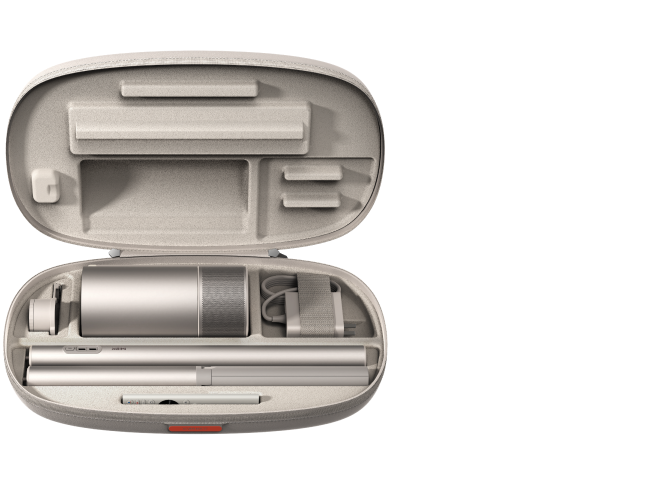
Portable outdoor use, camping, travel: The MoGo 4 Laser (RGB Triple Laser, 550 ISO Lumens peak, built-in battery) is the standout here — it's the only portable in the XGIMI lineup that brings laser color quality to a battery-powered form factor. The Halo+ (LED, 700 ISO Lumens, built-in battery) is brighter but uses LED. For pure outdoor brightness, the Halo+ wins; for color quality in a portable, the MoGo 4 Laser wins.
Gaming: The HORIZON 20 (1ms input lag at 1080p/240Hz) is the clear choice for competitive gaming. The HORIZON Ultra (Laser/LED Hybrid, 18ms at 4K/60Hz) is a strong option for console gaming where 4K/60Hz is the target.
"But Isn't Laser Overkill for Casual Watching?" — Addressing the Real Objections
The most common pushback in projector communities goes something like this: "I just want to watch movies at night. My LED projector looks great. Why would I pay more for laser?"
It's a fair question, and the honest answer is: if you're watching in a fully dark room and you're happy with the image, you probably don't need to upgrade. LED projectors in a controlled environment can produce beautiful images. The case for laser strengthens under specific conditions:
- You watch in a room with any ambient light you can't fully eliminate
- You care about HDR color accuracy and wide-gamut content
- You plan to keep the projector for 5+ years and want consistent image quality throughout
- You're a gamer who needs sub-10ms input lag
- You're replacing a TV and need the projector to perform in normal living room conditions
The case for staying with LED (or choosing an LED portable) is equally clear:
- Portability and battery operation are non-negotiable
- Your budget is under $500
- You watch exclusively in a dark room and are satisfied with current image quality
- You prioritize a lighter, more compact form factor over peak image performance
The Spec That Trips Most Buyers Up: ISO vs. ANSI Lumens
Before you compare XGIMI's brightness numbers to another brand's specs, one disclosure matters: XGIMI uses ISO Lumens as its standard measurement. As noted in XGIMI's own first projector buying guide, ANSI Lumens is the more widely recognized standard for accurate cross-brand comparison, and buyers should be cautious of inflated lumen claims that don't specify the measurement method.
When shopping across brands, always confirm which standard a brightness claim uses. A projector rated at "3,000 lumens" using a non-standard measurement may produce significantly less light than a projector rated at "1,500 ISO Lumens" using the standardized 9-point grid. This is one of the most common sources of buyer disappointment in the projector category.
Rule of thumb: If a projector's lumen claim doesn't specify ANSI or ISO, treat it as unverified. When comparing XGIMI models to each other, ISO Lumens is consistent across the lineup and can be used directly for comparison.
Making the Final Call
The light source decision comes down to a simple trade-off matrix:
- RGB Triple Laser (HORIZON 20 series): Best image quality, highest brightness, widest color gamut, lowest brightness degradation over time. Right for fixed home cinema and living room setups where image performance is the priority.
- Dual Light 2.0 (HORIZON S Max, AURA 2): Strong middle ground — better color than LED, more accessible price than RGB Triple Laser. Right for buyers who want premium performance without the top-tier price.
- Single Blue Laser + Phosphor (AURA original): ~80% DCI-P3, good for UST home cinema on a budget. Color is better than LED but not as wide as RGB Triple Laser.
- LED (HORIZON Pro, MoGo 3 Pro, Halo+): Best value for portable and casual use. Right when portability, battery operation, or budget constraints outweigh image performance.
- RGB Triple Laser Portable (MoGo 4 Laser): The bridge option — laser color quality in a portable, battery-powered body. Right for buyers who travel but refuse to compromise on color.
If you're ready to explore the HORIZON 20 series, the HORIZON 20, HORIZON 20 Pro, and HORIZON 20 Max each represent a different brightness tier of the same RGB Triple Laser platform. For portable laser, the MoGo 4 Laser is the starting point. And if you're still in the early research phase, XGIMI's home projector buying guide covers the full decision framework beyond just light source technology.


