




If your streaming stick starts lagging, crashing apps, or shutting down unexpectedly when plugged straight into your projector's HDMI port, the culprit is often heat. Projector exhaust vents frequently sit close to the HDMI inputs, bathing compact dongles like Fire TV Sticks, Rokus, or Chromecasts in warm airflow with little room for ventilation. This setup exposes the device to higher temperatures than it would face on a typical TV, leading to thermal throttling or protective shutdowns.

The good news is that you can often resolve the issue with simple repositioning or accessories, and many users ultimately find that switching to a projector with built-in streaming eliminates the problem entirely. Below we break down why this happens, how to tell if heat is the real cause, and what practical steps deliver the most reliable fix for your setup.
Why Streaming Sticks Overheat More Easily on Projectors Than on TVs
Streaming sticks are designed to run warm during normal operation, but they have limited internal cooling and rely on surrounding air to dissipate heat. When plugged directly into a projector, the stick often ends up in a cramped space right next to the unit's exhaust vent. Projectors generate noticeable heat while running their lamp, laser, or LED light source, and that hot air can flow directly over or around the HDMI port area.
In contrast, most TVs have HDMI ports on the side or rear with more open clearance and less concentrated exhaust near the connectors. The combination of restricted airflow, proximity to hot exhaust, and prolonged streaming sessions creates a perfect storm for overheating. According to manufacturer guidance, placing streaming devices near heat sources or in poorly ventilated spots can trigger performance problems or automatic shutdowns to protect the hardware.
Official documentation for popular streaming devices explicitly warns against locating them near heating vents or in spaces where temperatures may rise too high. Warmth alone is not always a fault—devices can feel warm during normal use—but sustained high exposure pushes them beyond comfortable operating limits.
Common Symptoms: How to Tell Overheating from Wi-Fi or App Issues
Overheating and network troubles can look similar at first glance, but the patterns differ. Overheating typically causes the stick to become noticeably warm or hot to the touch, followed by sluggish performance, app crashes, buffering that worsens over time, or sudden shutdowns after 30–60 minutes of use. The device may restart itself or display warning messages about high temperature.
Wi-Fi problems, on the other hand, usually show up as intermittent buffering, low-resolution streaming, or connection drops that happen regardless of how long the session has been running. If restarting the stick brings temporary relief that lasts only until it warms up again, heat is likely the primary issue.
A useful rule of thumb: if the stick performs fine for the first 15–20 minutes and then degrades as the projector warms up, check for thermal causes first. Manufacturer support pages note that overheating can produce lag, crashes, or shutdowns that mimic other faults, so isolating the heat source helps avoid chasing the wrong fix.
Here is a visualization of how overheating risk changes across common setups, along with which solution tends to be most effective:
Streaming Stick Overheating Risk and Best Fix by Scenario
Relative overheating risk and likely fix by usage scenario
View chart data
| Category | Overheating risk | Extender usually sufficient | Built-in OS projector preferred |
|---|---|---|---|
| Cool, well-ventilated setup | 1.0 | 4.0 | 1.0 |
| Warm room, moderate airflow | 2.0 | 4.0 | 2.0 |
| Projector exhaust near HDMI port | 4.0 | 3.0 | 4.0 |
| Long sessions in enclosed mount | 5.0 | 2.0 | 5.0 |
Illustrative scenario model based on the article's evidence: heat near the HDMI port, poor ventilation, longer sessions, and mounting conditions raise overheating risk; moving the stick away with an HDMI extender can help in moderate cases, while a built-in OS projector avoids the dongle exposure altogether. Values are relative only, not measured thresholds.
This chart uses relative 1–5 scales to illustrate how risk climbs in tighter, hotter, or longer-use scenarios and how the preferred remedy shifts accordingly.
Practical Fixes: HDMI Extenders, Adapters, and Better Placement
The quickest way to reduce heat exposure is to move the streaming stick away from the projector's hot zone. An HDMI extender cable or short right-angle adapter lets you reposition the dongle into open air with better airflow, often solving the problem without replacing any equipment.
Many users find that a 6–12 inch HDMI extender provides enough clearance to keep the stick out of direct exhaust paths. Right-angle adapters can also help when the port is recessed or the projector is mounted close to a wall or ceiling. These accessories improve ventilation and reduce strain on the connector itself.
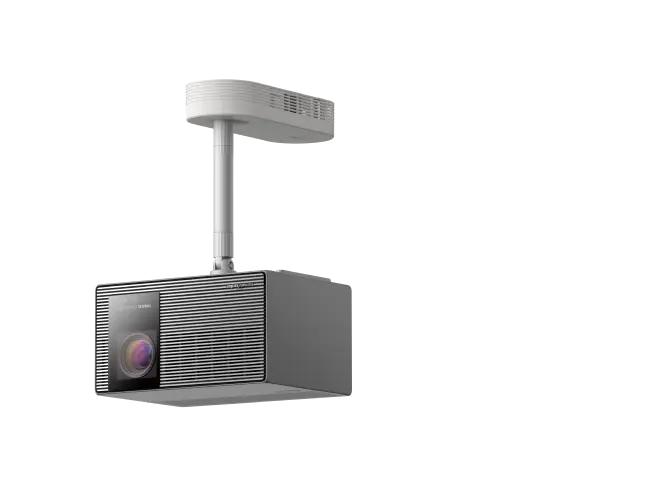
Before buying an extender, check your projector's mounting style. Ceiling-mounted or shelf units with rear ports benefit most from extenders that allow the stick to hang downward or to the side. Keep the extended stick out of direct sunlight and away from other heat sources for best results.

If you continue experiencing issues after relocating the stick, verify that the projector itself has adequate ventilation. Blocked vents or dusty filters can make the whole unit run hotter, indirectly warming the HDMI area. Regular cleaning and ensuring at least a few inches of clearance around the projector can make a noticeable difference.
Myths vs Reality: Common Misunderstandings About This Problem
Several misconceptions make troubleshooting harder than it needs to be. One frequent myth is that buffering or lag is always a Wi-Fi issue. In reality, when the stick is physically trapped near projector exhaust, heat often causes the same symptoms. Wi-Fi trouble tends to appear early and randomly, while heat-related problems build up during longer sessions.
Another common belief is that every projector will overheat a streaming stick equally. The risk is higher with compact models that have tight port spacing or exhaust vents near the HDMI inputs. Projectors with more open designs or better-separated vents generally present less of an issue.
Finally, some assume an HDMI extender is a permanent cure-all. While it frequently helps by moving the stick into cooler air, it cannot overcome a fundamentally hot projector chassis or very poor room ventilation. In those cases the extender may only provide partial relief.
When to Consider Upgrading to a Smart Projector with Built-in Streaming
If you find yourself repeatedly adjusting cables, replacing extenders, or dealing with shutdowns, a projector that has a built-in operating system offers a cleaner long-term solution. Devices with integrated Google TV or similar platforms stream content directly without an external dongle, removing the heat-prone component and simplifying your setup.
This approach is especially appealing for frequent users, ceiling-mounted installations, or rooms where cable management is difficult. It also reduces the number of devices that need power and ventilation space.
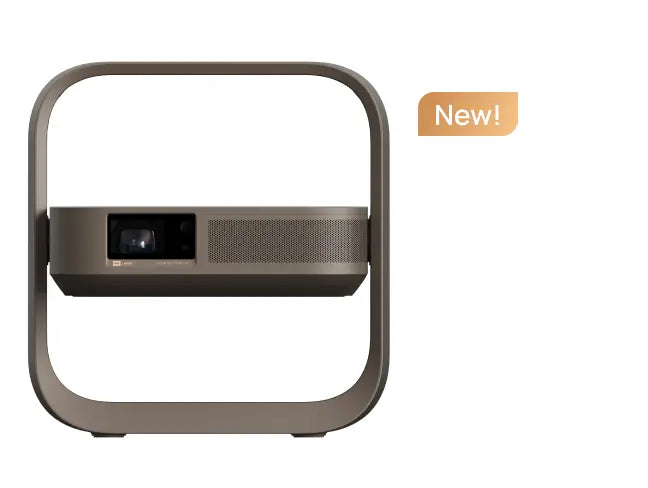
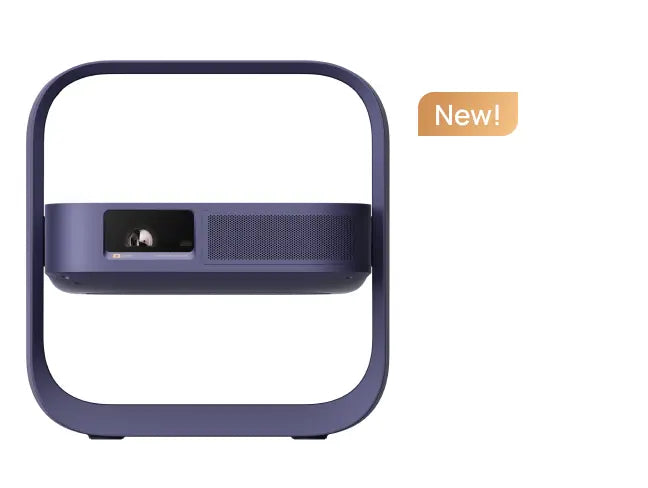
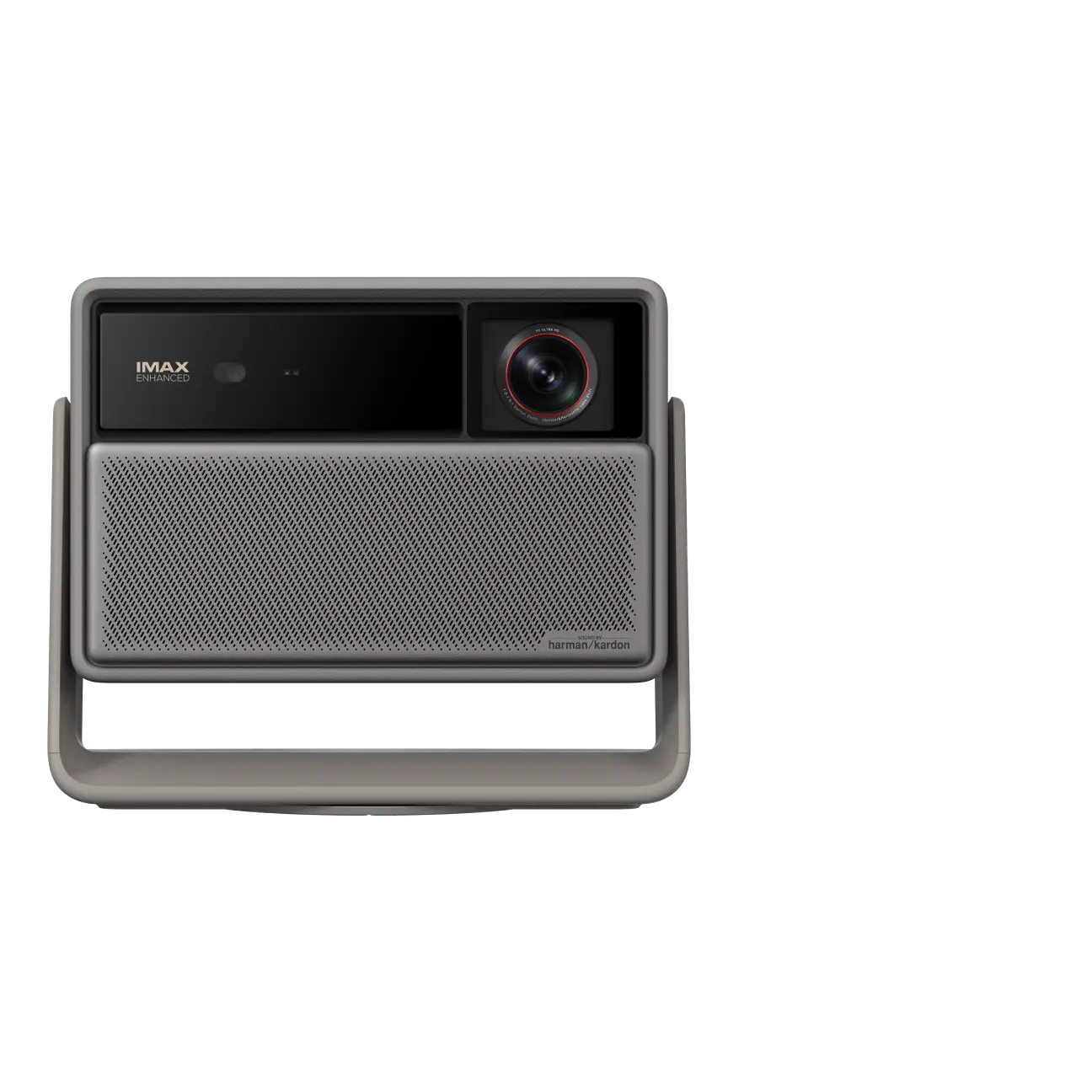
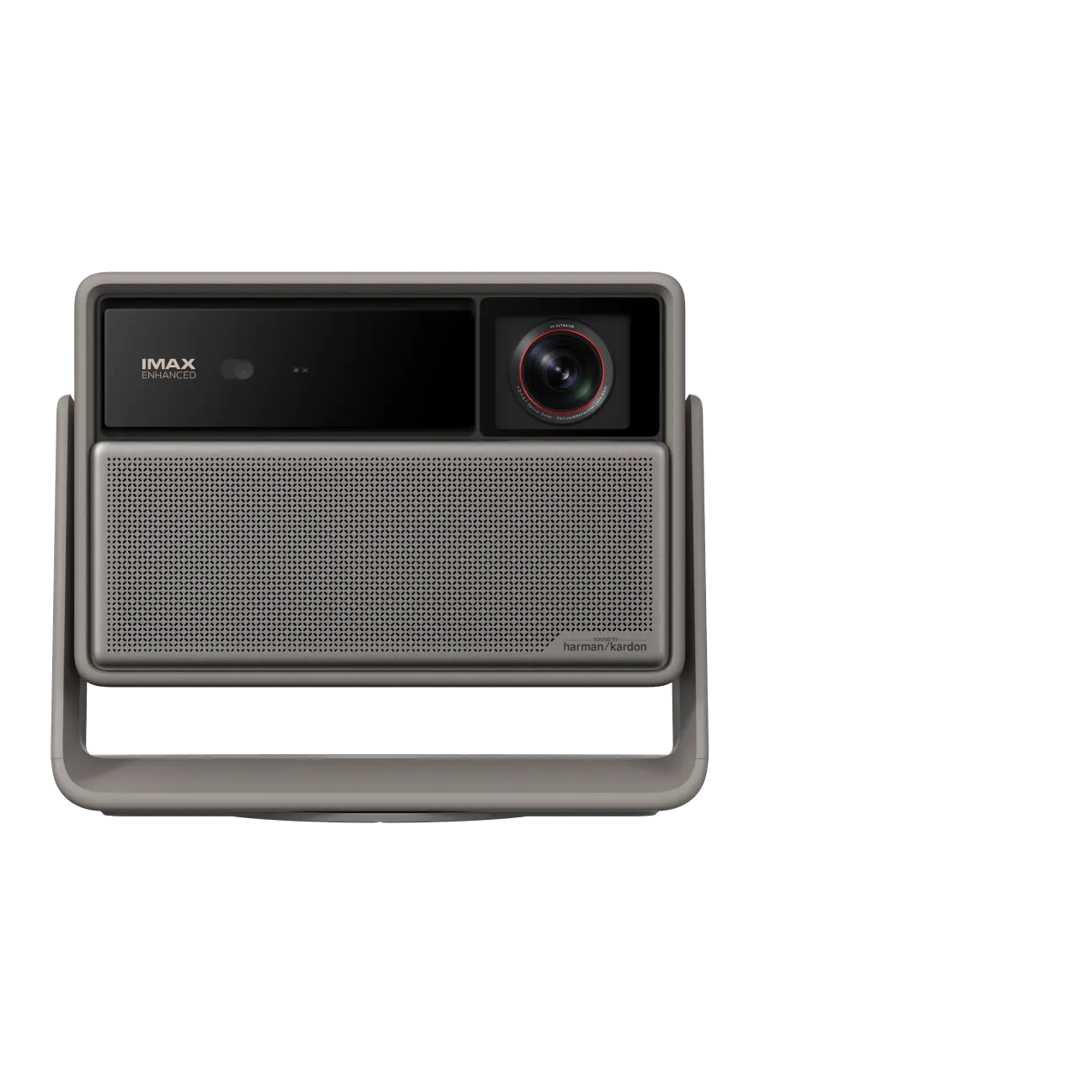
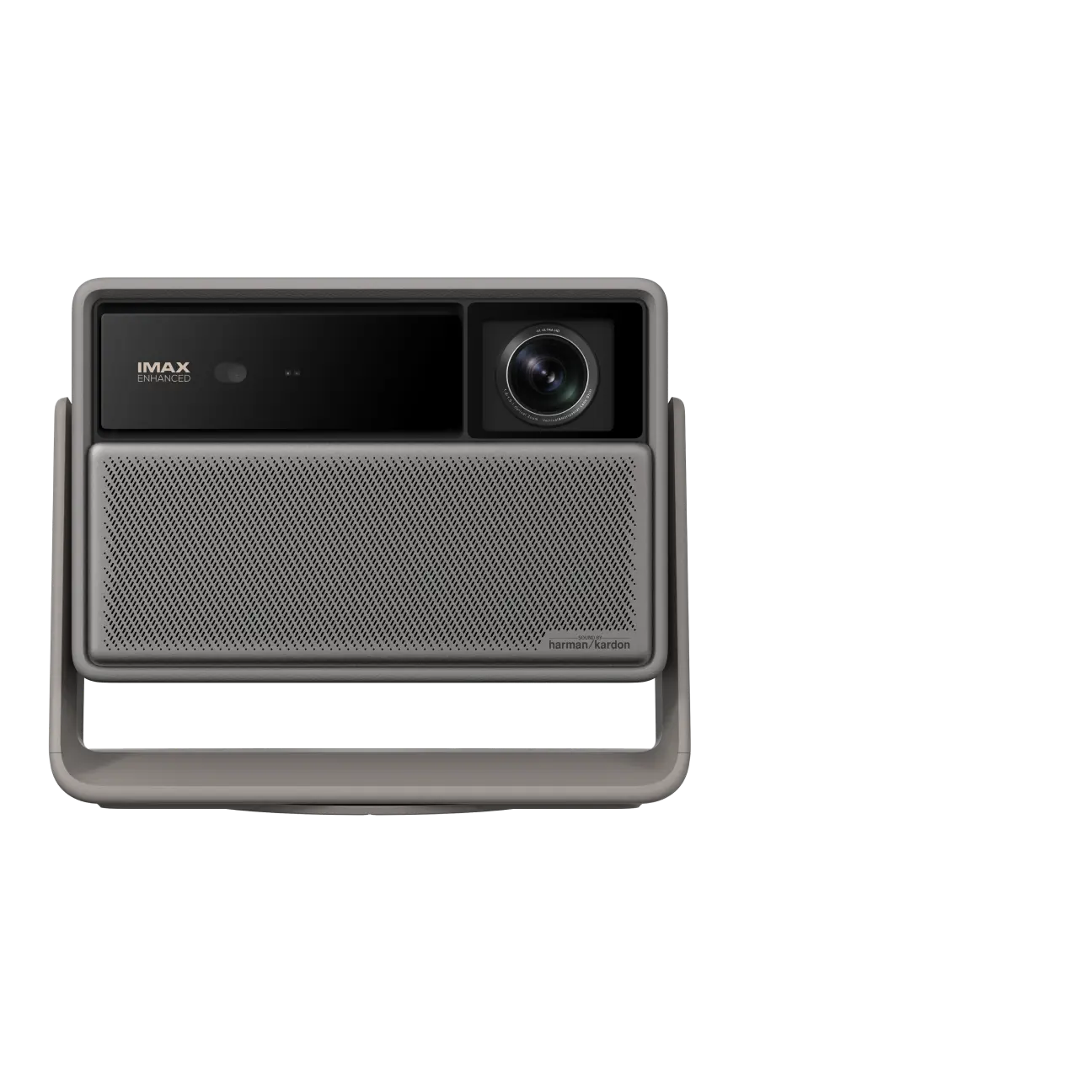
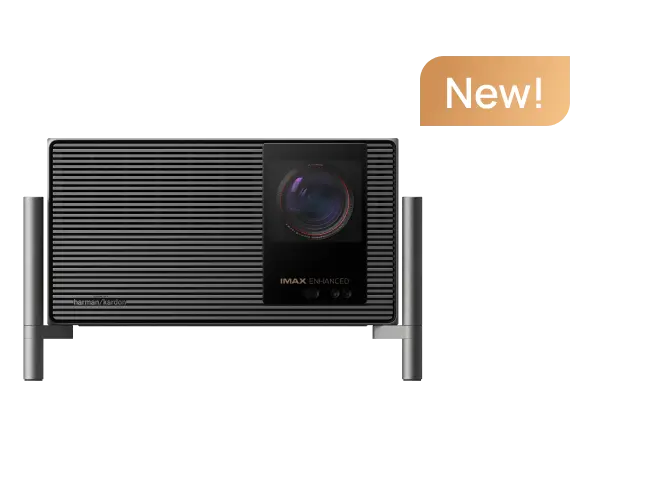
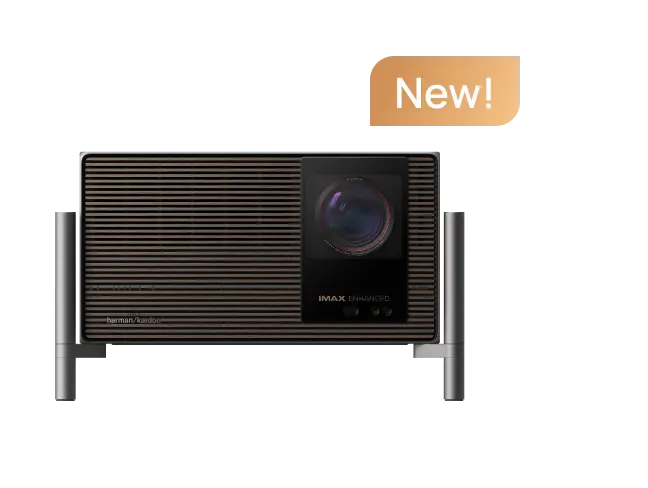
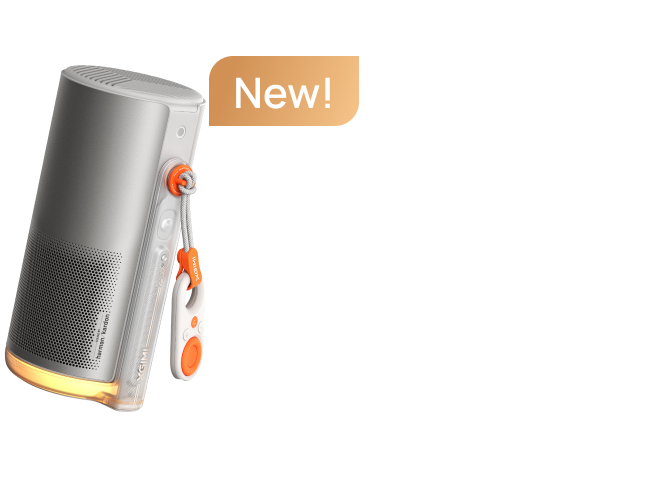
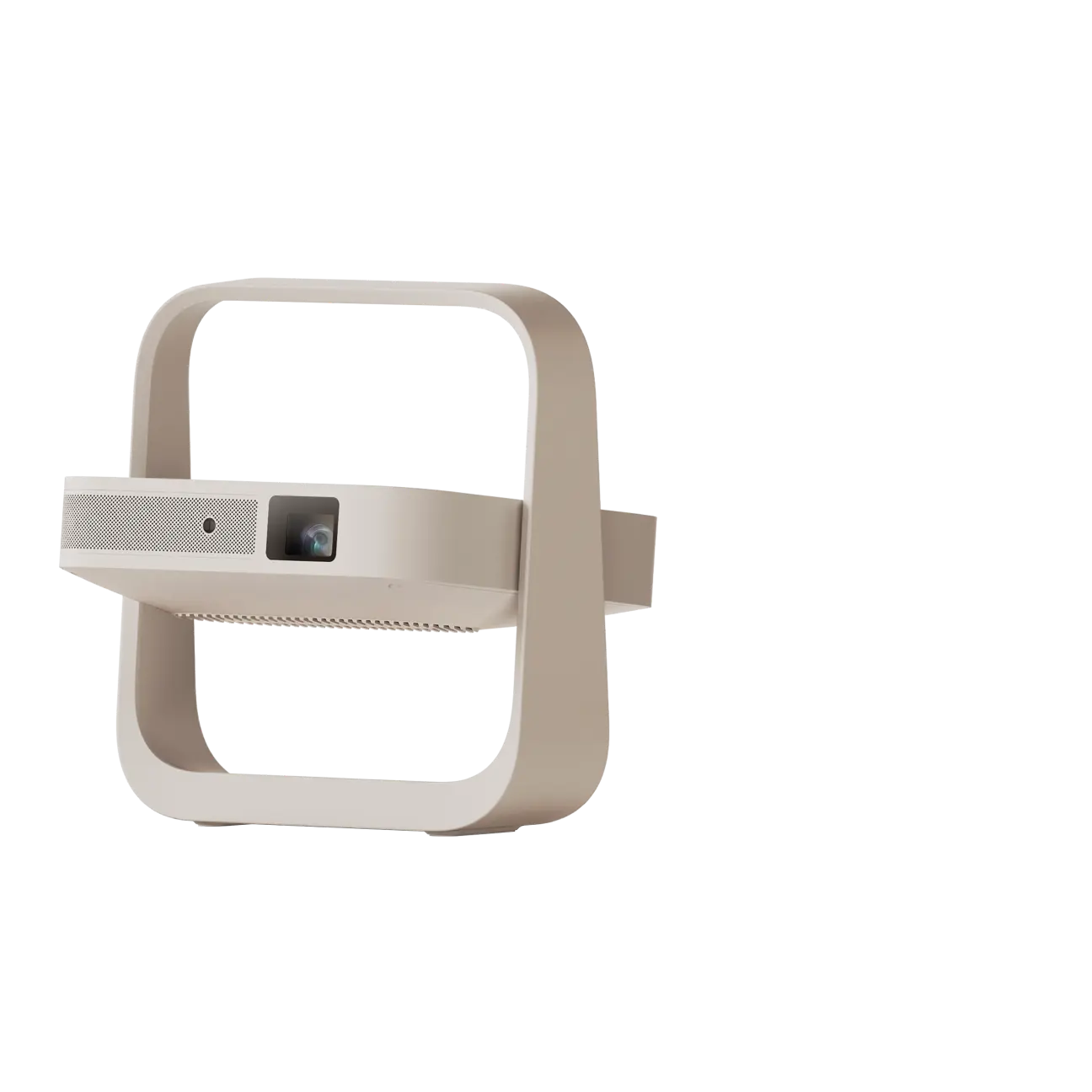
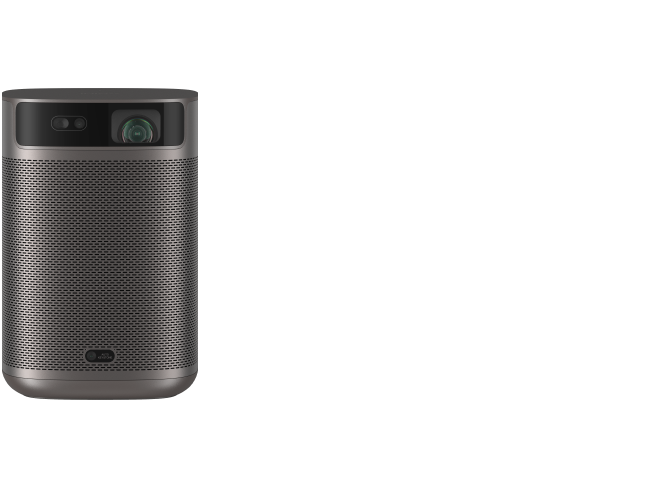
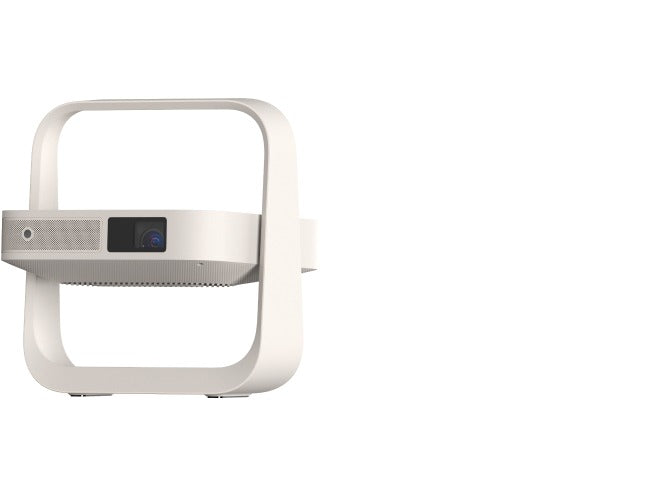
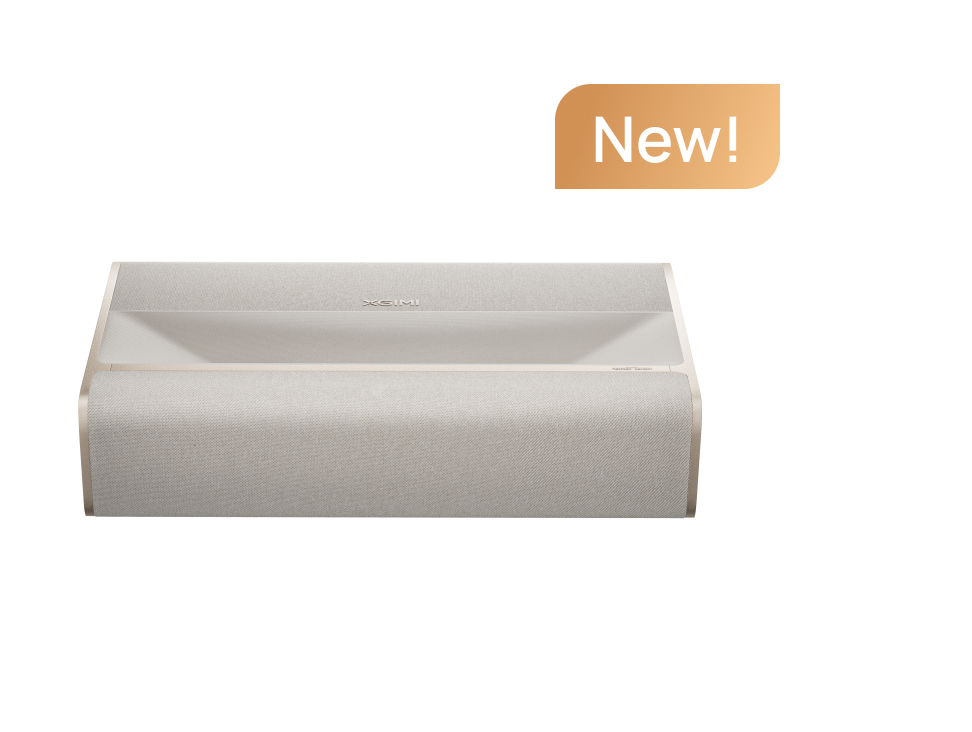
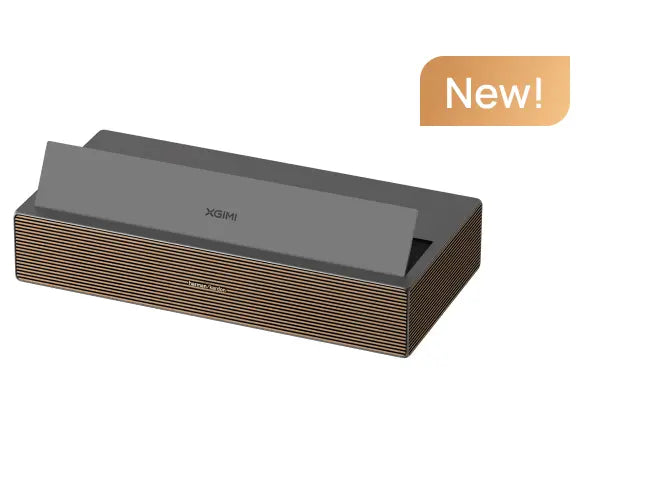
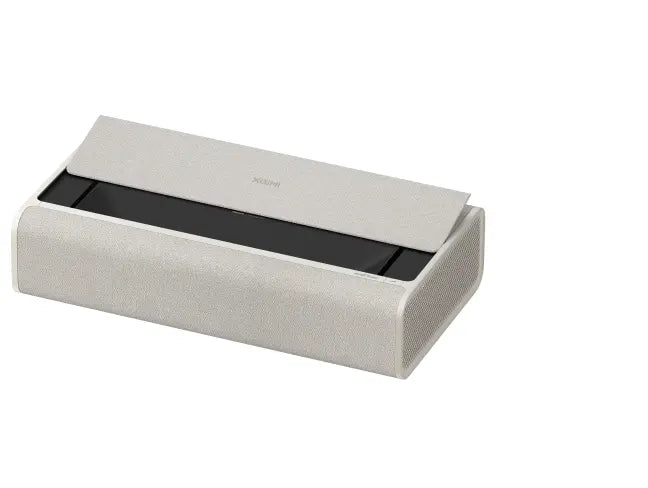
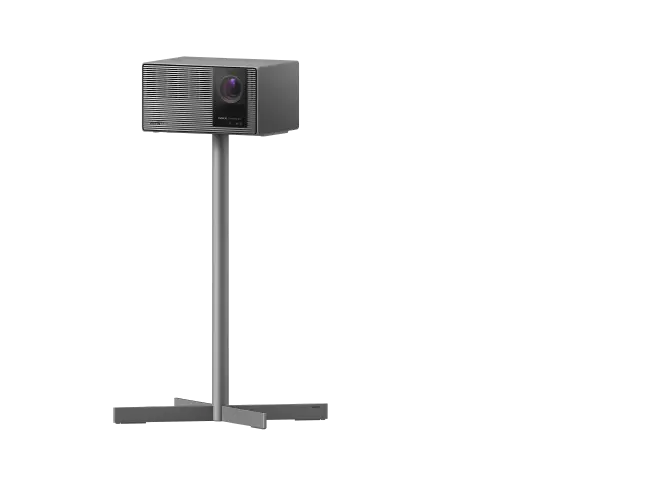
For those already in the XGIMI ecosystem, models like the HORIZON Ultra or AURA 2 (New) deliver high-quality projection with native smart features. You can explore the full range of smart projectors with built-in OS to find one that matches your needs.
Our guide on Projector with Android TV vs Buy an ATV Stick to Plug in, Which is Better? explains the trade-offs in more detail and can help you decide whether sticking with a dongle still makes sense for your situation.
How to Choose the Right Solution for Your Room and Usage
Use this quick checklist to decide on next steps:
- Measure how hot the area around your HDMI port gets after 30 minutes of projector use. If it feels uncomfortably warm, prioritize moving the stick.
- Note your typical session length. Short viewing benefits most from quick fixes like extenders; daily long sessions favor built-in streaming.
- Check your mounting. Ceiling or tight-shelf setups gain more from either an extender or a native smart projector.
- Test after changes. Run the same content for an hour after adding an extender or cleaning vents to confirm improvement.
- Consider future-proofing. If you upgrade your projector anyway, choosing one with integrated Google TV avoids this problem permanently.
For additional setup tips, review how to best utilize projector ports or keep your firmware current with our updating guide.
Important Comfort and Safety Note
This article discusses setup-related comfort and thermal management for consumer electronics. It is not medical advice, nor does it diagnose or treat any health conditions. Overheating symptoms in electronics are separate from personal discomfort or eye strain. If you experience persistent physical symptoms while using projectors or streaming devices, or if you have existing eye conditions, consult a qualified healthcare professional.
Streaming devices can run too hot when exposed to heat or poor ventilation, which can trigger performance problems or shutdowns. Official guidance recommends keeping them away from heat sources. Results depend heavily on your specific projector model, room conditions, and usage patterns.
By understanding the thermal dynamics at play and choosing the right fix for your environment, you can enjoy stable, hassle-free streaming without the frustration of unexpected shutdowns. Whether a simple HDMI extender solves your immediate issue or you decide to move to a dongle-free smart projector, the key is giving your streaming hardware the airflow it needs to perform reliably.


