


Why Projector Setup Costs Extend Far Beyond the Unit
A complete projector setup typically includes more than just the display device. As this home projector setup guide explains, optimizing image quality and sound often means adding dedicated components rather than relying on the projector alone. A common pattern is that the room's physical constraints—such as throw distance and wall material—dictate the final bill more than the projector's sticker price.
Audio represents another major variable. While many modern projectors include built-in speakers, these are frequently designed for portability rather than a room-filling cinematic experience. Most users find that a separate audio solution, such as a dedicated soundbar or a multi-channel receiver system, is necessary to match the scale of a 100-inch image. For more on this topic, see Demystifying Projector Audio: Soundbars, Surround Sound, and Built-.... For more on this topic, see How to Integrate a Soundbar with Your UST Projector and ALR Screen.
Ambient light also plays a decisive role. In rooms with windows or overhead lighting, a standard white screen may result in a "washed out" image. An ambient light rejecting (ALR) screen becomes a functional requirement in these spaces to maintain contrast. While these specialized surfaces add to the upfront cost, they are often the difference between a usable daytime setup and one that only works in total darkness.
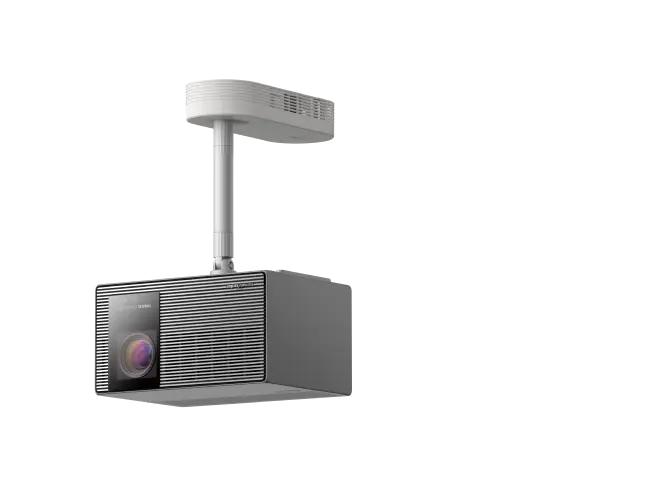
Mounting and installation costs vary based on your DIY comfort level and room structure. Simple desktop placement is cost-effective but may lead to alignment issues if the projector is bumped. Permanent ceiling mounts offer a cleaner look but often require professional cable routing through walls or ceilings to avoid unsightly hanging wires.
Modeled Cost Breakdown for a 100-Inch Setup
To help visualize budget allocation, the chart below presents illustrative cost models for a complete 100-inch setup. These figures represent midrange estimates based on current market trends and are intended as a heuristic for planning rather than a fixed quote. Actual costs will fluctuate based on specific brand choices and regional installation rates.
Modeled 2026 Budget Mix for a Complete 100-inch Projector Setup
Illustrative cost breakdown using typical 2026 ranges; values are modeled midpoints within the provided threshold bands, not market quotes.
View chart data
| Category | Standard Throw (modeled) | UST (modeled) |
|---|---|---|
| Projector | 900.0 | 2400.0 |
| Screen / ALR | 250.0 | 1400.0 |
| Mount / Stand | 120.0 | 250.0 |
| Audio | 250.0 | 500.0 |
| Other | 130.0 | 450.0 |
Modelled from the provided threshold ranges and component ranges: non-UST budget $700-1500, mid non-UST $1500-3000, UST+ALR $3000-7000+; ALR screen $600-2500, mount $50-500, audio $100-1500. Values are illustrative midrange allocations for 2026, intended to show hidden cost structure rather than exact prices.
The data suggests that Ultra Short Throw (UST) setups often carry higher initial hardware costs, primarily due to the specialized ALR screens they require. Standard throw configurations may appear more affordable at first glance, but the "hidden" costs of long-run HDMI cables, ceiling mounts, and potential professional installation often narrow the price gap. For more on this topic, see How to Calculate the Exact Ceiling Mount Distance for Your Throw Ra....
Typical Budget Ranges by Component (2025-2026 Projections)
For a 100-inch or larger setup, these price bands reflect common market positioning for reliable consumer gear:
- Projector: Entry-level 1080p or basic 4K models typically range from $600–$1,200. Premium 4K laser units with high brightness often fall between $1,800 and $4,000.
- Screen: A basic 100-inch fixed-frame white screen might cost $150–$500. UST-compatible ALR screens generally run $600–$2,500, depending on the gain and rejection technology.
- Mounts and Stands: Basic ceiling mounts are available for $50–$150. High-end adjustable mounts or motorized "hidden" lifts can exceed $500.
- Audio: Midrange soundbars with subwoofers typically cost $300–$700. A dedicated 5.1 surround system with an AV receiver usually starts around $800–$1,500.
- Cabling and Accessories: High-speed HDMI cables (especially long-run fiber optic versions), power strips, and cable management kits usually total $70–$250.
These ranges illustrate why a complete, high-quality system often lands between $2,000 and $7,000. While it is possible to build a "budget" setup for under $1,500, doing so usually requires significant compromises in audio quality or light rejection.

UST vs. Standard Throw: How Setup Type Affects Your Wallet
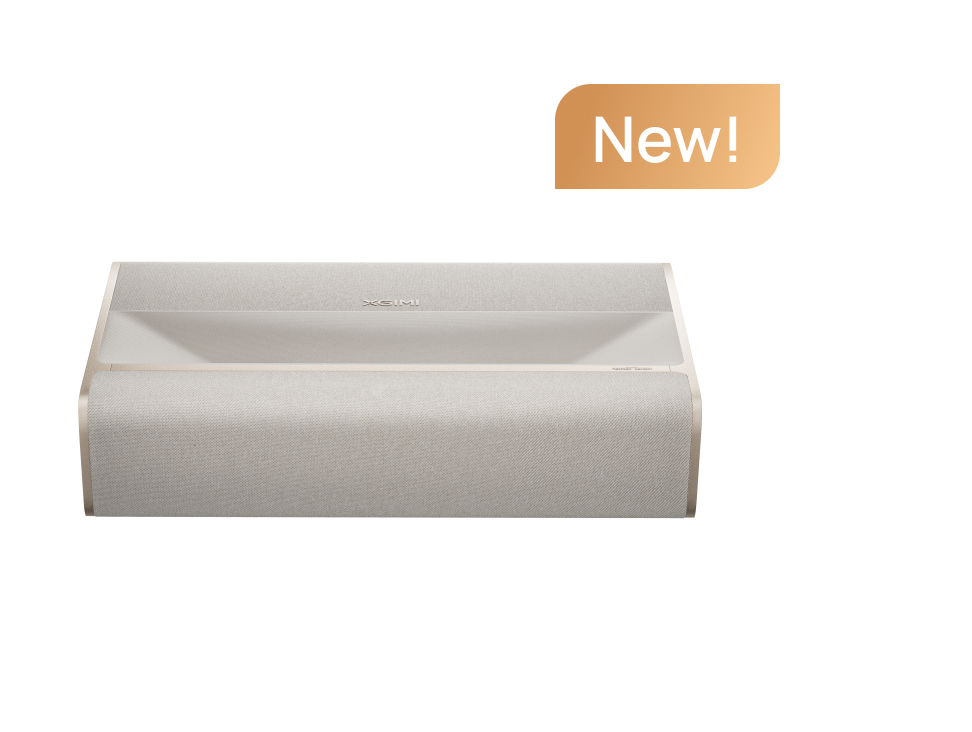
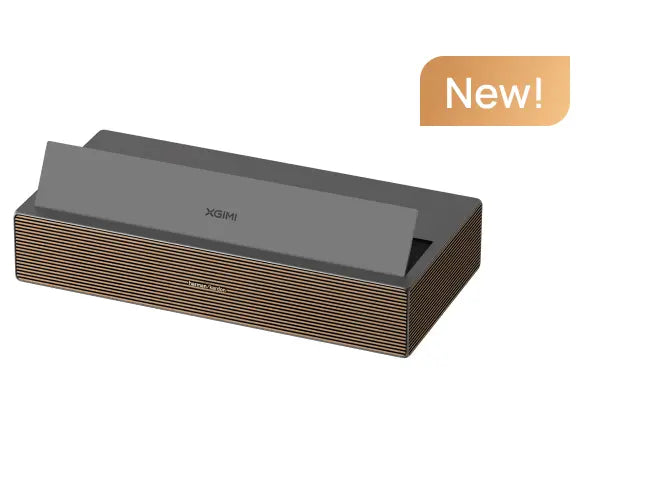
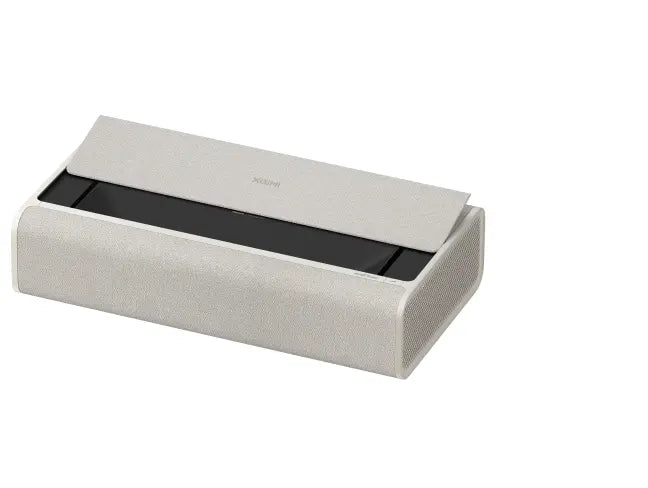
The choice between UST and standard throw is the biggest fork in your budgeting path. UST models sit inches from the wall, which simplifies cable management—you can usually plug everything into a media console directly below the screen. However, because the light hits the screen at a steep angle, a specialized "lenticular" ALR screen is almost mandatory to prevent the light from reflecting toward the ceiling instead of your eyes.
Standard throw projectors offer more flexibility in where the unit is placed, but they require a clear "line of sight." If you are mounting the projector at the back of a room, you must account for the cost of 25-foot to 50-foot HDMI cables. At these lengths, standard copper cables often fail to carry 4K signals reliably, necessitating more expensive active optical (AOC) HDMI cables.
A helpful rule of thumb: If your room has significant ambient light and you want a "TV-like" experience, the higher cost of a UST + ALR screen combo is often a better investment than a standard projector that struggles against glare.
When the Total Setup Becomes a Larger Project
Certain scenarios signal that your purchase is evolving from a "gadget" into a "renovation." If your plan involves any of the following, expect non-projector costs to potentially exceed the cost of the projector itself:
- In-wall wiring: Requires specialized "CL3-rated" cables and potentially a licensed electrician.
- Motorized screens: These require power at the installation site and often cost 2x-3x more than fixed-frame screens.
- Structural mounting: If your ceiling cannot support the weight of a premium projector (some weigh 20+ lbs), you may need structural reinforcement.
Professional installation typically adds $250–$1,000 to the budget. While expensive, a professional ensures the image is perfectly "squared" to the screen—a task that can take an amateur hours of frustrating micro-adjustments.

Practical Checklist for Budgeting Your Projector Setup
Use this checklist to move from general estimates to a concrete plan:
- Measure Twice: Confirm your throw distance and check for obstructions like ceiling fans or low-hanging lights that might block the beam.
- The "Window Test": View your room at the time of day you plan to watch most. If you see significant glare on your current TV, prioritize an ALR screen in your budget.
- Power Audit: Identify the nearest outlet. If you are ceiling mounting, will you need an extension cord (unsightly) or a new outlet installed (expensive)?
- Audio Trial: If you plan to use built-in speakers, test them in a room of similar size. Large rooms often "swallow" the sound of small internal drivers.
- The 60% Rule: As a heuristic, if your "extras" (screen, audio, mounts) exceed 60% of the projector's price, evaluate if a very large Mini-LED TV might be a more cost-effective alternative for your specific space.
Choosing Compatible Components for Best Results
Compatibility is key to protecting your investment. For example, a high-end 4K projector paired with a cheap, textured wall will never look as sharp as a 1080p projector on a high-quality screen.
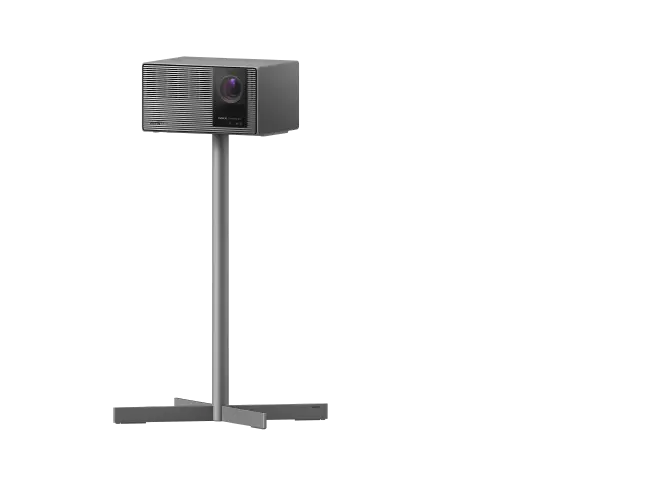
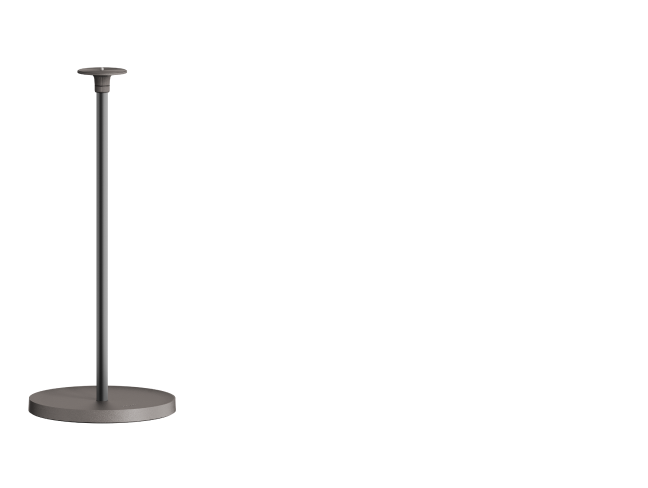
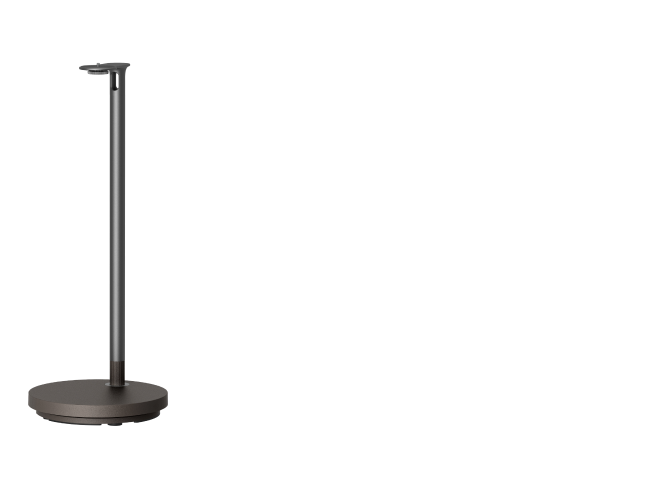
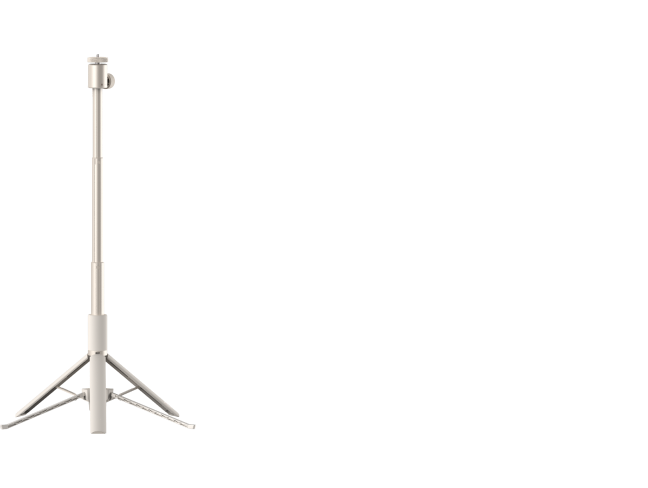
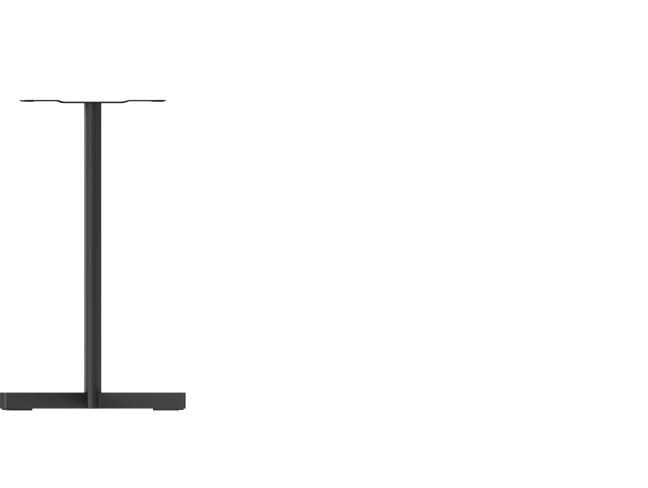
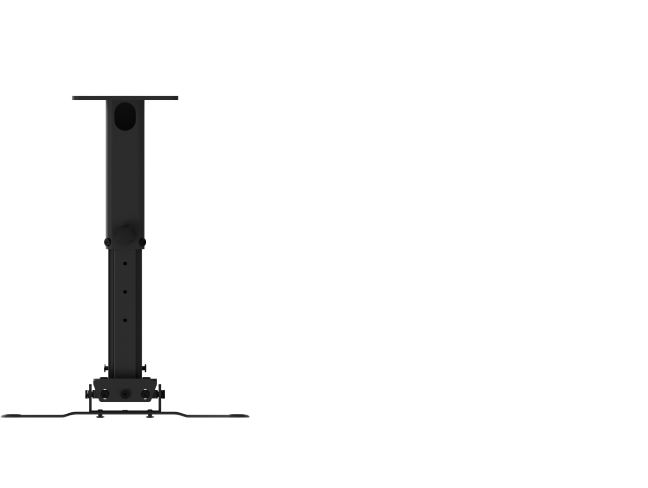
Mounts must be rated for your specific projector's weight and bolt pattern. XGIMI offers several tailored options, such as the XGIMI Ceiling Mount for a permanent, integrated look, and the XGIMI Floor Stand Ultra, which provides a stable, adjustable platform without the need for drilling into the ceiling.
For more detailed technical steps, refer to our projector setup and installation options guide, which covers the nuances of alignment and connectivity.
Final Budgeting Advice
A realistic home theater setup in the current market rarely costs less than $1,500 for a complete 100-inch experience. For a polished, "no-compromise" 4K system, a budget of $4,000–$6,000 is a common sweet spot.
The most successful builds are those where the budget is allocated proportionally. Spending $3,000 on a projector and $50 on a screen is a common mistake that results in poor image quality. Aim to balance your spending across the "Big Three": the projector, the light-control (screen/curtains), and the audio.
Disclaimer: These suggestions address general budgeting and setup practicality. This article does not constitute professional electrical or structural engineering advice. Always follow local building codes for in-wall wiring. If you experience eye strain or persistent headaches during use, consult an eye care professional.


