







Using the wrong power adapter for an imported projector can lead to overheating, unexpected shutdowns, or permanent hardware damage. The safest approach is to first check your projector's input voltage and wattage rating on its label or in the manual, then select an adapter that precisely matches those specifications and your destination country's mains power. For most dual-voltage projectors rated 100-240V, a simple plug adapter often suffices, while single-voltage units may require a voltage converter or an official OEM replacement to avoid risks.

Imported projectors purchased in one region frequently arrive with power supplies optimized for that area's electrical standards. When you bring them to another country, the physical plug shape is only one part of the equation. Voltage and power capacity are far more critical for safe, reliable operation. This guide walks through the practical steps to evaluate your setup and choose the right solution without guesswork. For more on this topic, see How to Choose a Projector for Your Space: Room-by-Room Guide.
Why Power Adapters Matter for Imported and Travel Projectors
Projectors are sensitive electronics that draw significant power during startup and operation. Mismatched voltage can cause internal components to overheat or fail, while insufficient wattage capacity leads to unstable performance or tripped circuits. According to electrical safety guidance, if a device is not rated for the local mains voltage, plugging it in directly can damage the equipment or create a hazard (ESFI Resource Library).
Travelers and owners of imported units face this issue most often when moving between 110-120V regions (such as North America) and 220-240V regions (much of Europe, Asia, and Australia). A travel adapter guide clarifies that a plug adapter only changes the physical connector shape and does not convert voltage. Using one incorrectly can still deliver the wrong electrical supply to your projector.
How to Read Your Projector's Power Requirements
The single most important step is inspecting the label. Look for markings that say "Input," "AC Input," or "Power Input" on the projector body or its original power brick. Key numbers to note include:

- Voltage range (for example, 100-240V AC)
- Wattage or amperage rating
- Frequency (usually 50/60Hz for modern units)
If the label shows 100-240V, your projector is dual-voltage and generally compatible worldwide with only a plug shape adapter. Narrower ratings, such as 110V or 220V only, mean you should not connect directly to mismatched mains power.
Wattage provides the second critical threshold. Portable projectors often draw around 30W, compact home models range from 50-100W, and brighter or laser units can exceed 100-200W. Your adapter or converter must comfortably exceed this draw to handle startup surges. As a practical rule, calculate approximate current as Amps = Watts ÷ Volts. A 100W projector at 120V draws roughly 0.83A, but the same unit at 100V would draw closer to 1A.
Plug Adapters vs Voltage Converters: Know the Difference
Many travelers confuse these two accessories. A plug adapter simply allows your existing power cord to fit into a foreign wall outlet. It passes through whatever voltage the outlet supplies. A voltage converter or transformer actually changes the electrical supply from, say, 220V down to 110V or vice versa.
Use a plug adapter only when your projector already supports the local voltage. Rely on a voltage converter only when the device does not, and ensure the converter is rated for your projector's full wattage plus a safety margin. Overloading a travel adapter or converter increases overheating and fire risk, as noted in practical electrical safety discussions.
Electrical safety organizations consistently advise checking both outlet type and device input rating before international use. Planning ahead prevents improvised setups that can damage expensive equipment.
Decision Framework: When to Choose Each Adapter Type
The right choice depends on your projector's specifications and travel destination. Here is a practical breakdown:
- Dual-voltage projector (100-240V label): A quality plug adapter for the local outlet shape is usually sufficient. No converter needed in most cases.
- Single-voltage projector matching local mains: Use a plug adapter if the physical shape differs. Direct connection may be possible in the native region.
- Single-voltage projector mismatched to local mains: A properly rated voltage converter is required, or better yet, purchase a region-specific OEM power supply to maintain safety and performance.
- Unclear or missing label: Do not experiment. Contact the manufacturer or opt for an official replacement adapter.
For frequent travelers, investing in a dual-voltage projector from the start or keeping a set of certified adapters for common regions reduces hassle.
Here is an illustrative chart summarizing these decision paths across common projector categories:
Projector Power Adapter Decision Guide
Heuristic decision chart for imported projector power setups. The values are illustrative risk/fit levels, not measured performance data.
View chart data
| Category | Recommended Adapter | Risk Level |
|---|---|---|
| Dual Voltage 100-240V | 1.0 | 1.0 |
| Single Voltage US | 3.0 | 3.0 |
| Single Voltage EU | 2.0 | 2.0 |
| High-Wattage 100-200W+ | 3.0 | 3.0 |
| Portable 30W | 1.0 | 1.0 |
Illustrative summary built from the provided threshold table, scenario matrix, and safety rule: 100-240V dual-voltage units usually need only a plug adapter; single-voltage units need a voltage converter or should be avoided; wrong-voltage matches carry the highest risk. Based on ESFI safety guidance and the label-check distinction between plug adapter and converter.
This heuristic visualization highlights that dual-voltage and lower-power portable units generally carry lower risk with appropriate adapters, while single-voltage and higher-wattage models require more careful matching. Treat the scale as illustrative to guide your own label check rather than as absolute measurements.
Common Mistakes and Safety Cautions
Avoid assuming that any adapter that physically fits is safe. Overloading a travel power strip or converter is a frequent cause of overheating. Do not use cheap universal kits without verifying wattage capacity. If your projector uses an external power brick, compatibility depends primarily on the brick's rating rather than the projector body alone.
Additional practical warnings include:
- Never bypass OEM specifications when the manufacturer recommends a dedicated supply.
- Check for certification marks on any third-party converter.
- For hotel or temporary rental use, test the outlet and monitor for excessive heat during initial operation.
Electrical safety resources emphasize that planning device compatibility before travel is far better than troubleshooting on arrival.
Choosing the Right Adapter for Your XGIMI Projector
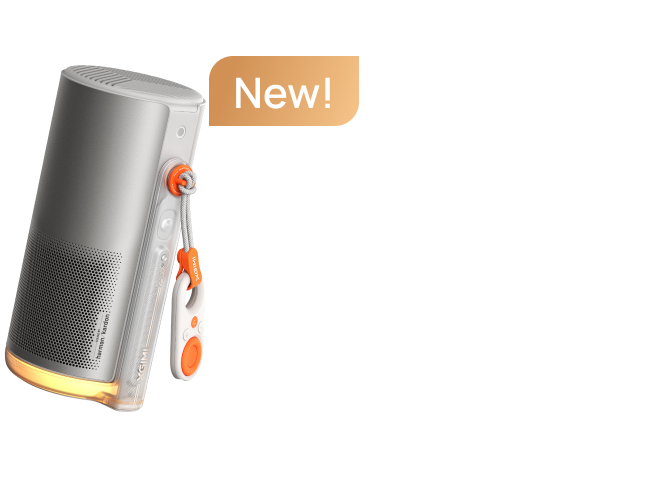
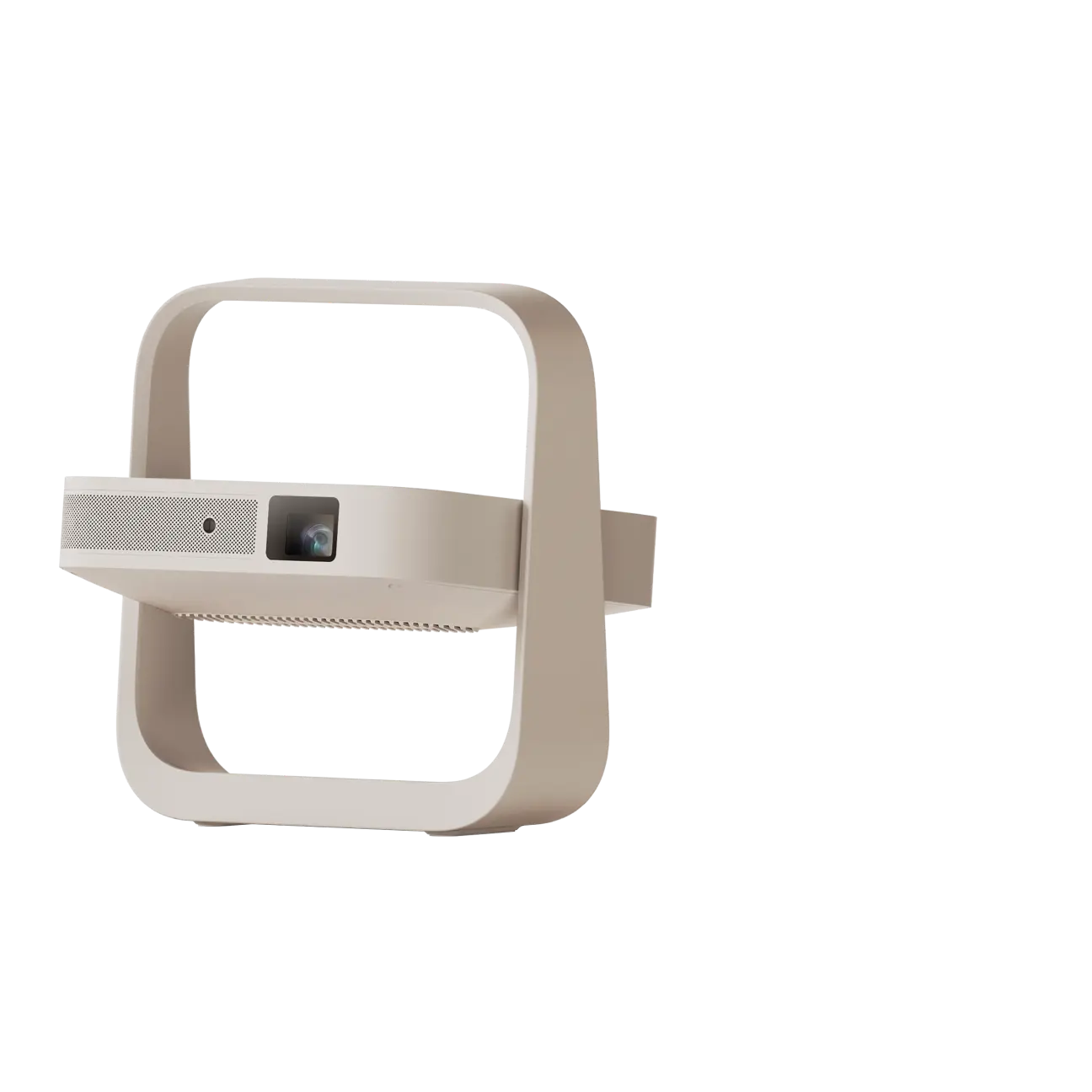
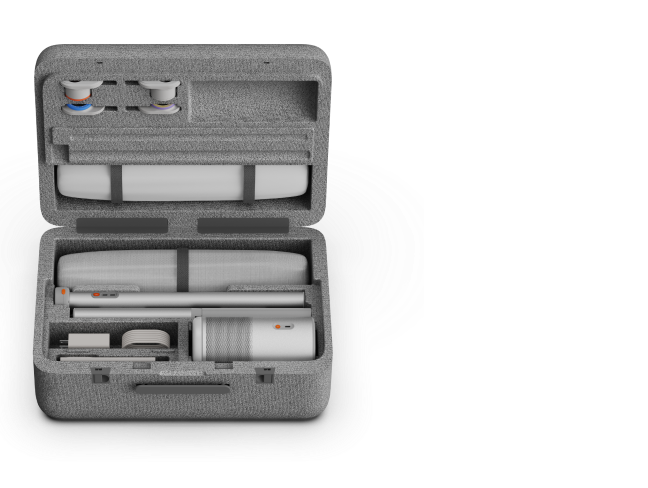
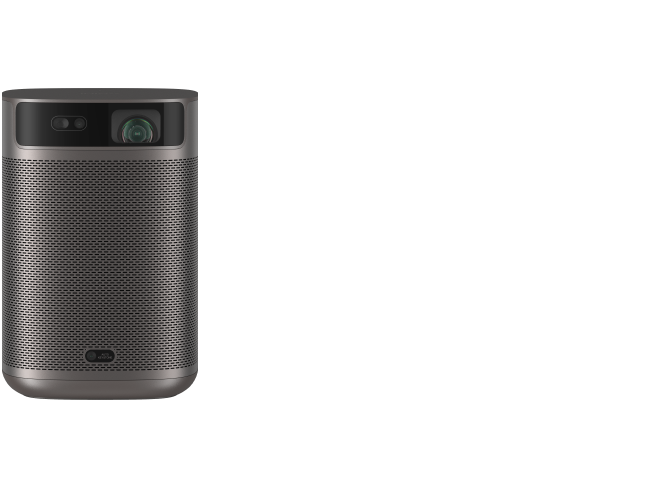
XGIMI portable and home projectors often ship with region-specific power solutions. Official replacement adapters ensure exact voltage, wattage, and connector matching while preserving warranty coverage. For the MoGo 2 Series, a compact USB-C power adapter provides reliable performance for travel. Horizon and Halo series users benefit from dedicated OEM bricks designed for their power profiles.
Browse the Cables and Adapters collection or After-sale Accessories to find model-specific options. These genuine parts eliminate guesswork compared to generic travel solutions. If you own a portable model, consider pairing it with accessories from the Portable Projectors lineup for complete travel readiness.
For business travelers, integrating the right power setup makes a noticeable difference. Related guides on making business trips smoother with a smart projector highlight how reliable power contributes to seamless presentations.
How to Verify and Test Your Setup
Before full use in a new location:
- Confirm the exact voltage and wattage on your projector's label.
- Match or convert voltage as needed.
- Connect through a surge-protected power strip when possible.
- Run the projector for 10-15 minutes while checking for unusual heat on the adapter or unit.
- Monitor performance for flickering or automatic shutdowns.
If you experience any issues, disconnect immediately and consult the manufacturer. This article provides setup and comfort guidance only and does not constitute electrical engineering advice. For persistent concerns or pre-existing equipment issues, consult a qualified professional.
Conclusion
Selecting the correct power adapter for an imported or travel projector ultimately comes down to reading the label, understanding the difference between plug shape and voltage, and choosing components rated for your specific needs. Dual-voltage units simplify international use, while single-voltage projectors often perform best with official OEM supplies in their intended regions. By following these checkpoints, you protect your investment and enjoy consistent performance whether at home or abroad. Prioritize safety and manufacturer-recommended accessories over convenience, and your projector will deliver reliable entertainment across borders. For more on this topic, see Why Your Projector Needs a Surge Protector: Safeguarding Your Inves....
This setup-dependent guidance can help reduce perceived risks when matched to your room and device conditions. Always verify specifications for your exact model.


