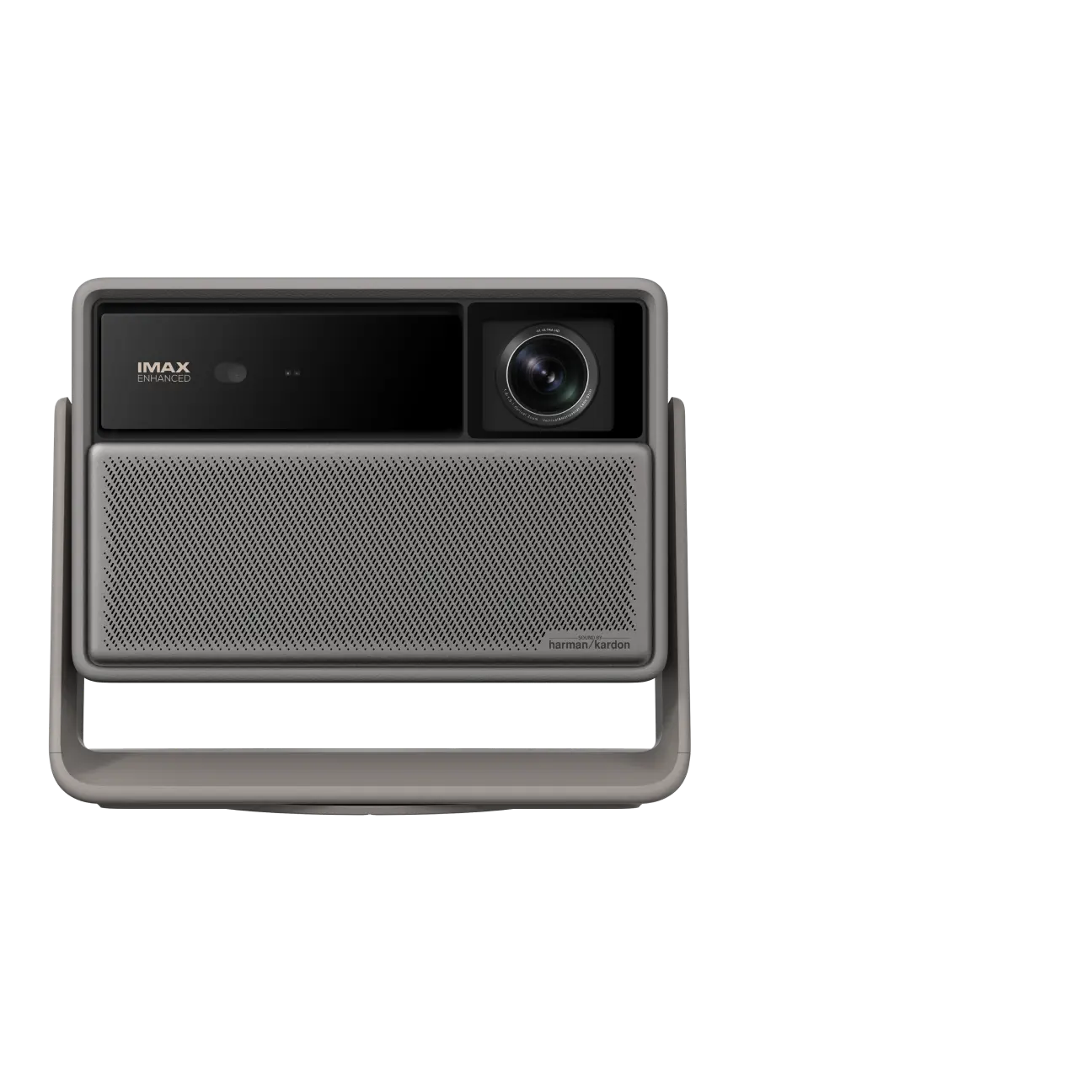







A sudden power surge or outage can damage your projector's sensitive electronics, potentially shortening its lifespan and leading to expensive repairs. Using a quality surge protector is a smart, low-cost way to safeguard your home theater investment from common electrical issues like voltage spikes.

Power fluctuations are more common than many realize. According to official guidance, surges happen and can affect appliances in your home. For projectors, which contain delicate lamp, laser, or LED components along with circuit boards, even modest spikes pose a real risk. Government preparedness resources recommend using surge protectors for household electronics to help reduce damage from power events.
Why Projectors Are Particularly Vulnerable
Projectors are precision devices with components that are sensitive to voltage changes. A surge can overwhelm the internal power supply, causing immediate failure or gradual degradation over time. This is especially true in areas prone to storms, where lightning-induced surges travel through power lines.
Beyond outright damage, surges and brownouts can interrupt viewing sessions and, in some cases, affect warranty coverage if the manufacturer determines improper power protection contributed to the issue. For renters or homeowners in regions with unstable grids, this risk is amplified during evening movie nights when the device is in active use.
Common Myths About Projector Power Protection
Many users assume their projector is safe without extra measures. One widespread myth is that any basic power strip provides adequate protection. In reality, ordinary strips offer only convenience and may lack surge suppression capabilities. As official guidance clarifies, surge protectors are different from basic power strips and should be selected specifically for their protective features.
Another misconception is that a dedicated circuit eliminates the need for protection. While helpful, dedicated lines do not guard against surges entering via the utility grid. Similarly, some believe their projector’s built-in safeguards are sufficient, but these are typically designed for normal operation rather than handling large transients.
Surge Protector vs UPS: Choosing the Right Solution
A common question is whether a surge protector or uninterruptible power supply (UPS) is better for a projector. They address different problems: surge protectors primarily defend against voltage spikes, while UPS units provide battery backup during outages or brownouts.
As noted in emergency management resources, a UPS and surge protector solve different problems, with the former offering short-term runtime and the latter focusing on transient suppression.
Here is a helpful comparison:
| Decision Factor | Surge Protector | UPS |
|---|---|---|
| Protects against | Voltage spikes and surges | Surges plus brief outages and brownouts |
| Runtime during outage | None | Several minutes (model dependent) |
| Cost | Generally lower | Higher due to battery and electronics |
| Setup complexity | Simple plug-and-play | Requires space and occasional battery maintenance |
| Best for projectors | Most stable setups focused on spike protection | Areas with frequent outages or need for safe shutdown |
For the majority of home theater users, a dedicated surge protector provides sufficient protection without added complexity. Reserve a UPS for scenarios where even short power interruptions could damage the device during its cooling cycle or disrupt critical viewing.
Surge Protector vs UPS: Projector Decision Framework
Illustrative relative scores (1-10) to compare fit under different risk factors; higher is better fit for the scenario.
View chart data
| Series | Outage frequency tolerance | Equipment value protection | Need for runtime | Setup simplicity | Cost efficiency |
|---|---|---|---|---|---|
| Surge Protector | 8 | 6 | 2 | 9 | 9 |
| UPS | 5 | 9 | 9 | 6 | 4 |
Derived from the provided scenario matrix and writer evidence; uses conservative 1-10 heuristic scores for illustrative comparison only, not measured performance or official statistics.
What to Look for When Buying a Surge Protector
Not all surge protectors are equal. Prioritize devices listed to the UL 1449 standard, which is the recognized benchmark for safety and performance. Look for a high joule rating (at least 1000–2000 joules for home theater use), low clamping voltage for faster response, and indicators showing when protection has been compromised.
Avoid relying solely on brand reputation or marketing claims. The U.S. Consumer Product Safety Commission notes that poorly designed surge devices can present hazards. Choose products from reputable manufacturers with proper certifications rather than the cheapest option.
For shared setups, ensure the protector has enough outlets for your projector, media player, sound system, and other components. However, do not overload power strips and select units with built-in overload protection.
Practical Setup Tips for Your Projector
Proper installation maximizes protection. Plug your surge protector directly into a grounded wall outlet rather than daisy-chaining multiple strips. Position it to avoid trip hazards while keeping cables organized.
For new installations, review comprehensive setup guidance such as our All Things about Home Projector Setup. This helps ensure your entire system, including power management, is optimized.
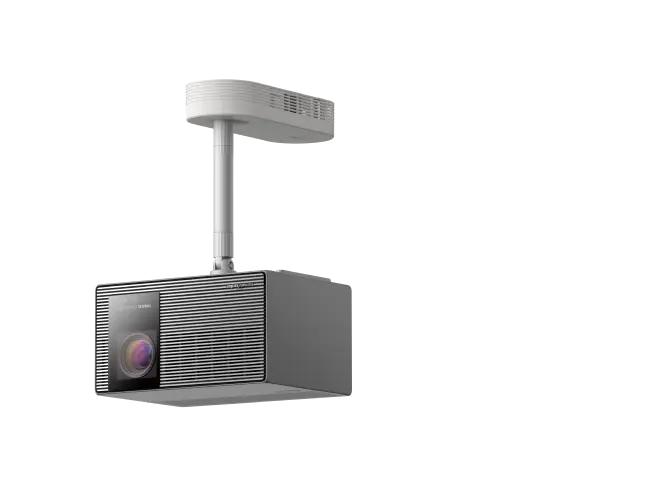
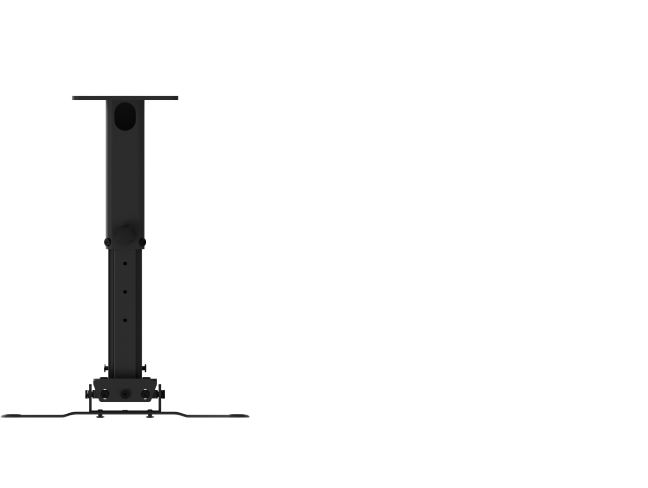
If mounting your projector, consider how access for maintenance might affect protection choices. Ceiling-mounted units are harder to unplug during storms, making reliable surge protection even more essential.
When a Basic Protector May Not Be Enough
In areas with frequent storms or unreliable power, a higher-capacity protector or UPS may be warranted. Hidden tradeoffs include the fact that surge absorption capacity degrades over time with each event, even if the device still powers your equipment. Periodic replacement—typically every 3–5 years or after major surges—is recommended.
UPS units add benefits like safe shutdown but introduce costs, size, and maintenance. They are ideal when your projector requires time to complete its cooling cycle or when outages could corrupt settings.
Checklist: Protecting Your Projector Investment
Use this quick self-assessment before finalizing your power setup:
- Assess your local power stability and storm frequency
- Calculate total connected wattage to avoid overload
- Verify the protector meets UL 1449 and has adequate joule rating
- Check for visual indicators that show protection status
- Plan for periodic replacement of the surge device
- Ensure all AV components are connected through the same protected strip
- Consider UPS only if brief outages are common in your area
Following these steps helps prevent electrical damage while maintaining optimal performance.
Final Thoughts
Investing in proper surge protection is one of the simplest ways to extend your projector’s reliable service life and avoid unexpected repair costs. While no solution eliminates every risk, a well-chosen surge protector significantly reduces vulnerability to common power issues.
Remember, this article discusses setup and comfort practices for your electronics and does not constitute electrical or medical advice. For persistent power quality concerns or existing equipment issues, consult a qualified electrician or professional technician.
For more on optimizing your setup, explore our guide to Setting Up Your XGIMI Projector or browse our collection of home projectors. For more on this topic, see How to Choose a Projector for Your Space: Room-by-Room Guide.

By taking these preventative steps today, you can enjoy many worry-free movie nights with confidence that your valuable equipment is better safeguarded.


