

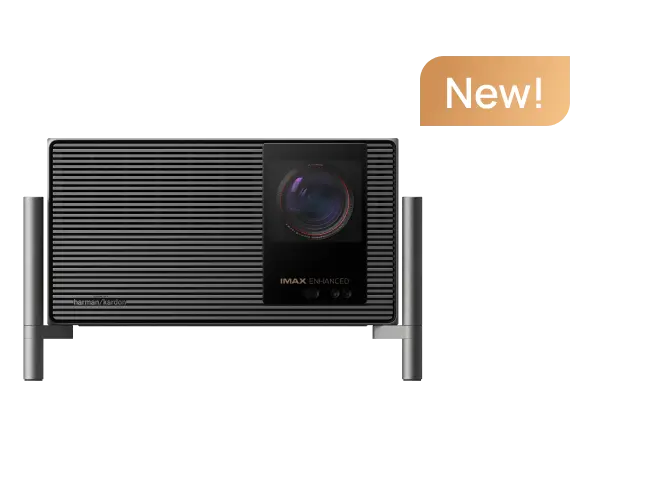

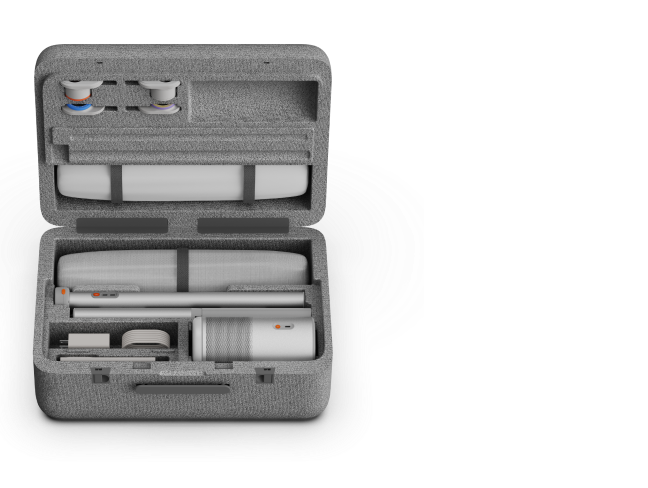


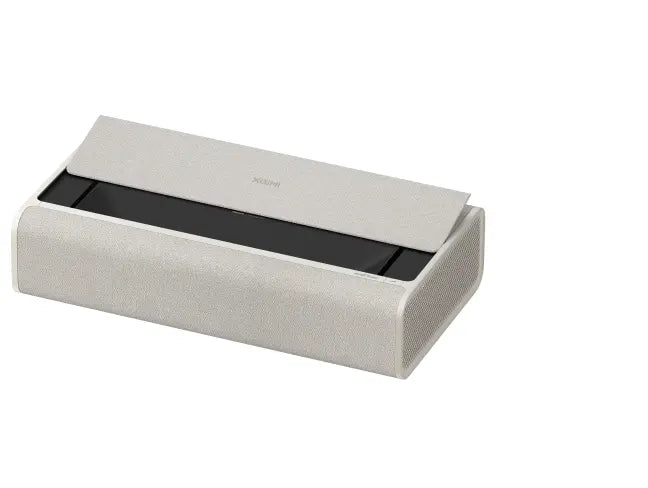
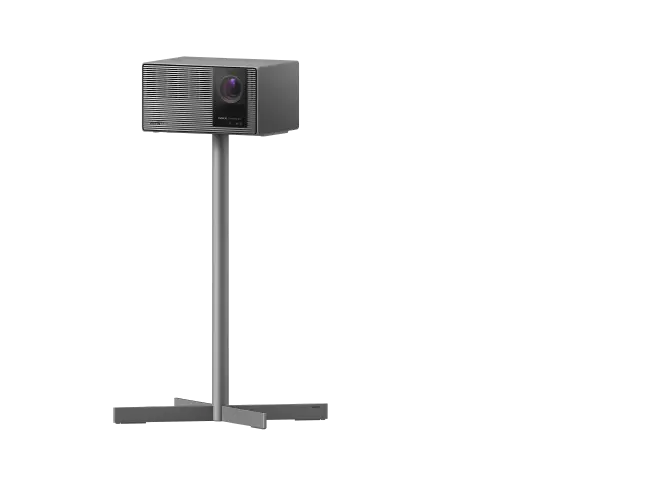
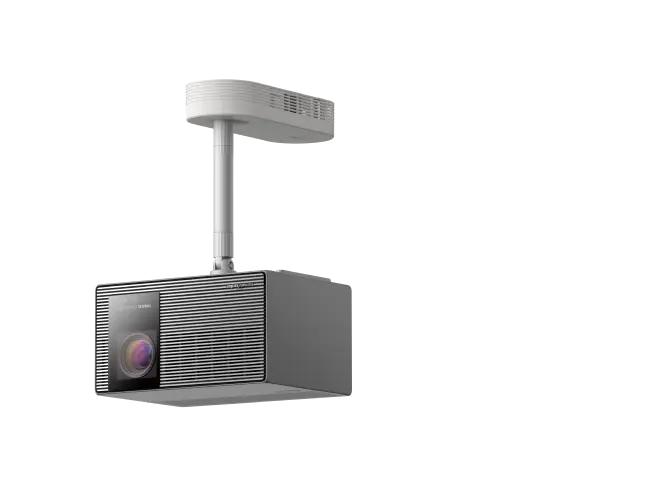






Pairing a portable projector with a power station lets you enjoy movie nights during camping trips, overlanding adventures, RV travels, or backyard gatherings without relying on grid power. The key is matching your projector's real-world power draw to the station's continuous output and capacity so the system runs reliably for an entire film without unexpected shutdowns or dim performance.
Understanding the difference between watts and watt-hours is the first step toward reliable off-grid projection. Watts measure the instantaneous power a projector consumes, while watt-hours measure the total energy a power station can store and deliver. As this official energy units guide explains, using watts for the projector's draw and watt-hours for the battery's stored energy forms the correct basis for runtime estimates.
How Much Power Does a Portable Projector Actually Use?
Projector power consumption varies widely by technology, brightness setting, and connected devices. Low-power LED or laser models designed for portability often draw 30-100 watts during normal operation, while brighter or larger models can pull 150-300 watts or more. These figures are usually listed in the manual or on the spec sheet, but real-world usage frequently differs from the rated value.
Brightness level, color mode, audio volume, and attached streaming sticks or external speakers can all increase total demand. A streaming device might add 5-15 watts, and raising brightness from eco to high mode can push consumption up by 30-50%. Always check the projector's manual for typical operating power rather than relying solely on marketing claims.
Understanding Power Stations: Continuous Output vs. Capacity
Portable power stations from brands like EcoFlow or Jackery list both battery capacity in watt-hours and inverter output in watts. Continuous output tells you the steady power the station can safely supply over hours, while surge or peak ratings cover brief startup spikes. For projectors, matching the continuous AC output to your total load is more important than surge capability.
Conversion losses occur when the station's DC battery power is inverted to AC for the projector. Expect real usable energy to be roughly 80-85% of the advertised watt-hour rating. This battery storage basics resource from the Department of Energy underscores that higher watt-hour capacity generally supports longer runtime, but inverter efficiency and load characteristics reduce the effective amount.
Runtime Estimation: Simple Math with Real-World Adjustments
A basic runtime formula is usable watt-hours divided by total watts drawn. For a 100-watt projector on a 500 watt-hour station, you might expect about four hours in theory. After accounting for 15-20% losses and possible accessories, practical runtime often drops closer to 2-3 hours.
Here is an illustrative chart showing estimated runtime across common projector loads and power station sizes (modeled at 80% usable capacity):
Estimated Movie Night Runtime by Projector Load and Power Station Size
Estimated runtime for a 2-hour movie night planning check.
View chart data
| Category | 300Wh | 500Wh | 1000Wh |
|---|---|---|---|
| 30W | 8.1 | 13.5 | 27.0 |
| 60W | 4.1 | 6.8 | 13.5 |
| 100W | 2.4 | 4.0 | 8.0 |
| 150W | 1.6 | 2.7 | 5.3 |
| 200W | 1.2 | 2.0 | 4.0 |
| 300W | 0.8 | 1.3 | 2.7 |
Heuristic runtime estimate = usable energy / projector load. Usable energy is modeled at 80% of rated capacity to reflect inverter and conversion losses. Values are illustrative, not official measurements.
These estimates are heuristic planning tools only. Real runtime varies with temperature, battery age, brightness mode, and connected devices. Add a safety buffer of at least 30-60 minutes beyond your intended movie length.

Common Myths About Projector Power Consumption
Several misconceptions can lead to disappointing off-grid experiences. One frequent myth is that a projector rated at 60 watts will run for exactly one hour on a 60 watt-hour battery. In reality, inverter losses and any additional loads reduce usable runtime significantly.
Another myth is that surge ratings alone determine compatibility. Projectors need stable continuous output throughout a session, not just momentary peak support. Similarly, many assume listed battery life estimates are accurate regardless of settings, but higher brightness, louder audio, or streaming sticks can shorten playtime faster than expected.
Choosing the Right Projector for Power Station Use
For camping and overlanding, prioritize low-power models that deliver good image quality at 50-100 watts. These pair well with compact stations and preserve battery for longer outings. Brighter projectors suited to backyard or RV use may require 150 watts or more, demanding larger stations with higher continuous output.
Consider projectors with efficient LED or laser light sources and built-in batteries for hybrid flexibility. Features like auto brightness adjustment can help conserve power without sacrificing too much picture quality in varying light conditions.
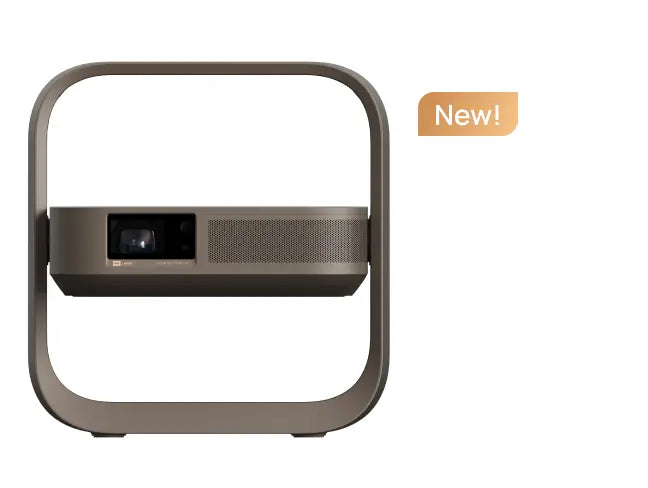
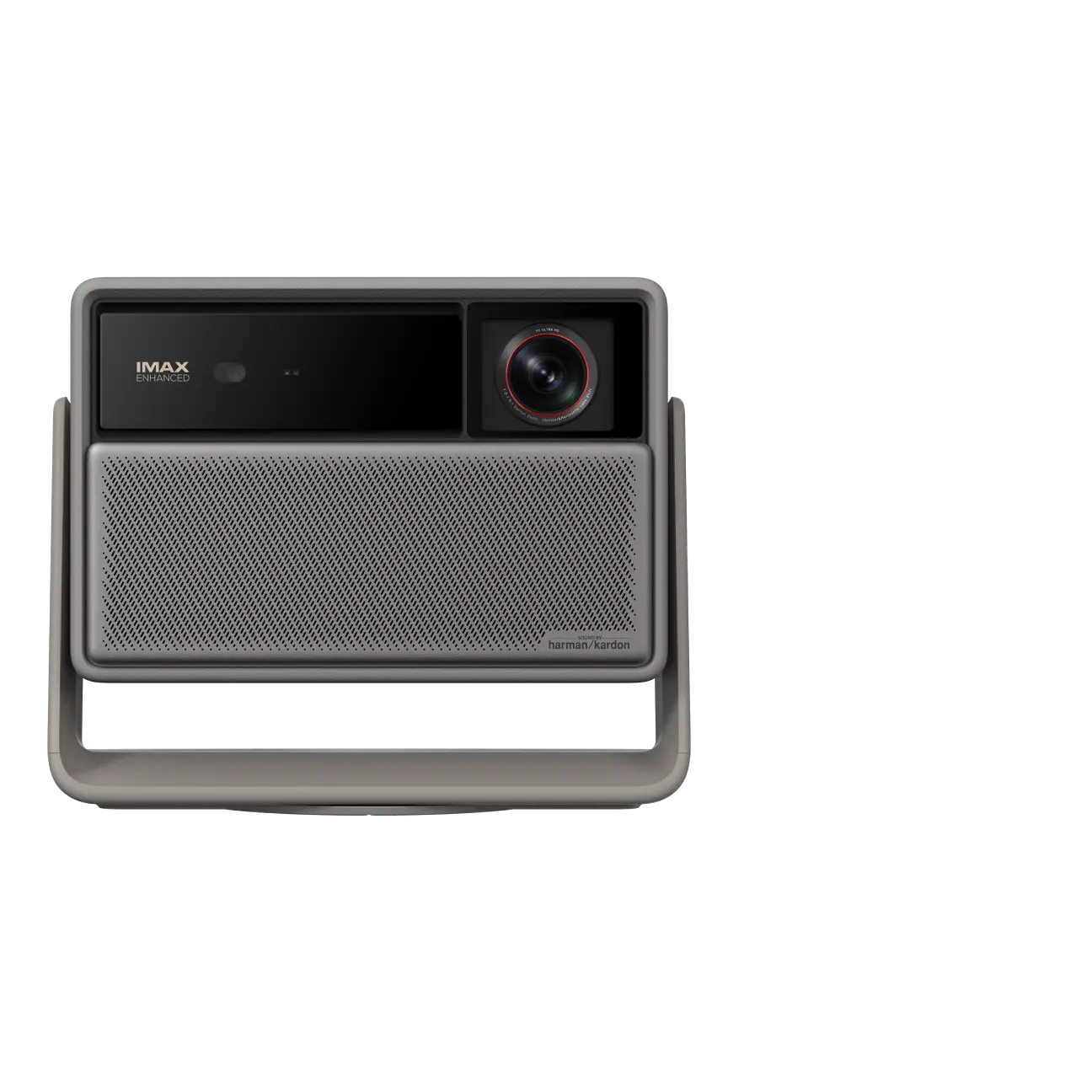
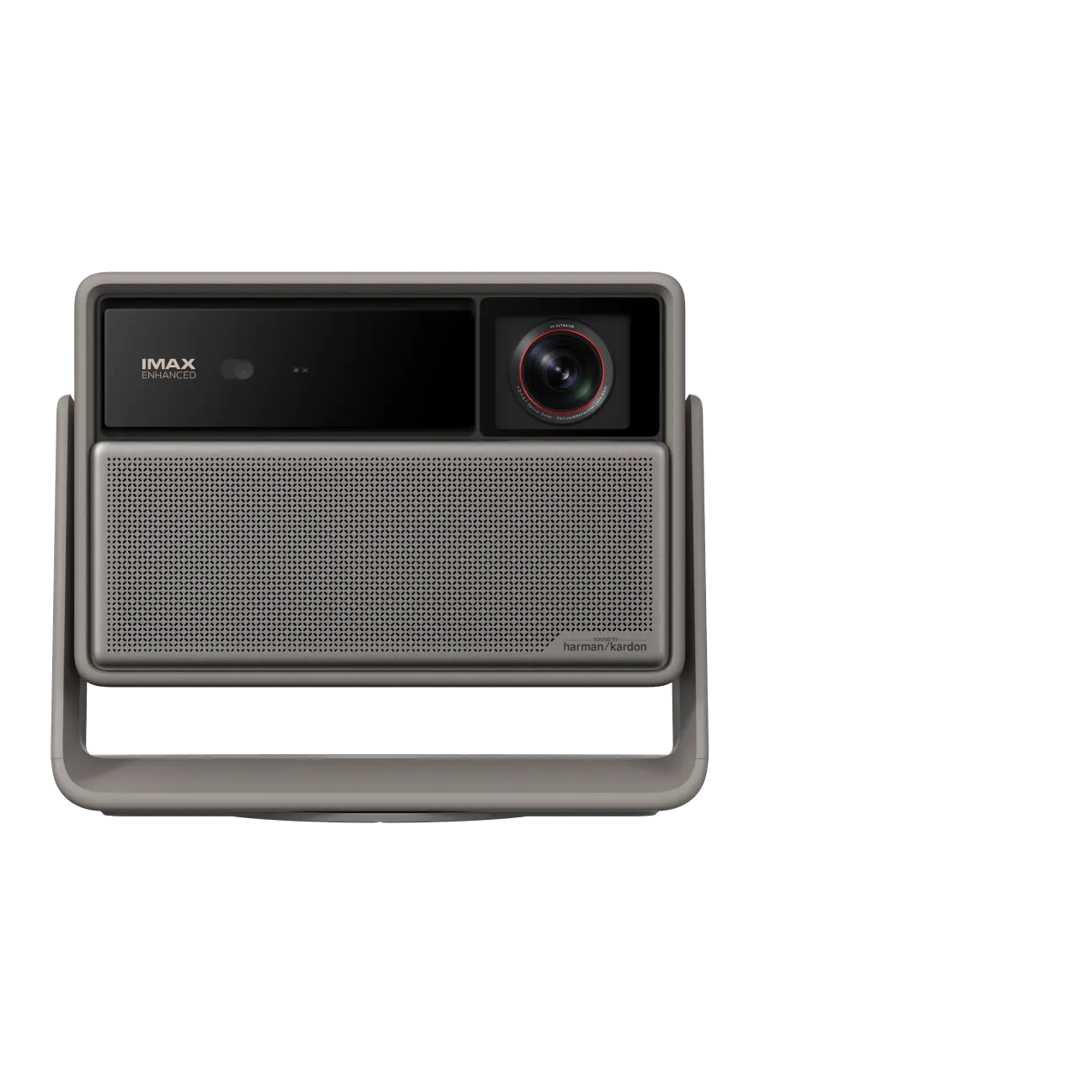
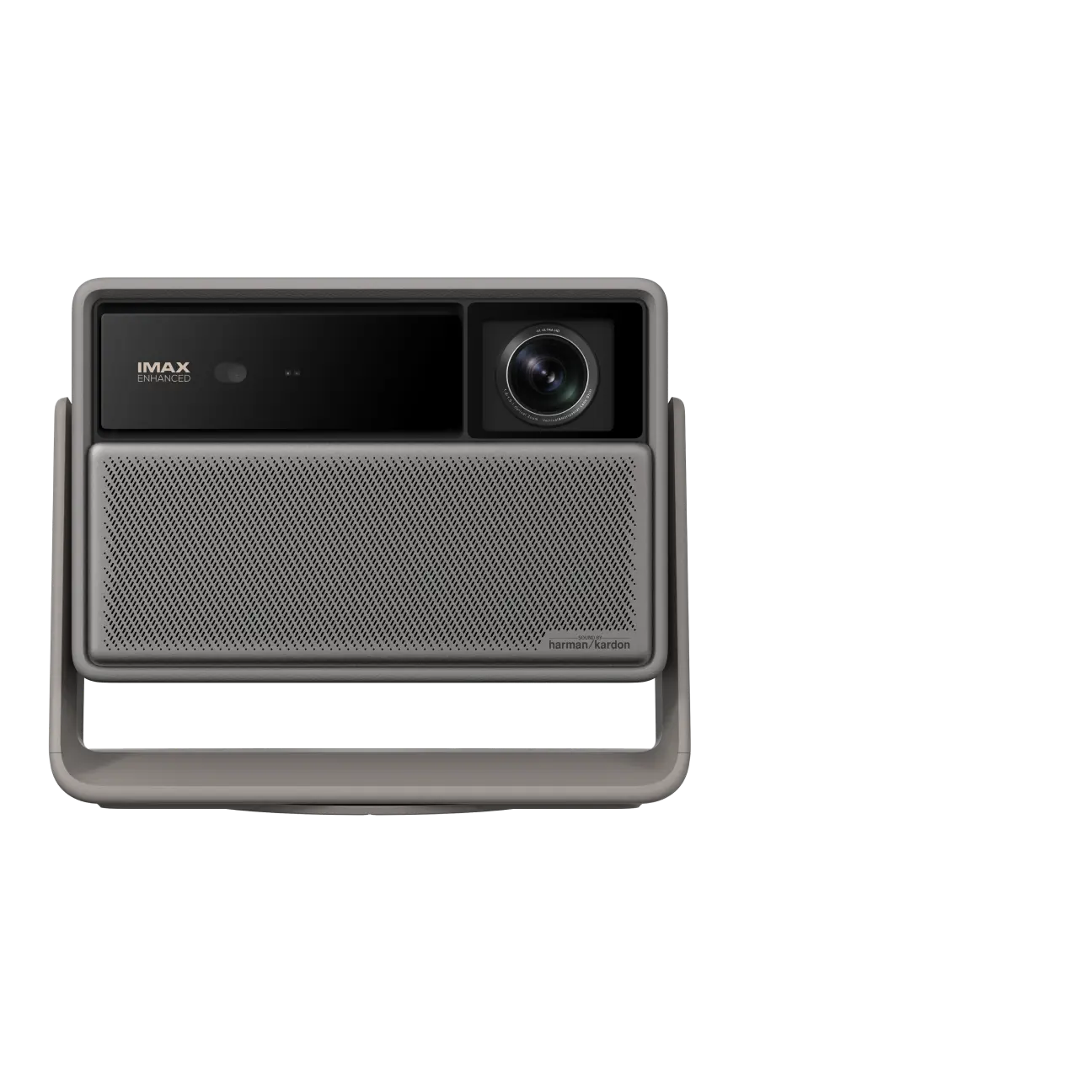
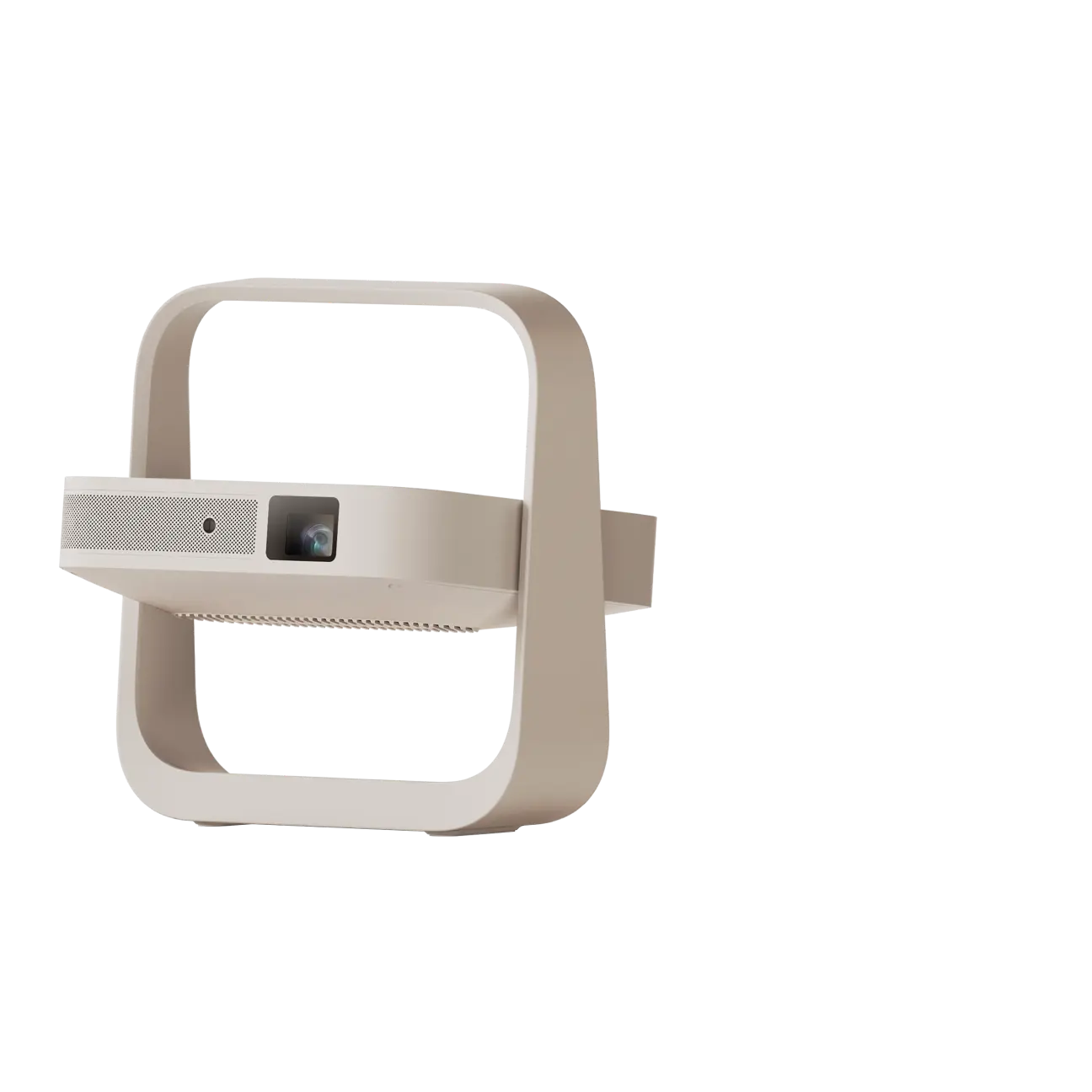
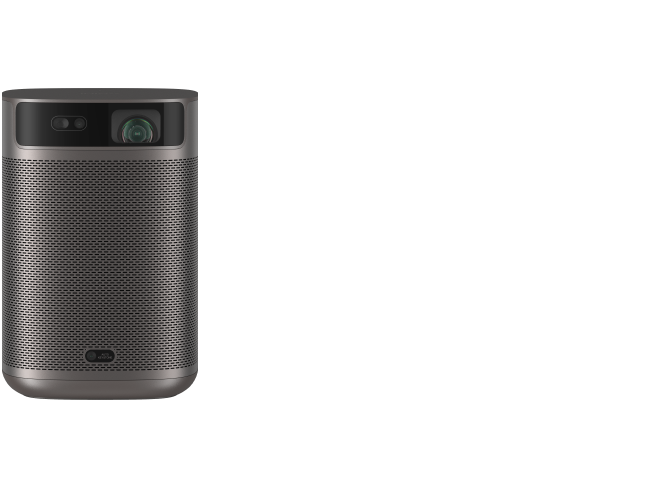
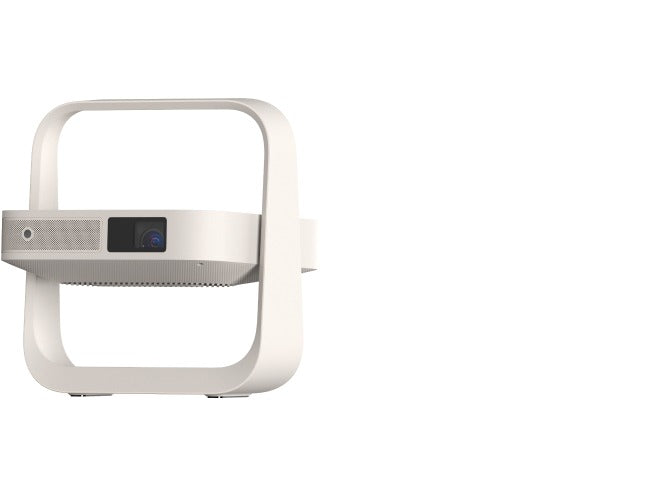
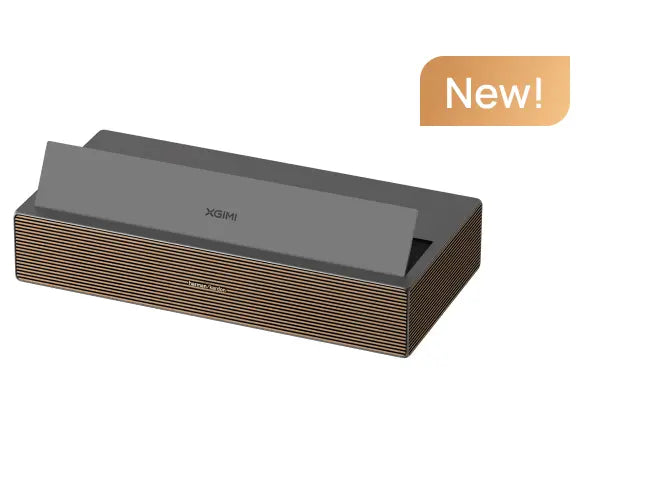
Our Portable Projector For Your Camping Trips article highlights models like the Halo+ that offer hassle-free setup and solid battery life for outdoor use. The MoGo 4 Laser provides bright visuals with efficient operation ideal for portable power station pairings.
Scenario-Based Buying Guide
The best combination depends on your primary use case. For short camping trips in dark conditions with minimal accessories, a low-wattage projector paired with a 300-500 watt-hour station often suffices. Runtime stays manageable and the setup remains lightweight.
Family backyard movie nights or longer RV sessions with streaming devices and external speakers usually flip toward higher-capacity stations (750-1000 watt-hours or more) and projectors that maintain quality at moderate brightness. In brighter ambient environments, you may need more power for usable image levels, shortening runtime unless you choose a larger battery.
Emergency or occasional off-grid leisure favors quiet, efficient projectors that avoid tripping output limits. Always verify that your station's continuous rating exceeds the combined load of projector plus any peripherals.
Practical Checklist Before You Buy or Pair
- Measure or note your projector's typical wattage from the manual at the brightness and mode you plan to use.
- List all accessories (streaming stick, speakers, media player) and estimate their additional draw.
- Confirm the power station's continuous AC output comfortably exceeds your total load.
- Calculate rough runtime using 80% of the station's watt-hour rating divided by total watts.
- Test the full setup at home before heading off-grid to catch any surprises.
- Bring a way to recharge the station during the day if your trip lasts multiple nights.
Following this checklist helps avoid the common regret of a system that powers on but cannot finish a full movie.
Safety and Setup Tips for Off-Grid Movie Nights
Place the power station on a stable, dry surface away from moisture or extreme heat. Use high-quality cables rated for the expected current. Monitor battery levels during playback and avoid running the system to complete depletion, which can shorten battery lifespan.
This article discusses comfort and setup considerations for portable projection systems. It does not constitute technical, electrical, or medical advice. If you experience any equipment issues or have specific health concerns related to screen viewing, consult qualified professionals or refer to manufacturer manuals.
Portable projectors open up new entertainment possibilities when paired correctly with power stations. By focusing on real draw, continuous output, and conservative runtime math rather than headline numbers, you can create reliable outdoor cinema experiences that last through the credits.
For more outdoor projection ideas, explore our Portable Projectors collection or read about Watch Anywhere, Anytime: 5 Smart Uses for a Portable Battery Operated Projector. Selecting equipment that fits both your power constraints and viewing environment ensures every campsite or backyard showing goes smoothly.


