
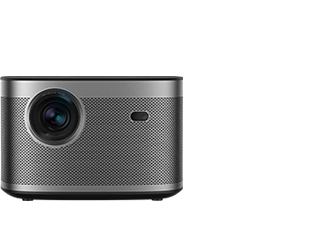
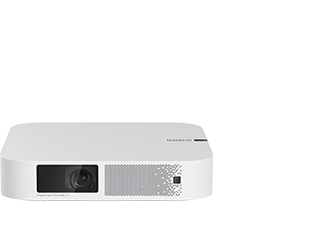




A 120Hz projector can deliver noticeably smoother motion in fast-paced games when your console or PC actually outputs 120fps and the projector maintains low input lag in game mode. However, for many casual gamers, a well-implemented 60Hz projector paired with strong overall performance often provides a more practical large-screen experience. The real decision depends on your game genres, room conditions, and tolerance for setup trade-offs rather than the refresh rate number alone.

What Refresh Rate and Input Lag Actually Mean for Gaming
Refresh rate describes how many times per second a display can update its image. A 60Hz projector refreshes 60 times per second, while a 120Hz model doubles that to 120 times. This can reduce motion judder and make fast action appear smoother when the source content matches the rate.
Input lag, by contrast, measures the delay between when you press a button and when that action appears on screen. Refresh rate and input lag are related but not the same, so gamers should evaluate both when choosing a projector.
A projector only benefits from 120Hz if the source device and game actually output 120fps in a supported mode. Many titles on PS5 or Xbox Series X default to 60fps for better visuals, making the higher refresh rate irrelevant in those cases.
How 120Hz Affects Smoothness and Motion Blur
In fast-motion scenes such as racing games, sports, or action titles, 120Hz can reduce perceived judder and make panning feel more fluid. The benefit is most noticeable in content that runs at or near 120fps.

However, 120Hz alone does not eliminate motion blur. Projector pixel response times, processing, and the source frame rate all play roles. For slower-paced story games or casual play, the difference between 60Hz and 120Hz is often subtle.
60Hz vs 120Hz Projectors for PS5, Xbox Series X, and PC Gaming
PS5 and Xbox Series X support 120Hz output in certain games and modes, but only when the display accepts the signal properly. A 120Hz projector needs compatible HDMI ports and correct settings to take advantage of this.
PC gamers with high-end graphics cards can more consistently drive 120fps, making 120Hz support more relevant. Yet even here, input lag remains the bigger factor for competitive play.
The comparison framework should focus on more than just the refresh rate number:
- Refresh rate: Helps only if your device can output matching high frame rates without quality loss.
- Input lag: The primary factor for responsiveness; look for game mode values under 30ms, ideally lower.
- HDMI version: HDMI 2.1 is often required for 4K at 120Hz with features like VRR and ALLM, but actual support varies by device.
- VRR: Variable Refresh Rate smooths frame rate fluctuations but does not replace low lag.
- Resolution and brightness: Higher resolution input is great, but poor contrast in lit rooms can mask motion benefits.
Practical Thresholds and When the Choice Flips
Use this heuristic to self-assess your needs:
| Use Case | 60Hz Projector Suitability | 120Hz Projector Value | TV Often Better? |
|---|---|---|---|
| Story-driven / casual couch games | Usually acceptable if lag is low | Nice-to-have but not essential | Yes in bright rooms |
| Competitive shooters / fighting games | Often feels limiting | Worth it only with strong lag and HDMI support | Frequently the safer choice |
| High-FPS PC gaming | Usually not enough for responsiveness | Meaningful when signal is fully supported | Often better for precision |
These thresholds are practical rules of thumb, not lab measurements. The upgrade to 120Hz matters most in latency-sensitive genres where you can control room lighting.
When a 120Hz Projector Is Worth It for Gaming
Practical heuristic: 1 = low, 5 = high. This is a bounded illustrative comparison, not measured performance.
View chart data
| Series | Refresh benefit | Input lag importance | Projector suitability | Worth-it signal |
|---|---|---|---|---|
| Casual / story games | 2.0 | 1.0 | 3.0 | 2.0 |
| Competitive shooters | 5.0 | 5.0 | 2.0 | 5.0 |
| High-FPS PC | 4.0 | 4.0 | 4.0 | 4.0 |
Heuristic chart derived from scenario_matrix and threshold_table framing. Scores are bounded illustrative categories (1-5), not measured performance or competitor data.
Hidden Trade-offs and Setup Requirements
Chasing 120Hz on a projector often introduces hidden costs. You may need a darkened room for best contrast, precise placement to achieve the desired screen size, and compatible HDMI 2.1 cables. Brightness can drop at larger image sizes, and some models only support 120Hz at lower resolutions.
Actual gaming performance varies by source device, game support, HDMI path, and projector settings. Enable game mode, disable unnecessary image processing, and verify your console or PC outputs the desired signal. For more on this topic, see The Complete Guide to Console and PC Gaming on a Projector in 2026.
Do Not Buy a 120Hz Projector If...
Skip a 120Hz gaming projector in these situations:
- You play competitive shooters or rhythm games and the model does not advertise low input lag (under 30ms) in game mode.
- Your room has significant ambient light that you cannot control.
- You want plug-and-play simplicity like a TV or monitor.
- You prioritize pixel-sharp precision for mouse-and-keyboard PC gaming.
- You frequently move the setup between rooms.
In these cases, a dedicated gaming TV often delivers a more consistent experience.
Specs That Matter Most Beyond Refresh Rate
When shopping for the best projector for PS5 and Xbox Series X, prioritize:
- Verified low input lag in game mode
- HDMI 2.1 ports with full bandwidth support
- VRR and ALLM compatibility where available
- Sufficient brightness for your room (at least 1500-3000+ lumens depending on screen size and light control)
- Native or high-quality 4K resolution
Many premium models also offer excellent audio and smart features for mixed movie and gaming use.
Is a Projector a Practical Large-Screen Gaming Alternative in 2026?
Yes, for immersive couch gaming in controlled lighting, especially when you value screen sizes beyond what TVs comfortably offer. Modern gaming projectors with low latency have closed much of the gap with TVs for casual and mid-tier play. For more on this topic, see The Best Audio Solutions for Immersive Projector Gaming.
They excel in living rooms or bedrooms where flexibility matters, but they require more planning than a TV. For competitive or bright-room gaming, TVs often remain the lower-friction choice.
This article discusses comfort and setup considerations for gaming projectors. It does not constitute technical advice for specific medical or vision conditions. If you experience discomfort during gaming, consult a qualified professional.
How to Choose and Set Up Your Gaming Projector
- Check your games: Do they support 120fps modes on your console or PC?
- Measure your room: Can you control light and achieve proper throw distance?
- Verify specs: Confirm input lag, HDMI version, and supported modes in the manual.
- Test in game mode: Disable motion smoothing and extra processing.
- Consider hybrid use: Many projectors deliver excellent movies alongside gaming.
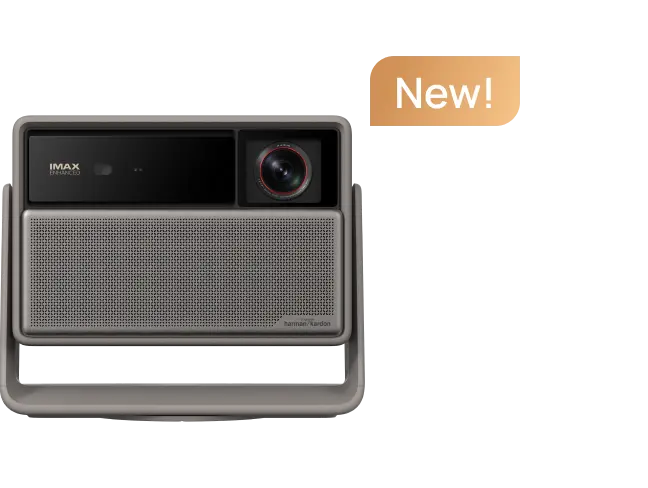
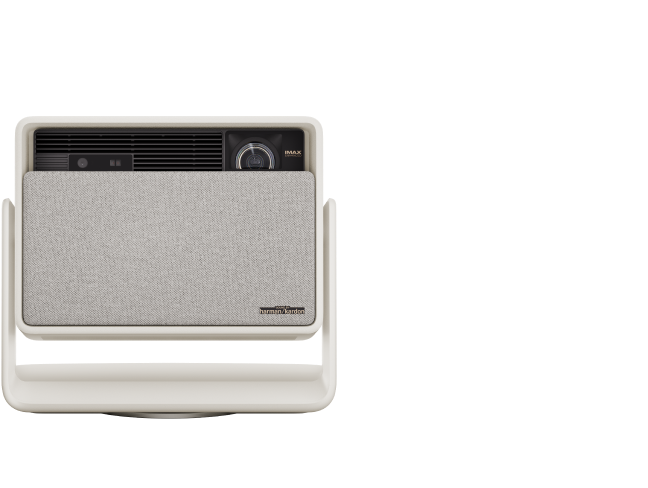
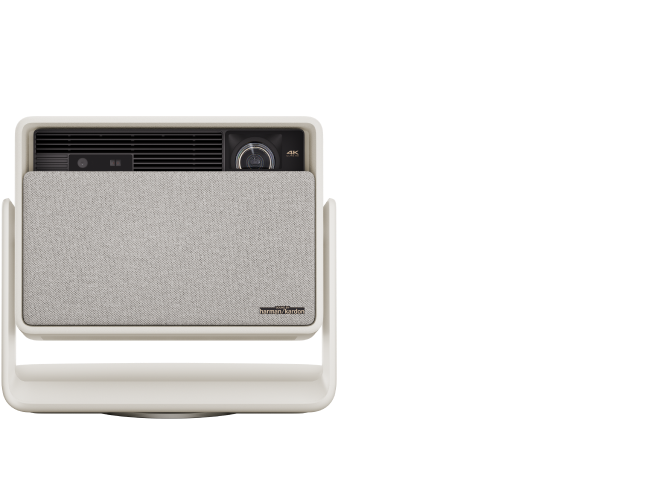
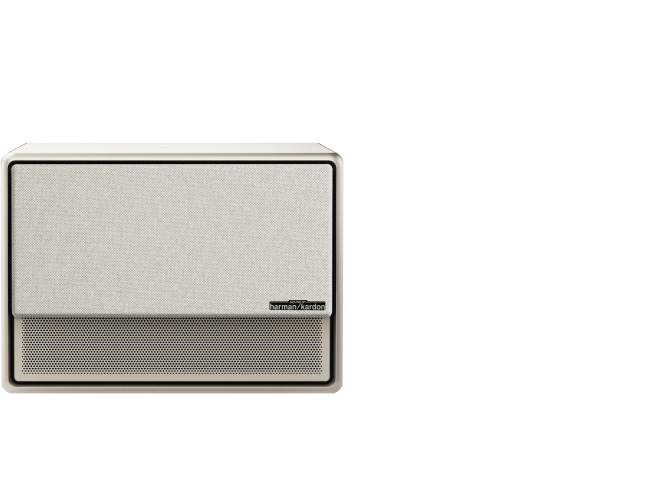
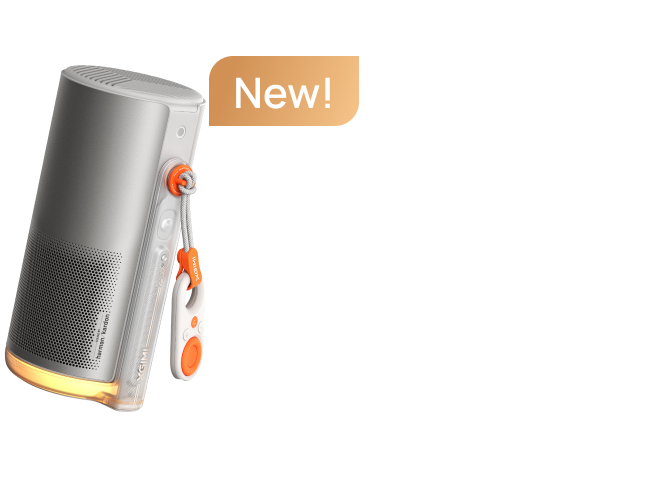
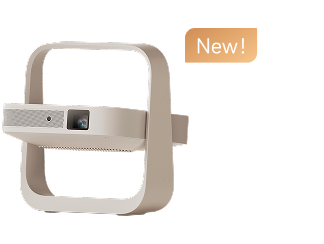
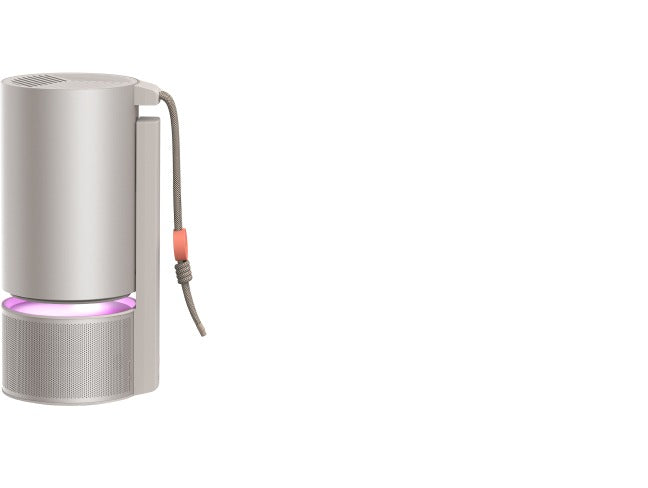
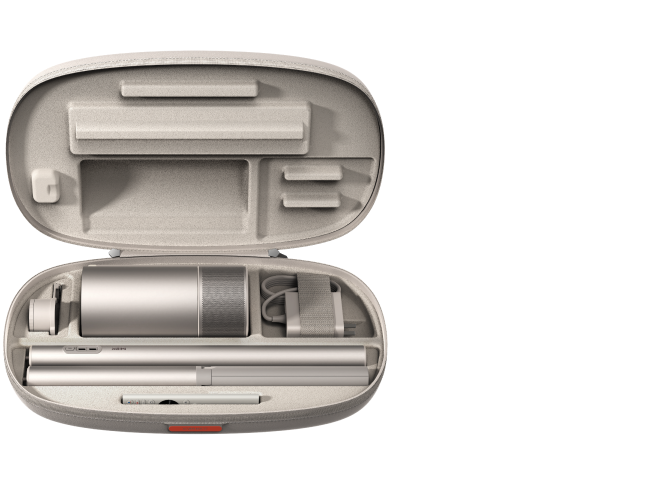
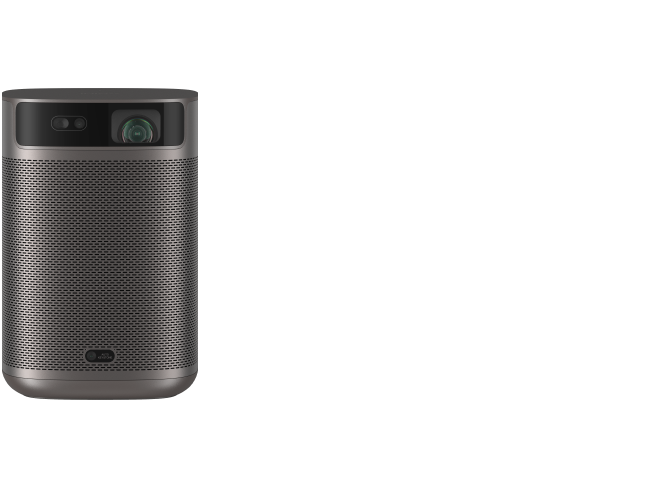
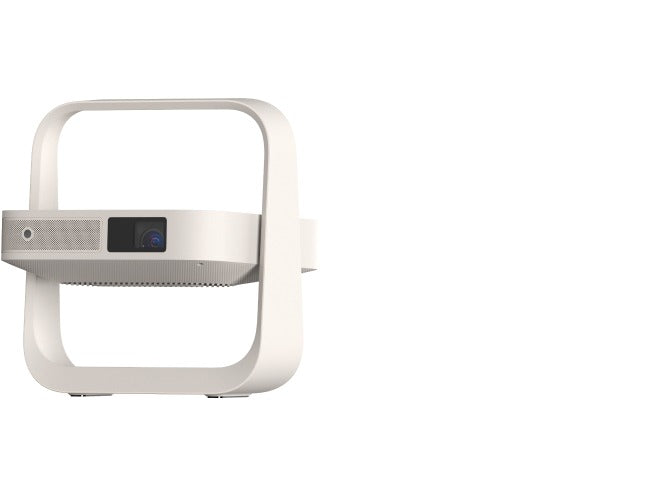
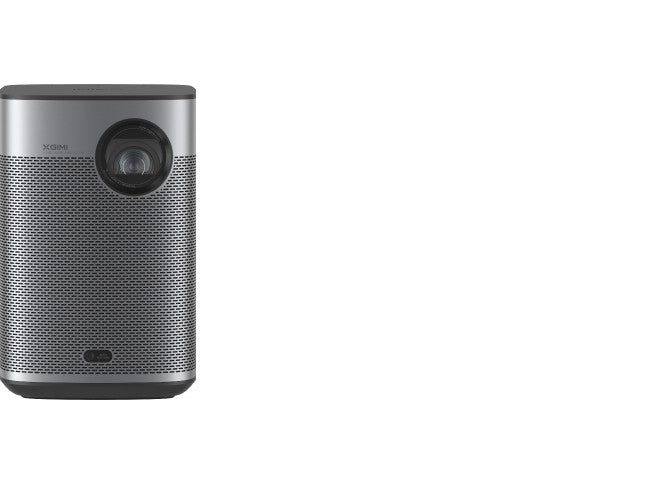
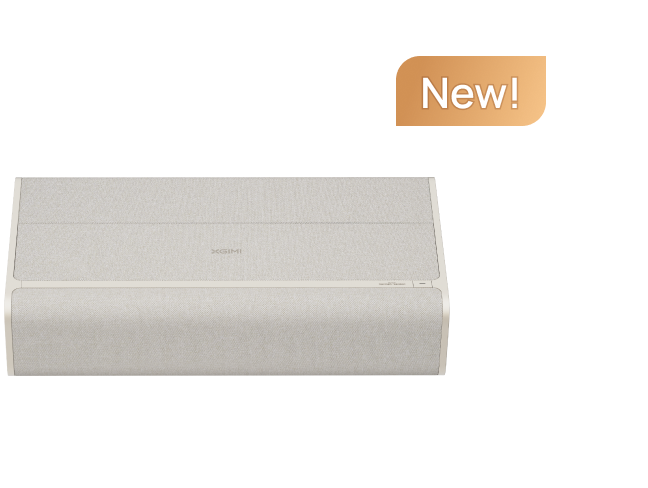
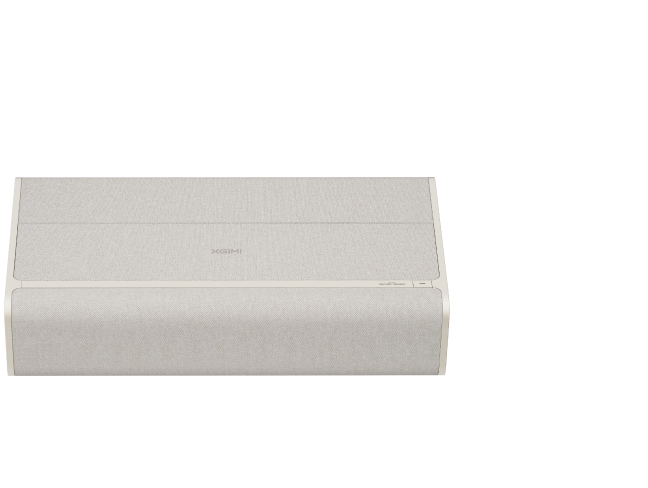
Models like the HORIZON series and AURA 2 balance high performance with versatile features for both gaming and home cinema.
Learn more about low input lag projectors to refine your setup.
For additional options, explore XGIMI's gaming projectors collection or check the HORIZON Ultra for premium 4K performance.


