





Selecting the right projector technology can transform your viewing experience. Two dominant technologies, DLP and LCD, each offer distinct advantages for home theater enthusiasts and professionals. This comparison explores how these projection methods work, their key differences, and which technology best matches your entertainment needs and viewing environment.
What DLP Projectors Bring to Your Screen
DLP stands for Digital Light Processing, a technology that Texas Instruments developed in the 1980s. At its core sits a DLP chip containing millions of tiny mirrors.
Each microscopic mirror tilts thousands of times per second, reflecting light either toward the lens or away from it. This rapid movement creates the images you see on screen. A color wheel spinning at high speeds adds color to these projections.
Technology has evolved significantly over the decades. Modern DLP projectors deliver sharp images with impressive contrast ratios. Many home theater enthusiasts prefer DLP for its ability to produce deep blacks and vibrant colors.

How LCD Projectors Create Your Visual Experience
LCD projectors use a different approach to generate images. LCD stands for Liquid Crystal Display, the same technology found in many computer monitors and televisions.
Inside an LCD projector, light passes through three separate LCD panels. Each panel handles one primary color: red, green, or blue. These panels work together, combining their outputs to create the full-color image that reaches your screen.
This three-panel system has remained relatively consistent since its introduction. The technology offers natural color reproduction and typically delivers brighter images than comparable DLP models.
DLP vs. LCD: Direct Comparison of Key Features
Comparing these technologies reveals important differences that affect your viewing experience. The following breakdown helps clarify how each technology performs across critical factors.
Image Quality and Color Performance
DLP projectors excel at producing smooth, film-like images. The single-chip design eliminates potential alignment issues between color panels. You get consistent image quality across the entire screen.
However, some viewers notice a "rainbow effect" with DLP projectors. This appears as brief flashes of color, particularly visible when moving your eyes quickly across bright scenes. Not everyone sees this effect, but it can bother sensitive viewers.
LCD projectors deliver excellent color accuracy out of the box. The three-panel system naturally reproduces colors without requiring complex calibration. Images appear saturated and vivid, which many users find appealing for movies and presentations.
Contrast Ratios and Black Levels
DLP technology generally produces superior contrast ratios. The mirrors can completely block light when turned away from the lens, creating deeper blacks. This capability enhances the perceived depth and dimensionality of images.
LCD projectors have improved their contrast performance over the years. Modern models incorporate advanced iris systems and panel technologies to achieve better black levels. The gap between technologies has narrowed, though DLP typically maintains an edge in this category.
Brightness and Light Output
LCD projectors often shine brighter than DLP models at similar price points. The three-panel design efficiently transmits light, making LCD an excellent choice for rooms with ambient light.
DLP projectors compensate with better light efficiency in darkened environments. Technology wastes less light internally, delivering more perceived brightness where it counts most.
Maintenance Requirements Over Time
DLP projectors require less frequent maintenance. The sealed chip design keeps dust away from critical components. Color wheels occasionally need replacement, but many models operate for thousands of hours before service becomes necessary.
LCD projectors need more attention to dust and filter cleaning. The three separate panels can accumulate dust particles over time, potentially affecting image quality. Regular filter maintenance keeps LCD projectors performing at their best.
Size, Weight, and Portability Considerations
DLP projectors typically weigh less and occupy smaller spaces. The single-chip design requires fewer internal components. This compact nature makes DLP models easier to mount and transport.
LCD projectors tend to be larger and heavier due to their three-panel configuration. However, this size difference has decreased as manufacturers optimize their designs.
Feature Comparison Table
These technical differences create distinct viewing experiences across various scenarios. The following comparison table summarizes how DLP and LCD technologies stack up against each other.
| Feature | DLP Projectors | LCD Projectors |
|---|---|---|
| Contrast Ratio | Higher, deeper blacks | Good, improving with newer models |
| Color Accuracy | Excellent with potential rainbow effect | Naturally accurate, vivid colors |
| Brightness | Efficient in dark rooms | Higher output for ambient light |
| Maintenance | Lower, less frequent cleaning | Regular filter maintenance is needed |
| Size/Weight | Compact and lightweight | Larger, heavier build |
| Best Environment | Dark, dedicated theaters | Multi-purpose, lit rooms |
These technical characteristics translate into real-world performance differences depending on your viewing environment and content preferences. Let's explore which technology works best for specific use cases.
Making Your Choice: DLP or LCD for Your Specific Needs
Your ideal projector technology depends on several personal factors. Consider how you plan to use your projector and where it will operate.

Home Theater and Movie Enthusiasts
Dedicated home theaters with controlled lighting favor DLP projectors. The superior contrast ratios and deep blacks create a cinematic atmosphere. If you watch movies in a dark room, DLP delivers the immersive experience you want.
Rainbow sensitivity matters here. Test a DLP projector before purchasing, if possible. Some people never notice the effect, while others find it distracting during fast-moving scenes.
Multi-Purpose Living Spaces
Rooms with ambient light benefit from LCD technology. The higher brightness levels ensure visible images even when complete darkness isn't practical. LCD projectors work well in family rooms where curtains might not block all daylight.
Color accuracy becomes important for mixed content. LCD projectors handle everything from sports to nature documentaries with consistent, vibrant colors.
Gaming Applications
Response time affects gaming performance. DLP projectors typically offer faster pixel response, reducing motion blur during fast-paced gaming sessions. Competitive gamers appreciate this advantage.
Input lag varies by model rather than technology. Check specific specifications when gaming performance matters most to your setup.
Professional and Business Use
Presentations in conference rooms often favor LCD projectors. The brightness advantage ensures clear visibility under fluorescent lighting. Text and graphics appear sharp and easy to read from various distances.
Portability might tip the balance toward DLP for traveling presenters. Lighter weight makes transportation easier, and technology handles varied lighting conditions reasonably well.
Recommended XGIMI Home Theater DLP Projectors
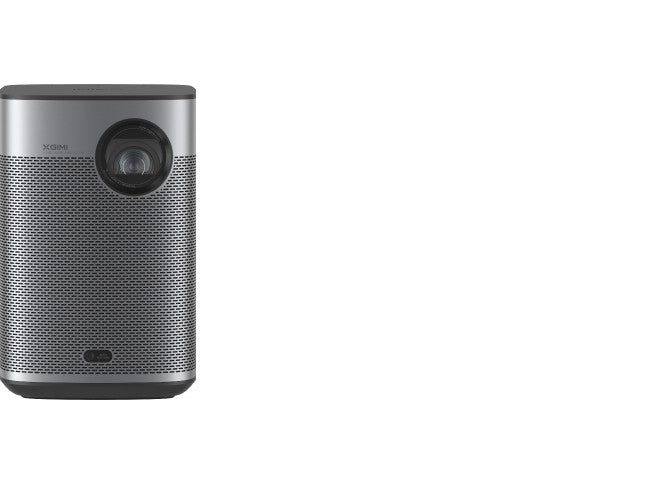
XGIMI has developed several DLP projectors that address different home entertainment needs. These models showcase how modern DLP technology delivers exceptional viewing experiences.
HORIZON 20 Max: Premium 4K Home Cinema Experience
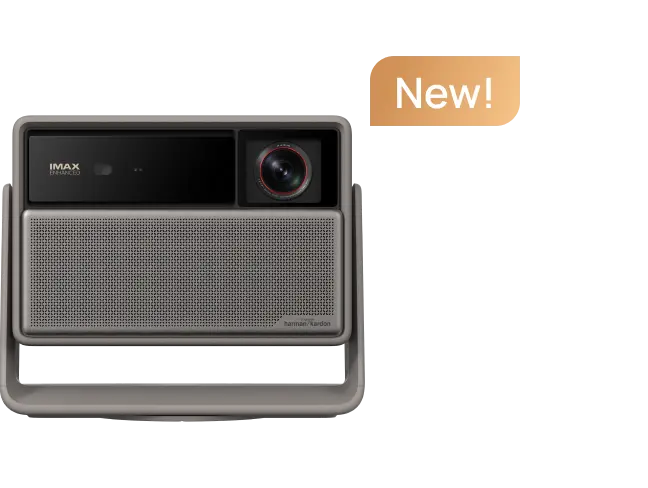
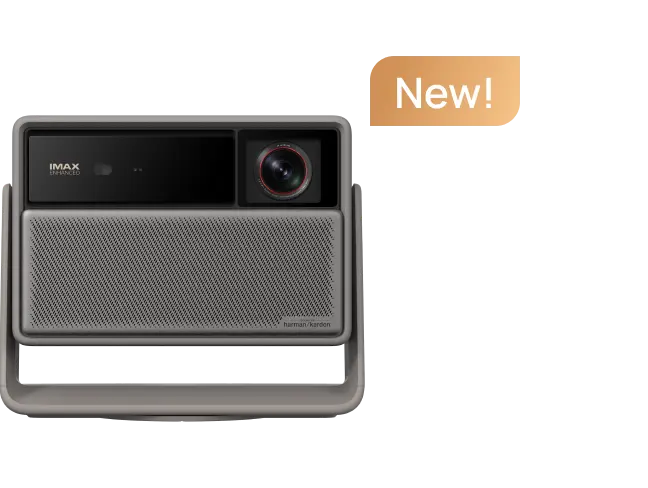
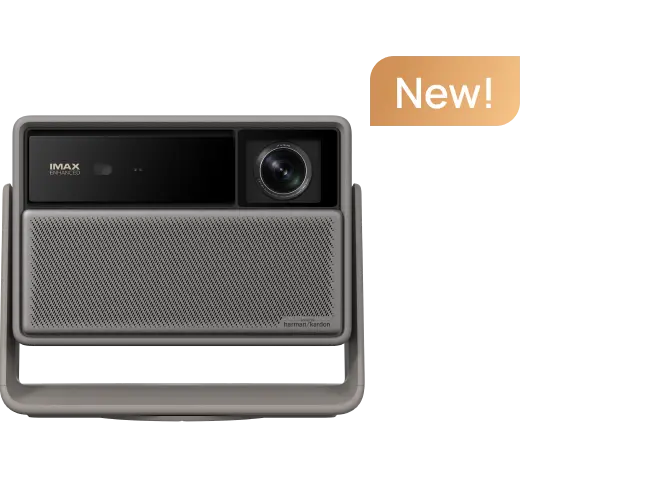
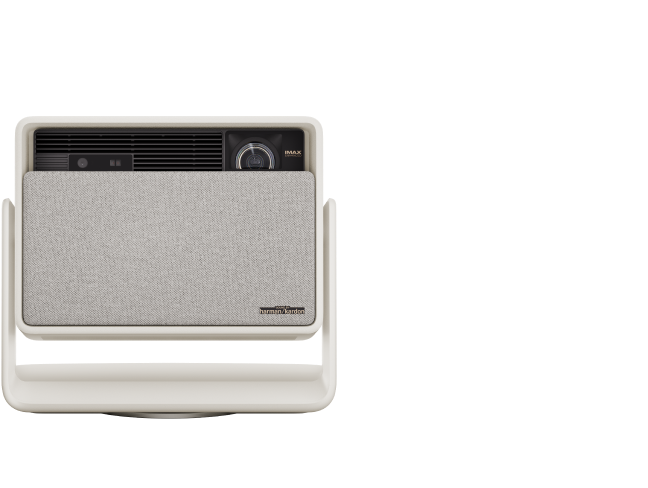
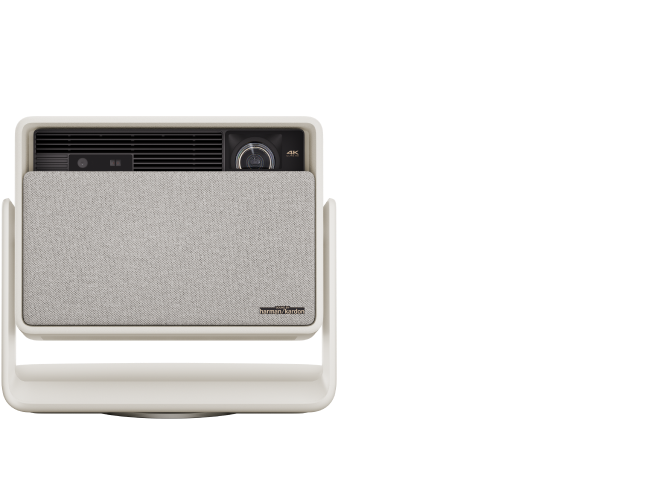
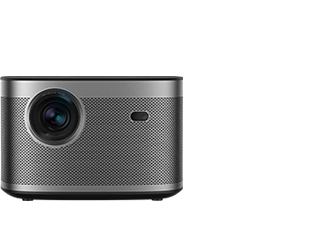
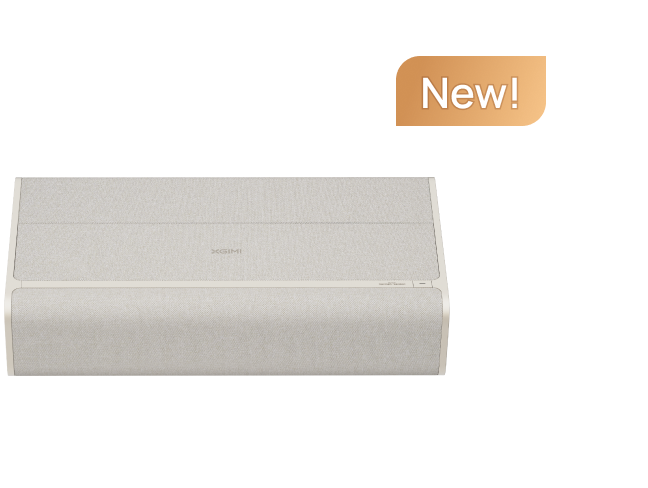
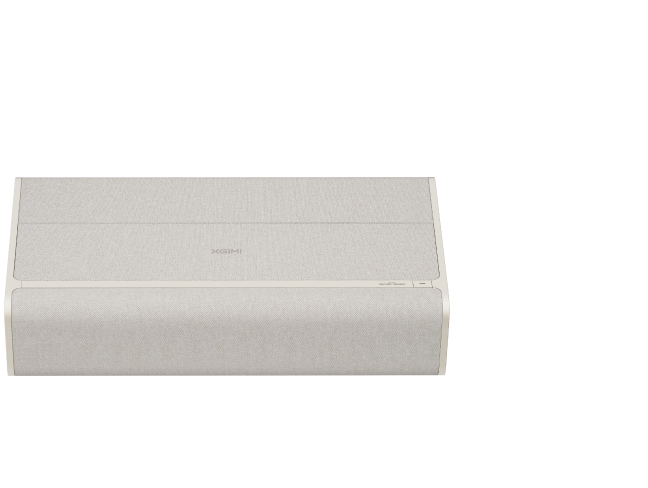
The HORIZON 20 Max represents XGIMI's flagship home theater projector. This 4K DLP projector delivers stunning visual clarity with 5,700 ISO lumens of brightness.
Dual 12W Harman Kardon speakers provide immersive audio without external equipment. The integrated Google TV system eliminates the need for separate streaming devices. ISA 5.0 technology automatically adjusts image geometry and focus, simplifying setup in any room configuration.
HORIZON S Pro: Versatile Smart Cinema Solution
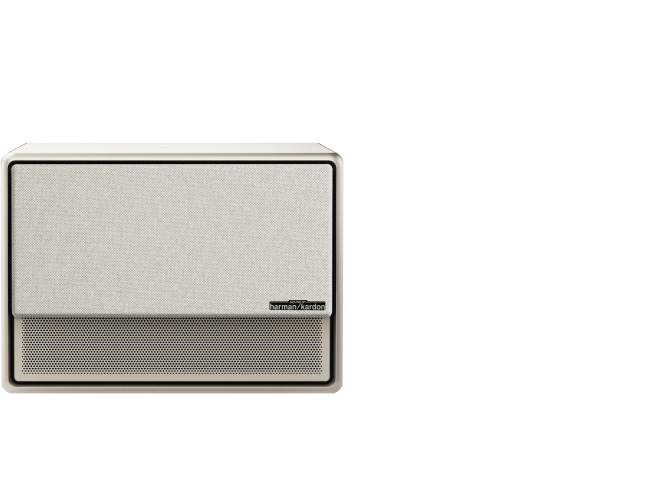
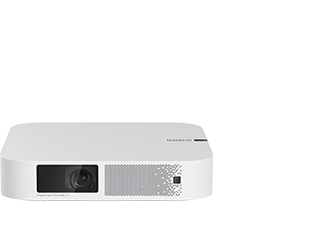
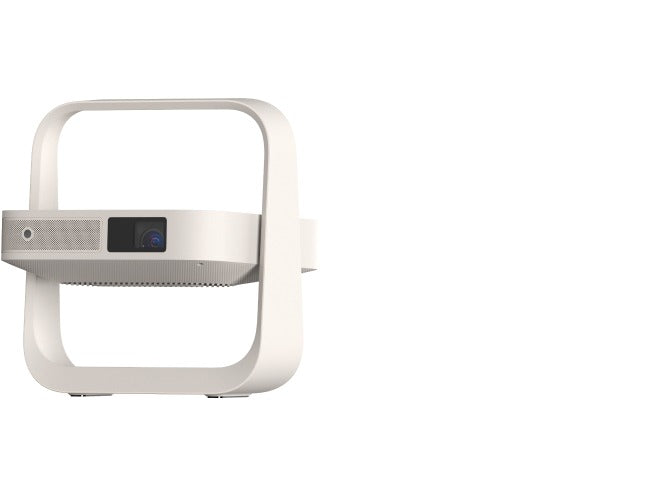
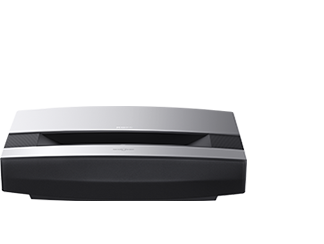
The HORIZON S Pro balances performance with versatility. This model projects crisp images up to 200 inches while maintaining natural color reproduction.
Built-in GTV streaming capabilities and intelligent screen adaptation integration make content access effortless. The compact design fits various room layouts without dominating your living space. Dual speakers deliver room-filling sound that complements the visual quality.
MoGo 4 Laser: Portable Entertainment Powerhouse
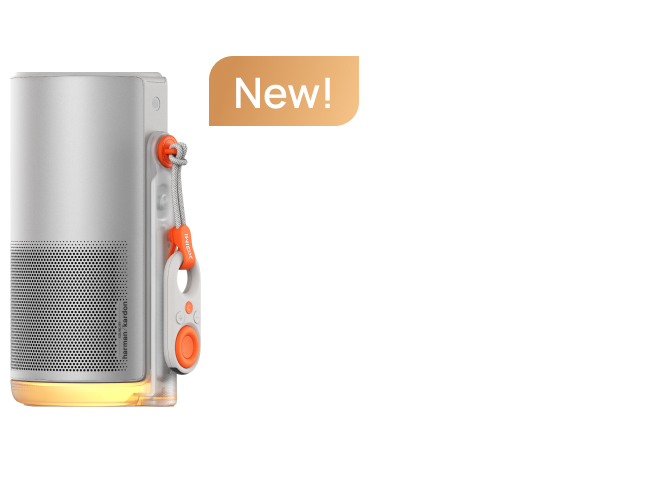
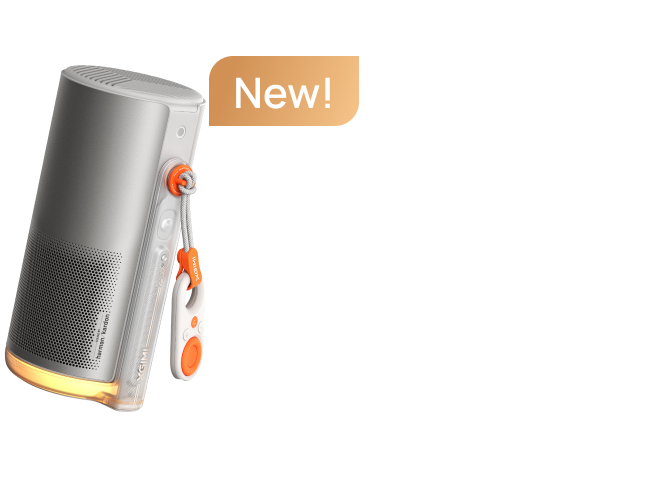
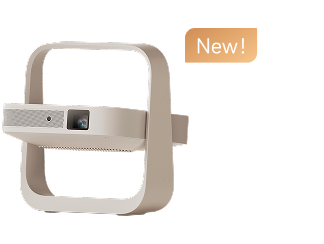
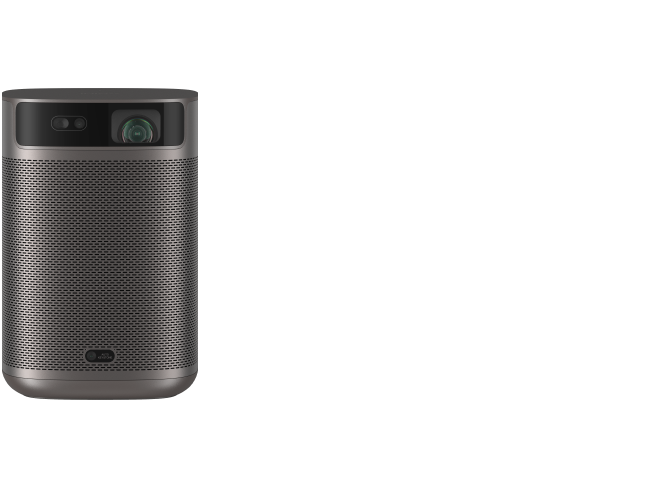
The MoGo 4 Laser brings DLP quality to portable projection. Despite its compact size, this mini projector produces surprisingly bright, colorful images.
Laser light source technology ensures consistent performance over thousands of hours. The integrated 71Wh battery enables outdoor movie nights and camping adventures. Built-in streaming and Bluetooth audio output add flexibility to any viewing situation.
Start Your Home Theater Journey
Both DLP and LCD projectors offer compelling advantages for different situations. DLP technology excels in dedicated home theaters where contrast and cinematic quality matter most. LCD projectors shine in versatile spaces where brightness and natural colors enhance mixed content viewing.
Your budget, room conditions, and content preferences should guide your decision. Consider testing both technologies when possible to determine which visual presentation appeals to your eyes. The right projector transforms ordinary viewing into extraordinary entertainment experiences.

Frequently Asked Questions
Q1: What Is the Main Difference Between DLP and LCD Projectors?
DLP projectors use millions of tiny mirrors on a chip to reflect light and create images, while LCD projectors pass light through three separate liquid crystal panels. This fundamental difference affects contrast ratios, color reproduction, and overall image characteristics.
Q2: Do DLP Projectors Really Produce a Rainbow Effect?
Some viewers notice brief color flashes called the rainbow effect with single-chip DLP projectors. This occurs because the color wheel spins rapidly to display different colors. Sensitivity varies by individual, and many people never perceive this effect during normal viewing.
Q3: Which Projector Type Lasts Longer Without Maintenance?
DLP projectors typically require less frequent maintenance due to their sealed chip design. LCD projectors need regular filter cleaning and dust management because their three-panel system can accumulate particles. Both technologies offer thousands of hours of reliable operation with proper care.
Q4: Are LCD Projectors Better for Bright Rooms?
LCD projectors generally deliver higher brightness levels, making them more suitable for rooms with ambient light. The three-panel design efficiently transmits light, producing visible images even when complete darkness isn't achievable. DLP projectors perform better in darker, controlled environments.
Q5: Which Technology Offers Better Value for Home Theaters?
Value depends on your specific needs and viewing environment. DLP projectors often provide superior contrast and cinematic quality for dedicated home theaters. LCD projectors offer excellent color accuracy and brightness for multi-purpose spaces. Compare features against your budget and room conditions to determine the best value for your situation.


