




Author
Ethan Carter
A technical content creator specializing in the optimization of home theater and projection systems, he possesses years of experience in consumer electronics reviews and display technology research. He excels at translating complex optical principles and equipment calibration techniques into accessible, practical guides, helping users achieve the optimal viewing experience in real-world environments.
He has participated in numerous projection equipment review projects, with a particular focus on image quality calibration, projection environment optimization, and practical user scenarios.
Latest articles
5 articles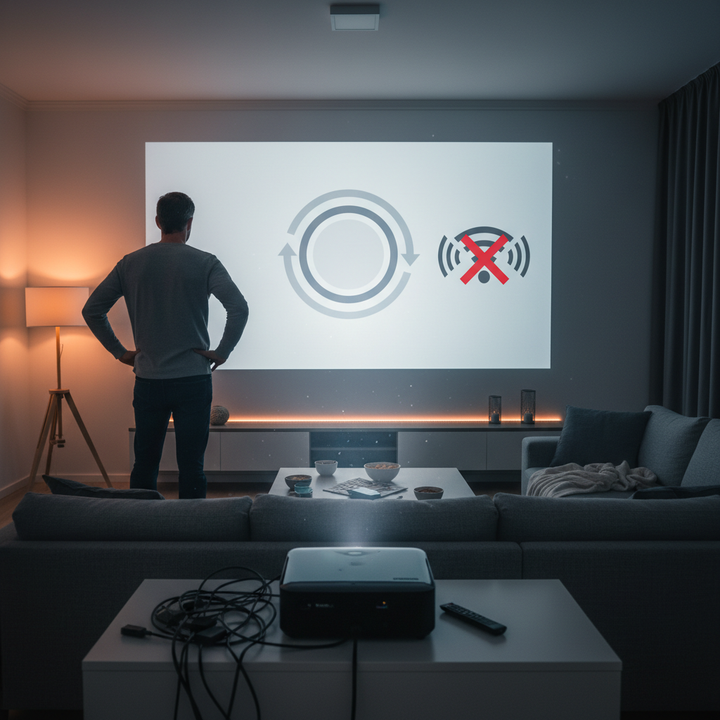
Why Your Projector's Wi-Fi Connection Keeps Dropping and How to Fix It
Buffering during your favorite movie or show is incredibly frustrating, especially when your smart projector keeps dropping its Wi-Fi connection. The good news is that these interruptions are...
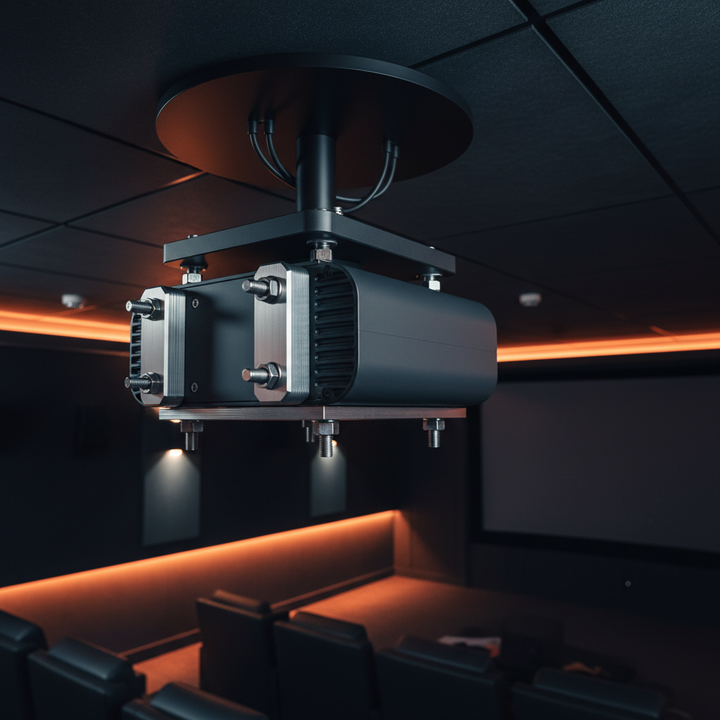
Why Custom Mounting Points Matter for High-End Projector Stability
When ceiling-mounting a premium projector, the mounting points on the unit itself play a critical role in long-term image stability and vibration reduction. Custom reinforced mounting points distribute...
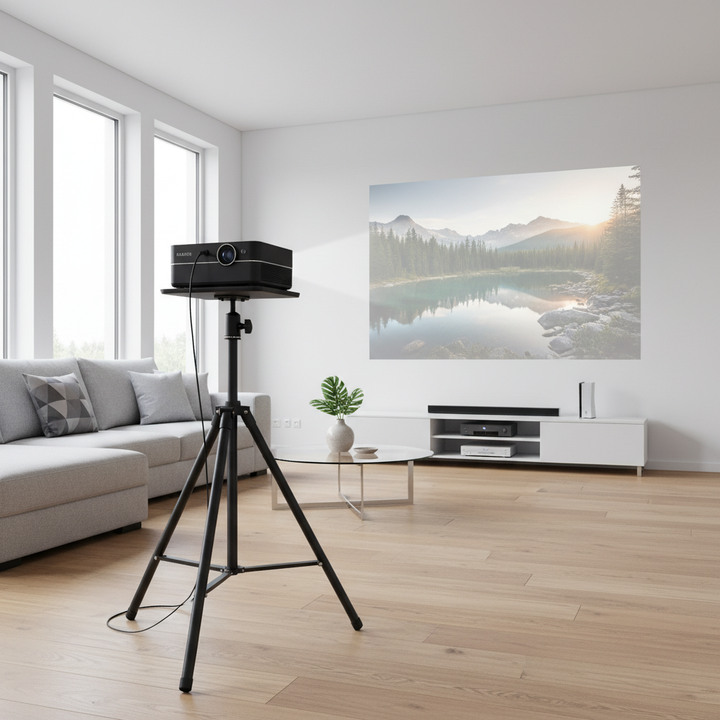
Why You Shouldn't Skimp on a Projector Stand: Stability and Alignment
Why You Shouldn't Skimp on a Projector Stand: Stability and Alignment A wobbly surface or improvised support can quickly turn an otherwise excellent portable projector into a source...
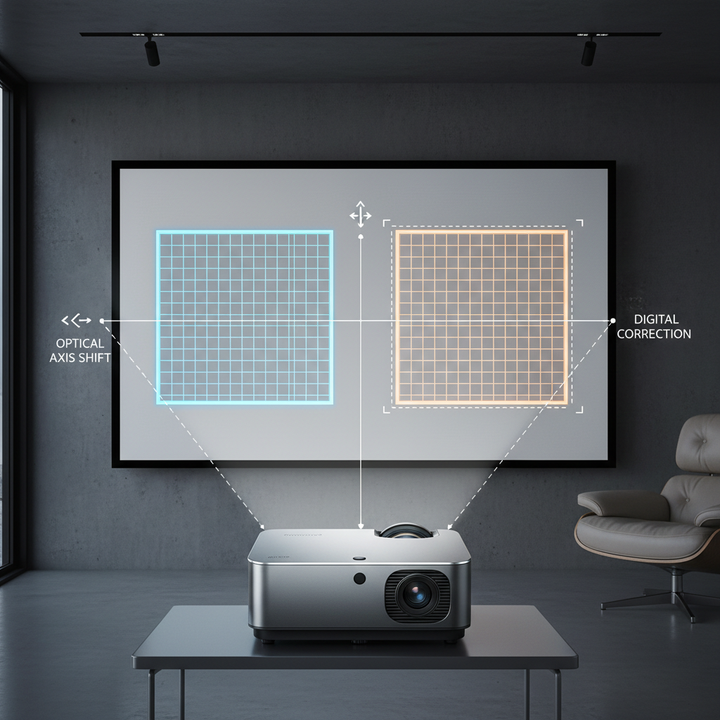
How Does Lens Shift Affect Image Quality Compared to Digital Keystone Correction?
When your projector cannot sit perfectly centered in front of the screen, the method you choose to straighten the image can make a noticeable difference in sharpness, detail,...
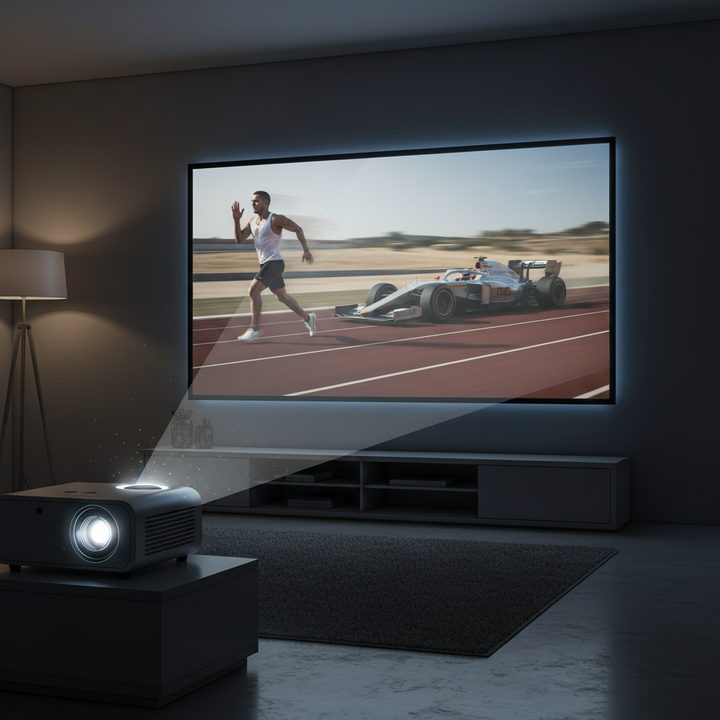
Why Does Motion Interpolation Create Artifacts During Fast Action Scenes?
Motion interpolation, commonly known as MEMC (Motion Estimation and Motion Compensation), is meant to create smoother video playback by generating new frames between the original ones. However, when...