




The Core Trade-off: Immersion vs. Precision
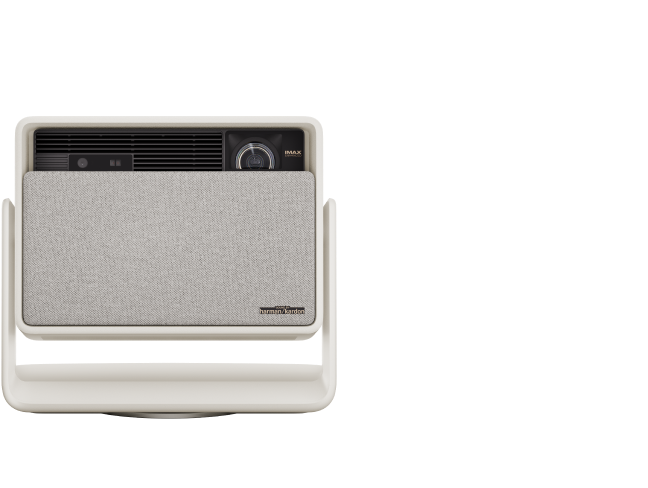
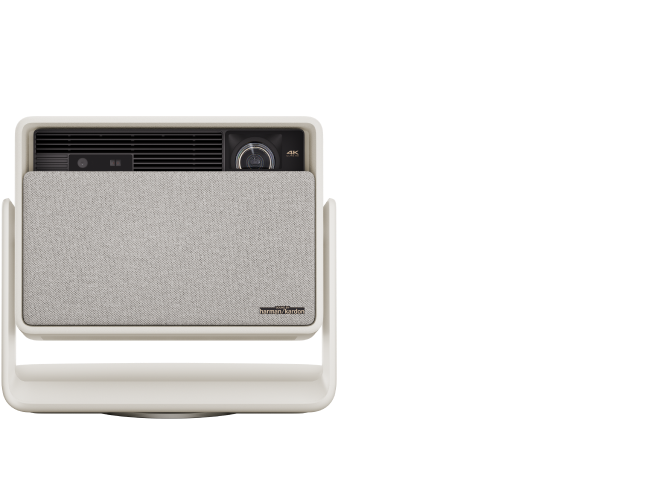
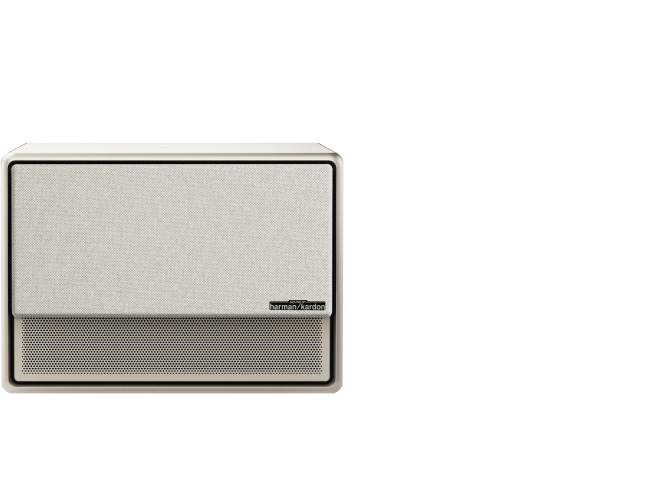
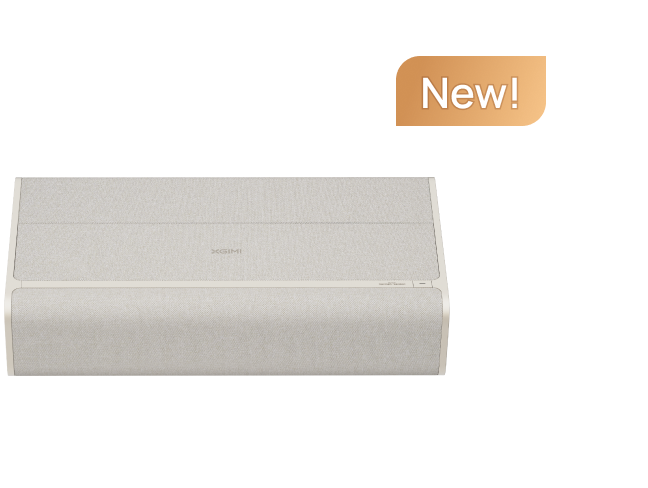
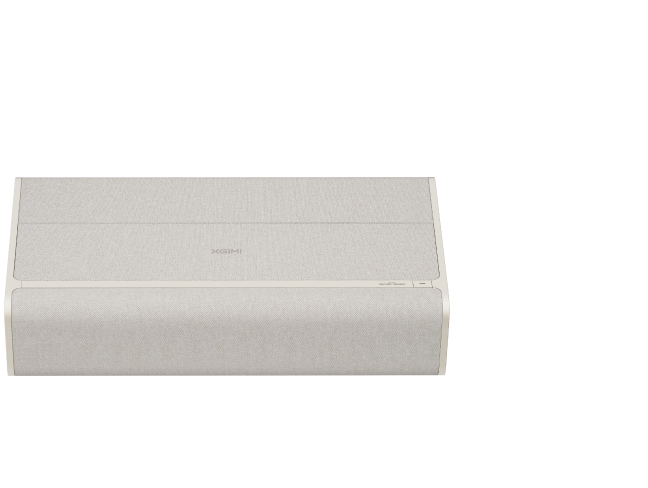
Choosing between a projector and a TV for gaming is no longer a simple matter of "TVs are faster." While TVs remain the gold standard for raw response times, specialized gaming projectors have closed the gap significantly. The decision now rests on your primary gaming genre: do you prioritize the competitive edge of a 1ms response time, or the cinematic "wow factor" of a 100-inch battlefield?

As noted in this best projector for PS5 and Xbox guide, a 100-inch setup offers a shared-screen experience that even the largest consumer TVs struggle to match. However, as IGN's gaming projector recommendations suggest, achieving this scale without sacrificing playability requires looking closely at specific performance benchmarks.
Input Lag: The Critical Benchmark
Input lag—the delay between a controller input and the action appearing on screen—is the most significant hurdle for projectors. For a seamless experience, we generally categorize lag into these heuristic tiers: For more on this topic, see The Impact of Input Lag on Fighting Games: Projector vs. Monitor.
- Competitive (<20ms): Essential for first-person shooters (FPS) and fighting games. High-end gaming projectors can now hit ~16ms at 60Hz.
- Casual/Responsive (20ms–40ms): Ideal for action-adventure games, RPGs, and sports titles. Most modern "Game Mode" projectors fall into this range.
- Noticeable (>50ms): May cause "floaty" controls in fast-paced games; typically found in standard home theater projectors not optimized for gaming.
While premium OLED and LED TVs frequently offer sub-10ms lag, the 16ms–33ms range offered by gaming-specific projectors is often indistinguishable to the average player in non-competitive scenarios. To ensure the best performance, always verify the manufacturer's "Game Mode" specifications, as processing features like keystone correction or motion smoothing can significantly increase latency if left on.

Refresh Rates and HDMI 2.1 Compatibility
Refresh rate (measured in Hz) dictates how smoothly motion is rendered. With the PS5 and Xbox Series X supporting 4K at 120Hz, the display interface matters more than ever.
- TVs: Many mid-to-high-end TVs now feature full HDMI 2.1 ports, supporting 4K/120Hz and Variable Refresh Rate (VRR) out of the box.
- Projectors: While 4K/60Hz is common, 4K/120Hz is currently reserved for high-end gaming models. Some projectors offer a "High Refresh" mode that allows for 1080p at 240Hz, which provides incredibly fluid motion for PC gaming at the cost of resolution.
If your goal is to maximize the capabilities of a next-gen console, ensure the projector explicitly lists HDMI 2.1 or high-speed 120Hz support.
The 100-Inch Advantage: Why Size Matters
The primary reason to choose a projector is the sheer scale of the image. A 100-inch to 120-inch display creates a field of view that a 65-inch TV cannot replicate.
- Local Multiplayer: In split-screen games (like Mario Kart or Halo), a projector gives each player a "screen" equivalent to a medium-sized TV, making UI elements and distant enemies much easier to see.
- Cinematic Immersion: In open-world titles like Elden Ring or The Witcher 3, the massive scale enhances the sense of presence and atmosphere.
- Social Gaming: Projectors turn gaming into a group event, allowing everyone on the couch to have a clear, unobstructed view of the action.
Decision Guide: Which One Should You Buy?
To help narrow down the choice, consider these common usage patterns:
Choose a Projector If:
- You play "Couch Co-op" or Party Games: The large screen is superior for shared visibility.
- You prioritize "Big Screen" Immersion: You want your gaming room to feel like a private cinema.
- You have a light-controlled room: You can dim the lights to preserve contrast and color depth.
Choose a TV If:
- You are a Competitive Gamer: You play Call of Duty, Street Fighter, or Valorant at a high level where every millisecond counts.
- You play in Bright Rooms: You need the high peak brightness of an LED/OLED to fight glare from windows.
- You want "Plug and Play" Simplicity: You prefer not to worry about throw distances, mounting, or bulb life.
Comparing the Experience: Projector vs. TV
The following chart illustrates the typical trade-offs between immersion and technical responsiveness based on standard hardware configurations.
Projector vs TV: Gaming Trade-offs by Scenario
Relative, illustrative scores to compare gaming-use trade-offs; not lab data or official performance figures.
View chart data
| Category | Projector - Immersion Score | Projector - Responsiveness Score | TV - Immersion Score | TV - Responsiveness Score |
|---|---|---|---|---|
| Couch co-op | 5 | 2 | 3 | 5 |
| Cinematic games | 5 | 2 | 3 | 5 |
| Family play | 5 | 2 | 3 | 5 |
| Competitive fast-twitch | 2 | 2 | 3 | 5 |
Illustrative relative scoring based on the provided scenario matrix and trade-off notes: projector is favored when immersion/size matters more; TV is favored when responsiveness/low-lag matters more. Scores are heuristic only, not measured benchmarks.
Note: These scores are illustrative of general category performance; high-end specialized gaming projectors may outperform entry-level TVs in responsiveness.
Optimization Checklist for Projector Gaming
If you decide on a projector, follow these steps to minimize lag and maximize image quality:
- Enable "Game Mode": This bypasses heavy image processing to reduce input lag.
- Use Certified Cables: Ensure you are using Ultra High Speed HDMI cables (HDMI 2.1) to support higher bandwidth.
- Check Firmware: Manufacturers often release updates that improve "Game Mode" stability or reduce latency.
- Optimize Placement: Avoid using digital zoom or heavy keystone correction, as these can sometimes add processing delay. Physical alignment is always better.
- Manage Ambient Light: Use blackout curtains or an Ambient Light Rejecting (ALR) screen to prevent the image from looking washed out.
Final Verdict
A projector can absolutely replace a TV for gaming, provided you select a model designed with low latency in mind. For the casual or "cinematic" gamer, the trade-off of a few milliseconds of lag is often worth the massive increase in immersion. However, for those whose gaming identity is tied to the leaderboard, the consistent, ultra-low latency of a high-end TV remains the safer bet.
Important Note on Comfort: Extended gaming on very large screens can cause motion sickness or eye strain for some users. We recommend taking 15-minute breaks every hour and ensuring your seating distance is appropriate for the screen size (typically 1.2 to 1.5 times the screen width). If discomfort persists, consult a professional.
Related XGIMI Resources
Explore our range of low-latency projectors specifically engineered for the next generation of gaming, or visit our setup guides to learn how to calibrate your display for the ultimate home theater experience.


