
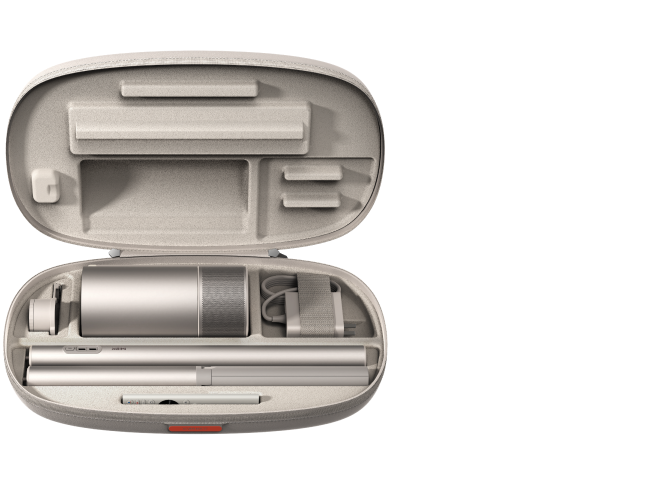
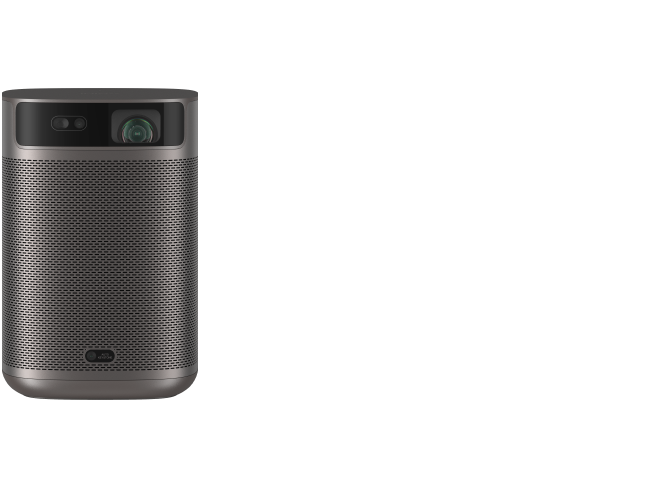
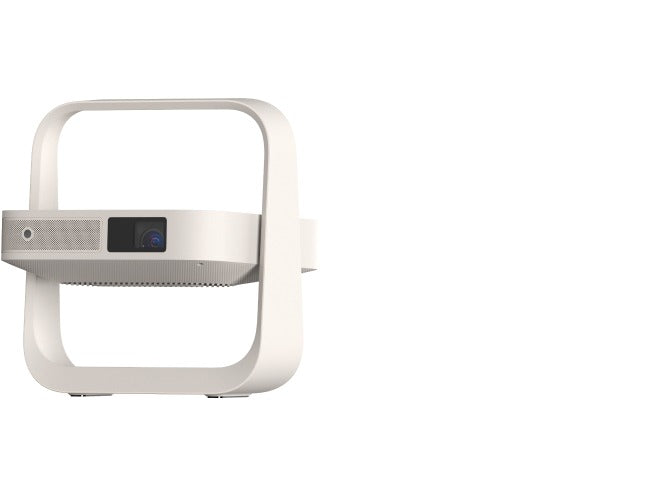
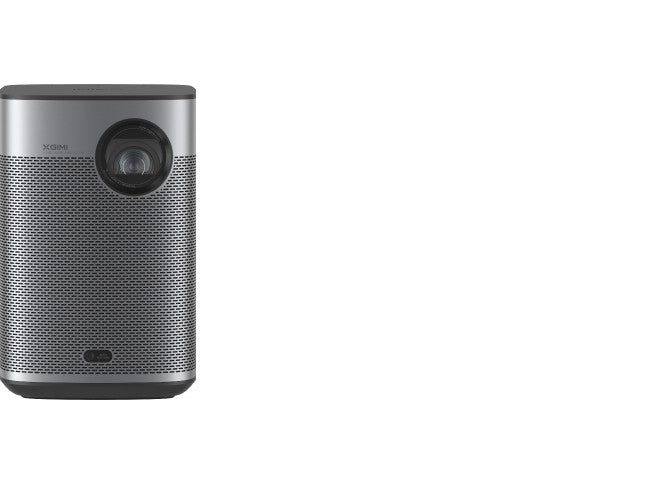




If you're gaming in a bedroom, dorm, or small apartment and want a massive screen without sacrificing floor space, a short-throw gaming projector can deliver that 100-120 inch immersive experience from just a few feet away. In 2026, the best options combine throw ratios between roughly 0.4 and 1.0, input lag under 30 ms in game mode, and enough brightness to handle typical ambient light without looking washed out. For more on this topic, see What Refresh Rate and Response Time Should You Look for in a Gaming....

Choosing the right model depends on your exact room layout, gaming style, and how much light control you have. Short-throw models help avoid the long-distance requirements of traditional projectors, while ultra-short-throw (UST) options sit almost against the wall like a TV. The key is matching the projector's specs to your space so you get responsive gameplay, sharp 4K detail, and minimal setup frustration.
What Makes a Projector Truly Short-Throw for Small-Room Gaming?
Short-throw projectors are defined by their throw ratio—the relationship between projection distance and screen width. For most gamers targeting 100-120 inch screens in tight spaces, a throw ratio of 0.4–1.0 qualifies as practical short-throw. Anything below about 0.4 is considered ultra-short-throw and typically places the projector just inches from the wall.
This geometry is critical in bedrooms and dorms where you might only have 4–7 feet of depth available. As the throw ratio guide explains, using the simple distance formula (screen width × throw ratio) lets you quickly calculate whether a model will fit your room before buying.
For gaming performance, input lag becomes equally important. Competitive players should target under 20 ms, while casual console or single-player gaming often feels fine between 20–40 ms. Brightness should ideally reach 2,000–3,000 ANSI lumens for small rooms with some ambient light; lower outputs work only in fully darkened setups.
Thresholds You Need to Meet for a Usable Gaming Setup
Before comparing specific models, apply these practical boundaries:
- Throw ratio: 0.4–1.0 for standard short-throw; under 0.4 for UST. These ranges typically allow 100–120 inch images from 4–8 feet.
- Input lag: Under 20 ms preferred for competitive FPS or rhythm games; 20–40 ms acceptable for most couch gaming.
- Brightness: 2,000+ ANSI lumens for rooms with windows or lamps; lower values require blackout curtains.
- Resolution and refresh: Native 4K with at least 60 Hz (120 Hz ideal for next-gen consoles).
These numbers come from common industry guidance and real-world small-room testing patterns. Exceeding the lag threshold often leads to regret in fast-paced titles, while insufficient brightness makes daytime or evening sessions disappointing.
Scenario Matrix: When to Choose UST vs Standard Short-Throw
The best choice flips based on your specific setup. Use this decision framework:
- Permanent shallow bedroom or living room: Ultra-short-throw wins because it sits inches from the wall, creating a TV-like experience with minimal intrusion.
- Flexible dorm or desk gaming: Standard short-throw is usually more practical. It tolerates repositioning better and avoids the precise height and alignment demands of UST models.
- Competitive gaming: Prioritize lowest lag over maximum screen size. Placement flexibility matters more than throw style.
- Brighter rooms with ambient light: Laser-powered short-throw or UST models with 3,000+ lumens perform better than basic LED options.
- Budget under $1,000: Standard short-throw LED models often deliver the best value if you can control room light.
The chart below summarizes these heuristic fit scores for common 2026 small-room gaming scenarios.
Heuristic Fit for Small-Room Gaming Projectors (2026)
Illustrative comparison only: relative fit scores derived from the provided thresholds and scenario guidance, not measured performance.
View chart data
| Category | UST | Standard Short-Throw | Laser Short-Throw |
|---|---|---|---|
| Competitive small room | 5.0 | 3.0 | 2.0 |
| Casual small room | 4.0 | 4.0 | 3.0 |
| Flexible dorm room | 5.0 | 2.0 | 2.0 |
| Permanent shallow setup | 5.0 | 2.0 | 2.0 |
| Brighter ambient room | 3.0 | 3.0 | 5.0 |
Heuristic 1-5 fit scores synthesized from the provided threshold table and scenario matrix for 2026 small-room gaming use. Threshold cues used: short-throw 0.4-1.0, UST <0.4; lag <20ms competitive, 20-40ms casual; 2000-3000 lumens for ambient use. Scores are relative guidance only, not real measurements.

Common Myths About Short-Throw Gaming Projectors
Many buyers assume any short-throw model automatically solves small-room problems. In reality, throw ratio alone does not guarantee smooth gameplay or bright images. Latency and brightness remain the primary determinants of whether a projector feels responsive and visible during actual gaming sessions.
Another frequent misconception is that any projector below 40 ms lag works for all titles. Competitive players often notice sluggishness above 20 ms, especially in shooters or fast action games. Similarly, marketing that emphasizes maximum screen size can distract from the fact that a 120-inch image in a bright room may look dull without sufficient lumens or a proper screen.
Finally, many assume UST is always superior in tight spaces. While excellent for fixed installations, UST models can be more sensitive to exact placement height and room geometry, making standard short-throw easier in dorms where you may rearrange furniture regularly.
How to Set Up a Short-Throw Gaming Projector in a Small Room
Successful installation starts with measuring your available depth. Calculate required distance using screen width multiplied by throw ratio. For a 120-inch (about 105-inch wide) image, a 0.6 throw ratio projector needs roughly 5.25 feet of distance.
Use features like keystone correction, autofocus, and screen fitting to handle off-center placement common in bedrooms. As described in the smart projector setup guide, modern models with ISA technology and obstacle avoidance make calibration much faster in awkward spaces.
Connect your console or PC using HDMI with low-latency game mode enabled. For best results, consider a light-colored wall or ALR screen to boost contrast. Keep cables tidy and ensure ventilation space—projectors can run warm during long sessions.
Recommended Short-Throw Gaming Projectors for Small Rooms in 2026
Look for models that hit the thresholds above while offering good color accuracy and smart features. Laser light sources generally provide better longevity and brightness consistency than traditional lamps.
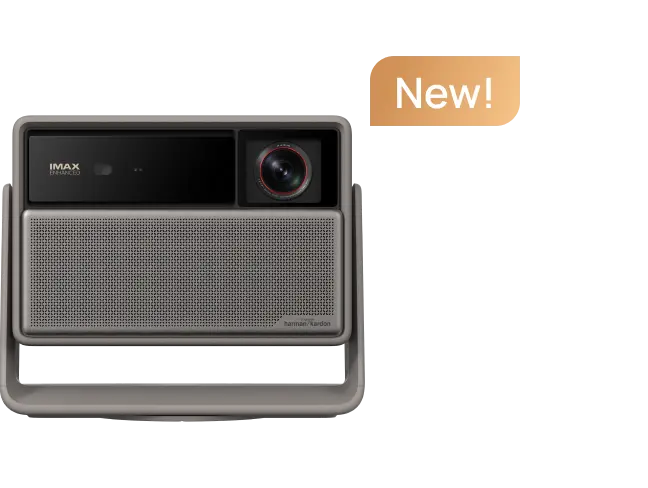
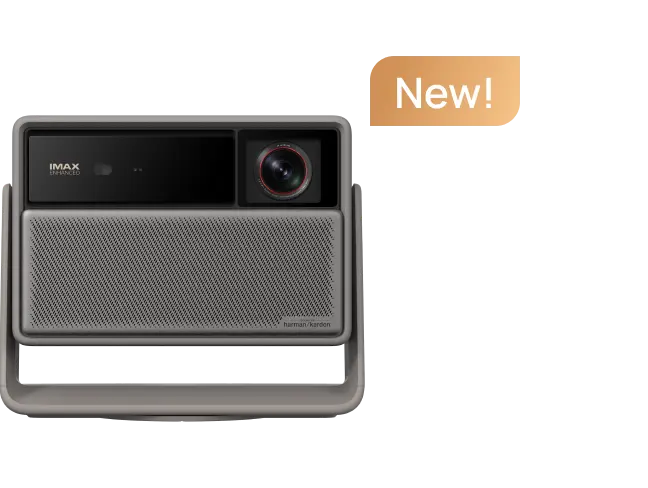
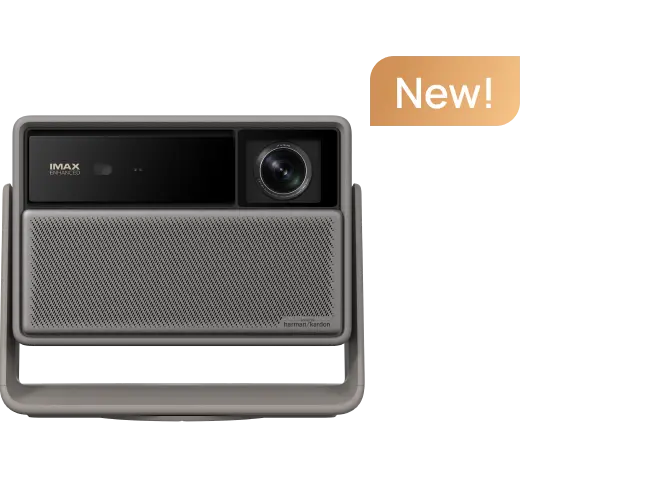
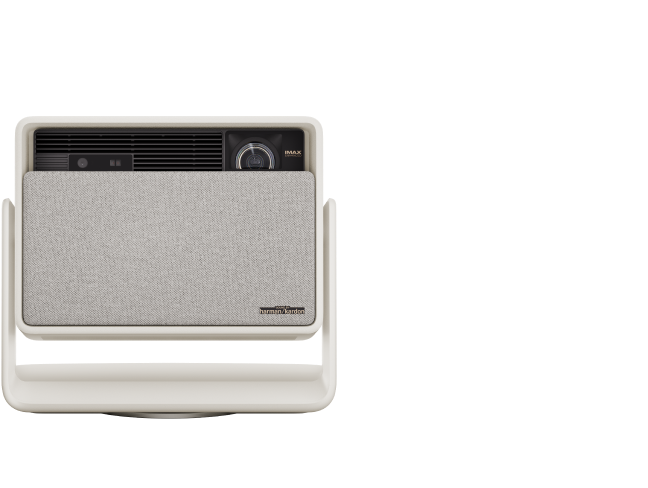
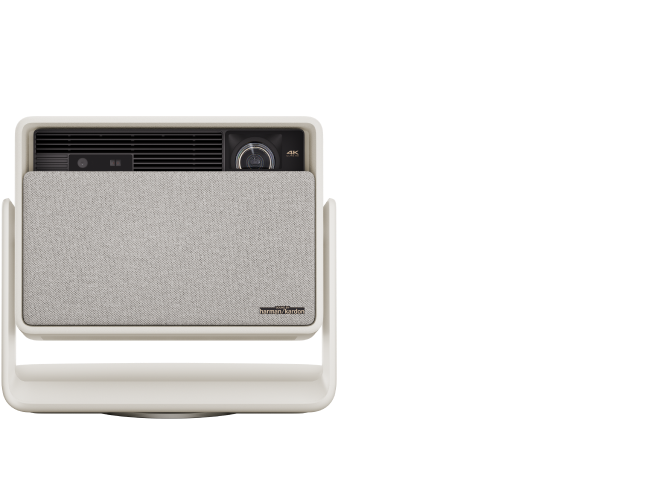
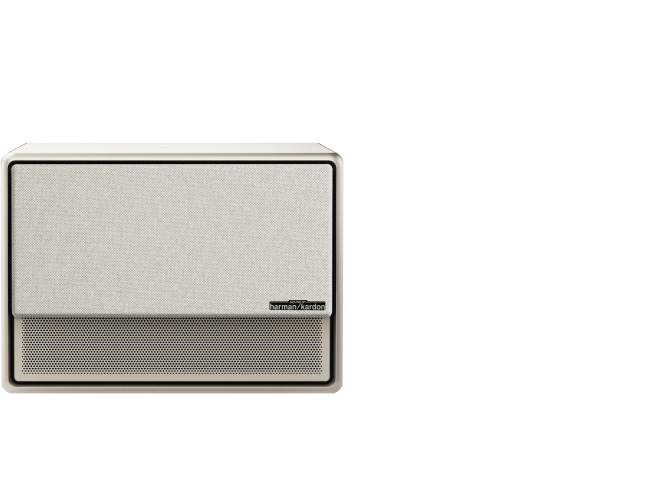
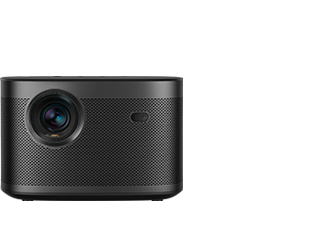
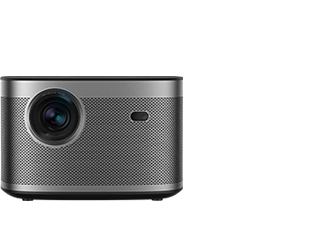
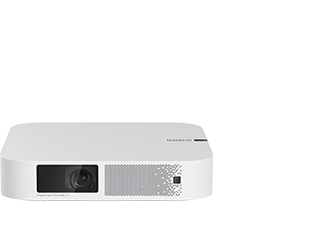
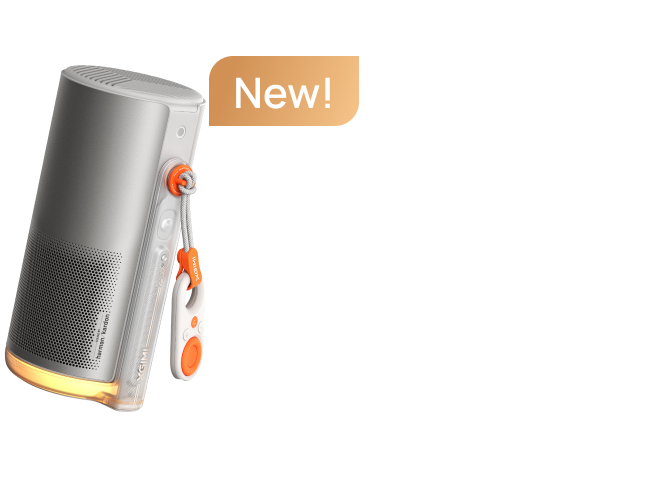
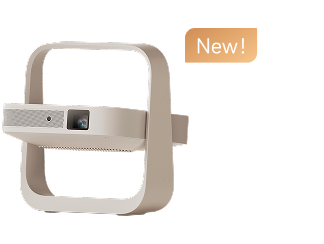
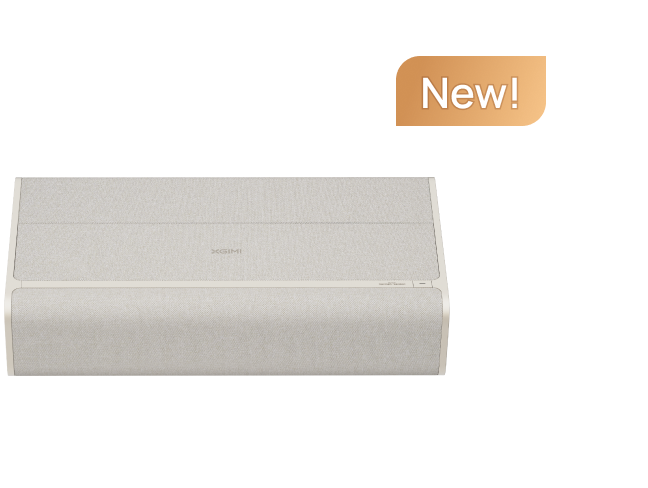
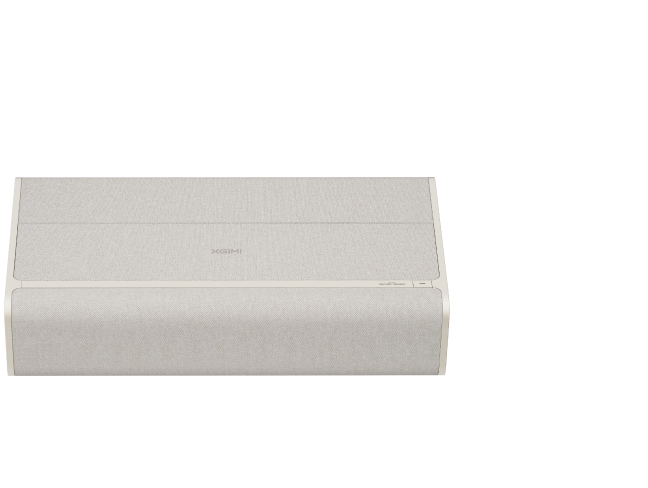
For ultra-short-throw setups, consider options like the AURA series that deliver large images from inches away with solid gaming lag around 20 ms. Standard short-throw 4K models in the HORIZON lineup often balance flexibility, brightness, and low latency for more movable dorm or desk configurations.
Check current specs for exact lag in game mode and real-world brightness claims, as marketing numbers sometimes use different measurement standards. The brightness standards reference helps decode LED versus ANSI lumens so you avoid underpowered units.
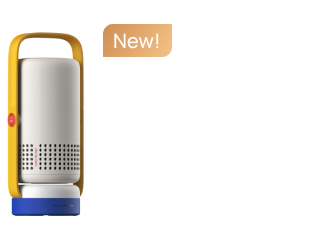
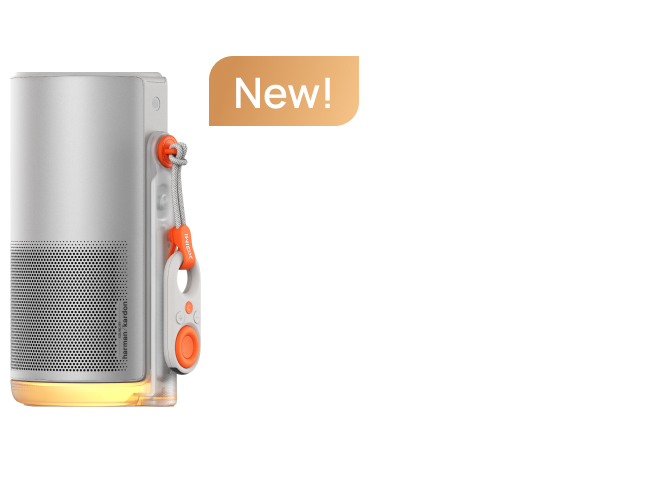
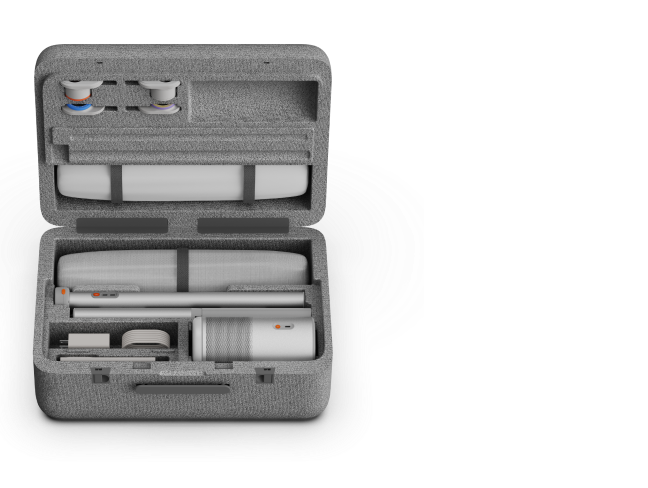
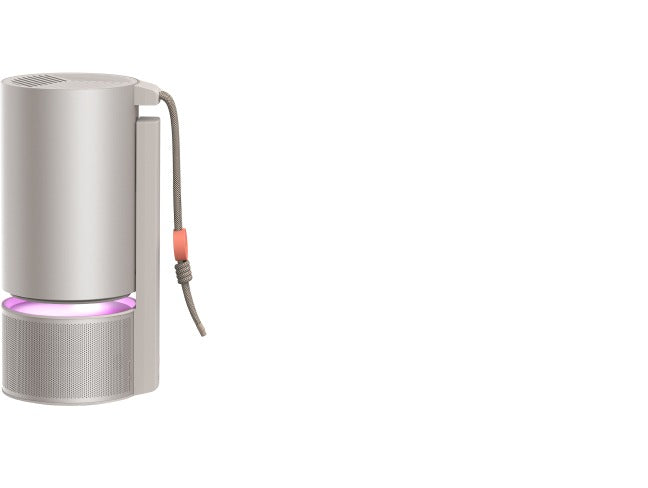
Portable short-throw options like the MoGo series can work for occasional gaming but usually compromise on maximum brightness and screen size compared to dedicated home models.
Checklist: What to Verify Before Buying
Use this quick audit before purchase:
- Measure your exact projector-to-wall distance and calculate if the throw ratio supports your desired screen size.
- Confirm the manufacturer's published input lag in game mode (not just marketing claims).
- Evaluate room lighting—will you need 2,500+ lumens or can you fully darken the space?
- Check console or PC compatibility, including HDMI 2.1 support for 4K/120 Hz where available.
- Test setup features in reviews: how easy is alignment and keystone in real rooms?
- Consider long-term costs: laser models typically last longer with consistent performance.
If your room has unusual constraints or you experience persistent eye strain during extended play, consult setup guides or a professional for personalized advice. This article discusses comfort and setup considerations only and is not medical advice.
Short-throw gaming projectors have matured significantly for small spaces. By focusing on the right throw ratio, low enough lag, and sufficient brightness for your environment, you can enjoy massive, responsive gaming without needing a dedicated theater room. Match the model to your specific scenario, and the result is often more immersive and space-efficient than a traditional TV.


