
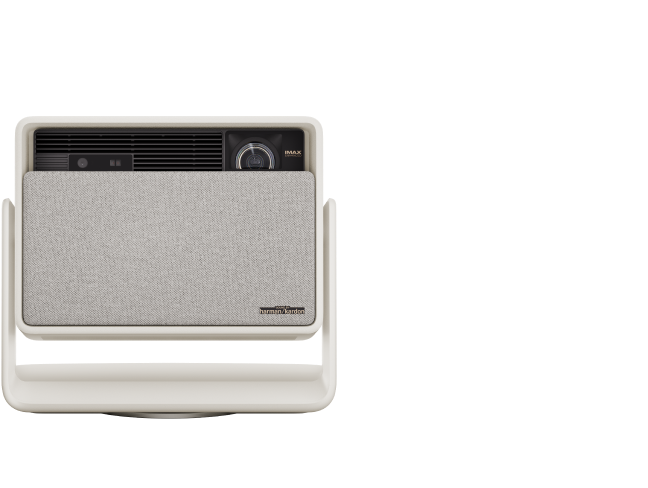
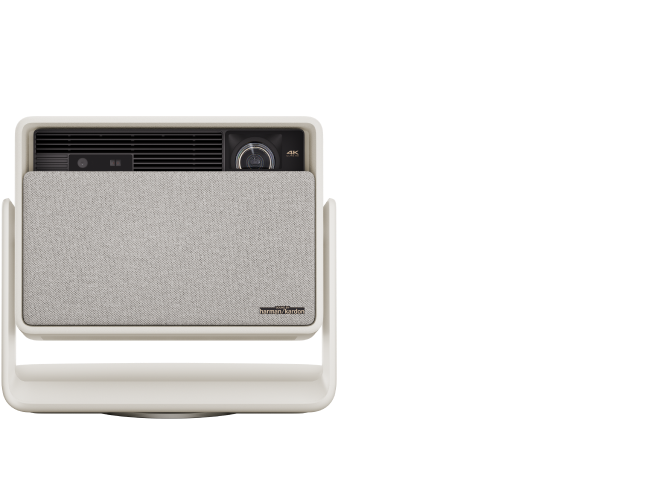
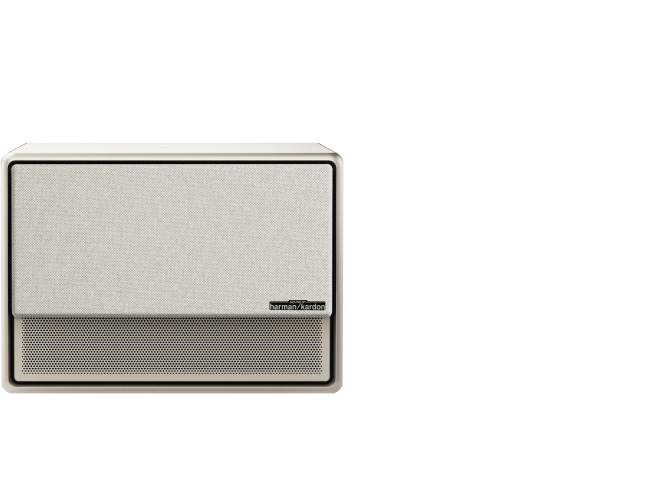
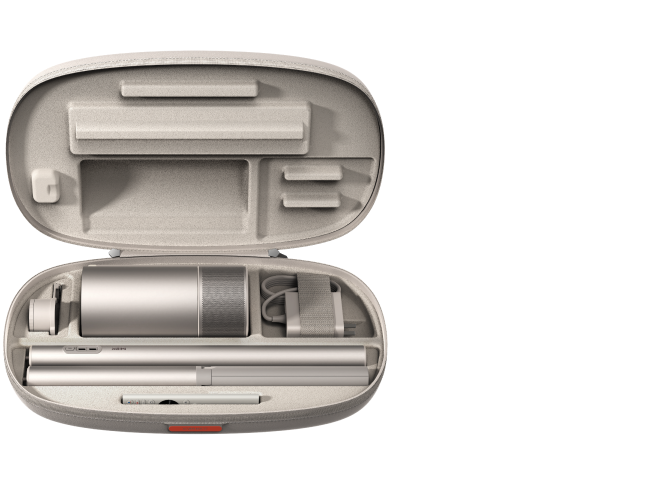
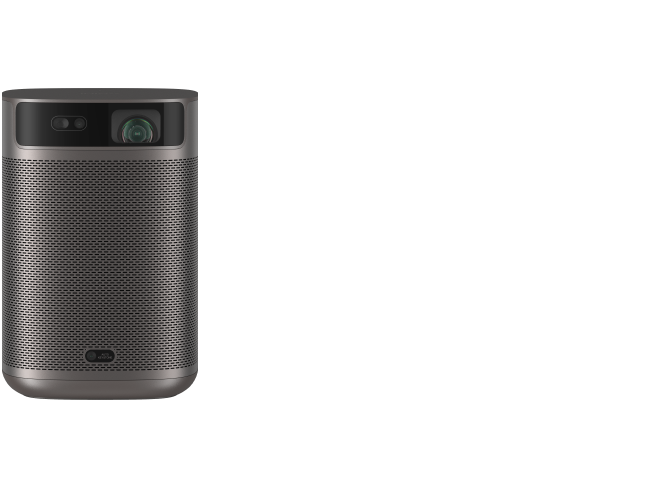
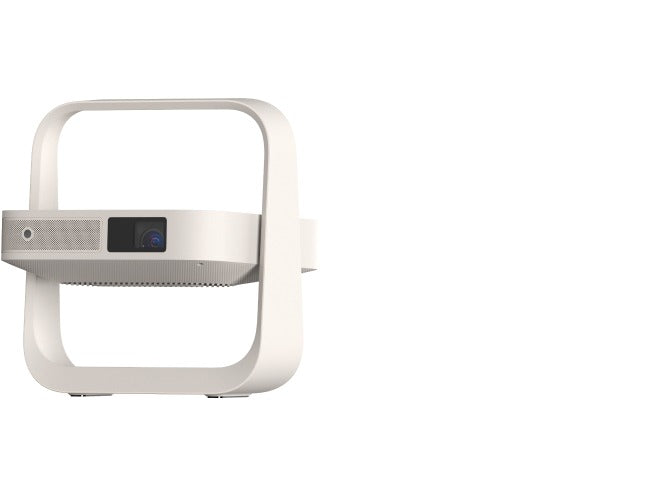
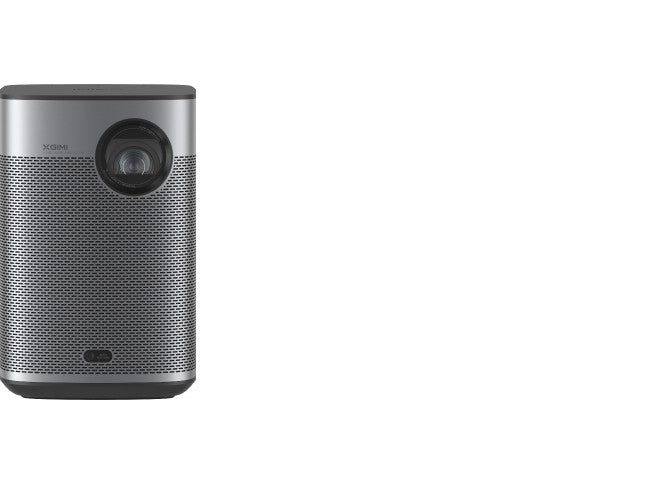
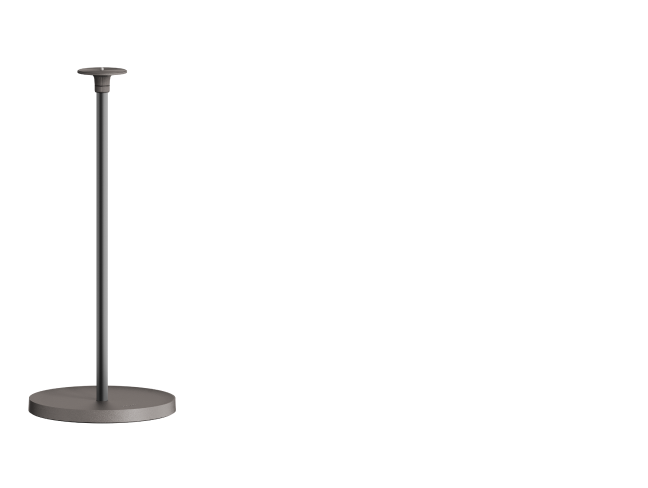
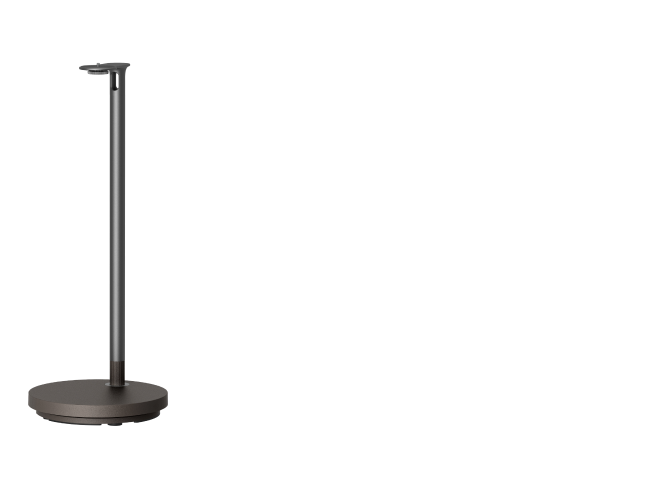
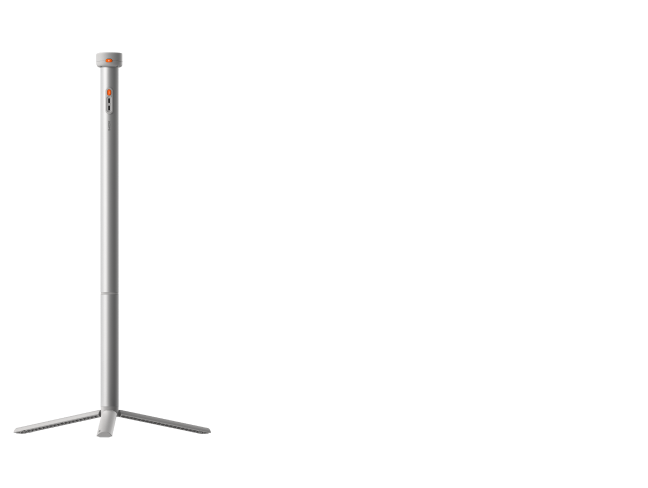
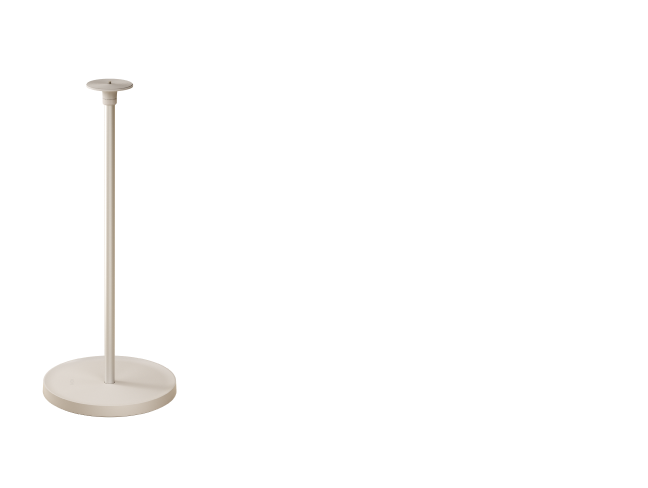
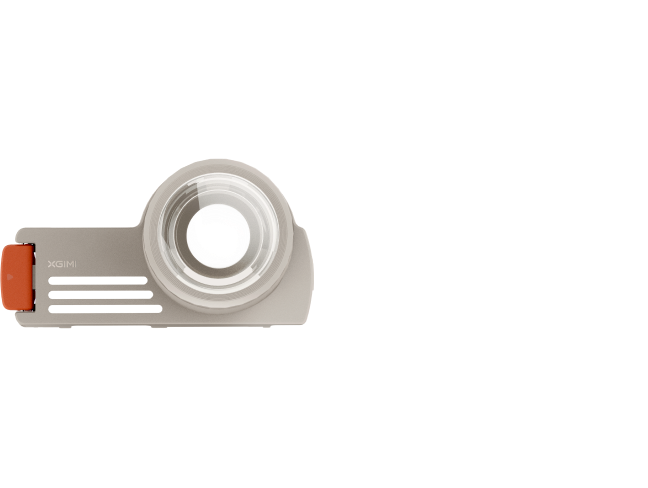



Learning about a home projector setup is crucial if you want to create a high-quality home entertainment experience. A well-set-up projector system can provide superior image and sound quality compared to a standard TV, resulting in a more immersive viewing experience. However, setting up a home projector system can be complex and requires a basic understanding of the equipment involved, such as projectors, screens, and sound systems.
By mastering your home projector setup, you can ensure that you use the equipment correctly, optimize image quality and sound, and avoid making costly mistakes. This knowledge also provides greater flexibility, allowing you to project images onto walls or different-sized screens for a highly versatile home entertainment system.
We hope this blog post enhances your home entertainment experience and provides cost savings in the long run.

Part 1. Ten Tips for a Home Projector Setup
Let's explore practical tips for achieving the best home theater projector setup.
1. Find the Right Location
Distance from the screen: The projector should be placed at a distance that allows the image to be properly focused and sized to fit the screen.
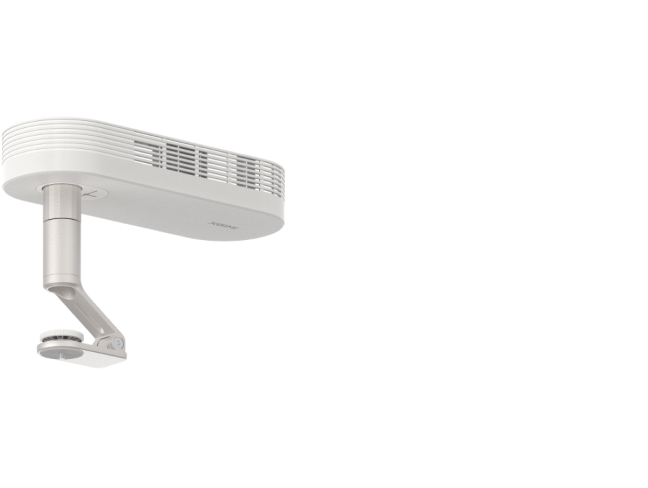
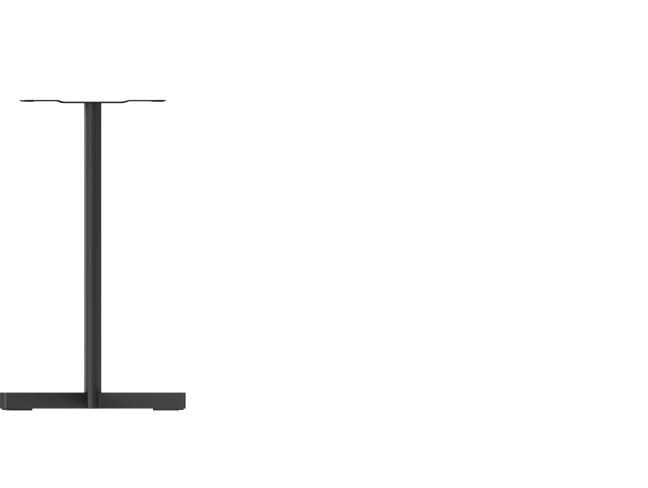
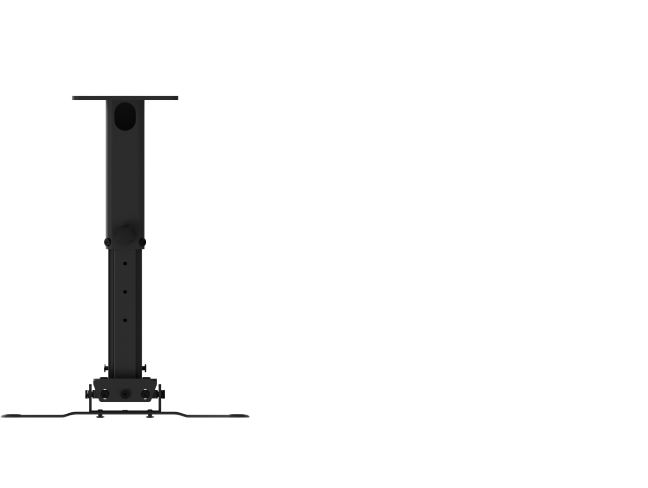
Ceiling or table mount: Projectors can be mounted on the ceiling or placed on a table. Ceiling mounts can save space and provide a more permanent setup, but table mounts offer greater flexibility and can be easily moved.
Controlled lighting: Ideally, the best location for an XGIMI home projector is a dedicated room with controlled lighting and a white or light-colored wall or screen. If this is not possible, choose the darkest available space that provides enough room to properly position the projector.
2. Set Up the Screen
Determine the projector's optimal placement: Before setting up the screen, determine the optimal placement for your projector. It should be placed in an easily accessible location where it can project onto the screen without obstruction.
Choose a screen: There are many different types of projector screens available, including fixed-frame, pull-down, and motorized screens. Choose a screen that fits your budget and room dimensions. XGIMI projectors can also project clear, high-definition images directly onto walls.
Mount the screen: If you use a fixed-frame or motorized screen, you must mount it securely to the wall or ceiling.
3. Get the Right Height
Adjust the screen's height: The bottom of the screen should be at eye level when you are seated. Adjust the screen's height if necessary to ensure everyone in the room has a clear view of the entire image.
4. Plug Everything In and Turn It On
Connect the projector: Once the screen is in place, connect the projector using the appropriate cables. XGIMI projectors offer a range of connectivity options, including HDMI, USB, and Bluetooth, making it easy to connect to devices like laptops, gaming consoles, and smartphones.
5. Project an Aligned Image
Adjust the projector to ensure the image is clear and square. XGIMI projectors feature automatic keystone correction, which adjusts the image to compensate for the projector not being perpendicular to the screen.
6. Prepare for Troubleshooting
Keep the user manual handy to help solve any potential setup issues or troubleshooting needs.
7. Select the Right Picture Mode
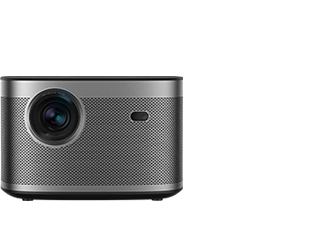
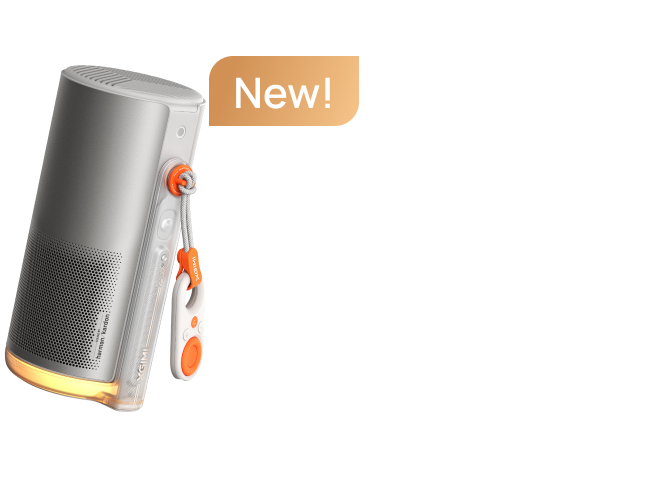
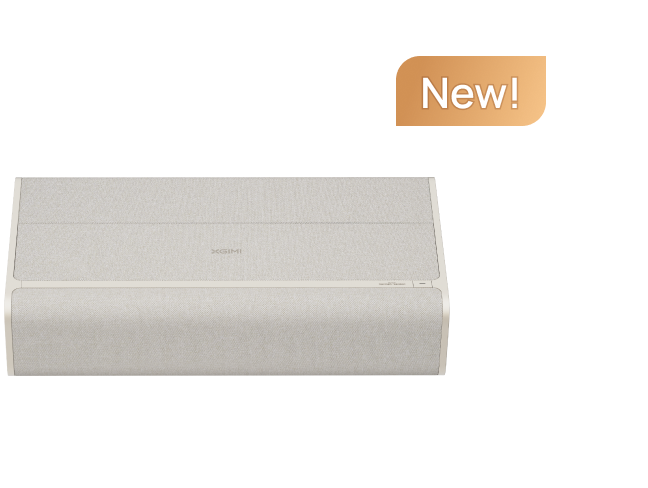
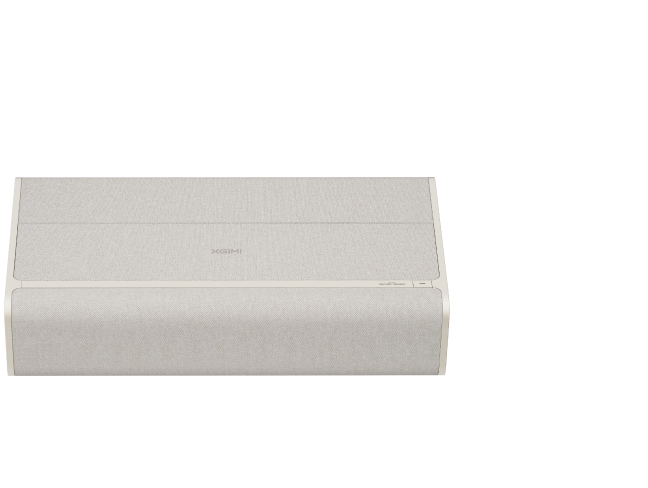
XGIMI projectors support various resolutions, including 720p, 1080p, and 4K UHD, depending on the model. The impressive 200-inch projection capability of the XGIMI HORIZON Pro satisfies a wide variety of viewing needs.
8. Optimize Your Audio
Choose different sound profiles based on your scenario—such as movies, music, or sports—to enjoy an optimal audio experience.
9. Turn Off the Lights and Enjoy
One of the standout features of XGIMI projectors is their impressive brightness, which ranges from 600 to 1500 ISO Lumens. This high brightness allows for clear, vivid images even in moderately lit rooms or outdoor settings.
10. Project Directly Onto a Wall
If you want to project videos or images clearly and vividly onto a wall, the most effective method is to use a high-quality smart projector. For example, the XGIMI HORIZON Pro includes auto keystone correction, auto-focus, and intelligent obstacle avoidance to free you from a complex setup and ensure a more immersive viewing experience.

Part 2. Pros and Cons of a Home Projector
We will explore the pros and cons of home projectors to help you determine if a home projector is the right choice for your entertainment needs.
Pros of a Home Projector:
Large screen size: One of the biggest benefits of a home projector is the ability to display a significantly larger image than traditional TVs. You can create an immersive viewing experience with screen sizes ranging from 50 inches to over 100 inches.
Flexible placement: Home projectors offer flexible placement options. They can be placed on a table or mounted on the ceiling, allowing you to adjust the projection distance to achieve your desired image size.
Better value for money: Compared to large-screen TVs, home projectors offer better overall value, delivering massive screen sizes at a lower cost.
Portability: Many home projectors are portable and easy to move from room to room—or even to a friend's house. You can enjoy the big-screen experience anywhere.
Movie theater experience: With a home projector, you can enjoy a true cinematic experience in the comfort of your home, which is perfect for family movie nights.
Gaming: Home projectors are excellent for gaming, providing a massive, immersive display that elevates the gameplay experience.
Space-saving: A projector takes up minimal space and can easily be stored away when not in use, making it ideal for smaller apartments or rooms.
Cons of a Home Projector:
Limited brightness in daylight: Traditional home projectors are sometimes less bright than commercial models, which can limit performance in well-lit environments. However, modern smart projectors have significantly improved this.
Ambient light interference: Because projectors rely on projecting light onto a surface, ambient light can affect image contrast. They are best utilized in dimly lit rooms.
Setup challenges: Traditional projectors require careful mounting, focus adjustments, and screen alignment. Fortunately, advanced models now feature automated setup technologies.
Fan noise: Some projectors generate fan noise to cool the system, which can occasionally be distracting during quiet movie scenes.
Lamp lifespan: Traditional projector lamps eventually need replacement. However, many modern projectors use LED or laser light sources that last for tens of thousands of hours.
Part 3. Try XGIMI Home Projectors for Easy Operation
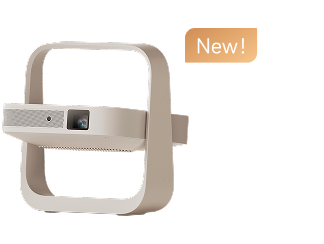
XGIMI projectors offer a big-screen cinematic experience at home. Many models feature built-in Android TV or Google TV, allowing easy access to popular streaming services. They also include premium built-in speakers and can connect to external audio systems for an immersive soundscape.
With their high-quality image and sound, an XGIMI projector is a fantastic option for anyone looking to build a home theater.
XGIMI home projectors employ smart technology to adapt to different home scenarios, ensuring a flexible, large-screen display and a straightforward setup process.
1. Ambient Light Adaptability
While projectors perform best in dark rooms, XGIMI projectors feature high lumen outputs to compensate for ambient light, ensuring clear visibility.
2. Intelligent Keystone Correction
They offer an automatic keystone correction feature. This digitally modifies the image to counteract trapezoidal distortion, ensuring the projection is perfectly rectangular even if the projector is placed at an angle.
3. Intelligent Eye Protection
If someone unintentionally steps in front of the projector's light source, the device detects their presence and promptly dims the brightness to safeguard their eyes.
4. Google Assistant Integration
XGIMI projectors are equipped with Google Assistant technology, enabling users to control the device via voice commands and cast desired content effortlessly.
Part 4. FAQs About Home Theater Projector Setup
Q1. What do I need for a home projector setup?
For a basic setup, you need a projector, a flat projection surface, a power source, and a video source like a streaming stick or gaming console. A projector screen is ideal, but a smooth white wall works for casual viewing. For audio, you can use the built-in speakers or connect an external soundbar via HDMI ARC, Bluetooth, or an audio output.
Q2. How far should a projector be from the screen?
The ideal distance depends on the projector’s throw ratio and your desired screen size. A standard long-throw projector needs more space, while a short-throw or ultra-short-throw projector can create a massive image from just inches away. Always check a projection distance calculator to estimate the best placement.
Q3. What is the best screen size for a home projector?
For most living rooms, 80 to 120 inches is the practical range. A 100-inch screen offers a great balance of immersion and comfort when sitting 8 to 12 feet away.
Q4. Can I use a projector on a wall instead of a screen?
Yes, you can project onto a wall if it is smooth, flat, and light-colored. However, a dedicated screen provides better brightness, contrast, and color accuracy.
Q5. Where should I place a projector in a living room?
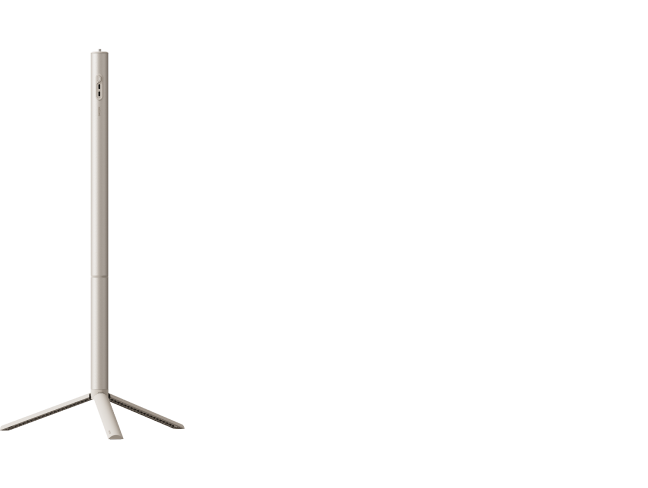
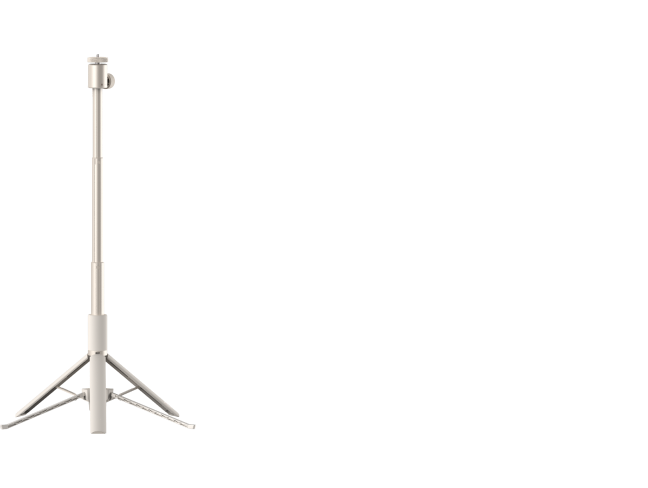
Place the projector as centered on the screen as possible. Heavy keystone correction can slightly reduce image sharpness, so central placement on a table, ceiling mount, or floor stand is ideal.
Q6. Is ceiling mounting better than placing a projector on a table?
Ceiling mounting is best for permanent home theaters because it keeps the projector secure and saves space. A table setup is better if you prefer flexibility or need to move the projector between rooms.
Q7. How do I make a projector look good in a bright room?
To improve visibility, reduce direct sunlight using curtains, select a high-brightness projector, and consider an ambient light rejecting (ALR) screen.
Q8. Do I need external speakers for a home projector?
Not always. Smart projectors like XGIMI have excellent built-in speakers. However, for a true theater experience, you can add a surround sound system using HDMI ARC or an optical audio cable.
Q9. How do I connect a projector to streaming devices, laptops, or game consoles?
Most projectors use HDMI for a reliable connection. For gaming, check the projector's input lag and enable Game Mode for the smoothest performance.
Q10. How do I align and focus a projector image?
Start by physically placing the projector at the correct distance. If your projector features auto-focus and auto-keystone correction, let the smart features align the screen automatically.
Part 5. Conclusion
Mastering your home projector setup enhances your entertainment experience, saves money over time, and provides a customizable viewing solution for movies, sports, and gaming.


