


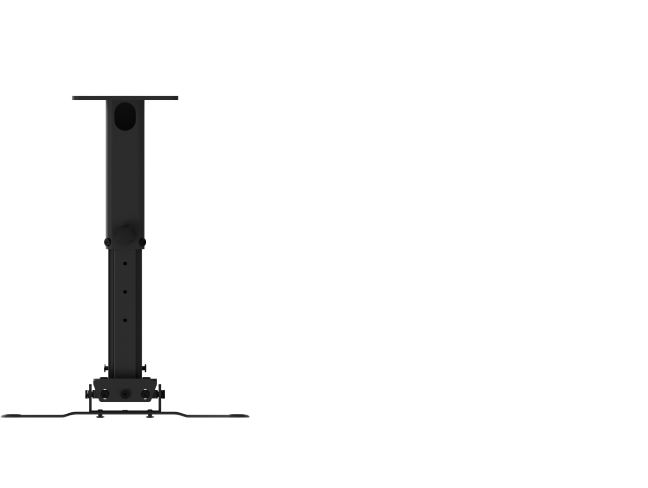



Choosing the right projector mount can make or break your home theater experience. While universal mounts from online marketplaces often seem like a budget-friendly shortcut, proprietary mounts designed specifically for your projector model frequently deliver better long-term stability, cleaner aesthetics, and fewer installation headaches in permanent ceiling setups. For more on this topic, see Projector vs TV: An Honest Comparison for Your Home.

This is especially true for design-conscious users or those mounting heavier projectors in living rooms or dedicated theaters. The extra upfront cost of an official mount can translate into easier alignment, reduced risk of wobble over time, and a more integrated look that hides cables effectively. However, the best choice depends heavily on your specific projector, room conditions, and how often you plan to upgrade or reposition the unit.
Understanding Proprietary and Universal Projector Mounts
Proprietary mounts, also called official or brand-specific brackets, are engineered to match a particular projector’s mounting hole pattern, weight distribution, and chassis shape. They typically include precise alignment features and built-in cable routing channels tailored to the device. Universal mounts, by contrast, rely on adjustable arms, plates, and adapters to accommodate a wide range of projectors from different brands.
As official mounting safety guidance explains, the mount and ceiling anchors must be rated for the projector’s weight plus any additional strain from cables or movement. Universal solutions use adjustable hardware to fit many projector models, but fit still depends on hole pattern and chassis shape.
Safety and Stability: Load Ratings Matter Most
Safety remains the top priority when mounting a projector above seating areas. A poor choice can lead to wobble, gradual sagging, or—in rare cases—a falling unit. Mounts should be rated not just for the projector’s weight but also for the ceiling material and installation method.
Proprietary mounts often provide better load distribution because they are designed around the projector’s exact center of gravity. This reduces stress on individual screws and minimizes vibration transfer from the room. Universal mounts can perform well when properly rated, but they sometimes require adapters or extended arms that introduce flex or uneven loading.
Choose a mount and anchor system rated for the projector’s weight and the mounting surface. Always verify that the selected hardware exceeds the projector’s listed weight by a comfortable margin to account for long-term use.
Fit, Compatibility, and Ventilation Considerations
One of the biggest advantages of proprietary mounts is their custom fit. They align perfectly with the projector’s threaded holes without forcing adapters, preserving proper ventilation and access to ports. This exact match helps maintain the manufacturer’s intended airflow and prevents the unit from sitting at awkward angles.
Universal mounts offer broader compatibility but often demand more careful measurement. You must confirm that the adjustable arms or plate reach the projector’s mounting points without overextension, which can create instability. Nonstandard hole patterns or unique chassis designs make universal options riskier, as stretching the hardware can lead to wobble or blocked vents. For more on this topic, see Projector Brightness Standards and Measurement: A Comprehensive Ref....
Built-in cable management can help a mounted projector look cleaner and more integrated with the room. Proprietary designs frequently include dedicated channels that route power and HDMI cables out of sight, while many universal brackets leave wires more exposed.
Installation Difficulty and Post-Setup Adjustments
Installation difficulty varies significantly between the two types. Proprietary mounts generally require fewer assembly steps because the hardware is pre-configured for the model. Many include fine adjustment mechanisms that let you tweak tilt, swivel, and height after mounting without removing the projector.
A mount with fine adjustment can make post-install alignment faster and less frustrating. Universal solutions, while versatile, often involve more compatibility checks, additional assembly, and trial-and-error positioning. This extra effort can become frustrating in hard-to-reach ceiling installations.
More universal mounting solutions usually require more compatibility checks and assembly steps than purpose-built hardware. For renters or those in temporary setups, this flexibility can be an advantage, but for permanent home theaters, the streamlined process of a proprietary mount often saves time overall.
Aesthetic Integration and Long-Term Reliability
A clean ceiling-mounted projector setup enhances the room’s design rather than distracting from it. Proprietary mounts typically deliver a more polished appearance with minimal visible hardware and integrated cable concealment. This creates a seamless look that complements modern interiors.
Universal mounts can achieve good results but frequently show more brackets, screws, or protruding arms. Over time, users report occasional loosening or the need for periodic retightening with adjustable universal designs, especially in rooms with temperature fluctuations or minor vibrations.
Proprietary vs Universal Mounts: Heuristic Tradeoff Comparison
To help visualize the relative strengths of each option, consider this heuristic comparison across key decision factors. These ratings are illustrative and based on typical real-world performance patterns rather than lab measurements.
Heuristic Tradeoff Comparison: Proprietary vs Universal Projector Mounts
Relative heuristic comparison only; higher score means better performance on that factor.
View chart data
| Series | Safety & Stability | Fit & Compatibility | Ease of Installation | Aesthetics & Cable Management | Cost Efficiency |
|---|---|---|---|---|---|
| Proprietary / Official Mount | 5.0 | 5.0 | 4.0 | 5.0 | 2.0 |
| Universal Mount | 4.0 | 4.0 | 3.0 | 3.0 | 5.0 |
Heuristic/illustrative comparison based on the brief, prior threshold_table and scenario_matrix, and bounded modeling of mount tradeoffs. Scores are relative ratings, not measured data or official rankings.
When to Choose Each Mount Type
The best mount depends on your specific scenario. Proprietary mounts shine in fixed home theater installations where the projector will remain in one position for years. They reduce guesswork, provide superior alignment precision, and deliver a premium integrated appearance that justifies the higher cost for many users.
Universal mounts make more sense for temporary setups, renters who may move the projector between rooms, or those using multiple devices. They offer flexibility and lower cost, provided you carefully verify weight ratings, hole pattern compatibility, and adjustment range.
Common myths include the idea that all universal mounts are equally easy or that proprietary options only create unnecessary lock-in. In reality, universal mounts often require more post-install tweaking, while proprietary designs minimize long-term maintenance.
Don’t buy a universal mount if your projector is heavy, has an unusual mounting pattern, or will be installed in a high-visibility permanent location where wobble or visible cables would be noticeable. Conversely, skip proprietary mounts if you frequently swap projectors or prioritize maximum budget flexibility.
Practical Checklist for Choosing and Installing Your Mount
Before purchasing, run through this decision framework:
- Confirm your projector’s exact weight and mounting hole pattern from the user manual.
- Measure ceiling height and desired projection distance to ensure the mount’s drop length or extension works without awkward positioning.
- Evaluate cable routing needs—will the mount allow clean concealment of power and signal cables?
- Check for fine adjustment features that let you perfect image alignment after mounting.
- Verify that the chosen mount’s load rating provides headroom beyond your projector’s weight.
- Consider future plans: permanent install favors proprietary; frequent changes favor universal.
For ceiling installations, always use appropriate anchors rated for the surface (drywall, joist, concrete). If unsure about structural safety, consult a professional installer.

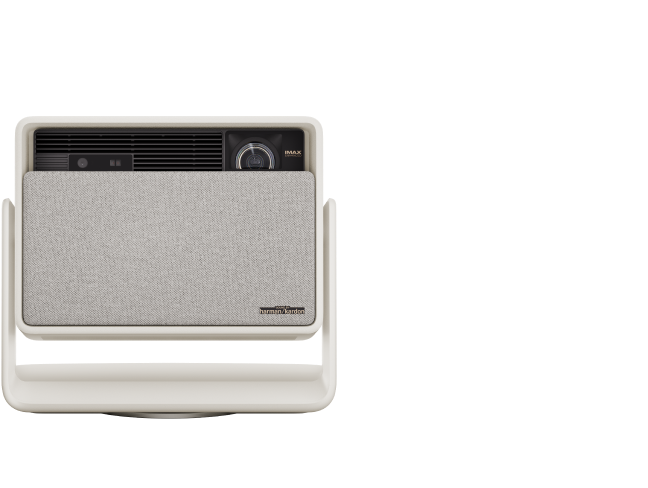
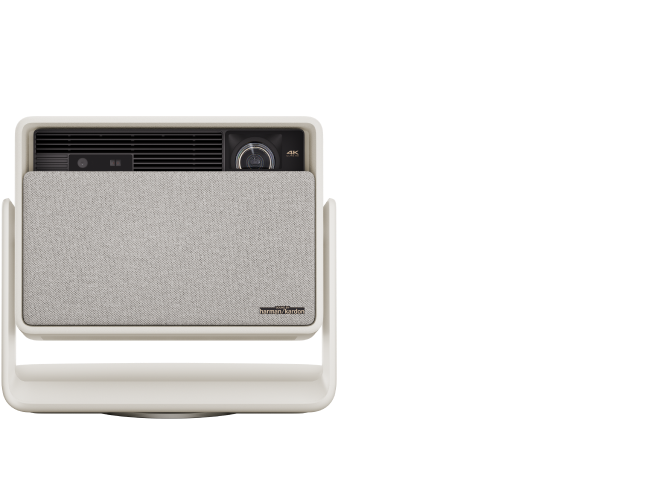
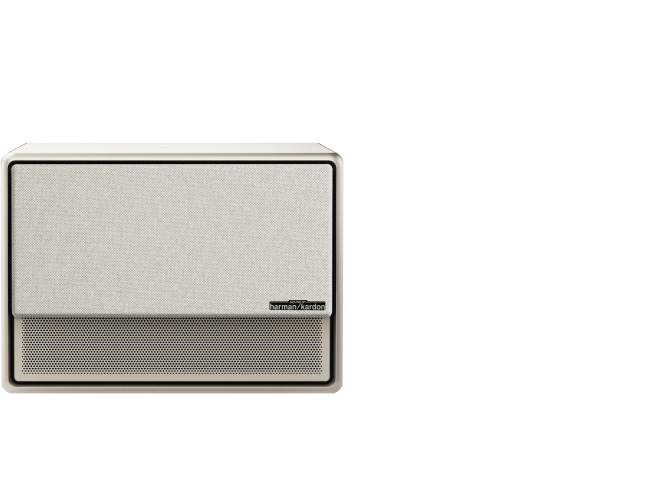
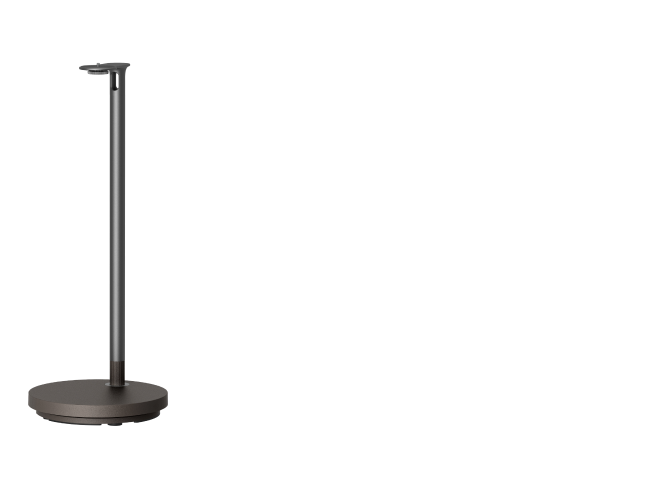
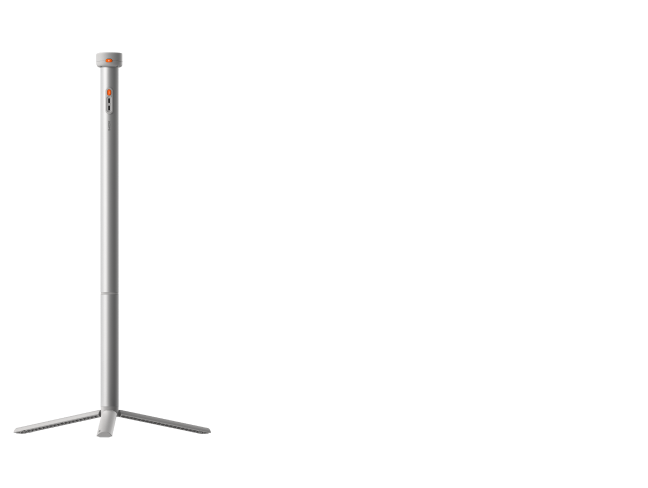
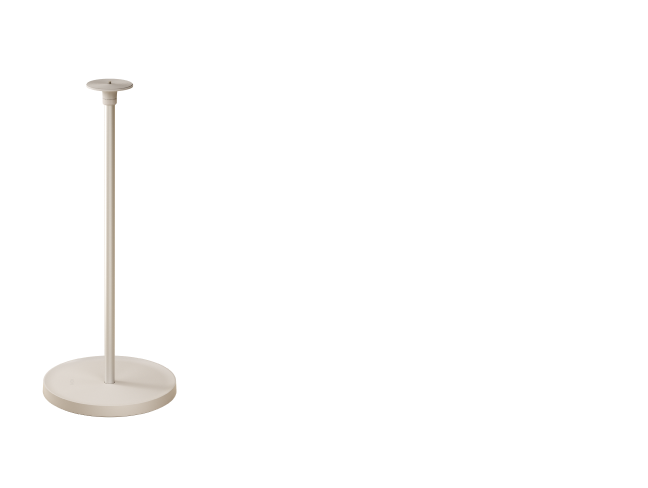
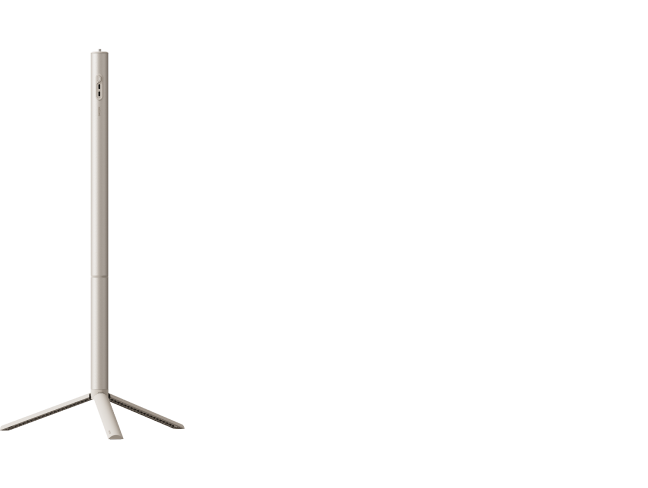
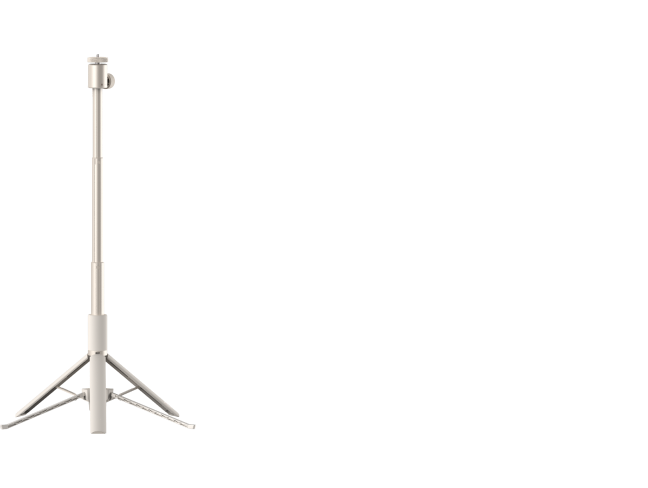
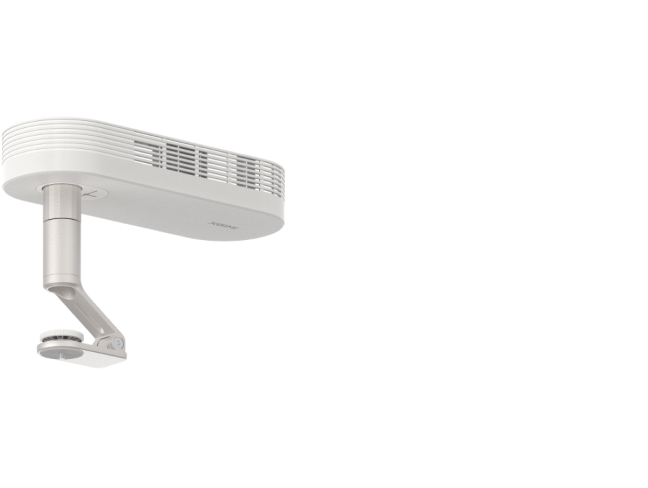
This comparison highlights the visual and functional differences that affect both installation and final appearance.
Conclusion: Prioritizing Long-Term Satisfaction
Proprietary mounts generally offer superior fit, stability, and aesthetics for most dedicated projector setups, making the additional investment worthwhile when reliability and clean integration matter. Universal mounts remain a practical choice for flexible or budget-oriented installations, as long as compatibility and load ratings are thoroughly verified.
Ultimately, the decision hinges on your room layout, projector model, and how permanent the installation will be. By focusing on safety ratings, precise fit, and real-world usability rather than price alone, you can avoid common regrets like misalignment, visible clutter, or the need for reinstallation.
This article discusses comfort and setup advice for projector installations. It does not constitute professional installation services or structural engineering guidance. If you have concerns about ceiling integrity, heavy loads, or persistent issues after setup, consult qualified professionals for your specific environment.
For more on choosing the right mounting approach, explore our guide to Ceiling Mount vs Floor Stand: Best Projector Setup. If you already own an XGIMI projector, consider the XGIMI Ceiling Mount designed for seamless compatibility with popular models like the HORIZON, Halo, and MoGo series.
Additional helpful resources include tips for How to Choose and Set Up a Projector for Living Room and our full collection of Stands and Mounting Accessories.


