





Competitive gamers in 2026 can enjoy large-screen console and PC gaming with projectors that deliver input lag under 20ms in the right gaming mode, provided the full signal chain stays simple and the model is used within its tested resolution and refresh rate. The key is understanding that published low-latency numbers are almost always mode-specific, so verifying real-world performance in your setup matters more than headline specs alone.

Input lag measures the time between pressing a button or moving a mouse and seeing the corresponding action on screen. For responsive gameplay, especially in fast-paced titles like first-person shooters, racing games, or fighting games, lower input lag directly improves the feeling of control. Many competitive players target under 20ms as the sweet spot where the projector feels nearly as responsive as a high-end gaming monitor or TV.
What Input Lag Really Means for Gaming Projectors
Input lag is distinct from refresh rate and pixel response time. Refresh rate describes how many times per second the image updates, typically 60Hz, 120Hz, or 240Hz on modern projectors. Pixel response time refers to how quickly individual pixels change color. Input lag, by contrast, captures the entire processing delay from signal input to visible output. A projector can have a high refresh rate yet still feel sluggish if its input lag is high.
As a practical rule, this official throw ratio and performance reference explains how refresh rate contributes to smoothness, but low input lag remains the dominant factor for competitive timing. Most reviewers test input lag using specialized hardware at specific resolutions (such as 1080p 120Hz or 4K 60Hz) and in a dedicated game mode that disables heavy image processing.
Input Lag Thresholds and When They Matter
Not every game or player needs the absolute lowest lag. Story-driven single-player titles or turn-based strategy games tolerate higher latency without ruining the experience. Competitive multiplayer or rhythm-based games, however, become noticeably harder when lag exceeds comfortable thresholds.
Here is an illustrative overview of how input lag bands map to different gaming scenarios:
Input Lag Thresholds and Gaming Suitability
Illustrative suitability bands for common gaming scenarios based on input-lag thresholds.
View chart data
| Category | Ideal Threshold | Acceptable Threshold | Noticeable Threshold |
|---|---|---|---|
| Competitive FPS | 20.0 | 40.0 | 50.0 |
| Racing | 20.0 | 40.0 | 50.0 |
| Casual Console | 20.0 | 40.0 | 50.0 |
| Movie | 20.0 | 40.0 | 50.0 |
Heuristic/illustrative chart built from article thresholds: under 20ms = ideal for competitive play, 20-40ms = acceptable for casual gaming, above 50ms = noticeable latency. Scenario labels are illustrative and do not represent measured device performance.
These thresholds are heuristic guides rather than universal lab measurements. Competitive FPS or fighting games benefit most from staying under 20ms, while casual console play often feels fine up to around 40ms. For mixed movie and gaming use, latency becomes less critical than brightness, contrast, and color accuracy.

How to Reduce Input Lag on Your Projector
Activating a projector’s dedicated game mode is the single most effective way to lower input lag. This mode typically bypasses motion smoothing, noise reduction, and other image-enhancement features that add processing time. The exact improvement varies by model, input type (HDMI 2.0 versus 2.1), resolution, and refresh rate.
Keep the signal path as direct as possible. Connecting a console or PC straight to the projector via a high-quality HDMI cable avoids the extra delay introduced by AV receivers, wireless transmitters, or HDMI splitters. Disable any unnecessary picture presets, and ensure your console or graphics card is set to its lowest-latency output mode.
Common mistakes that quietly increase lag include leaving dynamic contrast or frame interpolation enabled, using a wireless HDMI adapter for convenience, or running the projector through a soundbar or receiver that adds its own processing delay. A quick self-check before each session—game mode on, minimal processing, direct connection—helps maintain the lowest practical latency.
Balancing Low Latency with Image Quality and Other Features
Low input lag often comes with trade-offs. Many projectors achieve their best latency figures only after disabling features that improve perceived brightness, contrast, or color depth. For living-room setups with ambient light, you may need sufficient lumens (typically 1500 ISO or higher) to maintain a bright image without relying on those processing tools.
Resolution also plays a role. Some models deliver lower lag at 1080p 120Hz than at 4K 60Hz. PC gamers using high-refresh-rate GPUs should verify that the projector supports the desired combination of resolution and refresh rate in low-lag mode. Portability adds another layer: compact laser or LED models can offer respectable gaming performance but may sacrifice peak brightness or throw flexibility compared with dedicated home theater units.
For console players, compatibility with PlayStation, Xbox, and Nintendo Switch varies. Most modern projectors handle 4K 60Hz or 1080p 120Hz well, yet only those with HDMI 2.1 and variable refresh rate support fully unlock next-generation console features without added latency.
Buyer Checklist for Low Input Lag Gaming Projectors in 2026
Use this practical checklist to evaluate options before purchase:
- Confirm a clearly documented game mode with published latency figures tied to specific resolution and refresh rate.
- Verify the projector stays bright enough for your room when game mode is active.
- Ensure your primary games align with the model’s strengths (fast-twitch titles need the lowest lag).
- Plan for a direct HDMI connection and test whether picture quality remains acceptable with processing features disabled.
- Check compatibility with your console or PC output settings.
- Consider future-proofing with HDMI 2.1 and support for higher refresh rates.
Red flags include vague latency claims without test conditions, significant image degradation in game mode, or reliance on wireless transmission for your intended setup.
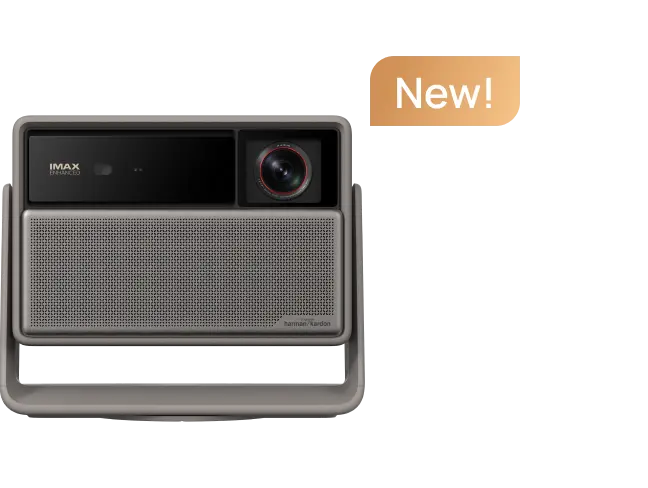
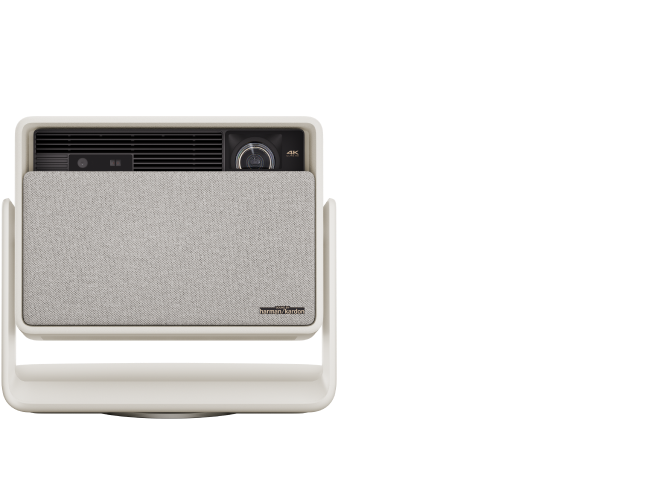
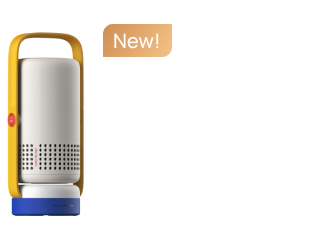
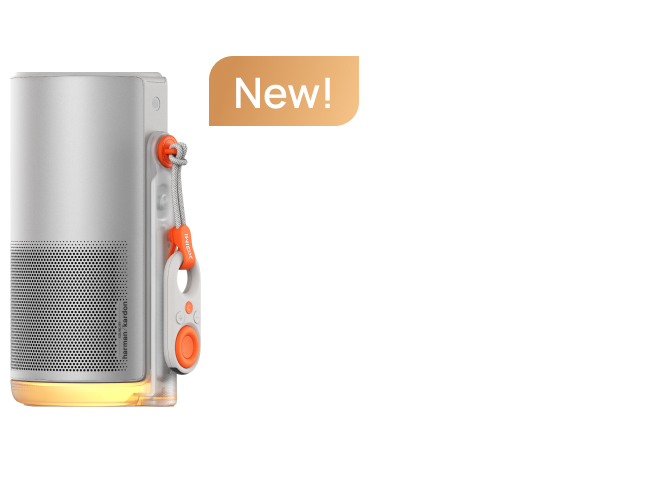
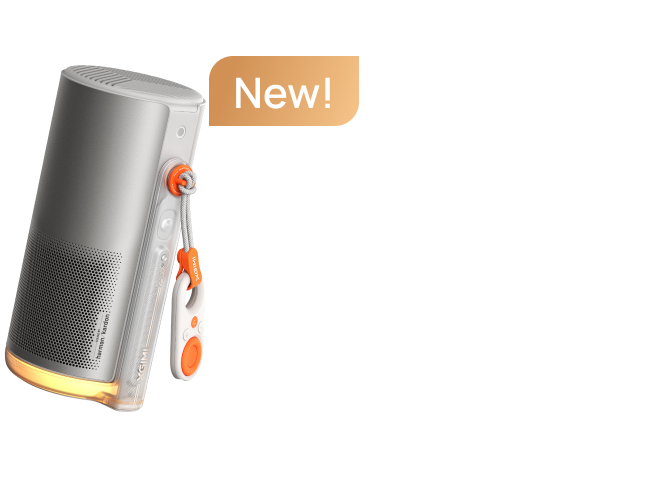
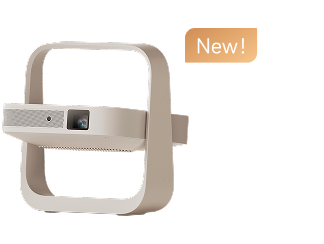
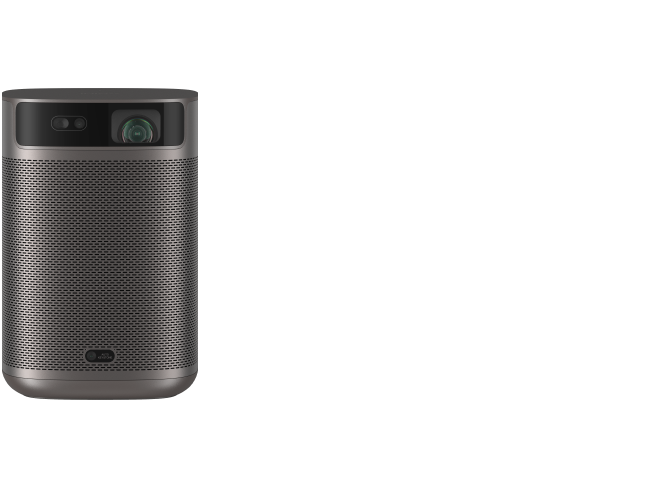
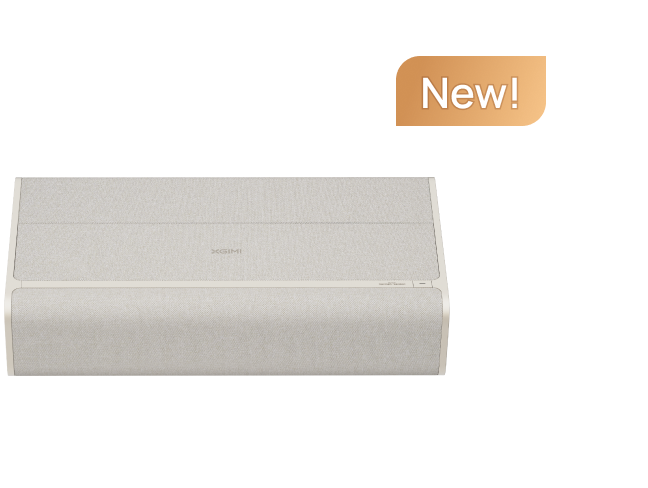
Models like the XGIMI HORIZON 20 Pro advertise 1ms low input lag in optimized conditions, making them worth evaluating for serious gamers. The AURA 2 (New) combines strong brightness with 20ms gaming performance, suitable for mixed movie and console use. Portable options such as the MoGo 4 Laser offer flexibility for different rooms but require checking their exact latency in real gaming scenarios.
Setup Tips for Competitive Gaming on a Projector
Position the projector at the correct throw distance for your screen size to avoid digital keystone correction, which can add minor processing overhead. Use a fixed screen or smooth wall for best results, and calibrate brightness and color in game mode rather than standard cinema presets.
For living-room gaming, choose a model with at least 2000 ISO lumens so ambient light does not force you to raise the gain or enable extra processing. Test different games in your actual environment—lag that feels fine in a menu may become noticeable during intense gameplay.
This article discusses comfort and setup considerations for gaming projectors and does not constitute medical advice. Projectors emit bright light; if you experience eye strain, headaches, or discomfort during extended sessions, take regular breaks and consult a qualified eye care professional.
Low input lag gaming projectors have improved significantly, yet the best choice still depends on your specific games, room conditions, and tolerance for setup tweaks. Prioritize verified performance in your intended configuration over marketing numbers alone, and you can enjoy immersive big-screen gaming without frustrating delays.


